

P0390 on 2015-2017 Subaru WRX: Exhaust Camshaft Sensor Circuit Causes and Fixes
P0390 on a 2015-2017 WRX most often means a problem with the driver's side exhaust camshaft position sensor or its wiring. The most likely fix is replacing the sensor itself, which costs about $50-$90 for an OEM part and is a straightforward DIY job for those comfortable working under the car. Always inspect the connector for corrosion or damage first, as this is a known failure point.
- P0390 points to the driver's side exhaust camshaft sensor circuit.
- Before buying a new sensor, always inspect the wiring and connector first for corrosion or damage, as this is a common cause.
- The sensor is located on the bottom of the engine on the driver's side and is held by one 10mm bolt.
- If you replace the sensor, using an OEM part is highly recommended to avoid compatibility issues.
- If a new sensor and clean wiring don't fix the code
What's Unique About the 2015-2017 Subaru WRX
The FA20F engine in the WRX uses four camshaft position sensors, one for each intake and exhaust cam. While the sensor itself can fail, these vehicles can be sensitive to wiring issues. Forum discussions among owners of early-generation VA WRX models show that even on new vehicles, corrosion on the connector pins can be enough to trigger this code, leading to a frustrating diagnosis if only the sensor is replaced without inspecting the wiring harness. Additionally, a Subaru Technical Service Bulletin (TSB 11-130-13R) for the broader engine family (FA/FB engines) points to the sensor's air gap as a potential, though less common, cause of these codes. A Subaru training document also notes that for the 2015 model year, the sensor's signal logic was inverted compared to prior designs; it outputs 5V normally and drops to 0V when the cam tooth passes, a key detail for oscilloscope diagnosis.
🎬 Watch: Diagnosing Subaru cam sensor codes with an oscilloscopeSymptoms You May Notice
- Check Engine Light is on
- Rough or unstable idle
- Engine hesitation or stumbling during acceleration.
- Noticeable loss of engine power.
- Difficulty starting the engine, or the engine cranks but won't start.
- Increased fuel consumption.
- Replacing the sensor without checking the wiring. Since P0390 is a 'circuit' code, the problem is just as likely to be the wiring or connector as it is the sensor itself. Always inspect the harness first.
Most Likely Causes
- Faulty Wiring or Connector 🔴 High Probability The sensor is located on the lower part of the engine, making its connector susceptible to moisture, oil, and road debris, which can lead to corrosion or damage over time. Forum posts confirm this can happen even on relatively new vehicles. In one documented case, a user found a burnt wire in the sensor's pigtail after mechanics had suggested replacing the entire engine harness.
How to confirm: Visually inspect the wiring harness and connector for the Bank 2 (driver's side) exhaust cam sensor. Look for chafed or burnt wires, green or white corrosion on the pins, or a loose connection. Use a multimeter to test for 5V reference, ground, and a signal from the sensor.
Typical fix: Clean the connector pins with electrical contact cleaner and apply dielectric grease. If the wiring is damaged, repair the specific section using butt connectors and heat-shrink tubing. If the connector itself is broken, it may need to be replaced.
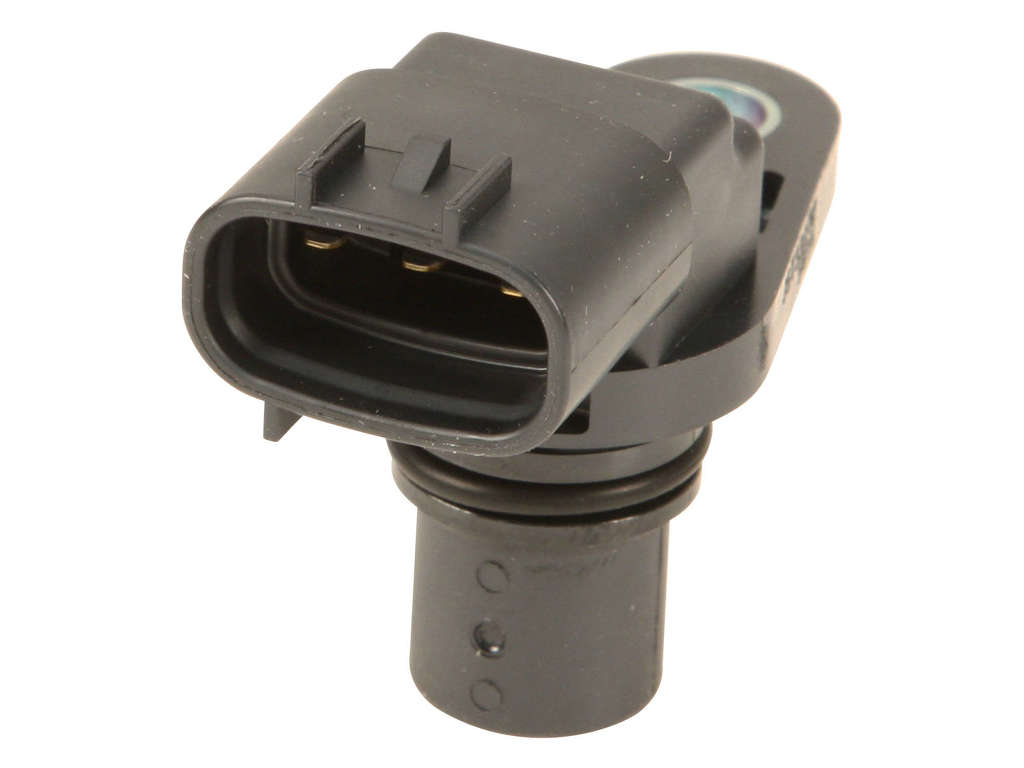
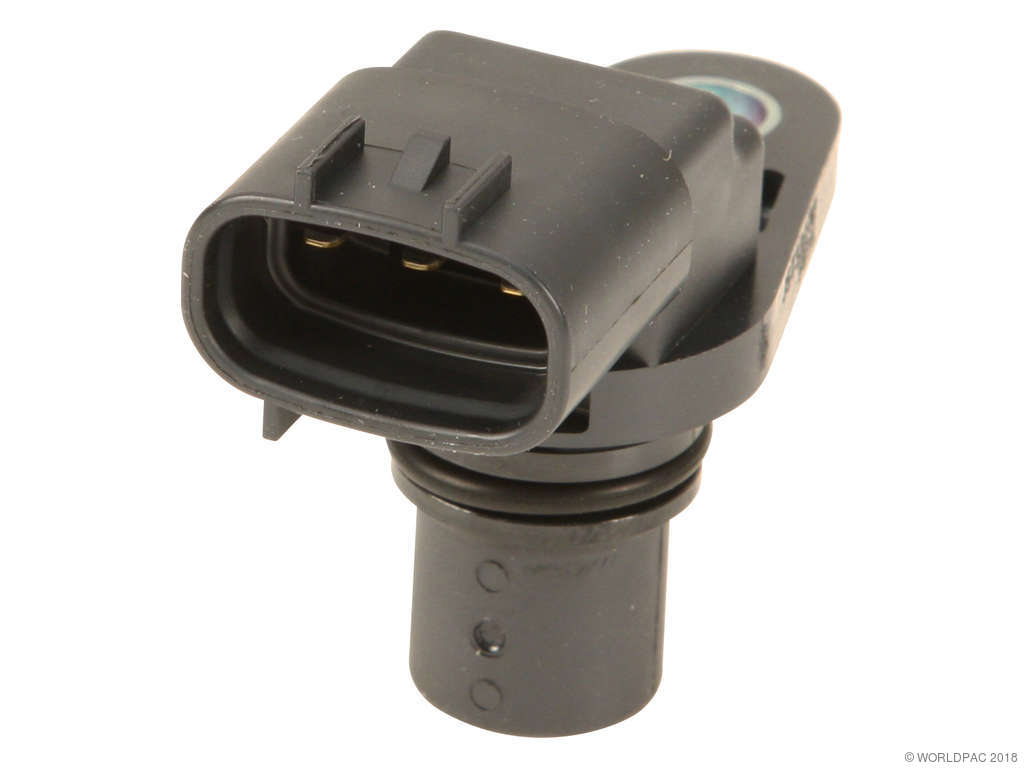
Est. part cost: $5-$25 - Failed Camshaft Position Sensor 🔴 High Probability → Shop Engine Camshaft Position Sensor Sensors are electronic components that can fail with age, heat cycles, and exposure to engine oil.
How to confirm: After confirming the wiring is intact, the easiest test is to swap the suspect sensor with another known-good sensor (e.g., the exhaust sensor from Bank 1, passenger side) and see if the trouble code follows the sensor's new position (e.g., becomes P0365). An oscilloscope can also be used to check for a clean square wave signal from the sensor.
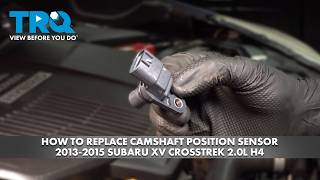
Typical fix: Replace the Bank 2 exhaust camshaft position sensor. It is held in by a single 10mm bolt. 🎬 See this simple 7-step guide to replacing the sensor
Est. part cost: $50-$90 - Incorrect Sensor Air Gap ⚪ Low Probability Subaru TSB 11-130-13R indicates that an incorrect clearance between the sensor and the camshaft's reluctor wheel can cause signal issues on FA/FB engines. While not a common DIY diagnosis, it is a known issue for this engine design.
How to confirm: This is difficult to confirm without specialized tools. It's typically diagnosed at a dealership after sensor replacement and wiring checks fail to resolve the issue. The diagnostic involves checking the sensor's waveform on an oscilloscope for irregularities.
Typical fix: A shim of a specific thickness is installed between the sensor and the engine block to correct the air gap. The shims are available in a kit, part number 10130AA060.
Est. part cost: $10-$20
Rare But Worth Checking
- Timing Chain Issue: A stretched timing chain or a problem with a tensioner or guide can cause the camshaft's actual position to deviate from what the ECU expects, but this will usually be accompanied by other timing correlation codes (like P0016, P0017, P0018, P0019) and potentially rattling noises from the front of the engine.
- ECU/PCM Failure: In very rare cases, the internal circuit within the Engine Control Unit that processes the signal from the sensor can fail. This should only be considered after all other possibilities (sensor, wiring, timing) have been definitively ruled out.
Diagnosis Steps
- Read the code with an OBD-II scanner and confirm P0390 is present. Note any other codes, like P0391.
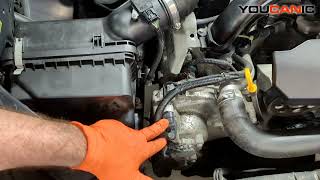
- Locate the Bank 2 (driver's side) exhaust camshaft position sensor. It is on the lower portion of the engine head, accessible from underneath the car after removing the plastic splash shield. 🎬 Watch: How to access and swap sensors on a Subaru
- Disconnect the sensor and thoroughly inspect the connector and wiring pigtail for any signs of corrosion, damage, oil contamination, or burnt insulation. Clean as necessary with electrical contact cleaner.
- If the wiring looks good, consider swapping the sensor with the identical one from the passenger side (Bank 1 exhaust). Clear the codes and drive the vehicle to see if the code returns as P0365 (Bank 1 Sensor B), which would confirm the sensor itself is faulty.
- If the code P0390 returns in the same location after the swap, the problem is in the wiring or ECU. Use a multimeter to test for power, ground, and signal continuity in the harness between the connector and the ECU.
- If the wiring checks out, replace the camshaft position sensor with a new OEM part (P/N 22056AA280).
- If the problem persists after replacing the sensor and verifying the wiring, the issue may be more complex, such as an incorrect sensor air gap, a timing chain problem, or an ECU fault, and may require professional diagnosis.
Parts You'll Likely Need
- Exhaust Camshaft Position Sensor (Bank 2)
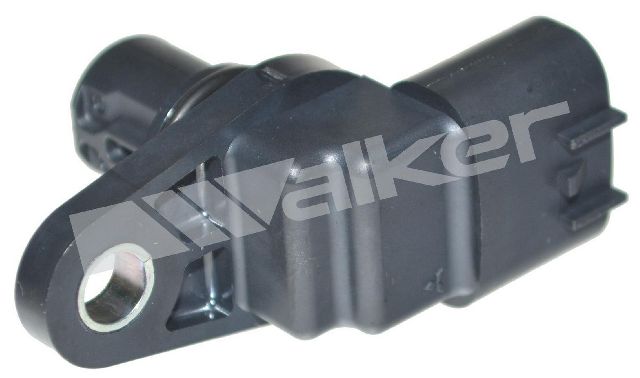
(OEM #22056AA280)— This is the sensor that the code directly references. It is the most common component to fail or be replaced to resolve the issue. All four cam sensors on the FA20F are the same part number.
Trusted brands: Subaru (OEM), Denso, NTK
OEM price range: $50-$90
Aftermarket price range: $30-$60
Related Codes That Often Appear With This One
- P0391 — P0391 indicates 'Camshaft Position Sensor B Circuit Range/Performance (Bank 2)'. It often appears with P0390 because a failing sensor or wire can produce both a complete signal loss (P0390) and an intermittent or irrational signal (P0391).
Technical Service Bulletins (TSBs) & Recalls
- Subaru TSB 11-130-13R: While originally for slightly earlier models with FA/FB engines (like the 2013 Legacy/Outback), this bulletin is relevant as it addresses DTCs including P0390 caused by incorrect sensor-to-reluctor wheel clearance, requiring a shim (from kit P/N 10130AA060) to fix. This indicates a known sensitivity in the engine family's design.
- TSB Bulletin #07-95-15: This bulletin notes that accumulation may cause a check engine light and exhaust camshaft position-related DTCs like P0390 and P0391. The manufacturer introduced a change involving full taping of the harness tube to enhance sealing and prevent issues.
- TSB Bulletin #11-125-12: A manufacturer service bulletin for the Crosstrek engine family notes that P0390 and P0391 can occur alongside misfire codes P0301 through P0304.
Mechanic-Grade Diagnostic Values
- Camshaft Position Sensor Type — expected: 3-wire Hall Effect Sensor. Failure: N/A. This identifies the correct testing method (voltage switching, not resistance).
- Sensor Power Supply Voltage (at connector, KOEO) — expected: ~5V (or system voltage, typically 4.6V - 5.4V). Failure: No voltage or significantly low voltage indicates a problem with the wiring or the ECU's power supply.
- Sensor Ground Circuit (at connector, KOEO) — expected: ~0V. Failure: Any significant voltage reading indicates a bad ground connection in the harness or at the ECU.
- Sensor Signal Voltage (at connector, KOEO) — expected: ~5V. Failure: A 0V reading may indicate an internal short in the sensor or an open in the signal wire.
- Sensor Signal Waveform (at connector, engine cranking/running) — expected: A square wave that switches between ~5V (baseline) and ~0V (as cam tooth passes).. Failure: A flat line at 5V, 0V, or an erratic/misshapen waveform indicates a faulty sensor, wiring issue, or mechanical problem (air gap, reluctor wheel).
Scan Tool Commands That Help
- Subaru Select Monitor (SSM) or equivalent: Live Data Graphing / Oscilloscope Function — This is the definitive way to diagnose the sensor's circuit. It allows a technician to visually inspect the square wave signal from the camshaft position sensor in real-time. A clean, consistent square wave that drops to 0V as the cam rotates confirms the sensor and wiring are functioning correctly. A missing or erratic signal points directly to a fault.
Wiring & Ground Locations
- Engine Harness Grounds — Bolted to the top of the intake manifold.. The ECU gets its primary ground reference from the intake manifold. A poor ground here can cause a host of strange electrical issues and sensor faults, including camshaft sensor codes. This is a known weak point on Subarus.
- Alternator Ground — The alternator grounds through its mounting bracket to the engine block.. A poor alternator ground can introduce electrical noise into the system, which can interfere with sensitive sensor signals like the camshaft position sensor. Ensuring the alternator is well-grounded is a good practice when chasing electrical gremlins.
- E36 (Connector ID) — The 3-pin connector for the Bank 2 (Driver's Side) Exhaust Camshaft Position Sensor.. This is the specific connector where voltage and signal tests must be performed. It is susceptible to corrosion, oil contamination, and heat damage from the nearby exhaust components.
Real Owner Repair Stories
- Reddit r/MechanicAdvice user (2017 Subaru WRX) — Check Engine Light with codes P0390 and P0391.
❌ Tried (didn't work) Multiple mechanics were unable to diagnose the issue and suggested replacing the entire engine wiring harness.
✅ What actually fixed it The owner found a visibly burnt wire on the pigtail connector for the camshaft position sensor. Repairing this specific wire resolved the codes without needing to replace the harness. - MNSubaru.com forum user 'ayau' (2015 Subaru WRX (1.7k miles)) — Check Engine Light with codes P0390 and P0391.
❌ Tried (didn't work) The dealership replaced the Bank 2 exhaust camshaft position sensor, but the codes returned a couple hundred miles later.
✅ What actually fixed it The dealership then found and cleaned corrosion on the sensor connector on the *other* side of the engine. After the P0390/P0391 returned, the final fix was cleaning the corrosion from the correct Bank 2 connector, which resolved the issue, highlighting that connector integrity is a primary failure point even on new vehicles.
Model Year Variations Within This Range
- 2015+: The camshaft sensor signal logic was inverted. On pre-2015 designs, the sensor output 0V and pulsed to 5V. On the 2015+ WRX, the sensor outputs a constant 5V and pulses to 0V when the cam reluctor tooth passes. This is a critical distinction for anyone diagnosing with an oscilloscope.
Diagnostic Flowchart
Other Known Issues on This Vehicle
Issues unrelated to this code that are worth knowing about as an owner of this generation:
- Direct Injection Carbon Buildup 🟠 Medium — Becomes a potential issue every 60,000 to 100,000 miles. Symptoms include rough idle, hesitation, and power loss.
- Throw-Out Bearing / Clutch Fork Noise 🟠 Medium — A very common complaint, often described as a 'chirp' or 'squeak' when the clutch pedal is operated, or a whirling noise on cold starts. Can occur at very low mileage. (Ref: Subaru TSB 03-78-17R (later revised) addresses the noise and introduces a redesigned clutch release bearing (P/N 30502AA160) and specific lubrication procedures using Nichimoly N-130 or equivalent grease.)
- Connecting Rod Failure (Under Modification) 🔴 High — Considered a weak point primarily when the engine is tuned for significantly more power than stock. Not a common failure on unmodified engines.
- Premature Clutch Wear/Failure 🟠 Medium — The 2015 and 2016 models in particular received numerous owner complaints about clutches that slip or fail at low mileage.
Used vs. New Parts: Buying Guide for This Vehicle
When a used part is the smart pick: For this repair, a used part is generally not recommended for the sensor itself due to its low cost new and the risk of a short lifespan. However, sourcing a used connector pigtail from a junkyard harness is a very smart and cost-effective choice if only the connector is broken or corroded.
Donor-vehicle mileage cap: roughly under 80000 miles for the part to have meaningful remaining life.
What to inspect on the donor part:
- For a connector pigtail: ensure the plastic is not brittle or cracked.
- Check that the locking tab is intact and functional.
- Inspect the pins inside the connector for any signs of green or white corrosion.
- Ensure there is at least 6-8 inches of clean, un-burnt, and un-spliced wire attached.
OEM-only on this vehicle (don't cheap out):
- Camshaft Position Sensor: While quality aftermarket brands like Denso or NTK are acceptable, cheap, no-name online sensors are known to have high failure rates or cause intermittent issues. Sticking with OEM (Subaru P/N 22056AA280) is the safest bet to avoid repeat repairs.
Aftermarket brands forum-validated for this vehicle:
- Denso
- NTK/NGK
- Hitachi
Brands owners have reported issues with on this vehicle:
- Unbranded or generic sensors from online marketplaces.
Real Owner Stories
Aggregated from forums and TSBs cited above. Mileages and costs reflect what owners reported in those sources.
2015 WRX — 1700 miles
Symptoms: Check Engine Light with codes P0390 and P0391.
What fixed it: After a failed first attempt at replacing the sensor, the dealer found and cleaned corrosion on the connector of the sensor on the opposite side, which resolved the issue.
Source hint: 2015 WRX CEL P0390 and P0391 - MNSubaru
2017 Subaru WRX
Symptoms: Check Engine Light with codes P0390 and P0391.
What fixed it: The owner found a burnt wire on the sensor connector that was causing the code.
Source hint: Reddit r/MechanicAdvice - Thread 'Currently have a P0390 and P0391 in a 17 Subaru WRX...'
2015-2017 Subaru WRX
Symptoms: The Check Engine Light for P0390 was on, but the car was driving normally.
What fixed it: The owner's experience pointed towards a potential wiring or intermittent connection issue as the cause, rather than a complete sensor failure.
Source hint: Reddit r/subaru - Thread 'P0390 but it drives fine'
Related OBD-II Codes
Frequently Asked Questions
Where is the P0390 camshaft position sensor located on my 2015-2017 WRX?
I replaced the sensor but the P0390 code came back. What's the next step?
What is the easiest way to test if my camshaft position sensor is actually bad?
Is there a Technical Service Bulletin (TSB) related to code P0390 for the FA20F engine?
What is the OEM part number for the camshaft position sensor on a 2015-2017 WRX?
My mechanic found a burnt wire on the sensor connector. Is this a known issue?
Helpful Videos
We Have This Part in Stock




The information in this article is provided for general reference and educational purposes only. Vehicle specifications, procedures, and part compatibility can vary by production date, trim level, and region. Always consult your vehicle's factory service manual and verify part numbers before purchasing or performing repairs. Safety-critical components such as airbags, seat belts, and braking systems should be installed by a qualified professional.
- Subaru WRX:
- 🧭 Diagnostic Flowchart
- 🎬 Helpful Videos
- 🛍️ Shop This Part
- What's Unique About the 2015-2017 Subaru WRX
- Symptoms You May Notice
- Most Likely Causes
- Rare But Worth Checking
- Diagnosis Steps
- Parts You'll Likely Need
- Related Codes That Often Appear With This One
- Technical Service Bulletins (TSBs) & Recalls
- Mechanic-Grade Diagnostic Values
- Scan Tool Commands That Help
- Wiring & Ground Locations
- Real Owner Repair Stories
- Model Year Variations Within This Range
- Other Known Issues on This Vehicle
- Used vs. New Parts: Buying Guide for This Vehicle
- Real Owner Stories
- 2015 WRX — 1700 miles
- 2017 Subaru WRX
- 2015-2017 Subaru WRX
- Related OBD-II Codes
- Frequently Asked Questions
- 🎟️ Get 5% Off