

P0394 on 2017 Chrysler Pacifica: Camshaft Sensor Intermittent Causes and Fixes
P0394 on a 2017 Pacifica indicates an intermittent signal from the exhaust camshaft position sensor on Bank 2 (front of the engine). The most common causes are a faulty sensor or a wiring issue. However, Chrysler TSBs #18-002-19 REV A and #1806917 recommend a PCM software update as a primary fix to prevent false codes. A new sensor costs $30-$60 aftermarket or $50-$90 OEM.
- P0394 points to an intermittent signal from the exhaust camshaft sensor on the front (Bank 2) of the engine.
- Before replacing any parts, check with a Chrysler dealer if your vehicle needs a PCM software update as specified in TSBs #18-002-19 REV A or #1806917.
- If a part replacement is needed, the camshaft position sensor itself is the most likely culprit. Use an OEM Mopar part for best results.
- Always check the engine oil level and condition, as low or dirty oil can cause VVT issues that trigger this code.
- Inspect the sensor's wiring and connector for damage, as this is a common and simple fix.
What's Unique About the 2017-2017 Chrysler PACIFICA
For the 3.6L Pentastar engine in the Pacifica, P0394 is frequently linked to software sensitivity, not just hardware failure. Chrysler issued Technical Service Bulletins (TSBs) #18-002-19 REV A and #1806917, which involve reprogramming the PCM. This update 🎬 Watch: A case study on why this software flash is necessary. specifically changes the fault logic for P0394 and other related codes from a "one-trip" to a "two-trip" fault, making it less likely to be triggered by a minor, temporary signal glitch. Therefore, checking for an available software update is a crucial first step before replacing parts.
Diagnostic Flowchart
Tap your situation to follow the diagnostic path that matches what you're seeing on this vehicle.
Symptoms You May Notice
- Check Engine Light is on
- Engine stalls, especially at low speeds
- Rough or erratic idle
- Difficulty starting the engine
- Hesitation or lack of power during acceleration
- Traction control light may illuminate simultaneously.
- Vehicle enters 'limp mode', limiting engine power.
- Replacing the camshaft position sensor without first checking for required PCM software updates. The TSBs indicate a software flash is a primary remedy.
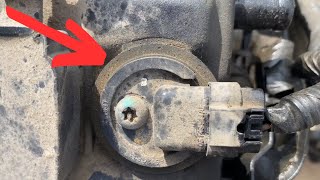
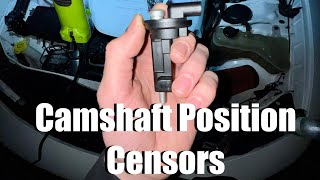
- Replacing the wrong sensor. P0394 is for Bank 2 (front/radiator side), Sensor 'B' (exhaust). The 3.6L engine has four sensors in total, but they are physically located in two housings 🎬 Watch: See the exact sensor locations and how to replace them. (one per bank).
- Using an aftermarket camshaft position sensor. Many owner forums for Pentastar engines report that aftermarket sensors often fail quickly or don't work at all, making an OEM Mopar part a necessity.
Most Likely Causes
- PCM Software Update Needed 🔴 High Probability Chrysler released TSBs #18-002-19 REV A and #1806917 specifically to address this and other cam sensor codes by making the monitoring less sensitive. The original software can trigger the code from minor, non-critical signal interruptions, and the TSB changes the diagnostic from a one-trip to a two-trip fault.
How to confirm: A Chrysler dealership or a qualified shop with a wiTECH scan tool can check your vehicle's VIN for applicable software updates or Rapid Response Transmittals (RRTs). The TSB is also released as RRT 19-037.
Typical fix: Reprogram or 'flash' the Powertrain Control Module (PCM) with the latest software. This must be done by a dealer or a properly equipped independent shop. The flash process takes approximately 6 minutes but requires a stable voltage supply.
Est. part cost: $0-$250 - Faulty Camshaft Position Sensor 🔴 High Probability → Shop Engine Camshaft Position Sensor The sensors are electronic components that operate in a high-heat environment and can fail with age and heat cycles. Many owners and technicians on forums for vehicles with the 3.6L Pentastar engine strongly recommend using only OEM Mopar sensors, as aftermarket sensors are known to cause repeat failures or not work at all.
How to confirm: Swap the suspect sensor (Bank 2, exhaust) with an identical sensor from another position (e.g., Bank 1, exhaust). The four sensors on the 3.6L engine are identical. If the code changes to P0369 (for the Bank 1 exhaust sensor), the sensor is bad.
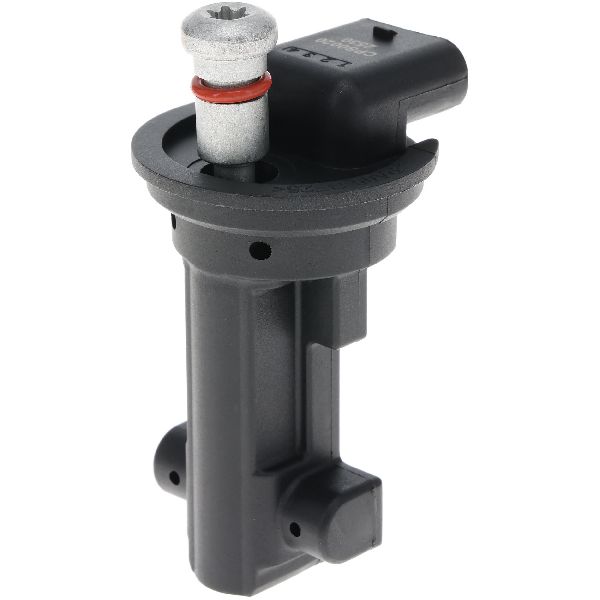
Typical fix: Replace the faulty camshaft position sensor. It is highly recommended to use an OEM Mopar part (P/N: 5149141AF) to avoid compatibility issues.
Est. part cost: $50-$90 - Wiring Harness or Connector Issue 🟡 Medium Probability The wiring harness is exposed to engine heat and vibration, which can lead to chafed wires, loose connections, or corrosion at the sensor connector.
How to confirm: Visually inspect the wiring and connector for the Bank 2 exhaust camshaft sensor. Perform a 'wiggle test' on the harness while the engine is running or while monitoring voltage with a multimeter to see if it triggers the fault or causes voltage to drop out. Check for a 5V reference signal at the connector.
Typical fix: Repair the damaged section of wiring or replace the connector pigtail. Ensure the harness is secured away from heat sources and moving parts.
Est. part cost: $15-$50 - Low or Dirty Engine Oil / Incorrect Oil Filter ⚪ Low Probability → Shop Engine Oil Filter Adapter The 3.6L Pentastar engine uses oil pressure to operate the VVT system. If the oil is low, dirty, or the wrong viscosity, it can affect the cam phasers' ability to respond. Some owners have specifically reported that using a non-OEM or cheap oil filter led to P0394, which was resolved by switching to a quality filter and fresh oil.
How to confirm: Check the engine oil level and condition on the dipstick. Review service records to ensure the correct oil viscosity (e.g., 5W-20) and a quality oil filter are being used.
Typical fix: Perform an oil and filter change with the correct type of oil and a high-quality or OEM filter. Clear codes and re-test.
Est. part cost: $40-$80
Rare But Worth Checking
- Damaged Camshaft Reluctor Wheel: → Shop Engine Camshaft The reluctor wheel (or tone ring) on the camshaft can be damaged during other engine repairs. One owner on a forum reported that accidentally touching the wheel with a magnet caused a P0394 code to appear immediately after a lifter replacement, as it can interfere with the magnetic pattern 🎬 Watch: How a simple mistake during repairs can trigger these codes. the sensor reads.
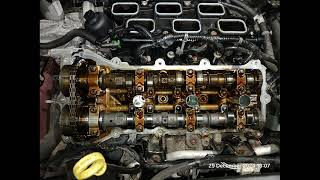
- Failing Camshaft Phaser or VVT Solenoid: → Shop Engine Camshaft A mechanical issue with the VVT system, such as a sticking phaser or a clogged oil control solenoid (actuator), can cause the camshaft's position to be incorrect, triggering a sensor code. Mechanics note there is no specific code for a bad phaser; its failure is reported by the sensor, often leading to misdiagnosis.
- Loose Oil Gallery Plugs: On some 3.6L Pentastar engines, oil gallery plugs located under the valve cover can become loose or fall out, causing a significant drop in oil pressure to the VVT system in that head. This can trigger cam sensor codes like P0394 and is a known issue in the wider Pentastar community.
Diagnosis Steps
- Check for TSBs: Contact a Chrysler dealer with your VIN to determine if TSB #18-002-19 REV A or RRT 19-037 applies. If so, a PCM reflash is the recommended first step.
- Scan for Codes: Use an OBD-II scanner to confirm P0394 and look for other related codes like P0390, P0349, or C121C-00.
- Check Engine Oil: Verify the engine oil is at the correct level, clean, and of the proper viscosity. Ensure a quality oil filter is installed, as cheap filters are linked to this code on Pentastar engines.
- Inspect Wiring: Carefully inspect the wiring harness and connector for the Bank 2 (front) camshaft position sensor. Look for signs of melting, chafing, or corrosion. Perform a 'wiggle test' on the harness while monitoring sensor data or voltage to check for intermittent breaks.
- Swap Sensors: The four camshaft position sensors on the 3.6L engine are typically identical (Mopar P/N 5149141AF). Swap the suspect sensor with the one on Bank 1. Clear the codes and drive the vehicle. If the code changes to P0369 (Bank 1, exhaust), the sensor is confirmed to be faulty.
- Test the Circuit: If the code remains after swapping sensors, use a multimeter to backprobe the connector. Check for a 5-volt reference signal, a good ground, and a fluctuating signal from the sensor while the engine is running.
- Professional Diagnosis: If the sensor and wiring are good, the issue may be mechanical (timing chain, cam phaser, loose oil gallery plug) or a rare PCM failure, which requires more advanced diagnostics, possibly including removing the valve cover for inspection.
Parts You'll Likely Need
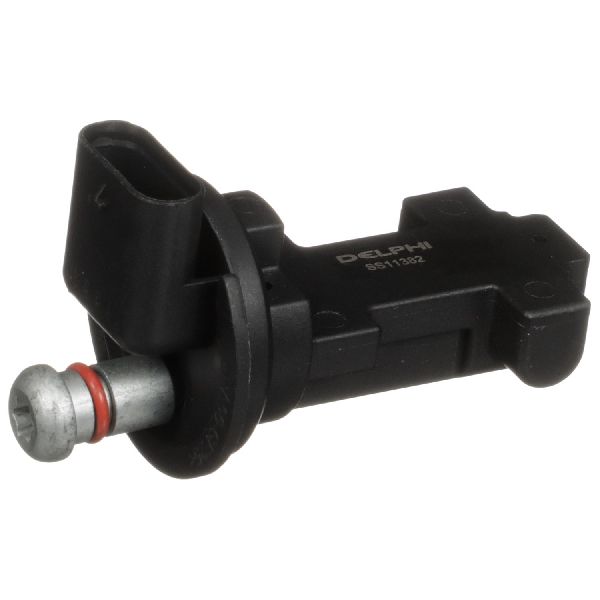
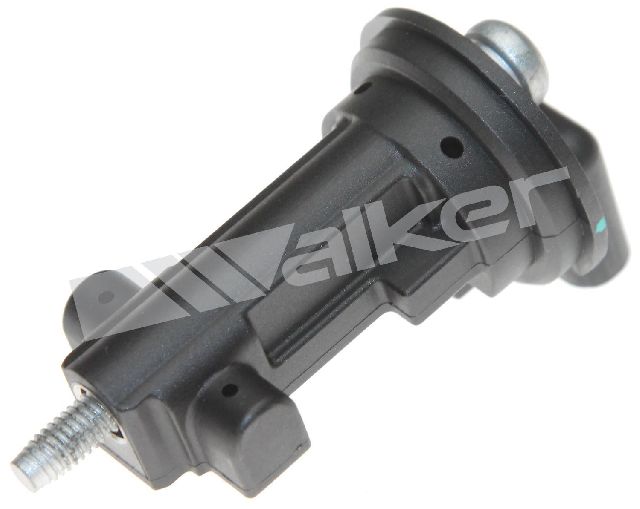
- Camshaft Position Sensor
(OEM #5149141AF)— This is the most common hardware failure for P0394 after a software update is ruled out. The sensor is electronic and fails due to heat and vibration over time. Using the OEM Mopar part is strongly advised.
Trusted brands: Mopar (highly recommended), NTK/NGK, Delphi
OEM price range: $50-$105
Aftermarket price range: $30-$60
Related Codes That Often Appear With This One
- P0390 — This is the general circuit fault for the same sensor. P0394 indicates an intermittent problem, while P0390 indicates a more constant failure. They often appear together.
- P0349 — This code is for the intake camshaft sensor on the same bank (Bank 2). Since a single sensor housing reads both camshafts on that bank, if both codes appear, it strongly suggests a shared problem like a wiring harness issue, a PCM software glitch, or an oil pressure problem affecting the entire cylinder head.
- C121C-00 — TSB #18-002-19 REV A explicitly states that a PCM calibration issue can cause this ABS code ('Torque Request Signal Denied') to appear alongside the camshaft codes. A PCM software update is designed to fix this conflict.
Technical Service Bulletins (TSBs) & Recalls
- 18-002-19 REV A: Flash: Powertrain Control Module (PCM) Updates. Addresses MIL illumination for P0394 and other codes, and changes the fault from a one-trip to a two-trip diagnostic. Also released as RRT 19-037.
- 1806917: Flash: Powertrain Diagnostic and System Enhancements. An earlier TSB that also involves reprogramming the PCM for similar camshaft sensor code issues.
Platform-Specific Known Issues
- A PCM software update is a common requirement to fix this code, as outlined in TSB #18-002-19 REV A. The update makes the system less sensitive to minor signal interruptions.
Mechanic-Grade Diagnostic Values
- Camshaft Position Sensor Supply Voltage — expected: 4.8V to 5.2V. Failure: Voltage is significantly lower than 4.8V or is absent, indicating an open or short in the supply circuit.
- Camshaft Position Sensor Ground Circuit Resistance — expected: Less than 3.0 Ohms. Failure: Resistance is higher than 3.0 Ohms, indicating a corroded or open ground wire.
- Camshaft Position Sensor Signal (Oscilloscope) — expected: A clean square wave pattern that toggles between approximately 0V and 5V as the engine is running.. Failure: A flat line, noisy signal, or missing pulses indicates a faulty sensor or intermittent wiring issue.
Scan Tool Commands That Help
- wiTECH or advanced aftermarket scanner: VVT Control Solenoid Actuation Test — If P0394 is accompanied by other VVT or misfire codes, this bidirectional test can command the VVT solenoid for the corresponding bank on and off. A lack of response or no change in engine RPM points to a faulty solenoid, clogged oil passage, or wiring issue, helping to differentiate from a sensor-only problem.
- wiTECH or advanced aftermarket scanner: Cam/Crank Relearn — This procedure may be required after replacing major timing components like a camshaft, phaser, or timing chain to re-synchronize the sensor inputs with the PCM. It is not typically needed for just a sensor replacement.
Wiring & Ground Locations
- Bank 2 Camshaft Position Sensor Connector — On the front valve cover (closer to the radiator), on the right side when facing the engine.. This is the direct connection point for the sensor. The connector and its wiring are the primary locations for checking voltage, ground, and signal, as well as for performing 'wiggle tests' to find intermittent faults.
- Engine Ground Strap (Mopar P/N 68316197AA) — Typically runs from an upper engine mount to the chassis or strut tower area on the passenger side of the engine bay.. A poor engine ground can cause erratic behavior in various sensors, including the camshaft position sensor. While not a direct circuit component, a faulty main ground can introduce electrical noise and voltage drops that lead to intermittent signal codes like P0394.
Real Owner Repair Stories
- Our Next Chapter (blog) (Jeep with 3.6L Pentastar engine (similar to Pacifica)) — Persistent P0390 and P0394 codes, among others.
❌ Tried (didn't work) Replacing camshaft position sensors, Replacing a VVT phaser
✅ What actually fixed it The root cause was a missing oil gallery plug inside the cylinder head (under the valve cover). This caused a major internal oil leak, starving the VVT phasers of oil pressure and triggering the cam sensor codes. Installing a new M8x1.25 bolt with Loctite to plug the hole resolved the issue. - YouTube user 'P0394 3.6L Pentastar Engine Chrysler Dodge How to fix ? Solution.' (2015 Chrysler Town & Country, 3.6L Pentastar, 116,000 miles) — Check engine light with code P0394.
❌ Tried (didn't work) Replacing the camshaft position sensor, Replacing the camshaft phasers, Replacing the camshaft itself
✅ What actually fixed it The final culprit was a faulty VVT solenoid (camshaft actuator). Due to engine sludge from infrequent oil changes, the solenoid's internal oil passages were clogged, preventing it from properly controlling oil pressure to the phasers. Replacing the VVT solenoid for Bank 2 fixed the code.
OEM Part Supersession History
5149141AF→5149141AF— No supersession found.
Heads up: This part number appears to be stable and has been used across a wide range of Chrysler/Dodge/Jeep/Ram vehicles with the 3.6L Pentastar engine for many years. No compatibility issues or problematic revisions were noted in the search results.
Helpful Videos
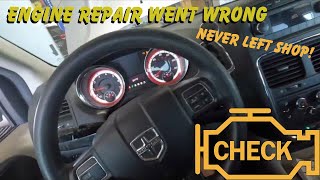
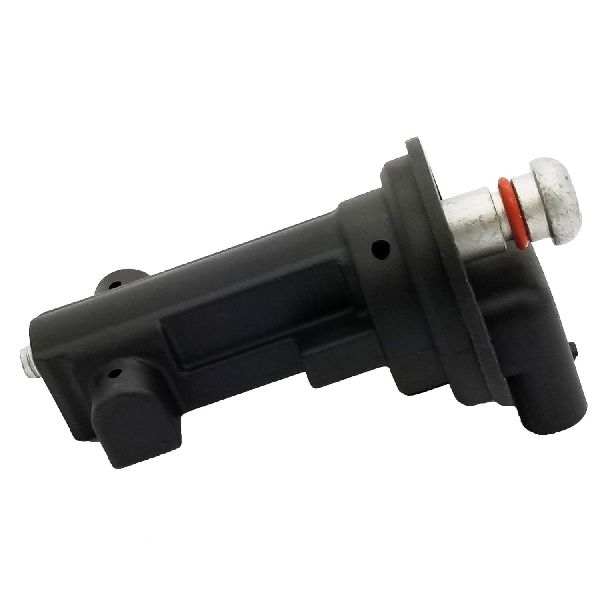
We Have This Part in Stock


The information in this article is provided for general reference and educational purposes only. Vehicle specifications, procedures, and part compatibility can vary by production date, trim level, and region. Always consult your vehicle's factory service manual and verify part numbers before purchasing or performing repairs. Safety-critical components such as airbags, seat belts, and braking systems should be installed by a qualified professional.
- Chrysler PACIFICA:
- 🧭 Diagnostic Flowchart
- 🎬 Helpful Videos
- 🛍️ Shop This Part
- What's Unique About the 2017-2017 Chrysler PACIFICA
- Symptoms You May Notice
- Most Likely Causes
- Rare But Worth Checking
- Diagnosis Steps
- Parts You'll Likely Need
- Related Codes That Often Appear With This One
- Technical Service Bulletins (TSBs) & Recalls
- Platform-Specific Known Issues
- Mechanic-Grade Diagnostic Values
- Scan Tool Commands That Help
- Wiring & Ground Locations
- Real Owner Repair Stories
- OEM Part Supersession History
- 🎟️ Get 5% Off