

P0394 on 2016-2017 Jeep Grand Cherokee: Camshaft Sensor B Bank 2 Causes & Fixes
This code indicates an intermittent signal from the exhaust camshaft position sensor on Bank 2 (driver's side) of the 3.6L V6 engine. The most common fixes are replacing the sensor itself, addressing wiring issues, or having a dealer perform a software update as specified in TSB #18-049-20. A new sensor costs between $30 and $60. In some cases, low oil pressure caused by loose oil gallery bolts under the valve cover can be the root cause.
- P0394 points to the exhaust camshaft sensor on the driver's side of the 3.6L V6 engine.
- Before replacing parts, check your engine oil level and quality, as low or dirty oil is a known cause.
- A software update from a Jeep dealer (TSB #18-049-20) is a very common and often overlooked solution for this specific code on these model years.
- If you replace the sensor, use an OEM Mopar part (05149141AF) to avoid repeat failures common with aftermarket alternatives.
- Thoroughly inspect the wiring and connector for damage before assuming the sensor is bad.
What's Unique About the 2016-2017 Jeep GRAND CHEROKEE

For the 2016-2017 Grand Cherokee with the 3.6L Pentastar engine, this code is not always a simple case of a bad sensor. FCA (Fiat Chrysler Automobiles) has issued Technical Service Bulletin #18-049-20 indicating that the problem can be caused by outdated powertrain software that is too sensitive. Furthermore, this engine is known for having oil gallery bolts located under the valve covers that can loosen over time. This loosening causes a drop in oil pressure to the VVT (Variable Valve Timing) system in the cylinder head, which can trigger cam sensor codes even when the sensor itself is good.
Diagnostic Flowchart

Tap your situation to follow the diagnostic path that matches what you're seeing on this vehicle.
Symptoms You May Notice
- Check Engine Light is on
- Engine stalls, especially at idle
- Difficulty starting the engine or long crank times
- Rough idle
- Reduced engine power and poor acceleration
- Poor fuel economy
- In some cases, the Electronic Stability Control (ESC) light may also illuminate
- Vehicle enters 'limp mode'
- Replacing the camshaft position sensor multiple times when the root cause is outdated PCM software or low oil pressure from loose galley bolts.
- Replacing the sensor when the issue is a simple wiring problem or a poor connection.
- Replacing the crankshaft position sensor instead of the camshaft position sensor.
- Immediately assuming a bad camshaft or phaser before checking software, wiring, and oil pressure-related causes.
Most Likely Causes

- Faulty Camshaft Position Sensor (Bank 2, Exhaust) 🔴 High Probability → Shop Engine Camshaft Position Sensor Sensors can fail over time due to heat cycles and vibration. Using non-OEM sensors is a frequent cause of repeat failures, a point emphasized by many owners in forums.
How to confirm: Swap the suspect sensor (Bank 2, exhaust) with the corresponding sensor from Bank 1 (passenger side, exhaust). If the code changes to P0369 (Bank 1 Sensor 2 Intermittent), the sensor is bad.
Typical fix: Replace the camshaft position sensor on the driver's side valve cover (the one towards the rear/exhaust). Using an OEM Mopar part (05149141AF) is highly recommended to avoid repeat issues.
Est. part cost: $30-$65 - Outdated Powertrain Control Module (PCM) Software 🔴 High Probability → Shop Engine Control Module (ECM) FCA released TSB #18-049-20 specifically to address this and other related camshaft sensor codes. The update changes the fault detection from a one-trip to a two-trip fault, making it less sensitive to momentary signal drops.
How to confirm: A Jeep dealership or a well-equipped independent shop can check your vehicle's software version against the latest available version using a wiTECH scan tool.
Typical fix: Reprogram the PCM with the latest software. This must be done at a dealer or a shop with the appropriate subscription and tools.
Est. part cost: $0 (if under warranty), $100-$250 (dealer labor) - Wiring or Connector Issues 🟡 Medium Probability The engine harness has very little slack, and vibration can lead to chafed wires or loose pins in the connector. Oil from a leaking oil cooler housing can also contaminate the connector and wiring.
How to confirm: Visually inspect the wiring harness leading to the sensor. With the engine running, carefully wiggle the connector and wiring to see if it causes the engine to stumble. Check for 5V reference, ground, and signal at the connector with a multimeter.
Typical fix: Repair the damaged section of the wiring harness or replace the connector pigtail.
Est. part cost: $10-$50 - Low, Dirty, or Incorrect Viscosity Engine Oil 🟡 Medium Probability The VVT system uses oil pressure to adjust cam timing. If oil is low, dirty, or the wrong viscosity (e.g., using a high-mileage formula when not specified), the cam phasers may not respond as the ECM expects, causing the sensor to report an intermittent signal.
How to confirm: Check the engine oil level and condition. If it's low, appears sludgy, or an oil change is long overdue, this could be the cause.
Typical fix: Perform an oil and filter change using the manufacturer-specified oil grade (typically 5W-20) and a quality filter. Avoid excessively thick or high-mileage oils unless specified.
Est. part cost: $50-$100
Rare But Worth Checking
- Loose Oil Gallery Bolts: A well-documented issue on the 3.6L Pentastar. Under each valve cover are two 13mm oil gallery bolts that can back out, causing a significant oil pressure drop to the phasers and valvetrain on that head. This starves the VVT system and triggers cam codes. The fix is to remove the valve cover, apply Loctite to the bolts, and torque them to spec (approx. 13 ft-lbs).
- Failing Cam Phaser: The cam phaser itself can fail mechanically. The internal spring mechanism can wear out, especially on higher mileage engines, preventing it from holding timing firmly. This causes timing deviation that the sensor correctly reports as a fault.
- Failing VVT Solenoid (Oil Control Valve): The solenoid controls oil flow to the cam phaser. If it's sticking due to sludge or electronic failure, it can mimic a sensor or phaser issue.
- Mechanical Timing Issue (Shifted Tone Wheel): In rare cases, the tone wheel that the sensor reads can physically shift or 'walk' on the camshaft, causing erratic readings. This requires camshaft replacement as the tone wheel is press-fit.
Diagnosis Steps
- Verify engine oil level and condition. Ensure the correct viscosity oil is being used. Top off or change if necessary.
- Scan for any other accompanying trouble codes. Address them first if they relate to crankshaft position or general circuit faults.
- Visually inspect the camshaft position sensor on the driver's side valve cover (rear position). Check its connector for damage, corrosion, or oil contamination.
- Inspect the wiring harness leading to the sensor for any signs of chafing, melting, or damage. The harness has little slack and can rub.
- With the vehicle running, carefully wiggle the sensor connector and wiring to see if the idle changes or the engine stalls, indicating a loose connection.
- If accessible, swap the Bank 2 exhaust sensor with the Bank 1 exhaust sensor (passenger side, rear). Clear the codes and drive the vehicle. If code P0369 appears, the sensor is faulty.
- Contact a Jeep dealer to check if TSB #18-049-20 applies and if a PCM software update is available. This is a very common fix.
- If the code persists after a new sensor and software update, the next step is to investigate oil pressure. This involves removing the driver's side valve cover to inspect the two oil gallery bolts. Check if they are loose and torque them to specification (approx. 13 ft-lbs), using Loctite.
- While the valve cover is off, inspect the VVT solenoids and cam phasers for any visible signs of damage or sludge.
- Advanced diagnosis would involve using an oscilloscope to monitor the sensor's signal pattern to determine if it is a clean signal or if there are dropouts, which could point to a wiring or mechanical (tone wheel) issue.
Parts You'll Likely Need

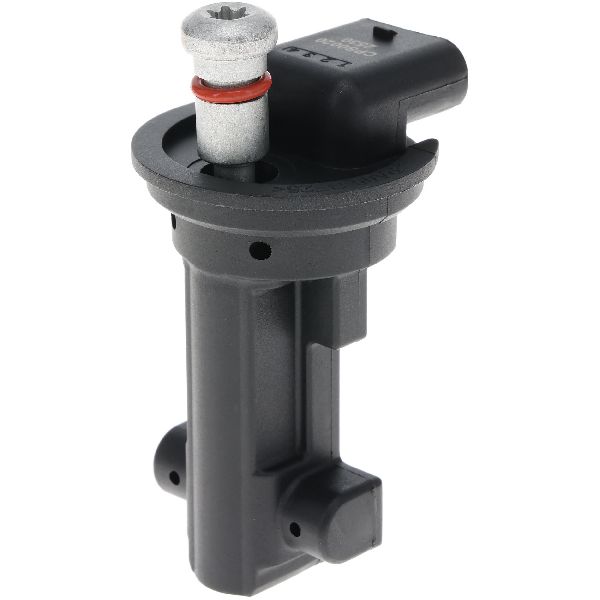
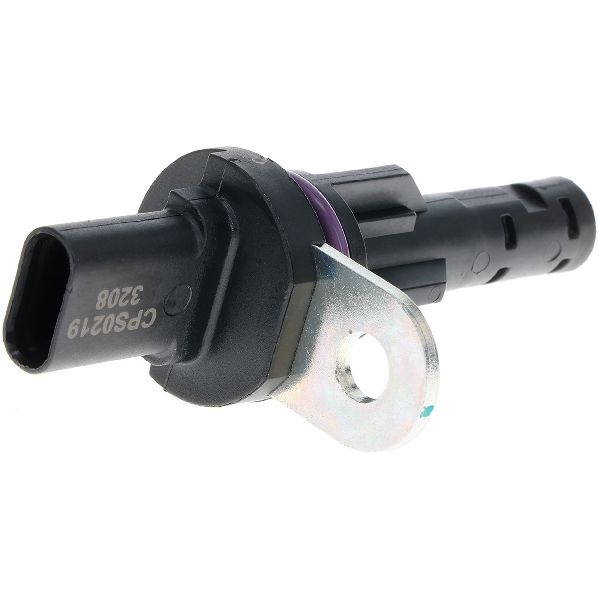
- Camshaft Position Sensor
(OEM #05149141AF)— This is the most common component to fail or be replaced. The same part number is used for all four sensor locations on the 3.6L engine and across many FCA vehicles.
Trusted brands: Mopar (OEM), NTK/NGK, Delphi
OEM price range: $50-$65
Aftermarket price range: $25-$45
Related Codes That Often Appear With This One
- P0390 — This is the general circuit fault code for the same sensor (Camshaft Position Sensor Circuit - Bank 2 Sensor 2). It often appears with P0394 as part of the same underlying issue.
- P0349 — This is the intermittent code for the intake camshaft sensor on the same bank (Bank 2 Sensor 1). Wiring, software, or oil pressure issues can affect both sensors on that bank simultaneously.
- P0345 — This is the general circuit fault for the intake camshaft sensor on the same bank (Bank 2 Sensor 1).
- C121C-00 — Torque Request Signal Denied. This ABS module code can be set as a consequence of the PCM detecting the engine fault and restricting torque. TSBs for the Chrysler Pacifica note that a PCM flash for P0394 also resolves this code.
Technical Service Bulletins (TSBs) & Recalls
- 18-049-20: Flash: Powertrain Control Module (PCM) Updates, which lists P0394 as a code addressed by a software update for 2016-17 Grand Cherokee and Durango.
- 18-024-17 REV. C: The bulletin superseded by 18-049-20, also mentioning P0394.
- 18-002-19 REV. A: A similar TSB for the 2017 Chrysler Pacifica addressing P0394 with a software flash.
Platform-Specific Known Issues
- TSB #18-049-20 and its predecessor #18-024-17 REV. C directly address P0394 on 2016-2017 models. The prescribed fix is a PCM software update to prevent false positives for intermittent sensor signals.
- Owners on forums frequently report that using aftermarket sensors can lead to the code returning quickly. Sticking with the OEM Mopar sensor (05149141AF) is strongly advised.
Mechanic-Grade Diagnostic Values
- Camshaft Position Sensor Connector Voltage (Key On, Engine Off) — expected: 5V on the supply and signal wires.. Failure: Voltage below 4.5V or that fluctuates when wiggling the harness points to a wiring or PCM issue.
- Camshaft Position Sensor Ground Circuit Resistance — expected: Less than 5.0 Ohms between the connector's ground pin and a known good chassis ground.. Failure: Resistance higher than 5.0 Ohms indicates a poor ground connection or a break in the wire.
- Scan Tool Live Data: Cam Phaser Position at Idle (Warm Engine) — expected: Intake cams near 128 degrees; Exhaust cams near 116 degrees.. Failure: A value that is significantly different or fluctuates wildly on one cam can indicate a failing phaser or oil pressure issue.
- Oscilloscope Pattern for Camshaft Sensor Signal — expected: A repeating digital square wave pattern of 1-2-3-2-1-2-2-3, corresponding to narrow, medium, and wide pulses from the tone wheel.. Failure: Missing pulses, noise, or a non-square waveform indicates a faulty sensor, wiring, or a damaged tone wheel.
Scan Tool Commands That Help
- wiTECH or equivalent professional scan tool: VVT Intake/Exhaust Solenoid Actuation Test — Use this test when the sensor and wiring have been verified as good but the code persists. It allows the technician to command the VVT solenoid on and off to check its mechanical and electrical response, helping to rule out a stuck solenoid.
Wiring & Ground Locations

- Bank 2 Camshaft Sensor Connector — On the driver's side valve cover. The P0394 code corresponds to the rearward sensor (exhaust). It is a 4-pin connector.. This is the primary point of failure for wiring issues due to heat and vibration. The 4 pins are for two separate Hall-effect sensors inside the single housing (one for intake, one for exhaust). For P0394, you are testing the circuit for the exhaust sensor.
- PCM Connector C2 (Tan) — The Powertrain Control Module (PCM) is located in the engine bay. C2 is the tan-colored connector.. The sensor signal and control wires terminate here. A wiring diagram for a 2017 model shows the VVL (Variable Valve Lift) Solenoid control for Bank 2 Exhaust is on Pin 1. The Camshaft Position Sensor ground is shared and may be on Pin 66 or 88, depending on the specific wiring configuration for the year. Verifying continuity from the sensor connector to these pins is a critical step in diagnosing a wiring fault.
- Engine/Chassis Ground Straps — Key grounds include a strap from the firewall to the engine block (often near the dipstick tube), from the battery negative terminal to the inner fender, and from the block to the frame.. While the sensor has a dedicated ground wire back to the PCM, the PCM itself relies on clean chassis and engine block grounds. A corroded or loose main ground strap can introduce electrical noise into the entire system, causing intermittent sensor faults that are difficult to trace.
Real Owner Repair Stories
- JK-Forum.com user 'Kordax25' (2013 Jeep Wrangler JKU Sahara (3.6L V6)) — Check engine light and traction control light on, vehicle enters limp mode at highway speeds (~3500 rpm, 70 mph).
❌ Tried (didn't work) Replacing the camshaft position sensor with an aftermarket part., Replacing the camshaft position sensor again with a Mopar part.
✅ What actually fixed it Replacing the CRANKSHAFT position sensor fixed the P0394 camshaft sensor code. - YouTube channel 'Online Mechanic Tips' (High-mileage (243,000 miles) vehicle with 3.6L Pentastar) — Persistent P0394 code after multiple repairs.
❌ Tried (didn't work) Replacing both Bank 2 cam sensors., Replacing engine mounts., Replacing the oil cooler.
✅ What actually fixed it The cam phasers were worn out due to high mileage and were no longer holding timing firmly. Replacing all four cam phasers resolved the code. - Reddit user on r/MechanicAdvice (2013 Jeep Grand Cherokee (3.6L V6)) — Lifter tick, followed by P0018 after major engine work.
❌ Tried (didn't work) Replacing all cams, lifters, rockers, VVT phasers, actuators, solenoids, and timing components.
✅ What actually fixed it The P0018 code (related to cam/crank correlation) was ultimately caused by a combination of a misaligned reluctor wheel (tone ring) on the new camshaft AND a leaking oil gallery plug under the valve cover.
"I Checked Everything" — The Actual Cause
- The most common scenario fitting this pattern for P0394 on the 3.6L Pentastar is when the sensor, wiring, and software are all correct, but the code persists. The root cause is often found to be an internal oil pressure loss to the cylinder head's valvetrain. This is caused by two 13mm oil gallery bolts located under the valve cover that have loosened over time, allowing oil pressure to bleed off before it properly actuates the VVT system and cam phasers. The sensor correctly reports the resulting erratic camshaft movement, but no external test will find the fault.
OEM Part Supersession History
05149141AF→5149141AF— Standard Mopar part number update (prefix change).
Heads up: None. The parts are interchangeable.
Model Year Variations Within This Range
- 2016-2017: The 3.6L Pentastar engine was updated in 2016 (referred to as the 'PUG' or Pentastar Upgrade). This version includes a two-stage variable valve lift (VVL) system, an updated VVT system, a cooled EGR, and redesigned lightweight components. While the fundamental cause of P0394 (intermittent cam signal) remains the same, the presence of VVL adds another layer of complexity to the valvetrain system. However, the TSBs for P0394 apply to both the early and updated 3.6L engines in this year range.
Helpful Videos

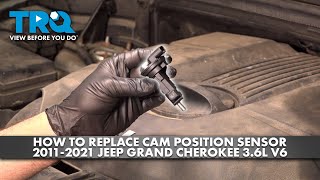
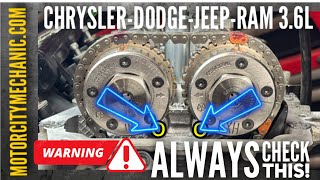
We Have This Part in Stock


The information in this article is provided for general reference and educational purposes only. Vehicle specifications, procedures, and part compatibility can vary by production date, trim level, and region. Always consult your vehicle's factory service manual and verify part numbers before purchasing or performing repairs. Safety-critical components such as airbags, seat belts, and braking systems should be installed by a qualified professional.
- Jeep GRAND CHEROKEE:
- 🧭 Diagnostic Flowchart
- 🎬 Helpful Videos
- 🛍️ Shop This Part
- What's Unique About the 2016-2017 Jeep GRAND CHEROKEE
- Symptoms You May Notice
- Most Likely Causes
- Rare But Worth Checking
- Diagnosis Steps
- Parts You'll Likely Need
- Related Codes That Often Appear With This One
- Technical Service Bulletins (TSBs) & Recalls
- Platform-Specific Known Issues
- Mechanic-Grade Diagnostic Values
- Scan Tool Commands That Help
- Wiring & Ground Locations
- Real Owner Repair Stories
- "I Checked Everything" — The Actual Cause
- OEM Part Supersession History
- Model Year Variations Within This Range
- 🎟️ Get 5% Off