

P0400 on 2002-2003 Saab 9-3 2.2L TiD: Electrical and Mechanical EGR Faults
On the Saab 9-3 with the 2.2L TiD engine, code P0400 most often points to a clogged or faulty EGR valve, or an issue with the vacuum solenoid that controls it. Cleaning the EGR valve and intake passages is a common first step, but the issue can also be electrical or related to boost leaks. A Saab-specific Tech2 scanner is highly recommended to read sub-codes for an accurate diagnosis.
- P0400 on this Saab officially means an electrical circuit fault, but it is commonly triggered by mechanical issues.
- The most likely cause is a soot-clogged EGR valve or a faulty vacuum solenoid that controls it.
- Before replacing parts, thoroughly clean the EGR valve and its port on the intake manifold.
- Inspect all vacuum lines for cracks and all larger boost hoses for splits, as leaks in either system can trigger this code.
- Using a Saab-specific Tech2 scanner can provide valuable sub-codes to diagnose the problem more quickly.
What's Unique About the 2002-2003 Saab 9-3
The 2.2L TiD (D223L) engine, which is an Opel-derived design, uses a vacuum-operated EGR valve controlled by an electronic solenoid. Unlike purely electronic valves, this system introduces multiple failure points, including the vacuum pump, vacuum lines, and the control solenoid itself. While Saab documentation states P0400 is strictly for electrical faults, owner forums are filled with instances where mechanical blockages or air leaks in the turbo system trigger this specific code, confusing the diagnosis. This discrepancy between official documentation and real-world experience is the key challenge with this code on this platform. Blanking off the EGR valve without an ECU remap will consistently trigger the P0400 code because the MAP sensor will not detect the expected pressure change during the ECU's self-test.
Generation note: The 2002-2003 model years span the end of the first-generation ('OG' 9-3) and the beginning of the second-generation ('NG' 9-3). The 2.2L TiD engine (D223L) was available in both generations until it was phased out in 2004. The EGR system and the causes of P0400 are consistent across these models.
Symptoms You May Notice
- Check Engine Light is on
- Reduced engine power or 'limp-home' mode
- Poor acceleration
- Rough idling
- Increased black smoke from the exhaust
- Engine hesitation or stumbling
- Shaky or difficult engine start.
- Replacing the EGR valve without cleaning the intake manifold passages.
- Replacing the Mass Airflow (MAF) sensor, as it can be affected by EGR issues but is rarely the root cause of P0400 on this engine.
- Replacing the EGR valve when the actual fault is a simple cracked vacuum line or a faulty control solenoid.
Most Likely Causes
- Clogged or Sticking EGR Valve 🔴 High Probability → Shop Exhaust Gas Recirculation (EGR) Valve Diesel engines naturally produce soot, which mixes with oil vapor from the crankcase ventilation system to form thick carbon deposits that jam the EGR valve's mechanical components, causing it to stick open or closed. This is the most common cause reported by owners.
How to confirm: Remove the EGR valve (typically held by two bolts) and visually inspect it and the intake port for heavy carbon buildup. Manually actuate the valve's plunger/spring mechanism to check for smooth movement; it should not stick or feel gritty. A scan tool can also be used to perform an actuation test to see if the valve responds to commands.
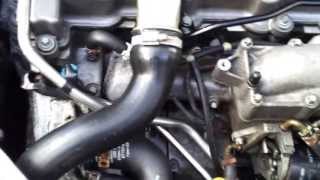
Typical fix: Thoroughly clean the EGR valve and the corresponding intake manifold port with a carbon cleaner (like carb cleaner or a dedicated EGR cleaner) and brushes. If the valve is damaged or cannot be freed, it must be replaced. Always use a new gasket upon reinstallation. 🎬 Watch: A step-by-step guide to cleaning your 2.2 TiD EGR valve.
Est. part cost: $10 - $30 (for cleaning supplies and gasket) - Faulty EGR Vacuum Solenoid 🟡 Medium Probability The solenoid (also called a transducer) that modulates vacuum to the EGR valve can fail electrically or become clogged with debris over time, preventing it from accurately controlling the EGR valve. There are often a bank of similar solenoids controlling the turbo and intake flaps, which can be swapped for diagnosis.
How to confirm: With the engine running, check for vacuum at the hose leading to the EGR valve when commanded open by a diagnostic tool. Alternatively, test the solenoid's resistance with a multimeter (should be around 15-30 Ohms) or apply 12V directly to check if it clicks open and closed. You can also swap it with an adjacent, identical solenoid to see if the problem moves.
Typical fix: Replace the faulty vacuum control solenoid. Pierburg is a common OEM supplier for this part.
Est. part cost: $40 - $90 - Cracked or Leaking Vacuum Hoses 🟡 Medium Probability The small-diameter rubber vacuum lines that control the EGR valve and other components become brittle and crack with age and exposure to engine heat, leading to vacuum leaks that prevent proper EGR actuation.
How to confirm: Visually inspect all vacuum lines connected to the EGR solenoid and valve for cracks, splits, or loose connections. A handheld vacuum pump can be used to test the integrity of each line segment. A smoke test can also be used to find hard-to-see leaks.
Typical fix: Replace the damaged section of vacuum hose. It's often recommended to replace all of them at once with 4mm inner diameter silicone hose due to their age.
Est. part cost: $10 - $25 - Air Leak in Turbocharger/Intercooler System ⚪ Low Probability A specific sub-code for P0400 (P0400-5A) points to an air leak between the turbocharger and the intake manifold. The engine management system detects a boost leak (a discrepancy between expected and actual manifold pressure) and may disable the EGR function as a protective measure, triggering the code.
How to confirm: Inspect all boost hoses and the intercooler for splits, cracks, or loose clamps. Oily residue around a hose is a common sign of a leak. A smoke test is the most effective way to pinpoint a boost leak.
Typical fix: Replace the split hose or damaged intercooler.
Est. part cost: $50 - $250 (depending on the leaking component)
Rare But Worth Checking
- Wiring Harness or Connector Fault: Saab's official definition for P0400 is an electrical fault. A specific sub-code, P0400-54, points to a fault in the female connector of the Engine Control Unit (ECU), such as corrosion or poor pin connections. This can interrupt the signal to the EGR solenoid.
- Clogged Intake Manifold Passages: If the EGR valve itself is clean, the passages inside the intake manifold where the exhaust gas enters can become completely blocked with carbon, preventing flow even with a functioning valve. This often requires removing the entire intake manifold 🎬 Watch: How to deep clean the intake manifold on this engine. for a thorough cleaning.
- Faulty Mass Airflow (MAF) Sensor: While not a primary cause, a faulty MAF sensor can provide incorrect airflow readings to the ECU, which can disrupt the expected calculations for EGR operation and indirectly trigger a P0400 code. In some cases, the MAF sensor can internally short, dropping its resistance from ~5 kOhm to ~2.6 kOhm, causing it to report double the actual airflow and triggering P0400. This is more likely if other airflow-related codes are present.
Diagnosis Steps
- Connect a Saab-specific Tech2 scanner if possible to check for sub-codes related to P0400, which can narrow down the fault (e.g., electrical, boost leak).
- Visually inspect the engine bay. Check all small-diameter vacuum lines connected to the EGR solenoid and the EGR valve for any obvious cracks, splits, or disconnections.
- Inspect the larger boost hoses running from the turbo to the intercooler and to the intake manifold for any signs of splits or oil residue, which can indicate a leak.
- Remove the engine cover and locate the EGR valve at the front of the engine. Disconnect it and remove the two bolts holding it to the intake manifold.
- Inspect the EGR valve and the port on the intake manifold for heavy carbon buildup. Check if the valve's plunger moves freely by hand.
- If significant carbon is present, clean the EGR valve and intake port thoroughly using brake/carb cleaner and brushes. Reinstall with a new gasket.
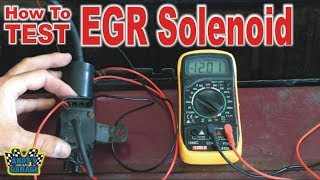
- If the valve is clean or cleaning does not resolve the issue, locate the bank of vacuum solenoids. Identify the one controlling the EGR. Test it by applying 12V to see if it clicks, or swap it with an identical adjacent solenoid to see if the fault follows the part. 🎬 See how to test the vacuum solenoid for proper operation.
- Test the vacuum system. Use a handheld vacuum pump to check if the EGR valve diaphragm holds vacuum. Check for vacuum at the line going to the EGR valve while the engine is running and being revved (this may require a helper).
- If the code persists, perform a smoke test on the intake and vacuum systems to find any hidden air or vacuum leaks.
- As a final step, inspect the wiring and connector at the Engine Control Unit (ECU) for corrosion or damage, especially if you have sub-code P0400-54.
Parts You'll Likely Need
- EGR Valve
(OEM #93176989 (Vauxhall/Opel cross-reference))— This is the most common failure point, either by getting clogged with soot or failing mechanically.
Trusted brands: Pierburg, Wahler, Hella, Valeo
OEM price range: $150-$250
Aftermarket price range: $80-$150 - EGR Vacuum Control Solenoid
(OEM #5851030 (Vauxhall/Opel cross-reference), Pierburg 7.02256.04.0)— This solenoid controls the EGR valve's operation. It can fail electrically or become clogged, preventing the EGR from opening or closing correctly.
Trusted brands: Pierburg
OEM price range: $70-$110
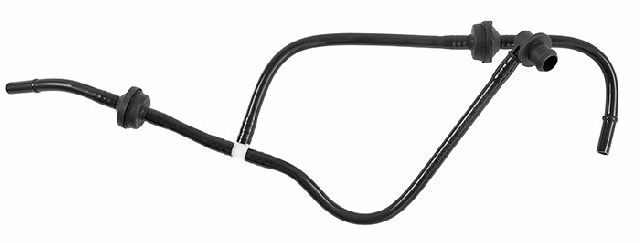
Aftermarket price range: $40-$90 - Vacuum Hose
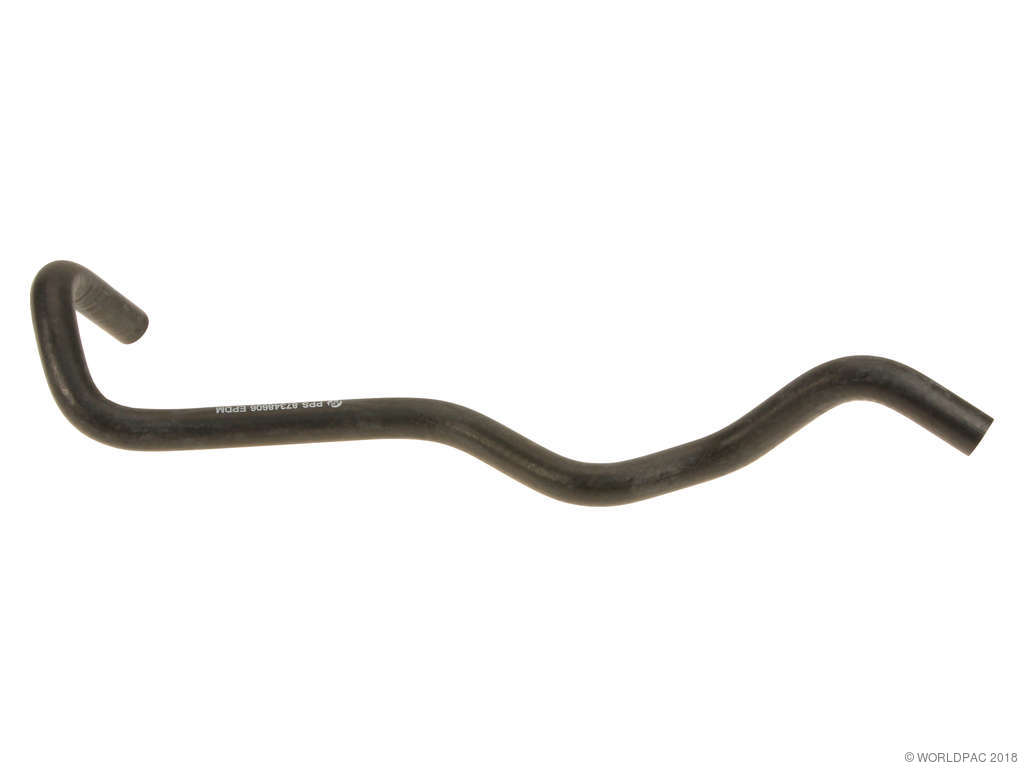
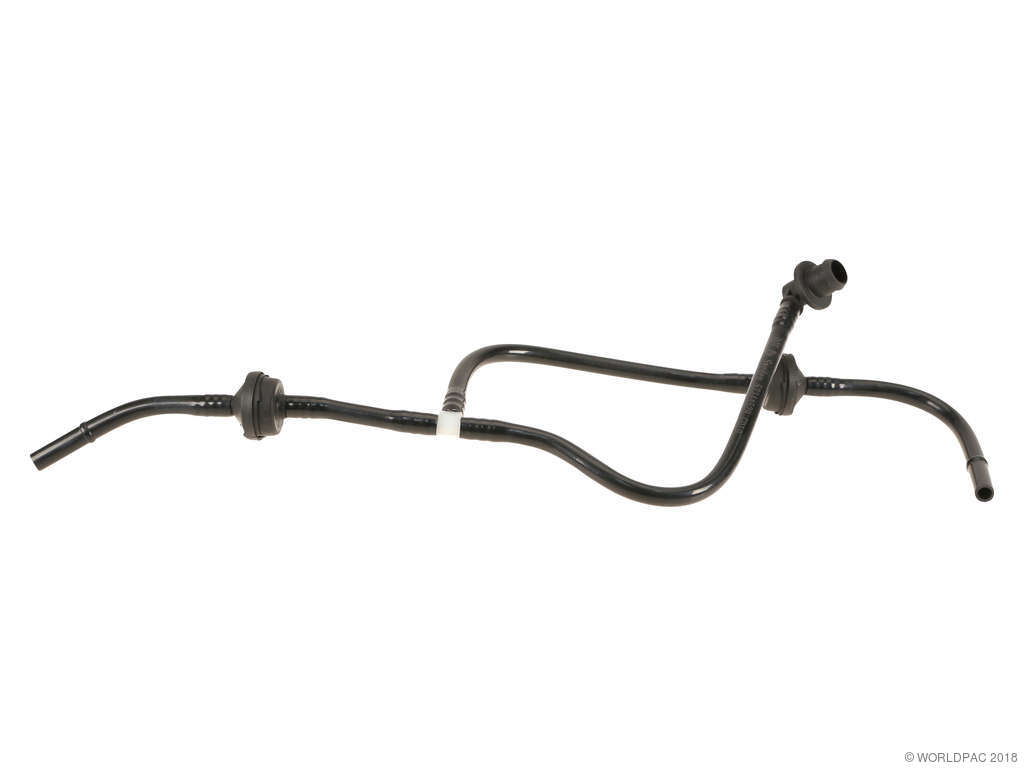
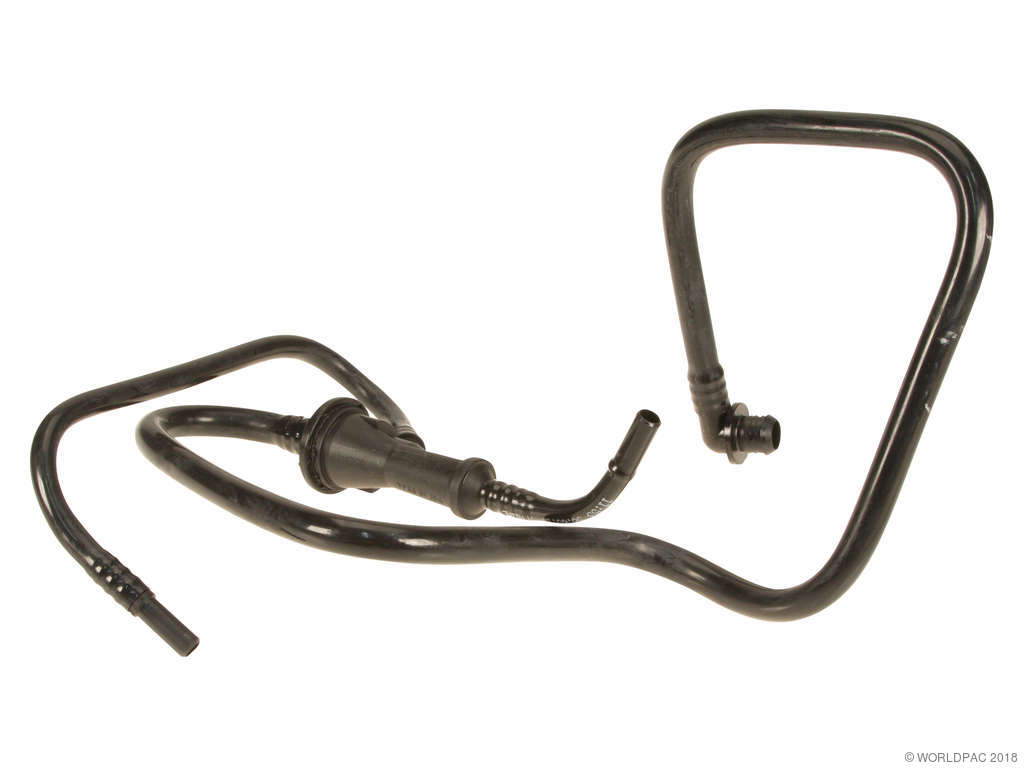
(OEM #9136243)— The original rubber hoses become brittle and crack over time, causing vacuum leaks that prevent the EGR system from functioning correctly.
Trusted brands: Genuine Saab, Silicone hose from various suppliers
OEM price range: $10 per meter
Aftermarket price range: $5 per meter
Related Codes That Often Appear With This One
- P0400 has several sub-codes readable by a Tech2 scanner, including P0400-01, P0400-02, P0400-04, P0400-54 (ECU connector), P0400-5A (boost leak), and P0400-5B (pre-turbo air leak).
- P0402 (EGR Flow Excessive Detected) can also appear if the valve is stuck open.
Platform-Specific Known Issues
- Real Owner Experience: Cleaning vs. Replacing: A user on the r/saab subreddit described getting P0400 on their TTID (a later diesel, but similar principle). They first cleaned the EGR valve thoroughly, which only temporarily solved the issue. The light returned. They then replaced the EGR valve with a new one, but the code came back again, illustrating that the fault can often lie elsewhere in the system (like wiring or other sensors) even after addressing the most common component.
- Forum Diagnosis Story: Chasing P0400: On a Polish forum (elektroda.pl), a user with an Opel 2.2 DTI (the same engine) and code P0400 reported replacing the EGR valve, solenoids, and checking all vacuum lines without success. The issue was worse when the engine was warm. This highlights the difficulty in diagnosing the code and points towards intermittent electrical faults or sensor issues that are temperature-dependent.
Mechanic-Grade Diagnostic Values
- EGR Vacuum Control Solenoid Resistance — expected: Approximately 15-30 Ohms. Failure: An open circuit (infinite resistance) or a short (near zero resistance) indicates a failed solenoid coil.
- Mass Airflow (MAF) Sensor Resistance — expected: Approximately 5 kOhms. Failure: A reading significantly lower, such as 2.6 kOhms, indicates an internal fault causing the sensor to report double the actual airflow, which can trigger a P0400 code.
- Vacuum at EGR actuator hose — expected: Should show vacuum (e.g., -0.6 bar) when the EGR is commanded open by the ECU or a scan tool.. Failure: No vacuum or weak vacuum suggests a problem with the vacuum pump, the control solenoid, or the hoses in between.
Hidden / Shadow Codes Worth Checking
- P0400-5A: Indicates an air leak between the turbocharger and the intake manifold (boost leak). The ECU disables EGR and boost control as a protective measure. (see via Saab Tech2 or equivalent advanced diagnostic scanner.)
- P0400-54: Points to a fault in the female connector of the Engine Control Unit (ECU), such as corrosion or poor pin connections. (see via Saab Tech2 or equivalent advanced diagnostic scanner.)
- P0400-5B: Indicates a pre-turbo air leak. (see via Saab Tech2 or equivalent advanced diagnostic scanner.)
Scan Tool Commands That Help
- Saab Tech2: EGR Activation / Actuator Test — This bidirectional command allows the technician to manually open and close the EGR valve while observing its physical movement or monitoring engine parameters. It is essential for confirming if the valve is physically stuck or if the control circuit (solenoid, wiring) is functional.
Wiring & Ground Locations
- G7 / G7P — On the side of the intake manifold. For the D223L engine, this is a primary grounding point for engine sensors.. A poor ground at this location can cause erratic behavior or failure of the EGR control solenoid and other sensors, leading to a P0400 code that appears to be an electrical fault.
- G25 — Main ground point from the battery cable directly to the gearbox.. While not directly for the EGR circuit, a compromised main ground can cause widespread electrical issues and unpredictable fault codes throughout the engine management system.
- ECU Connector (PSG16) — The Engine Control Unit is located on the engine. Pin M24 is the diagnostic feedback signal from the EGR valve.. Sub-code P0400-54 specifically points to faults at this connector. Corrosion or loose pins here can directly interrupt communication with the EGR system.
Real Owner Repair Stories
- Elektroda.pl forum user 'wasylek112233' (Saab 9-3 with 2.2 DTH engine (D223L)) — P0400 code, car enters limp mode frequently when warm. Check engine light flashes intermittently.
❌ Tried (didn't work) Swapping EGR, turbo, and intake flap solenoids., Verifying vacuum lines were clear and holding vacuum (-0.6 bar)., Cleaning the EGR valve., Inspecting the vacuum pump (found oil inside but it was still generating vacuum).
✅ What actually fixed it The root cause was a faulty Mass Airflow (MAF) sensor. It had a design flaw where its resistance would drop from a normal ~5 kOhm to 2.6 kOhm, causing it to report twice the amount of airflow to the ECU and triggering an unspecified P0400 error.
OEM Part Supersession History
4782058 (EGR Vacuum Solenoid)→9128022— Part update/consolidation.
Heads up: The replacement part 9128022 is the same valve used on many Vauxhall/Opel 2.0/2.2 DTi engines.
Model Year Variations Within This Range
- 2002-2003: The 2002 model is the first generation ('OG' 9-3), while the 2003 model is the second generation ('NG' 9-3). While they share the D223L engine, some ground point locations and harness routing may differ slightly between the two chassis. For example, G7 is on the intake manifold on the OG 9-3, while on the NG 9-3 it can be on the ECU bracket or under the intake manifold support depending on the specific engine controller (EDC16).
Diagnostic Flowchart
Other Known Issues on This Vehicle
Issues unrelated to this code that are worth knowing about as an owner of this generation:
- Bosch VP44 Injection Pump Failure 🔴 High — A well-known weak point of this engine. The pump's electronics module (PSG5 or PSG16) is prone to failure, often leading to a no-start condition. Can occur at any mileage over 100k miles.
- Leaking Injector Seals 🟠 Medium — The seals/gaskets under the fuel injectors can dry out and fail, allowing fuel to mix with engine oil or causing air to enter the fuel system, leading to hard starting.
- Saab Information Display (SID) Pixel Failure 🟡 Low — Extremely common across all Saabs of this era. The ribbon cable connecting the display to the circuit board delaminates, causing lines of pixels or the entire display to become unreadable. It's a cosmetic/annoyance issue.
- Starter Motor Failure 🟠 Medium — The starter motor is cited as a weak point on the D223L engine, often failing without warning and resulting in a no-crank situation.
- Intake Manifold Swirl Flap Problems 🔴 High — The swirl flaps in the intake manifold can become clogged with carbon and stick. In worst-case scenarios, the flaps can break off and fall into the engine, causing catastrophic damage.
Used vs. New Parts: Buying Guide for This Vehicle
When a used part is the smart pick: Used parts like the intake manifold can be a good value if they are thoroughly cleaned and inspected for cracks before installation. A used EGR valve is risky unless its movement can be verified to be perfectly smooth and it holds vacuum.
Donor-vehicle mileage cap: roughly under 80000 miles for the part to have meaningful remaining life.
What to inspect on the donor part:
- For an EGR valve, check that the plunger moves freely with no sticking or grit.
- For an intake manifold, ensure it is not warped and all mounting surfaces are flat. Inspect for any cracks, especially around the EGR port.
- For vacuum solenoids, check for physical damage to the plastic body and spigots. Avoid parts from vehicles with obvious signs of engine fire or flood.
OEM-only on this vehicle (don't cheap out):
- EGR Vacuum Control Solenoid: Aftermarket versions can have high failure rates. Pierburg is the OEM supplier and is highly recommended.
Aftermarket brands forum-validated for this vehicle:
- Pierburg (OEM for solenoids and often the EGR valve itself)
- Wahler (OEM for EGR valves)
- High-quality silicone vacuum hose (4mm ID) from any reputable brand is superior to OEM rubber.
Brands owners have reported issues with on this vehicle:
- Unbranded, no-name EGR valves and solenoids from online marketplaces are frequently reported to fail quickly or not work correctly out of the box.
Real Owner Stories
Aggregated from forums and TSBs cited above. Mileages and costs reflect what owners reported in those sources.
Saab 9-3 TTID (similar principle to 2.2 TiD)
Symptoms: The Check Engine Light for code P0400 returned, even after thoroughly cleaning the EGR valve and then replacing it with a new part.
What fixed it: The issue was not resolved by addressing the EGR valve itself; the problem was suspected to be elsewhere in the system, such as wiring or other sensors.
Source hint: r/saab on Reddit - A user details their experience with P0400/P0404...
Opel 2.2 DTI (same engine)
Symptoms: Persistent P0400 code that was worse when the engine was warm.
What fixed it: The owner was unable to fix the issue despite replacing the EGR valve, solenoids, and checking all vacuum lines. The problem was suspected to be an intermittent, temperature-dependent electrical fault or sensor issue.
Source hint: Forum Diagnosis Story: Chasing P0400
Related OBD-II Codes
Frequently Asked Questions
My scanner only shows P0400. Are there more specific Saab codes I should look for?
Is it better to clean or replace the EGR valve on my 2.2 TiD?
I've cleaned the EGR valve but the P0400 code came back. What should I check next?
What type of hose should I use to replace the old vacuum lines?
Could a leak in my turbo hoses cause this EGR code?
I have an Opel/Vauxhall with the 2.2 DTI engine. Does this P0400 guide apply to my car?
Helpful Videos
We Have This Part in Stock

The information in this article is provided for general reference and educational purposes only. Vehicle specifications, procedures, and part compatibility can vary by production date, trim level, and region. Always consult your vehicle's factory service manual and verify part numbers before purchasing or performing repairs. Safety-critical components such as airbags, seat belts, and braking systems should be installed by a qualified professional.
- Saab 9-3:
- 🧭 Diagnostic Flowchart
- 🎬 Helpful Videos
- 🛍️ Shop This Part
- What's Unique About the 2002-2003 Saab 9-3
- Symptoms You May Notice
- Most Likely Causes
- Rare But Worth Checking
- Diagnosis Steps
- Parts You'll Likely Need
- Related Codes That Often Appear With This One
- Platform-Specific Known Issues
- Mechanic-Grade Diagnostic Values
- Hidden / Shadow Codes Worth Checking
- Scan Tool Commands That Help
- Wiring & Ground Locations
- Real Owner Repair Stories
- OEM Part Supersession History
- Model Year Variations Within This Range
- Other Known Issues on This Vehicle
- Used vs. New Parts: Buying Guide for This Vehicle
- Real Owner Stories
- Saab 9-3 TTID (similar principle to 2.2 TiD)
- Opel 2.2 DTI (same engine)
- Related OBD-II Codes
- Frequently Asked Questions
- 🎟️ Get 5% Off