

P0401 on 1996-1999 GMC C1500: EGR Flow Insufficient Causes and Fixes
On a 1996-1999 GMC C1500 with a Vortec V6 or V8, code P0401 is almost always caused by carbon buildup clogging the EGR passages in the intake manifold, not a bad EGR valve. The definitive fix is to remove the throttle body and/or EGR valve to manually scrape and clean the passages, a low-cost but labor-intensive DIY job. Replacing the valve without cleaning the passages will not solve the problem. In some cases, a new aftermarket EGR valve can be faulty out of the box, making an OEM ACDelco part
- For a P0401 code on a 1996-1999 GMC C1500, suspect clogged EGR passages before you suspect a bad EGR valve.
- The most effective fix is to remove the EGR valve and/or throttle body to access and thoroughly clean the carbon out of the intake manifold ports.
- Replacing the EGR valve without cleaning the passages will likely not solve the problem and the Check Engine Light will return.
- Symptoms include engine pinging, which can cause damage over time, so it's best to address the issue promptly.
- This is a manageable DIY repair for someone with basic tools, saving significant labor costs.
What's Unique About the 1996-1999 GMC C1500
For the GMT400 platform trucks, including the 1996-1999 C1500 with V6 or V8 engines, P0401 is a notoriously common code. The primary reason is a design that makes the EGR passages inside the intake manifold prone to clogging with hard carbon deposits over time. This is a well-documented issue in owner forums. Many owners and technicians mistakenly replace the EGR valve first, only to have the code return because the blockage, not the valve, was the root cause. Understanding that cleaning these passages is the most likely fix is key to solving P0401 on these specific trucks.
Symptoms You May Notice
- Check Engine Light is on
- Engine pinging or knocking sounds, especially during acceleration or when going uphill
- Reduced engine power and sluggish acceleration
- Rough idling or stalling in some cases
- Failure to pass an emissions (smog) test
- Replacing the EGR valve without cleaning the intake manifold passages. This is the most common mistake and will almost always result in the P0401 code returning.
- Replacing the MAP sensor. While the PCM uses the MAP sensor to detect EGR flow, a MAP sensor failure is rare and would typically be accompanied by other trouble codes.
- Installing a new aftermarket EGR valve that is defective from the factory. Some non-OEM valves may not be calibrated correctly and will cause a P0401 code immediately after installation.
Most Likely Causes
- Clogged EGR Passages in Intake Manifold 🔴 High Probability → Shop Engine Intake Manifold The design of the Vortec-era intake manifolds on these GM trucks allows carbon from the exhaust to build up and solidify in the small passages leading from the EGR valve to the intake runners. The clog typically forms at sharp bends within the manifold where the exhaust gas flow is turbulent.
How to confirm: Remove the EGR valve and/or throttle body and visually inspect the ports inside the intake manifold. They will likely be restricted or completely blocked with hard, black carbon deposits. You can try spraying carburetor cleaner into the passage; if it doesn't flow through to the other side, it's clogged.
Typical fix: The passages must be manually and aggressively cleaned. 🎬 Watch: How to clean the EGR passages on a 5.7 Vortec This involves using tools like picks, small wire brushes (like gun cleaning brushes), a flexible tube attached to a can of carburetor cleaner, or even an old speedometer cable spun with a drill to break up and remove the carbon. Compressed air is then used to blow out the debris. This can often be done without removing the entire intake manifold.
Est. part cost: $10-$30 for gaskets and cleaner. - Faulty EGR Valve 🟡 Medium Probability → Shop Exhaust Gas Recirculation (EGR) Valve The valve itself can fail. The diaphragm in the vacuum-operated valve can leak, or the pintle can get stuck closed due to carbon buildup, preventing it from opening when commanded. Aftermarket valves have also been reported to be faulty out of the box, failing to flow correctly even when new.
How to confirm: With the engine idling, manually apply vacuum to the EGR valve's vacuum port with a hand pump. The engine should stumble or stall. If it does, the valve is opening and the passages are at least partially clear. If the idle doesn't change, either the valve is stuck or the passages are completely blocked.
Typical fix: Replace the EGR valve and its gasket. 🎬 See this walkthrough on how to replace the EGR valve It is critical to thoroughly clean the intake passages at the same time, otherwise the P0401 code will return. Using an OEM ACDelco valve is recommended over some aftermarket brands.
Est. part cost: $50-$150 - Faulty EGR Control Solenoid or Vacuum Lines ⚪ Low Probability The rubber vacuum lines that control the EGR valve can become brittle, crack, and leak over time, preventing the valve from getting the vacuum signal it needs to open. The electronic solenoid that controls the vacuum can also fail, though this is less common than a clog or bad valve.
How to confirm: Visually inspect all vacuum lines connected to the EGR system for cracks or loose connections. Test the solenoid with a multimeter or a capable scan tool to see if it's being commanded on and is functioning.
Typical fix: Replace the cracked vacuum tubing or the faulty EGR control solenoid.
Est. part cost: $5-$50
Diagnosis Steps
- Verify the P0401 code is present using an OBD-II scanner.
- Inspect the vacuum hoses connected to the EGR valve and control solenoid for any cracks, brittleness, or loose connections.
- With the engine at idle, use a hand-held vacuum pump to apply 5-10 in. Hg of vacuum to the EGR valve. The engine should run very rough, stumble, or stall. If the engine's idle does not change, the passages are completely blocked with carbon. If it does stumble, the valve and passages are at least partially open.
- If the passages are confirmed to be blocked, remove the throttle body and EGR valve for access. You will need to replace the gaskets upon reassembly.
- Thoroughly clean the EGR passages in the intake manifold using picks, wire brushes, carburetor cleaner, and compressed air until they are completely clear. A flexible hose 🎬 Watch: A clever tip for cleaning out clogged EGR ports attached to the cleaner can help reach deep into the passages.
- While the EGR valve is off, inspect it for carbon buildup and ensure the pintle moves freely. Clean it if necessary or replace it if it's stuck or the diaphragm is torn.
- If the passages were clear but the valve didn't respond to vacuum, test the valve itself for a diaphragm leak by seeing if it holds vacuum with the hand pump.
- If the valve and passages are good, check for vacuum at the line leading to the EGR valve while an assistant briefly raises the engine RPM to around 2000 RPM. If there is no vacuum, the problem is likely the EGR control solenoid or its wiring.
- Reassemble with new gaskets (throttle body and EGR valve), clear the code, and perform a test drive that includes varied speeds to allow the PCM to run its EGR test.
- If the code returns, check for a faulty MAP sensor, though this is an unlikely cause.
Parts You'll Likely Need
- EGR Passages Cleaning — This isn't a part, but the procedure is the most common fix. It requires cleaning supplies (carb cleaner, brushes) and new gaskets for reassembly.
Trusted brands: Gasket brands: Fel-Pro, ACDelco. Cleaner brands: CRC, Gumout
OEM price range: $20-$40 (for gaskets)
Aftermarket price range: $10-$25 (for gaskets) - EGR Valve
(OEM #ACDelco 214-1080)— This is the second most likely cause, either being stuck or having a failed diaphragm. It's often replaced when it's not the root cause. Some aftermarket versions have been reported as faulty out of the box.
Trusted brands: ACDelco (OEM), Delphi, Standard Motor Products (SMP)
OEM price range: $100-$180
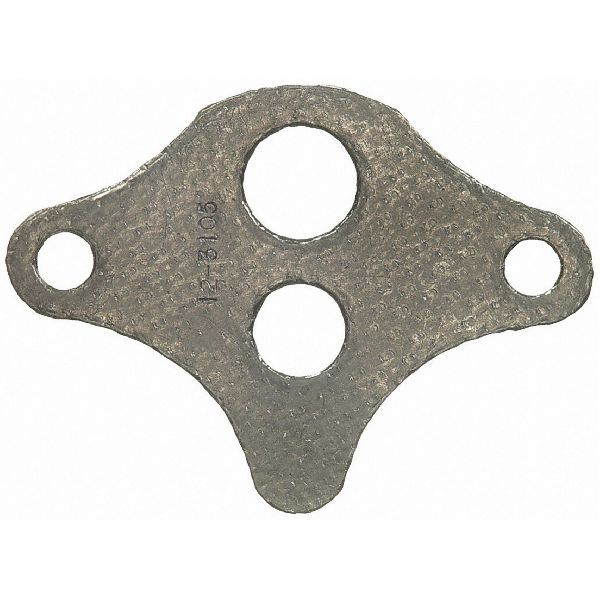
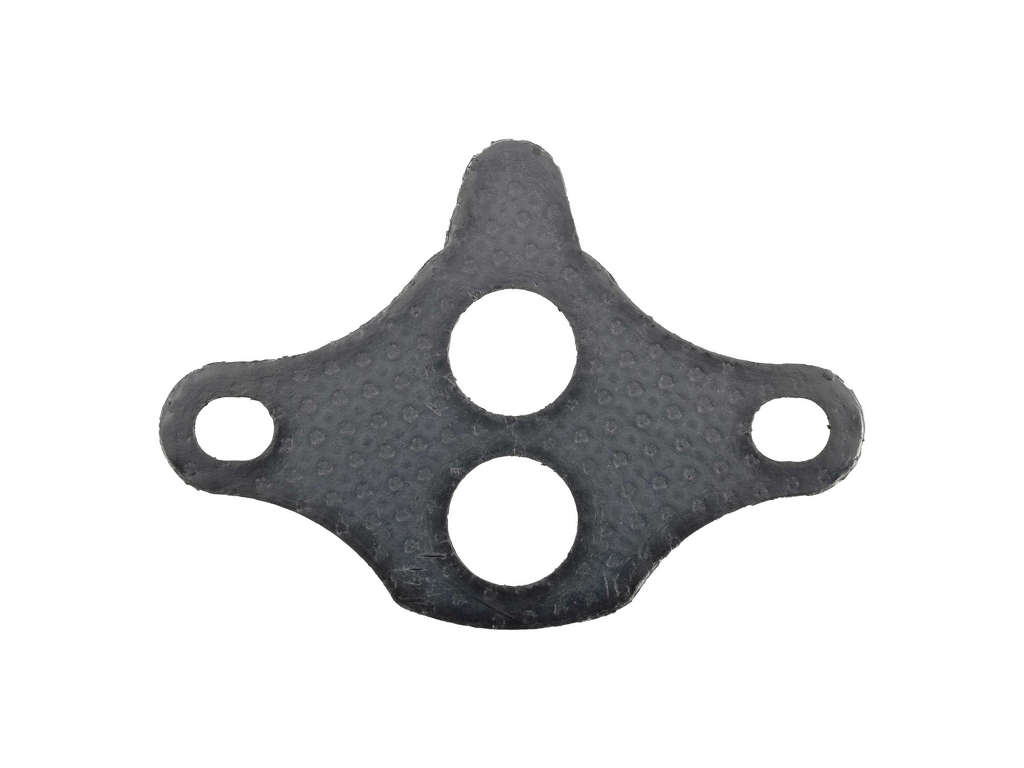
Aftermarket price range: $50-$120 - EGR Valve Gasket — Must be replaced anytime the EGR valve is removed for cleaning or replacement to prevent vacuum and exhaust leaks.
Trusted brands: ACDelco, Fel-Pro
OEM price range: $5-$15
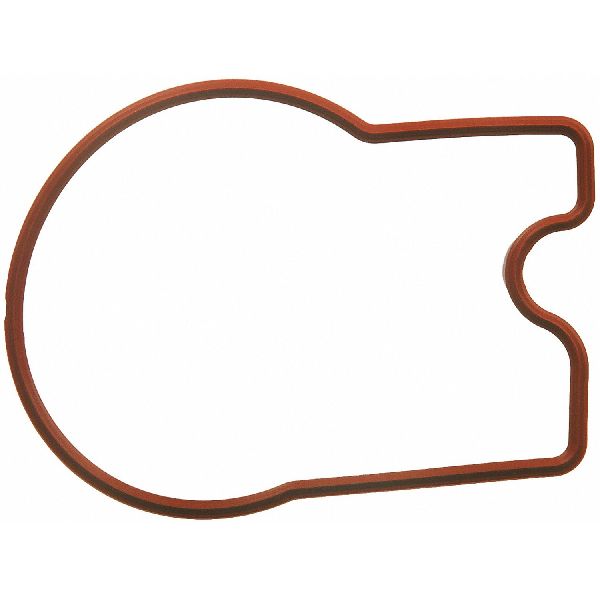
Aftermarket price range: $2-$8 - Throttle Body Gasket — Must be replaced when the throttle body is removed to gain access for cleaning the EGR passages.
Trusted brands: Fel-Pro, ACDelco
OEM price range: $5-$15
Aftermarket price range: $3-$10
Technical Service Bulletins (TSBs) & Recalls
- While no specific TSB for the C1500 was found in the search, GM has issued bulletins for similar engines with P0401, such as TSB 00-06-04-004, which often point towards carbon deposits as the root cause. A TSB for other models mentions that a corroded ECM ground terminal (G103) can cause various issues.
Platform-Specific Known Issues
- The V6 (4.3L) and V8 (5.0L, 5.7L) Vortec engines in the GMT400 platform are all well-known for developing carbon-clogged EGR passages, making P0401 a very common code as these trucks age.
Mechanic-Grade Diagnostic Values
- MAP Sensor Voltage Change during EGR Test — expected: A rise of approximately 1.0V or more when the EGR valve is commanded open with a scan tool or vacuum pump.. Failure: A small rise (e.g., 0.1V - 0.3V) or no change in voltage indicates a blockage in the EGR passages.
- EGR Control Solenoid Resistance — expected: Approximately 20-24 ohms. Some sources suggest a range of 8-9 ohms may be acceptable depending on the specific solenoid.. Failure: A reading of less than 20 ohms, or an open circuit (infinite resistance), indicates a faulty solenoid.
Scan Tool Commands That Help
- GM Tech 2: Output Control > EGR System > EGR Solenoid Control — This function allows a technician to manually command the EGR solenoid to open by a specific percentage or number of steps while the engine is running. While monitoring live MAP sensor data, the technician can use this command to verify if the EGR valve is opening and if exhaust gas is flowing, which should cause a noticeable rise in MAP voltage. This is the definitive way to test the system's functionality without manual disassembly.
Wiring & Ground Locations
- G101 — On the passenger side of the engine block, on the lower front, sometimes behind the battery.. This is a primary ground for the Engine Control Module (ECM/PCM). A poor connection here can cause a wide range of erratic sensor readings and false trouble codes.
- G103 — On the left rear (driver's side) of the engine block for gasoline engines.. This is another critical ECM ground. A GM TSB has noted that corrosion at this specific ground terminal can cause various engine control problems. Ensuring this connection is clean and tight is a key step in diagnosing persistent or unusual electrical issues.
- EGR Control Solenoid Connector — A 2-wire connector attached to the EGR control solenoid, which is typically mounted near the EGR valve itself.. This connector provides power and the control signal from the PCM to the solenoid that applies vacuum to the EGR valve. One wire should have 12V+ with the key on (often a Pink wire), and the other is the ground-side control from the PCM (often a Gray wire). Testing for power and signal here is essential for diagnosing a failed solenoid or a wiring issue.
Real Owner Repair Stories
- Reddit user on r/GMT400 (1998 K1500 4.3L V6 (GMT400 platform, similar EGR system)) — Persistent P0401 code after multiple EGR valve replacements and confirming passages were clear.
❌ Tried (didn't work) Replacing the EGR valve multiple times (once due to damage, once for diagnosis)., Cleaning and verifying EGR passages were not blocked., Replacing ECU, injectors, distributor, wires, coil, MAF sensor, and coolant temp sensor for other issues.
✅ What actually fixed it The new aftermarket Delphi EGR valve (part #EG10026) was faulty right out of the box. Replacing it with a genuine ACDelco EGR valve immediately solved the P0401 code.
OEM Part Supersession History
Varies by year→ACDelco 214-1080 / GM 12568582— Part consolidation and design updates.
Heads up: The Delphi EG10026 aftermarket valve has been reported by owners to be improperly calibrated and cause a P0401 code on this platform, even when brand new.
Model Year Variations Within This Range
- 1996-1997 vs 1998-1999: The PCM connector pinouts have minor differences between the 1996-1997 and 1998-1999 model years. While the EGR system function is the same, a technician performing advanced wiring diagnostics directly at the PCM would need the correct year-specific pinout chart.
Diagnostic Flowchart
Other Known Issues on This Vehicle
Issues unrelated to this code that are worth knowing about as an owner of this generation:
- Leaking Lower Intake Manifold Gaskets 🔴 High → Shop Engine Intake Manifold — Extremely common on all 1996+ Vortec V6 and V8 engines, often failing between 80,000 and 150,000 miles. The original plastic/silicone gaskets degrade from exposure to Dex-Cool coolant.
- Central Sequential Fuel Injection (CSFI) "Spider" Injector Failure 🔴 High — Very common on 1996-2002 Vortec engines. The internal poppet valves get clogged or the main body leaks fuel internally into the intake, causing misfires, hard starting, and rich running conditions. (Ref: GM released an updated Multi-Port Fuel Injection (MPFI) spider assembly as a replacement part to fix this issue permanently.)
- Weak/Spongy Brake Pedal Feel 🟠 Medium — A frequent complaint from owners. Often attributed to air trapped in the ABS module that is difficult to bleed, or flex in the factory rubber brake lines.
- Fuel Pump Failure 🔴 High — Common issue as these trucks age, typically occurring over 100,000 miles. Symptoms include a no-start condition, stalling, or loss of power.
- Cracked Interior Door Handles and Dashboards 🟡 Low — Extremely common. The interior plastics, particularly the door pull handles and the dashboard top pad, become brittle with age and sun exposure and crack easily.
- Ignition Switch Failure 🟠 Medium — A known failure point that can cause a wide range of bizarre electrical issues, including loss of gauges, no-start conditions, or the transmission failing to shift.
Used vs. New Parts: Buying Guide for This Vehicle
When a used part is the smart pick: For this repair, a used OEM (ACDelco) EGR valve from a low-mileage donor vehicle could be a viable option, potentially being more reliable than a new, questionable-quality aftermarket part. However, the primary failure mode is clogging, not electronic failure, so cleaning the original valve is often sufficient.
Donor-vehicle mileage cap: roughly under 120000 miles for the part to have meaningful remaining life.
What to inspect on the donor part:
- Check the donor vehicle's mileage if possible.
- Inspect the used valve for heavy carbon buildup; some is normal, but excessive amounts may indicate it's near the end of its service life.
- Ensure the vacuum port is intact and not cracked.
- Manually press on the diaphragm (underneath) to ensure the pintle moves freely and isn't seized.
OEM-only on this vehicle (don't cheap out):
- EGR Valve - Due to reports of new aftermarket valves being faulty out of the box, sticking with a genuine ACDelco valve is strongly recommended to avoid repeat repairs.
Aftermarket brands forum-validated for this vehicle:
- Fel-Pro (for gaskets)
Brands owners have reported issues with on this vehicle:
- Delphi (specifically part #EG10026 has been reported by users to cause P0401 codes immediately after installation)
Real Owner Stories
Aggregated from forums and TSBs cited above. Mileages and costs reflect what owners reported in those sources.
1997 Chevrolet K1500 5.7L
Symptoms: Persistent P0401 code even after replacing the valve and cleaning passages.
What fixed it: The owner detailed a struggle with diagnostic challenges, emphasizing that thorough cleaning and proper valve function are critical.
Source hint: Chevrolet Forum - Chevy Enthusiasts Forums (https://chevroletforum.com/forum/1988-1998-gmt400-13/code-p0401-92380/)
1996-1999 GMC C1500 (Vortec Engine)
Symptoms: P0401 code triggered; community consensus points to clogged passages as the primary culprit.
What fixed it: Cleaning the EGR tube and valve.
Source hint: GM-Trucks.com Forum
1996-1999 GMC C1500 (Vortec Engine)
Symptoms: P0401 code persisted after installing a brand new aftermarket Delphi EGR valve.
What fixed it: Switching the faulty aftermarket Delphi valve to an OEM ACDelco part.
Source hint: r/GMT400 on Reddit
Related OBD-II Codes
Frequently Asked Questions
Is there a specific GM Technical Service Bulletin for the P0401 code on my GMC C1500?
I replaced my EGR valve with an aftermarket part but the P0401 code is still there. What should I do?
Why does my Vortec engine keep clogging these EGR passages?
Can I clean the EGR passages without removing the entire intake manifold on my 5.7L GMC?
Will a faulty MAP sensor cause a P0401 on my 1996-1999 GMC truck?
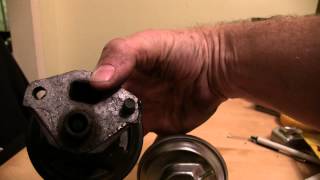
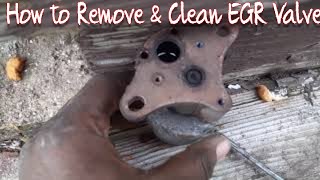
Helpful Videos


We Have This Part in Stock


The information in this article is provided for general reference and educational purposes only. Vehicle specifications, procedures, and part compatibility can vary by production date, trim level, and region. Always consult your vehicle's factory service manual and verify part numbers before purchasing or performing repairs. Safety-critical components such as airbags, seat belts, and braking systems should be installed by a qualified professional.
- GMC C1500:
- 🧭 Diagnostic Flowchart
- 🎬 Helpful Videos
- 🛍️ Shop This Part
- What's Unique About the 1996-1999 GMC C1500
- Symptoms You May Notice
- Most Likely Causes
- Diagnosis Steps
- Parts You'll Likely Need
- Technical Service Bulletins (TSBs) & Recalls
- Platform-Specific Known Issues
- Mechanic-Grade Diagnostic Values
- Scan Tool Commands That Help
- Wiring & Ground Locations
- Real Owner Repair Stories
- OEM Part Supersession History
- Model Year Variations Within This Range
- Other Known Issues on This Vehicle
- Used vs. New Parts: Buying Guide for This Vehicle
- Real Owner Stories
- 1997 Chevrolet K1500 5.7L
- 1996-1999 GMC C1500 (Vortec Engine)
- 1996-1999 GMC C1500 (Vortec Engine)
- Related OBD-II Codes
- Frequently Asked Questions
- 🎟️ Get 5% Off