

P0401 on 2000-2005 Mitsubishi Eclipse 3.0L V6: EGR Insufficient Flow Causes and Fixes
P0401 on the 3.0L V6 Eclipse almost always means the EGR passages inside the intake manifold are clogged with carbon. The fix requires removing the upper and lower intake manifolds to clean the passages. While less common, a faulty EGR solenoid, vacuum leaks, or a sticking EGR valve can also be the cause.
- P0401 on this Eclipse V6 is most often caused by clogged EGR passages inside the intake manifold, not a bad EGR valve.
- The definitive diagnostic test is to apply vacuum to the EGR valve at idle; if the engine doesn't stall, the passages are blocked.
- Fixing the common cause requires removing the upper and lower intake manifolds for cleaning, making it a labor-intensive job (DIY Difficulty 4/5).
- Before assuming the passages are clogged, always check for simpler issues like a bad EGR solenoid or cracked vacuum hoses.
- Do not replace the EGR valve without first confirming the passages are clear, as this is a common misdiagnosis that will not fix the code.
What's Unique About the 2000-2005 Mitsubishi Eclipse
On the Mitsubishi 3.0L V6 (6G72) engine, the P0401 code is notorious for being caused by internal blockages rather than a simple part failure. The EGR system's plumbing routes exhaust gas into small, dedicated passages within the intake manifold. Over time, these passages become severely restricted or completely blocked by carbon buildup, preventing gas flow even if the EGR valve itself is working perfectly. This makes diagnosis tricky, as simply replacing the EGR valve—a common first step on other vehicles—often fails to fix the problem and leads to repeated repairs. The significant labor involved in removing the intake manifold is the true fix in most cases.
Symptoms You May Notice
- Check Engine Light is on
- Engine pinging or knocking, especially during acceleration or under load
- Reduced fuel economy
- Slight loss of power or slower acceleration
- Failure to pass an emissions test
- Rough idle, though less common
- Replacing the EGR valve without first confirming the intake manifold passages are clear. This is the most common reason for a failed repair, as a new valve cannot flow gas through a blocked passage.
- Replacing the EGR valve when the actual fault is a less expensive component like a cracked vacuum hose or a faulty EGR solenoid.
Most Likely Causes
- Clogged EGR Passages in Intake Manifold 🔴 High Probability → Shop Engine Intake Manifold The design of the 6G72 intake manifold features small passages for EGR flow that are highly susceptible to carbon buildup over many miles. The port directly under the EGR valve seat inside the lower intake manifold is the most common point of restriction.
How to confirm: With the engine idling, manually apply vacuum to the EGR valve using a hand pump. The engine should stumble badly or stall. If the engine's idle does not change, the passages are blocked. A visual inspection requires removing the upper intake plenum and EGR valve to see the carbon buildup in the port.
Typical fix: Remove the upper and lower intake manifolds to physically clean the carbon out of the EGR ports and passages. Tools like a small wire brush, drill with a speedometer cable, or carburetor cleaner are effective. Replace all necessary intake manifold gaskets during reassembly.
Est. part cost: $40-$80 for gaskets - Faulty EGR Vacuum Solenoid 🟡 Medium Probability The solenoid, which controls the vacuum supply to the EGR valve, can fail electrically or mechanically. It can stick internally, preventing it from passing vacuum to the EGR valve even when commanded by the ECM. In some documented cases, the solenoid would click but fail to seal properly, causing a partial vacuum leak.
How to confirm: Check for vacuum at the solenoid's output port when it is activated by a scan tool or by applying 12V directly. With the engine running, command the solenoid on and off; you should see vacuum on a connected gauge appear and disappear. If it doesn't pass vacuum or leaks down, it's faulty.
Typical fix: Replace the EGR vacuum control solenoid. The OEM part number is often MR127520.
Est. part cost: $50-$100 - Cracked, Leaking, or Disconnected Vacuum Hoses 🟡 Medium Probability
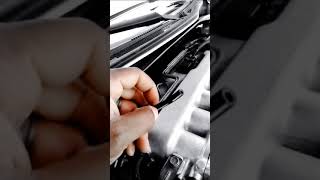
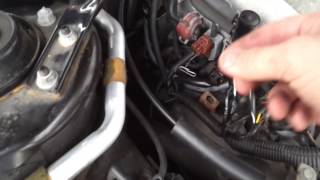
How to confirm: Visually inspect all vacuum lines running between the throttle body, EGR solenoid, and EGR valve for cracks, brittleness, or loose connections. A cracked hose was identified as a contributing factor in a detailed diagnostic video. Test suspect hoses with a vacuum gauge to see if they hold vacuum.
Typical fix: Replace the damaged section of vacuum hose.
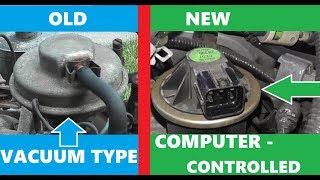
Est. part cost: $5-$15 - Sticking or Clogged EGR Valve ⚪ Low Probability → Shop Exhaust Gas Recirculation (EGR) Valve While the passages are the more common point of restriction, the valve itself can also become clogged with carbon and its pintle can fail to open fully when vacuum is applied.
How to confirm: Remove the EGR valve from the engine. Inspect its pintle and opening for heavy carbon buildup. You can try cleaning it with carburetor cleaner and testing its operation with a hand vacuum pump to ensure the diaphragm holds vacuum and the pintle moves freely.
Typical fix: Clean or replace the EGR valve and its gasket. If cleaning, ensure the pintle moves smoothly and seats properly.
Est. part cost: $70-$150
Rare But Worth Checking
- Leaking MAP Sensor O-Ring: → Shop Manifold Absolute Pressure Sensor A faulty, hardened, or cracked O-ring on the Manifold Absolute Pressure (MAP) sensor can cause a small vacuum leak. This leak can be just enough to throw off the ECM's EGR flow calculation without being large enough to set a specific MAP sensor code. This was found to be the root cause in one documented case on an EvolutionM forum after extensive troubleshooting of all other EGR components.
Diagnosis Steps
- Verify the Check Engine Light is on and code P0401 is present using an OBD-II scanner.
- Visually inspect all vacuum hoses connected to the EGR valve and EGR solenoid for obvious cracks, damage, or loose fittings. Pay close attention to the lines that run under the intake manifold.
- Start the engine and let it idle until warm. Locate the EGR valve on the rear of the intake manifold.
- Using a hand vacuum pump, apply vacuum directly to the EGR valve's vacuum port. The engine's idle should become very rough, stumble, or stall completely.
- If the engine idle does NOT change, the EGR passages in the intake manifold are clogged. This is the most likely failure. The manifold must be removed for cleaning.
- If the engine idle DOES change (stumbles/stalls), the passages and EGR valve are likely functional. The problem is with the control system (solenoid or vacuum supply). Proceed to the next step.
- Test the EGR solenoid. Disconnect the vacuum lines. Use a scan tool to command the solenoid on and off while checking if it passes vacuum correctly with a gauge. Alternatively, apply 12V and ground to the solenoid pins and check its function.
- If the solenoid is faulty, replace it. If it works, re-check the integrity of the vacuum lines between the solenoid and the throttle body.
- If all other components test good, inspect the MAP sensor O-ring for signs of cracking or hardening, as this can cause a small, unmetered vacuum leak that triggers P0401.
Parts You'll Likely Need
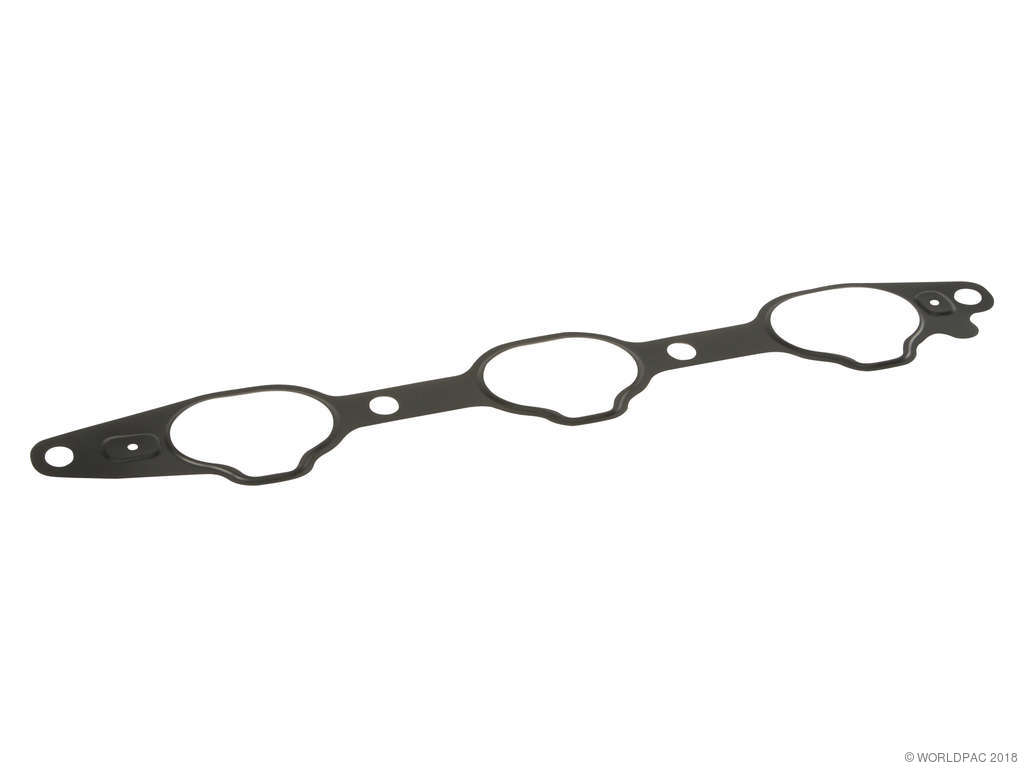
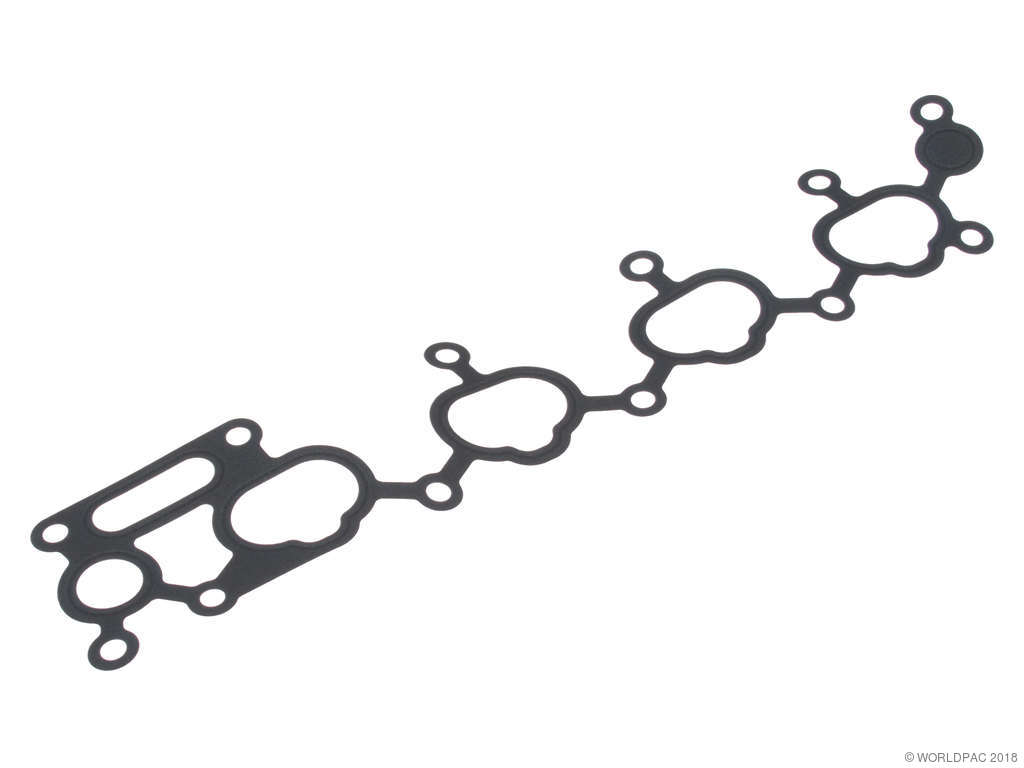
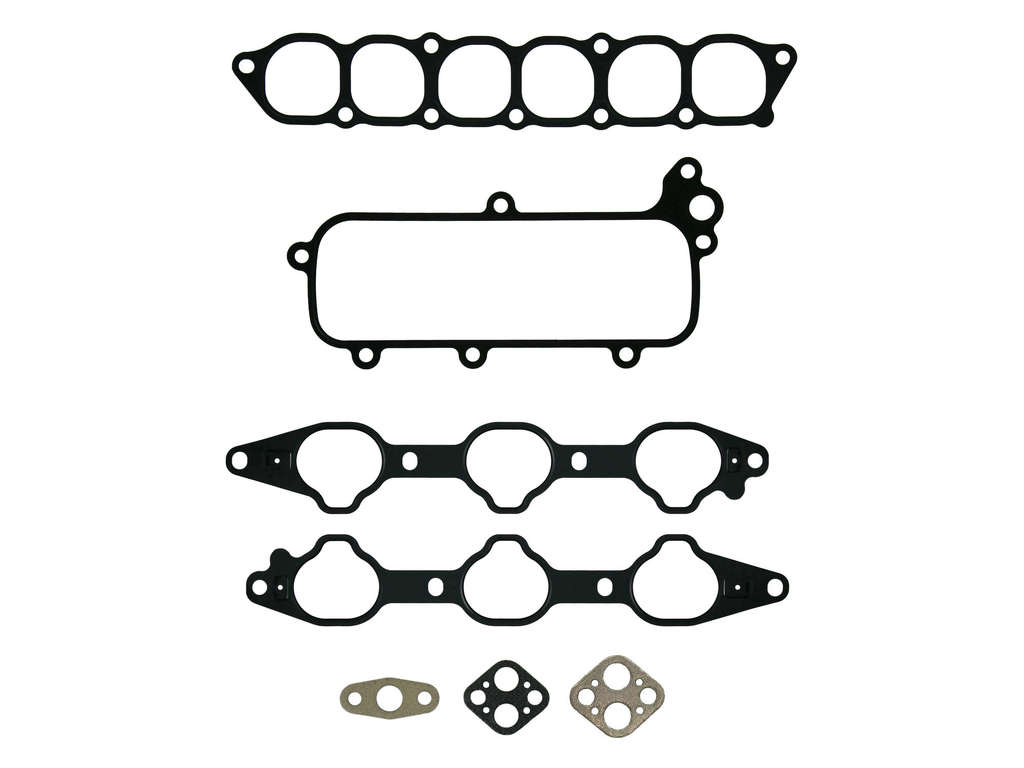
- Intake Manifold Gasket Set
(OEM #MD342329 (Upper), MD199282 (Lower))— Required when removing the intake manifold to clean the clogged EGR passages, which is the most common fix for P0401 on this engine.
Trusted brands: Fel-Pro, Victor Reinz, Mahle
OEM price range: $60-$90
Aftermarket price range: $40-$60 - EGR Vacuum Control Solenoid
(OEM #MR127520)— This solenoid controls the vacuum signal to the EGR valve and is a common failure point that prevents the EGR valve from opening.
Trusted brands: Standard Motor Products (VS153), Dorman (911-850), Denso
OEM price range: $80-$120
Aftermarket price range: $50-$100 - EGR Valve
(OEM #MR578913)— While less common than clogged passages, the EGR valve itself can fail or become too clogged to clean effectively.
Trusted brands: Standard Motor Products (EGV699), Delphi, Denso
OEM price range: $120-$200
Aftermarket price range: $70-$150
Technical Service Bulletins (TSBs) & Recalls
- TSB-23-13-004: While not for the Eclipse, this TSB for newer Mitsubishi models (2019-2023 Outlander Sport) shows that P0401 can sometimes be caused by ECU software logic, requiring a reflash. The bulletin provides instructions to reprogram the ECU with countermeasure software when the check engine light illuminates with DTC P0401 or P0400. This is an unlikely but possible cause on older models if all mechanical and electrical parts check out.
Platform-Specific Known Issues
- The primary issue for the 6G72 engine is the design of the intake manifold, which makes the EGR passages prone to severe carbon clogging over 100,000+ miles. This requires significant labor (intake removal) to correct.
- A forum user on Club3G.com documented their entire P0401 journey, which ultimately ended with cleaning the intake manifold passages after replacing the EGR valve and solenoid did not fix the issue. This highlights the common misdiagnosis path.
- The vacuum hoses for the EGR system are routed in tight spaces and can become brittle and crack with age, creating hard-to-find vacuum leaks.
Documented NHTSA Reports
- NHTSA ODI #10759569 describes a situation where a vehicle was taken to a dealer for a tune-up and failure codes for P0301, P0401, and the EGR appeared. While the codes were initially cleared, the P0301 code reappeared, illustrating how P0401 can sometimes present alongside ignition or misfire issues during service.
Mechanic-Grade Diagnostic Values
- Manifold Absolute Pressure (MAP) Sensor Fluctuation during EGR Test — expected: Greater than 2.5 kPa (0.74 in.Hg) change when EGR valve is commanded open.. Failure: A pressure fluctuation less than 2.5 kPa (0.74 in.Hg) will trigger DTC P0401.
Scan Tool Commands That Help
- Mitsubishi M.U.T.-III: EGR System Check — This function, referenced in service literature, is used to perform an automated test of the EGR system, likely commanding the valve and monitoring the MAP sensor response to confirm operation without a full drive cycle.
Wiring & Ground Locations
- G4 — Located on the left rear of the intake manifold / upper rear of the engine.. This is a primary engine ground. A poor connection here can cause erratic sensor readings and incorrect operation of electronically controlled components like the EGR solenoid, potentially mimicking a component failure. A user on 2CarPros noted melted ground wires on the intake plenum causing a no-start, highlighting the importance of this ground point.
- G13 — Located on the rear of the right front fender.. This is a chassis ground point for components in the engine bay. While less direct than the engine block ground, ensuring it is clean and tight is part of good diagnostic practice for any engine control issue.
- Engine Control Module Ground — A main ground wire runs from the intake plenum, through the firewall, and attaches just below the ECU.. A documented failure showed this wire burning out at both the plenum and the ECU connection, causing a no-run condition. Any degradation of this ground path could cause the ECU to misinterpret sensor data or fail to properly actuate the EGR solenoid.
Real Owner Repair Stories
- EvolutionM Forum User (Mitsubishi Lancer Evolution (similar EGR system logic)) — Persistent P0401 Check Engine Light that would return ~30 miles after being cleared.
❌ Tried (didn't work) Cleaned the original EGR valve, Replaced the EGR valve ($240), Replaced all EGR vacuum lines, Had a shop re-route and check vacuum lines, Replaced the EGR solenoid ($80 + labor), Thoroughly cleaned the EGR inlets in the engine block again
✅ What actually fixed it The O-ring on the Manifold Absolute Pressure (MAP) sensor had hardened and was causing a small vacuum leak. This leak was not big enough to set a MAP sensor code but was sufficient to prevent the ECU from detecting the correct pressure change during the EGR self-test. Replacing the small O-ring resolved the P0401 code permanently. - Pine Hollow Auto Diagnostics (YouTube) (2001 Mitsubishi Eclipse V6) — P0401 code, failure to pass emissions test.
❌ Tried (didn't work) Manually applying vacuum to the EGR valve caused the engine to stumble, but not stall, indicating partial but insufficient flow., Testing vacuum lines revealed leaks and incorrect routing by a previous mechanic.
✅ What actually fixed it The primary cause was a faulty EGR solenoid that was clicking but not sealing properly, bleeding off vacuum. Additionally, several vacuum hoses were cracked or improperly routed. While the passages were suspected to be partially clogged, the immediate fix demonstrated was correcting the vacuum leaks and identifying the bad solenoid.
Model Year Variations Within This Range
- 2000-2005: There are no significant documented variations in the 6G72 EGR system design or P0401 diagnosis within this generation. The core issue of clogged intake passages and potential solenoid failure applies to all years in this range.
Diagnostic Flowchart
Other Known Issues on This Vehicle
Issues unrelated to this code that are worth knowing about as an owner of this generation:
- Automatic Transmission Failure (F4A51/W4A51) 🔴 High — Very common, especially on V6 models as mileage exceeds 100,000 miles. Often cited as the platform's 'Achilles' heel'. Failures can include broken internal wave springs, solenoid pack failure, or general slipping and hard shifting.
- Worn/Leaking Valve Stem Seals 🟠 Medium — Common on higher mileage 6G72 engines, leading to blue smoke from the exhaust, especially on startup, and increased oil consumption. The original seals can harden over time from heat cycles.
- Cracked Dashboard 🟡 Low — Extremely common for the dashboard material to crack, warp, and pull away from the vents, particularly in vehicles exposed to sun and heat.
- Peeling Clear Coat / Faded Paint 🟡 Low — Widespread across all colors, especially on horizontal surfaces like the roof, trunk, and spoiler. The clear coat fails with age and sun exposure.
- Timing Belt Maintenance 🔴 High — Not a failure, but a critical maintenance item. The 6G72 is an interference engine, meaning a snapped timing belt will cause catastrophic engine damage. The replacement interval is every 60,000 miles, and it is crucial to replace the belt, tensioner, and pulleys.
Used vs. New Parts: Buying Guide for This Vehicle
When a used part is the smart pick: A used intake manifold from a lower-mileage donor vehicle is a viable option, as they are durable metal components. However, it is absolutely critical to thoroughly clean the EGR passages before installation, as a used manifold may have the same clogging issue.
Donor-vehicle mileage cap: roughly under 80000 miles for the part to have meaningful remaining life.
What to inspect on the donor part:
- For an intake manifold, check for cracks, stripped threads, and heavy external oil staining which might indicate poor overall engine health.
- Ensure all vacuum nipples are intact and not broken off.
- Ask for the donor vehicle's mileage; lower is always better to reduce the likelihood of severe carbon buildup.
- Avoid manifolds from engines that suffered catastrophic failure, as metal debris can be trapped inside.
OEM-only on this vehicle (don't cheap out):
- While not strictly 'OEM-only', electronic components like the EGR solenoid (MR127520) and the EGR valve (MR578913) have a higher rate of success when using OEM or reputable OEM-supplier brands like Denso. Cheaper aftermarket electronics can have higher out-of-box failure rates.
Aftermarket brands forum-validated for this vehicle:
- Fel-Pro, Victor Reinz (for intake gaskets)
- Standard Motor Products (SMP), Denso (for EGR valve and solenoid)
Brands owners have reported issues with on this vehicle:
- Avoid unbranded, 'white-box' electronic parts from online marketplaces, as their quality control is often poor and can lead to repeat repairs.
Real Owner Stories
Aggregated from forums and TSBs cited above. Mileages and costs reflect what owners reported in those sources.
2000-2005 Mitsubishi Eclipse 3.0L V6 — ~100000 miles
Symptoms: Check Engine Light on; the owner replaced the EGR valve and solenoid but the code persisted.
What fixed it: Cleaning the intake manifold passages. The owner documented that this was the definitive fix after a common misdiagnosis path.
Source hint: Club3G.com - Multiple threads discuss P0401
Mitsubishi Evolution X (referenced for 6G72 diagnostic relevance)
Symptoms: P0401 EGR Flow Insufficient code remained after replacing the EGR valve, solenoid, and vacuum lines.
What fixed it: Replacing a leaking MAP sensor O-ring which was causing a vacuum leak.
Source hint: EvolutionM - 'P0401 EGR Flow Insufficient Mystery Solved'
2001 Mitsubishi Eclipse Spyder
Symptoms: The vehicle was taken to a dealer for a tune-up and failure codes for P0301, P0401, and the EGR appeared.
What fixed it: While the codes were initially cleared, the P0301 failure code reappeared, requiring further engine repairs to resolve the underlying issues.
Source hint: NHTSA ODI #10759569
Related OBD-II Codes
Frequently Asked Questions
I replaced the EGR valve on my 3.0L V6 Eclipse but the P0401 code came back. What did I miss?
Is there a specific part number for the EGR vacuum solenoid on the 2000-2005 Eclipse V6?
Does TSB-23-13-004 apply to my 2000-2005 Mitsubishi Eclipse?
How can I test if my intake manifold passages are blocked without taking the engine apart?
What tools are recommended for cleaning the carbon out of the 6G72 intake manifold?
Are there any other small parts I should check that might cause a P0401 on this platform?
Helpful Videos

We Have This Part in Stock


The information in this article is provided for general reference and educational purposes only. Vehicle specifications, procedures, and part compatibility can vary by production date, trim level, and region. Always consult your vehicle's factory service manual and verify part numbers before purchasing or performing repairs. Safety-critical components such as airbags, seat belts, and braking systems should be installed by a qualified professional.
- Mitsubishi Eclipse:
- 🧭 Diagnostic Flowchart
- 🎬 Helpful Videos
- 🛍️ Shop This Part
- What's Unique About the 2000-2005 Mitsubishi Eclipse
- Symptoms You May Notice
- Most Likely Causes
- Rare But Worth Checking
- Diagnosis Steps
- Parts You'll Likely Need
- Technical Service Bulletins (TSBs) & Recalls
- Platform-Specific Known Issues
- Documented NHTSA Reports
- Mechanic-Grade Diagnostic Values
- Scan Tool Commands That Help
- Wiring & Ground Locations
- Real Owner Repair Stories
- Model Year Variations Within This Range
- Other Known Issues on This Vehicle
- Used vs. New Parts: Buying Guide for This Vehicle
- Real Owner Stories
- 2000-2005 Mitsubishi Eclipse 3.0L V6 — ~100000 miles
- Mitsubishi Evolution X (referenced for 6G72 diagnostic relevance)
- 2001 Mitsubishi Eclipse Spyder
- Related OBD-II Codes
- Frequently Asked Questions
- 🎟️ Get 5% Off