

P0402 on 2006-2012 Ford Fusion 1.6L TDCi: EGR Excessive Flow Causes and Fixes
On a 2006-2012 Ford Fusion with the 1.6L TDCi engine, code P0402 almost always means the EGR valve is stuck open due to heavy carbon buildup. This is a characteristic flaw of the PSA DV6 engine used in this vehicle. Cleaning may work temporarily, but replacement is the most reliable fix, costing around $50-$150 for an aftermarket part. The root cause of the excessive carbon is often linked to leaking injector seals contaminating the engine oil.
- P0402 on this vehicle means the EGR valve is stuck open, almost always due to carbon buildup.
- The vehicle in question is the European Ford Fusion, as the 1.6L TDCi engine was not sold in the North American Fusion.
- Symptoms are immediate and noticeable, including rough idle, stalling, and poor acceleration.
- While cleaning the EGR valve is possible, replacement is the most reliable and long-term fix.
- This is a very common and well-documented problem for the 1.6L TDCi engine across multiple car models.
What's Unique About the 2006-2012 Ford Fusion
The vehicle specified, a 2006-2012 Ford Fusion with a 1.6L TDCi engine, is a European market vehicle. In North America, the Fusion was a different, larger car and was never offered with this diesel engine. The 1.6L TDCi, a collaboration between Ford and PSA (Peugeot/Citroën) known as the DV6 engine, is widely used and notorious across many models (Focus, Fiesta, C-Max, Peugeot 207/307, Volvo C30) for significant carbon buildup. This makes the EGR valve sticking open a very frequent cause for P0402. A deeper systemic issue on this engine is the failure of copper injector seals, which allows combustion gases to contaminate the engine oil, creating sludge that clogs the entire system, including the EGR valve and turbocharger oil lines.
Symptoms You May Notice
- Rough or unstable idle, sometimes described as 'surging'
- Engine stalling, especially at idle or when coming to a stop
- Hesitation or jerking during acceleration
- Reduced engine power and poor performance
- Black smoke from the exhaust during acceleration
- Decreased fuel economy
- Illuminated Check Engine Light
- Engine knocking or detonation sounds
- Replacing the Mass Airflow (MAF) sensor. While MAF issues can be related to EGR codes on other engines, for the 1.6 TDCi, the primary culprit is almost always the EGR valve itself. A faulty MAF would typically set its own specific codes.
- Replacing the Differential Pressure Feedback (DPFE) Sensor. While many Ford models use a DPFE sensor, this PSA-derived 1.6 TDCi engine uses an electronically controlled EGR valve with an integrated position sensor to monitor flow, making a separate DPFE sensor not applicable.
Most Likely Causes
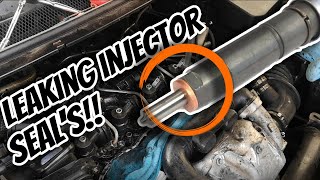
- EGR Valve Stuck Open due to Carbon Buildup 🔴 High Probability → Shop Exhaust Gas Recirculation (EGR) Valve The 1.6L TDCi (PSA DV6) engine is notorious for producing heavy carbon and soot deposits. A primary underlying cause is often leaking injector seals which contaminate the engine oil with combustion byproducts, forming sludge. 🎬 See how to replace leaking injector seals to prevent sludge. This sludge and carbon clogs the EGR valve, causing the pintle to jam in the open position.
How to confirm: Remove the EGR valve and visually inspect it. If it is caked in carbon and the internal valve does not move freely, it is faulty. With a scan tool, monitor commanded EGR vs. actual EGR position at idle. If commanded is 0% but the engine runs rough and stalls, it confirms the valve is stuck open. A Citroen Berlingo owner with the same engine documented this exact issue, noting the valve was stuck at 89% open at 2377 RPM, causing the P0402 code.
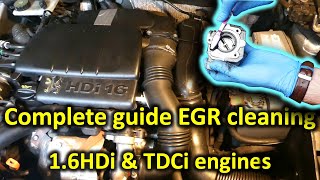
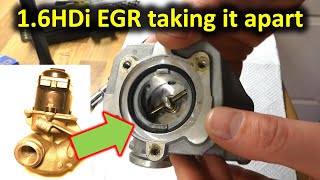
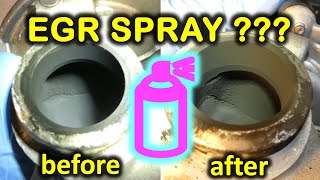
Typical fix: The valve can be cleaned with carburetor cleaner, but this is often a temporary fix. Due to internal wear on the valve's motor/gears caused by fighting against the carbon, replacement is the recommended and more permanent solution. 🎬 Watch this complete guide to cleaning and servicing the valve. Always use a new gasket.
Est. part cost: $50-$150 - Faulty EGR Valve Position Sensor ⚪ Low Probability → Shop Exhaust Gas Recirculation (EGR) Valve
How to confirm: The position sensor is integrated into the EGR valve assembly. If the valve is mechanically clean and functional but the code persists (or codes like P0405 appear), the sensor may be sending incorrect position data to the ECU. This is diagnosed by testing the sensor's voltage output through its range of motion or by observing erratic position data on a scan tool. A known failure mode on these engines is an insufficient voltage reading of 0.4V at the sensor instead of the required 5V reference.
Typical fix: Replace the entire EGR valve assembly, as the sensor is not sold separately.
Est. part cost: $50-$150
Rare But Worth Checking
- Wiring Harness Damage: The wiring to the EGR valve can become damaged from engine vibration or heat, leading to a short or open circuit (triggering codes like P0490). This can cause the valve to stay open or the ECU to receive incorrect data. Check the 5-pin connector and wiring for any visible signs of damage before replacing the valve.
- Faulty Turbocharger Actuator or Stuck Vanes: In some cases on the 1.6 HDi/TDCi, a P0402 fault was resolved by replacing the turbocharger. A forum member with a Peugeot 307 reported that a turbo with stuck geometry was producing about 200 mbars less boost than expected, which caused the ECU to log a P0402. This is less common but possible if EGR replacement does not fix the issue.
Diagnosis Steps
- Connect an OBD-II scanner to confirm the P0402 code and check for any other related codes, such as P0401, P0405, or P0490.
- At idle, observe engine performance. A rough idle or stalling strongly suggests the EGR valve is stuck open, allowing exhaust gas into the cylinders when it should be closed.
- Visually inspect the EGR valve's 5-pin electrical connector and wiring for any obvious damage, corrosion, or loose connections.
- Using a scan tool with live data, monitor the commanded EGR percentage versus the actual EGR position at idle. If commanded is 0% but the engine runs rough, it's likely stuck open. A forum user on a Berlingo with the same engine found his valve was stuck at 89% open.
- Access the EGR valve. On the 1.6 TDCi, it is located at the rear of the engine. Access may require removing the fuel filter assembly and associated brackets.
- Disconnect the electrical connector and remove the bolts securing the EGR valve.
- Inspect the valve and its port for heavy, tar-like carbon buildup. If it's heavily caked in soot, this is the likely cause.
- Attempt to clean the valve with a dedicated EGR/carb cleaner and a brush. 🎬 Watch a test to see if cleaning without removal works. Let it soak to dissolve heavy deposits. If it can be cleaned and moves freely, reinstall it with a new gasket.
- If cleaning is unsuccessful, the code returns, or the internal motor feels notchy, replace the EGR valve with a new unit.
- After replacement, clear the diagnostic trouble codes from the ECU. It may be necessary to perform an EGR calibration or learn procedure with a capable scan tool so the ECU recognizes the new valve's closed position.
- Perform a test drive to ensure the issue is resolved.
Parts You'll Likely Need
- EGR Valve
(OEM #1618.NR, 1618.59, 1682737, 5S6Q9D475AE, 36001412)— This is the component that physically sticks open due to carbon buildup, directly causing the excessive flow condition of P0402. The part is shared across Ford, Peugeot, Citroen, Volvo, and Mini.
Trusted brands: Valeo (OEM), Pierburg, Bosch, Delphi, Nissens
OEM price range: $150-$250
Aftermarket price range: $50-$150 - EGR Valve Gasket
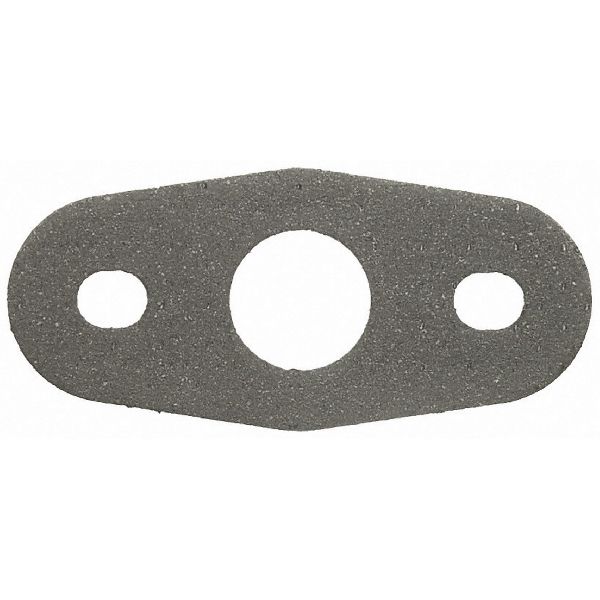
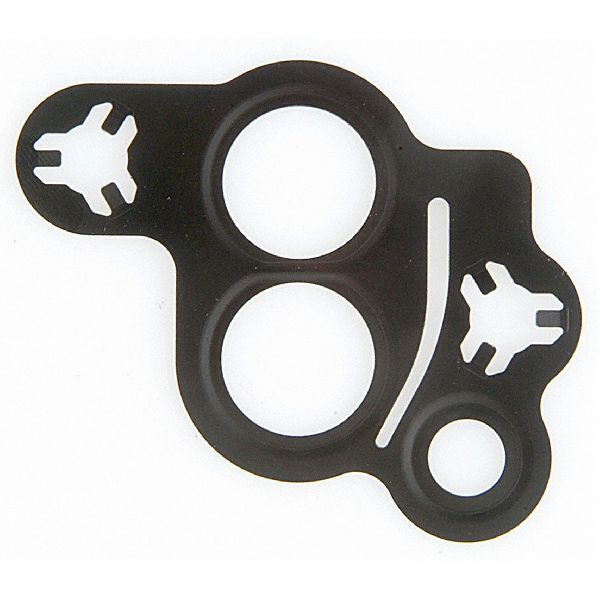
(OEM #1618.AW (PSA number))— A new gasket should always be used when removing and reinstalling or replacing the EGR valve to prevent exhaust leaks.
Trusted brands: Motorcraft, Elring, Victor Reinz
OEM price range: $5-$15
Aftermarket price range: $2-$10
Related Codes That Often Appear With This One
- P0401 — Insufficient EGR Flow. This can appear intermittently if the valve is sticking, sometimes not opening enough (P0401) and sometimes not closing enough (P0402).
- P042E — EGR 'A' Control Stuck Open. This is a more specific code that directly points to the same physical problem as P0402.
- P0490 — EGR 'A' Control Circuit High. This indicates a potential electrical fault in the EGR control circuit, which could be a root cause for the valve sticking open.
- P0405 — EGR Sensor 'A' Circuit Low. This points to an electrical issue with the position sensor inside the EGR valve assembly, which can accompany the mechanical fault.
Technical Service Bulletins (TSBs) & Recalls
- While no specific TSB for P0402 on this exact model was found, Ford TSB 06-19-6 provides general instructions for cleaning coked EGR valves on their diesel engines, including a warning to perform a KOEO self-test afterward to allow the valve to re-learn its closed position.
- Ford Customer Satisfaction Program 21M04 was issued for other Ford engines (6.7L Powerstroke) for EGR cooler clogging leading to P0401, showing a pattern of EGR issues in Ford diesel vehicles, though not directly applicable here.
- Manufacturer TSB Bulletin #TSB 24-2014 notes that some vehicles may exhibit an illuminated malfunction indicator lamp with P0402, requiring specific service procedures.
- Manufacturer TSB Bulletin #TSB 23-2059 describes P0402 being stored in the powertrain control module due to the fault detection ratio threshold of the differential pressure feedback exhaust gas recirculation system.
- Manufacturer TSB Bulletin #TSB 19-2343 indicates that an illuminated malfunction indicator lamp with DTCs P2074, P0401, P0402 and/or P0170 may be due to various strategies within the powertrain control module software.
Platform-Specific Known Issues
- The 1.6L TDCi engine, used widely by Ford, Peugeot, Citroen, and Volvo, has a well-documented history of EGR valve failures due to carbonization. This is not an isolated issue but a common characteristic of this powertrain, especially in vehicles used for short trips where the engine doesn't reach optimal temperature for long periods.
- A root cause for the excessive carbon buildup is often failing copper injector seals. These seals leak combustion gases into the upper cylinder head, which contaminates the engine oil, turning it into a thick sludge. This sludge then circulates and clogs small passages, including the EGR valve and, critically, the oil feed line to the turbocharger. A key symptom of failing injector seals is a distinct 'chuffing' sound from the engine, accompanied by a smell of burnt diesel in the cabin.
Mechanic-Grade Diagnostic Values
- EGR Valve Connector Pin Voltages (KOEO, connector unplugged) — expected: Pin 1: 5V Reference. Pin 5: 0V Ground. Pins 2 & 3 (Motor): Variable, may float. Pin 4 (Signal): Should be 0V or floating.. Failure: Missing 5V reference on Pin 1, or voltage present on Pin 4 with connector unplugged indicates a wiring issue. A common failure shows only 0.4V instead of 5V on the reference pin.
- EGR Position Sensor Signal Voltage (KOEO, connector plugged in) — expected: Approx. 1.0V when closed, up to approx. 4.2V when fully open.. Failure: Voltage does not change when the valve is commanded open/closed, or is stuck at a specific value. A reading of 0.4V can indicate an internal fault in the EGR assembly.
- EGR Valve Motor Winding Resistance — expected: Low resistance, typically between 1-4 Ohms between pins 2 and 3.. Failure: An open circuit (infinite resistance) or a dead short (0 Ohms) indicates a failed motor inside the EGR valve.
- EGR Position Sensor Potentiometer Resistance — expected: Total resistance between pins 1 and 5 should be around 5k-10k Ohms. Resistance between the wiper (Pin 4) and ground (Pin 5) should sweep smoothly from high to low as the valve is manually operated.. Failure: An open circuit or erratic jumps in resistance while moving the valve pintle indicates a worn or faulty position sensor.
Scan Tool Commands That Help
- FORScan: Reset EGR Valve Adaptations — After cleaning the original EGR valve or, more importantly, after installing a new EGR valve. This procedure allows the PCM to learn the new valve's end-stop positions (fully open and fully closed).
- Diagbox / Peugeot Planet 2000 (PP2000): Replacement Parts > Injection System > [Engine Code] > Electric EGR Valve > Configuration/Recalibration — Required after installing a new EGR valve on PSA-based engines to make the ECU learn the new valve's operating range. Failure to do so can result in rough idle or starting issues even with a new part.
Wiring & Ground Locations
- EGR Valve Connector (C958) — At the EGR valve, located on the rear of the 1.6L TDCi engine.. This 5-pin connector provides power, ground, and signal lines for the EGR position sensor and motor. Testing voltages and resistances here is the primary electrical diagnostic step. Pin 1: 5V Ref, Pin 3: Motor Control, Pin 4: Position Signal, Pin 5: Ground.
- G101 / G108 (Ground Points) — On the left rear of the engine compartment. For some Fords, a key ground point is located to the right of the battery, near the engine compartment fuse box.. A poor engine or chassis ground can cause floating voltages and incorrect readings from sensors, including the EGR position sensor, leading to erroneous codes. Ensuring ground connections are clean and tight is a crucial step in diagnosing any electrical fault.
Real Owner Repair Stories
- French Car Forum (Peugeot 307 with 1.6L HDi (DV6 engine)) — Persistent P0402 code that would not allow DPF regeneration.
❌ Tried (didn't work) Replacing the EGR valve with a new Nissens unit., Replacing the MAF sensor with a new Pierburg unit., Replacing the vacuum solenoid.
✅ What actually fixed it The root cause was a faulty turbocharger. The variable geometry vanes were likely jammed in the 'minimum turbo' position, creating about 200 mbars less boost than the ECU expected. This discrepancy caused the ECU to log the P0402 air system fault. Replacing the turbo with a rebuilt OEM unit resolved the code and restored performance. - Berlingo Forum (Citroen Berlingo with 1.6L HDi (DV6 engine)) — Limp mode and P0402 code.
❌ Tried (didn't work) Clearing the code (it returned immediately).
✅ What actually fixed it The EGR valve was mechanically sticking. The owner separated the electronic and mechanical halves of the valve and found the mechanical part moved freely, but the electronic motor/actuator had resistance and felt like it was 'jumping' in one spot. Replacing the entire EGR valve assembly with a new unit and clearing the code permanently fixed the issue. - NHTSA ODI #10573470 — An owner reported a "no power or runs rough condition" and/or the malfunction indicator light on with EGR related diagnostic trouble codes including P0401 and P0402.
- NHTSA ODI #11671585 — An owner reported that after the vehicle was towed to an independent mechanic, DTCs P0402 and P1061 were retrieved, and it was determined that the engine needed to be replaced.
OEM Part Supersession History
1618.59 (PSA), 5S6Q9D475AE (Ford)→1618.NR (PSA), 1682737 (Ford), 9833095880 (PSA latest)— Part revision and consolidation across multiple vehicle brands (Peugeot, Citroen, Ford, Volvo, Mini).
Heads up: While many aftermarket versions exist, ensure the electrical connector is a 5-pin rectangular type. Early and late DV6 engines can have variations, so matching to the OEM number is critical.
Model Year Variations Within This Range
- 2006-2010 (approx): These earlier models are typically fitted with the 16-valve DV6TED4 version of the 1.6L TDCi engine. While the P0402 fault is common, parts like the EGR valve (e.g., 9HY/9HZ engine codes) may have slightly different OEM numbers than later models.
- 2010-2012 (approx): Later models may be fitted with the updated 8-valve DV6DTED engine (e.g., 9HP engine code). The fundamental EGR issue remains the same, but it's crucial to verify the part number against the vehicle's VIN as the valve design may have been updated.
Diagnostic Flowchart
Other Known Issues on This Vehicle
Issues unrelated to this code that are worth knowing about as an owner of this generation:
- Turbocharger Failure due to Oil Starvation 🔴 High — Very common, especially on vehicles with extended oil change intervals or after an injector seal leak. Can occur at any mileage but is more frequent above 60,000 miles.
- Leaking Fuel Injector Seals (Copper Washers) 🔴 High — Extremely common. Often the root cause of other major issues. Symptoms include a 'chuffing' sound from the engine and an exhaust/tar smell in the cabin.
- Blocked Diesel Particulate Filter (DPF) 🟠 Medium → Shop Diesel Particulate Filter (DPF) — Common on vehicles used primarily for short, urban trips where the DPF cannot perform its regeneration cycle.
- Stretched Timing Chain / Worn Tensioner (on later 8v models) 🟠 Medium — While the earlier 16v engines used a belt, the later 8v versions of the 1.6 TDCi (from ~2011 onwards) can suffer from timing chain issues. This is less relevant to the 2006-2010 models which are primarily 16v.
Used vs. New Parts: Buying Guide for This Vehicle
When a used part is the smart pick: For this specific P0402 fault on this engine, sourcing a used EGR valve is strongly discouraged. The failure is caused by carbon buildup, a wear-and-tear item. A used valve from a donor vehicle will have an unknown amount of carbon accumulation and is highly likely to fail soon after installation.
Donor-vehicle mileage cap: roughly under 10000 miles for the part to have meaningful remaining life.
What to inspect on the donor part:
- If forced to consider a used part, demand to see the internal pintle and port. Any visible black soot or tar is a red flag.
- Manually actuate the valve pintle; it must move smoothly with no sticking or grinding.
- Check the electrical connector pins for corrosion or damage.
Aftermarket brands forum-validated for this vehicle:
- Valeo (often the Original Equipment Manufacturer)
- Pierburg
- Hella
- Delphi
- Nissens
- NRF
Brands owners have reported issues with on this vehicle:
- Unnamed, no-brand 'white box' parts from online marketplaces are a significant gamble. Forums frequently contain stories of these parts being dead-on-arrival or failing within weeks.
Real Owner Stories
Aggregated from forums and TSBs cited above. Mileages and costs reflect what owners reported in those sources.
Citroën Berlingo 1.6 HDi (PSA DV6)
Symptoms: The engine was running rough and stalling at idle. Diagnostic software showed the EGR valve was stuck at 89% open even at 2377 RPM.
What fixed it: Replacement of the EGR valve because the internal bearing in the electric motor had failed due to carbon ingress.
Source hint: Berlingo Forum - 'EGR 1.6 hdi - P0402 - case study'
Peugeot 307 1.6 HDi (PSA DV6)
Symptoms: Persistent P0402 code and air system faults interpreted by the ECU.
What fixed it: Replacement of the turbocharger, which was jammed and causing lower-than-expected boost pressure.
Source hint: French Car Forum - 'Peugeot 307 1.6hdi p0402 [Solved]'
Ford Focus 1.6 TDCi
Symptoms: Smell of diesel/exhaust in the cabin. One injector seal failed, followed by turbo failure 2,000 miles later due to oil contamination.
What fixed it: Replacing all injector seals at once to prevent sludge formation and subsequent EGR/turbo failure.
Source hint: boards.ie - 'Ford Focus 1.6 tdci injector seal'
Related OBD-II Codes
Frequently Asked Questions
Does Ford TSB 06-19-6 apply to my 1.6L TDCi Fusion if I have a P0402 code?
I'm hearing a 'chuffing' sound and smell diesel in the cabin; is this related to the P0402 code?
Can I just clean the EGR valve on my Fusion to save money?
Is there a specific sensor I should check for the P0402 code on this engine?
Does the Ford Customer Satisfaction Program 21M04 cover my 1.6L TDCi EGR issues?
Why is my 1.6L TDCi prone to P0402 more than other engines?
Helpful Videos
We Have This Part in Stock


The information in this article is provided for general reference and educational purposes only. Vehicle specifications, procedures, and part compatibility can vary by production date, trim level, and region. Always consult your vehicle's factory service manual and verify part numbers before purchasing or performing repairs. Safety-critical components such as airbags, seat belts, and braking systems should be installed by a qualified professional.
- Ford Fusion:
- 🧭 Diagnostic Flowchart
- 🎬 Helpful Videos
- 🛍️ Shop This Part
- What's Unique About the 2006-2012 Ford Fusion
- Symptoms You May Notice
- Most Likely Causes
- Rare But Worth Checking
- Diagnosis Steps
- Parts You'll Likely Need
- Related Codes That Often Appear With This One
- Technical Service Bulletins (TSBs) & Recalls
- Platform-Specific Known Issues
- Mechanic-Grade Diagnostic Values
- Scan Tool Commands That Help
- Wiring & Ground Locations
- Real Owner Repair Stories
- OEM Part Supersession History
- Model Year Variations Within This Range
- Other Known Issues on This Vehicle
- Used vs. New Parts: Buying Guide for This Vehicle
- Real Owner Stories
- Citroën Berlingo 1.6 HDi (PSA DV6)
- Peugeot 307 1.6 HDi (PSA DV6)
- Ford Focus 1.6 TDCi
- Related OBD-II Codes
- Frequently Asked Questions
- 🎟️ Get 5% Off