

P0402 on 2001-2005 Honda Civic: EGR Excessive Flow Causes and Fixes
P0402 on a 7th generation Civic almost always means the EGR valve is stuck open or the passages are clogged. The fix is usually cleaning the EGR valve and intake manifold ports, or replacing the EGR valve. Expect to spend $50-$150 on parts for a DIY repair.
- P0402 on your 2001-2005 Civic is an emissions code indicating too much EGR flow.
- The most likely cause is a carbon-fouled EGR valve that is stuck open.
- Before buying a new valve, try removing and thoroughly cleaning the existing one and its mounting ports.
- If the code persists after cleaning the valve, the EGR passages inside the intake manifold are likely clogged and require a more in-depth cleaning.
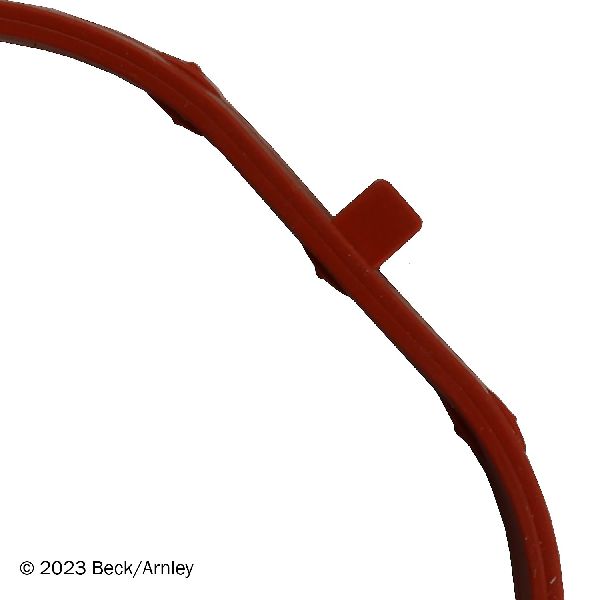
- Always use a new gasket when reinstalling the EGR valve to prevent leaks.
What's Unique About the 2001-2005 Honda Civic
For the 2001-2005 Honda Civic with the D17 engine, the P0402 code is a very common issue. Unlike some vehicles where a sensor is the primary culprit, on this Civic, the problem is almost always mechanical. The EGR valve itself can get stuck open due to carbon buildup, or the EGR passages cast into the intake manifold become clogged, disrupting flow and causing the valve to operate incorrectly. Many owners find that simply cleaning the valve and, more importantly, the passages in the intake manifold, resolves the code without replacing any parts. This issue is so prevalent that it also affects its Canadian-market twin, the Acura 1.7EL.
Symptoms You May Notice
- Check Engine Light is on
- Rough or unstable idle, sometimes described as 'surging'
- Engine stalling, especially at idle or when coming to a stop
- Hesitation or stumbling during acceleration
- Reduced engine power
- Engine knocking or pinging sounds
- Increased fuel consumption
- Strong exhaust smell
- Replacing the EGR valve without cleaning the intake manifold passages. If the passages are clogged, a new valve will not fix the root cause, and the code will likely return. This is a very common complaint in owner forums.
Most Likely Causes
- Stuck-Open or Clogged EGR Valve 🔴 High Probability → Shop Exhaust Gas Recirculation (EGR) Valve Carbon from the exhaust builds up over time, preventing the valve's pintle from closing completely. This allows exhaust to flow constantly, which is incorrect at idle and low speeds, triggering the 'excessive flow' code.
How to confirm: Remove the EGR valve (two 12mm nuts). Inspect the pintle and the port for heavy carbon deposits. You can try to manually move the pintle; it should move smoothly and return to a closed position. Soaking the valve in carburetor cleaner for several hours can help dissolve stubborn deposits.
Typical fix: Thoroughly clean the EGR valve with carburetor cleaner and a small brush until all carbon is removed. 🎬 Watch: How to clean and test your electronic EGR valve If it's too worn, damaged, or the internal electronics have failed, it must be replaced.
Est. part cost: $0 (if cleaning) - $150 - Clogged EGR Passages in Intake Manifold 🟡 Medium Probability → Shop Engine Intake Manifold The design of the intake manifold on the D17 engine has small passages for distributing EGR flow to each cylinder. These are highly susceptible to clogging with hard carbon deposits over many miles, which can disrupt pressure and trick the system into thinking there's excessive flow.
How to confirm: After removing the EGR valve, inspect the ports on the intake manifold. Often, these will be visibly blocked. For a full diagnosis, the intake manifold must be removed to access the entire EGR distribution plate 🎬 See this walkthrough for cleaning the intake manifold passages and passages. Forum users report these passages can be almost completely blocked.
Typical fix: Remove the intake manifold and physically clean the EGR passages using picks, brushes, and carburetor cleaner. This is more labor-intensive but often necessary for a permanent fix, especially if a valve cleaning or replacement didn't solve the issue.
Est. part cost: $15-$30 (for new gaskets) - Faulty EGR Valve Position Sensor ⚪ Low Probability → Shop Exhaust Gas Recirculation (EGR) Valve The sensor is integrated into the EGR valve assembly on this model. While the sensor itself can fail electronically, it's much less common than the mechanical valve sticking due to carbon. The sensor has 5 pins in its connector.
How to confirm: This is difficult to test without an advanced scan tool that can read the EGR position data or by testing the resistance across the pins with a multimeter. Usually, this is diagnosed by exclusion after the valve and passages have been confirmed to be clean and the problem persists.
Typical fix: Replace the entire EGR valve assembly, as the sensor is not sold separately.
Est. part cost: $80-$150
Rare But Worth Checking
- Faulty Manifold Absolute Pressure (MAP) Sensor: → Shop Manifold Absolute Pressure Sensor
Diagnosis Steps
- Confirm the P0402 code using an OBD-II scanner. 🎬 Watch: Two quick DIY methods to fix the P0402 code
- Disconnect the electrical connector from the EGR valve.
- Remove the two 12mm nuts holding the EGR valve to the intake manifold.
- Carefully remove the EGR valve and its gasket. Note that the rear nut can be in a tight space.
- Inspect the EGR valve's ports and pintle for heavy carbon buildup. Is it stuck open?
- Inspect the corresponding ports on the intake manifold. Are they visibly clogged with carbon? Use a small pick or brush to check the opening.
- If the valve is dirty, clean it thoroughly with carburetor cleaner and a brush until the pintle moves freely. Let it dry completely.
- If the intake ports are clogged, the best practice is to remove the intake manifold for a thorough cleaning. This involves draining coolant, removing the air filter housing, disconnecting throttle cables, and marking/disconnecting various hoses and electrical connectors. One of the manifold bolts must be accessed from under the car.
- Once the manifold is off, separate the EGR distribution plate and use scrapers, brushes, and solvent to clear all carbon from the main channel and the small ports leading to each intake runner.
- Reinstall the cleaned (or new) EGR valve with a new gasket. If the intake manifold was removed, use a new intake manifold gasket.
- Tighten the 12mm nuts securely and reconnect the electrical connector.
- Clear the trouble code with the scanner and perform a test drive, including city and highway speeds, to see if the code returns.
Parts You'll Likely Need
- EGR Valve
(OEM #18011-PLM-A01 (supersedes 18011-PLM-A00))— This is the most common failure point. The valve gets stuck open with carbon, causing excessive flow at idle.
Trusted brands: Honda (OEM), Standard Motor Products (EGV576), Dorman (911-690), Hitachi
OEM price range: $180-$220
Aftermarket price range: $60-$150 - EGR Valve Gasket
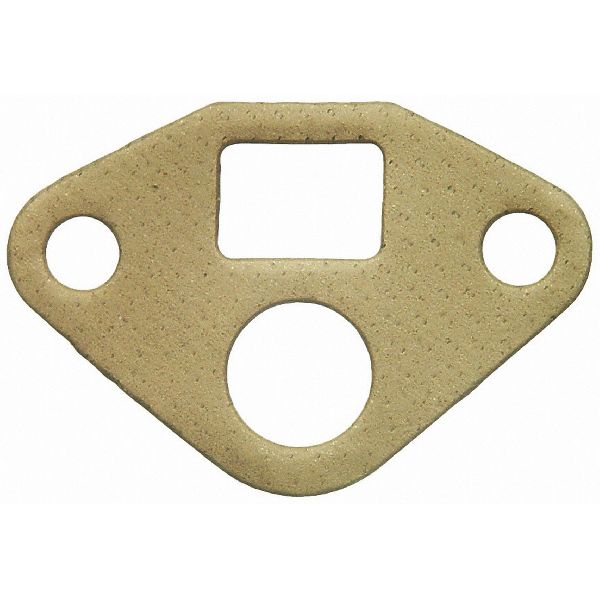
(OEM #18715-P08-000)— This gasket provides the seal between the EGR valve and the intake manifold. It should always be replaced whenever the valve is removed to prevent vacuum leaks.
Trusted brands: Honda (OEM), Fel-Pro (70978), Mahle
OEM price range: $5-$10
Aftermarket price range: $2-$5 - Intake Manifold Gasket
(OEM #17105-PLC-004)— Required if you need to remove the intake manifold to clean the clogged EGR passages. It is a one-time-use gasket and must be replaced to prevent vacuum leaks.
Trusted brands: Honda (OEM), Fel-Pro (MS 96124), Victor Reinz
OEM price range: $20-$30
Aftermarket price range: $10-$20
Related Codes That Often Appear With This One
- P0401 — P0401 means 'EGR Flow Insufficient'. While it seems opposite, a system with heavily clogged passages can sometimes cause erratic flow that triggers either a P0401 or P0402 at different times as the carbon buildup shifts or temporarily blocks/unblocks the valve.
Technical Service Bulletins (TSBs) & Recalls
- Honda TSB 05-026: While this TSB applies to 1999-2003 Odysseys and 2003 Pilots with V6 engines, it addresses the same fundamental problem of EGR valve contamination and port clogging causing P0401 and engine hesitation. It establishes a pattern of this issue across Honda vehicles from this era and extends the warranty for the repair, which involves cleaning ports or replacing the valve.
Platform-Specific Known Issues
- The EGR passages on the D17 engine's intake manifold are notoriously prone to clogging, which can lead to either P0401 (Insufficient Flow) or P0402 (Excessive Flow) codes. Many owners report having to perform a thorough intake manifold cleaning to finally resolve the issue after a simple valve replacement fails.
- Owner Experience: Dramatic Improvement After Cleaning: A user on honda-tech.com described a dramatic improvement in performance after a thorough pressure-washing of the intake manifold. Benefits included instant throttle response, improved torque, smoother cold starts, and even more sensitive brakes due to restored vacuum, demonstrating how severely these clogged passages can affect drivability.
Mechanic-Grade Diagnostic Values
- EGR Valve Position Sensor Voltage (Closed) — expected: ~0.9V to 1.25V. Failure: Voltage significantly higher or lower than the expected range with the valve known to be closed.
- EGR Valve Position Sensor Voltage (Open) — expected: ~3.9V to 4.2V. Failure: Voltage does not reach this range when the valve is commanded open, or is stuck in this range.
- EGR Valve Position Sensor 5V Reference — expected: 5V. Failure: No voltage or significantly lower voltage indicates a wiring or PCM issue.
- EGR Valve Solenoid Coil Resistance — expected: 19.9 - 23.4 ohms (when cold). Failure: Resistance is outside this range, indicating a faulty coil.
Scan Tool Commands That Help
- Honda Diagnostic System (HDS): Snapshot Manual Trigger — This function, detailed in Honda TSB 05-026, allows a technician to record high-speed data (EGR Lift Command vs. EGR Lift) during a specific driving event (e.g., hesitation between 1,500-2,000 rpm) to graphically analyze the valve's response time and detect clogging or sticking.
- Advanced OBD-II Scanner: EGR Valve Actuation Test — This bidirectional command allows the user to command the EGR valve to open and close while the engine is idling. A properly functioning valve will cause the engine to stumble or stall when opened at idle. If there is no change in engine performance, it indicates either the valve is not opening or the passages are completely blocked.
Wiring & Ground Locations
- G101 — On the thermostat housing, specifically on the water pipe side.. G101 is the main power and logic ground for the PCM and several critical engine sensors, including the EGR valve and its position sensor. A poor connection at this single point can cause erratic sensor readings, leading to incorrect EGR codes like P0402 even if the valve itself is functional.
- EGR Valve Connector (6-Pin) — Connected directly to the EGR valve on the passenger side of the engine, mounted to the intake manifold.. Knowing the pinout is essential for testing. The two wider-spaced pins are for the solenoid coil, while the three closer-spaced pins are for the position sensor (5V reference, ground, and signal). Testing voltage and resistance at these pins can diagnose a faulty sensor, coil, or wiring harness issue without replacing the part.
Real Owner Repair Stories
- BobIsTheOilGuy forum user (2005 Honda Civic D17A1) — P0401 (Insufficient Flow) after an engine swap.
❌ Tried (didn't work) Replacing the EGR valve with a new one.
✅ What actually fixed it The user discovered that the replacement engine was from an earlier model year (likely 2001-2002) that did not have EGR ports drilled into the head from the factory. The EGR valve was mounted, but there were no passages for the exhaust gas to flow through, causing the insufficient flow code. The fix required getting the correct engine with EGR passages. - Honda-Tech.com forum user (2001 Honda Civic EX Coupe (D17A2)) — Bucking/shuddering at cruising speeds (30mph and 50mph), Check Engine Light on.
❌ Tried (didn't work) Replacing the EGR valve three separate times., Extensive cleaning of the EGR valve and passages.
✅ What actually fixed it The user's post was part of a larger diagnosis of a failing head gasket. The conclusion was that the EGR-related symptoms were likely a consequence of the head gasket leak pressurizing the cooling system and affecting overall engine operation, rather than a primary EGR fault. The EGR problem was a symptom, not the root cause. - Honda CR-V Owner Reference (NHTSA ODI #10723228) — While reported on a different Honda model, an owner noted the check engine light would go on and off repeatedly with P0402, sometimes associated with catalytic converter efficiency concerns, persisting for two years despite passing smog.
OEM Part Supersession History
18011-PLM-A00→18011-PLM-A01— Standard part revision by the manufacturer, likely for minor improvements in materials or design to enhance durability.
Heads up: The parts are fully interchangeable. 18011-PLM-A01 is the correct service replacement for any vehicle that originally used 18011-PLM-A00.
Model Year Variations Within This Range
- 2001-2003 vs 2004-2005: Some non-VTEC D17A1 engines in earlier years (approx. 2001-2002) did not come equipped with an EGR system. The system was added in later years (approx. 2003-2005) to meet emissions standards. This is a critical difference when sourcing a replacement engine, as a non-EGR engine installed in an EGR-equipped car will cause persistent fault codes.
- 2001-2003 vs 2004-2005: The 2004-2005 facelift models switched from a narrow-band front oxygen sensor to a wide-band (Air/Fuel Ratio) sensor. While not directly related to the EGR valve itself, this is a major engine management difference within the 2001-2005 generation that affects the ECU and wiring harness, complicating engine swaps.
Diagnostic Flowchart
Used vs. New Parts: Buying Guide for This Vehicle
When a used part is the smart pick: A used EGR valve is generally not recommended due to the high likelihood of it being clogged or having a worn internal sensor. However, a used intake manifold from a low-mileage donor car can be a cost-effective option if yours is severely clogged and difficult to clean, provided you inspect it thoroughly.
Donor-vehicle mileage cap: roughly under 80000 miles for the part to have meaningful remaining life.
What to inspect on the donor part:
- For an intake manifold, remove the EGR valve and inspect the passages. Look for light, dusty carbon, not thick, oily, or chunky deposits.
- Ensure there are no cracks or damage to the manifold body or any of the threaded holes.
- If buying a used EGR valve, check for free movement of the pintle and test the resistance of the solenoid and position sensor pins with a multimeter before purchase, if possible.
Aftermarket brands forum-validated for this vehicle:
- Standard Motor Products (SMP)
- Hitachi (often the OEM supplier)
- Beck Arnley
- Dorman
Brands owners have reported issues with on this vehicle:
- No-name, unbranded parts from online marketplaces are a significant risk. They often have high failure rates, with sensors that are out of specification or mechanical parts that fail quickly.
Real Owner Stories
Aggregated from forums and TSBs cited above. Mileages and costs reflect what owners reported in those sources.
2001-2005 Honda Civic (D17 Engine)
Symptoms: Poor throttle response, reduced torque, rough cold starts, and less sensitive brakes due to lost vacuum.
What fixed it: A thorough pressure-washing of the intake manifold to clear severely clogged EGR passages.
Source hint: honda-tech.com
2002 Honda Civic
Symptoms: Persistent Check Engine Light for P0402.
What fixed it: The owner reported that trying three different EGR valves did not resolve the issue, indicating the actual problem was deeper, such as clogged intake manifold passages.
Source hint: honda-tech.com
2001-2005 Honda Civic
Symptoms: Check Engine Light on with P0402.
What fixed it: A complete removal and cleaning of the intake manifold and its internal EGR passages, which was described as a critical step for a permanent fix.
Source hint: civicforums.com
Related OBD-II Codes
Frequently Asked Questions
I cleaned my EGR valve on my 2003 Civic, but the P0402 code came back. What should I check next?
Can I just replace the EGR position sensor on my 2001-2005 Civic?
Is it a good idea to buy a used EGR valve from a junkyard for my Civic?
What are some reliable aftermarket brands for an EGR valve for this car?
My 2004 Acura 1.7EL has a P0402 code. Is the repair process the same as the Honda Civic?
How difficult is it to clean the intake manifold EGR passages on this Civic?
Is there a Honda TSB that specifically covers the P0402 code on the 2001-2005 Civic?
Helpful Videos
![How to Fix HONDA P0402 Engine Code in 3 Minutes [2 DIY Methods / Only $4.26]](https://img.youtube.com/vi/qfal8nbM9Kc/mqdefault.jpg)
![How to Fix P0402 Engine Code in 3 Minutes [2 DIY Methods / Only $4.26]](https://img.youtube.com/vi/57B5b9uANus/mqdefault.jpg)
Used OEM Parts in Stock
New Aftermarket Parts Available


The information in this article is provided for general reference and educational purposes only. Vehicle specifications, procedures, and part compatibility can vary by production date, trim level, and region. Always consult your vehicle's factory service manual and verify part numbers before purchasing or performing repairs. Safety-critical components such as airbags, seat belts, and braking systems should be installed by a qualified professional.
- Honda Civic:
- 🧭 Diagnostic Flowchart
- 🎬 Helpful Videos
- 🛍️ Shop This Part
- What's Unique About the 2001-2005 Honda Civic
- Symptoms You May Notice
- Most Likely Causes
- Rare But Worth Checking
- Diagnosis Steps
- Parts You'll Likely Need
- Related Codes That Often Appear With This One
- Technical Service Bulletins (TSBs) & Recalls
- Platform-Specific Known Issues
- Mechanic-Grade Diagnostic Values
- Scan Tool Commands That Help
- Wiring & Ground Locations
- Real Owner Repair Stories
- OEM Part Supersession History
- Model Year Variations Within This Range
- Used vs. New Parts: Buying Guide for This Vehicle
- Real Owner Stories
- 2001-2005 Honda Civic (D17 Engine)
- 2002 Honda Civic
- 2001-2005 Honda Civic
- Related OBD-II Codes
- Frequently Asked Questions
- 🎟️ Get 5% Off