

P0403 on 2001-2011 Ford Ranger 2.3L: EGR Circuit Malfunction Causes and Fixes
P0403 on a 2.3L Duratec Ford Ranger most often points to a failed electronic EGR valve, a problem in its wiring harness, or a blown fuse that powers multiple emissions components. The Powertrain Control Module (PCM) has detected an electrical fault in the circuit that controls the valve. Before replacing parts, check for a blown fuse, especially if other circuit codes are present. A new EGR valve costs between $100 and $200 and is a moderately difficult DIY replacement due to tight access.
- P0403 is an electrical circuit code, not a flow code. Focus your diagnosis on the EGR valve, its wiring, and the fuse.
- If P0403 appears with other circuit codes (especially for O2 heaters or EVAP), the cause is very likely a single blown fuse in the engine bay.
- The most common part to fail is the electronic EGR valve itself, but always check for cheaper wiring or fuse issues first.
- Accessing the EGR valve on the 2.3L Ranger is difficult due to its location against the firewall.
What's Unique About the 2001-2011 Ford Ranger
Unlike older Ford engines that used a vacuum-controlled EGR valve with a separate DPFE sensor, the 2.3L Duratec I4 in the 2001-2011 Ranger uses a more modern electronic EGR valve. This valve is controlled directly by the PCM via an electric stepper motor, eliminating the need for vacuum lines, a vacuum regulator solenoid, and a separate pressure feedback sensor. Therefore, diagnosis for P0403 on this specific truck focuses entirely on the electrical integrity of the valve's internal motor, the wiring circuit connecting it to the PCM, and the shared fuse that powers the circuit.
Symptoms You May Notice
- Check Engine Light is on
- Rough idle or stalling, especially when the engine is cold
- Reduced engine power and acceleration
- Engine may ping or knock (pre-ignition) during acceleration
- Failing a vehicle emissions test
- Replacing the DPFE sensor (This engine does not have one).
- Cleaning EGR passages (While clogged passages can cause other EGR codes like P0401, they do not cause a P0403 electrical circuit code).
Most Likely Causes
- Faulty Electronic EGR Valve 🔴 High Probability → Shop Exhaust Gas Recirculation (EGR) Valve The internal stepper motor or solenoid coil within the electronic EGR valve can fail over time due to heat and vibration, causing an open or short circuit. This is the most common component to fail for this specific code.
How to confirm: With a multimeter, disconnect the EGR valve and measure the resistance between the control pins on the valve itself. Compare the reading to the manufacturer's specification (typically found in a service manual). An infinite resistance reading (OL) indicates an open circuit, while a very low or zero reading indicates a short. A good valve should have a resistance of around 20-25 ohms between specific pairs of pins.
Typical fix: Replace the entire EGR valve assembly and the associated gasket.
Est. part cost: $100-$200 - Blown Fuse in Engine Compartment 🟡 Medium Probability On this platform, the EGR valve circuit shares a fuse with several other components, including the O2 sensor heaters and the EVAP purge valve. A short circuit in any of these components or their wiring can blow the shared fuse, causing P0403 to appear along with other codes.
How to confirm: Check your owner's manual for the fuse panel diagram (located in the engine bay). Inspect the fuse that powers the 'Powertrain Control Module' or emissions components (e.g., Fuse 41 on a 2003 model). If the fuse is blown, it confirms the power loss. The next step is to find the short that caused it.
Typical fix: Replace the blown fuse. If it blows again, you must diagnose the short circuit in the wiring for one of the components on that circuit (EGR valve, O2 sensors, EVAP valve). A common cause is damaged O2 sensor wiring shorting to the exhaust or frame.
Est. part cost: $1-$5 for a fuse - Damaged Wiring or Connector 🟡 Medium Probability The wiring harness leading to the EGR valve is located in a hot, tight space in the engine bay and is subject to heat and vibration. The plastic on the connector can become brittle and break apart, causing poor connections or shorts. Wires can become brittle, chafe, or break, especially near the connector.
How to confirm: Visually inspect the wiring harness from the EGR valve back to the main loom for any signs of melting, chafing, or breaks. Unplug the connector and check for corrosion, bent, or backed-out pins, and check for physical damage to the connector body itself. Use a multimeter to perform a continuity test on each wire between the EGR connector and the PCM connector.
Typical fix: Repair the damaged section of wire with a new piece of wire and solder/heat-shrink connectors. If the connector itself is damaged, replace it with a new pigtail connector.
Est. part cost: $15-$30 for a pigtail
Rare But Worth Checking
- Powertrain Control Module (PCM) Fault: → Shop Engine Control Module (ECM) This is very rare. Before condemning the PCM, all other possibilities, especially the fuse, wiring, and the EGR valve itself, must be exhaustively ruled out. A faulty driver circuit within the PCM can mimic a circuit fault, but it's the least likely cause.
Diagnosis Steps
- Retrieve codes with an OBD-II scanner. If P0403 is accompanied by other circuit codes like P0135, P0141, or P0443, immediately suspect a blown fuse.
- Locate and inspect the fuse that provides power to the emissions components in the engine compartment fuse box. If it's blown, replace it and see if codes return. If they do, you have a short to ground that must be located.
- If the fuse is good, visually inspect the EGR valve, its electrical connector, and the surrounding wiring harness for any obvious damage, melting, corrosion, or brittleness of the connector plastic.
- Disconnect the electrical connector from the EGR valve. Check for power (typically 12V) on the appropriate pin at the connector with the key on, engine off, using a multimeter. Lack of power points back to the fuse or a break in the power wire.
- Check the resistance of the EGR valve's internal stepper motor coils across the appropriate pins on the valve itself. A good reading is typically between 20 and 25 ohms. An out-of-spec reading indicates a faulty valve.
- If the valve and power/ground test good, perform a continuity test on each wire in the harness between the EGR connector and the PCM connector to check for opens or shorts.
- If wiring and the EGR valve are confirmed to be good, the issue may be with the PCM, which requires professional diagnosis.
Parts You'll Likely Need
- Electronic EGR Valve
(OEM #1S7Z-9D475-A (supersedes 1S7Z-9D475-AA))— This is the most common component failure for a P0403 code on this engine, as the internal electrical coils of the valve fail.
Trusted brands: Motorcraft, Standard Motor Products (SMP), Delphi
OEM price range: $150-$220
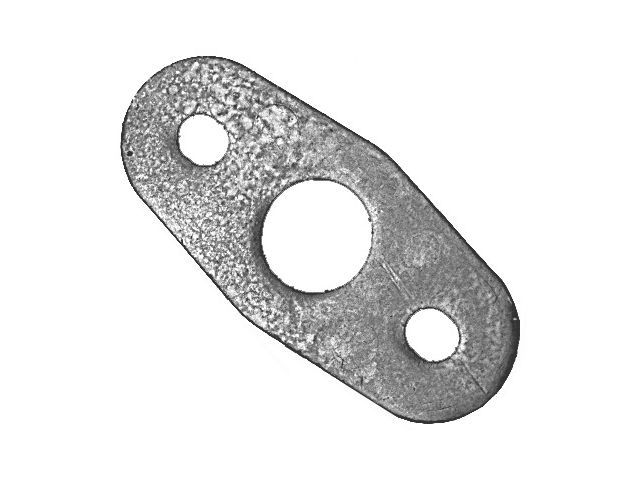
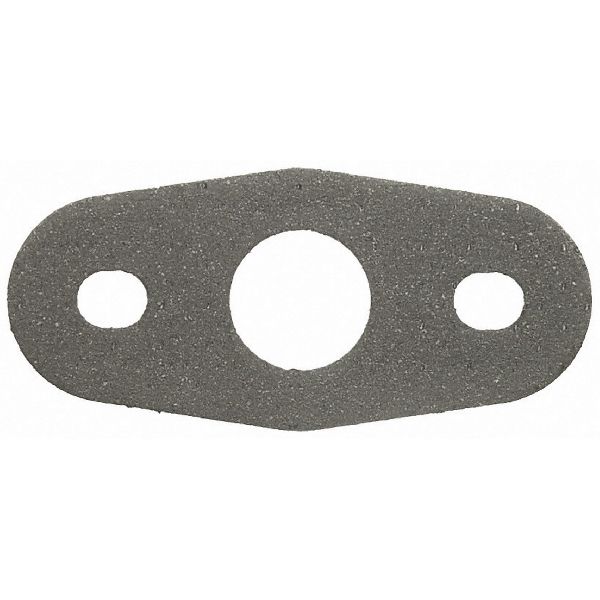
Aftermarket price range: $90-$160 - EGR Valve Gasket
(OEM #1S7Z-9D476-AA)— Must be replaced any time the EGR valve is removed to ensure a proper seal.
Trusted brands: Motorcraft, Fel-Pro
OEM price range: $5-$10
Aftermarket price range: $2-$5 - EGR Valve Connector Pigtail — If the connector is corroded or the wires are broken right at the connector, replacing the pigtail is the correct repair. The plastic can become brittle and disintegrate over time.
Trusted brands: Motorcraft, Dorman, Standard Motor Products
OEM price range: $25-$40
Aftermarket price range: $15-$30 - Automotive Fuse — A blown fuse that powers the EGR circuit and other components is a common cause for P0403, especially when other circuit codes are present.
Trusted brands: Bussmann, Littlefuse
OEM price range: $1-$5
Aftermarket price range: $1-$5
Related Codes That Often Appear With This One
- P0135 (O2 Sensor Heater Circuit Bank 1 Sensor 1)
- P0141 (O2 Sensor Heater Circuit Bank 1 Sensor 2)
- P0155 (O2 Sensor Heater Circuit Bank 2 Sensor 1)
- P0443 (EVAP Emission System Purge Control Valve Circuit)
- P2004 (Intake Manifold Runner Control Stuck Open)
- P0597 (Thermostat Heater Control Circuit Open)
Platform-Specific Known Issues
- Shared Fuse Causes Multiple Circuit Codes: A very common scenario for the 2.3L Ranger is for P0403 to appear with a host of other electrical circuit codes (e.g., P0443, P0135, P0141). This is almost always caused by a single blown fuse in the engine compartment fuse box. This fuse provides power to the EGR valve, EVAP purge solenoid, and O2 sensor heaters. A short in any of these components' wiring (often a damaged O2 sensor wire touching the exhaust) will blow the fuse and disable all of them, triggering multiple codes at once. Always check fuses first if you have more than just the P0403 code.
- Difficult EGR Valve Access: → Shop Exhaust Gas Recirculation (EGR) Valve The 2.3L Duratec engine was originally designed for front-wheel-drive cars. In the rear-wheel-drive Ranger, the EGR valve is located on the back of the cylinder head against the firewall, making it very difficult to access. Some mechanics and owners report that the intake manifold must be removed to gain sufficient clearance to replace the valve.
Technical Service Bulletins (TSBs) & Recalls
While specific to other models in the Ford lineup sharing similar architecture, manufacturer service bulletin #TSB 16-0163 notes that P0403 can appear alongside a wide array of other codes including P0135, P0141, and P0443, requiring specific service procedure steps to correct the condition. Additionally, NHTSA ODI #10573470 describes instances where vehicles experienced a rough running condition and/or the malfunction indicator light on with EGR related diagnostic trouble codes, including P0403, specifically involving the emission control gas recirculation valve.
Mechanic-Grade Diagnostic Values
- EGR Valve Stepper Motor Coil Resistance — expected: Approximately 20-25 Ohms between pin pairs (e.g., pins 2&3, 2&1, 5&6, 5&4 on a 6-pin valve).. Failure: An open circuit (OL or infinite resistance) or a direct short (0 Ohms) indicates a failed coil inside the valve.
- EGR Valve Connector Power Supply (Key On, Engine Off) — expected: Approximately 12 Volts (battery voltage) at the power supply pin in the harness connector.. Failure: A reading of 0 Volts indicates a problem upstream, such as a blown fuse or a break in the power wire.
Scan Tool Commands That Help
- Ford IDS (or equivalent high-end scanner): EGR Vacuum Regulator (EVR) Solenoid On/Off Command — This bidirectional control is used to verify that the PCM driver is capable of commanding the EGR circuit. While watching the voltage on the control wire with a multimeter, a technician can command the solenoid on and off to see if the voltage drops as expected, confirming the PCM and wiring are functional up to the component.
Wiring & Ground Locations
- G100 / G104 — These are primary engine bay grounds. G100 is typically located on the right-hand fender apron, near the battery. G104 is often found on the left-hand side of the engine compartment, near the firewall or on the fender apron.. A poor or corroded engine ground can cause a variety of electrical issues and fault codes, including circuit codes for emissions components. Ensuring the main engine-to-chassis grounds are clean and tight is a crucial preliminary step in diagnosing any electrical fault.
- C169 — This is the electrical connector for the electronic EGR valve itself, located at the back of the cylinder head.. This is the primary point for testing. All voltage, ground, and resistance checks for the valve and its immediate circuit are performed here. The pins for power, ground, and PCM control can be identified using a vehicle-specific wiring diagram.
- Circuit 570 (BK/WH) — This is a common ground wire used by multiple components and sensors, which splices and connects to several PCM pins. A short or fault in this ground circuit can cause widespread issues.. In a documented case on a 2004 Ranger, a short involving this ground wire caused the fuel pump fuse to blow and the instrument cluster to fail, demonstrating how interconnected these circuits can be. While not a direct cause of P0403 in that instance, it highlights the importance of checking shared ground circuits when multiple electrical faults are present.
Real Owner Repair Stories
- RK Auto Garage YouTube Channel (2004 Mazda 3 with 2.3L engine (same platform as Ranger Duratec)) — Check Engine Light with codes P0401 (Insufficient Flow) and P0403 (Circuit Fault).
❌ Tried (didn't work) Initial diagnosis pointed towards a complex issue due to having both a flow and a circuit code.
✅ What actually fixed it Upon inspection, the plastic of the EGR valve's electrical connector had become extremely brittle and was physically broken and falling apart. This caused a poor connection, triggering the P0403 circuit code. The fix was to replace both the damaged connector pigtail and the EGR valve itself. - Ranger-Forums.com user 'Itwasafreeranger' (2004 Ford Ranger 2.3L) — Multiple electrical issues including a dead instrument cluster, non-functional gauges, and a fuel pump fuse that blew immediately. The CEL was not working, causing an emissions test failure.
❌ Tried (didn't work) Initial checks were confusing as the issues seemed unrelated.
✅ What actually fixed it The root cause was found to be a short to power on the main ground wire (Circuit 570, Black/White) inside the battery junction box (underhood fuse box). This ground wire is shared by the PCM power relay and other systems. The short caused the PCM relay to malfunction, which in turn blew the fuel pump fuse and disabled the instrument cluster. This story illustrates how a fault in a shared power or ground circuit can manifest as multiple, seemingly unrelated codes and symptoms.
OEM Part Supersession History
1S7Z-9D475-AA→1S7Z-9D475-A— Standard part revision and update by the manufacturer.
Heads up: The parts are interchangeable. 1S7Z-9D475-A is the current service part number.
Model Year Variations Within This Range
- 2001.5-2003: The early 2.3L Duratec engines in the Ranger featured an electrically heated thermostat and an Intake Manifold Runner Control (IMRC) or 'swirl control' system. These components were sometimes associated with their own unique fault codes (like P2004 for IMRC) and were deleted in the 2004 model year.
- 2004-2011: Starting in 2004, Ford removed the complex electrically heated thermostat and IMRC system. They also reportedly upgraded the intake and exhaust camshafts and revised the ECU programming, resulting in a slight horsepower increase from 135 hp to 143 hp. The core design of the electronic EGR valve remained the same.
- 2007-2011: The OBD-II communication protocol was updated to the CAN (Controller Area Network) standard starting in the 2007 model year. This does not change the cause or fix for P0403, but it does require a CAN-compatible OBD-II scanner for diagnostics.
Diagnostic Flowchart
Used vs. New Parts: Buying Guide for This Vehicle
When a used part is the smart pick: A used wiring harness or connector pigtail from a junkyard can be a cost-effective solution if the donor part is in excellent physical condition with no signs of brittleness, melting, or corrosion. Given the high failure rate of the connector plastic, inspect it carefully.
Donor-vehicle mileage cap: roughly under 100000 miles for the part to have meaningful remaining life.
What to inspect on the donor part:
- For a connector/pigtail: Check for flexible, intact plastic. Squeeze the connector body to ensure it's not brittle or cracked.
- Inspect the wire insulation for any signs of melting, chafing, or previous repairs.
- Look at the pins inside the connector to ensure they are straight and free of green or white corrosion.
- For an EGR valve: Avoid used parts. It's an electronic component with a finite lifespan, and its internal condition is impossible to verify visually.
OEM-only on this vehicle (don't cheap out):
- While not strictly 'OEM-only', many forum users express a strong preference for the Motorcraft (OEM) EGR valve to ensure compatibility and longevity. Some aftermarket sensors and electronic components are known to cause issues with Ford PCMs.
Aftermarket brands forum-validated for this vehicle:
- Standard Motor Products (SMP)
- Delphi
Brands owners have reported issues with on this vehicle:
- Users on forums sometimes caution against the cheapest, unbranded EGR valves, as their internal electronics may not meet OE specifications for resistance and longevity, leading to a repeat failure.
Real Owner Stories
Aggregated from forums and TSBs cited above. Mileages and costs reflect what owners reported in those sources.
2003 Ford Ranger 2.3L
Symptoms: Check Engine Light was on with codes P0403, P0446, P0141, P0135, and others.
What fixed it: The root cause was a blown 15A fuse (Fuse #41 in the engine bay). The fuse was likely blown by a damaged front oxygen sensor wire that was shorting to ground after a clutch replacement.
Source hint: TheRangerStation.com - '2003 IMRC/IMSC issues'
2004-2006 Ford Ranger 2.3L
Symptoms: A combination of codes including P0403, O2 heater codes, and an EVAP code, accompanied by a rough idle.
What fixed it: After replacing multiple parts without success, the owner found and replaced a single blown fuse, which resolved all the issues.
Source hint: Ranger-Forums.com - 'Rough idle, O2 codes, EGR + Evap codes'
2003 Ford Ranger 2.3L
Symptoms: The owner was experiencing EGR trouble and investigated the repair.
What fixed it: The owner noted the extreme difficulty of the repair, with a shop quoting removal or lowering of the transmission to gain access to the EGR valve located against the firewall.
Source hint: Ranger-Forums.com - 'EGR trouble'
Related OBD-II Codes
Frequently Asked Questions
Why did I get codes P0135, P0141, and P0443 at the same time as P0403 on my Ranger?
How difficult is it to replace the EGR valve on the 2.3L Ranger?
What is the very first thing I should check for a P0403 code?
How can I test the EGR valve itself on my 2001-2011 Ranger?
Does my Mazda B2300 have the same P0403 EGR problem?
Is the EGR valve on my Ranger the same one used in the Ford Focus?
We Have This Part in Stock


The information in this article is provided for general reference and educational purposes only. Vehicle specifications, procedures, and part compatibility can vary by production date, trim level, and region. Always consult your vehicle's factory service manual and verify part numbers before purchasing or performing repairs. Safety-critical components such as airbags, seat belts, and braking systems should be installed by a qualified professional.
- Ford Ranger:
- 🧭 Diagnostic Flowchart
- 🛍️ Shop This Part
- What's Unique About the 2001-2011 Ford Ranger
- Symptoms You May Notice
- Most Likely Causes
- Rare But Worth Checking
- Diagnosis Steps
- Parts You'll Likely Need
- Related Codes That Often Appear With This One
- Platform-Specific Known Issues
- Technical Service Bulletins (TSBs) & Recalls
- Mechanic-Grade Diagnostic Values
- Scan Tool Commands That Help
- Wiring & Ground Locations
- Real Owner Repair Stories
- OEM Part Supersession History
- Model Year Variations Within This Range
- Used vs. New Parts: Buying Guide for This Vehicle
- Real Owner Stories
- 2003 Ford Ranger 2.3L
- 2004-2006 Ford Ranger 2.3L
- 2003 Ford Ranger 2.3L
- Related OBD-II Codes
- Frequently Asked Questions
- 🎟️ Get 5% Off