

P0403 on 2003-2017 Honda Accord: EGR Circuit Malfunction Causes and Fixes
On a 2003-2017 Honda Accord, code P0403 almost always points to an electrical failure within the EGR valve's solenoid. The most common fix is to replace the entire EGR valve assembly. Expect to pay between $220 and $370 for the part.
- P0403 is an electrical circuit code, not a flow code. Do not waste time cleaning EGR passages to fix it.
- The most likely cause on a 2003-2017 Accord is a failed solenoid inside the EGR valve assembly.
- Diagnosis is straightforward with a multimeter by checking the resistance of the EGR valve.
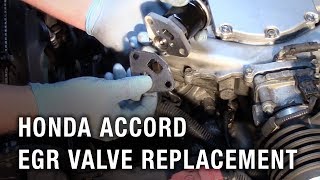
- The repair is DIY-friendly, typically requiring only basic hand tools to replace the valve located on or near the intake manifold.
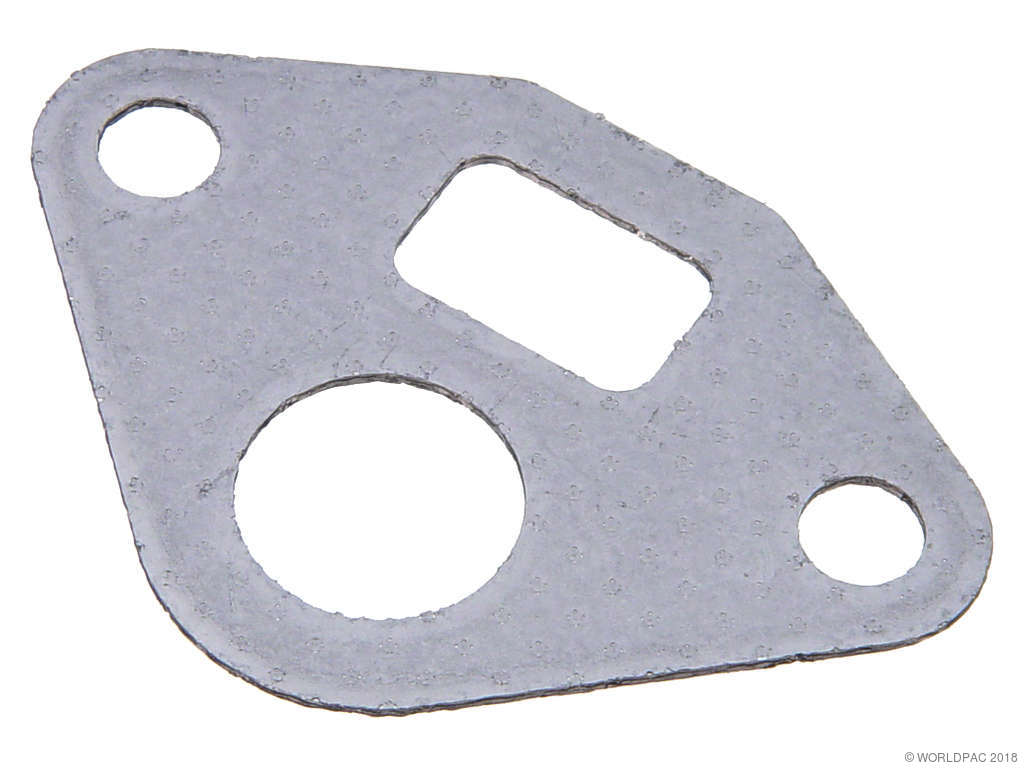
- Always use a new gasket when replacing the EGR valve.
What's Unique About the 2003-2017 Honda Accord
Across the 7th, 8th, and 9th generations of the Honda Accord (2003-2017), the P0403 code is a very common and straightforward issue. The failure is almost always internal to the electronic solenoid part of the EGR valve assembly. Unlike some vehicles where wiring or computer issues are common culprits for this code, on the Accord, the valve itself is the typical point of failure. The issue is also common on other Honda vehicles that share the same V6 and 4-cylinder engines.
Generation note: This guide covers the 7th (2003-2007), 8th (2008-2012), and 9th (2013-2017) generations of the Honda Accord. The cause and repair for P0403 are highly consistent across these generations, with the primary failure point being the EGR valve assembly. Both the K-series 4-cylinder and J-series V6 engines are affected.
Symptoms You May Notice
- Check Engine Light is on
- Failed emissions test
- Engine pinging or knocking, especially during acceleration or under load
- Rough idle or stalling (less common, but possible if the valve fails in a partially open state)
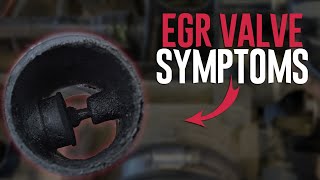
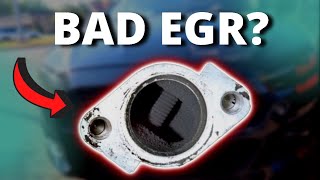
- Reduced throttle response or sluggish acceleration 🎬 Watch: Learn the symptoms of a bad EGR valve
- Clogged EGR Passages: While clogged passages are a common EGR system problem that causes code P0401 (Insufficient Flow), they do not cause the P0403 electrical circuit code. Cleaning the valve or passages will not fix a P0403.
Most Likely Causes
- Failed EGR Valve Solenoid 🔴 High Probability → Shop Exhaust Gas Recirculation (EGR) Valve The electronic solenoid integrated into the EGR valve assembly is a known common failure point on these Honda models. The internal coil windings can break, creating an open circuit detected by the PCM.
How to confirm: Use a multimeter to test the resistance across the pins of the EGR valve's electrical connector. Compare the reading to the manufacturer's specification (typically between 10-30 Ohms for a good valve, but check the service manual for your specific year and engine). An out-of-spec reading, especially infinite resistance (an open circuit), confirms the solenoid has failed.
Typical fix: Replace the entire EGR valve assembly. It is a self-contained unit.
Est. part cost: $220-$370 - Damaged Wiring or Connector ⚪ Low Probability
How to confirm: Visually inspect the wiring harness leading to the EGR valve for any signs of fraying, melting, or corrosion. Check the connector pins for corrosion or damage. Use a multimeter to check for proper voltage and ground at the connector with the key on.
Typical fix: Repair the damaged section of wiring or replace the pigtail connector.
Est. part cost: $15-$40
Rare But Worth Checking
- Blown Fuse: The EGR circuit is protected by a fuse. While not common, it's a quick and easy check before replacing more expensive parts.
- Faulty Powertrain Control Module (PCM): → Shop Engine Control Module (ECM) This is extremely rare. The PCM's internal driver for the EGR circuit can fail, but all other potential causes should be exhaustively ruled out before considering PCM replacement.
Diagnosis Steps
- Retrieve the P0403 code using an OBD-II scanner and check for any other stored codes.
- Visually inspect the EGR valve's electrical connector and wiring harness for any obvious damage, corrosion, or loose connections.
- Check the fuse for the emissions or EGR system in the vehicle's fuse box.
- Disconnect the EGR valve connector. With the ignition on (engine off), use a multimeter to verify that you have battery voltage on the power wire and a good ground on the ground wire at the harness connector.
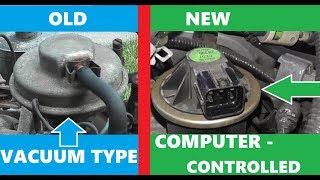
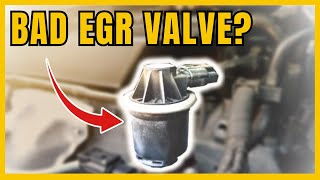
- Using the multimeter set to Ohms, measure the resistance between the terminals on the EGR valve itself. Compare this reading to the factory specification. 🎬 See how to test old vs new EGR valves If the resistance is infinite (open circuit) or far outside the specified range, the EGR valve's internal solenoid has failed.
- If wiring and fuse are good, you can use a scan tool to command the EGR solenoid on and listen for an audible click. No click further points to a failed solenoid.
- If the wiring and fuse are good, but the valve's resistance is out of spec, replace the EGR valve assembly.
- After replacement, clear the code with the scanner and perform a test drive to ensure the Check Engine Light does not return.
Parts You'll Likely Need
- EGR Valve
(OEM #18011-RCA-A00 (V6, 7th Gen), 18011-RAA-A00 (4-Cyl, 7th Gen))— This is the most common cause of a P0403 code on this vehicle, as the internal solenoid fails electrically.
Trusted brands: Honda (Genuine OEM), Duralast, Beck/Arnley, Hitachi, Dorman
OEM price range: $250-$400
Aftermarket price range: $70-$200 - EGR Valve Gasket
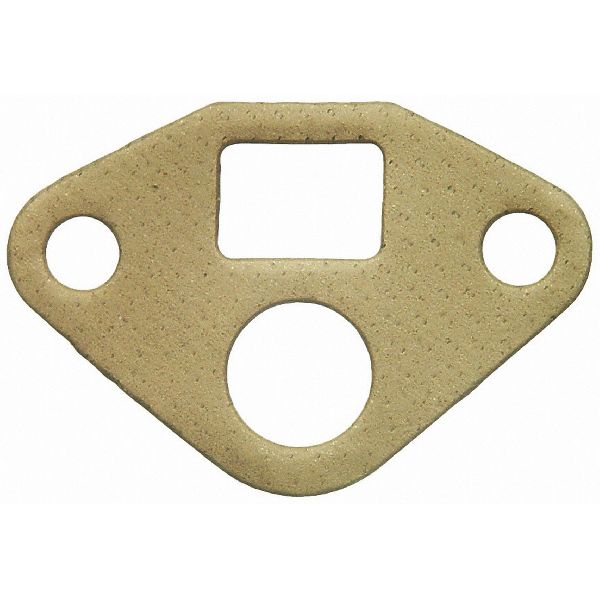
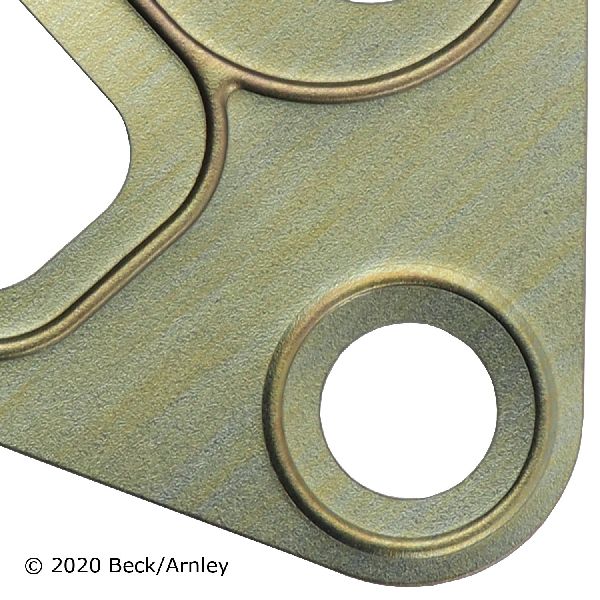
(OEM #18715-PB2-000 (Common, but verify))— A new gasket should always be used when replacing the EGR valve to prevent exhaust leaks.
Trusted brands: Fel-Pro, Victor Reinz, Ishino
OEM price range: $5-$15
Aftermarket price range: $3-$10
Mechanic-Grade Diagnostic Values
- EGR Valve Solenoid/Motor Resistance (7th, 8th, 9th Gen) — expected: Between 19.9 and 23.4 Ohms (when cold) is a common specification for Honda stepper-motor style EGR valves. Some sources indicate a wider acceptable range of 15-60 Ohms.. Failure: A reading of infinite resistance (OL on a multimeter) indicates an open circuit in the coil windings, which is the most common failure. A reading far outside the specified range also indicates a faulty valve.
- EGR Valve Connector - Power Supply Voltage — expected: Approximately 12 Volts (battery voltage) with the ignition key in the ON position (engine off).. Failure: A reading of 0V indicates a problem upstream of the valve, such as a blown fuse or a break in the power wire from the main relay/fuse box.
Scan Tool Commands That Help
- Honda Diagnostic System (HDS): DTC CLEAR / ECM RESET — Used to clear the P0403 code and reset the ECM after a repair is completed. This ensures the system re-learns and confirms the fix.
- Advanced Bidirectional Scan Tool: EGR Valve Actuation Test — This command allows the technician to manually open and close the EGR valve while the engine is idling. A successful test will cause the engine to stumble or stall when the valve is commanded open, confirming the valve's mechanical and electrical components are responding. If the engine RPM does not change, it points to a stuck valve or a complete circuit failure.
Wiring & Ground Locations
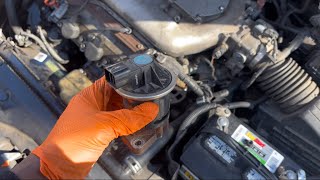
- EGR Valve Connector (5-Pin or 6-Pin) — Plugged directly into the EGR valve assembly, which is typically mounted on or near the intake manifold.. This is the primary point for all electrical testing. For V6 models with a 5-pin connector, the typical pinout is: Pin 1 (BRN/WHT) - Sensor Ground, Pin 2 (RED/WHT) - Motor Control, Pin 3 (YEL/BLK) - Motor Control, Pin 4 (GRN/BLK) - Signal Output, Pin 5 (YEL/BLU) - 5V Reference. P0403 specifically relates to the motor control circuit pins. Verifying power, ground, and performing resistance checks here is essential.
- G101 — This is a main engine harness ground. On many Honda engines, it is located on the driver's side of the intake manifold or on the thermostat housing.. G101 serves as the ECU's power and logic ground termination point. A poor connection at this ground can cause a wide range of intermittent electrical issues and codes, including P0403, by creating a floating ground for the ECU's driver circuits.
Real Owner Repair Stories
- CarKiller Forum User (Vehicle with P0403, specific model not mentioned but diagnosis is universal.) — P0403 code would recur only at startup. The code would not return if cleared while the engine was running.
❌ Tried (didn't work) Replacing the EGR solenoid., Vacuum testing the EGR valve (it held vacuum and caused the engine to stutter, indicating it was mechanically functional).
✅ What actually fixed it The user discovered an intermittent electrical fault. Initially, the EGR connector showed proper 12V power. On a later test, it showed 0V. The final diagnosis was an intermittent short in the ground wire or a bad connection within the EGR connector itself, which was preventing the solenoid from being powered consistently at startup.
OEM Part Supersession History
18011-P8A-A00, 18011-P8E-A00→18011-RCA-A00— Updated design for improved reliability or manufacturing changes.
Heads up: The newer part number (18011-RCA-A00) is the correct service replacement for earlier 7th generation V6 Accords.
Diagnostic Flowchart
Other Known Issues on This Vehicle
Issues unrelated to this code that are worth knowing about as an owner of this generation:
- Automatic Transmission Failure (7th Gen, esp. V6) 🔴 High — Very common on 2003-2004 models, often occurring before 100,000 miles. Less common but still present on later 7th-gen models.
- Excessive Oil Consumption (8th & 9th Gen, V6) 🟠 Moderate — Common on V6 models with Variable Cylinder Management (VCM), often leading to fouled spark plugs and misfires. A class-action lawsuit addressed this issue. (Ref: TSB 11-033)
Used vs. New Parts: Buying Guide for This Vehicle
When a used part is the smart pick: A used OEM EGR valve from a low-mileage donor vehicle can be a cost-effective alternative to a new OEM part, especially if the budget is tight. Given that the failure is electronic, a used part is still a gamble, but often preferable to a low-quality new aftermarket part.
Donor-vehicle mileage cap: roughly under 80000 miles for the part to have meaningful remaining life.
What to inspect on the donor part:
- Check for minimal corrosion on the housing and electrical pins.
- Ask the seller if they can test the resistance of the solenoid coil before purchase.
- Ensure the part comes from a vehicle that was not in a front-end collision, which could have damaged the connector.
Aftermarket brands forum-validated for this vehicle:
- Standard Motor Products (SMP)
- Hitachi (Often the original OEM supplier)
- Beck/Arnley
Brands owners have reported issues with on this vehicle:
- Dorman: While some Dorman parts are well-regarded, their electronic components like EGR valves have mixed reviews, with some users reporting out-of-box failures, bent pins, or incorrect connector keying that makes installation difficult.
- Unbranded/white-box parts: Extremely cheap EGR valves found on sites like eBay or Amazon often have incorrect internal calibrations or use substandard materials, leading to premature failure.
Real Owner Stories
Aggregated from forums and TSBs cited above. Mileages and costs reflect what owners reported in those sources.
2003-2017 Honda Accord
Symptoms: Owners across the 7th, 8th, and 9th generations confirm the Check Engine Light for P0403 is a standard issue.
What fixed it: Replacing the EGR valve assembly.
Source hint: driveaccord.net - Numerous threads confirm that replacing the EGR valve is the standard, effective fix for P0403 across the 7th, 8th, and 9th generations.
Honda Accord V6
Symptoms: The valve failed electrically, which was confirmed by testing the component's resistance.
What fixed it: The multimeter resistance test was used as the definitive diagnostic step, identifying infinite resistance on the failed valve.
Source hint: honda-tech.com - Discussions corroborate the multimeter resistance test as the definitive diagnostic step. Users report measuring infinite resistance on failed valves.
2003-2004 Honda Accord V6 — ~95000 miles
Symptoms: Automatic transmission failure occurring before 100,000 miles.
What fixed it: Replacement or repair of the automatic transmission.
Source hint: known_issues: Automatic Transmission Failure (7th Gen, esp. V6)
Related OBD-II Codes
Frequently Asked Questions
Is there a specific TSB for the oil consumption issues mentioned in the 8th and 9th generation Accord V6?
Which aftermarket EGR valve brands are recommended for the Honda Accord?
Are there any brands I should avoid when replacing my EGR valve?
Can I use an EGR valve from a Honda Odyssey or Pilot on my Accord?
How can I definitively confirm the EGR solenoid has failed on my Accord?
Is it worth buying a used EGR valve for my 7th generation Accord?
Helpful Videos
We Have This Part in Stock


The information in this article is provided for general reference and educational purposes only. Vehicle specifications, procedures, and part compatibility can vary by production date, trim level, and region. Always consult your vehicle's factory service manual and verify part numbers before purchasing or performing repairs. Safety-critical components such as airbags, seat belts, and braking systems should be installed by a qualified professional.
- Honda Accord:
- 🧭 Diagnostic Flowchart
- 🎬 Helpful Videos
- 🛍️ Shop This Part
- What's Unique About the 2003-2017 Honda Accord
- Symptoms You May Notice
- Most Likely Causes
- Rare But Worth Checking
- Diagnosis Steps
- Parts You'll Likely Need
- Mechanic-Grade Diagnostic Values
- Scan Tool Commands That Help
- Wiring & Ground Locations
- Real Owner Repair Stories
- OEM Part Supersession History
- Other Known Issues on This Vehicle
- Used vs. New Parts: Buying Guide for This Vehicle
- Real Owner Stories
- 2003-2017 Honda Accord
- Honda Accord V6
- 2003-2004 Honda Accord V6 — ~95000 miles
- Related OBD-II Codes
- Frequently Asked Questions
- 🎟️ Get 5% Off