

P0403 on 2008-2012 Honda Accord 3.5L V6: EGR Circuit Malfunction Causes and Fixes
This code indicates an electrical failure in the EGR valve circuit. The most common fix for a P0403 on this Accord is to replace the entire EGR valve assembly due to an internal electronic failure. Expect to pay $150-$300 for the part, with a DIY difficulty of 2/5.
- P0403 is an electrical circuit code, not a gas flow code.
- The most likely cause on a 2008-2012 Accord V6 is a failed EGR valve assembly.
- Always test the circuit with a multimeter before replacing parts to rule out simple wiring issues.
- Replacement is DIY-friendly and typically takes less than an hour with basic hand tools.
- Ensure you replace the EGR valve gasket to prevent exhaust leaks.
What's Unique About the 2008-2012 Honda Accord
On the 8th generation Accord with the J35Z2 V6 engine, the P0403 code is straightforward and almost always points to an electrical failure within the EGR valve itself. Unlike flow-related EGR codes (P0401) that can be caused by carbon-clogged passages, this circuit-specific code typically means the electronic part of the valve has burned out. The repair is generally a direct component replacement.
Symptoms You May Notice
- Check Engine Light illuminated
- Rough or unstable idle
- Engine hesitation or sluggish acceleration
- Engine pinging or knocking sounds, especially when accelerating
- Stalling if the valve is stuck open
- Failing a vehicle emissions test
- Reduced fuel economy
- Replacing the EGR valve without testing it first. While it is the most likely cause, a simple wiring issue could be the actual problem, making the valve replacement unnecessary.
- Cleaning the EGR passages. While clogged passages cause the P0401 flow code, they do not directly cause the P0403 electrical circuit code. Cleaning will not fix a circuit malfunction.
Most Likely Causes
- Failed EGR Valve Assembly 🔴 High Probability → Shop Exhaust Gas Recirculation (EGR) Valve The internal solenoid or motor within the EGR valve is prone to electrical failure over time, resulting in an open or short circuit that the PCM detects. This is a very common failure mode for this specific part on Honda J-series V6 engines.
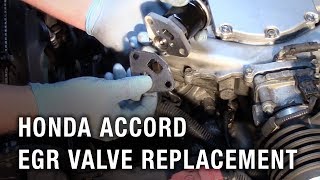
How to confirm: Disconnect the EGR valve connector. Use a multimeter to measure the resistance across the valve's electrical terminals. On this 6-pin connector, you are looking for specific resistance values between pairs of pins. While exact OEM specs are not published widely, technicians report that a healthy valve should show resistance of at least 1 kΩ (1,000 Ohms) and well under 100 kΩ between certain pin pairs. A reading of infinite resistance (OL) indicates an open circuit, while a reading near zero indicates a short circuit, both confirming internal failure. 🎬 See how to test and replace the valve
Typical fix: Replace the entire EGR valve assembly and the corresponding gasket.
Est. part cost: $150-$300 - Damaged Wiring or Connector 🟡 Medium Probability The wiring harness leading to the EGR valve is exposed to heat and vibration in the engine bay, which can lead to chafed insulation, broken wires, or corrosion on the connector pins.
How to confirm: Visually inspect the wiring harness for any signs of damage, melting, or chafing. Unplug the connector and check for corroded, bent, or pushed-out pins. Use a multimeter to check for proper voltage (typically a 5V reference) and ground at the connector with the key on, engine off.
Typical fix: Repair the damaged section of the wiring harness or clean/replace the electrical connector.
Est. part cost: $5-$50
Rare But Worth Checking
- Powertrain Control Module (PCM) Fault: → Shop Engine Control Module (ECM) This is very rare. Before suspecting the PCM, all other possibilities, including the EGR valve and its entire circuit, must be thoroughly tested and ruled out. A faulty PCM driver circuit can mimic the symptoms of a bad valve or wiring.
Diagnosis Steps
- Retrieve the P0403 code and any other codes using an OBD-II scanner. Document the freeze frame data.
- Perform a thorough visual inspection of the EGR valve, its electrical connector, and the wiring harness leading to it. Look for any obvious signs of damage, melting, or corrosion.
- Disconnect the electrical connector from the EGR valve. Check for any bent, loose, or corroded pins inside the connector.
- With the ignition key in the 'ON' position (engine off), use a multimeter to verify that the wiring harness connector is receiving the correct reference voltage (typically 5V) and has a good ground connection.
- With the connector still disconnected, use a multimeter set to Ohms (Ω) to measure the resistance between the terminals on the EGR valve itself. Compare this reading to the manufacturer's specification (generally, expect readings between 1 kΩ and 100 kΩ on a good valve). A reading of infinite resistance (OL) indicates an open circuit, while a very low reading indicates a short circuit.
- If the valve's resistance is out of spec, the EGR valve is faulty and needs to be replaced.
- If the valve tests good and the wiring has proper voltage/ground, there may be an intermittent connection issue. Wiggle the harness while testing to see if the readings fluctuate. In rare cases, this could point to a problem with the PCM.
Parts You'll Likely Need
- EGR Valve
(OEM #18011-R70-A00)— This is the most common failure point for a P0403 code, as the internal electronics fail, causing a circuit malfunction.
Trusted brands: Honda (OEM), Delphi, Standard Motor Products (SMP), Dorman
OEM price range: $215-$380
Aftermarket price range: $150-$250 - EGR Valve Gasket
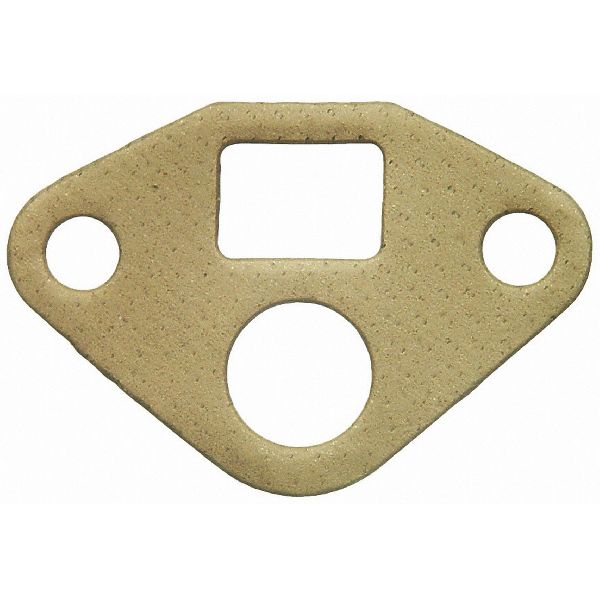
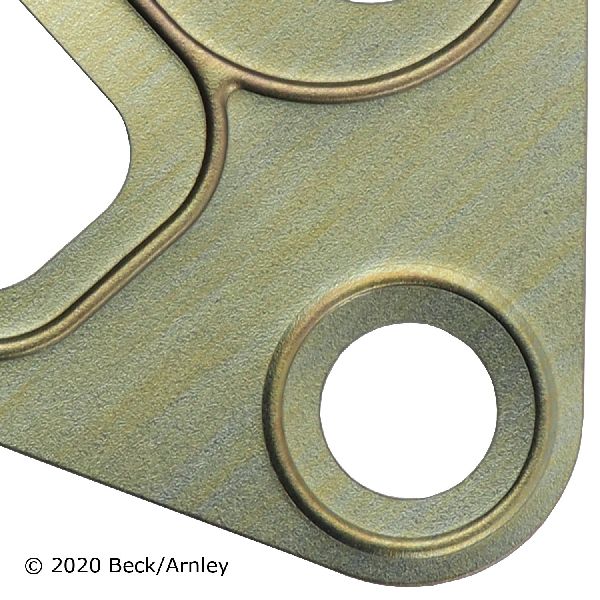
(OEM #Included with OEM valve 18011-R70-A00)— A new gasket is required to ensure a proper seal when replacing the EGR valve. Most new valves, including the OEM part, include one.
Trusted brands: Honda (OEM), Fel-Pro, Mahle
OEM price range: $5-$15
Aftermarket price range: $2-$10
Mechanic-Grade Diagnostic Values
- EGR Valve Resistance (Terminal Pair 1) — expected: 1.3-1.5 kΩ. Failure: Reading of OL (infinite) or near zero ohms.
- EGR Valve Resistance (Terminal Pair 2) — expected: ~4.0 kΩ. Failure: Reading significantly different, OL (infinite), or near zero ohms.
- EGR Valve Harness Connector Voltage — expected: ~5V reference signal at one pin with Key On, Engine Off.. Failure: No voltage present, indicating a wiring issue, blown fuse, or PCM fault.
Scan Tool Commands That Help
- Honda Diagnostic System (HDS): DTC CLEAR — Used to clear the P0403 fault code after the repair is completed to turn off the Check Engine Light.
- Honda Diagnostic System (HDS): ECM RESET — A full ECM reset may be required after replacing the EGR valve to ensure all learned values are cleared and the system re-adapts to the new component correctly.
- Professional Bidirectional Scanner: EGR Valve Actuation Test — This command allows the technician to manually open and close the EGR valve while monitoring engine RPM. If the engine stumbles or stalls when the valve is commanded open, it confirms the valve's mechanical and electrical components are responding. This helps differentiate a circuit fault from a mechanical one.
Wiring & Ground Locations
- G101 — On the driver's side of the engine, typically on the intake manifold plenum or thermostat housing.. G101 serves as a primary ground for the engine control unit (ECU/PCM) and multiple sensors, including the EGR valve circuit. A loose or corroded G101 ground can cause erratic voltage readings and is a common cause of intermittent electronic faults, potentially triggering a P0403 code even with a good EGR valve.
- EGR Valve Connector — Plugged directly into the EGR valve assembly, located on the top of the engine.. This 6-pin connector is the single point of failure for the entire EGR valve circuit. Corrosion on the pins or damage to the connector housing or wires can cause an open or short, directly triggering P0403.
Diagnostic Flowchart
Other Known Issues on This Vehicle
Issues unrelated to this code that are worth knowing about as an owner of this generation:
- Excessive Oil Consumption (VCM-related) 🔴 High — Widespread issue, particularly on 2008-2010 models. Can lead to fouled spark plugs and misfires. (Ref: TSB 11-033)
- Torque Converter Judder/Shudder 🟠 Medium — Common issue causing vibration between 20-60 mph. Often misdiagnosed as a bad torque converter. (Ref: Multiple TSBs exist for later generations (e.g., 17-017), but the issue is known on this platform. A software update and transmission fluid flush is the typical fix.)
- Premature Rear Brake Pad Wear 🟡 Low — Very common on 2008-2009 models, leading to class-action lawsuits. Rear pads may wear out in as little as 20,000-30,000 miles.
- VTC Actuator Rattle on Cold Start 🟠 Medium — A brief, loud rattling or grinding noise for a second upon starting the engine when cold. More common on the 4-cylinder but also reported on V6 models. (Ref: TSB 09-010 (for 4-cyl, but describes the sound well))
- Failing Starter Motor 🟡 Low — Can fail after 100,000 miles, leading to a no-start condition where the engine only cranks.
Used vs. New Parts: Buying Guide for This Vehicle
When a used part is the smart pick: Buying a used EGR valve for this specific P0403 issue is strongly discouraged. The primary failure mode is internal electronics burning out, which is not visually apparent and is related to age and heat cycles, not just mileage. A used part carries a high risk of failing soon after installation.
Donor-vehicle mileage cap: roughly under 25000 miles for the part to have meaningful remaining life.
What to inspect on the donor part:
- Verify the part number (18011-R70-A00) matches exactly.
- Inspect the electrical connector pins for any signs of corrosion, bending, or damage.
- Check the plastic housing for cracks or signs of extreme heat exposure (discoloration, melting).
- If possible, test the resistance across the pins before purchase to screen for an already-failed unit.
Aftermarket brands forum-validated for this vehicle:
- Delphi: Known to produce OE-quality EGR valves that are validated and tested to match vehicle application.
- Standard Motor Products (SMP): A long-standing aftermarket brand generally considered to be a quality replacement, often supplying parts that meet or exceed OEM standards.
Brands owners have reported issues with on this vehicle:
- Unbranded, 'white-box' parts from online marketplaces should be avoided. These often lack proper quality control and can fail prematurely, leading to the code returning.
Real Owner Stories
Aggregated from forums and TSBs cited above. Mileages and costs reflect what owners reported in those sources.
2008-2012 Honda Accord 3.5L V6
Symptoms: The user replaced the EGR valve but the P0403 code remained.
What fixed it: Testing the wiring harness and connector for continuity back to the ECU as the next logical step to identify a wiring fault.
Source hint: r/MechanicAdvice (Reddit) thread titled "P0403 won't go away after replacing egr"
2008-2012 Honda Accord 3.5L V6
Symptoms: The owner attempted to remove and clean the EGR valve to resolve the issue.
What fixed it: Replacing the valve with a new unit, as cleaning did not fix the P0403 for many users due to the electrical nature of the failure.
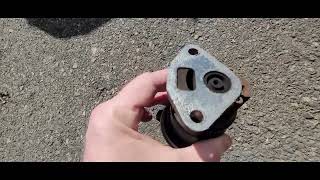
Source hint: YouTube (DIY Video) titled "Replacing or cleaning Accord V6 egr valve"
Frequently Asked Questions
Which specific EGR valve part number should I look for when replacing it on my 2008-2012 Honda Accord V6?
I saw a video about cleaning the EGR valve to fix P0403; will this work for my Accord?
Are there any TSBs related to engine issues for the 2008-2012 Accord V6 that I should know about while diagnosing this?
Can I use a used EGR valve from a salvage yard to save money?
What resistance should I see when testing the EGR valve pins on my Accord?
Are there specific aftermarket brands recommended for the Accord's EGR valve?
Helpful Videos

We Have This Part in Stock


The information in this article is provided for general reference and educational purposes only. Vehicle specifications, procedures, and part compatibility can vary by production date, trim level, and region. Always consult your vehicle's factory service manual and verify part numbers before purchasing or performing repairs. Safety-critical components such as airbags, seat belts, and braking systems should be installed by a qualified professional.
- Honda Accord:
- 🧭 Diagnostic Flowchart
- 🎬 Helpful Videos
- 🛍️ Shop This Part
- What's Unique About the 2008-2012 Honda Accord
- Symptoms You May Notice
- Most Likely Causes
- Rare But Worth Checking
- Diagnosis Steps
- Parts You'll Likely Need
- Mechanic-Grade Diagnostic Values
- Scan Tool Commands That Help
- Wiring & Ground Locations
- Other Known Issues on This Vehicle
- Used vs. New Parts: Buying Guide for This Vehicle
- Real Owner Stories
- 2008-2012 Honda Accord 3.5L V6
- 2008-2012 Honda Accord 3.5L V6
- Frequently Asked Questions
- 🎟️ Get 5% Off