

P0403 on 2004-2009 Mazda 3 2.3L: EGR Circuit Malfunction Causes and Fixes
On a 2004-2009 Mazda 3 2.3L, code P0403 almost always points to a failed EGR valve or a problem in its wiring. The PCM detects an open or short in the valve's control circuit. A new aftermarket valve costs around $40-$120, and it's a moderately difficult DIY replacement, often complicated by a hard-to-reach rear bolt.
- P0403 is an electrical circuit code, not a flow code. The problem is in the EGR valve's electronics or its wiring.
- Before buying a new EGR valve, thoroughly inspect and test the wiring harness and connector for damage, as this is a common point of failure.
- The EGR valve is located on the driver's side of the engine, near the back, and can be tight to access. The rear bolt is especially difficult.
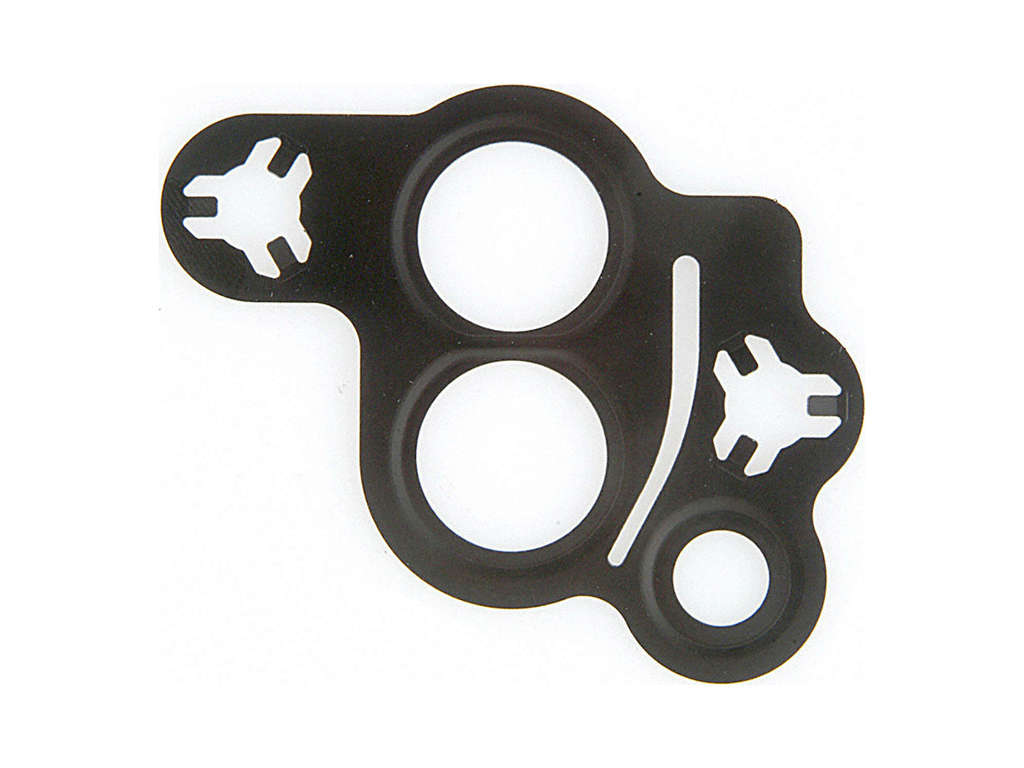
- If you replace the valve, always use a new gasket to prevent leaks and clean the mounting surface.
- An aftermarket EGR valve is a cost-effective option, but in some persistent cases, a genuine OEM Mazda valve may be required to finally clear the code.
What's Unique About the 2004-2009 Mazda 3
The first-generation Mazda 3 (BK) with the 2.3L engine uses a stepper motor-controlled EGR valve. While durable, the electronics within the valve are a common failure point, leading directly to the P0403 circuit code. Owners often find this code frustrating because simply replacing the valve doesn't always fix it; the issue can frequently be traced to intermittent shorts or corrosion in the wiring harness that runs near the hot engine, making a thorough circuit diagnosis essential. Some owners have battled the code for years, replacing multiple valves, only to find the root cause was an elusive wiring break or that only a genuine OEM valve would resolve the issue.
Symptoms You May Notice
- Check Engine Light is on
- Rough idle or engine instability, particularly if the valve is stuck open
- Engine stumbling or hesitation
- Stalling at low speeds or when stopping after highway driving
- Failing an emissions test
- Engine pinging or knocking on acceleration (if valve is stuck closed)
- Faint smell of fuel from the exhaust
- Replacing the EGR valve without testing the wiring. Many owners replace the valve only to have the P0403 code return because the actual fault was a broken wire or corroded, brittle connector.
Most Likely Causes
- Defective EGR Valve 🔴 High Probability → Shop Exhaust Gas Recirculation (EGR) Valve The electronic stepper motor inside the valve is a common point of failure. Over time, heat and vibration cause the internal circuitry to fail, creating an open or short that the PCM detects. While aftermarket valves often work, some owners report that only a genuine OEM Mazda valve ultimately fixed the problem after multiple failed aftermarket units.
How to confirm: After confirming the wiring is intact, the EGR valve is the most likely culprit. Resistance can be tested across the pins of the valve's connector using a multimeter. 🎬 See how to test the EGR valve with a multimeter. A scan tool that can command the EGR valve to open and close can also test its function. Replacement is the most common confirmation.
Typical fix: Replace the EGR valve and gasket.
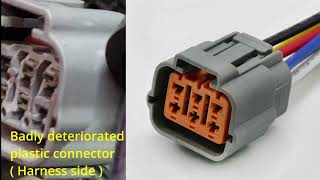
Est. part cost: $40 - $180 - Wiring Harness or Connector Damage 🟡 Medium Probability The wiring harness to the EGR valve is routed in a hot, tight area of the engine bay. Wires can become brittle and break, or the insulation can rub through, causing a short circuit to ground or to another wire. The plastic connector itself is known to become brittle and disintegrate over time. These faults are often intermittent, making them difficult to diagnose.
How to confirm: Visually inspect the wiring harness leading to the EGR valve for any signs of melting, chafing, or breaks. Unplug the connector and inspect for corrosion, damage, or disintegration. Use a multimeter to check for continuity on each wire between the EGR valve connector and the PCM connector to find any open circuits. Check each wire for a short to ground. According to a workshop manual, the EGR valve wires are found at pins 2AU, 2AR, 2AY, and 2AV on the PCM connector.
Typical fix: Repair the damaged section of wire or replace the connector pigtail.
Est. part cost: $10 - $30 - Carbon Buildup Causing Valve to Stick ⚪ Low Probability While more likely to cause a P0401 (flow) code, heavy carbon deposits can cause the EGR pintle to jam. If the stepper motor cannot move the valve to its commanded position, it may draw excessive current or fail to complete its circuit check, potentially triggering a P0403.
How to confirm: Remove the EGR valve and inspect it and the intake manifold ports for heavy carbon deposits. If the valve is visibly clogged and doesn't move freely, this is a likely contributor. Cleaning can sometimes restore function.
Typical fix: Clean the EGR valve and the passages in the intake manifold with brake cleaner or a dedicated carbon cleaner. If the valve is too clogged to be cleaned effectively, replace it.
Est. part cost: $5 - $15 for cleaning supplies
Rare But Worth Checking
- Faulty Powertrain Control Module (PCM): → Shop Engine Control Module (ECM) This is extremely rare and should only be considered after every other possibility, including all wiring, has been exhaustively tested and proven to be good. A mechanic may suggest this after replacing other parts to no avail.
- Worn or Incorrect Spark Plugs: In at least one documented case, a persistent P0403 that survived an EGR valve and harness replacement was ultimately resolved by replacing old, incorrect spark plugs. The theory is that a poor combustion event, potentially caused by issues like oil fouling on a plug, could create conditions that the PCM misinterprets as an EGR circuit fault.
Diagnosis Steps
- Retrieve the P0403 code with an OBD-II scanner.
- Visually inspect the EGR valve's electrical connector for corrosion, loose pins, or damage. Ensure it is plugged in securely. The plastic can become brittle and crumble.
- Carefully inspect the wiring harness leading to the EGR valve. Look for any signs of chafing, melting, or breaks, especially where the harness is close to the engine block or other components.
- If the wiring looks good, test the circuit. Disconnect the EGR valve connector and turn the ignition to the 'ON' position. Using a multimeter, check for B+ voltage (battery voltage) at the power supply pins on the harness-side connector (terminals C and D according to one service manual).
- Test the EGR valve coils. With the valve disconnected, use a multimeter in Ohms mode. Check resistance between the pairs of coil pins (e.g., terminals A & E, and B & F). A reading of around 20-30 ohms is expected; an open circuit (OL) or a short (near zero ohms) indicates a failed valve.
- If power is present and valve resistance is good, turn the ignition off. Disconnect the PCM connector. Check for continuity on each wire between the EGR valve connector and the PCM connector (pins 2AU, 2AR, 2AY, 2AV) to find any open circuits (broken wires).
- Check each wire for a short to ground by testing continuity between the wire at the EGR connector and a good chassis ground. Resistance should be infinite (OL).
- If the wiring and connector are confirmed to be good, the failure is most likely the EGR valve itself.
- Before replacing the valve, consider removing it to inspect for heavy carbon buildup. Access can be tight, especially for the rear bolt, which may require a swivel socket and extension. If clogged, cleaning may be an option, but replacement is often more reliable for a circuit code. 🎬 Watch: A step-by-step guide to cleaning or replacing the valve.
Parts You'll Likely Need
- EGR Valve
(OEM #LF01-20-300)— This is the most common failure point for a P0403 code, as the internal electronics of the valve fail over time.
Trusted brands: Standard Motor Products (EGV1025), Dorman (911-702), Walker, Delphi
OEM price range: $150-$250
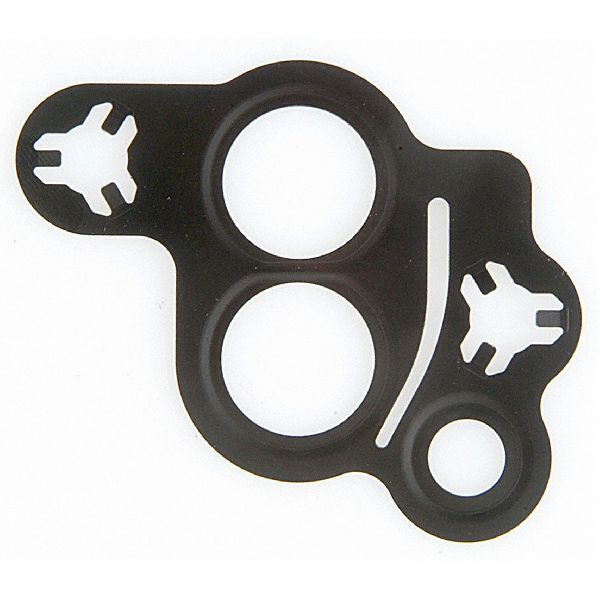
Aftermarket price range: $40-$120 - EGR Valve Gasket — The gasket should always be replaced when the EGR valve is removed to prevent exhaust leaks. Most new EGR valves include one. Be sure to thoroughly clean the mounting surface of any old gasket material.
Trusted brands: Fel-Pro, Victor Reinz
OEM price range: $5-$15
Aftermarket price range: $2-$10
Platform-Specific Known Issues
- The rear bolt holding the EGR valve to the engine is notoriously difficult to access. It is tucked under the intake manifold and often requires a long extension with a wobbly or swivel socket to remove. Some owners have had to remove the battery and battery tray to gain better access.
Mechanic-Grade Diagnostic Values
- EGR Valve Coil Resistance — expected: ~20-23 Ohms. Failure: Open circuit (OL) or short (near 0 Ohms) between pin pairs.
- Voltage at EGR Harness Connector (Key On, Engine Off) — expected: B+ (Battery Voltage, ~12V). Failure: 0V or significantly low voltage indicates an open in the power supply circuit.
Scan Tool Commands That Help
- Professional Scan Tool (e.g., Autel, FORScan): Active Test: 'EGR exhaust gas recirculation valve stepping motor position' — Use this after checking wiring. Commanding the valve to actuate allows you to listen for a 'click'. If it clicks, the internal motor is likely functional, pointing away from a valve failure and towards an intermittent wiring or PCM issue. If it does not click, the valve is likely dead.
Wiring & Ground Locations
- PCM EGR Pins — At the Powertrain Control Module connector.. For continuity testing, the specific pins are 2AU, 2AR, 2AY, and 2AV. Testing continuity from these pins to the EGR connector plug will identify any broken wires in the harness.
- Engine/Transmission Grounds — Key ground points are located on top of the transmission housing, on the front of the transmission, and at the passenger-side engine mount.. A poor engine ground can cause a variety of electrical issues and floating voltages, potentially triggering a circuit code like P0403. Ensuring these grounds are clean and tight is a crucial diagnostic step.
- Main Chassis Ground — The primary ground strap runs from the driver's side fender area to the negative battery terminal.. This is the master ground for the vehicle's electrical system. Corrosion or looseness here can cause widespread, hard-to-diagnose electrical gremlins.
Real Owner Repair Stories
- Motor Vehicle Maintenance & Repair Stack Exchange (Mazda 3 1.6L (similar EGR system)) — Intermittent P0403 Check Engine Light, engine stumbling.
❌ Tried (didn't work) Replaced EGR valve, Replaced wiring harness, Shop suggested PCM replacement
✅ What actually fixed it Replaced old Denso spark plugs with new NGK Iridium plugs. Also noted one coil pack and spark plug had oil stains from a previous valve cover gasket leak. - YouTube channel 'My Mechanic' (2004 Mazda 3 2.3L) — P0403 and P0401 codes present.
❌ Tried (didn't work) Initial diagnosis focused on the valve itself.
✅ What actually fixed it Replaced the EGR valve AND the electrical connector pigtail, which had become brittle and was visibly disintegrating.
"I Checked Everything" — The Actual Cause
- Since P0403 is an electrical circuit code, a smoke test is not applicable. The equivalent scenario is 'Electrical Tests Seem OK, But Cause Was X.' This happens frequently with this code due to intermittent wiring faults that only manifest when the engine is hot and vibrating. A wire may show perfect continuity when cold but separate when heated. Another example is a case where all EGR circuit tests passed, but the root cause was found to be incorrect or oil-fouled spark plugs causing combustion issues that the PCM misinterpreted as an EGR circuit fault.
When the Usual Fixes Don't Work
- While the most common fixes are the EGR valve or its wiring, there are documented cases where neither resolved the issue. One owner replaced the valve four times with aftermarket units to no avail, only fixing the persistent P0403 with a genuine OEM Mazda valve. Another owner, after replacing both the valve and harness, finally traced the fault to old spark plugs and an oil leak onto a coil pack, suggesting the PCM was misinterpreting a combustion problem as an EGR circuit fault.
OEM Part Supersession History
LF01-20-300→LF01-20-300A, then ZZDA-20-300— Standard part revision and consolidation over time.
Heads up: No known incompatibilities within the 2004-2009 generation. The parts are considered interchangeable.
Model Year Variations Within This Range
- 2006-2009: A mid-generation refresh occurred for the 2006/2007 model years. While the basic 2.3L L3-VE engine remained, some sensors, the crank pulley, and ignition components may have changed. This is unlikely to affect the P0403 diagnosis directly, but be aware when sourcing used engine parts that a 2004-2005 engine may have minor differences from a 2006-2009 engine.
Diagnostic Flowchart
Used vs. New Parts: Buying Guide for This Vehicle
When a used part is the smart pick: A used OEM EGR valve from a low-mileage donor vehicle can be a smart, cost-effective choice. Given that some aftermarket valves have been reported to not work correctly on this platform, a used original part is often a more reliable option than a new, non-OEM part of questionable quality.
Donor-vehicle mileage cap: roughly under 80000 miles for the part to have meaningful remaining life.
What to inspect on the donor part:
- Check the electrical connector on the used valve for any signs of cracking, brittleness, or corrosion on the pins.
- Ask for the mileage of the donor vehicle if possible.
- Inspect the pintle and passages for heavy carbon buildup; light soot is normal, but thick, chunky deposits suggest it may be prone to sticking.
OEM-only on this vehicle (don't cheap out):
- EGR Valve: While not strictly 'OEM-only', there are multiple forum reports of persistent P0403 codes being resolved only after swapping a new aftermarket valve for a genuine Mazda OEM part. If the budget allows, OEM is the highest-probability fix.
Aftermarket brands forum-validated for this vehicle:
- Delphi
- Standard Motor Products (SMP)
Brands owners have reported issues with on this vehicle:
- While Dorman is a major supplier and offers a direct replacement (911-702), owner experiences with the brand are mixed across many part types, often cited as a 'hit or miss' option. Given the sensitivity of this specific circuit, cheaper, unbranded parts from online marketplaces should be avoided.
Real Owner Stories
Aggregated from forums and TSBs cited above. Mileages and costs reflect what owners reported in those sources.
2008 Mazda 3 Hatchback 2.3L — 144000 miles
Symptoms: The check engine light was on, but the car was running great. The code prevented the car from passing an emissions inspection.
What fixed it: The owner had not yet found a fix after cleaning the intake manifold and replacing vacuum hoses. They were considering replacing the entire wire harness or having the computer reprogrammed.
Source hint: Mazda Forum
2008 Mazda 3 2.3L
Symptoms: A persistent P0403 code that would not go away despite replacing the EGR valve four times over a two-year period.
What fixed it: The problem was only resolved by installing a genuine OEM Mazda EGR valve after multiple aftermarket units failed to fix the code.
Source hint: Mazda-Forum.com
Mazda 3 2.3L
Symptoms: The P0403 code would appear and disappear intermittently, making diagnosis difficult.
What fixed it: The owner found an intermittent short in the wiring harness. They located the faulty section by wiggling the harness with the engine running until the problem could be reproduced.
Source hint: Mazdaspeeds.org
Mazda 3 2.3L
Symptoms: The P0403 code returned immediately after installing a brand new EGR valve.
What fixed it: Following the official workshop manual's diagnostic procedure pointed to an open circuit (a broken wire) in the wiring harness, which was the actual root cause.
Source hint: Reddit r/mazdaspeed3
Related OBD-II Codes
Frequently Asked Questions
I replaced the EGR valve on my Mazda 3, but the P0403 code came back. What should I check next?
Is it better to use an OEM or an aftermarket EGR valve for my 2004-2009 Mazda 3?
The rear bolt on my EGR valve is impossible to reach. Is there a trick to getting it off?
Can I just clean my EGR valve to fix a P0403 circuit code?
What are the specific PCM pins for the EGR valve wiring on the 2.3L engine?
My plastic EGR connector crumbled when I unplugged it. Is this a common failure?
Does this P0403 EGR problem also happen on other Mazdas with the 2.3L engine?
Helpful Videos
![How to Fix MAZDA P0403 Engine Code in 3 Minutes [2 DIY Methods / Only $4.12]](https://img.youtube.com/vi/IxZpgThCmKk/mqdefault.jpg)
We Have This Part in Stock


The information in this article is provided for general reference and educational purposes only. Vehicle specifications, procedures, and part compatibility can vary by production date, trim level, and region. Always consult your vehicle's factory service manual and verify part numbers before purchasing or performing repairs. Safety-critical components such as airbags, seat belts, and braking systems should be installed by a qualified professional.
- Mazda 3:
- 🧭 Diagnostic Flowchart
- 🎬 Helpful Videos
- 🛍️ Shop This Part
- What's Unique About the 2004-2009 Mazda 3
- Symptoms You May Notice
- Most Likely Causes
- Rare But Worth Checking
- Diagnosis Steps
- Parts You'll Likely Need
- Platform-Specific Known Issues
- Mechanic-Grade Diagnostic Values
- Scan Tool Commands That Help
- Wiring & Ground Locations
- Real Owner Repair Stories
- "I Checked Everything" — The Actual Cause
- When the Usual Fixes Don't Work
- OEM Part Supersession History
- Model Year Variations Within This Range
- Used vs. New Parts: Buying Guide for This Vehicle
- Real Owner Stories
- 2008 Mazda 3 Hatchback 2.3L — 144000 miles
- 2008 Mazda 3 2.3L
- Mazda 3 2.3L
- Mazda 3 2.3L
- Related OBD-II Codes
- Frequently Asked Questions
- 🎟️ Get 5% Off