

P0404 on 2003-2008 Honda Pilot: EGR Valve Causes and Fixes
On a 2003-2008 Honda Pilot, code P0404 is almost always caused by a carbon-clogged EGR valve that is sticking. The most common fix is to remove and thoroughly clean the EGR valve and its passages. If cleaning doesn't work, replacing the valve is the next step. Expect to pay around $225 for an OEM valve and under $100 for an aftermarket one. This is a very DIY-friendly repair.
- P0404 on the 2003-2008 Pilot almost always points to a carbon-clogged EGR valve.
- Always clean the EGR valve and intake passages before deciding to replace the valve.
- This is a straightforward and inexpensive DIY repair that can save you hundreds of dollars.
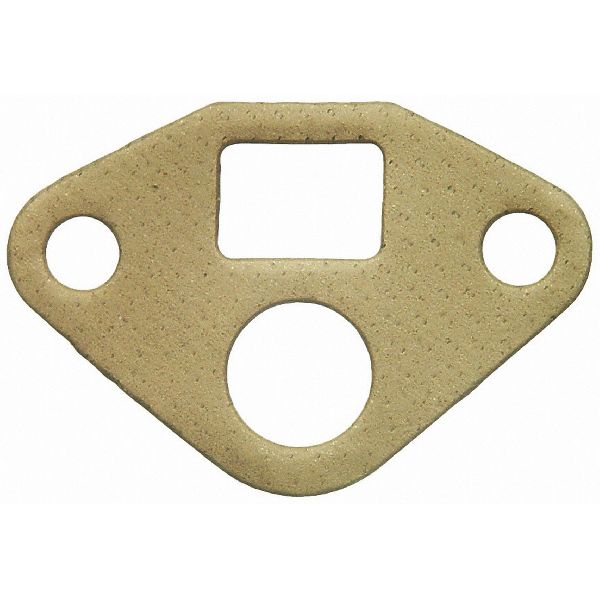
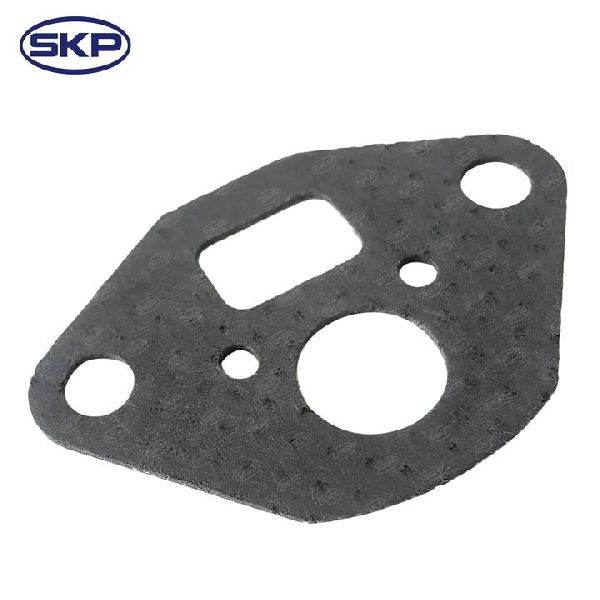
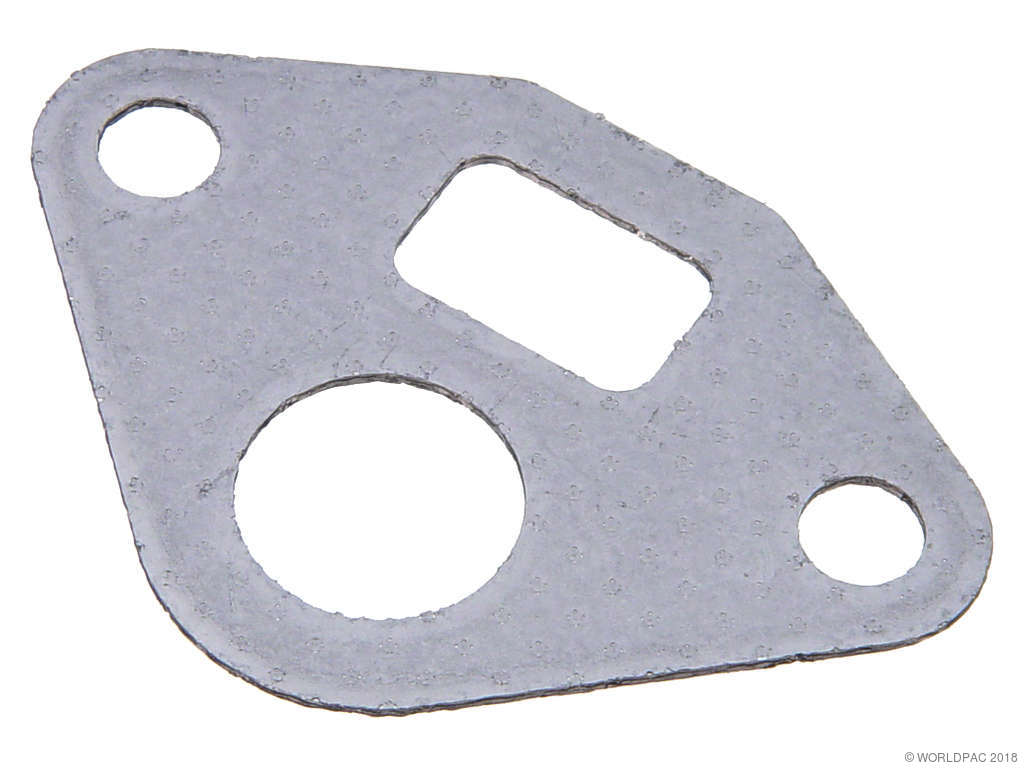
- Always use a new gasket when reinstalling the EGR valve to prevent leaks.
- If you replace the valve, clearing the code with a scanner and test driving is necessary to confirm the fix.
What's Unique About the 2003-2008 Honda Pilot
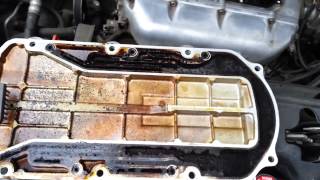
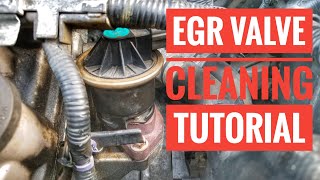
The first-generation Honda Pilot, like many other Honda models with the J-series V6 engine, is prone to carbon buildup in the EGR valve and intake manifold passages. This is a common maintenance issue as the vehicle ages. The problem is almost always mechanical (a physical blockage) rather than an electrical failure of the valve itself. Owners often find that a thorough cleaning resolves the P0404 code without needing to replace the part. 🎬 See this step-by-step EGR valve cleaning and replacement tutorial A YouTube video for a 2005 Pilot specifically shows a user fixing a P0404 code by cleaning both the EGR valve and the entire intake manifold.
Symptoms You May Notice
- Check Engine Light is on
- Rough or erratic idle, especially when the engine is warm
- Engine hesitation or stumbling on acceleration
- Engine knocking or pinging sounds
- Reduced fuel economy
- Failed emissions test
- Replacing the EGR valve without cleaning the intake manifold passages. If the passages are clogged, a new valve will not fix the issue and the P0404 code will likely return.
Most Likely Causes
- Clogged or Sticking EGR Valve 🔴 High Probability → Shop Exhaust Gas Recirculation (EGR) Valve The J35A engine's EGR system is susceptible to carbon buildup over time, which can cause the valve's pintle to stick, preventing it from opening and closing as commanded by the PCM. Chunks of carbon can break loose and physically wedge the valve open or closed.
How to confirm: Remove the EGR valve and inspect it for carbon deposits. Manually actuate the valve's plunger to see if it moves freely or sticks. A user on AcuraZine with a similar J-series engine confirmed this exact failure mode, where small pieces of carbon lodged the valve open.
Typical fix: Thoroughly clean the EGR valve and the corresponding passages on the intake manifold with carburetor cleaner and a wire brush. Soaking the valve in cleaner for several hours can help dissolve stubborn deposits. If the valve is damaged or still sticks after cleaning, it should be replaced.
Est. part cost: $5 - $15 for cleaning supplies - Clogged EGR Passages in Intake Manifold 🟡 Medium Probability → Shop Engine Intake Manifold Just like the valve itself, the ports in the intake manifold where the exhaust gas enters can become restricted with carbon, even if the EGR valve is clean. On vehicles with high mileage (over 200,000), these passages can be almost completely blocked.
How to confirm: When the EGR valve is removed, inspect the port on the intake manifold for heavy carbon buildup. Use a pick or small brush to check the depth of the blockage. A video guide shows these passages completely caked with carbon on a high-mileage Pilot. 🎬 Watch: How to clean the EGR ports on a Honda Pilot
Typical fix: Scrape out the carbon from the intake manifold port and passages. A shop vacuum can be used to remove loose debris. This should be done whenever the EGR valve is serviced. For a thorough cleaning, the entire intake manifold cover may need to be removed to access all the individual cylinder ports.
Est. part cost: $0 (done during EGR valve service)
Rare But Worth Checking
- Faulty EGR Valve Position Sensor: → Shop Exhaust Gas Recirculation (EGR) Valve The position sensor is integrated into the EGR valve assembly on this vehicle. If the sensor fails, it sends incorrect position data to the PCM. This is less common than a simple carbon blockage and would necessitate replacing the entire EGR valve assembly.
- Wiring or Connector Issue: A damaged wire or a corroded connector at the EGR valve can interrupt the signal between the valve and the PCM. This is rare but should be checked if a new or clean valve doesn't resolve the code.
Diagnosis Steps
- Confirm the P0404 code is present using an OBD-II scanner. Check for any other related codes.
- Inspect the EGR valve's electrical connector for damage or corrosion. Ensure it is seated properly.
- Remove the two 12mm nuts holding the EGR valve to the engine.
- Carefully detach the EGR valve. Be prepared to replace the metal gasket.
- Inspect the valve and the intake manifold port for carbon buildup.
- Using carburetor cleaner and small brushes, thoroughly clean all carbon from the EGR valve's pintle and passages. Ensure no cleaner gets on the electrical connector.
- Manually push on the valve's diaphragm or use needle-nose pliers on the pintle to ensure it moves freely and doesn't stick.
- Clean the EGR port on the intake manifold, removing as much carbon as possible. For a deeper clean, remove the intake manifold cover to access all passages.
- Reinstall the EGR valve with a new gasket.
- Clear the trouble code with the OBD-II scanner and perform a test drive to see if the code returns.
Parts You'll Likely Need
- EGR Valve
(OEM #18011-PGK-A03)— This is the part that most commonly fails or becomes clogged, directly causing the P0404 code.
Trusted brands: Honda (Genuine OEM), Standard Motor Products, Dorman, SKP
OEM price range: $215-$230
Aftermarket price range: $60-$120 - EGR Valve Gasket
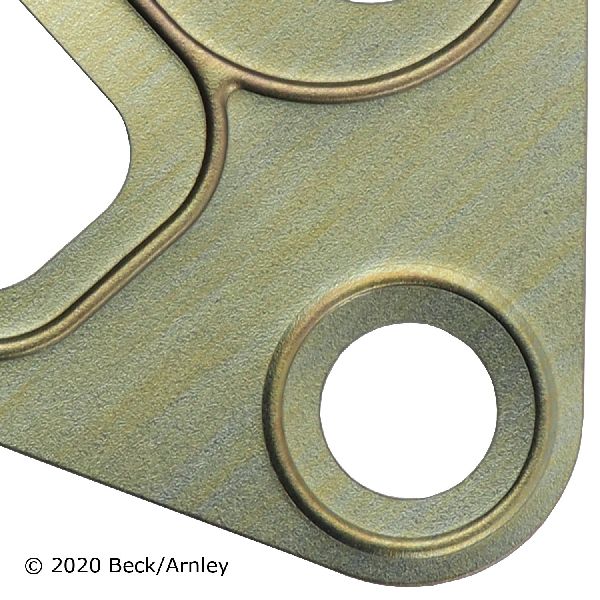
(OEM #18715-PB2-000)— The metal gasket should always be replaced when the EGR valve is removed to ensure a proper seal and prevent exhaust leaks.
Trusted brands: Honda (Genuine OEM), Fel-Pro
OEM price range: $5-$10
Aftermarket price range: $2-$5
Related Codes That Often Appear With This One
- P0401 — P0401 indicates 'EGR Flow Insufficient.' This code often appears alongside or before P0404, as the same carbon buildup that causes the valve to stick (P0404) also restricts the flow of exhaust gas (P0401).
- P2413 — P2413 stands for 'Exhaust Gas Recirculation System Performance'. It is a more generic EGR system code that can be triggered along with P0404 by the same root cause of clogged passages or a sticking valve. A 2006 Pilot owner reported having both P0404 and P2413 simultaneously due to clogged EGR passages.
Technical Service Bulletins (TSBs) & Recalls
- TSB Bulletin #Service Bulletin (2013 ENGINE AND ENGINE COOLING): This manufacturer bulletin notes that the MIL comes on with DTC P0404 (EGR valve circuit range/performance problem) on similar Honda models.
- TSB Bulletin #A13-095: This bulletin describes how the MIL comes on with DTC P0404 resulting from extended driving, where the PCM may command excessively high lift EGR values that may cause damage.
Platform-Specific Known Issues
- Owner Experience: Cleaning Fixes Code: A 2005 Honda Pilot owner on YouTube reported getting a P0404 code with idle problems. The fix was to remove and clean both the EGR valve and the entire intake manifold. After cleaning with carb cleaner and clearing the codes, the vehicle ran well again.
- Forum Experience: Carbon Chunks are the Culprit: A user on AcuraZine with a similar Honda V6 engine experienced a P0404 code with a rough idle that prevented the car from starting easily. Upon removing the EGR valve, they found small pieces of carbon had lodged the valve open. Cleaning out the carbon and reinstalling the valve resolved the issue completely.
Mechanic-Grade Diagnostic Values
- EGR Valve Harness Connector Voltage — expected: ~5V reference voltage at one of the pins with key on, engine off.. Failure: No voltage reading suggests a wiring issue or a problem with the PCM.
- EGR Valve Internal Resistance — expected: A good reading is typically between 1.0 and 100.0 kΩ (kilo-ohms) across specific terminals.. Failure: A reading over 100 kΩ or an open circuit (OL) indicates a faulty valve.
- Mode $06, Test ID $49 — expected: This value represents the difference between the target and actual lift of the EGR valve, measured in millimeters. The value should be within the MIN and MAX thresholds provided by the scan tool.. Failure: A measured value exceeding the maximum limit indicates the valve's movement is out of the expected range, triggering P0404.
Scan Tool Commands That Help
- Honda Diagnostic System (HDS): Snapshot Mode — Used to record live data parameters like 'EGR L COMMAND' and 'EGR LIFT' during a test drive. A technician can then graph these values. A healthy system shows the 'EGR LIFT' (actual position) closely following the 'EGR L COMMAND' (commanded position). A lagging or erratic 'EGR LIFT' graph indicates a sticking or faulty valve.
Wiring & Ground Locations
- G101 — Typically located on the engine block or near the battery, serving as a primary ground point for many engine components and sensors.. A corroded or loose G101 ground can cause various electrical issues, including erratic sensor readings. While not a direct cause of P0404, a poor ground can contribute to intermittent electrical faults in the EGR circuit.
- EGR Valve Connector — Directly on the EGR valve, located on the front right side of the engine.. This 5-pin connector is the interface between the PCM and the EGR valve. Checking for ~5V reference voltage, ground, and signal continuity at this connector is a primary electrical diagnostic step.
Diagnostic Flowchart
Other Known Issues on This Vehicle
Issues unrelated to this code that are worth knowing about as an owner of this generation:
- Automatic Transmission Failure 🔴 High — Very common, especially in 2003-2005 models, often occurring after 100,000 miles. Can manifest as slipping, jerking, or total failure. (Ref: A recall was issued in 2004 for a defect that could cause heat buildup and gear breakage in the transmission.)
- Torn Front Lower Control Arm Compliance Bushings 🟠 Medium — A notorious and very common issue. The fluid-filled rubber bushings crack and leak, causing clunking noises over bumps, loose steering feel, and uneven tire wear.
- Failing Transmission Pressure Switches 🟡 Low — Common failure of the 3rd and 4th gear pressure switches can cause the 'D' (Drive) light to flash and trigger transmission-related trouble codes like P0872.
- Failing Engine Mounts 🟠 Medium — The hydraulic engine mounts, particularly the side mount, can wear out and leak, leading to increased engine vibration felt in the cabin, especially at idle.
- Dirty Throttle Body 🟡 Low — Carbon and debris can build up in the throttle body, restricting the blade's movement and causing poor/low idle, hesitation, or stalling.
Used vs. New Parts: Buying Guide for This Vehicle
When a used part is the smart pick: A used OEM EGR valve from a low-mileage donor vehicle can be a cost-effective and reliable option, as the failure mode is almost always carbon buildup (which can be cleaned) rather than electrical failure. Given the high cost of a new OEM part, a used one is a smart choice if its passages are clear and the pintle moves freely.
Donor-vehicle mileage cap: roughly under 120000 miles for the part to have meaningful remaining life.
What to inspect on the donor part:
- Inspect the valve for heavy, caked-on carbon that is difficult to remove.
- Manually press the pintle/plunger to ensure it moves smoothly without sticking or binding.
- Check the electrical connector for any signs of corrosion, melting, or broken pins.
- Ask for the donor vehicle's mileage to gauge overall wear.
Aftermarket brands forum-validated for this vehicle:
- Standard Motor Products (SMP)
- Beck Arnley
- Delphi
- Dorman
Brands owners have reported issues with on this vehicle:
- Unbranded, low-cost valves from online marketplaces have a higher risk of incorrect calibration or premature failure.
Real Owner Stories
Aggregated from forums and TSBs cited above. Mileages and costs reflect what owners reported in those sources.
2006 Honda Pilot — 144000 miles
Symptoms: Check engine light on, exhaust started sounding noisy and louder under acceleration, though no leaks were found.
What fixed it: The owner previously replaced the EGR valve at 137K miles; forum consensus for these symptoms points to clogged EGR passages.
Source hint: honda-tech.com/forums/honda-minivans-crossovers-trucks-23/2006-honda-pilot-p0404-p2413-p0420-errors-3312002/
2005 Honda Pilot — ~150000 miles
Symptoms: P0404 code with idle problems.
What fixed it: Removed and cleaned both the EGR valve and the entire intake manifold using carb cleaner.
Source hint: Vehicle-specific issues: Owner Experience: Cleaning Fixes Code (YouTube report)
Acura J-series V6 (similar to Pilot J35A)
Symptoms: Rough idle that prevented the car from starting easily; P0404 code present.
What fixed it: Removed the EGR valve and found small pieces of carbon had lodged the valve open. Cleaned out the carbon and reinstalled the valve.
Source hint: acurazine.com/forums/3g-tl-problems-fixes-114/obd-code-p0404-693133/
Related OBD-II Codes
Frequently Asked Questions
Is there a recall for the transmission issues on my 2003-2005 Honda Pilot?
My 2006 Pilot has P0404 and the exhaust sounds louder than usual; are these related?
Can I fix the P0404 code on my J35A engine without buying a new EGR valve?
Why does my Pilot idle roughly only when the engine is warm?
Does the Acura MDX share this same EGR carbon buildup problem?
Should I check the intake manifold even if the EGR valve itself looks clean?
Helpful Videos
We Have This Part in Stock


The information in this article is provided for general reference and educational purposes only. Vehicle specifications, procedures, and part compatibility can vary by production date, trim level, and region. Always consult your vehicle's factory service manual and verify part numbers before purchasing or performing repairs. Safety-critical components such as airbags, seat belts, and braking systems should be installed by a qualified professional.
- Honda Pilot:
- 🧭 Diagnostic Flowchart
- 🎬 Helpful Videos
- 🛍️ Shop This Part
- What's Unique About the 2003-2008 Honda Pilot
- Symptoms You May Notice
- Most Likely Causes
- Rare But Worth Checking
- Diagnosis Steps
- Parts You'll Likely Need
- Related Codes That Often Appear With This One
- Technical Service Bulletins (TSBs) & Recalls
- Platform-Specific Known Issues
- Mechanic-Grade Diagnostic Values
- Scan Tool Commands That Help
- Wiring & Ground Locations
- Other Known Issues on This Vehicle
- Used vs. New Parts: Buying Guide for This Vehicle
- Real Owner Stories
- 2006 Honda Pilot — 144000 miles
- 2005 Honda Pilot — ~150000 miles
- Acura J-series V6 (similar to Pilot J35A)
- Related OBD-II Codes
- Frequently Asked Questions
- 🎟️ Get 5% Off