

P0405 on 2010-2015 Toyota Prius: EGR Sensor Circuit Low Causes and Fixes
This code means the EGR valve's position sensor is sending a low voltage signal (typically below 0.2V) to the computer. The most common fix is replacing the entire EGR valve assembly, as the sensor is built-in. However, this is often a symptom of the real problem: massive carbon buildup throughout the EGR system. A full cleaning of the EGR cooler, pipe, and intake manifold is critical to prevent repeat failures and more serious issues like head gasket failure.
- P0405 points to an electrical fault in the EGR valve's position sensor.
- The most common fix is replacing the entire EGR valve assembly, as the sensor is not sold separately.
- This code is often related to the infamous carbon buildup issue in Gen 3 Prius EGR systems.
- While replacing the valve, it is critical to also clean the EGR cooler, pipe, and intake manifold to prevent recurring problems.
- Check for damaged wiring to the EGR valve connector before buying a new valve.
What's Unique About the 2010-2015 Toyota Prius
The third-generation Prius (2010-2015) is infamous for significant carbon buildup in its entire EGR system, including the valve, cooler, and intake manifold passages. This clogging is the root cause of many issues, most notably head gasket failure. While the classic code for this clogging is P0401 (Insufficient Flow), the P0405 code points more specifically to an electrical failure of the position sensor. However, the two issues are directly related; a valve struggling to move due to carbon can put stress on its internal components, leading to premature failure of the integrated position sensor. Furthermore, the frequent start-stop cycles of the hybrid system are believed to contribute to the carbon and moisture buildup, exacerbating the problem.
Symptoms You May Notice
- Check Engine Light is on
- Engine knocking or rattling, especially on cold starts (often described as a "marbles in a can" sound).
- Rough or erratic idle
- Hesitation or stalling during acceleration
- Decreased fuel economy
- Failure to pass an emissions test
- A pinging noise when the engine is under load or at higher speeds.
- Replacing O2 sensors or other emissions components without diagnosing the EGR system first.
- Only cleaning or replacing the EGR valve but not the EGR cooler and intake manifold, which is where the majority of the clogging occurs. This often results in the problem returning quickly and fails to address the root cause of potential engine damage.
Most Likely Causes
- Failed EGR Valve Assembly 🔴 High Probability → Shop Exhaust Gas Recirculation (EGR) Valve The position sensor is integrated into the EGR valve assembly. The high heat and constant movement, often exacerbated by carbon buildup restricting valve travel, can lead to internal failure of the sensor's electronics. This is the most cited reason for P0405 when wiring is confirmed to be good.
How to confirm: After verifying the wiring is intact and has proper voltage/ground, the valve assembly is the most likely culprit. A scan tool may show the sensor position as 0% or a fixed low value (e.g., <0.2V) regardless of engine RPM or commanded position. The valve itself may also be physically stuck.
Typical fix: Replace the entire EGR valve assembly and the associated gaskets. CRITICAL: This repair will likely fail again if the EGR cooler, pipe, and intake manifold passages are not thoroughly cleaned of carbon at the same time.
Est. part cost: $250-$450 - Wiring or Connector Issue 🟡 Medium Probability The wiring harness to the EGR valve is located in a hot, tight area of the engine bay, making it susceptible to heat damage, brittleness, and corrosion over time. Toyota even issued a TSB (T-SB-0027-16) for some models that involved adding thermal tape to this harness.
How to confirm: Visually inspect the connector and wiring for any signs of melting, corrosion, or breaks. Use a multimeter to check for the 5V reference signal, ground, and signal continuity at the EGR valve connector with the key on. Check for voltage drops or open circuits between the sensor connector and the ECM.
Typical fix: Repair or replace the damaged section of the wiring harness or clean the connector terminals with electrical contact cleaner. If applicable, apply thermal tape as per Toyota's service bulletins.
Est. part cost: $5-$50 - Severe Carbon Buildup ⚪ Low Probability This is the signature problem for the Gen 3 Prius EGR system. While it usually causes a P0401 flow code, it's possible for extreme carbon deposits to physically jam the valve pintle in a position that results in a 'low circuit' reading from the sensor.
How to confirm: Remove the EGR valve and inspect it and the connecting pipe for heavy soot and carbon deposits. The valve may be stuck and difficult to move by hand. The EGR cooler and intake manifold passages will also be heavily restricted.
Typical fix: Clean the EGR valve, EGR cooler, EGR pipe, and intake manifold passages. Popular DIY methods involve soaking the metal components in solutions like OxiClean or oven cleaner. If the valve is too damaged or clogged to be cleaned effectively, it must be replaced.
Est. part cost: $20-$30 (for cleaning supplies)
Rare But Worth Checking
- Faulty Engine Control Module (ECM): This is extremely rare. The ECM should only be considered after all other possibilities (valve, wiring, connections) have been exhaustively tested and ruled out. An ECM failure is estimated to be the cause in only about 12% of P0405 cases across all vehicles.
Diagnosis Steps
- Read the code from the OBD-II port using a scanner and confirm P0405 is present. Note any other codes and review freeze frame data.
- Visually inspect the EGR valve, its connector, and the wiring harness for obvious damage, corrosion, or loose connections.
- With the ignition ON and engine OFF, disconnect the EGR valve connector. Use a multimeter to test the harness side.
- Check for a 5-volt reference signal on the appropriate pin.
- Check for a good ground connection on the ground pin.
- Check the signal wire for any voltage; it should be near 0V with the sensor disconnected.
- If voltage and ground are correct, the issue is likely the EGR valve assembly itself.
- If voltage or ground is missing, trace the wiring back to the ECM to find the break or short.
- As a 'while you're in there' step, it is highly recommended to remove and inspect the EGR pipe, EGR cooler, and intake manifold for carbon buildup, as this is a known major issue on this vehicle and the likely root cause.
Parts You'll Likely Need
- EGR Valve Assembly
(OEM #25620-37120 (replaces 25620-37110))— The position sensor that triggers P0405 is integrated into the valve. Failure of this sensor requires replacement of the entire assembly.
Trusted brands: Toyota (OEM), Denso, Aisin
OEM price range: $280-$450
Aftermarket price range: $150-$300 - EGR Pipe
(OEM #25601-37010)— This pipe connects the EGR cooler to the intake manifold and is a primary location for severe carbon blockage. It is often replaced during an EGR service if it cannot be cleaned effectively.
Trusted brands: Toyota (OEM)
OEM price range: $70-$100
Aftermarket price range: $40-$60 - EGR Valve Gaskets
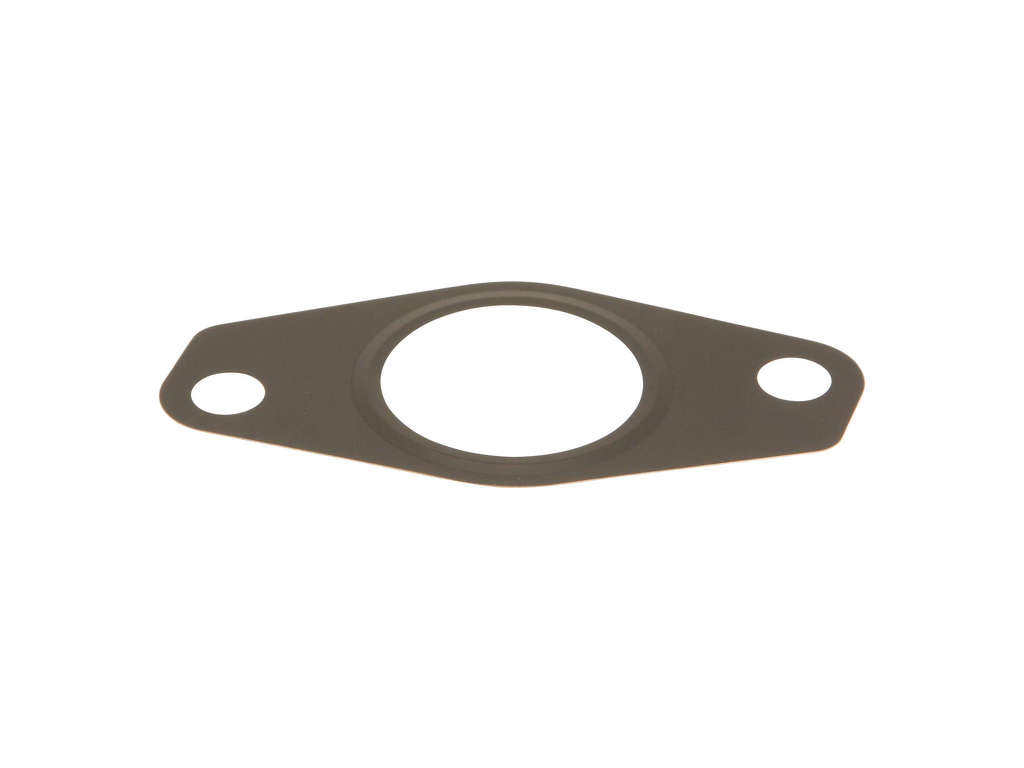
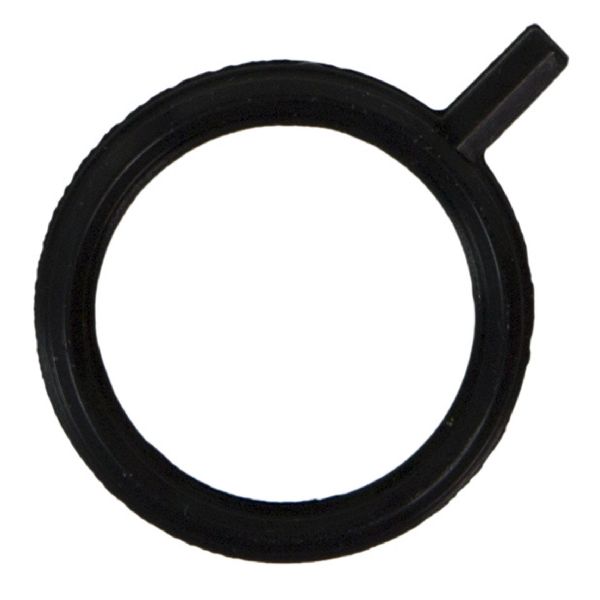
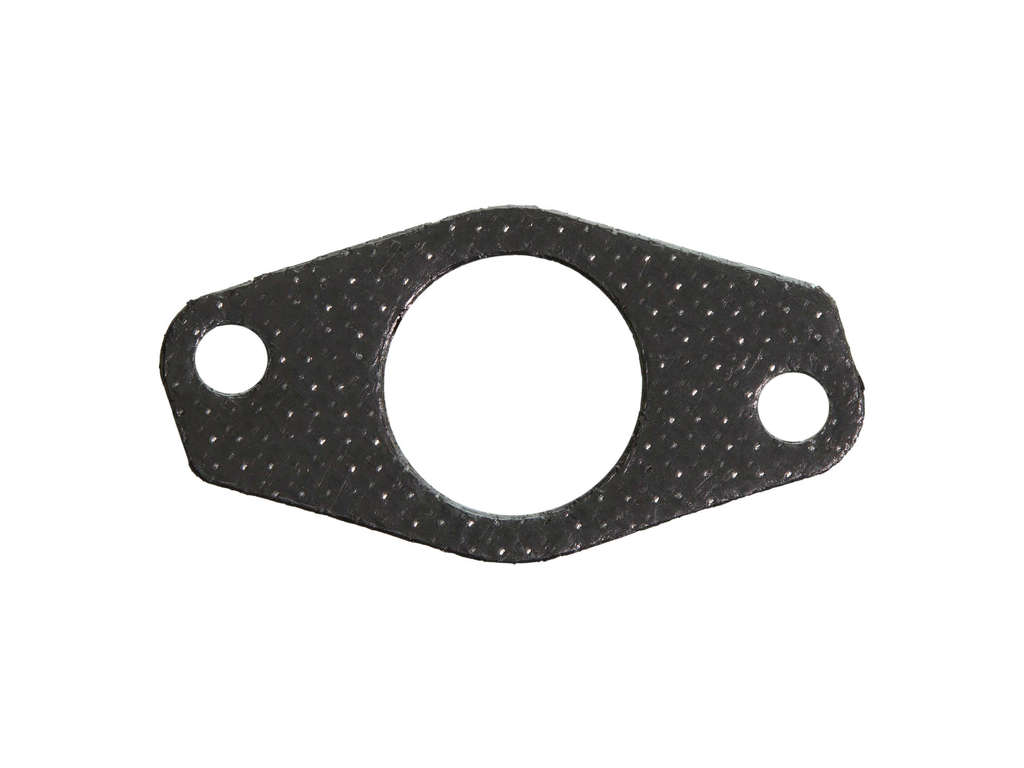
(OEM #25627-37010 (Valve to Cooler), 25634-37010 (Valve to Pipe))— These are one-time use gaskets and must be replaced whenever the EGR valve or connecting pipes are removed to prevent exhaust leaks.
Trusted brands: Toyota (OEM), Fel-Pro
OEM price range: $10-$20
Aftermarket price range: $5-$15
Related Codes That Often Appear With This One
- P0401 — Indicates 'EGR Flow Insufficient'. This is the most common companion code, as the underlying cause for both is often the massive carbon buildup typical for this engine.
- P0A0F — Indicates 'Engine Failed to Start'. Severe EGR issues can cause stalling and rough running that may trigger this hybrid system code. This code is also a common symptom of head gasket failure, which is linked to EGR problems.
- P3190 — Indicates 'Poor Engine Power'. This can be set when the engine isn't running correctly due to the EGR system malfunction, and is also a precursor code to head gasket failure.
- P0300, P0301, P0302, P0303, P0304 — Indicates 'Random/Cylinder-Specific Misfire'. A clogged EGR system can lead to conditions that cause misfires, and these codes are very common when the head gasket eventually fails due to the EGR issue.
Technical Service Bulletins (TSBs) & Recalls
- POL16-04 / ZF3 (Warranty Enhancement Program): Extends warranty coverage for a sticking EGR valve causing P0401 on certain 2010-2012 Prius models. Primary coverage ended in 2017, with secondary coverage for 10 years/150k miles.
- T-SB-0027-16: For some models, this TSB calls for replacing the EGR valve with an updated part and adding thermal tape to the wiring harness to protect it.
Platform-Specific Known Issues
- Toyota issued a Warranty Enhancement Program (ZE7 / POL16-04) for some 2010-2012 Prius models for a sticking EGR valve that causes a P0401 code, rough idle, and rattling. While P0405 is a different code, it relates to the same faulty system. Owners should check if their vehicle had this service performed, though the program has likely expired.
- The entire EGR system (valve, cooler, pipe, intake manifold) is prone to severe carbon clogging, which is the underlying cause of most EGR-related codes and can lead to head gasket failure. Preventative cleaning every 60k-90k miles is highly recommended by owners and independent shops.
Diagnostic Flowchart
Other Known Issues on This Vehicle
Issues unrelated to this code that are worth knowing about as an owner of this generation:
- Head Gasket Failure 🔴 High — Very common, typically between 130,000-200,000 miles. Primarily caused by a clogged EGR system leading to engine overheating.
- Brake Actuator / Booster Failure 🔴 High — Common failure leading to a loss of braking assist. Affects 2010-2015 models. Multiple recalls and warranty extensions (e.g., ZJB, ZKK) have been issued, but coverage may have expired. (Ref: Customer Support Programs ZJB, ZKK; Recall DOH)
- Hybrid Inverter Failure 🔴 High — Common issue where the Intelligent Power Module (IPM) in the inverter fails, causing the car to enter limp mode. Affects 2010-2014 models. (Ref: Warranty Enhancement Program ZE3 (extends warranty to 15 years, unlimited mileage).)
- Excessive Oil Consumption 🟠 Medium — Some owners report high oil consumption, particularly in earlier 2010-2011 models, potentially due to piston ring design.
- EGR System Clogging 🔴 High — Extremely common across all 2010-2015 models. Carbon buildup in the EGR valve, cooler, pipe, and intake manifold is the root cause of P0401/P0405 codes and head gasket failure. Preventative cleaning is recommended every 60k-90k miles. (Ref: Warranty Enhancement Program ZF3 / POL16-04 (for P0401 on 2010-2012 models))
Real Owner Stories
Aggregated from forums and TSBs cited above. Mileages and costs reflect what owners reported in those sources.
2010 Toyota Prius 1.8L
Symptoms: Engine knocking and rattling, especially on cold starts, described as a 'marbles in a can' sound.
What fixed it: Replacing the EGR valve and performing a full cleaning of the EGR cooler, pipe, and intake manifold passages.
Source hint: PriusChat.com thread 'DIY EGR cleaning made easy'
2010 Toyota Prius 1.8L — ~150000 miles
Symptoms: EGR coking leading to engine rattling and eventual head gasket failure.
What fixed it: Preventative cleaning of the EGR system every 60-90k miles to avoid the failure.
Source hint: Reddit r/prius thread '2010 Prius. Really that bad?'
Related OBD-II Codes
Frequently Asked Questions
Is there a Toyota warranty extension for EGR issues on my 2010-2012 Prius?
Does T-SB-0027-16 apply to the P0405 code on my Prius?
Can I just clean the EGR valve to fix a P0405, or do I have to replace it?
Why is my Prius making a 'marbles in a can' rattling sound on cold starts?
How often should I perform preventative maintenance on the EGR system to avoid these codes?
Does the Lexus CT200h have the same EGR problems as the Prius?
Helpful Videos
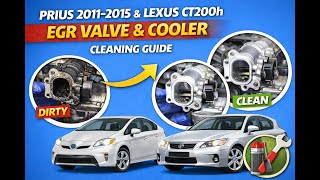
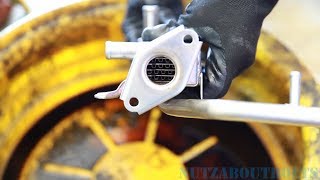
We Have This Part in Stock
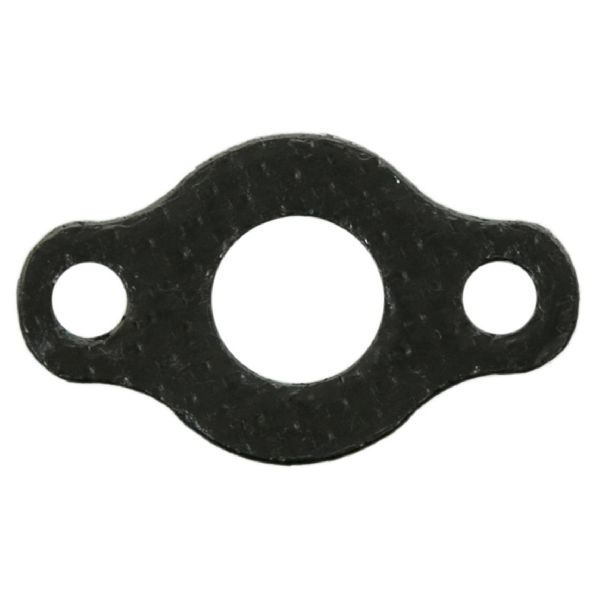
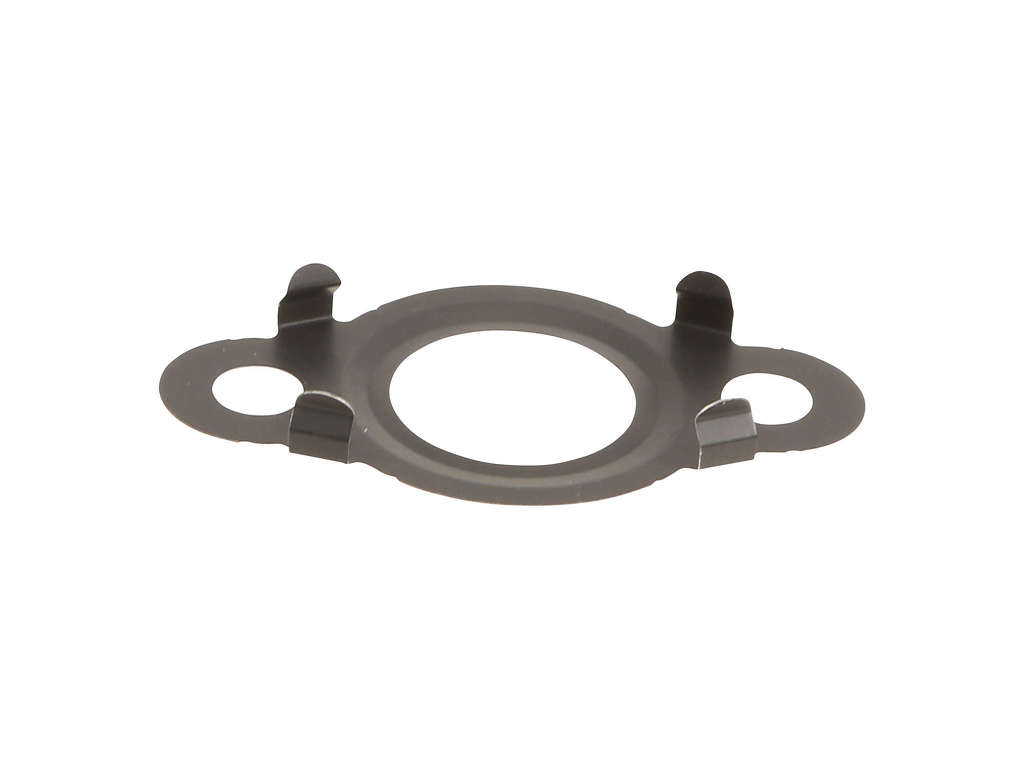


The information in this article is provided for general reference and educational purposes only. Vehicle specifications, procedures, and part compatibility can vary by production date, trim level, and region. Always consult your vehicle's factory service manual and verify part numbers before purchasing or performing repairs. Safety-critical components such as airbags, seat belts, and braking systems should be installed by a qualified professional.
- Toyota Prius:
- 🧭 Diagnostic Flowchart
- 🎬 Helpful Videos
- 🛍️ Shop This Part
- What's Unique About the 2010-2015 Toyota Prius
- Symptoms You May Notice
- Most Likely Causes
- Rare But Worth Checking
- Diagnosis Steps
- Parts You'll Likely Need
- Related Codes That Often Appear With This One
- Technical Service Bulletins (TSBs) & Recalls
- Platform-Specific Known Issues
- Other Known Issues on This Vehicle
- Real Owner Stories
- 2010 Toyota Prius 1.8L
- 2010 Toyota Prius 1.8L — ~150000 miles
- Related OBD-II Codes
- Frequently Asked Questions
- 🎟️ Get 5% Off