

P0418 on 2005-2009 Toyota 4Runner 4.7L V8: Secondary Air Injection System Causes and Fixes
On the 4.7L V8 4Runner, P0418 almost always points to a failure in the Secondary Air Injection (SAI) system, typically the air pump itself seizing due to moisture or debris. The root cause is often the disintegration of a foam filter inside the pump, which gets ingested by the motor. This is a notoriously expensive repair, often costing $1,500-$3,500 at a shop, as the pump is located under the intake manifold.
- P0418 on a 2005-2009 4Runner V8 is a serious code indicating a failure in the Secondary Air Injection (SAI) system.
- The most common cause is a seized air pump due to moisture/debris, which is located under the intake manifold, making it a very labor-intensive and expensive repair.
- This failure will likely put the vehicle into 'limp mode,' drastically reducing power and making highway driving difficult or impossible.
- Due to the high cost of OEM repair, many owners opt for aftermarket bypass kits, but be aware these are for off-road use and are not emissions compliant.
- If repairing, it is highly recommended to replace the air pump, switching valves, and all related gaskets at the same time to avoid repeat labor costs.
What's Unique About the 2005-2009 Toyota 4RUNNER

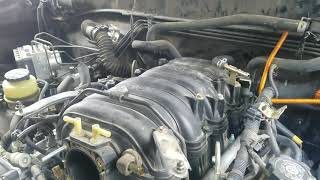
This issue is a well-documented weak point specifically on the 2005-2009 4Runner with the 4.7L V8 (2UZ-FE) engine, which received this emissions system starting in the 2005 model year. The system's air pump is located in the valley of the engine, under the entire intake manifold, making replacement labor-intensive. The pump's design features an internal foam filter that is known to dry-rot, disintegrate, and get sucked into the pump's fan blades, causing it to seize. 🎬 Watch: How to avoid this $3,000 repair with a simple mod. This seizure triggers a cascade of electrical and mechanical faults throughout the SAI system, including blown fuses and damaged valves.
Diagnostic Flowchart

Tap your situation to follow the diagnostic path that matches what you're seeing on this vehicle.
Symptoms You May Notice

- Check Engine Light is on
- Vehicle enters 'limp mode,' limiting speed and acceleration
- VSC and TRAC OFF lights may illuminate on the dashboard
- Loud whining, grinding, or vacuum cleaner-like noise from the engine bay on a cold start, which may last for 30-60 seconds
- Complete lack of pump noise on a cold start (indicating a seized or electrically failed pump)
- Replacing only the relay/driver without checking the air pump. The new relay will likely fail again if the pump is seized and drawing excess current.
- Replacing an oxygen sensor. While this is an emissions system, P0418 specifically points to the air injection control circuit, not the O2 sensors directly.
- Only replacing the pump but not the valves. Debris from the failed pump often contaminates the valves, causing them to fail shortly after the repair.
Most Likely Causes

- Failed Secondary Air Injection Pump 🔴 High Probability → Shop Secondary Air Injection Pump The pump contains an internal foam filter that deteriorates over time. Debris from this filter is ingested by the pump's fan, causing the motor to jam and seize. This can also happen from moisture entering the system and causing corrosion. When the pump seizes, it draws excessive current, blowing fuses and potentially damaging the control driver.
How to confirm: Listen for a loud grinding/whining noise from the pump during a cold start. If there is no noise, the pump may have already seized completely. Diagnosis often requires removing the intake manifold for direct inspection and testing for power at the pump connector.
Typical fix: Replace the air pump assembly. Due to the high labor cost, it is strongly recommended to also replace the air switching valves and intake manifold gaskets at the same time.
Est. part cost: $400-$1200 - Stuck or Failed Air Switching Valves 🟡 Medium Probability Debris from a disintegrating air pump can travel downstream and physically jam the valves open or closed. Moisture in the system can also cause them to fail. In some cases, the plastic vacuum nipple on the valve assembly can become brittle and break off due to contact with the main engine wiring harness.
How to confirm: Requires testing with a capable scan tool to command the valves open and closed. Physical inspection for debris or damage is necessary if a valve is suspected of being stuck, which requires removing the intake manifold.
Typical fix: Replace the faulty air switching valve(s). They are located at the rear of the engine near the firewall. It is best practice to replace them whenever the pump is replaced.
Est. part cost: $150-$300 per valve - Failed Air Injection Control Driver/Relay ⚪ Low Probability → Shop Secondary Air Injection Solenoid A seized air pump can draw excessive current, overloading and burning out the control driver (which functions as a relay). Toyota's TSB specifically notes that if P0418 and P2445 are present together, the driver is the likely culprit after other checks.
How to confirm: Diagnose according to Toyota TSB T-SB-0230-12 Rev1. If P0418 and/or P2445 are present after checking fuses and pump operation, the driver is likely faulty. It is located on the driver's side.
Typical fix: Replace the Air Injection Control Driver.
Est. part cost: $50-$250 - Blown Fuses ⚪ Low Probability This is usually a secondary symptom of a larger problem, like a seized air pump drawing too much amperage and causing an overloaded circuit.
How to confirm: Check the fuses related to the SAI system in the engine bay fuse box. A blown fuse indicates a deeper electrical problem.
Typical fix: Replace the blown fuse, but immediately investigate the root cause (almost always the pump) to prevent it from blowing again.
Est. part cost: $1-$5
Rare But Worth Checking
- Wiring or Connector Issues: The engine wiring harness runs very close to the air switching valves at the back of the engine, and a vacuum nipple on the valve assembly has been known to break off due to contact with the harness, causing a vacuum leak and valve malfunction.
Diagnosis Steps
- Read all diagnostic trouble codes with an OBD-II scanner. Note if P0418 is paired with P2445 or other valve-related codes.
- On a cold start, listen for the sound of the air pump running for the first 30-60 seconds. It sounds like a loud vacuum cleaner. A grinding noise indicates imminent failure; no noise suggests it has already failed or a fuse is blown.
- Check all fuses related to the Air Injection System in the engine bay fuse/relay box. If a fuse is blown, suspect a seized pump.
- If fuses are good, inspect the Air Injection Control Driver (relay) and its wiring for any signs of damage. Per TSB T-SB-0230-12, if P0418 and P2445 are present, the driver is a primary suspect.
- Using an advanced scan tool (like Toyota Techstream), attempt to command the air pump and switching valves to operate. This can help isolate whether the issue is with the pump, valves, or control circuit.
- If the pump is suspected, the intake manifold must be removed to access it for testing or replacement. Once removed, check the pump for seizure and inspect the air passages and valves for foam or plastic debris from the old pump.
Parts You'll Likely Need
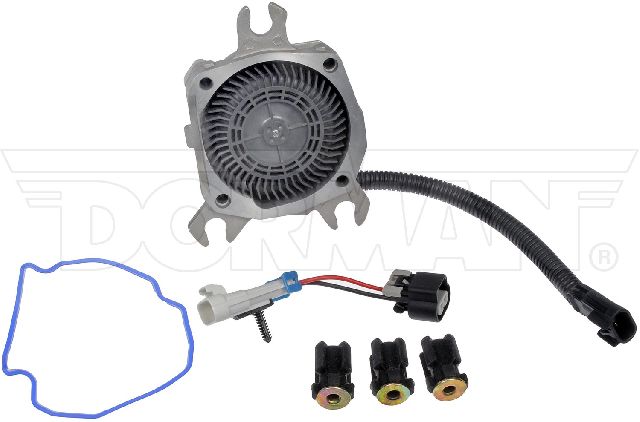
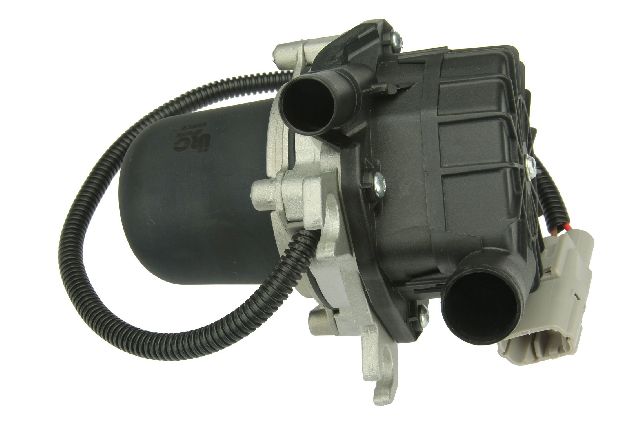
- Secondary Air Injection Pump
(OEM #17600-0F010)— This is the primary failure point. It ingests its own internal foam filter, causing it to seize and trigger P0418.
Trusted brands: Toyota (OEM), Dorman (306-010)
OEM price range: $900-$1200
Aftermarket price range: $400-$600 - Air Switching Valve Assembly
(OEM #25710-50022)— These valves get contaminated by debris from the failed pump or can fail on their own. It's wise to replace them when replacing the pump due to the labor involved.
Trusted brands: Toyota (OEM), Dorman (911-644)
OEM price range: $250-$350
Aftermarket price range: $150-$250 - Air Injection Control Driver
(OEM #89581-34041 (replaces 89581-34020, 89581-34040))— This relay can burn out when the air pump seizes and draws excessive current. It is often replaced as a preventative measure or when diagnosed as faulty per the TSB.
Trusted brands: Toyota (OEM)
OEM price range: $150-$250
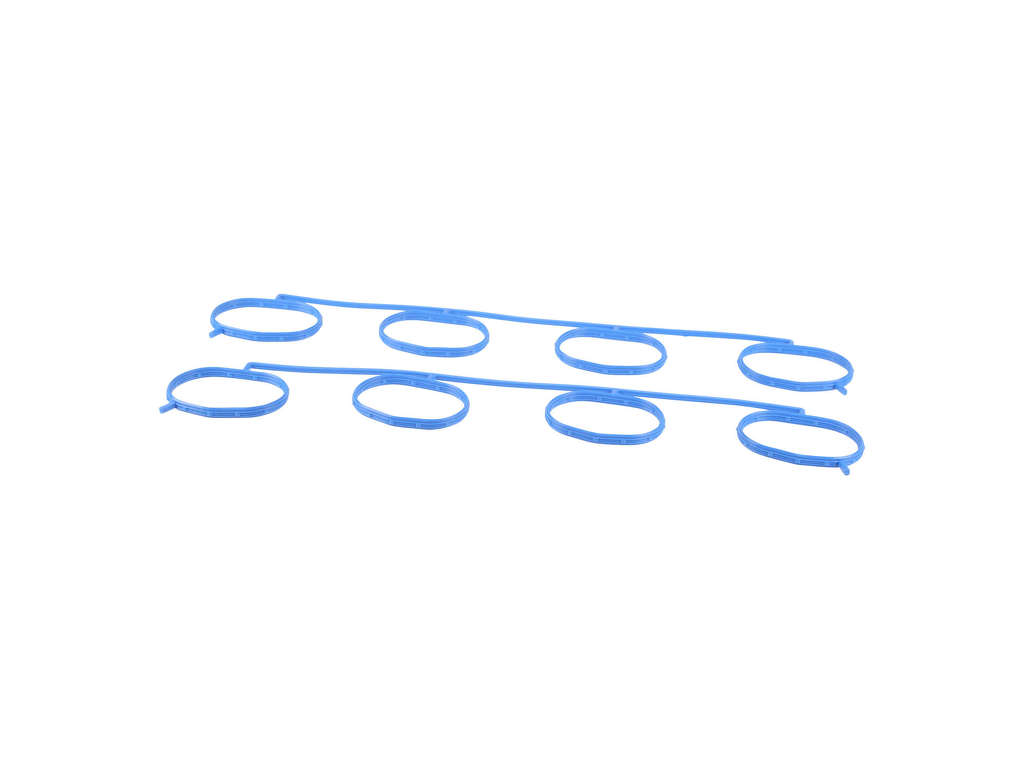
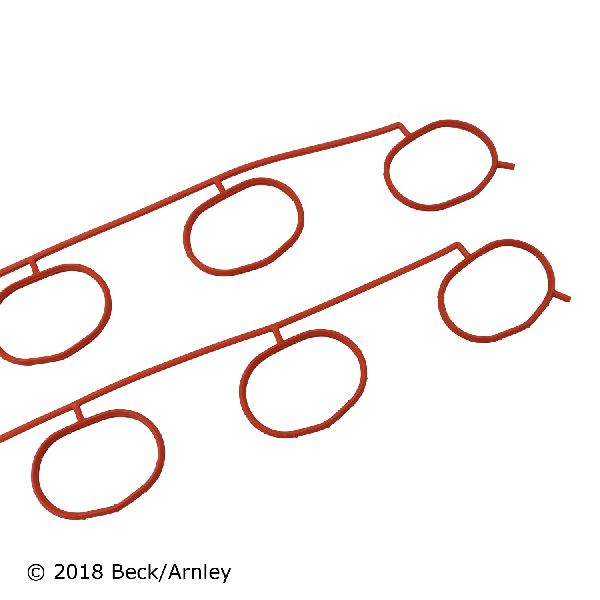
Aftermarket price range: $50-$100 - Intake Manifold Gaskets
(OEM #17171-50030)— These are single-use gaskets that must be replaced anytime the intake manifold is removed to access the air pump.
Trusted brands: Toyota (OEM), Fel-Pro (MS 96672)
OEM price range: $30-$50
Aftermarket price range: $20-$40
Related Codes That Often Appear With This One
- P2445 — Indicates the Secondary Air Injection System Pump is Stuck Off. This code is frequently seen with P0418 when the pump motor has failed or seized. TSB T-SB-0230-12 Rev1 specifically calls out the combination of P0418 and P2445 as pointing towards a faulty Air Injection Control Driver.
- P0412, P1441, P1442, P1444, P1445, P2440, P2441, P2442 — These codes all relate to the air switching valves being stuck open or closed, or circuit faults. A single failure in the SAI system, like the pump disintegrating, often creates a cascade of related codes as debris spreads through the system.
Technical Service Bulletins (TSBs) & Recalls
- T-SB-0230-12 Rev1: Addresses MIL 'ON' for P0418 and other related codes on 2005-2009 4Runner 4.7L engines, pointing to debris from the air pump as a potential cause and providing a diagnostic flowchart. It specifically suggests replacing the Air Injection Control Driver if P0418 and/or P2445 are present.
Platform-Specific Known Issues
- A Toyota Technical Service Bulletin (T-SB-0230-12 Rev1) addresses this exact issue, noting that P0418 can be caused by debris from the air pump contaminating the system and provides a specific diagnostic procedure.
- An owner of a 2005 model filed a complaint (NHTSA ODI #10855340) stating the P0418 code caused the vehicle to enter a limp mode that overrode transmission shifting, making it unsafe to drive, and noted it was a "well-known problem" on the 4.7L engine.
Mechanic-Grade Diagnostic Values
- Air Pump Motor Resistance — expected: Close to 0 ohms. Failure: A high resistance reading indicates a faulty pump motor.
- Air Pump Motor to Ground Resistance — expected: 10 kΩ or higher. Failure: A low resistance reading (continuity) between a power terminal and the pump body indicates an internal short.
- Starter Relay (STA) Voltage during Crank — expected: ~12V during engine cranking, dropping to <1V after the engine starts.. Failure: Voltage that does not appear during cranking or stays high after starting can indicate issues with the starting circuit, which is relevant for bypass kit installation.
Scan Tool Commands That Help
- Toyota Techstream: Active Test: "Control the Air Injection System" — This function allows the technician to manually command the air pump and switching valves to turn on and off. It is crucial for determining if the failure is in the component (pump/valve), the control circuit (driver/relay), or the wiring, without having to wait for a natural cold start.
- Toyota Techstream: Data List Monitoring — Used to monitor the status of the air pump, valves, and pressure sensors in real-time during an Active Test. This helps confirm if the components are responding to the commands from the ECU and the Air Injection Driver.
Wiring & Ground Locations
- Air Injection Control Driver — On the driver's side inner fender well in the engine bay.. This is the relay ('A') that the P0418 code refers to. It controls power to the air pump and can burn out when the pump seizes.
- STA Relay — In the main engine bay fuse/relay box, often marked 'STA'.. The starter relay signal is frequently used by aftermarket SAIS bypass kits to know when the engine is starting, as the SAIS only runs on a cold start.
- MAF Sensor Connector (Pin 4) — On the air intake tube, after the air filter box. The relevant wire is often yellow with a black stripe.. Some popular bypass kits intercept the Intake Air Temperature (IAT) signal from the MAF sensor connector to trick the ECU into thinking the engine is always warm, thus preventing the SAIS from ever being commanded to run.
- Primary Engine/Chassis Grounds — Key ground points include the negative battery terminal to the chassis, a strap from the engine block/plenum to the firewall/body, and the alternator case to the engine block.. While not a direct cause, a poor ground connection can create floating voltages and resistance issues that could potentially contribute to control circuit codes like P0418, though this is a very rare cause.
Real Owner Repair Stories
- Hewitt Technologies Website & Various Forum Users (Multiple 2005-2009 Toyota 4Runners, Tundras, and Sequoias with 4.7L V8 engines.) — Check Engine Light, VSC/TRAC lights on, vehicle in 'limp mode', and codes P0418, P2445, and various valve-stuck codes.
❌ Tried (didn't work) Replacing individual components like the pump or valves often leads to recurring failures because debris from the original failed pump contaminates the new parts, or the underlying electrical stress from a seized pump damages the new driver/relay.
✅ What actually fixed it Installation of a Secondary Air Injection System Bypass Kit (e.g., from Hewitt Tech or Slyfox). For code P0418 specifically, a 'Pump Replacement Pack' is often needed in addition to the main bypass module to simulate the electrical load of a healthy pump, satisfying the ECU's circuit check. This avoids the multi-thousand dollar OEM repair by electronically disabling and tricking the system. - YouTube video by user 'WARREN' (Toyota Tundra with a similar SAIS design.) — Check engine light, VSC/Traction lights, limp mode, unable to accelerate past 50-60 MPH.
❌ Tried (didn't work) Initial diagnosis pointed to the air pumps.
✅ What actually fixed it The root cause was a broken plastic vacuum nipple on the air switching valve assembly, located at the back of the engine. The nipple had broken off due to contact and vibration against the main engine wiring harness. The entire valve assembly was replaced with a superseded part number (25701-38064), and a piece of foam was zip-tied to the new part to cushion it against the harness to prevent a repeat failure.
OEM Part Supersession History
89581-34020, 89581-34040→89581-34041— Standard revision and consolidation of part numbers by the manufacturer.
Heads up: The newer part number (89581-34041) is the correct replacement for the older versions and should be fully compatible.25710-50021 (example, may vary)→25710-50022— Possible design revision to address failures, such as the brittle vacuum nipple.
Model Year Variations Within This Range
- 2005-2009: The Secondary Air Injection system was added to the 4.7L V8 (2UZ-FE) engine starting in the 2005 model year. 2003-2004 4.7L V8 models do not have this system and are not susceptible to this failure.
Helpful Videos

![How to Fix TOYOTA P0418 Engine Code in 3 Minutes [2 DIY Methods / Only $9.55]](https://img.youtube.com/vi/vqdNTxFKmrY/mqdefault.jpg)


We Have This Part in Stock


The information in this article is provided for general reference and educational purposes only. Vehicle specifications, procedures, and part compatibility can vary by production date, trim level, and region. Always consult your vehicle's factory service manual and verify part numbers before purchasing or performing repairs. Safety-critical components such as airbags, seat belts, and braking systems should be installed by a qualified professional.
- Toyota 4RUNNER:
- 🧭 Diagnostic Flowchart
- 🎬 Helpful Videos
- 🛍️ Shop This Part
- What's Unique About the 2005-2009 Toyota 4RUNNER
- Symptoms You May Notice
- Most Likely Causes
- Rare But Worth Checking
- Diagnosis Steps
- Parts You'll Likely Need
- Related Codes That Often Appear With This One
- Technical Service Bulletins (TSBs) & Recalls
- Platform-Specific Known Issues
- Mechanic-Grade Diagnostic Values
- Scan Tool Commands That Help
- Wiring & Ground Locations
- Real Owner Repair Stories
- OEM Part Supersession History
- Model Year Variations Within This Range
- 🎟️ Get 5% Off