

P0420 on 2015-2019 Acura TLX: Catalyst Efficiency Causes and Fixes
On 2015-2019 Acura TLX models, especially the V6, P0420 often points to a software glitch that requires a dealer update, as noted in TSB #B19-049. This update is typically covered under the 8-year/80,000-mile federal emissions warranty. Before replacing the expensive catalytic converter, have a dealer check for software updates and diagnose the O2 sensors and for exhaust leaks.
- For 2015-2017 V6 models, your first step should be to ask an Acura dealer about TSB #B19-049 for a software update.
- P0420 refers to Bank 1, which is the rear catalytic converter (near the firewall) on V6 models.
- Do not automatically assume the catalytic converter is bad. A faulty oxygen sensor or an exhaust leak are common, cheaper-to-fix causes.
- If you have any engine misfire codes, you must fix that problem first to avoid damaging a new catalytic converter.
What's Unique About the 2015-2019 Acura TLX

For the 2015-2017 TLX V6, Acura has specifically identified that the PGM-FI (engine computer) software can misinterpret sensor data and falsely trigger the P0420 code. Instead of an immediate, expensive catalytic converter replacement, the first step is a simple software update performed by a dealer. This is a well-documented issue covered by TSB #B19-049, making it a critical, money-saving first diagnostic step. Many owners on forums like Acurazine confirm the software update resolved the issue and was covered under the federal emissions warranty.
Diagnostic Flowchart
Tap your situation to follow the diagnostic path that matches what you're seeing on this vehicle.
Symptoms You May Notice
- Check Engine Light (Malfunction Indicator Lamp) is on
- Other warning lights, such as for the electric parking brake system, may illuminate as a secondary effect. This is a common occurrence reported by many TLX owners.
- No noticeable difference in drivability in most cases
- Possible reduction in fuel economy
- Possible smell of fuel or rotten eggs from the exhaust, which may indicate a failing converter or a rich fuel condition.
- Immediately replacing the catalytic converter without checking for software updates (TSB #B19-049) on applicable 2015-2017 V6 models.
- Replacing the catalytic converter when the actual fault is a less expensive oxygen sensor or an exhaust leak.
- Using a cheap, universal catalytic converter that doesn't meet the efficiency standards required by the Acura's sensitive ECU, causing the code to return.
Most Likely Causes

- PGM-FI Software Error 🔴 High Probability Acura issued Technical Service Bulletin (TSB) #B19-049 specifically for 2015-2017 V6 models, stating the software may misinterpret sensor inputs and falsely flag the catalytic converter.
How to confirm: An Acura dealer must check the current software version against the one specified in the TSB. The update is covered under the 8-year/80,000-mile federal emissions warranty.
Typical fix: Update the PGM-FI software at an Acura dealership. The TSB also recommends ensuring the transmission (TCM) software is up to date.
Est. part cost: $0 (if under warranty) - Failed Catalytic Converter (Bank 1) 🟡 Medium Probability → Shop Catalytic Converter Can fail from age, or be damaged by other issues like misfires or oil consumption, which can lead to overheating and melting of the internal substrate.
How to confirm: After ruling out software and sensors, a mechanic can use an infrared thermometer to check temperatures before and after the converter (it should be hotter after). A scan tool showing the downstream O2 sensor voltage switching rapidly like the upstream sensor's pattern also points to a bad converter.
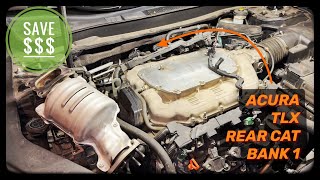
Typical fix: Replace the Bank 1 catalytic converter. On the 3.5L V6, Bank 1 is the rear converter, near the firewall. 🎬 See this walkthrough on replacing the rear Bank 1 catalytic converter.
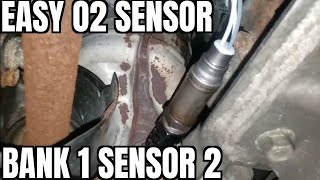
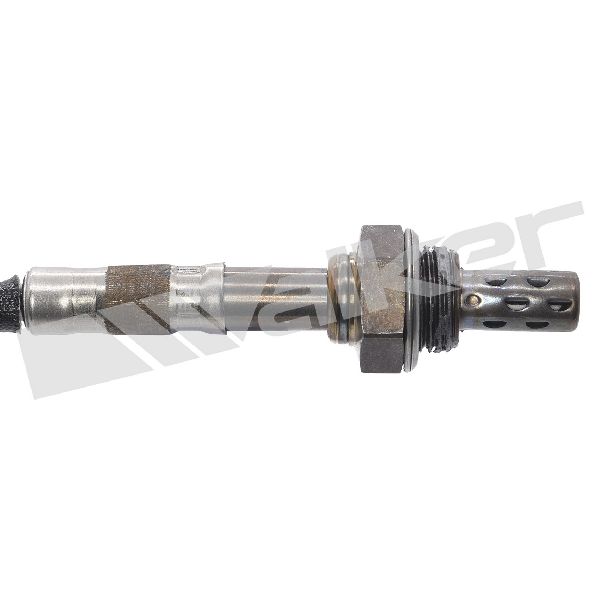
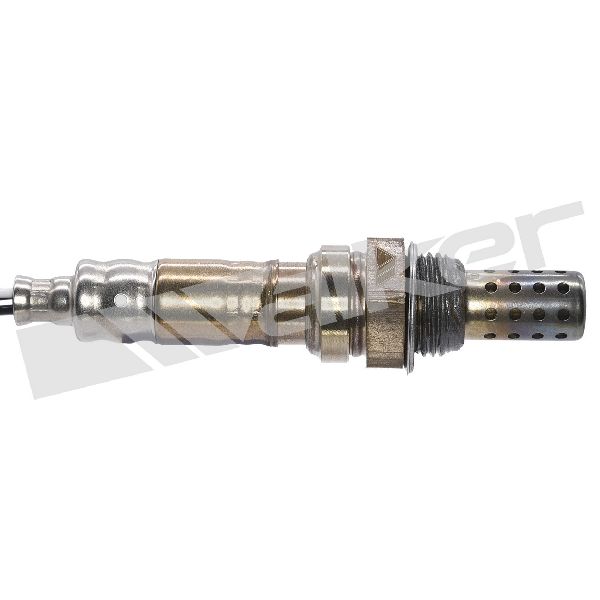
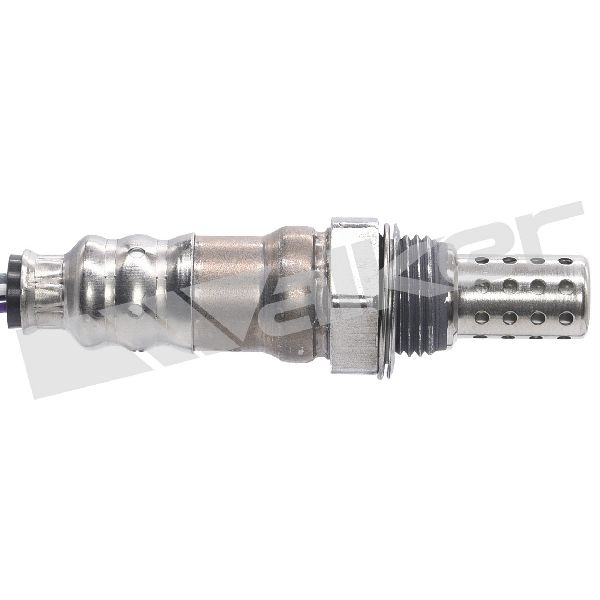
Est. part cost: $400-$1100 - Faulty Downstream Oxygen Sensor (Bank 1, Sensor 2) 🟡 Medium Probability → Shop Oxygen Sensor The sensor that monitors the converter's efficiency can become 'lazy' or fail with age, sending incorrect data to the computer. This can trick the PCM into thinking the converter has failed.
How to confirm: Use a scan tool to graph the sensor's voltage. A healthy downstream sensor should show a relatively steady voltage (typically above 0.5V) when the engine is warm and at a steady cruise. A faulty one might be stuck, show very low voltage, or fluctuate rapidly like the upstream sensor.
Typical fix: Replace the Bank 1, Sensor 2 oxygen sensor. Denso and NTK are common OEM suppliers.
Est. part cost: $70-$100 - Exhaust Leak ⚪ Low Probability Leaks from cracked manifolds or failed gaskets between the upstream and downstream O2 sensors can allow oxygen to enter the exhaust, skewing sensor readings and tricking the computer.
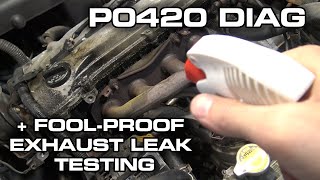
How to confirm: Visually inspect the exhaust manifold, gaskets, and pipes for cracks or black soot trails. A smoke test is the most effective way to pinpoint hard-to-see leaks. 🎬 Watch: How to diagnose P0420 codes and test for exhaust leaks.
Typical fix: Replace the leaking gasket or repair/replace the cracked exhaust component.
Est. part cost: $10-$150
Rare But Worth Checking
- Engine Misfires or Fuel System Issues: If you have other codes like P030x (misfires) or P017x (fuel trim), address them first. Unburnt fuel from misfires can overheat and destroy a new catalytic converter quickly.
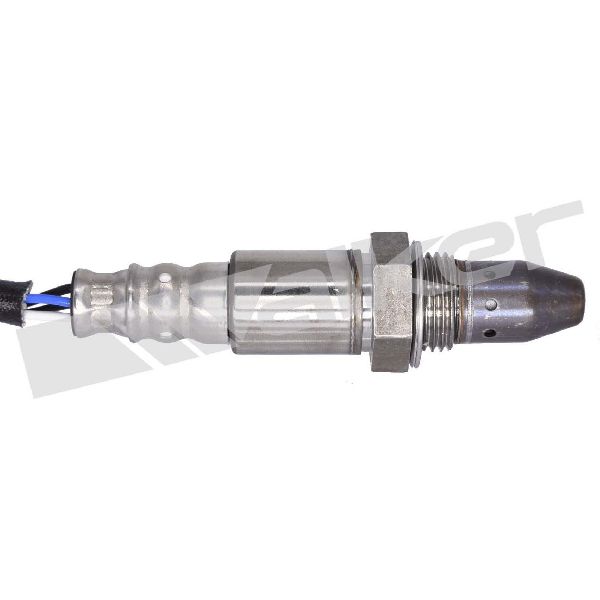
- Faulty Upstream Air/Fuel Ratio Sensor (Bank 1, Sensor 1): → Shop Oxygen Sensor A failing upstream sensor can create a poor air/fuel mixture, which over time can damage the catalytic converter. This sensor is more complex and expensive than the downstream O2 sensor.
Diagnosis Steps
- Scan for any other trouble codes. Address misfire (P0300-P0306), fuel mixture (P0171, P0172), or other sensor codes first, as they can be the root cause.
- For 2015-2017 V6 models, contact an Acura dealer to check if the PGM-FI software update from TSB #B19-049 has been performed. This should be the absolute first step, as it is a known issue and often covered by the 8-year/80,000-mile emissions warranty.
- Inspect the exhaust system for any leaks between the engine and the catalytic converter, paying close attention to the exhaust manifold and gaskets. Listen for unusual noise and look for soot.
- Use a scan tool with live data graphing. Observe the voltage patterns for the upstream (Bank 1, Sensor 1) and downstream (Bank 1, Sensor 2) oxygen sensors at operating temperature and steady RPM. The upstream sensor should fluctuate rapidly (0.1V-0.9V). The downstream should be relatively stable and high (e.g., >0.6V). If the downstream sensor mirrors the upstream, the converter is likely bad.
- If the downstream sensor's signal is flat, biased low, or slow to respond, test the sensor itself. It may be faulty and is a much cheaper replacement than the converter.
- If all other possibilities are ruled out, the catalytic converter is the most likely cause of the problem.
Parts You'll Likely Need

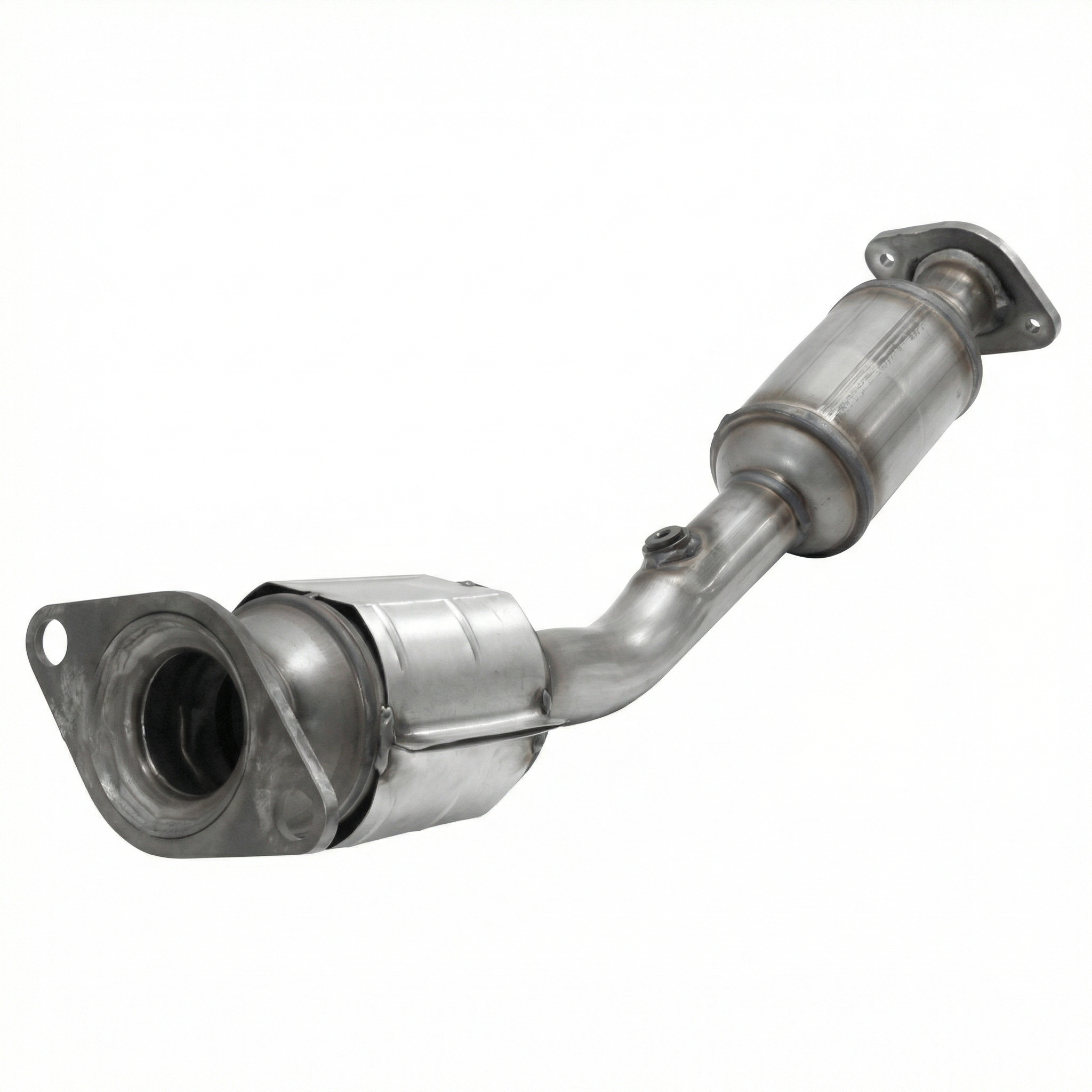
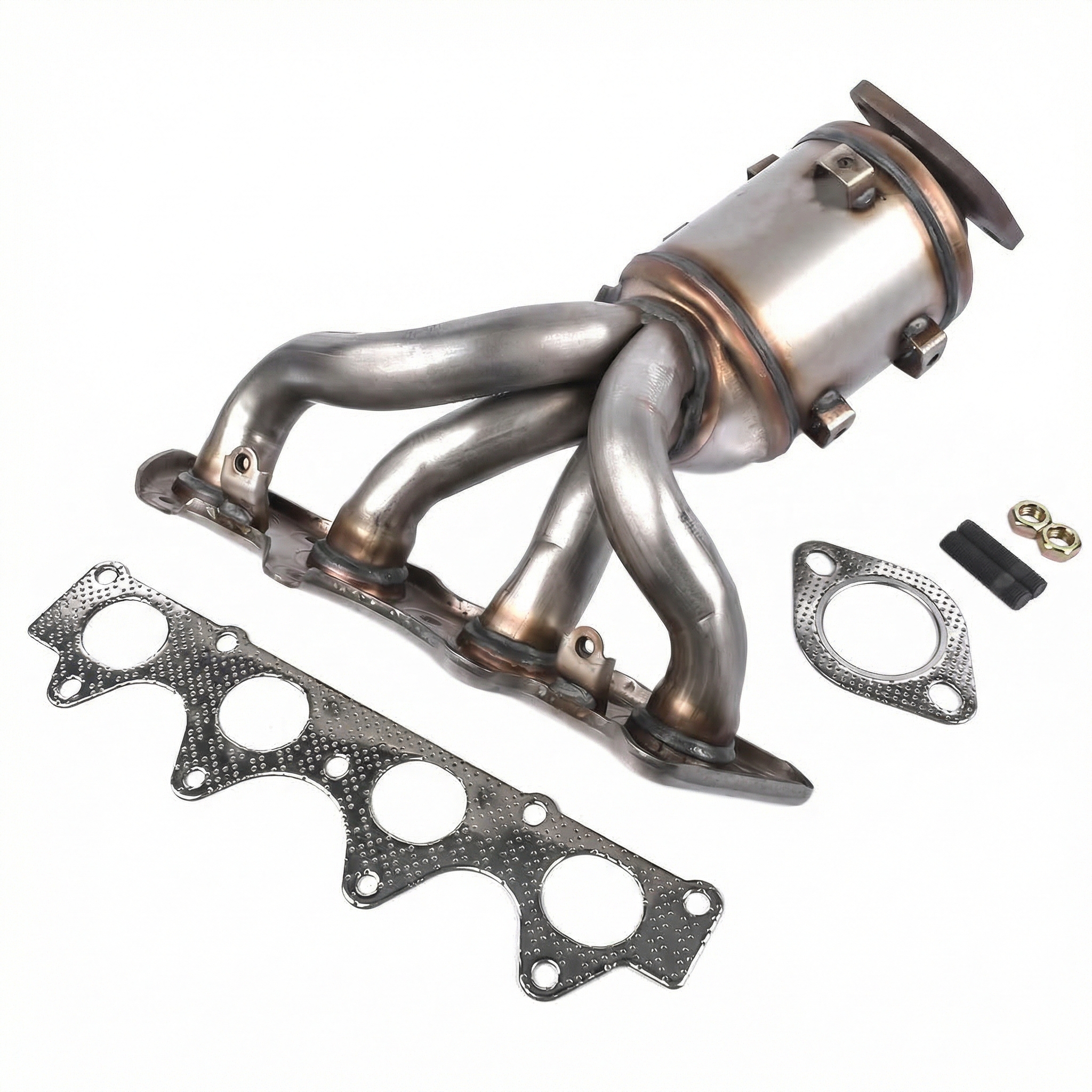
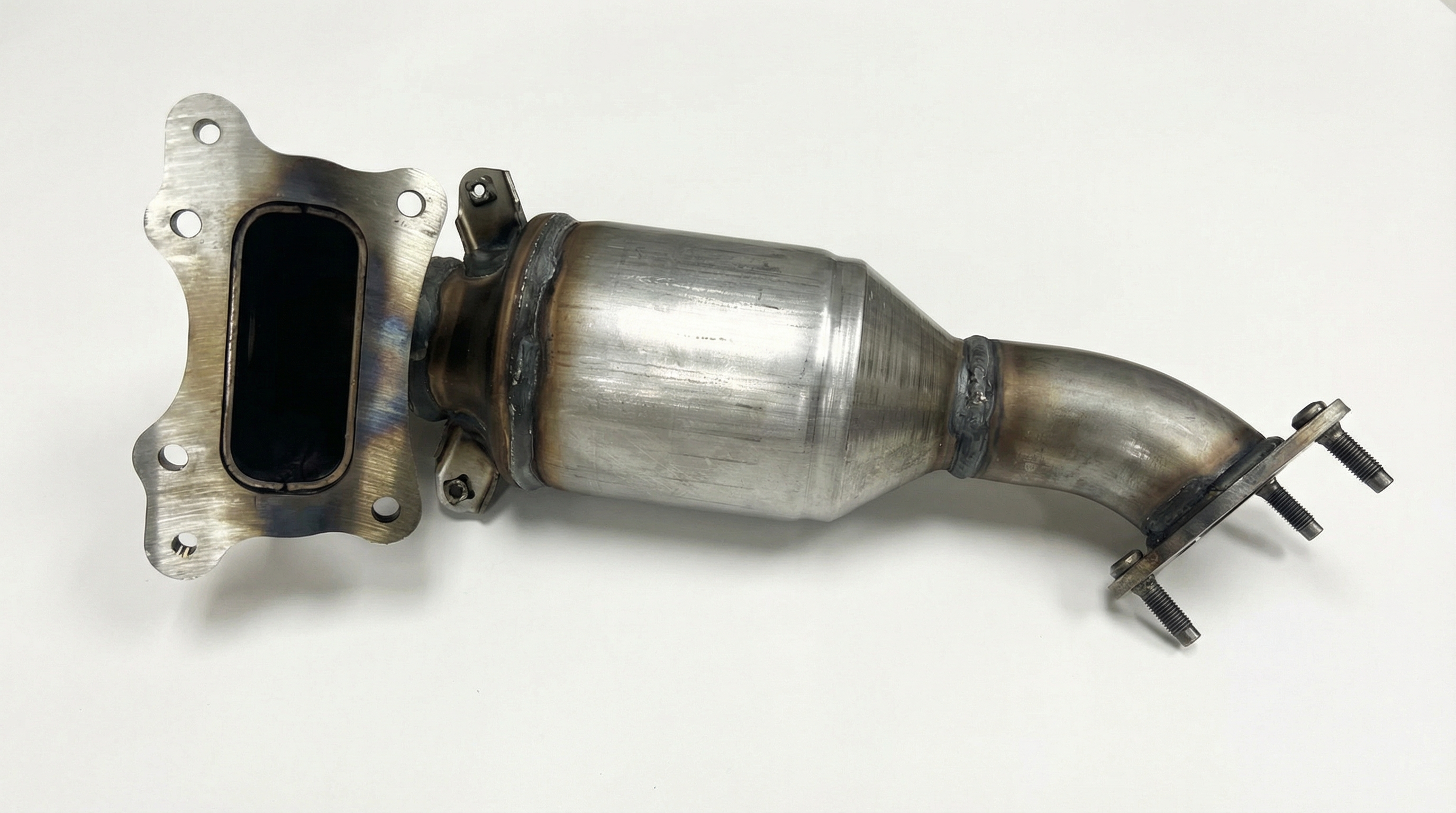
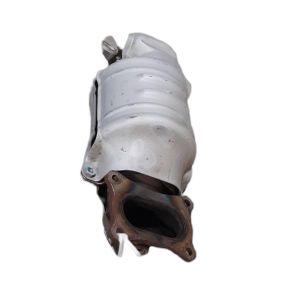
- Catalytic Converter (Bank 1)
(OEM #18150-5J2-A00 (for 3.5L V6 FWD))— This is the part identified by the code as failing. On the 3.5L V6, Bank 1 is the rear converter, near the firewall.
Trusted brands: Acura (OEM), Walker, MagnaFlow, Dorman
OEM price range: $1000-$1500
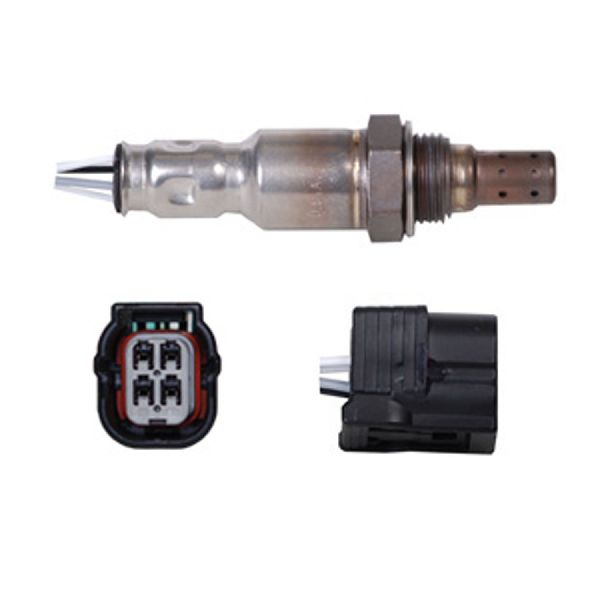
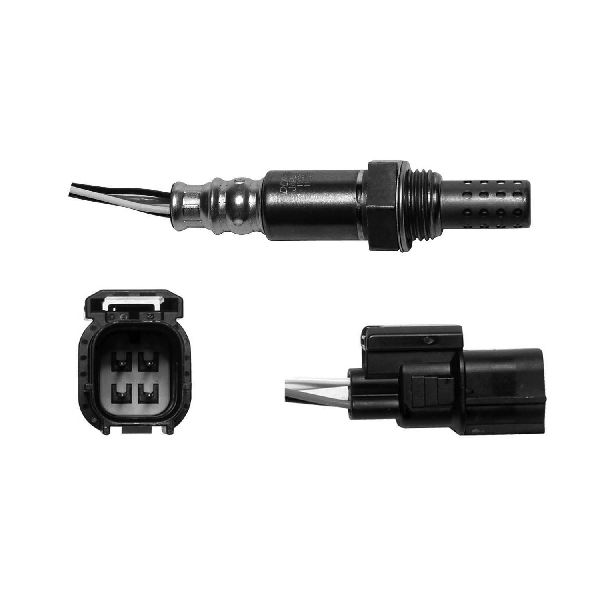
Aftermarket price range: $400-$1100 - Downstream Oxygen Sensor (Bank 1, Sensor 2)
(OEM #Denso 234-4351 (V6 Rear), Denso 234-4781 (V6 Front), Denso 234-4838 (I4))— This sensor monitors the converter. A faulty sensor can send incorrect readings and falsely trigger the P0420 code. It is a common failure point and a logical part to replace before the converter.
Trusted brands: Denso (OEM supplier), NTK, Bosch
OEM price range: $100-$230
Aftermarket price range: $70-$100 - Exhaust Manifold Gasket
(OEM #18115-5G0-A01 (for V6))— A common source of exhaust leaks that can cause a false P0420 code. It must be replaced anytime the catalytic converter is removed.
Trusted brands: Acura (OEM), Fel-Pro
OEM price range: $5-$15
Aftermarket price range: $5-$10
Related Codes That Often Appear With This One
- P0430 — This is the same catalyst efficiency code but for Bank 2 (the front bank on V6 models). Acura TSB #BPaS01022019906 mentions them occurring together, and TSBs exist for both codes, indicating a related system-wide sensitivity.
Technical Service Bulletins (TSBs) & Recalls
- B19-049: 'MIL Comes On with DTC P0420' - States the PGM-FI software may misinterpret sensor inputs and advises a software update for 2015-17 V6 models.
- BPaS01022019906: An internal communication from American Honda requesting dealership assistance in investigating 2015-2019 TLXs that have P0420 and/or P0430 stored, specifically on vehicles with less than 80,000 miles. 🎬 Watch a technician explain P0420 and P0430 issues on the TLX.
Platform-Specific Known Issues
- Acura TSB #B19-049 for 2015-2017 TLX V6 models indicates that a software update for the PGM-FI module is the primary corrective action for a false P0420 code.
- The software update mentioned in the TSB is often covered under the Federal Emissions Warranty of 8 years or 80,000 miles, saving owners significant cost.
- Acura TSB #BPaS01022019906 notes an investigation into both P0420 and P0430 codes on 2015-2019 TLX models, suggesting it's a known area of concern for the manufacturer.
- On V6 models, Bank 1 is the rear cylinder bank, located near the firewall, which is harder to access than Bank 2. Bank 2 is the front bank, near the radiator.
- The 2.4L I4 engine has only one bank, so P0420 is the only catalyst efficiency code it can generate. It is not covered by TSB B19-049.
Mechanic-Grade Diagnostic Values
- Fuel Pressure (Low-Pressure System) — expected: 57-64 PSI. Failure: Pressure significantly below this range can indicate a failing fuel pump or regulator, leading to lean conditions that can damage the converter over time.
- Mode $06 Catalyst Monitor Test (TID:$62 CID:$04) — expected: Test result value should be below the maximum allowable value.. Failure: If the test result value exceeds the maximum value (e.g., a test value of 2,891 when the max is 2,640), it indicates the catalyst efficiency test has failed, confirming the P0420 code's trigger.
- Catalytic Converter Temperature Differential — expected: The outlet temperature should be at least 100°F hotter than the inlet temperature after the engine is at operating temperature and held at ~2,000 RPM.. Failure: If the outlet temperature is the same or cooler than the inlet, the converter is not functioning chemically and is likely failed or clogged.
Scan Tool Commands That Help
- i-HDS (Honda Diagnostic System) with J2534 Rewrite Software: PGM-FI Software Update — This is the specific function required to perform TSB B19-049 for 2015-2017 V6 models experiencing a false P0420. The bulletin specifies using the i-HDS software (version 1.005.029 or later) in conjunction with the J2534 PC application to apply the new software (Program P/N 37805-5J2-325 or later).
Real Owner Repair Stories
- AcuraZine forum user (1999 Acura TL (similar P0420 issue)) — Check Engine Light with P0420 code.
❌ Tried (didn't work) Replacing the catalytic converter with a $400 aftermarket unit., Replacing the rear oxygen sensor with a new OEM part.
✅ What actually fixed it The issue persisted after replacing the aftermarket converter and the O2 sensor. Another user advised that aftermarket converters are 'seldom successful' in keeping the light off on these vehicles and that the OEM converter is often required to permanently resolve the code, implying the final fix is to use the correct OEM catalytic converter.
OEM Part Supersession History
Unknown→18150-5J2-A00— This is the current part number specified for the Bank 1 (rear) catalytic converter for 2015-2017 FWD V6 models.
Heads up: Given the existence of TSB B19-049, it is critical to ensure the correct, most up-to-date OEM part is used in conjunction with the latest PGM-FI software to prevent the code from returning. Using aftermarket converters is known to cause recurring P0420 codes on sensitive Honda/Acura systems.
Model Year Variations Within This Range
- 2015-2017: These model years with the V6 engine are specifically covered by TSB B19-049, which calls for a PGM-FI software update to correct a false P0420 code.
- 2018-2019: The TLX received a mid-cycle refresh for the 2018 model year, which included revised styling and a new A-Spec trim. While not explicitly stated in the TSB, it's possible the PGM-FI software from the factory on these later models already incorporates the fix from TSB B19-049, making a false P0420 from this specific software bug less likely. The A-Spec trim also featured a different exhaust note, suggesting potential minor changes to the exhaust system.
Helpful Videos

Used OEM Parts in Stock
New Aftermarket Parts Available

The information in this article is provided for general reference and educational purposes only. Vehicle specifications, procedures, and part compatibility can vary by production date, trim level, and region. Always consult your vehicle's factory service manual and verify part numbers before purchasing or performing repairs. Safety-critical components such as airbags, seat belts, and braking systems should be installed by a qualified professional.
- Acura TLX:
- 🧭 Diagnostic Flowchart
- 🎬 Helpful Videos
- 🛍️ Shop This Part
- What's Unique About the 2015-2019 Acura TLX
- Symptoms You May Notice
- Most Likely Causes
- Rare But Worth Checking
- Diagnosis Steps
- Parts You'll Likely Need
- Related Codes That Often Appear With This One
- Technical Service Bulletins (TSBs) & Recalls
- Platform-Specific Known Issues
- Mechanic-Grade Diagnostic Values
- Scan Tool Commands That Help
- Real Owner Repair Stories
- OEM Part Supersession History
- Model Year Variations Within This Range
- 🎟️ Get 5% Off