

P0420 on 2012-2018 Audi A6 3.0T: Catalyst Efficiency Causes and Fixes
On the 2012-2018 Audi A6 3.0T, the P0420 code almost always means the Bank 1 (driver's side) catalytic converter has failed due to a design flaw where it's mounted too close to the engine, causing extreme heat. For 2012-2014 models, first check for a software update TSB (2041120/4). Otherwise, expect a costly converter replacement, as this is a known weak point on the platform.
- For a 2012-2018 Audi A6 3.0T, P0420 is a very strong indicator of a failed driver's side catalytic converter.
- Before replacing any parts on a 2012-2014 model, verify with a dealer if TSB 01-16-49 (software update) applies to your vehicle, as it could be a simple, cheaper fix.
- Do not simply replace the oxygen sensor; it is most likely doing its job correctly by reporting the failing converter.
- This is not a cheap or easy DIY repair. Due to the high cost of OEM parts and difficult labor, get quotes from independent European auto specialists.
- Do not ignore this code. A clogged converter can cause serious performance issues and, in a worst-case scenario, catastrophic engine damage if the catalyst material breaks apart.
What's Unique About the 2012-2018 Audi A6
The Audi A6 C7 with the 3.0T engine is known for premature catalytic converter failure, often called the engine's 'Achilles' heel'. This is not typically due to a bad part in isolation, but a design issue: the converters are mounted very close to the exhaust manifolds, subjecting them to extreme heat that degrades the internal materials over time. This issue is so common that failures are often seen between 50,000 and 80,000 miles, with 2012-2013 models being particularly susceptible due to materials used in those years. While a bad oxygen sensor or an exhaust leak can cause P0420 on other cars, on this specific platform, the code is almost always an accurate indicator of a failing catalytic converter. A misfire is another common cause that can quickly destroy the converter by dumping unburnt fuel into it.
Symptoms You May Notice
- Check Engine Light illuminated
- Reduced engine power and sluggish acceleration, especially when merging or going uphill
- Vehicle entering a protective 'limp mode', sometimes with a flashing EPC light, especially under hard acceleration
- Noticeable decrease in fuel economy
- A rattling sound from the exhaust area if the internal catalyst structure has broken apart
- A sulfur or 'rotten egg' smell from the exhaust, especially under heavy load
- A burning smell from the engine bay or sides of the car due to excessive heat
- Replacing the downstream oxygen sensor without proper diagnosis. While it can be a cause, on the 3.0T it is far more likely that the sensor is accurately reporting the failure of the catalytic converter.
- Ignoring the TSB for the ECM software update on 2012-2014 models and proceeding directly to catalytic converter replacement.
Most Likely Causes
- Failed Bank 1 Catalytic Converter 🔴 High Probability → Shop Catalytic Converter The catalytic converters are mounted very close to the engine, leading to premature failure from extreme heat. The internal ceramic honeycomb melts or breaks down, causing inefficiency and blockage. This is a well-documented design flaw on the 3.0T engine, especially in 2012-2013 models which may have used lower-quality materials.
How to confirm: After ruling out software issues (TSB 2041120), exhaust leaks, and other engine codes, the diagnosis is typically confirmed by inspecting the converter. A temperature gun can be used to check for a significant temperature increase from the inlet to the outlet (a working cat should be much hotter on the outlet side). In severe cases, a backpressure test is definitive. Removing the upstream O2 sensor to see if performance improves can also diagnose a clog.
Typical fix: Replacement of the Bank 1 (driver's side) catalytic converter assembly. It is often recommended to replace both Bank 1 and Bank 2 converters at the same time, as the other is likely to fail soon after.
Est. part cost: $800-$2500+ - Outdated ECM Software 🟡 Medium Probability For 2012-2014 models, Audi issued Technical Service Bulletin (TSB) 01-16-49 (also listed as 2041120/4) because the original engine software's diagnostic thresholds for catalyst efficiency were too narrow and could falsely trigger P0420/P0430 codes.
How to confirm: A dealership or a qualified independent shop with access to Audi's systems can check the vehicle's service history and current software version to see if the TSB applies and has been performed. This is a critical first step for any 2012-2014 model.
Typical fix: Updating the Engine Control Module (ECM) software. The TSB may also require inspection or replacement of the PCV valve. 🎬 See how to replace the PCV valve on the 3.0T engine.
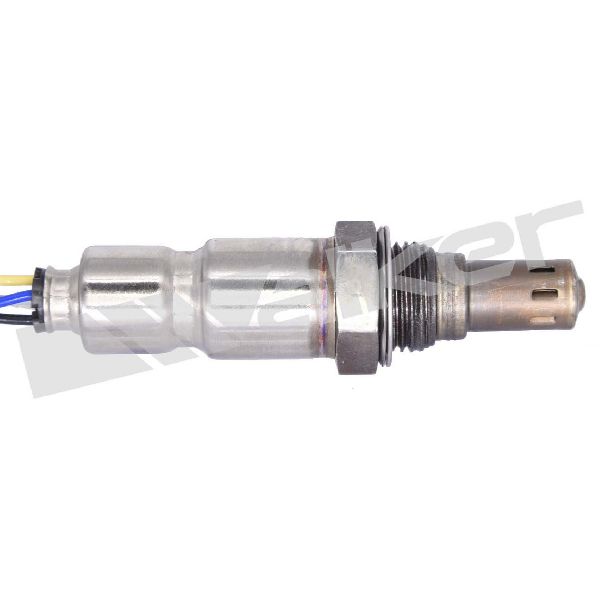
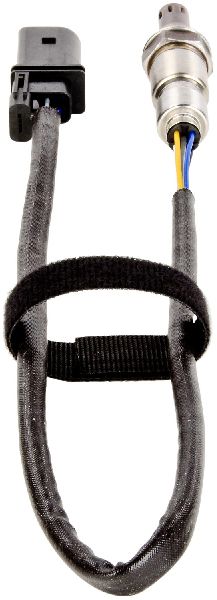
Est. part cost: $0-$200 (for the software flash) - Failing Oxygen (O2) Sensors ⚪ Low Probability → Shop Oxygen Sensor While O2 sensors do fail over time, they are an uncommon cause for an isolated P0420 code on this vehicle. It's more likely to be the converter itself. However, a contaminated or aged downstream sensor can become slow to react, leading to an incorrect efficiency calculation by the ECU.
How to confirm: Monitor the live data from the upstream and downstream O2 sensors with an OBD-II scanner. A healthy downstream sensor should have a relatively flat voltage reading, while a failing one might fluctuate wildly, mimicking the upstream sensor, or show a delayed, retarded response compared to the sensor on the opposite bank. This should be done before condemning the expensive converter.
Typical fix: Replace the downstream (post-catalyst) oxygen sensor for Bank 1.
Est. part cost: $80-$250
Rare But Worth Checking
- Exhaust Leak: A leak in the exhaust manifold, flex pipe, or flange before the rear O2 sensor can allow oxygen to enter the exhaust, skewing sensor readings and triggering the code. The flex pipes on the 3.0T are a known weak point that can fail, causing an exhaust leak noise.
- Underlying Engine Issue: Misfires (P0300-P0306), a faulty PCV system causing oil consumption, or leaking fuel injectors can send unburned fuel and oil into the exhaust, which will quickly destroy a new catalytic converter. Always resolve other engine-related trouble codes before addressing P0420.
Diagnosis Steps
- Scan the ECM for any other trouble codes. Address any codes for misfires, fuel mixture, or oxygen sensor circuits first.
- For 2012-2014 models, contact an Audi dealer or specialist to check if TSB 01-16-49 (also 2041120/4) for an ECM software update is applicable and has been performed. This could be the entire fix.
- Visually inspect the exhaust system from the engine to the rear O2 sensor for any signs of leaks, cracks, or damage. Pay close attention to the exhaust manifold gaskets and flex pipes, which are a known failure point.
- Use an OBD-II scanner with live data capabilities to observe the voltage of the Bank 1 Sensor 1 (upstream) and Bank 1 Sensor 2 (downstream) oxygen sensors. At operating temperature and steady RPM, Sensor 1 should fluctuate rapidly, while Sensor 2 should be relatively stable. If Sensor 2 mirrors Sensor 1, the catalyst is not working.
- If an infrared thermometer is available, measure the temperature of the exhaust pipe entering and exiting the catalytic converter. A working converter should be at least 100°F hotter at the outlet than the inlet.
- As a definitive test for a clog, an upstream O2 sensor can be removed. If the engine's performance drastically improves, it confirms a severe exhaust restriction.
- If all other possibilities are eliminated, the catalytic converter has failed and requires replacement.
Parts You'll Likely Need
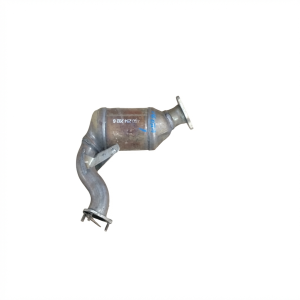
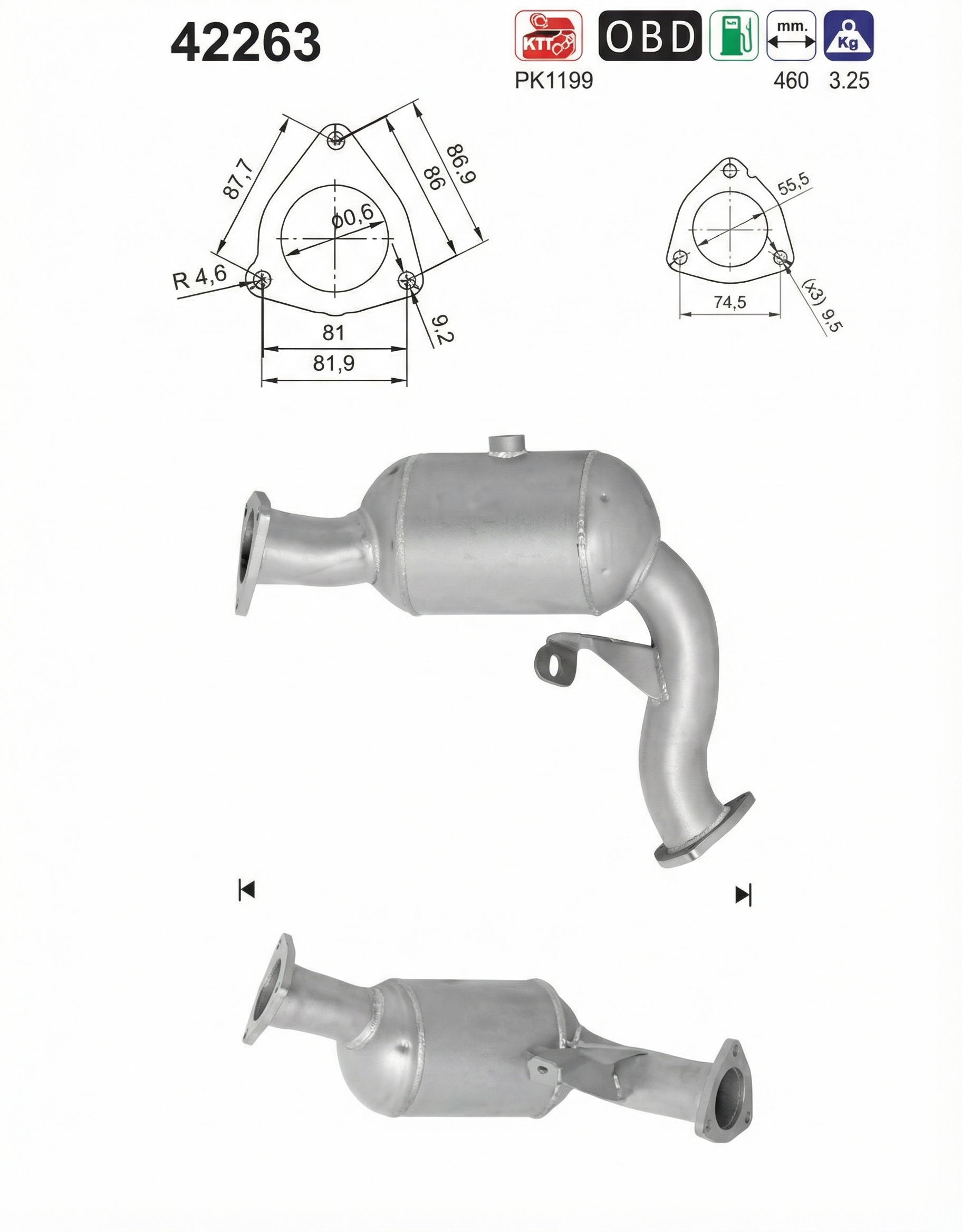
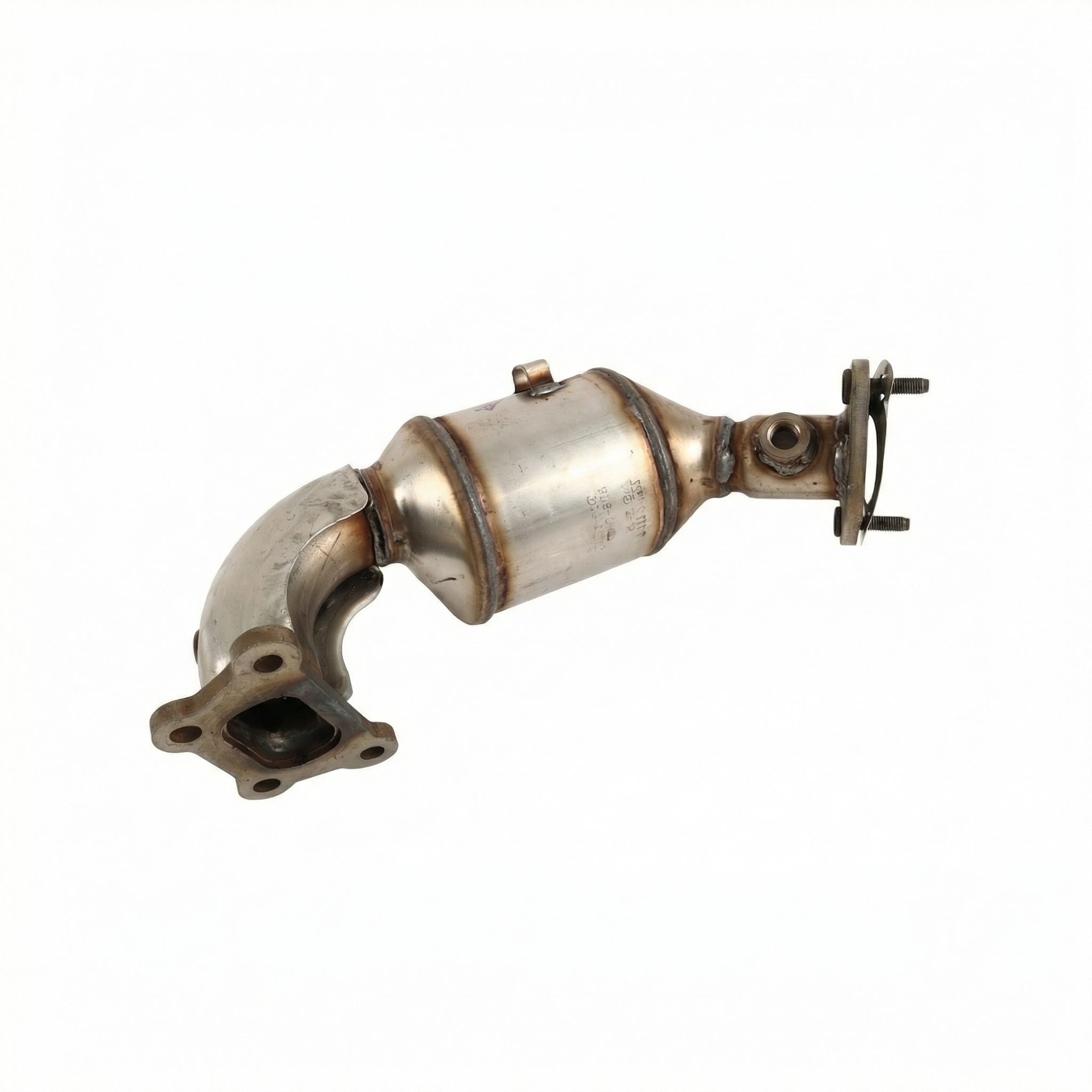
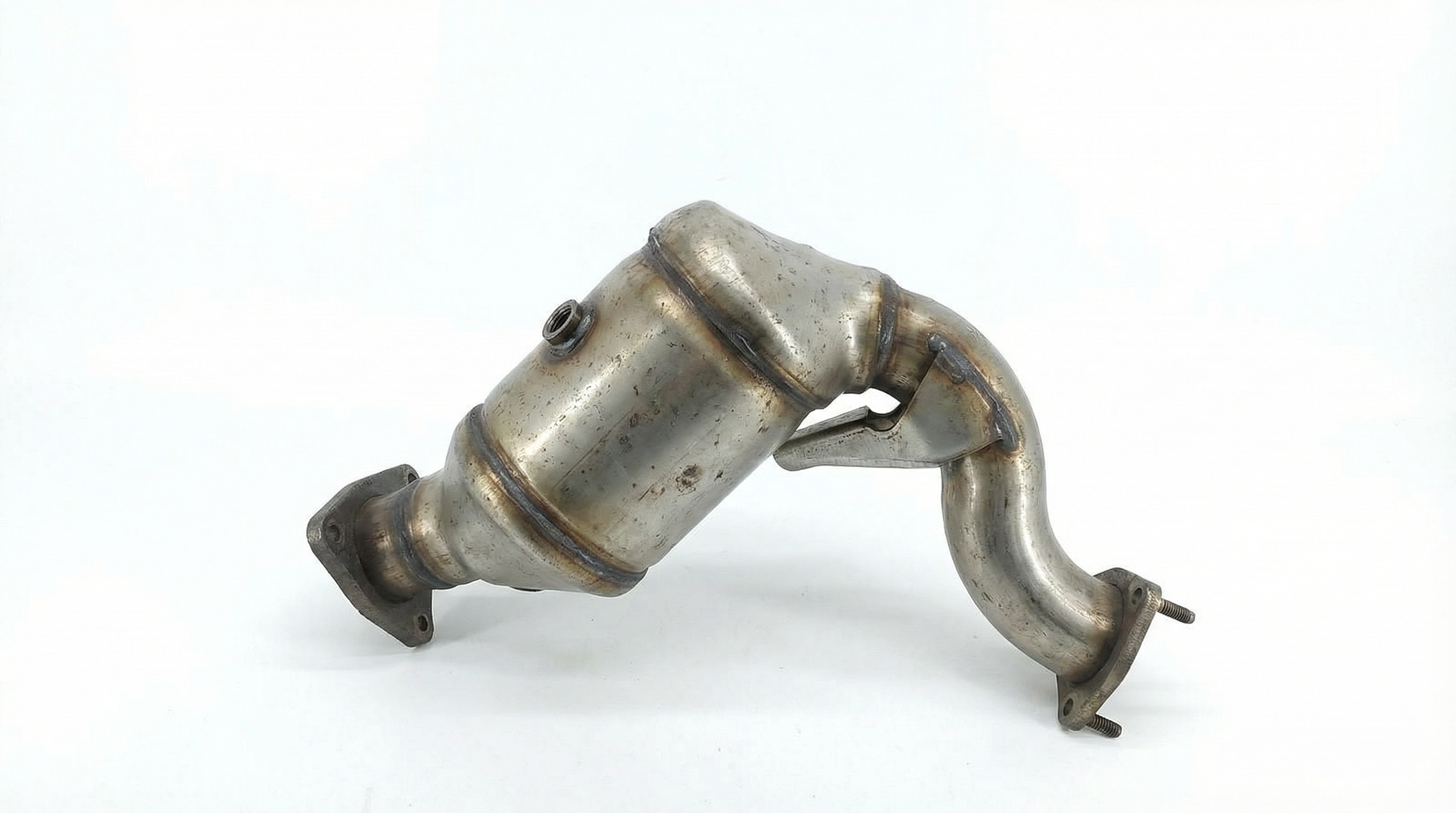
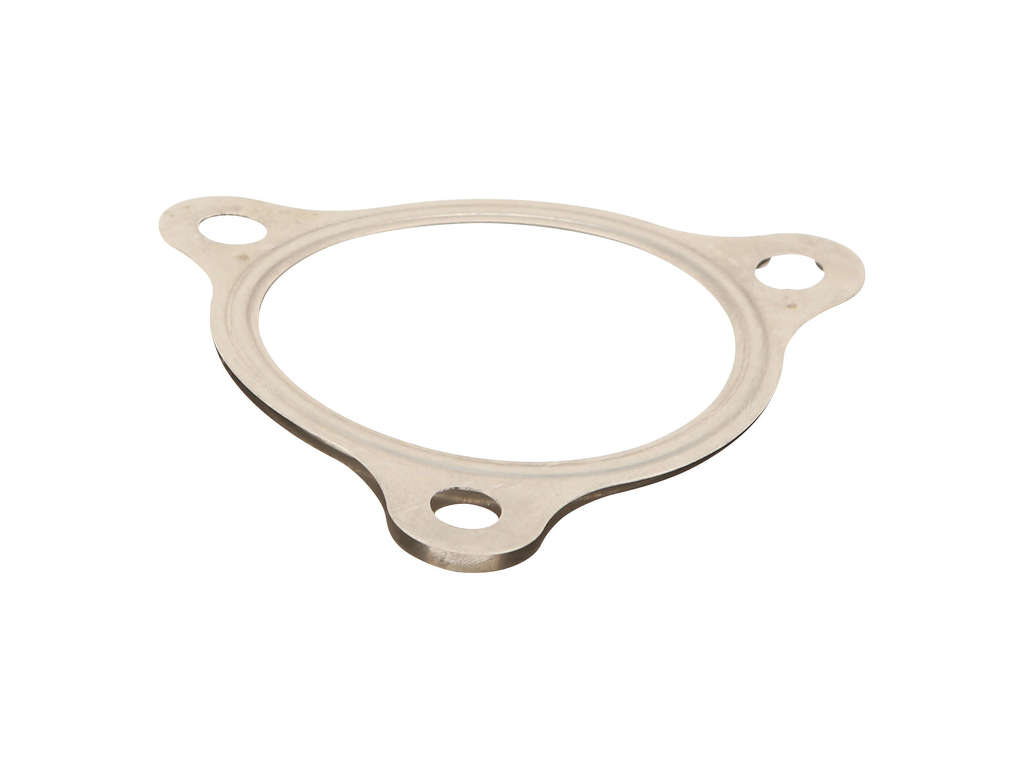
- Bank 1 Catalytic Converter
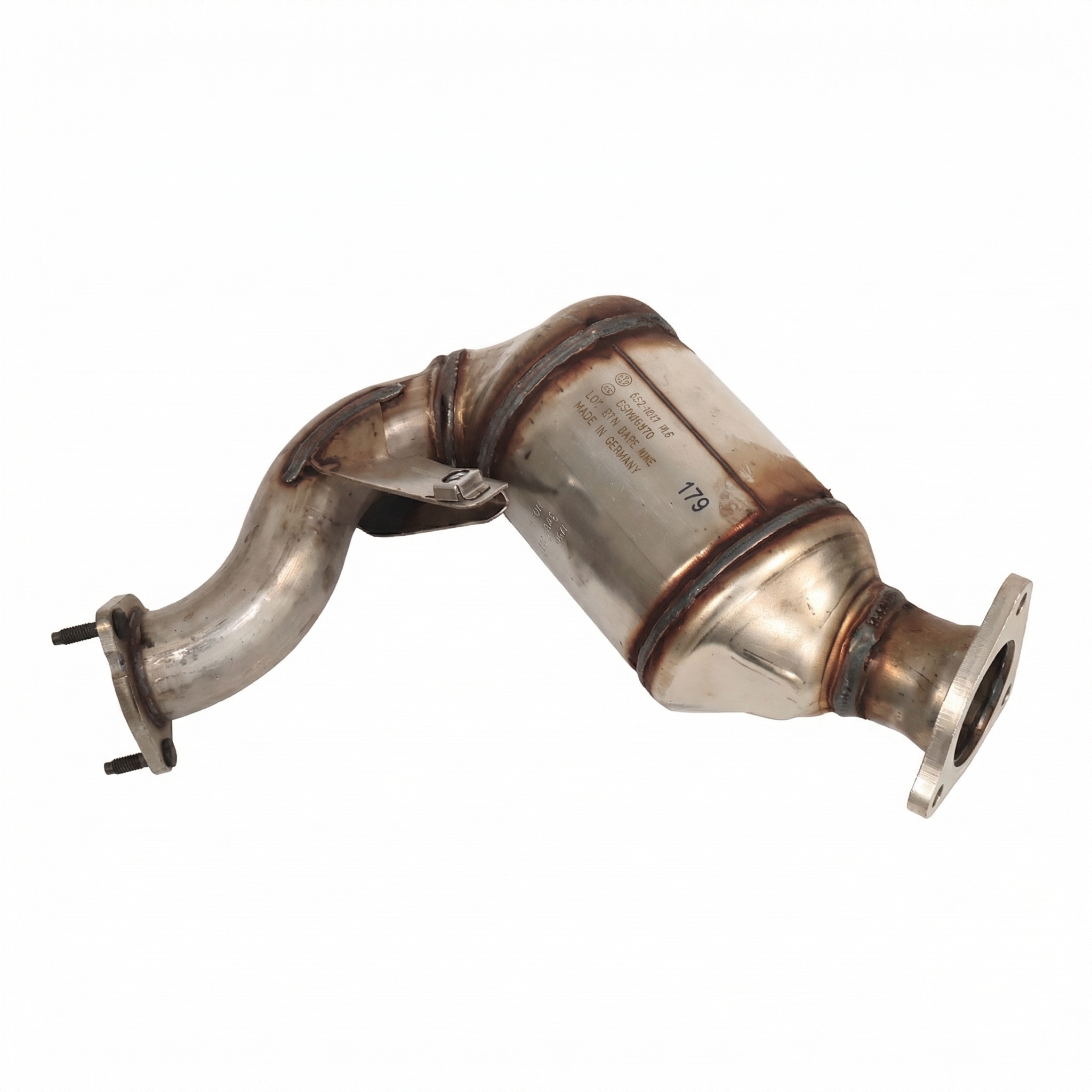
(OEM #8K0254250KX (or similar variant, verify by VIN))— This is the most common point of failure on the 3.0T engine leading to a P0420 code, due to a design that exposes it to excessive heat.
Trusted brands: Audi Genuine, MagnaFlow, Walker Exhaust, BM CATALYSTS
OEM price range: $2500-$3300
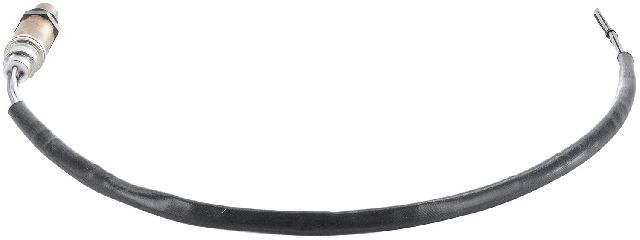
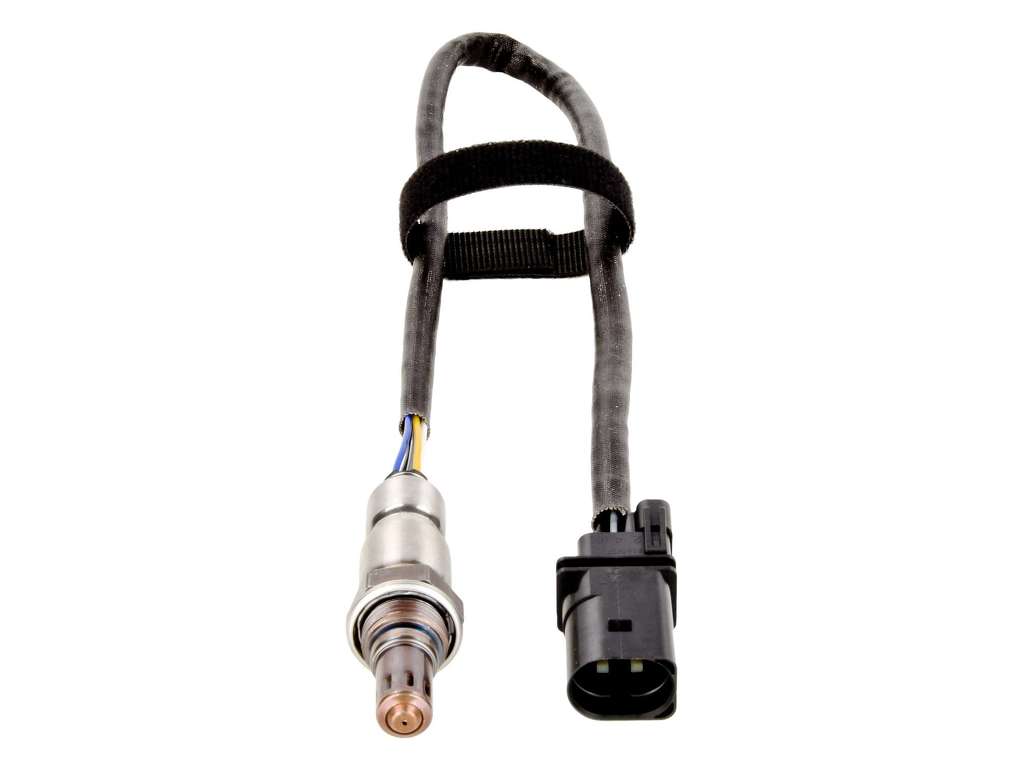
Aftermarket price range: $800-$1800 - Downstream Oxygen Sensor (Bank 1, Sensor 2) — Often replaced as a misdiagnosis or as good practice when replacing the catalytic converter, as a contaminated or old sensor can have a lazy response.
Trusted brands: Bosch, NTK, Denso
OEM price range: $200-$300
Aftermarket price range: $80-$180
Related Codes That Often Appear With This One
- P0430 — P0430 is the identical code for Bank 2 (passenger side). It is very common for both converters to fail around the same time due to the same heat-related design issue.
- P0300-P0306 — These are misfire codes. A misfire causes unburnt fuel to be dumped into the exhaust, which superheats and melts the catalytic converter, leading to a P0420. The misfire is the root cause that must be fixed first. A severely clogged catalyst can also cause misfires due to excessive backpressure.
Technical Service Bulletins (TSBs) & Recalls
- TSB 01-16-49 (also 2041120/3, 2041120/4): Addresses overly sensitive diagnostics for P0420/P0430 on 2012-2014 3.0T models. Fix is an ECM software update. The bulletin also mentions checking the crankcase pressure regulating valve (PCV).
Platform-Specific Known Issues
- A design flaw places the catalytic converters extremely close to the engine, causing them to fail prematurely from heat soak. This is a widely known issue, particularly for 2012-2013 models.
- The TSB for a software update (2041120/4) is a critical check for 2012-2014 models, as the original software had overly sensitive diagnostic parameters.
Mechanic-Grade Diagnostic Values
- Downstream O2 Sensor (Post-Cat) Voltage Graph Analysis — expected: A relatively stable and smooth voltage reading compared to the rapidly fluctuating upstream sensor. Should react promptly and mirror the behavior of the opposite bank's sensor during changes in engine load.. Failure: The sensor's voltage graph appears 'retarded' or slow to react compared to the other bank's sensor. It may also lack detail and show fewer peaks and valleys, indicating a lazy sensor.
- Catalyst Temperature Differential — expected: Using an infrared thermometer on a fully warmed-up engine, the outlet pipe of the catalytic converter should be significantly hotter (at least 100°F / 38°C) than the inlet pipe.. Failure: The outlet temperature is the same as or cooler than the inlet temperature, indicating the catalyst is not performing its exothermic reaction and is likely clogged or poisoned.
- VCDS Live Data - Catalyst Temperature — expected: Under load, catalyst temperatures will rise significantly. A VCDS log might show values such as 'TEMP_CAT_ENVD: 765.000000 °C' during operation.. Failure: Inability to reach or maintain high operating temperatures during the catalyst readiness test can indicate a problem. Comparing the temps between Bank 1 and Bank 2 can also reveal an issue with one side.
Hidden / Shadow Codes Worth Checking
- 16804/P0420/001056: This is the VAG-specific fault code format displayed by tools like VCDS for the generic P0420 code. It represents 'Catalyst System; Bank 1: Efficiency Below Threshold'. (see via Ross-Tech VCDS or other advanced VAG-specific diagnostic tools.)
Scan Tool Commands That Help
- VCDS (VAG-COM): Oxygen Sensor Aging Check — This function can be used to test the response rate and performance of the oxygen sensors, helping to determine if a lazy sensor is causing the P0420 code instead of a failed catalyst.
- VCDS (VAG-COM): Basic Settings - Catalyst Readiness Test — After clearing codes or replacing parts, running the catalyst readiness tests through Basic Settings forces the ECU to evaluate the catalyst's performance under controlled conditions to see if the fault returns.
Wiring & Ground Locations
- Ground Point 12 & 13 — Point 12 is in the left engine compartment; Point 13 is in the right engine compartment. One specific ground point is located on the right side of the engine compartment near the alternator.. Poor grounding for the engine management system or sensors can cause erratic voltage readings, potentially leading to incorrect diagnoses. Ensuring these main engine grounds are clean and tight is a crucial preliminary step.
- ECM (J623) — Located in the plenum chamber on the left side (driver's side) of the vehicle, under the plastic cowl cover near the windshield.. This is the computer that receives all sensor data and triggers the P0420 code. Any water intrusion or connection issues at the ECM can cause a host of phantom codes.
- Earth Strap - Engine to Body — A braided strap connecting the engine block to the vehicle's chassis.. This is the primary ground path for the entire engine. Corrosion or a loose connection here can affect the stability of all sensor signals, including the O2 sensors.
Real Owner Repair Stories
- Audi Resource Forum (Singapore) (Audi A6 C7 3.0T (mileage at failure ~80,000km)) — Poor fuel consumption and a P0430 code (Bank 2 equivalent of P0420).
❌ Tried (didn't work) Clearing the fault code, but it eventually returned.
✅ What actually fixed it The owner used an OBD app to graph both downstream O2 sensors and noticed the Bank 2 sensor was 'retarded and slow to react' compared to the healthy Bank 1 sensor. Replacing only the faulty downstream O2 sensor (Part No. 06E906265AA) resolved the issue without needing to replace the expensive catalytic converter.
"I Checked Everything" — The Actual Cause
- A common scenario for premature catalytic converter failure on the 3.0T is a faulty PCV (Positive Crankcase Ventilation) valve. When the PCV fails, the engine consumes excessive amounts of oil. This oil is burned and sent through the exhaust, where it coats and poisons the catalyst substrate, eventually leading to a P0420 code. This would not be detected by an exhaust smoke test, which only looks for leaks. A simple check for a failed PCV is to try and remove the oil filler cap while the engine is running; extreme suction making it difficult to remove indicates a likely PCV failure.
Model Year Variations Within This Range
- 2012-2013: These early C7 models are considered especially prone to premature catalytic converter failure. Forum and technician consensus suggests that lower-quality materials may have been used in the converters during these production years, making them less resilient to the high heat.
- 2012-2014: These model years are subject to TSB 2041120/4, which involves an ECM software update. The original software had overly sensitive parameters for monitoring catalyst efficiency and could trigger a false P0420. Models from 2015 onwards have the updated logic from the factory.
- 2016-2018: These models use the updated 'Gen2' or 'CREC' version of the 3.0T engine. While refinements were made, they are not immune to the heat-related catalyst failure, though it may be slightly less prevalent than on the earliest models.
Diagnostic Flowchart
Other Known Issues on This Vehicle
Issues unrelated to this code that are worth knowing about as an owner of this generation:
- Water Pump & Thermostat Failure 🔴 High — Very common, especially on pre-2013 models. The plastic housings are known to crack, causing coolant leaks. Failure can lead to overheating. (Ref: Multiple part revisions exist. A class action investigation was initiated for some model years.)
- PCV Valve Failure 🔴 High → Shop PCV Valve — Extremely common across all 3.0T engines. The diaphragm tears, causing a loud whistling noise, high idle, excessive oil consumption, and can lead to other oil leaks. (Ref: TSB 2041120/4 mentions checking the PCV valve during the P0420 diagnosis.)
- Intake Valve Carbon Buildup 🟠 Medium — Inevitable on all direct-injection engines, including the 3.0T. Becomes problematic around 60,000-80,000 miles, causing cold start misfires, hesitation, and reduced power.
- Timing Chain Tensioner Wear 🟠 Medium — Less common than other issues but can occur on higher-mileage (100k+) engines. Presents as a rattle on cold starts. If ignored, can lead to catastrophic engine failure.
- Supercharger Intercooler Leak 🟠 Medium — The intercooler cores located within the supercharger can leak internally. Symptoms include coolant loss with no visible external leak and potentially higher intake air temperatures.
Used vs. New Parts: Buying Guide for This Vehicle
When a used part is the smart pick: For this specific failure, buying a used OEM catalytic converter is NOT recommended. The failure is a known design flaw related to heat degradation, meaning any used part from a donor vehicle has likely been subjected to the same stress and has a very limited remaining lifespan.
Donor-vehicle mileage cap: roughly under 30000 miles for the part to have meaningful remaining life.
What to inspect on the donor part:
- If considering a used part against advice, verify the donor vehicle had very low mileage.
- Shake the converter vigorously to listen for any rattling, which indicates the internal honeycomb has broken apart.
- Use a bright flashlight to inspect the internal honeycomb structure from both ends. Look for any signs of melting, blockage, or crumbling.
- Avoid parts with heavy external corrosion or damaged O2 sensor bungs.
OEM-only on this vehicle (don't cheap out):
- Catalytic Converter: While expensive, the OEM part is guaranteed to meet the ECU's strict efficiency monitoring. Many cheaper aftermarket converters fail to satisfy the test and will cause the P0420 code to return.
Aftermarket brands forum-validated for this vehicle:
- O2 Sensors: Bosch, NTK, and Denso are trusted OEM suppliers.
- High-Flow Catalytic Converters: For tuned vehicles, brands like 034Motorsport, CTS Turbo, and Garage Auto Sports (GAS) offer more durable, higher-flowing metallic substrate cats. Note that many require a 'Stage 2' ECU tune to prevent a CEL, though some premium options (like those with GESI cores) claim EPA compliance without a tune.
Brands owners have reported issues with on this vehicle:
- Unbranded, low-cost catalytic converters found on sites like eBay or Amazon. These frequently use low-quality catalyst materials that cannot meet the efficiency requirements of the Audi engine management system, leading to the code returning within a few hundred miles.
Real Owner Stories
Aggregated from forums and TSBs cited above. Mileages and costs reflect what owners reported in those sources.
2012 Audi A6 3.0T
Symptoms: Rotten eggs/sulphur smell coming from the air vents.
What fixed it: Replacement of the catalytic converters due to internal failure.
Source hint: AudiWorld forum thread titled 'Audi A6 C7 Rotten Eggs / Sulphur smell from air vents'
2013 Audi A6 3.0T — ~85000 miles
Symptoms: P0420 code triggered by overly sensitive diagnostic parameters in the original factory software.
What fixed it: ECM software update per TSB 2041120/4.
Cost: $0-$200
Source hint: Reddit r/Audi thread 'C7 A6 3.0T Reliability'
2012 Audi A6 3.0T
Symptoms: Check engine light with P0420, described as a 'nightmare' diagnostic process.
What fixed it: Replacement of the Bank 1 catalytic converter assembly.
Source hint: AudiWorld forum thread titled 'P0420 nightmare'
Related OBD-II Codes
Frequently Asked Questions
Does TSB 2041120/4 apply to my 2013 Audi A6 3.0T?
Why is my Audi A6 3.0T experiencing catalytic converter failure so early?
Can a bad PCV valve cause a P0420 code on this vehicle?
My A6 has a flashing EPC light and reduced power along with the P0420; what does that mean?
Is it necessary to replace both catalytic converters if only Bank 1 (P0420) is failing?
How can I tell if my P0420 is a software issue or a physical hardware failure?
Helpful Videos
Used OEM Parts in Stock
New Aftermarket Parts Available

The information in this article is provided for general reference and educational purposes only. Vehicle specifications, procedures, and part compatibility can vary by production date, trim level, and region. Always consult your vehicle's factory service manual and verify part numbers before purchasing or performing repairs. Safety-critical components such as airbags, seat belts, and braking systems should be installed by a qualified professional.
- Audi A6:
- 🧭 Diagnostic Flowchart
- 🎬 Helpful Videos
- 🛍️ Shop This Part
- What's Unique About the 2012-2018 Audi A6
- Symptoms You May Notice
- Most Likely Causes
- Rare But Worth Checking
- Diagnosis Steps
- Parts You'll Likely Need
- Related Codes That Often Appear With This One
- Technical Service Bulletins (TSBs) & Recalls
- Platform-Specific Known Issues
- Mechanic-Grade Diagnostic Values
- Hidden / Shadow Codes Worth Checking
- Scan Tool Commands That Help
- Wiring & Ground Locations
- Real Owner Repair Stories
- "I Checked Everything" — The Actual Cause
- Model Year Variations Within This Range
- Other Known Issues on This Vehicle
- Used vs. New Parts: Buying Guide for This Vehicle
- Real Owner Stories
- 2012 Audi A6 3.0T
- 2013 Audi A6 3.0T — ~85000 miles
- 2012 Audi A6 3.0T
- Related OBD-II Codes
- Frequently Asked Questions
- 🎟️ Get 5% Off