

P0420 on 2004-2011 Cadillac Escalade ESV: Catalyst, O2 Sensor, or Exhaust Leak?
P0420 on a Cadillac Escalade ESV most often points to a failing catalytic converter, but a faulty downstream oxygen (O2) sensor or an exhaust leak are also common culprits. Always diagnose O2 sensors and check for leaks before replacing the expensive converters, as these are common and less costly failure points.
- P0420 means the driver's side catalytic converter is not working efficiently.
- Do NOT immediately replace the catalytic converter. It's expensive and may not be the problem.
- First, thoroughly check for exhaust leaks between the engine and the rear O2 sensor. Pay close attention to the exhaust manifold.
- Second, test the downstream (Bank 1, Sensor 2) oxygen sensor. Swapping it with the Bank 2 sensor is a low-cost way to diagnose a bad sensor.
- If you have any engine misfire codes (P030x), you must fix that problem first to avoid destroying a new catalytic converter.
What's Unique About the 2004-2011 Cadillac ESCALADE ESV
On these large GM SUVs, the P0420 code is a very common issue, often appearing at higher mileage. While catalytic converter failure is frequent, owners and mechanics often report that replacing the downstream oxygen sensor resolves the code, suggesting the sensors can become 'lazy' and misreport converter efficiency. Additionally, exhaust manifold leaks, particularly from broken manifold bolts at the rear of the cylinder head near the firewall, are a known issue on these V8 engines. This leak introduces unmetered oxygen into the exhaust and can falsely trigger a P0420 code. It's crucial to rule out these less expensive possibilities before condemning the catalytic converters.
Diagnostic Flowchart
Tap your situation to follow the diagnostic path that matches what you're seeing on this vehicle.
Generation note: This range covers two Escalade ESV generations: the second generation (2003-2006, GMT800 platform) and the third generation (2007-2014, GMT900 platform). The earlier models typically used a 6.0L V8, while the 2007-2011 models used a 6.2L V8. While the P0420 code's meaning is the same, part numbers for catalytic converters and oxygen sensors will differ between these generations. For example, a common downstream O2 sensor for 2008-2014 models is ACDelco P/N 213-4229.
Symptoms You May Notice
- Check Engine Light is on
- Reduced fuel economy
- Possible rough idle or engine hesitation, especially if the converter is clogged
- Rotten egg (sulfur) smell from the exhaust, indicating the converter is struggling with excess fuel
- Vehicle will fail an emissions test
- A ticking noise from the engine bay, especially when cold, which points to an exhaust manifold leak
- Immediately replacing the catalytic converter without checking O2 sensor data or for exhaust leaks. A faulty O2 sensor or a manifold leak are much cheaper fixes and very common causes on these trucks.
- Replacing the catalytic converter but not addressing the root cause (like a misfire or rich fuel condition), leading to the new converter failing prematurely.
Most Likely Causes
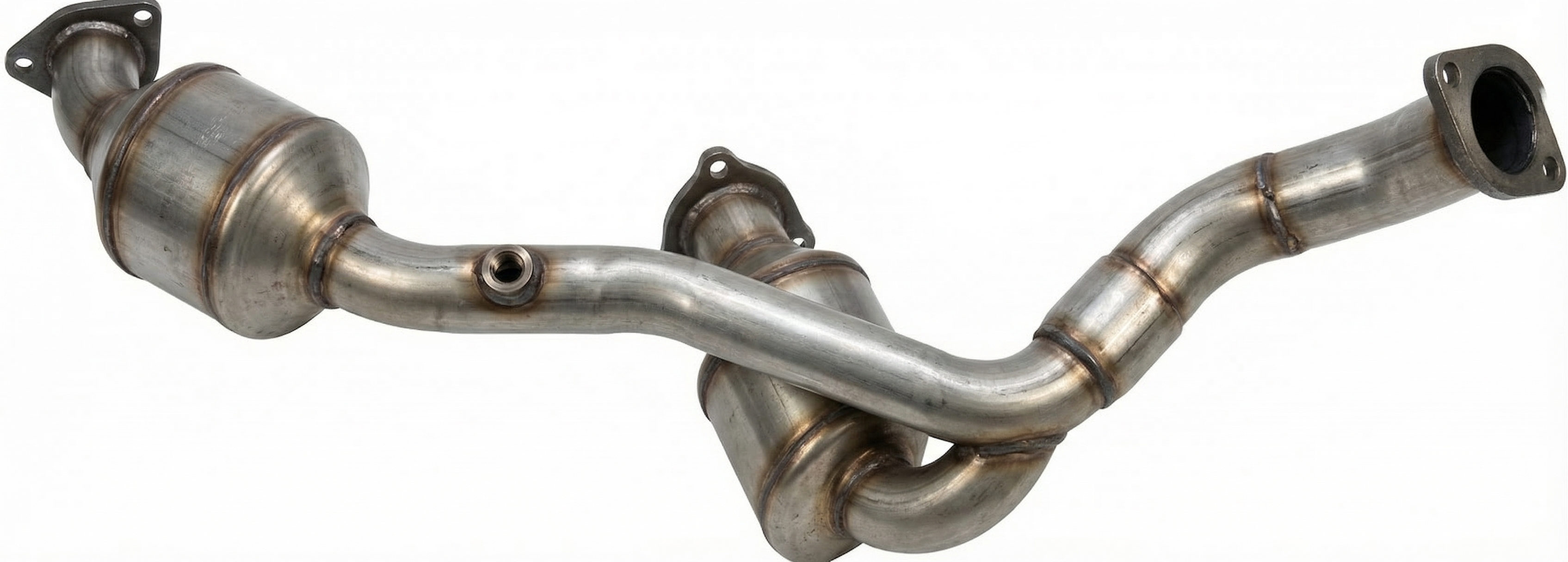
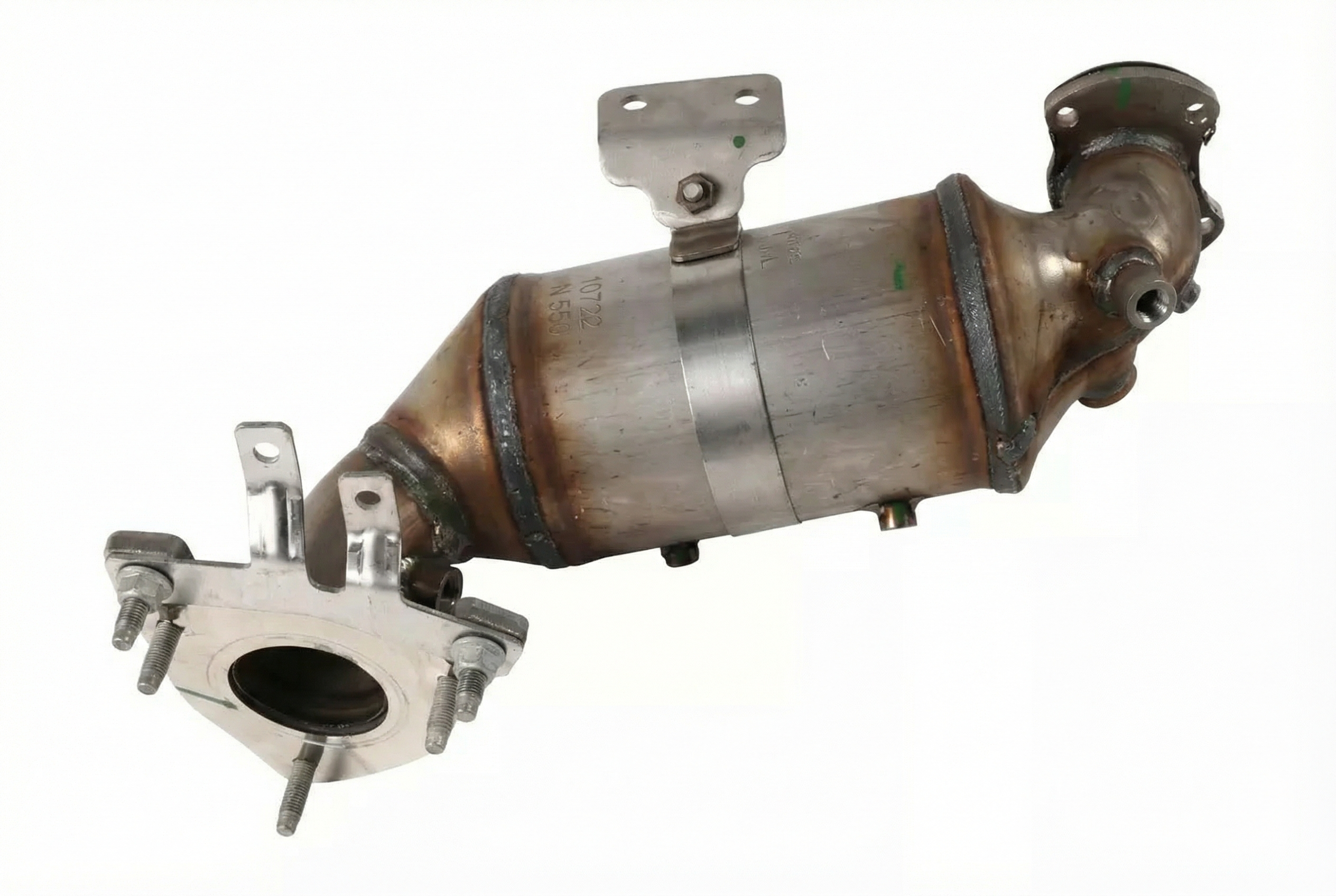
- Failing Catalytic Converter 🔴 High Probability → Shop Catalytic Converter Catalytic converters are wear items and can fail due to age, high mileage, or contamination from engine problems like burning oil or coolant. On high-mileage Escalades (150k+ miles), converter failure is a very common reason for P0420, as documented by many owners in forums.
How to confirm: A mechanic can use a scan tool to view live O2 sensor data. A healthy downstream sensor should show a steady, flat voltage, while a failing converter will cause it to fluctuate similarly to the upstream sensor. Another test is to use an infrared thermometer to measure the temperature before and after the converter; the outlet should be significantly hotter (at least 100°F) than the inlet on a properly functioning converter.
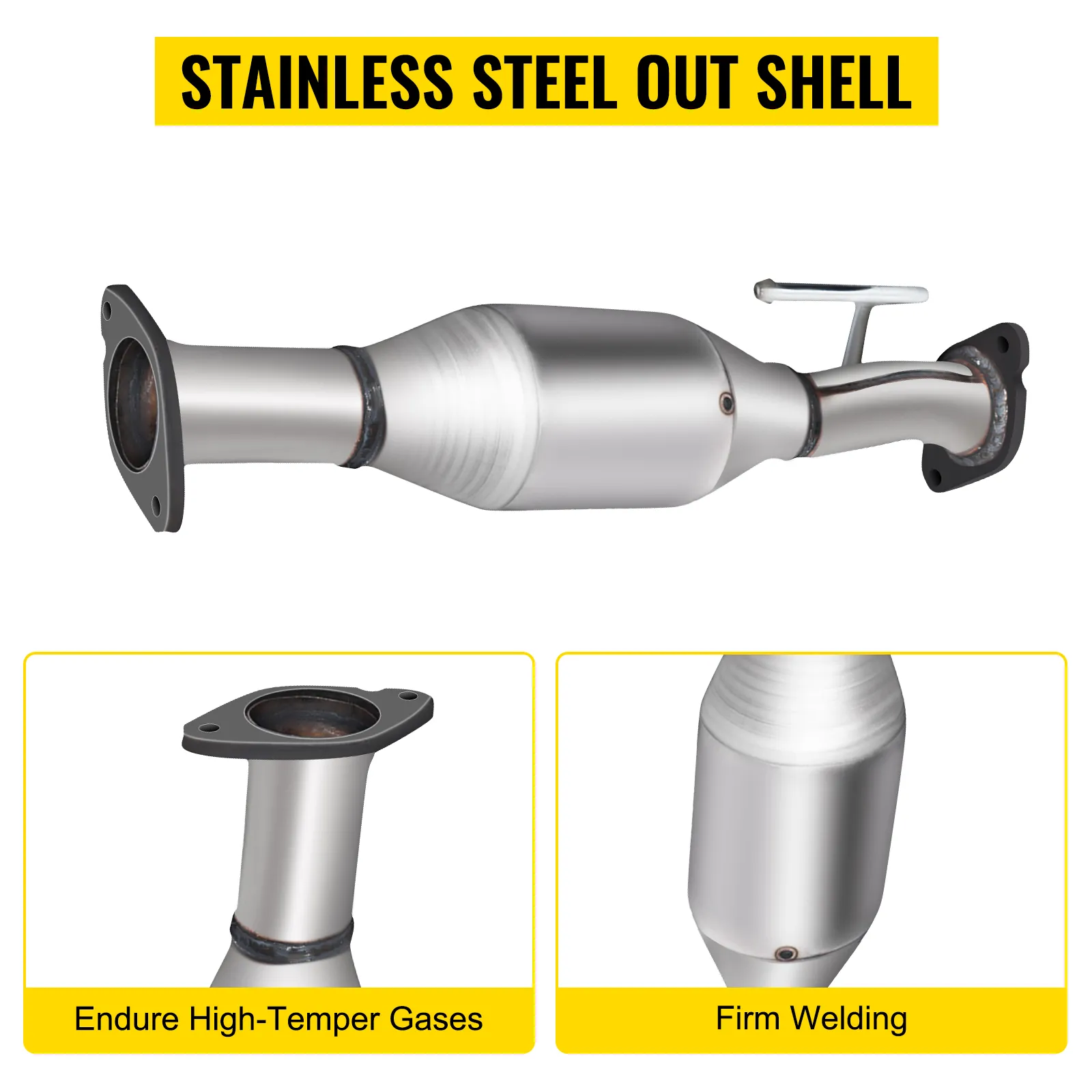
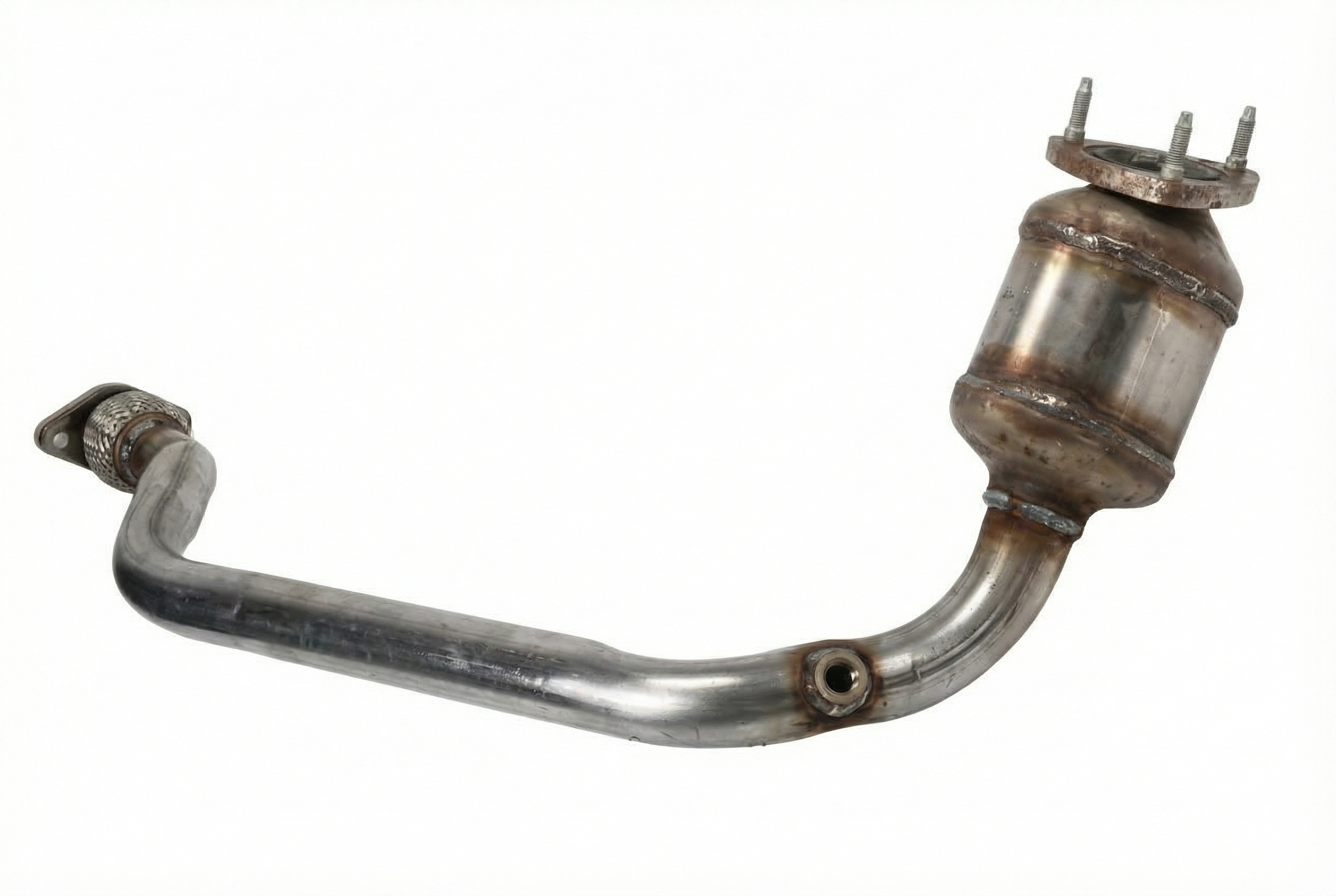
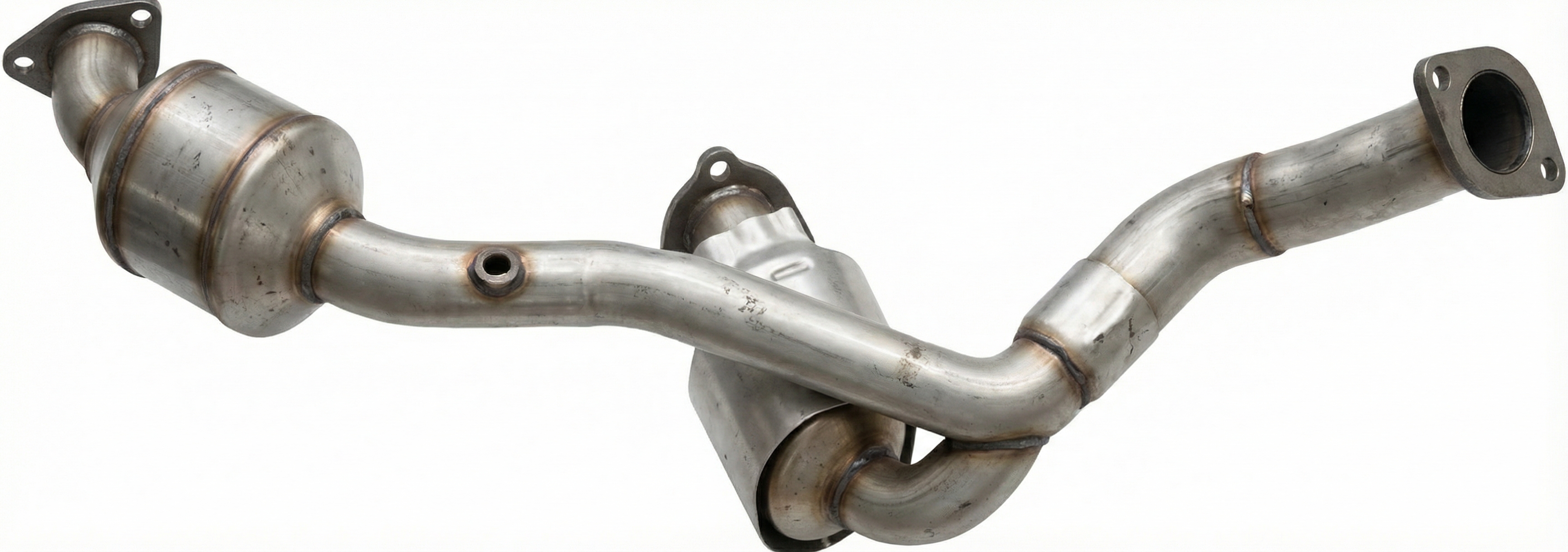
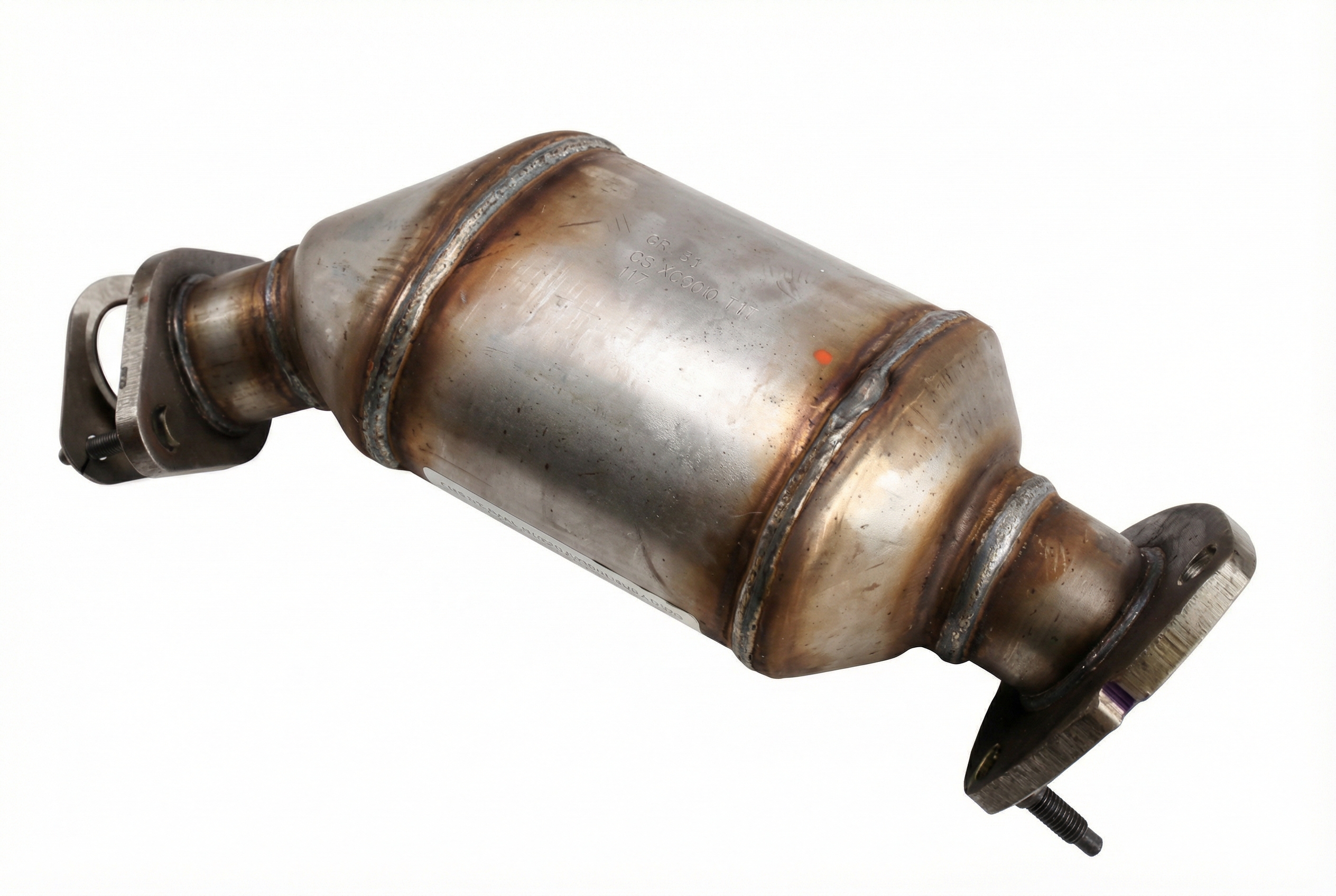
Typical fix: Replace the Bank 1 (driver's side) catalytic converter assembly. It is often recommended to replace both converters at the same time, as the other may fail soon after. Some owners opt for weld-in universal converters, while others choose direct-fit assemblies.
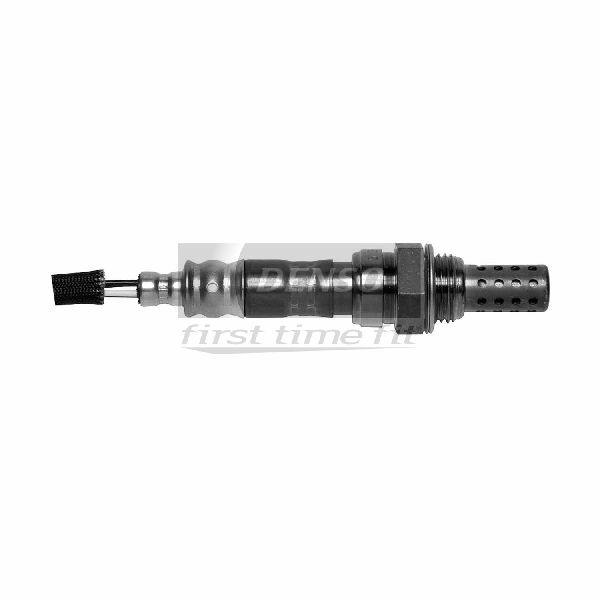
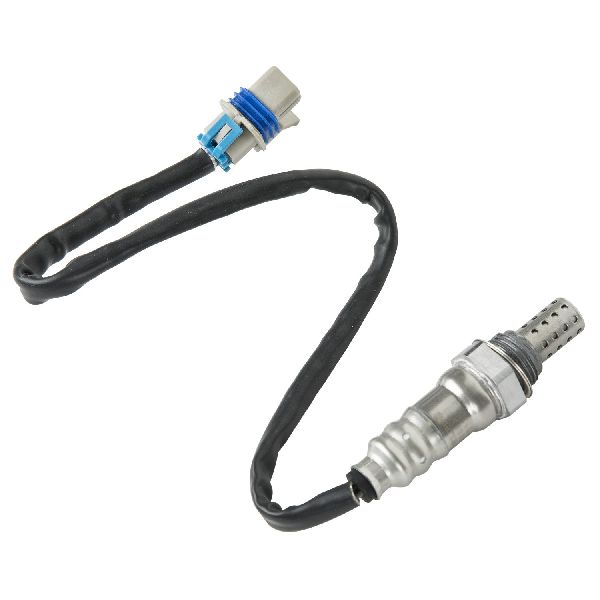
Est. part cost: $250-$800 for an aftermarket direct-fit assembly; $1000+ for OEM. - Faulty Downstream Oxygen (O2) Sensor 🟡 Medium Probability → Shop Oxygen Sensor O2 sensors can become slow or 'lazy' with age and send inaccurate readings to the computer, falsely indicating a bad converter. Many owners have successfully fixed a P0420 code by simply replacing the Bank 1, Sensor 2 (downstream) O2 sensor. It's a common first step due to its low cost compared to a converter.
How to confirm: The best way is to graph the sensor's voltage with a scan tool to check for a slow or erratic signal. A simple diagnostic step is to swap the downstream O2 sensors from Bank 1 and Bank 2. Clear the codes and drive. If the code changes to P0430 (Bank 2), the sensor is confirmed to be faulty.
Typical fix: Replace the Bank 1, Sensor 2 (downstream, driver's side) oxygen sensor. A common OEM part number for 2008-2014 models is ACDelco 213-4229.
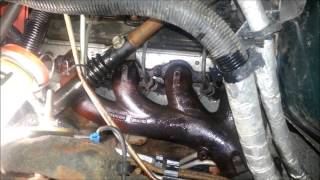
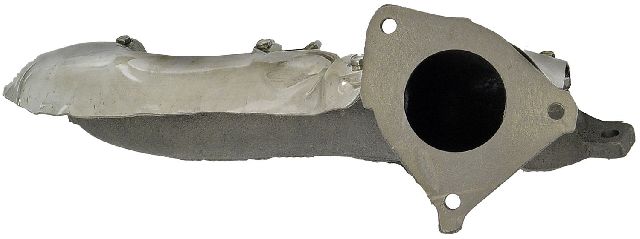
Est. part cost: $35-$85 for an aftermarket sensor; $60-$150 for an OEM (ACDelco) sensor. - Exhaust Leak (Cracked Manifold / Broken Bolts) 🟡 Medium Probability The exhaust manifolds on GM V8s of this era are notorious for breaking the rearmost bolts, causing a leak between the cylinder head and the manifold. A leak anywhere between the engine and the downstream O2 sensor can let outside air into the exhaust, which the sensor reads as excess oxygen, tricking the computer into setting a P0420 code.
How to confirm: Listen for a distinct ticking or hissing noise from the engine bay, which is often louder when the engine is cold and may quiet down as the metal expands. A visual inspection may reveal black soot trails near manifold gaskets. A smoke test is the most effective way to pinpoint the exact location of a leak.
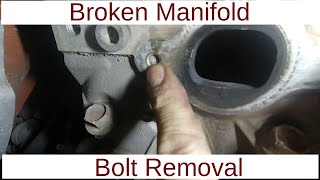
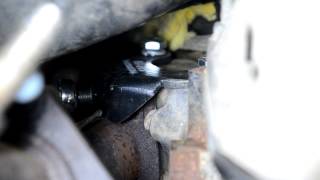
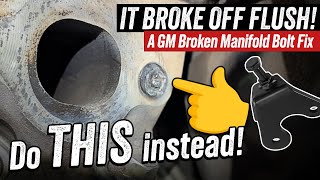
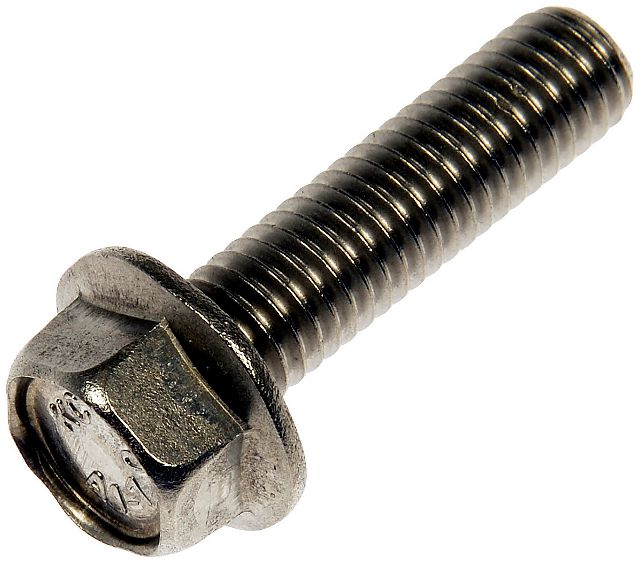
Typical fix: Replace the leaking exhaust manifold gasket and any broken bolts. If the manifold itself is cracked, it must be replaced. For broken bolts that are difficult to extract, aftermarket repair brackets (e.g., Dorman or Kral) are available that clamp the manifold to the head using other 🎬 Watch: How to use repair brackets for broken manifold bolts bolt holes.
Est. part cost: $20-$50 for gaskets; $100-$300 for an aftermarket exhaust manifold; $30-$60 for a repair bracket clamp.
Rare But Worth Checking
- Engine Misfires or Fuel System Issues: An engine that is misfiring or running rich can send unburned fuel into the exhaust, which will overheat and destroy the catalytic converter's internal structure. If you have other codes like P0300 (Random Misfire) or fuel trim codes (P0172, P0175), you must fix those problems first, or you will destroy the new catalytic converter.
- Aftermarket Catalytic Converter Issues: → Shop Catalytic Converter Some owners report that after replacing a failed converter with a cheaper, non-OEM aftermarket unit, the P0420 code returns. This can be due to lower-quality converters that don't have enough precious metal loading to satisfy the PCM's efficiency test, even when new.
- New Catalytic Converter Break-in: → Shop Catalytic Converter GM issued TSB PIP3119N (and later revisions like PIP3119P) which states that a new converter needs a specific break-in period to out-gas materials. If the diagnostic runs too soon after replacement, it can falsely set a P0420 or P0430 code. The fix is to clear the codes and perform a specific highway drive cycle to complete the break-in.
Diagnosis Steps
- Read Freeze Frame Data: Check the freeze frame data on your OBD-II scanner to see the engine conditions (speed, load, temperature) when the code was set.
- Inspect for Exhaust Leaks: Visually and audibly inspect the exhaust system from the engine manifolds to the rear O2 sensors. Pay close attention to the exhaust manifold bolts, especially the rearmost one on the driver's side. Look for cracks, broken bolts, or soot trails. A smoke test is the most reliable method.
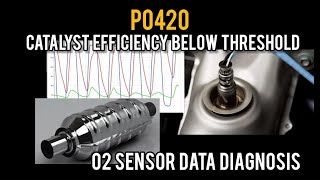
- Analyze O2 Sensor Data: Use a scan tool with live data graphing. Observe the voltage of the Bank 1 Sensor 1 (upstream) and Bank 1 Sensor 2 (downstream). The upstream sensor should fluctuate rapidly between ~0.1V and ~0.9V. The downstream sensor should remain relatively stable and steady. If the downstream sensor is mirroring the upstream, it points towards a bad converter.
- Test the O2 Sensor: If the data is inconclusive, swap the downstream (Sensor 2) O2 sensors between Bank 1 and Bank 2. Clear the codes and drive. If the code returns as P0430, the O2 sensor you moved is faulty.
- Check for Root Causes: If you have any misfire (P030x) or fuel system codes (P017x), diagnose and repair those issues before proceeding to prevent damaging a new converter.
- Test the Catalytic Converter: If all other possibilities are ruled out, perform a temperature test on the converter. The outlet pipe should be at least 100°F hotter than the inlet pipe after the engine is fully warmed up. If it's not, the converter is likely clogged or not working.
Parts You'll Likely Need
- Bank 1 Catalytic Converter — This is the most common direct cause of the P0420 code, especially on higher mileage vehicles where the catalyst materials have degraded over time.
- Bank 1, Sensor 2 (Downstream) Oxygen Sensor
(OEM #ACDelco 213-4229 (example for 2008-2014))— A faulty or 'lazy' downstream O2 sensor is a frequent misdiagnosis for a bad converter. It's often replaced as a first step due to its lower cost and high probability of being the culprit. - Exhaust Manifold Gasket and Bolts — Broken rear exhaust manifold bolts are a well-known issue on these GM V8 engines, causing leaks that trigger P0420. Replacing the gasket and bolts (or using a repair clamp) is a common fix.
Related Codes That Often Appear With This One
- P0430 — This is the identical code for Bank 2 (passenger side). It's common for both converters to degrade at a similar rate, or for an underlying engine issue to affect both banks, causing both codes to appear together.
- P0300-P0308 — These are misfire codes (P0300 for random, P0301-P0308 for specific cylinders). An engine misfire is a primary cause of catalytic converter failure, as it allows unburned fuel to enter the exhaust and overheat the converter. If you see these codes with P0420, the misfire must be fixed first.
- P0172 / P0175 — These codes indicate a rich fuel condition on Bank 1 and Bank 2, respectively. A rich condition can overwhelm and damage the catalytic converter over time. Addressing the cause of the rich condition is necessary before replacing the converter.
Technical Service Bulletins (TSBs) & Recalls
- PIP3119N / PIP3119P: Addresses the potential for a false P0420/P0430 code on new or recently replaced catalytic converters that have not completed a proper break-in procedure. Recommends a specific drive cycle to resolve.
Platform-Specific Known Issues
- Broken Rear Exhaust Manifold Bolts: → Shop Exhaust Manifold The V8 engines in these trucks are well-known for the rearmost exhaust manifold bolts (closest to the firewall) snapping off due to heat cycles. This creates an exhaust leak that is a very common cause of a false P0420 code. The leak is often heard as a 'tick' when the engine is cold.
Mechanic-Grade Diagnostic Values
- Upstream O2 Sensor (Bank 1, Sensor 1) Voltage — expected: Rapidly fluctuating between approximately 0.1V (lean) and 0.9V (rich) on a warm, closed-loop engine.. Failure: A slow or non-responsive sensor, or one that is stuck high or low.
- Downstream O2 Sensor (Bank 1, Sensor 2) Voltage — expected: A relatively stable and steady voltage, typically between 0.4V and 0.7V, when the catalytic converter is working efficiently at operating temperature.. Failure: Voltage that rapidly fluctuates and mirrors the pattern of the upstream sensor, indicating the converter is not storing oxygen.
- Catalytic Converter Temperature Differential — expected: The outlet pipe should be at least 100°F hotter than the inlet pipe when the engine is warm and running around 2000 RPM.. Failure: The outlet temperature is the same as or cooler than the inlet, indicating the converter is not performing its exothermic reaction.
Hidden / Shadow Codes Worth Checking
- Mode $06, Test ID $21: This refers to the onboard diagnostic test for Catalyst Monitoring. A scan tool capable of reading Mode $06 data can show the raw test results from the PCM's last catalyst efficiency test. (see via Use a professional scan tool or an advanced consumer scanner that supports Mode $06 data. The values are compared against a min/max threshold to determine a pass or fail.)
Scan Tool Commands That Help
- Tech2 / GDS2 or equivalent professional scanner: Heated O2 Sensor Relearn — After replacing one or more oxygen sensors. This function may be required to ensure the PCM correctly recognizes and utilizes the new sensor's readings.
- Tech2 / GDS2 or equivalent professional scanner: Catalyst System Test — This is a bidirectional function that forces the catalyst monitor to run, allowing a technician to evaluate the system's performance on demand without having to perform a full drive cycle.
Wiring & Ground Locations
- G103 / G104 — On GMT800/GMT900 platforms, key engine grounds are typically located on the engine block. G103 is often at the left front of the engine block, part of the main negative battery cable harness. G104 can be on the rear of the passenger side cylinder head.. Poor engine grounding can introduce electrical noise and voltage offsets, leading to inaccurate sensor readings. The PCM and O2 sensors rely on a stable ground reference. A corroded or loose G103 or G104 can cause a variety of phantom issues, including incorrect O2 sensor data that could trigger a P0420.
- O2 Sensor Harness Connector — Follow the wire from the Bank 1 Sensor 2 (driver's side, post-cat) up to its connection point on the chassis or transmission.. The wiring harness for the downstream sensor can be damaged by road debris or excessive heat from the exhaust. A frayed wire or corroded connector can cause erratic or incorrect voltage signals, mimicking a sensor or converter failure.
Real Owner Repair Stories
- Tahoe Yukon Forum user 'mftrnr' (2007-2014 GM SUV (specific model not stated, but from relevant forum)) — P0420 code appeared after fixing a rich fuel condition (P0172/P0175).
❌ Tried (didn't work) Fixing the root cause of the rich fuel condition (P0172/P0175) and resetting the fuel composition.
✅ What actually fixed it The user was advised by others that after fixing a rich condition that likely damaged the converter, the only remaining fix for the persistent P0420 was to replace the catalytic converter itself. - Reddit user r/MechanicAdvice (2007 Escalade, 110k miles) — P0420 and P0430 codes, white smoke from exhaust, occasional stalling at red lights.
❌ Tried (didn't work) The user had been 'throwing parts at it' for a month, implying common fixes like O2 sensors may have been attempted without success.
✅ What actually fixed it The user was advised that the combination of white smoke, stalling, and dual catalyst codes strongly pointed to a head gasket failure. Coolant entering the exhaust was likely contaminating the O2 sensors and catalytic converters, and the stalling was due to engine performance issues. The fix would be to test for and repair the head gasket before addressing the emissions components.
When the Usual Fixes Don't Work
- While many online forums suggest that a cheap aftermarket catalytic converter will cause the P0420 code to return quickly, some owners have had success. However, a significant number of stories confirm that after installing a non-OEM converter, the code returned within weeks or months. This suggests that while it's not a guaranteed failure, the risk of a comeback code is much higher with budget parts compared to OEM or high-quality aftermarket units that have the proper precious metal loading.
Model Year Variations Within This Range
- 2007-2011: The GMT900 generation (2007+) introduced the 6.2L V8 with Active Fuel Management (AFM), also known as Displacement on Demand (DOD). Some of these engines are prone to high oil consumption due to issues with piston rings or the AFM lifters. This excessive oil burning can foul oxygen sensors and prematurely clog or poison the catalytic converters, leading to a P0420 code. This is less of a concern on the pre-2007 GMT800 models.
- 2004-2006 vs 2007-2011: The physical shape, pipe routing, and part numbers for the catalytic converters and all four oxygen sensors are different between the GMT800 (2nd gen) and GMT900 (3rd gen) platforms due to changes in the chassis, exhaust routing, and engine. Parts are not interchangeable between generations.
Helpful Videos
Used OEM Parts in Stock
New Aftermarket Parts Available


The information in this article is provided for general reference and educational purposes only. Vehicle specifications, procedures, and part compatibility can vary by production date, trim level, and region. Always consult your vehicle's factory service manual and verify part numbers before purchasing or performing repairs. Safety-critical components such as airbags, seat belts, and braking systems should be installed by a qualified professional.
- Cadillac ESCALADE ESV:
- 🧭 Diagnostic Flowchart
- 🎬 Helpful Videos
- 🛍️ Shop This Part
- What's Unique About the 2004-2011 Cadillac ESCALADE ESV
- Symptoms You May Notice
- Most Likely Causes
- Rare But Worth Checking
- Diagnosis Steps
- Parts You'll Likely Need
- Related Codes That Often Appear With This One
- Technical Service Bulletins (TSBs) & Recalls
- Platform-Specific Known Issues
- Mechanic-Grade Diagnostic Values
- Hidden / Shadow Codes Worth Checking
- Scan Tool Commands That Help
- Wiring & Ground Locations
- Real Owner Repair Stories
- When the Usual Fixes Don't Work
- Model Year Variations Within This Range
- 🎟️ Get 5% Off