

P0420 on 2013-2018 Cadillac XTS 3.6L: Cracked Converter, O2 Sensors, and Fixes
On the 2013-2018 Cadillac XTS with the 3.6L engine, code P0420 is most often caused by a cracked catalytic converter, a known issue documented in a GM Technical Service Bulletin (TSB). While an O2 sensor is a possible cause, expect to diagnose and likely replace the Bank 1 converter, a repair costing $1,400 or more.
- For the 2013-2018 XTS 3.6L, P0420 is very likely a cracked catalytic converter, not just a sensor.
- Always perform a careful visual inspection of the Bank 1 (firewall side) converter flange for cracks before buying any parts.
- Do not replace the expensive converter without ruling out other issues like misfires or fuel system problems that could damage the new part.
- Replacing the Bank 1 converter is a difficult DIY job due to its location on the firewall side of the engine.
- The official GM fix is to replace the entire converter assembly with the updated part number specified in TSB 17-NA-321.
What's Unique About the 2013-2018 Cadillac XTS
While on many vehicles a P0420 code is a toss-up between a bad O2 sensor and a bad converter, the 2013-2018 Cadillac XTS has a specific, documented weakness. General Motors issued Technical Service Bulletin #17-NA-321 which identifies a tendency for the catalytic converter assembly to crack near the mounting flange. This known failure point means a P0420 code on this specific vehicle has a very high probability of being caused by a physically failed catalytic converter, not just a simple sensor issue. This issue is also common on platform mates like the Chevrolet Impala.
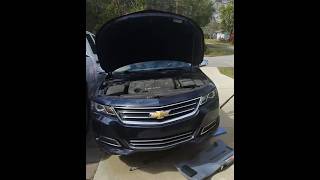
🎬 Watch: This walkthrough shows how to replace the converter on an Impala.Diagnostic Flowchart
Tap your situation to follow the diagnostic path that matches what you're seeing on this vehicle.
Symptoms You May Notice
- Check Engine Light is on
- An exhaust smell in or around the vehicle.
- Reduced engine power or sluggish acceleration, especially if the converter is clogged
- A sulfur or "rotten egg" smell from the tailpipe.
- Failing a state emissions inspection
- Replacing the oxygen sensors without first inspecting the catalytic converter for the common crack described in TSB 17-NA-321.
- Replacing the catalytic converter without first checking for engine misfires or rich fuel conditions that may have caused the original converter to fail.
- Replacing the catalytic converter without addressing a root cause of oil consumption, which will poison the new converter.
Most Likely Causes
- Cracked or Failed Catalytic Converter (Bank 1) 🔴 High Probability → Shop Catalytic Converter GM Technical Service Bulletin #17-NA-321 (which supersedes PIP5419B) specifically calls out a known issue where the converter assembly cracks near the mounting flange on the 3.6L LFX engine.
How to confirm: Perform a thorough visual inspection of the Bank 1 (firewall side) catalytic converter, focusing on the welded flange where it bolts to the engine. Look for hairline cracks or black soot indicating a leak. An exhaust shop can use a smoke machine to confirm.
Typical fix: Replace the entire Bank 1 catalytic converter assembly. Per the TSB, this is the official correction.
Est. part cost: $1000-$1200 - Faulty Downstream Oxygen Sensor (Bank 1, Sensor 2) 🟡 Medium Probability → Shop Oxygen Sensor
How to confirm: Use a scan tool to graph the voltage of the Bank 1 Sensor 2. A healthy sensor on a good converter will show a relatively steady voltage (e.g., 0.6-0.8V). If the voltage is stuck, flatlined, or fluctuating rapidly like the upstream sensor, the sensor itself may be faulty. A DIY replacement is possible with an O2 sensor socket.
Typical fix: Replace the Bank 1, Sensor 2 oxygen sensor. This is located after the catalytic converter on the firewall side of the engine.
Est. part cost: $50-$150 - Exhaust Leak (Upstream of Converter) ⚪ Low Probability Aside from the TSB-related crack, exhaust gaskets can fail. A missing gasket or improperly seated clamp after an aftermarket exhaust installation has been documented as a cause for P0420 on a similar 3.6L platform.
How to confirm: Listen for ticking or hissing noises from the exhaust manifold area, especially when the engine is cold. A mechanic can use a smoke machine to pinpoint leaks from gaskets or pipes before the converter. Check for missing or improperly seated clamps at flange connections if a recent repair was performed.
Typical fix: Replace the leaking exhaust manifold gasket or repair the leaking section of pipe.
Est. part cost: $20-$200 - Engine Misfire or Rich Fuel Condition ⚪ Low Probability
How to confirm: Check for other trouble codes, such as misfire codes (P0300-P0306) or fuel trim codes (P0172, P2097). A rich condition from a leaking fuel injector or fouled spark plugs can destroy a new converter over time.
Typical fix: Address the root cause of the misfire or rich condition first (e.g., replace spark plugs, ignition coils, or faulty fuel injectors) before replacing the catalytic converter.
Est. part cost: $50-$500
Rare But Worth Checking
- Catalyst Poisoning from Oil Consumption:
Diagnosis Steps
- Check for other DTCs with an OBD-II scanner. Codes for misfires, fuel system issues, or O2 sensor circuits must be addressed first.
- Visually inspect the Bank 1 (firewall side) catalytic converter. Pay extremely close attention to the welded flange area for any signs of cracks or soot, as indicated by TSB 17-NA-321.
- Inspect the entire exhaust system for any other leaks between the engine and the rear O2 sensor. Check flange connections for missing gaskets or loose clamps, especially if recent work has been done.
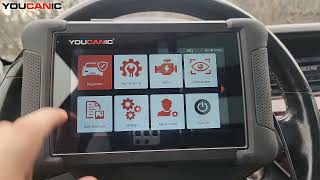
- Use a scan tool with live data graphing capabilities. Warm the engine 🎬 See how to check O2 sensor live data with a scanner. to operating temperature.
- Observe the voltage graphs for the Bank 1 Upstream (Sensor 1) and Downstream (Sensor 2) O2 sensors.
- A good system will show Sensor 1 fluctuating rapidly between ~0.1V and ~0.9V, while Sensor 2 remains relatively steady and stable.
- If Sensor 2's graph mirrors the rapid fluctuations of Sensor 1, the catalytic converter is not working and has failed.
- If Sensor 2's voltage is flat, stuck, or slow to respond, the sensor itself is likely the problem.
- If all of the above check out, investigate potential contamination from a rich-running engine (leaking injectors) or burning oil/coolant, a known issue with the LFX engine.
Parts You'll Likely Need
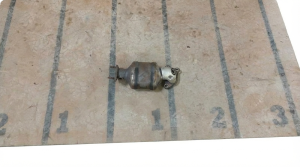
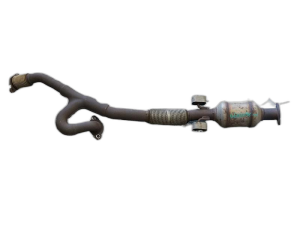
- Catalytic Converter Assembly (Bank 1)
(OEM #84216836 (superseded by 19420239))— This is the most common failure for P0420 on this vehicle, as documented by GM's own service bulletin for a cracking issue.
Trusted brands: ACDelco (OEM), Walker, MagnaFlow
OEM price range: $1100-$1300
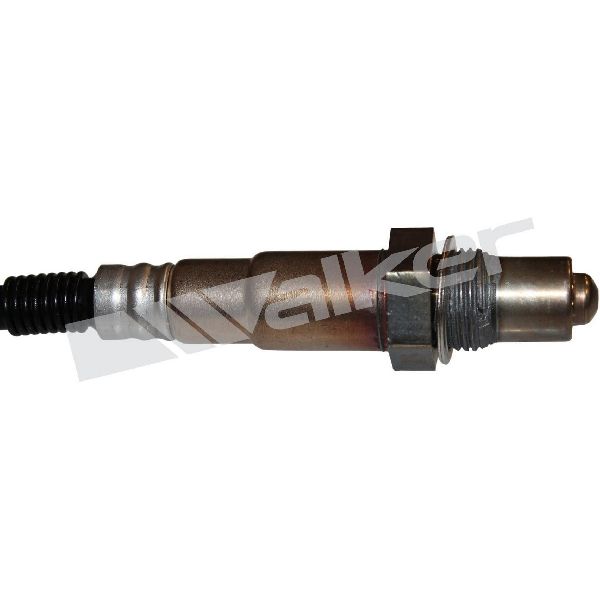
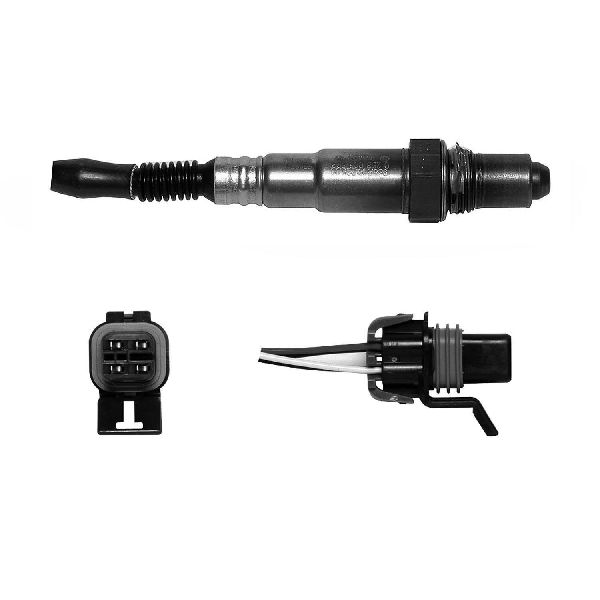
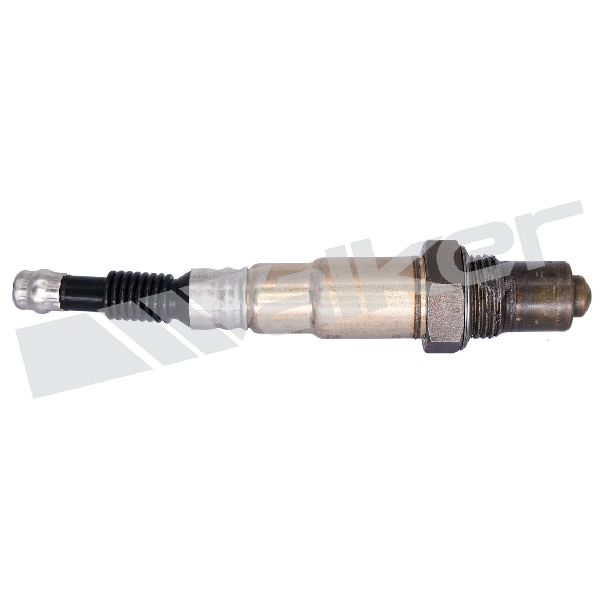
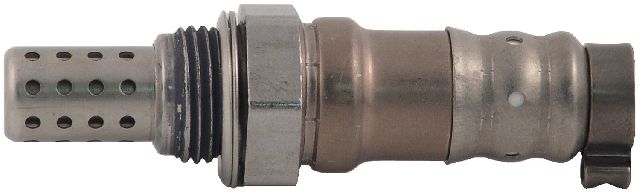
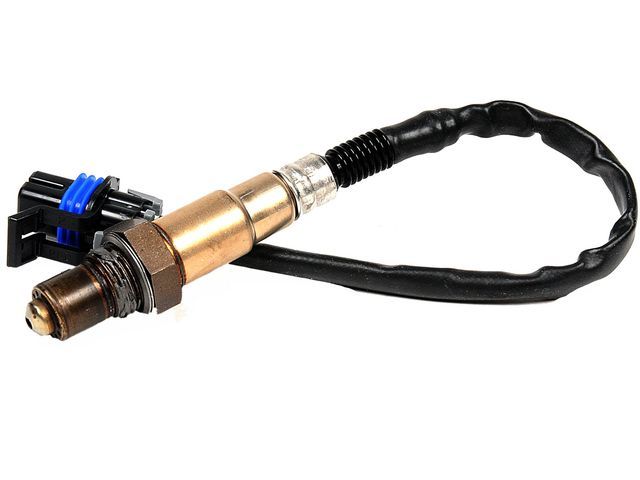
Aftermarket price range: $400-$700 - Downstream Oxygen Sensor (Bank 1, Sensor 2)
(OEM #ACDelco 213-4764)— This sensor is the second most likely cause if the catalytic converter is confirmed to be physically intact. It can fail and send incorrect data, falsely triggering the P0420 code.
Trusted brands: ACDelco, Denso, Bosch
OEM price range: $100-$180
Aftermarket price range: $50-$90
Related Codes That Often Appear With This One
- P0430 — This is the same efficiency code but for Bank 2 (radiator side). The TSB for the cracked converter applies to both banks, so it's possible for both to fail and set both codes.
- P0300-P0306 — Misfire codes. An engine misfire allows unburnt fuel to enter the exhaust, which can overheat and damage the catalytic converter, leading to a P0420 code.
- P2097 — Post Catalyst Fuel Trim System Too Rich Bank 1. A long-term rich condition that triggers a P2097 code will eventually overheat and destroy the catalytic converter, leading to a P0420 code.
Technical Service Bulletins (TSBs) & Recalls
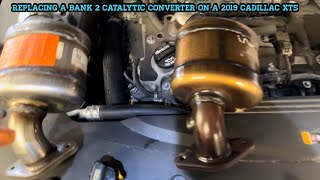
- 17-NA-321: States that customers may report an exhaust smell or leak, with DTC P0420/P0430 set, due to a crack around the catalytic converter mounting flange. The fix is replacement of the converter assembly. 🎬 Watch: A mechanic replaces the Bank 2 catalytic converter on an XTS. This bulletin replaced PIP5419B and has been updated multiple times with corrected part numbers.
Platform-Specific Known Issues
- A known issue documented in TSB #17-NA-321 involves cracks forming around the catalytic converter's mounting flange, causing an exhaust leak and triggering P0420 or P0430.
- The 3.6L LFX engine family can be prone to oil consumption, which can poison the catalytic converter over time, leading to premature failure.
Mechanic-Grade Diagnostic Values
- Downstream O2 Sensor (Bank 1, Sensor 2) Voltage — expected: Relatively stable voltage between 0.6V and 0.8V at a steady cruise.. Failure: Voltage fluctuates rapidly, mirroring the upstream sensor, or is stuck high (consistently >0.85V).
- Catalytic Converter Temperature Differential — expected: The outlet pipe temperature should be at least 100°F hotter than the inlet pipe temperature when the engine is held at 2,000 RPM.. Failure: The outlet temperature is the same as or cooler than the inlet temperature, indicating the catalyst is not working.
- O2 Sensor Heater Circuit Resistance — expected: Typically 5-7 Ω.. Failure: A reading outside of the specified range indicates a faulty heater element within the sensor.
- Low-Pressure Fuel System Pressure — expected: 81-87 psi.. Failure: Pressure outside this range can indicate a fuel delivery problem that could affect the air/fuel ratio and damage the converter.
Hidden / Shadow Codes Worth Checking
- Mode $06, TID $81: This is not a DTC, but an onboard test result for the Catalyst Efficiency Monitor for Bank 1. It shows the measured efficiency value versus the acceptable threshold. A failing value here can precede the P0420 code. (see via A professional scan tool capable of displaying Mode $06 data. The specific Test ID (TID) and Component ID (CID) may vary slightly by year and software calibration.)
Scan Tool Commands That Help
- GDS2 / Professional Scan Tool: Injector Balance Test (using AFIT CH-47976) — Use when a rich fuel condition is suspected of contaminating the catalytic converter. GM TSBs for related codes recommend this test to identify leaking or poorly performing injectors before replacing a catalytic converter.
- OBD-II Scan Tool: View Mode $07 (Pending Codes) — After a repair and clearing codes, performing a drive cycle and then checking for pending codes can confirm if the issue is resolved before the Check Engine Light re-illuminates.
Wiring & Ground Locations
- G101 — On the front of the engine, lower block.. This is a primary ground for the Engine Control Module (ECM). A poor connection here due to corrosion or looseness can cause erratic behavior and incorrect readings from all engine sensors, including the O2 sensors, potentially leading to a false P0420 code.
- G103 — Located on the left front of the engine compartment.. This ground serves multiple components, including the Data Link Connector (DLC). A fault here can interfere with scan tool communication during diagnosis.
- Fuse #8 (Post-Catalytic O2 Sensors) — In the underhood fuse block (location based on similar GM platforms).. On some GM vehicles with the 3.6L engine, the downstream (post-cat) oxygen sensors run on a dedicated fuse. A partially blown or corroded fuse could cause incorrect voltage to the sensor heater circuit, affecting its reading.
Real Owner Repair Stories
- Camaro6 Forums (2018 Chevrolet Camaro ZL1 (similar 3.6L engine family)) — Persistent P0420 code returned almost immediately after every attempted fix.
❌ Tried (didn't work) Replacing the O2 sensor, Replacing the catalytic converter, Adding a missing exhaust clamp
✅ What actually fixed it The owner and forum members concluded the cause was a very small exhaust leak at the slip connection of the aftermarket cat-back exhaust, upstream of the Bank 1 Sensor 2. The final fix was to have an exhaust shop properly reseat and re-clamp the pipes to eliminate the leak. - YouTube User Comment (Not specified, but general automotive case) — P0420 code appeared on a car with a brand new catalytic converter.
❌ Tried (didn't work) Replacing the O2 sensors, assuming the new cat must be good.
✅ What actually fixed it The root cause was found to be bad spark plugs, which were causing a misfire and dumping unburnt fuel into the exhaust. This destroyed the new catalytic converter. The code was only resolved after replacing the spark plugs AND replacing the catalytic converter a second time.
"I Checked Everything" — The Actual Cause
- In cases where a smoke test reveals no exhaust leaks and O2 sensors appear to be switching correctly, the root cause is often an underlying engine performance issue that contaminated the converter. A user reported having to replace a brand-new catalytic converter because they failed to first fix the bad spark plugs that were causing a rich condition, which poisoned the new part. A standard P0420 diagnosis might not look upstream to the ignition system, assuming the converter itself is the only problem.
OEM Part Supersession History
84216836, 23276243, 84647488→19420239— Part has been updated by GM multiple times to integrate new materials or design revisions.
Heads up: The Bank 1 (Left/Firewall side) converter is specific. Ensure the part number is correct for the XTS, as converters for other 3.6L applications may not fit.
Model Year Variations Within This Range
- 2013-2018: The 3.6L V6 was available in two main versions: the naturally aspirated LFX and the twin-turbo LF3 (V-Sport models). While they share the E78 ECM platform, their software and some components differ. The TSB for the cracked catalytic converter flange specifically applies to the LFX engine.
Helpful Videos
Used OEM Parts in Stock
New Aftermarket Parts Available


The information in this article is provided for general reference and educational purposes only. Vehicle specifications, procedures, and part compatibility can vary by production date, trim level, and region. Always consult your vehicle's factory service manual and verify part numbers before purchasing or performing repairs. Safety-critical components such as airbags, seat belts, and braking systems should be installed by a qualified professional.
- Cadillac XTS:
- 🧭 Diagnostic Flowchart
- 🎬 Helpful Videos
- 🛍️ Shop This Part
- What's Unique About the 2013-2018 Cadillac XTS
- Symptoms You May Notice
- Most Likely Causes
- Rare But Worth Checking
- Diagnosis Steps
- Parts You'll Likely Need
- Related Codes That Often Appear With This One
- Technical Service Bulletins (TSBs) & Recalls
- Platform-Specific Known Issues
- Mechanic-Grade Diagnostic Values
- Hidden / Shadow Codes Worth Checking
- Scan Tool Commands That Help
- Wiring & Ground Locations
- Real Owner Repair Stories
- "I Checked Everything" — The Actual Cause
- OEM Part Supersession History
- Model Year Variations Within This Range
- 🎟️ Get 5% Off