

P0420 on 2007-2011 Chevrolet Express: Causes for Catalyst System Inefficiency
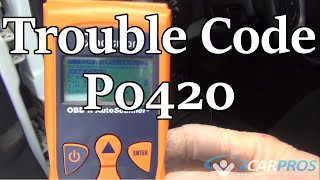
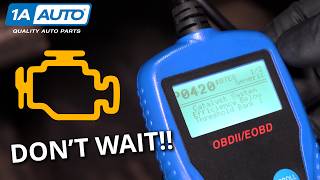
The P0420 code on a 2007-2011 Chevy Express means the catalytic converter on Bank 1 is failing its efficiency test. The most common causes are a worn-out catalytic converter, an exhaust leak (especially broken manifold bolts or leaks after the rear O2 sensor as per GM TSBs), or a faulty oxygen sensor. A full repair can range from a simple gasket replacement to a new converter costing over $1,000.
- P0420 means the Bank 1 catalytic converter is not cleaning the exhaust effectively.
- Before replacing the expensive catalytic converter, thoroughly inspect for exhaust leaks, especially after the rear O2 sensor, as per GM's own service bulletins.
- Use a scan tool to analyze O2 sensor data; this is the most reliable way to confirm if the converter has failed.
- Always check for and resolve any engine misfires or fuel mixture problems before replacing the catalytic converter to prevent repeat failure.
What's Unique About the 2007-2011 Chevrolet EXPRESS
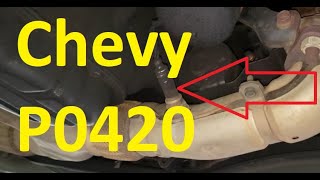
For this generation of Chevrolet Express and its twin, the GMC Savana, General Motors has issued specific guidance. Technical Service Bulletins (TSBs) PIP5110C and PIP5110B are critical, pointing technicians to check for exhaust leaks *after* the rear oxygen sensor. An air leak in this area can be pulled into the exhaust stream by pressure fluctuations, introducing excess oxygen and causing the downstream sensor to send a false reading that the PCM interprets as a failed converter. Another bulletin, PIP3119P, notes that the P0420 diagnostic monitor was sometimes disabled on low-mileage vehicles, suggesting a known sensitivity in the system from the factory. 🎬 Watch: Diagnosing P0420 causes and fixes for Chevrolet trucks. Furthermore, broken exhaust manifold bolts are a well-documented issue on the Vortec engines used in these vans, creating a significant leak at the cylinder head that can also trigger this code.
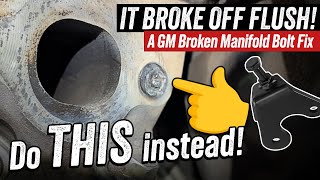
🎬 See this easy fix for broken exhaust manifold bolts.Diagnostic Flowchart
Tap your situation to follow the diagnostic path that matches what you're seeing on this vehicle.
Symptoms You May Notice
- Check Engine Light is on
- Failure to pass an emissions inspection
- Reduced engine power or acceleration, especially if the converter is clogged or blocked
- A rotten egg or sulfur smell from the exhaust, indicating the converter is overworked or failing
- A ticking or hissing sound from the engine bay or exhaust, especially on a cold start, which can indicate an exhaust leak
- Replacing the oxygen sensors when the catalytic converter is actually faulty.
- Replacing the catalytic converter when an exhaust leak (especially a manifold leak or one after the rear O2 sensor) is the true cause.
- Replacing the catalytic converter without fixing an underlying engine misfire or fuel mixture problem, leading to the new converter failing prematurely.
- Installing a cheap aftermarket catalytic converter that lacks sufficient catalyst materials, causing the P0420 code to return.
Most Likely Causes
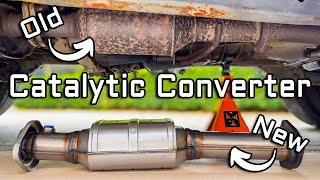
- Failing Catalytic Converter 🔴 High Probability → Shop Catalytic Converter Catalytic converters have a finite lifespan. In a work van like the Express, high mileage, prolonged idling, and stop-and-go driving contribute to wear. Underlying engine problems like misfires or burning oil can also overheat and destroy the converter's internal structure.
How to confirm: Use a scan tool to graph the upstream (Bank 1 Sensor 1) and downstream (Bank 1 Sensor 2) O2 sensor voltages. The upstream sensor should fluctuate rapidly (approx. 0.1V-0.9V). A good downstream sensor should hold a relatively steady, high voltage (above 0.6V). If the downstream sensor's graph mirrors the upstream, the converter is not working. An infrared thermometer can also be used; the outlet pipe should be at least 100°F hotter than the inlet pipe on a fully warmed-up, working converter.
Typical fix: Replace the Bank 1 catalytic converter. It is highly recommended to also replace the oxygen sensors at the same time.
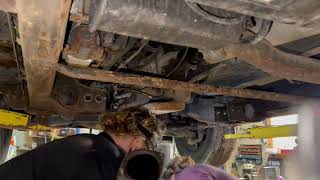
Est. part cost: $300-$1500 - Exhaust System Leak 🔴 High Probability As highlighted in TSB PIP5110C, these vans can develop leaks that trigger a false P0420. A very common failure point on these GM Vortec engines is broken exhaust manifold bolts, causing a leak at the cylinder head. Leaks at flanges, welds, or even small cracks after the rear O2 sensor can introduce oxygen and cause incorrect readings. The flex pipe located behind the catalytic converter is also a common failure point that can cause a leak and trigger the code.
How to confirm: Visually inspect the exhaust manifolds for broken bolt heads and black soot trails. Listen for a ticking noise on cold starts. Inspect the entire exhaust system for cracks or rust. A smoke test is the most effective way to find small, hard-to-see leaks.
Typical fix: Repairing the leak. This can range from replacing a gasket to the more intensive job of extracting broken manifold bolts and replacing them along with the gasket. Small cracks or holes can sometimes be sealed with exhaust putty or a wrap.
Est. part cost: $10-$250 - Faulty Oxygen (O2) Sensor 🟡 Medium Probability → Shop Oxygen Sensor O2 sensors are wear items and can become slow to respond ('lazy') or fail entirely due to age and contamination. A lazy downstream sensor can fail to report the converter's true efficiency, while a faulty upstream sensor can create a fuel mixture problem that damages the converter.
How to confirm: Test the sensor's response time and voltage output using a scan tool's graphing function. A common misdiagnosis is replacing the O2 sensor when the converter is the real issue, so proper testing is key. Using cheap, poor-quality aftermarket sensors is also a known cause of persistent codes.
Typical fix: Replace the faulty oxygen sensor. Many professionals recommend replacing both upstream and downstream sensors when replacing a catalytic converter.
Est. part cost: $50-$150 - Underlying Engine Performance Issues ⚪ Low Probability Issues like engine misfires (from bad spark plugs or ignition coils), or a rich/lean fuel mixture (from a faulty MAF sensor or leaking fuel injectors) can send unburnt fuel into the exhaust, overheating and destroying the catalytic converter. These root causes must be fixed to prevent repeat failure of a new converter.
How to confirm: Scan for other trouble codes. Misfire codes (P0300-P0308) or fuel trim codes (P0171, P0172, P0174, P0175) are strong indicators of a root cause that must be fixed before replacing the converter.
Typical fix: Address the root cause, which could involve replacing spark plugs, ignition coils, fuel injectors, or other sensors.
Est. part cost: $50-$500
Rare But Worth Checking
- Contaminated or Incorrect Fuel: Using fuel with high sulfur content or leaded gasoline (if available) can quickly poison the catalytic converter.
- Internal Engine Coolant or Oil Leak: A leaking head gasket or worn piston rings can allow coolant or oil to enter the exhaust, which will contaminate and clog the catalytic converter, leading to its failure.
- PCM Software Issues: In some cases, the logic within the Powertrain Control Module (PCM) can be overly sensitive. A dealer may have an updated software calibration to address this, as hinted at by TSB PIP3119P.
Diagnosis Steps
- Check for any other stored DTCs. Address any misfire, fuel system, or O2 sensor heater codes first, as they are often the root cause.
- Perform a thorough visual inspection of the exhaust system. Look for black soot trails around the exhaust manifold, indicating broken bolts or a bad gasket. Inspect all flanges and welds for signs of leaks. Pay close attention to the area after the rear O2 sensor as per TSB PIP5110C.
- Use a scan tool to monitor live data for the Bank 1 upstream (Sensor 1) and downstream (Sensor 2) oxygen sensors. At a steady 2500 RPM, the upstream sensor should fluctuate rapidly between ~0.1V and ~0.9V. The downstream sensor should remain relatively stable and high (above 0.6V).
- If the downstream O2 sensor reading fluctuates in sync with the upstream sensor, the catalytic converter is likely inefficient and needs replacement.
- If the downstream O2 sensor reading is flat, low (near 0V), or does not respond, test the sensor itself for failure before condemning the converter.
- If O2 sensor readings seem inconclusive, perform an exhaust backpressure test or use an infrared thermometer. The outlet pipe should be at least 100°F hotter than the inlet pipe after the engine is fully warmed up. If the inlet is hotter, the converter may be clogged.
- If an exhaust leak is suspected but not visible, perform a smoke test to pinpoint its location.
Parts You'll Likely Need
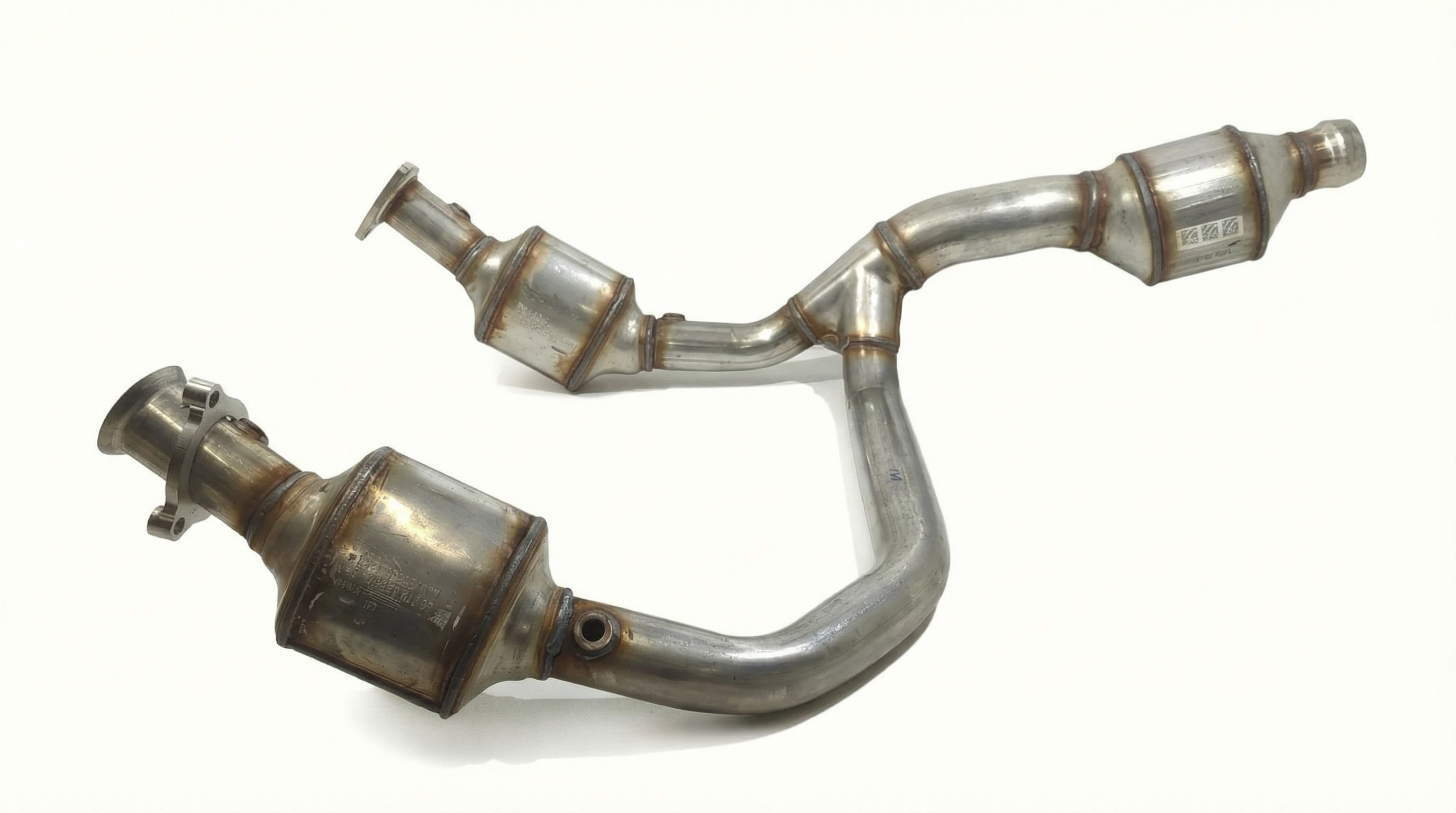
- Catalytic Converter (Bank 1)
(OEM #e.g., GM 19420106 (for R/H side on 4.8L/6.0L, check specific application))— This is the most common direct cause for a P0420 code when other factors have been ruled out.
Trusted brands: Walker Exhaust, MagnaFlow, ACDelco (OEM)
OEM price range: $800-$2600
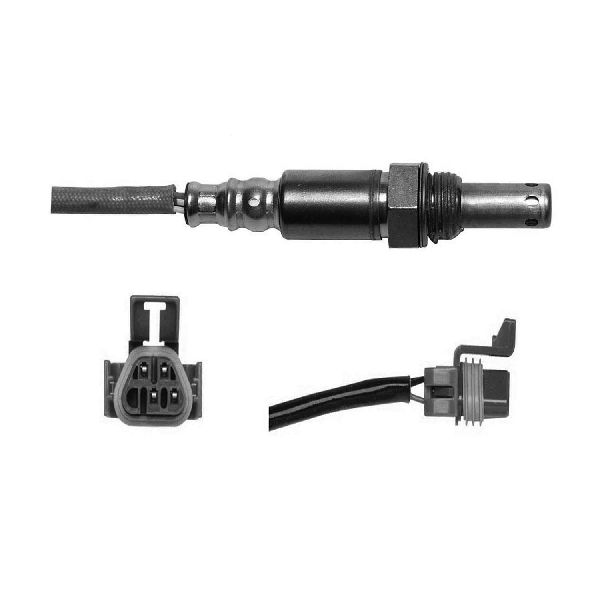
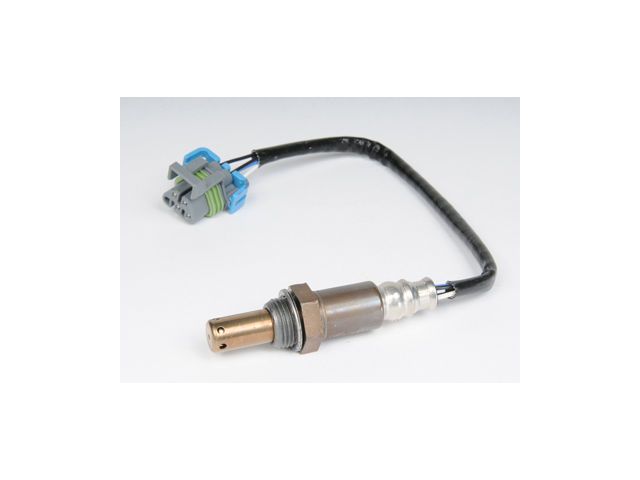
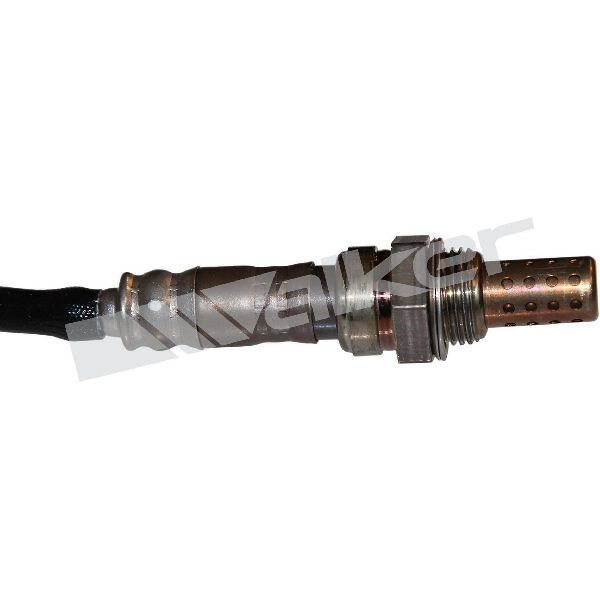
Aftermarket price range: $300-$800 - Downstream Oxygen Sensor (Bank 1, Sensor 2)
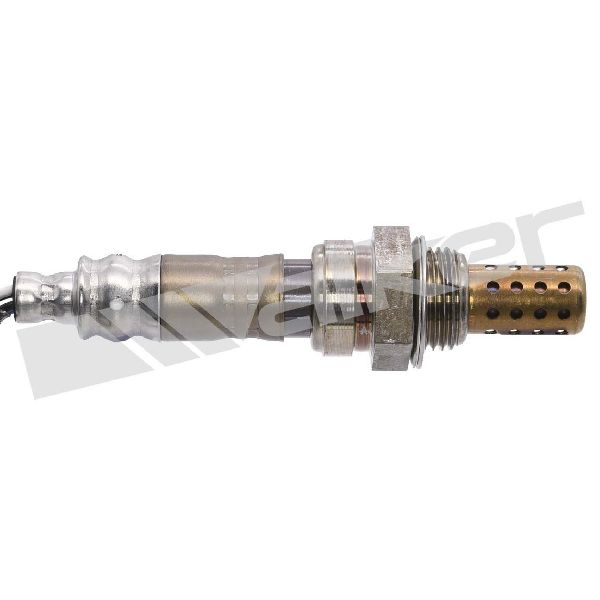
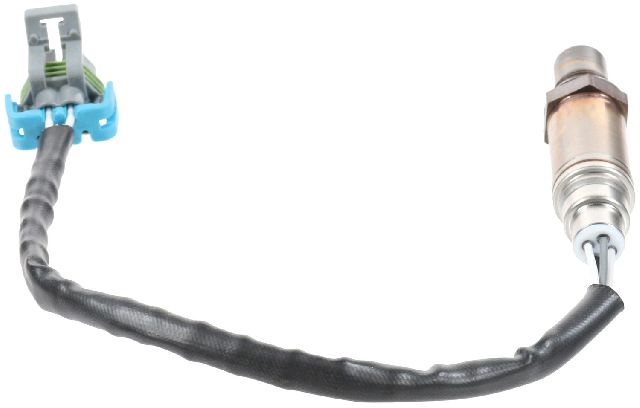
(OEM #ACDelco 213-4229 (GM 12609457) fits many V8 models in this range)— A faulty or slow-responding sensor can cause a false P0420 code. It is often replaced with the converter as a preventative measure.
Related Codes That Often Appear With This One
- P0430 — This is the same catalyst efficiency code but for Bank 2 (the driver's side on V8 models). If both appear, it may point to a systemic issue like poor fuel quality or simply that both converters have failed due to age and high mileage.
- P0300-P0308 — These are misfire codes (P0300 for random, P0301-P0308 for specific cylinders). Unburnt fuel from a misfiring cylinder is a primary cause of catalytic converter failure.
- P0171, P0174 — These 'System Too Lean' codes indicate an air/fuel mixture problem. An exhaust leak before the upstream O2 sensor can cause these codes alongside a P0420.
Technical Service Bulletins (TSBs) & Recalls
- PIP5110C
- PIP3119P
- PIP5110B
- PIP5085C
- PIP5085A
Platform-Specific Known Issues
- TSB #PIP5110C: Advises technicians to specifically check for exhaust leaks behind the Bank 1, #2 (downstream) oxygen sensor, as this can introduce air and cause a false catalyst inefficiency reading.
- Broken Exhaust Manifold Bolts: The V8 engines in these vans are known for breaking the exhaust manifold bolts, particularly those at the rear of the cylinder head. This creates a significant exhaust leak that is a frequent cause of P0420 and P0430 codes.
- TSB #PIP3119P: Mentions that the P0420/P0430 diagnostic monitor was sometimes disabled on low-mileage vehicles, indicating a known sensitivity from the factory that could lead to premature or false codes.
Mechanic-Grade Diagnostic Values
- Downstream O2 Sensor (Bank 1 Sensor 2) Voltage — expected: Relatively steady voltage above 0.6V (600mV) when the engine is warm and at a steady RPM.. Failure: Voltage fluctuates rapidly, mirroring the upstream O2 sensor's pattern (typically 0.1V to 0.9V), indicating the converter is not storing oxygen.
- Upstream O2 Sensor (Bank 1 Sensor 1) Voltage — expected: Rapidly fluctuates between approximately 0.1V and 0.9V as the PCM adjusts the air-fuel mixture.. Failure: A flat, slow, or biased voltage reading can indicate a faulty sensor, which can in turn damage the catalytic converter.
- Catalytic Converter Temperature Differential — expected: The outlet pipe temperature should be at least 100°F hotter than the inlet pipe temperature on a fully warmed-up engine.. Failure: Outlet temperature is similar to or cooler than the inlet temperature, suggesting the converter is not lighting off and performing its chemical reaction.
Hidden / Shadow Codes Worth Checking
- Mode 6, Test ID $a2-$a9: Mode 6 data provides results from non-continuous monitor tests. For GM, test IDs in the $A range often correspond to catalyst efficiency monitors. A failing value here can precede the P0420 code setting or confirm a borderline converter. (see via A professional scan tool with Mode 6 data capability.)
Scan Tool Commands That Help
- Tech2 / GDS2 or equivalent professional scanner: Catalyst System Test (or Oxygen Storage Capacity Test) — This is a specific bidirectional test that forces the engine rich, then lean, to measure the time it takes for the downstream O2 sensor to react. A delay of two seconds or more typically indicates a healthy converter, helping to differentiate between a bad cat and a lazy sensor.
- Tech2 / GDS2 or equivalent professional scanner: Fuel Trim Reset — After replacing components like fuel injectors, a MAF sensor, or fixing a major vacuum leak, resetting the long-term fuel trim values forces the PCM to relearn fuel delivery strategy immediately, which can be crucial for accurate catalyst monitoring.
Wiring & Ground Locations
- G102 — On the left rear of the engine (for V8s) or left front lower side of the engine block (for V6).. This is a primary engine ground. A poor connection here can affect the ignition coils, potentially causing misfires that can damage the catalytic converter. It also serves as a ground reference for various engine sensors.
- G103 — On the cowl at the left rear of the engine compartment, often above the brake booster.. This ground serves the Body Control Module (BCM) and the Data Link Connector (DLC). A fault here can cause communication issues with scan tools or erratic behavior from various modules, complicating diagnosis.
- Downstream O2 Sensor Connector — On the exhaust pipe after the catalytic converter. The harness connector is typically a 4-terminal male plug, often black and blue.. This is the direct connection for the sensor that reports catalyst efficiency. Check for corrosion, backed-out pins, or damage to the 18-inch pigtail harness, which can cause incorrect readings and a false P0420 code.
Real Owner Repair Stories
- Reddit user comment (Chevrolet vehicle with P0420 (model not specified but common issue)) — Persistent P0420 code after replacing front O2 sensor, cleaning MAF, and replacing valve cover gasket.
❌ Tried (didn't work) Replacing upstream O2 sensor, Cleaning MAF sensor, Replacing valve cover gasket
✅ What actually fixed it The user was advised that a leaking flex pipe just behind the catalytic converter is a very common point of failure that induces a P0420 code, even with a small leak. This was suggested as the next most likely cause before replacing the converter itself.
"I Checked Everything" — The Actual Cause
- In some cases, a P0420 can be triggered by a leaking intake manifold gasket. This allows unmetered air into the engine, causing it to run lean. The PCM may not always set a P0171/P0174 lean code but the altered combustion can affect O2 sensor readings enough to trigger a P0420. This is often missed because a smoke test of the exhaust system will come back clean, as the leak is on the intake side of the engine.
When the Usual Fixes Don't Work
- While the most common advice is to suspect the catalytic converter or O2 sensors, a significant number of real-world cases on GM trucks and vans are ultimately traced back to exhaust leaks. The TSBs pointing to leaks after the rear O2 sensor are particularly important. Furthermore, mechanics report that leaks in the intake system, such as from a plastic intake manifold gasket, can alter combustion enough to trigger a P0420 without setting a corresponding lean code, tricking technicians who are solely focused on the exhaust system.
OEM Part Supersession History
Unknown→GM 12609457 (ACDelco 213-4229)— Standard part evolution and consolidation for service.
Heads up: This part number is a common downstream (rear) O2 sensor for many 2008-2016 GM trucks and vans, including the Express. While it fits a wide range, always verify the specific application for your VIN, as some models may require programming or setup procedures after installation.
Helpful Videos

Used OEM Parts in Stock
New Aftermarket Parts Available


The information in this article is provided for general reference and educational purposes only. Vehicle specifications, procedures, and part compatibility can vary by production date, trim level, and region. Always consult your vehicle's factory service manual and verify part numbers before purchasing or performing repairs. Safety-critical components such as airbags, seat belts, and braking systems should be installed by a qualified professional.
- Chevrolet EXPRESS:
- 🧭 Diagnostic Flowchart
- 🎬 Helpful Videos
- 🛍️ Shop This Part
- What's Unique About the 2007-2011 Chevrolet EXPRESS
- Symptoms You May Notice
- Most Likely Causes
- Rare But Worth Checking
- Diagnosis Steps
- Parts You'll Likely Need
- Related Codes That Often Appear With This One
- Technical Service Bulletins (TSBs) & Recalls
- Platform-Specific Known Issues
- Mechanic-Grade Diagnostic Values
- Hidden / Shadow Codes Worth Checking
- Scan Tool Commands That Help
- Wiring & Ground Locations
- Real Owner Repair Stories
- "I Checked Everything" — The Actual Cause
- When the Usual Fixes Don't Work
- OEM Part Supersession History
- 🎟️ Get 5% Off