

P0420 on 2013-2015 Chevrolet Malibu 2.5L: Catalytic Converter & O2 Sensor Guide
The P0420 code on a 2013-2015 Malibu most often means the catalytic converter is failing. However, before replacing this expensive part, it's crucial to rule out cheaper causes like faulty oxygen (O2) sensors or exhaust leaks, which are also common culprits. A notable issue on this platform is loose intake manifold bolts, which can disrupt the air-fuel ratio and indirectly cause this code.
- P0420 means the catalytic converter on Bank 1 is not working efficiently.
- Before replacing the expensive catalytic converter, always test the downstream O2 sensor and inspect thoroughly for exhaust leaks.
- Check for other engine codes (misfires, fuel system) as these issues can destroy a new converter if not fixed first.
- On the 2.5L Ecotec, ensure the intake manifold bolts are tight, as a vacuum leak there can indirectly cause this code.
- Consider using an OEM or high-quality aftermarket catalytic converter, as some owners report issues with cheaper alternatives.
What's Unique About the 2013-2015 Chevrolet Malibu
The 2013-2015 Malibu with the 2.5L Ecotec engine doesn't have a high number of unique issues causing P0420, but owners should be aware of two things. First, these engines are known for intake manifold bolts backing out over time, causing a vacuum leak (often setting a P0106 code). This leak creates a lean condition that the ECM tries to correct, potentially leading to a rich mixture that can damage the catalytic converter. Second, some owners report that these vehicles can be sensitive to aftermarket (non-OEM) catalytic converters, sometimes causing the P0420 code to return even after replacement, possibly due to lower catalyst loading in cheaper units.
Symptoms You May Notice
- Check Engine Light is on
- Reduced engine performance and acceleration
- Decreased fuel economy
- A sulfur or "rotten egg" smell from the exhaust, indicating the converter is overheating or failing
- Hissing or "pfft pfft" sound from the exhaust system if a leak is present.
- Replacing the catalytic converter without first checking for exhaust leaks or testing the oxygen sensors. An O2 sensor is much cheaper and a common point of failure.
- Replacing the upstream O2 sensor. While it can be a contributing factor to long-term converter failure if it's faulty, the P0420 code is based on the readings from the downstream sensor, which is more likely to be the direct cause if a sensor is at fault.
- Ignoring other engine codes. Misfire codes (P030x) or air-fuel mixture codes (P0171, P0106) must be resolved first, as they are often the root cause of what is damaging the catalytic converter.
Most Likely Causes
- Failing Catalytic Converter 🔴 High Probability → Shop Catalytic Converter Catalytic converters have a finite lifespan and can fail from age, contamination from burning oil/coolant, or physical damage. This is the most frequent cause for P0420 on a vehicle of this age once other, simpler causes are ruled out.
How to confirm: Use a scan tool to observe the downstream O2 sensor voltage. If it fluctuates rapidly like the upstream sensor, the converter is not working. An infrared thermometer can also be used; the outlet of a working converter should be at least 100°F hotter than the inlet. A clogged converter may also cause a significant loss of power. NHTSA ODI #11081712 describes a situation where the vehicle struggled to flow into traffic normally at highway speeds due to a P0420 code.
Typical fix: Replace the catalytic converter assembly. It is integrated with the exhaust manifold on this engine. 🎬 Watch: A walkthrough of the catalytic converter replacement process. Using an OEM-grade replacement is recommended to avoid the code returning.
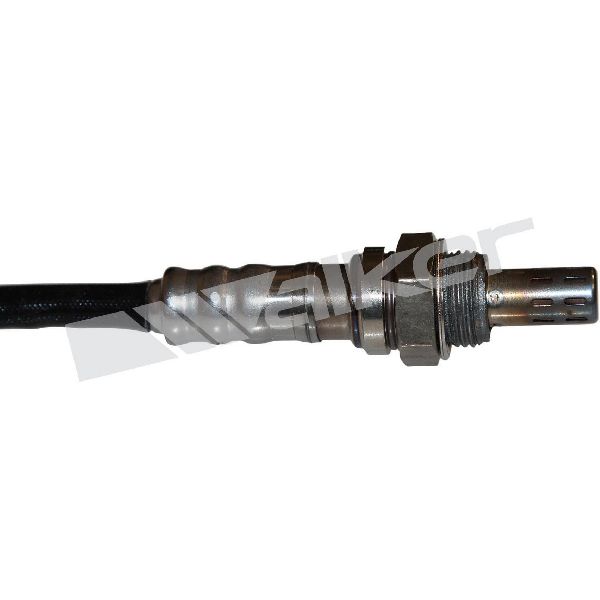
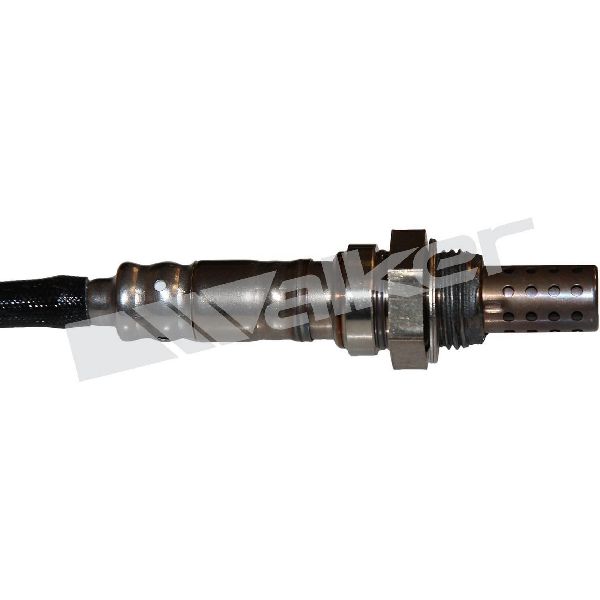
Est. part cost: $300-$1500 - Faulty Downstream Oxygen (O2) Sensor 🟡 Medium Probability → Shop Oxygen Sensor O2 sensors can become 'lazy' or fail with age, sending incorrect data to the ECM. Since this sensor is what the computer uses to judge the converter, a bad sensor can falsely trigger a P0420 code. It is a common and relatively inexpensive first part to replace during diagnosis. 🎬 See how to locate and replace both oxygen sensors. NHTSA ODI #11326084 notes an instance where an owner received a P0420 code indicating either the catalytic converter or the oxygen sensor was at fault.
How to confirm: Test the sensor's operation using a scan tool with graphing capabilities. A healthy downstream sensor should show a relatively steady voltage (typically above 0.5V) on a warm engine at a steady RPM. If the sensor's voltage is stuck low (see P0137) or fluctuates wildly mimicking the upstream sensor, it may be faulty.
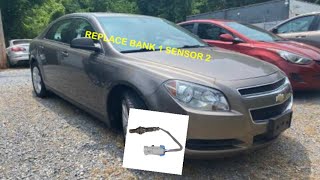
Typical fix: Replace the downstream (Bank 1, Sensor 2) oxygen sensor.
Est. part cost: $40-$100 - Exhaust System Leak 🟡 Medium Probability Leaks from a cracked exhaust manifold, failed manifold gaskets, or rusted flex pipes can allow extra oxygen into the exhaust stream before the downstream O2 sensor. This fools the sensor into providing readings that suggest poor catalyst efficiency. One owner on a forum fixed their P0420 by replacing a bad exhaust manifold gasket.
How to confirm: Perform a thorough visual inspection of the exhaust system from the engine to the tailpipe. Listen for hissing or puffing sounds, especially on a cold start. A smoke test is the most definitive way to find small leaks. Soapy water sprayed on suspected areas can also reveal leaks by bubbling.
Typical fix: Repair the leak by replacing the faulty gasket, flex pipe, or tightening loose bolts. The exhaust manifold hardware is a common failure point.
Est. part cost: $20-$250 - Engine Performance Issues ⚪ Low Probability Any issue that causes an overly rich or lean fuel mixture can damage the catalytic converter. On the 2.5L Ecotec, loose intake manifold bolts are a well-documented problem (addressed in TSB PIP5529B) that causes a vacuum leak, lean codes (P0171), and MAP sensor codes (P0106). This condition can indirectly lead to P0420 by altering the air-fuel ratio and stressing the converter. Misfires from bad plugs or coils can also send unburned fuel into the exhaust, overheating and destroying the converter.
How to confirm: Check for other diagnostic trouble codes, especially P0106, P0171, or misfire codes (P0300-P0304). Analyze fuel trim data with a scan tool; values consistently above +10% suggest a vacuum leak. Physically check if the intake manifold is loose.
Typical fix: Address the root cause. For the common intake leak, tighten the manifold bolts to the specified torque of 12 Nm (108 lb-in), applying threadlocker as a best practice. Replace spark plugs or ignition coils if misfires are detected.
Est. part cost: $50-$400
Rare But Worth Checking
- ECM Calibration Issue: In some GM vehicles of a similar vintage, the P0420 code could be triggered by an overly sensitive ECM calibration. While no specific TSB for P0420 on the Malibu is widely cited, custom tuning companies note they can adjust the sensitivity. It's always worth checking with a dealer if the ECM has the latest factory software before replacing expensive parts.
- Contaminated Fuel or Additives: Using fuel with high sulfur content or certain aftermarket fuel additives can sometimes contaminate the oxygen sensors or the catalyst materials, leading to a temporary or permanent P0420 code.
Diagnosis Steps
- Check for other DTCs: Use an OBD-II scanner to see if any other codes are present. Codes related to misfires (P030x), fuel mixture (P0171), or MAP sensors (P0106) must be addressed first, as they are likely the root cause.
- Inspect for Intake and Exhaust Leaks: Physically wiggle the plastic intake manifold with the engine off to check for looseness, a known issue on the 2.5L engine. Then, visually inspect the entire exhaust system for cracks, rust, or loose connections, especially around the exhaust manifold and flex pipe. Listen for audible hissing or puffing sounds. A smoke test is the most reliable method.
- Analyze O2 Sensor Data: Use a scanner with live data graphing. At operating temperature and a steady 2,500 RPM, the upstream (Sensor 1) voltage should fluctuate rapidly between ~0.1V and ~0.9V. The downstream (Sensor 2) voltage should remain relatively stable and steady (e.g., >0.6V). If the downstream sensor mirrors the upstream sensor's fluctuations, the catalytic converter has likely failed.
- Test Oxygen Sensors: If the downstream sensor's readings are flat, stuck low, or slow to respond, the sensor itself may be faulty. Test its heater circuit and response time. A common failure mode is a bad heater element.
- Check for Engine Mechanical/Fuel Issues: Review long-term fuel trim values. If they are significantly positive (e.g., > +10%), it strongly indicates a vacuum leak. Investigate potential fuel pressure problems or injector issues if fuel trims are highly negative.
- Verify Catalytic Converter Failure: If all other causes are ruled out, the catalytic converter is the most likely culprit. An infrared temperature gun can provide final confirmation: a healthy converter should be at least 100°F hotter at the outlet than the inlet.
Parts You'll Likely Need
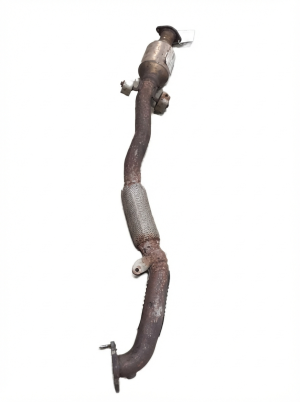
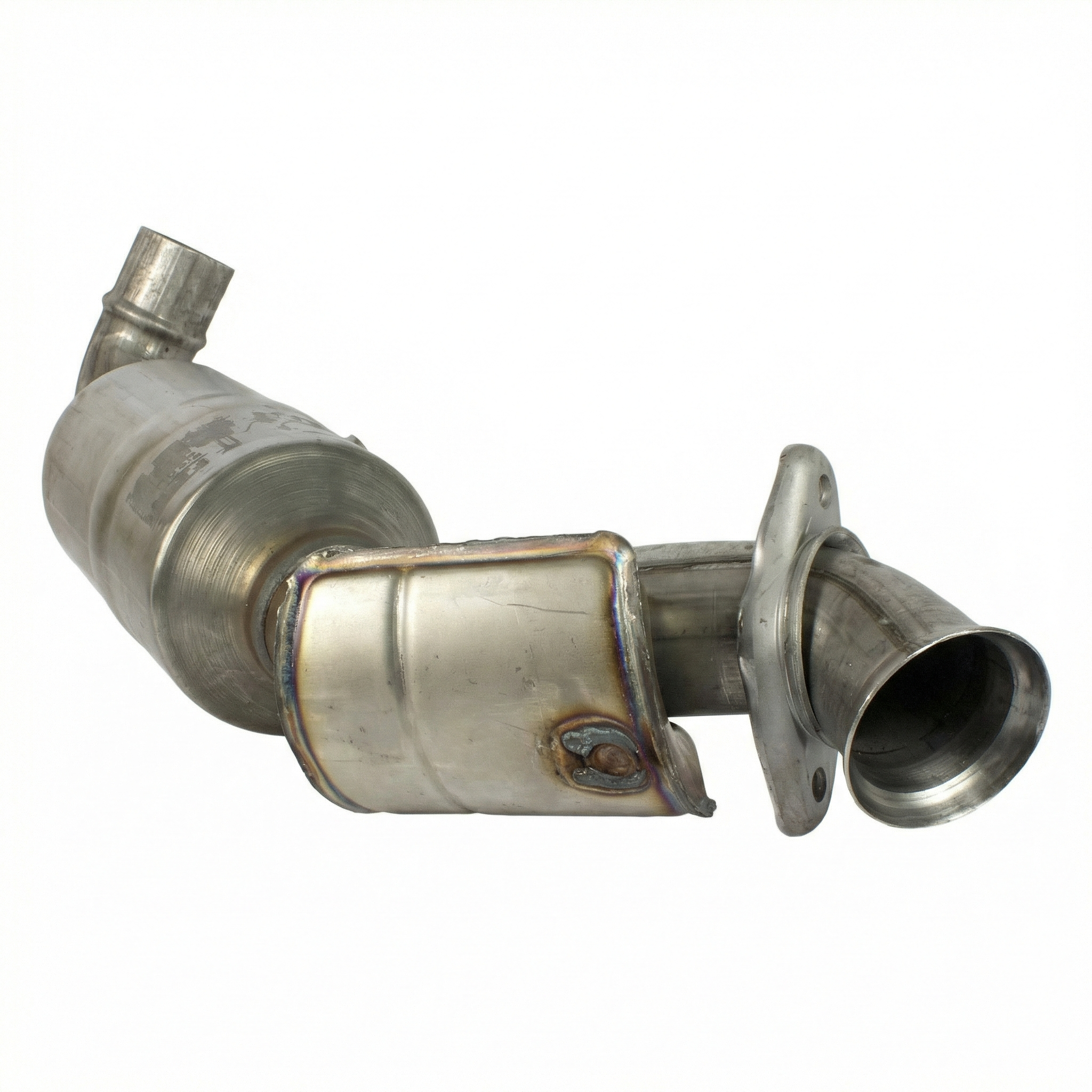
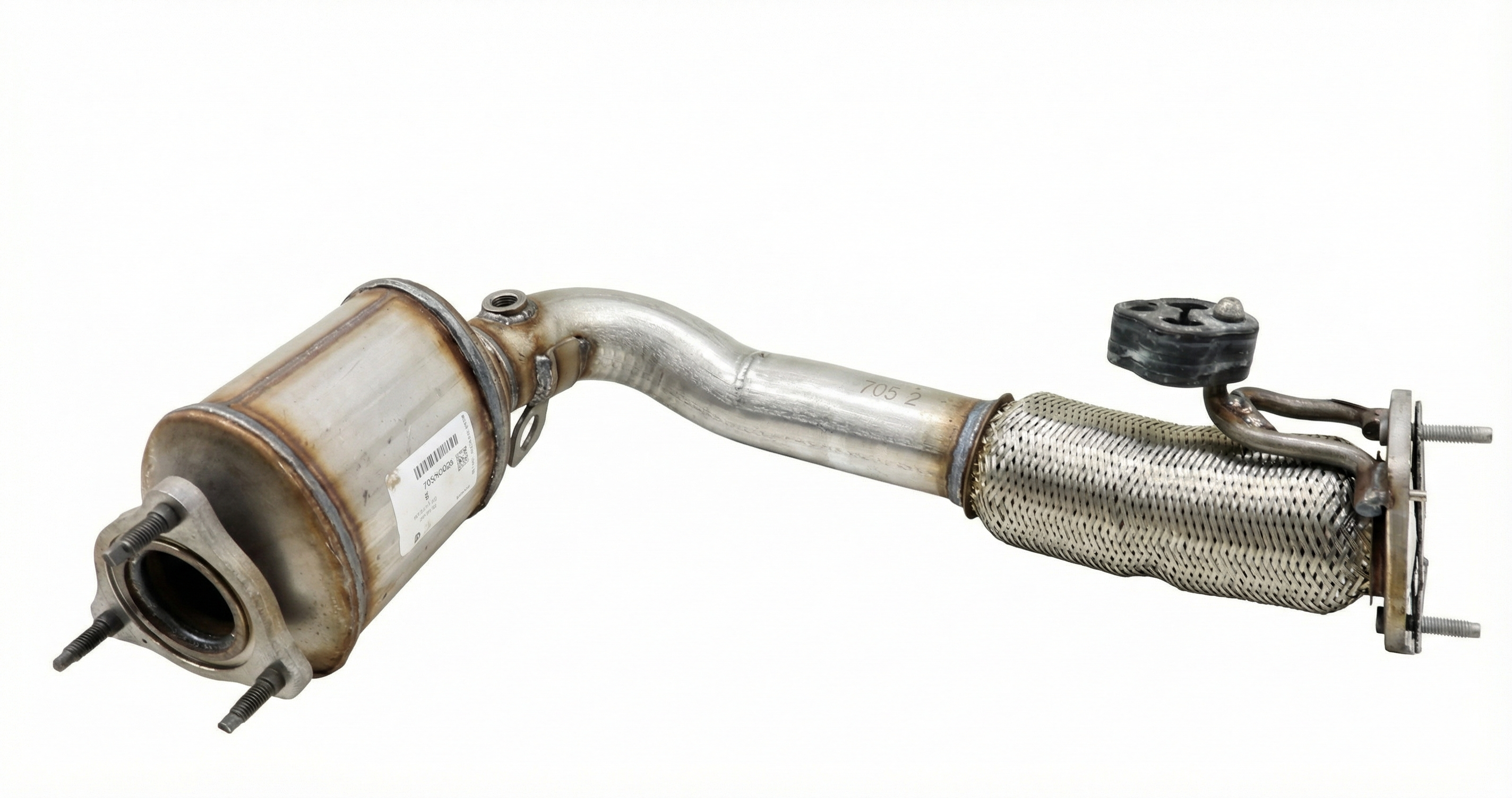
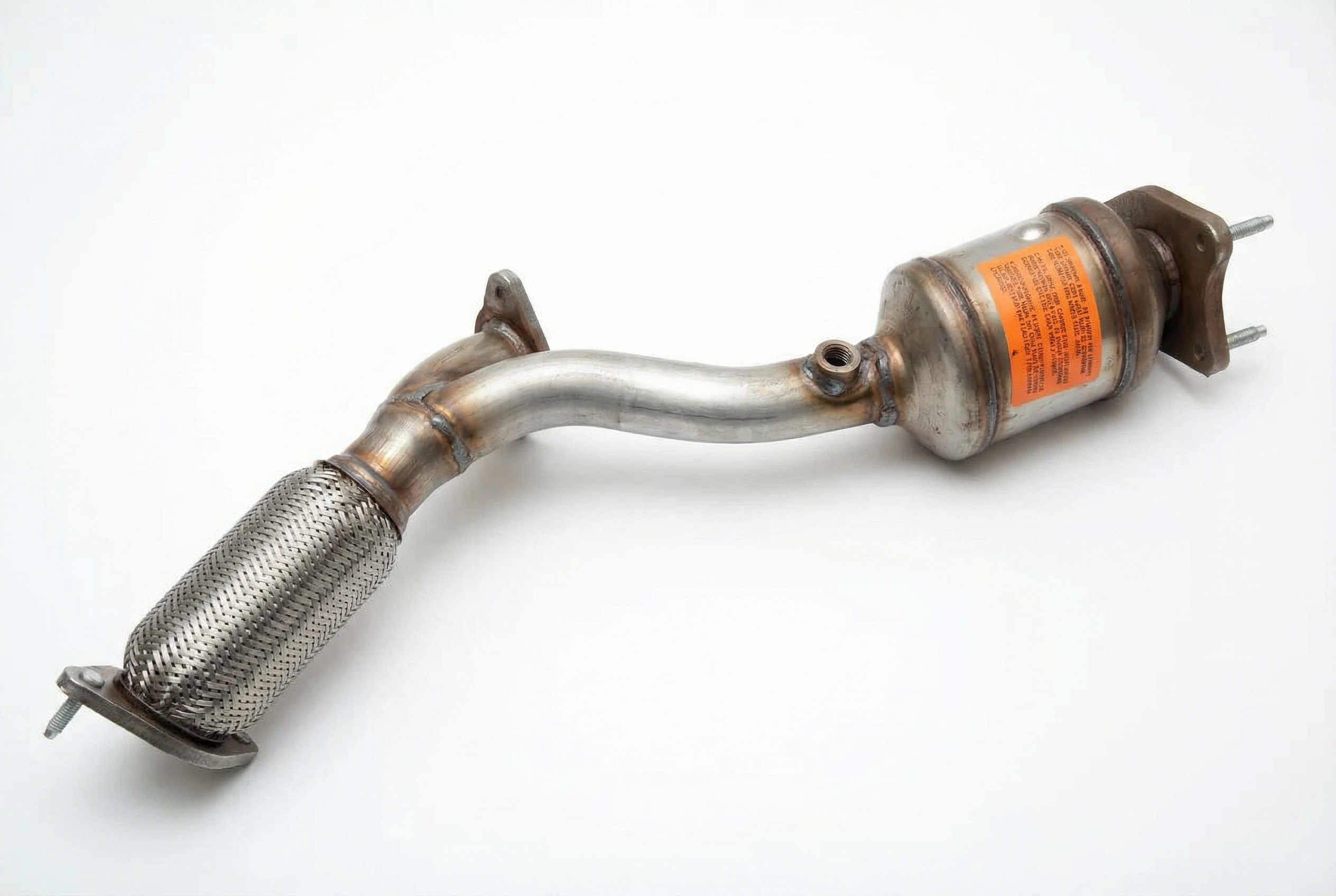
- Catalytic Converter
(OEM #12670935, 12649925 (Superseded by 12670935))— This is the most common failure that directly causes the P0420 code when the catalyst material degrades. On this vehicle, it is an integrated manifold/converter assembly.
Trusted brands: ACDelco, Walker Exhaust, MagnaFlow
OEM price range: $800-$1500
Aftermarket price range: $300-$700 - Downstream Oxygen Sensor (Bank 1, Sensor 2)
(OEM #12661898 (ACDelco 213-4762))— This sensor provides the reading that triggers the code. If it fails, it can send false information, leading to a misdiagnosis of a bad converter. It's a frequent and cost-effective part to replace first.
Trusted brands: ACDelco, Denso, Bosch
OEM price range: $80-$150
Aftermarket price range: $40-$100 - Exhaust Manifold Gasket
(OEM #12655276)— A leak at the exhaust manifold gasket can introduce oxygen and cause an incorrect O2 sensor reading, triggering P0420. This is a common point of failure before the catalytic converter.
Trusted brands: ACDelco, Fel-Pro
OEM price range: $25-$40
Aftermarket price range: $15-$30 - Intake Manifold Gasket
(OEM #12655276)— While the gasket itself may be reusable, it's associated with the very common issue of loose intake manifold bolts causing a vacuum leak. If the manifold is removed for any reason, this gasket should be inspected or replaced.
Trusted brands: ACDelco, Fel-Pro
OEM price range: $25-$40
Aftermarket price range: $15-$30
Related Codes That Often Appear With This One
- P0106 — A P0106 (Manifold Absolute Pressure Sensor Performance) code can appear due to loose intake manifold bolts on the 2.5L engine. This vacuum leak affects the air-fuel ratio, which can contribute to the P0420 code. TSB PIP5529B addresses this combination of codes.
- P0300-P0304 — Misfire codes (P0300 for random, P0301-P0304 for specific cylinders) indicate that unburned fuel is entering the exhaust, which can quickly overheat and damage the catalytic converter, causing a P0420 code.
- P0455 — A P0455 (EVAP System Large Leak) code has been reported by some owners alongside P0420. While not directly related, it can point to multiple simultaneous issues with the vehicle's emissions systems, such as a faulty purge valve solenoid.
- P0171 — A P0171 (System Too Lean) code is a classic symptom of a vacuum leak, such as the one caused by loose intake manifold bolts on this engine. An unmetered air leak will cause the O2 sensors to report a lean condition, which can indirectly lead to P0420.
Technical Service Bulletins (TSBs) & Recalls
- PIP5529B: Addresses codes like P0106, P0171, and P2097 caused by loose intake manifold bolts on 2.5L LCV/LKW engines. While not directly for P0420, it diagnoses a root cause that can lead to it.
- PIP5106: An early bulletin regarding an engine exchange program for the 2014 Malibu/Impala 2.5L LKW, indicating close monitoring of this engine during its launch.
- PI1407B: Pertains to potential broken lower crankcase bolts on 2.0L/2.5L engines, which could cause severe engine issues that would indirectly affect emissions components.
Platform-Specific Known Issues
- Some owners have reported that using non-OEM catalytic converters can cause the P0420 code to persist or return, suggesting the vehicle's computer is sensitive to the exact specifications of the original part.
Mechanic-Grade Diagnostic Values
- O2 Sensor Heater Circuit Resistance — expected: 5-25 Ohms. Failure: An open circuit (infinite resistance) or a short circuit (near zero resistance) indicates a failed heater element within the sensor.
- Fuel Rail Pressure (High Pressure) — expected: 2.96-3.24 MPa (429-470 psi) at idle. Failure: Significantly lower or higher pressure at idle can indicate issues with the high-pressure fuel pump or its regulator, affecting the air-fuel mixture and potentially damaging the converter.
- Low-Side Fuel Pressure — expected: 50-94 psi. Failure: Pressure below 50 psi could indicate a weak in-tank fuel pump, leading to lean conditions.
- Intake Manifold Bolt Torque — expected: 12 Nm (108 lb-in). Failure: Bolts that are not torqued to spec can back out, causing a significant vacuum leak and triggering P0106/P0171 codes alongside P0420.
Hidden / Shadow Codes Worth Checking
- Mode $06, Test ID $84 (or similar): This is not a DTC, but raw data from the ECM's self-test of the catalytic converter. It shows the measured efficiency value against the manufacturer's minimum and maximum thresholds. If the measured value is very close to the failure threshold, it strongly suggests the converter is genuinely losing efficiency. (see via A professional scan tool with Mode $06 data capability is required.)
Wiring & Ground Locations
- G121 — On the engine, rear of the A/C compressor.. This is a primary engine component ground. A poor connection here can affect the Engine Control Module (ECM) and various sensors, including the oxygen sensors, leading to erratic readings and false codes.
- ECM (Engine Control Module) — Located on the left side of the engine compartment.. The ECM is the brain of the system, processing all sensor inputs and triggering the P0420 code. All wiring for the O2 sensors terminates here, making it a central point for electrical diagnosis.
- Bank 1 Sensor 1 (Upstream) — At the front of the engine, on top of the exhaust manifold.. This sensor provides the primary fluctuating signal that the ECM uses as a baseline. Its wiring is exposed to high heat.
- Bank 1 Sensor 2 (Downstream) — At the bottom of the engine, after the catalytic converter.. This is the critical sensor for the P0420 test. Its signal should be steady. Its location makes its wiring susceptible to road debris and corrosion.
Real Owner Repair Stories
- Reddit user in r/MechanicAdvice (2014 Chevy Malibu LS, 2.5L, ~115k miles) — P0420 code appeared after AC compressor replacement. Decreased gas mileage. An initial "pfft pfft pfft" sound from the exhaust that went away after tightening bolts.
❌ Tried (didn't work) Replacing the upstream O2 sensor.
✅ What actually fixed it The user's narrative strongly implies the root cause was an exhaust leak created during the AC compressor repair, where an exhaust bolt was drilled out and a pipe had trouble lining up. Although a final fix isn't posted, the evidence points to the leak being the true cause that needs to be properly sealed, not a bad sensor or converter. - NHTSA ODI #10019248 — An owner reported that the check engine light repeatedly came on with a scan reading code P0420 for catalyst system low efficiency, even after the vehicle was taken to a dealer multiple times.
OEM Part Supersession History
12658480→12658481, 12651170— Standard part evolution for the high-pressure fuel pump.
Heads up: These part numbers are generally interchangeable for the 2013-2015 2.5L engine.
Model Year Variations Within This Range
- 2014-2015: For the 2014 model year, the 2.5L LKW engine was updated with variable valve-lift control and a stop/start system to improve fuel economy. The 2013 model does not have this feature. While not a direct cause of P0420, the different engine logic and additional components (like a secondary battery/power management system) could introduce unique diagnostic variables.
Diagnostic Flowchart
Other Known Issues on This Vehicle
Issues unrelated to this code that are worth knowing about as an owner of this generation:
- Loose Intake Manifold Bolts 🟠 Medium — Common issue on the 2.5L LKW/LCV engines. Often occurs after 60,000+ miles and can cause multiple codes (P0106, P0171, P2097). (Ref: TSB PIP5529B)
- Premature Wheel Bearing Failure 🟠 Medium — Some owners report noisy or failed wheel bearings at relatively low mileage (under 100,000 miles).
- Faulty Camshaft Position Actuator Solenoids 🟠 Medium — Can fail prematurely, causing rough idle, hesitation, and poor performance, often setting codes like P0010 or P0013.
- Loss of Brake Vacuum Assist (Start/Stop Models) 🔴 High — Affects 2014 models with the 2.5L engine and auto start/stop option. Can lead to a sudden loss of hydraulic brake boost. (Ref: Recall 14V240000)
- Water Pump Coolant Leaks 🟡 Low — The water pump on the 2.5L engine is reported to sometimes develop coolant leaks before 100,000 miles.
- Instrument Panel Cluster Malfunction 🟡 Low — Owners report intermittent flickering or complete failure of the instrument panel lights and gauges, sometimes traced to a bad solder joint on the circuit board.
Used vs. New Parts: Buying Guide for This Vehicle
When a used part is the smart pick: A used part is generally not recommended for the key components in this repair. A used catalytic converter is a major gamble with unknown remaining life and could be failing just like yours. A used O2 sensor is also not advisable as they are wear items. Used intake or exhaust manifolds are acceptable if they are inspected for cracks.
Donor-vehicle mileage cap: roughly under 75000 miles for the part to have meaningful remaining life.
What to inspect on the donor part:
- For manifolds, check for hairline cracks, especially around bolt holes and collector areas.
- Ensure all mounting studs are intact and not stripped.
- Verify the donor vehicle was not in a front-end collision, which could have damaged the manifold-integrated catalytic converter.
OEM-only on this vehicle (don't cheap out):
- Catalytic Converter: Many owners report that aftermarket converters, especially budget-priced ones, have insufficient catalyst material and can cause the P0420 code to return shortly after installation. An OEM or high-quality OEM-grade aftermarket unit is strongly recommended.
Aftermarket brands forum-validated for this vehicle:
- O2 Sensors: Denso and NTK are original equipment suppliers to many manufacturers and are widely regarded as the most reliable aftermarket choices.
- Catalytic Converters: Magnaflow and Walker are reputable aftermarket brands that offer direct-fit and universal options. They are generally considered a better choice than no-name online brands but may still have a shorter lifespan than OEM.
Brands owners have reported issues with on this vehicle:
- Unbranded, low-cost catalytic converters sold on platforms like eBay and Amazon are frequently cited in forums as failing to resolve the P0420 code long-term.
Real Owner Stories
Aggregated from forums and TSBs cited above. Mileages and costs reflect what owners reported in those sources.
2014 Chevy Malibu 2.5L
Symptoms: P0420 code present; owner performed a diagnosis for exhaust leaks.
What fixed it: Replacing a bad exhaust manifold gasket leak.
Source hint: Reddit r/MechanicAdvice - 'P0420 2014 Chevy Malibu 2.5L'
2013 Chevy Malibu 2.5L
Symptoms: Check engine light with P0420 code.
What fixed it: The owner decided to replace the downstream O2 sensor as a first step before committing to an expensive catalytic converter replacement.
Source hint: YouTube - '2013 Malibu P0420 Code - Try this first!'
2014 Chevy Malibu 2.5L LKW — ~60000 miles
Symptoms: Multiple codes including P0106 and P0171; vacuum leak symptoms.
What fixed it: Tightening loose intake manifold bolts to 12 Nm and applying threadlocker.
Source hint: TSB PIP5529B
Chevrolet Malibu Owner Report
Symptoms: An owner reported getting a P0420 code for either the catalytic converter or the oxygen sensor following repeated issues with the fuel cap (NHTSA ODI #11326084).
Related OBD-II Codes
Frequently Asked Questions
Does TSB PIP5529B apply to my 2014 Malibu with the 2.5L LKW engine?
Can I use a cheaper aftermarket catalytic converter to fix the P0420 on my Malibu?
Is there a specific part of the exhaust manifold I should check for leaks on this 2.5L Ecotec?
What is the specific torque specification for the intake manifold bolts if they are loose?
How can I tell if my 2013-2015 Malibu's catalytic converter is actually failing versus just a bad sensor?
Are there any other vehicles that share this P0420 issue with the Malibu?
Helpful Videos

Used OEM Parts in Stock
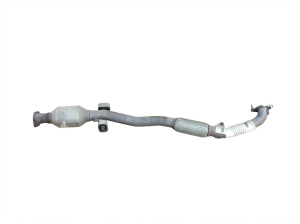
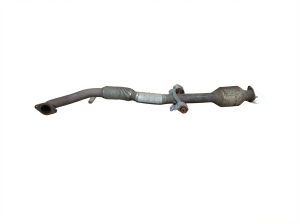
New Aftermarket Parts Available

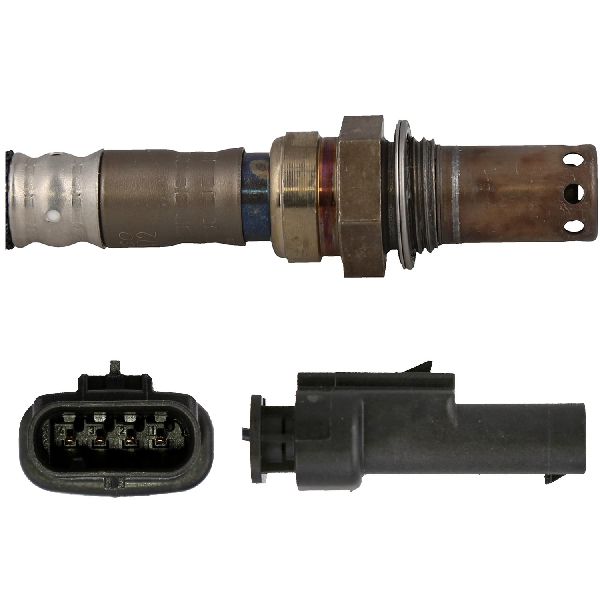
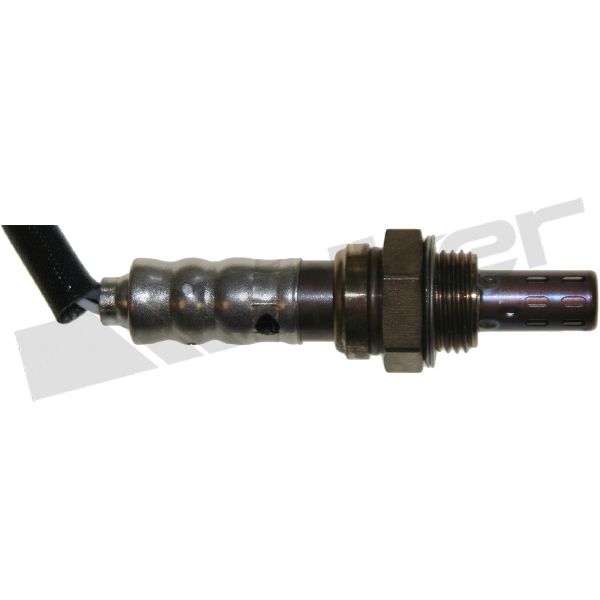

The information in this article is provided for general reference and educational purposes only. Vehicle specifications, procedures, and part compatibility can vary by production date, trim level, and region. Always consult your vehicle's factory service manual and verify part numbers before purchasing or performing repairs. Safety-critical components such as airbags, seat belts, and braking systems should be installed by a qualified professional.
- Chevrolet Malibu:
- 🧭 Diagnostic Flowchart
- 🎬 Helpful Videos
- 🛍️ Shop This Part
- What's Unique About the 2013-2015 Chevrolet Malibu
- Symptoms You May Notice
- Most Likely Causes
- Rare But Worth Checking
- Diagnosis Steps
- Parts You'll Likely Need
- Related Codes That Often Appear With This One
- Technical Service Bulletins (TSBs) & Recalls
- Platform-Specific Known Issues
- Mechanic-Grade Diagnostic Values
- Hidden / Shadow Codes Worth Checking
- Wiring & Ground Locations
- Real Owner Repair Stories
- OEM Part Supersession History
- Model Year Variations Within This Range
- Other Known Issues on This Vehicle
- Used vs. New Parts: Buying Guide for This Vehicle
- Real Owner Stories
- 2014 Chevy Malibu 2.5L
- 2013 Chevy Malibu 2.5L
- 2014 Chevy Malibu 2.5L LKW — ~60000 miles
- Chevrolet Malibu Owner Report
- Related OBD-II Codes
- Frequently Asked Questions
- 🎟️ Get 5% Off