

P0420 on 2004-2011 Chevrolet Suburban: Causes for Catalyst Inefficiency
The P0420 code on a 2004-2011 Suburban means the Bank 1 catalytic converter is failing. On 2007-2011 models with the 5.3L or 6.0L V8, this is often caused by excessive oil consumption due to Active Fuel Management (AFM) issues, a problem addressed in GM TSB 10-06-01-008F. Before replacing the expensive converter, always check for cheaper, common causes like exhaust leaks from cracked manifolds or broken bolts, and failing oxygen sensors.
- P0420 means the Bank 1 (passenger side) catalytic converter is not efficient.
- On 2007-2011 models, suspect oil consumption from the AFM system as the root cause.
- Always diagnose exhaust leaks and faulty O2 sensors before buying a new catalytic converter.
- Do not use cheap, low-quality aftermarket converters, as they are known to fail quickly and cause the code to return.
- If you replace the converter, ensure any underlying engine issues (misfires, oil burning) are fixed first.
What's Unique About the 2004-2011 Chevrolet SUBURBAN
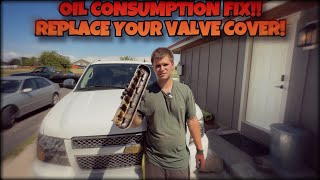
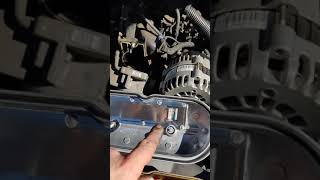
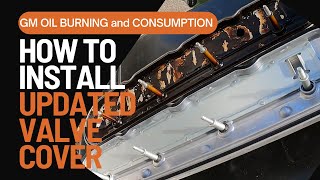
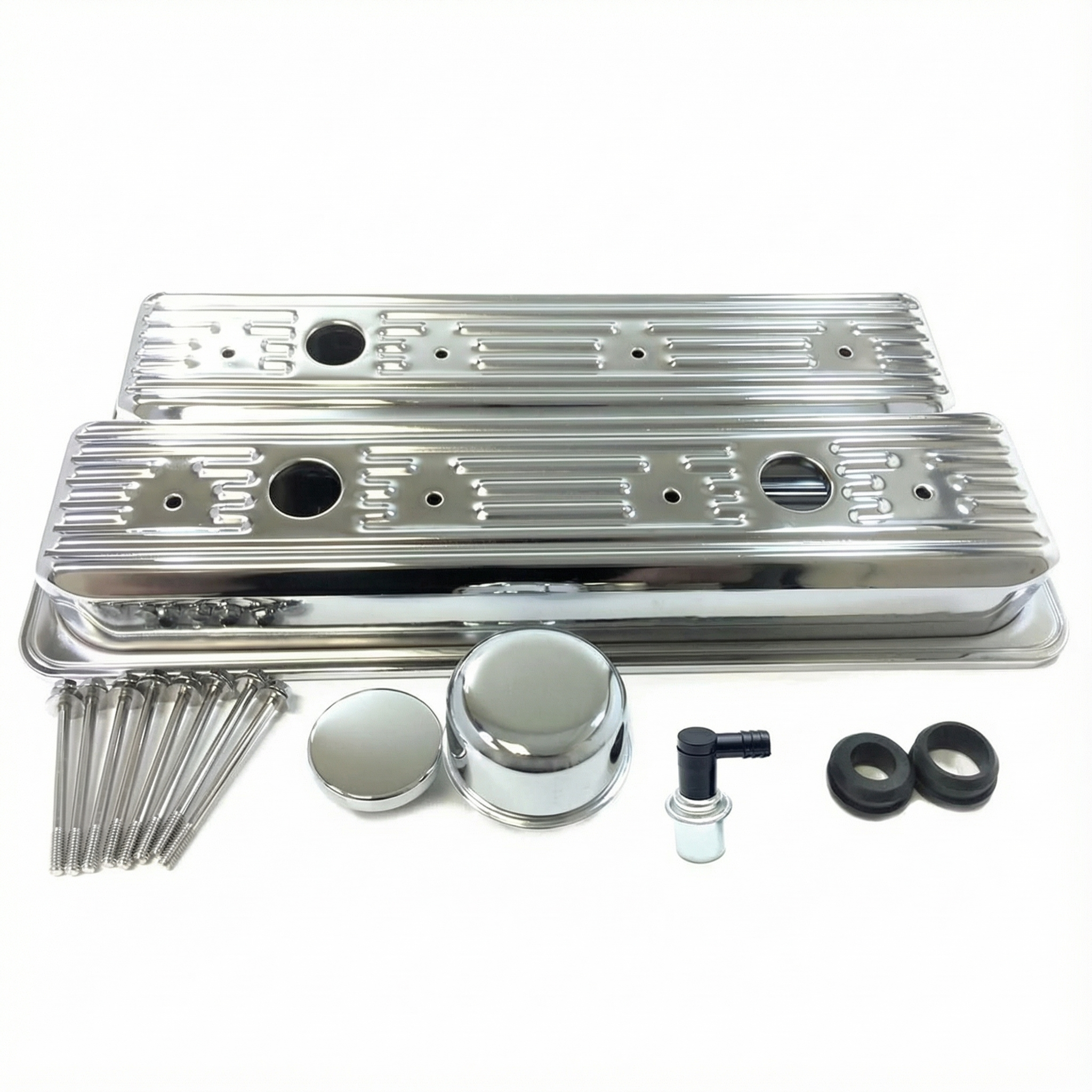
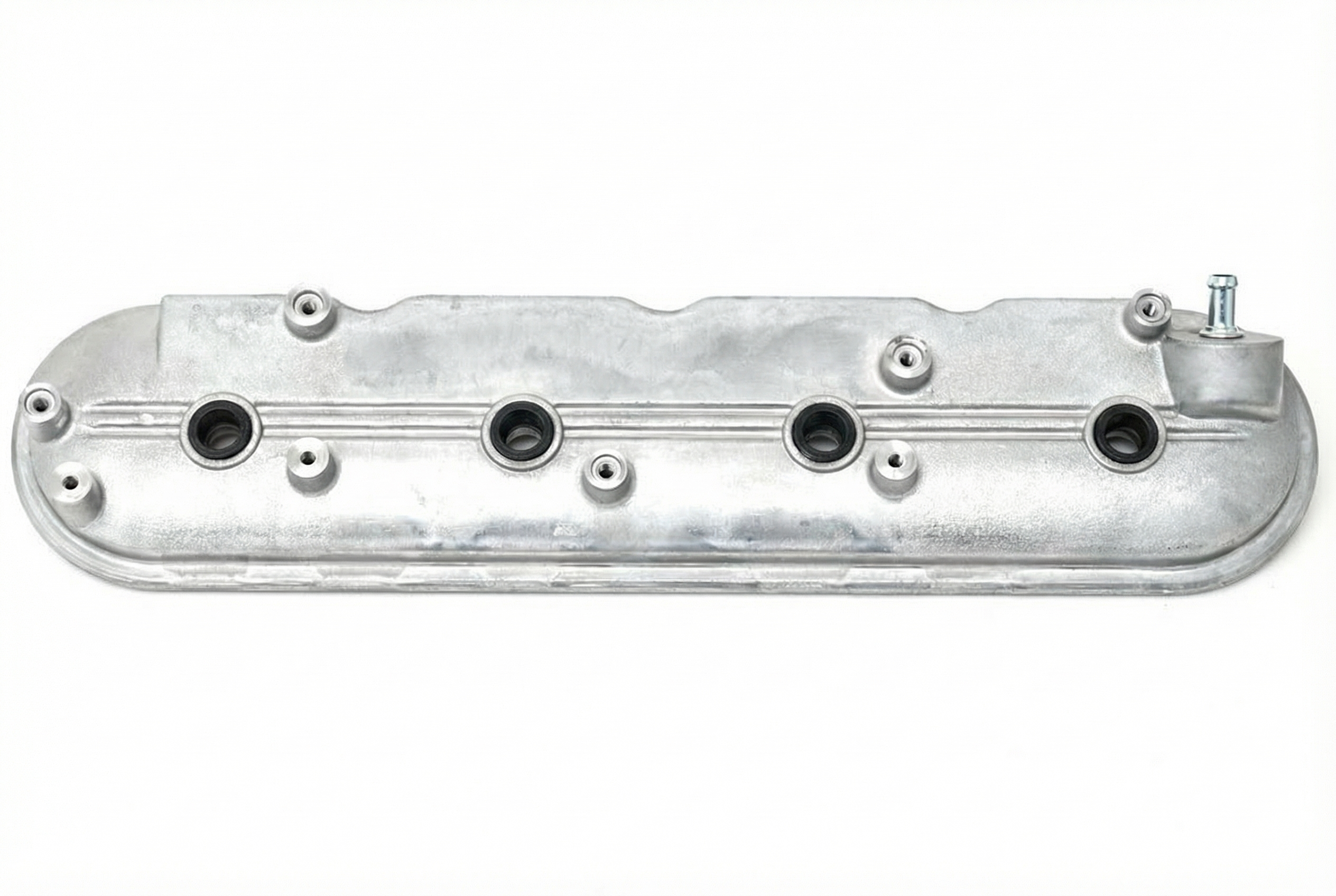
The 2004-2011 Suburban spans two distinct generations which have different primary causes for this code. The 2007-2011 GMT900 models introduced Active Fuel Management (AFM) on the 5.3L and 6.0L V8 engines. These AFM systems are notorious for causing excessive oil consumption, which contaminates and destroys the catalytic converters. This is often due to a poorly designed PCV system in the driver-side valve cover 🎬 Watch: How to install the updated valve cover to stop oil consumption. and oil spray from the AFM pressure relief valve inside the oil pan. For the earlier 2004-2006 GMT800 models, P0420 is more commonly caused by age-related component failure, such as a worn-out oxygen sensor, or exhaust leaks from rusted components or cracked exhaust manifolds.
Diagnostic Flowchart
Tap your situation to follow the diagnostic path that matches what you're seeing on this vehicle.
Generation note: This range covers two generations: the 9th Gen (GMT800, 2004-2006) and the 10th Gen (GMT900, 2007-2011). The primary difference regarding this code is the introduction of Active Fuel Management (AFM) in the 10th Gen's 5.3L and 6.0L V8 engines. These are known for oil consumption issues that lead to premature catalytic converter failure, as detailed in GM Technical Service Bulletin 10-06-01-008F.
Symptoms You May Notice
- Check Engine Light is on
- Reduced engine power or acceleration
- Lowered fuel economy
- A 'rotten egg' or sulfur smell from the exhaust
- White or blue smoke on startup (can be a sign of oil consumption)
- Rattling noise from the exhaust, indicating a physically broken catalytic converter substrate
- Replacing the catalytic converter without first checking for exhaust leaks or testing the oxygen sensors. A broken exhaust manifold bolt is a much cheaper fix and a very common cause.
- Replacing oxygen sensors when the true cause is a clogged catalytic converter due to engine oil consumption. The new sensors will read the same inefficiency, and the code will return.
- Replacing the catalytic converter on a 2007-2011 model without addressing the underlying AFM oil consumption issue. The new converter will be damaged and fail in the same way.
Most Likely Causes
- Failing Catalytic Converter 🔴 High Probability → Shop Catalytic Converter On 2007-2011 models with 5.3L/6.0L engines, Active Fuel Management (AFM) can lead to excessive oil consumption, which contaminates and clogs the catalytic converter. This is a widely documented issue covered in GM TSB 10-06-01-008F. On all models, age and engine misfires can also lead to failure.
How to confirm: After ruling out other causes, a temperature test using an infrared thermometer can confirm a bad converter. The outlet temperature should be significantly hotter (at least 100°F) than the inlet on a warm, functioning converter. A clogged converter may show a higher inlet temperature. A rattling sound from the exhaust also indicates a broken converter substrate.
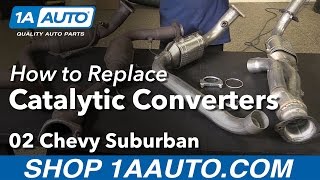
Typical fix: Replace the Bank 1 catalytic converter. It is critical to fix the root cause (like oil consumption or misfires) first, or the new converter will fail prematurely. For 2007+ models, this may involve installing an updated driver-side valve cover and an AFM oil deflector shield in the oil pan.
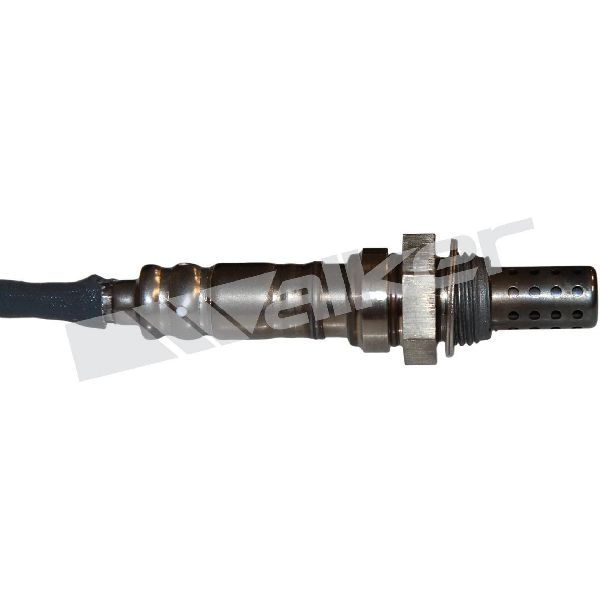
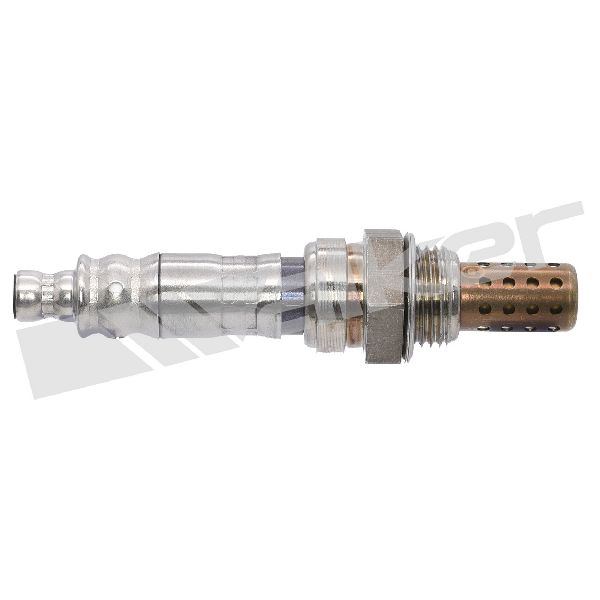
Est. part cost: $300-$800 for an aftermarket direct-fit unit (e.g., Walker 16468), $900+ for an OEM unit. - Faulty Oxygen (O2) Sensor 🟡 Medium Probability → Shop Oxygen Sensor O2 sensors are wear items and have a finite lifespan. A lazy or failing downstream (Bank 1, Sensor 2) O2 sensor can send incorrect data to the ECM, falsely triggering a P0420 code. Oil contamination from AFM issues can also foul the sensors.
How to confirm: Use a scan tool with live data graphing. The upstream sensor (B1S1) should fluctuate rapidly between ~0.1V and ~0.9V. A good downstream sensor (B1S2) on a healthy converter should show a relatively steady, flat voltage above 0.6V. If the B1S2 voltage mirrors the B1S1 voltage, it points to a bad converter or a bad sensor.
Typical fix: Replace the corresponding oxygen sensor (Bank 1, Sensor 2). It is often recommended to replace them in pairs (upstream and downstream) or all four at once on high-mileage vehicles.
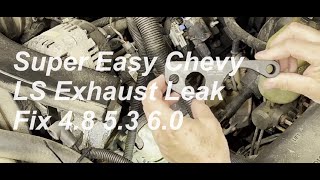
Est. part cost: $40-$100 per sensor for reputable brands like ACDelco (OEM P/N for 2008-2011 is often 213-4229) or Denso. - Exhaust Leak 🟡 Medium Probability Exhaust manifold bolts, especially the rear-most ones near the firewall, are notorious for breaking off on these V8 engines. This creates a leak between the engine and the upstream O2 sensor, allowing fresh air to enter the exhaust. This extra oxygen fools the sensors into mimicking a bad catalytic converter. Manifolds can also crack.
How to confirm: A ticking noise from the engine bay, especially when cold, is a classic sign. Perform a visual inspection for black soot trails around manifold flanges and connections. A smoke test is the most effective way to pinpoint the leak. You can also use a shop vacuum on 'blow' to pressurize the exhaust and spray soapy water on joints, looking for bubbles.
Typical fix: Replace the broken exhaust manifold bolts and gasket. In some cases, a clamp-style repair kit (like those from Kral Auto Parts) can fix a broken bolt without removing the manifold. If the manifold itself is cracked, it must be replaced.
Est. part cost: $20-$50 for gaskets and bolts, $150-$400 for an exhaust manifold. - Engine Misfires or Rich Fuel Condition ⚪ Low Probability Worn spark plugs, failing ignition coils, or leaky fuel injectors can cause unburnt fuel to be dumped into the exhaust. This raw fuel superheats and rapidly degrades the precious metals inside the catalytic converter. AFM lifter failure can also cause persistent misfires.
How to confirm: Check for other trouble codes, especially misfire codes (P0300-P0308) or fuel trim codes (P0172, P0175). Misfire data can be monitored with a capable scan tool. A flashing check engine light indicates a current, severe misfire.
Typical fix: Address the root cause of the misfire or rich condition, such as replacing spark plugs, ignition coils, or fuel injectors. If AFM lifters have failed, a more extensive engine repair is required.
Est. part cost: $50-$300 depending on the specific cause.
Rare But Worth Checking
- PCM Software/Diagnostic Sensitivity: TSB #PIP3119P mentions that for certain diagnostic procedures, technicians are advised that the P0420/P0430 DTCs are disabled. This points to the complexity of the diagnostic routine but does not indicate a widespread software flaw requiring a customer-facing update to fix the code.
Diagnosis Steps
- Check for any other stored DTCs. Misfire (P030x), fuel system (P017x), or O2 sensor heater circuit codes must be addressed first.
- On 2007-2011 models, check the engine oil level and ask about consumption habits. An engine using more than a quart every 2,000-3,000 miles has a problem that must be fixed before replacing exhaust parts.
- Visually inspect the exhaust system. Look for cracks, holes, or black soot indicating a leak. Pay extremely close attention to the exhaust manifold bolts, especially the rearmost bolt on Bank 1 (passenger side), as they are known to break.
- Use a scan tool to observe live O2 sensor data. Warm the engine to operating temperature. At a steady 2500 RPM, the Bank 1 Sensor 1 (upstream) voltage should fluctuate rapidly (0.1V-0.9V). The Bank 1 Sensor 2 (downstream) voltage should be relatively stable and high (e.g., >0.6V). If B1S2 mimics B1S1's rapid switching, the converter is likely inefficient or there's an exhaust leak.
- If an exhaust leak is suspected, perform a leak test using a smoke machine for best results.
- If O2 sensors are suspected, test their response time. A 'lazy' sensor that responds slowly can be the cause.
- If all other possibilities are ruled out, perform a catalytic converter temperature check. With the engine fully warm, the outlet pipe of the converter should be at least 100°F hotter than the inlet pipe. If it's the same temperature or cooler, the converter is not working.
Parts You'll Likely Need
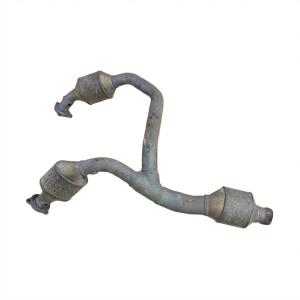
- Catalytic Converter (Bank 1) — This is the most common direct cause for the code, often failing due to age or contamination from engine oil or misfires. Often replaced as a Y-pipe assembly.
Trusted brands: ACDelco (OEM), Walker Exhaust (e.g., P/N 16468 for some models), MagnaFlow
OEM price range: $900+
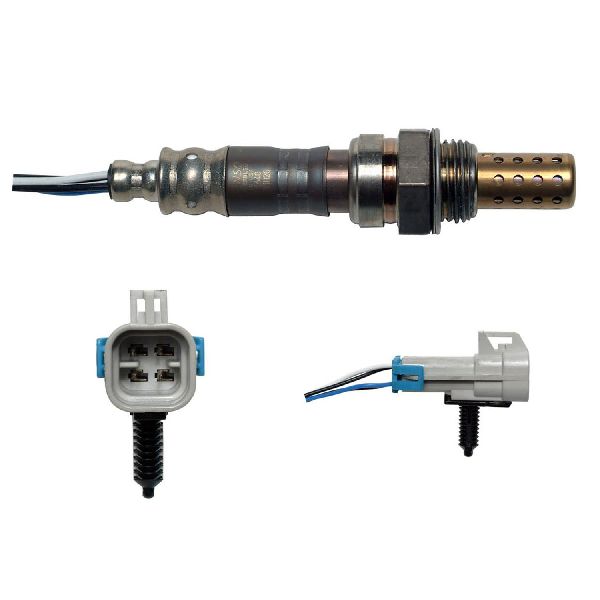
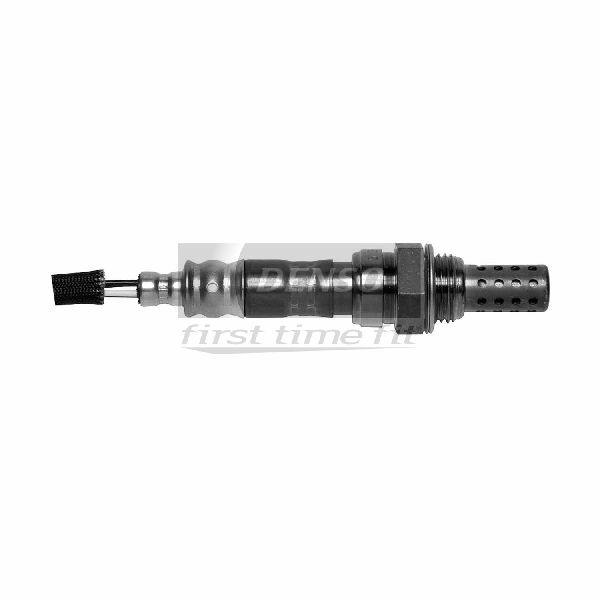
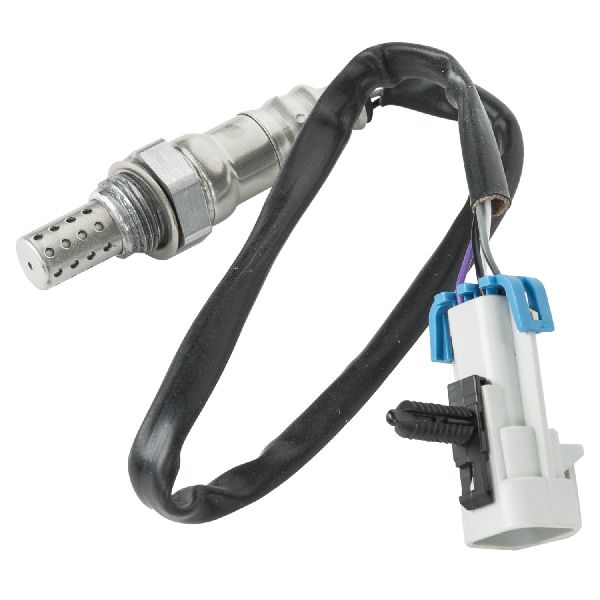
Aftermarket price range: $300-$800 - Oxygen Sensor (Bank 1, Sensor 2)
(OEM #213-4229)— The downstream sensor is critical for catalyst monitoring. It can fail from age or contamination, sending false signals to the ECM.
Trusted brands: ACDelco (OEM), Denso, Bosch
OEM price range: $60-$100
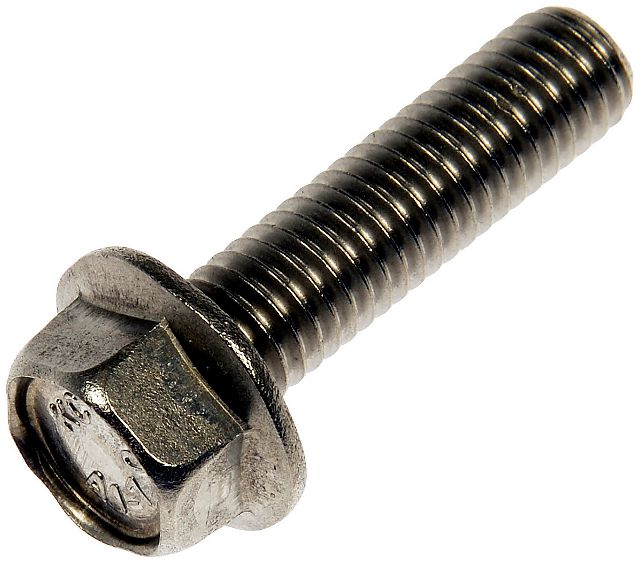
Aftermarket price range: $40-$80 - Exhaust Manifold Gasket & Bolts — Broken exhaust manifold bolts are a very common cause of exhaust leaks that trigger P0420 on these trucks. The gasket should always be replaced when the manifold is removed.
Trusted brands: ACDelco (OEM), Fel-Pro
OEM price range: $30-$50
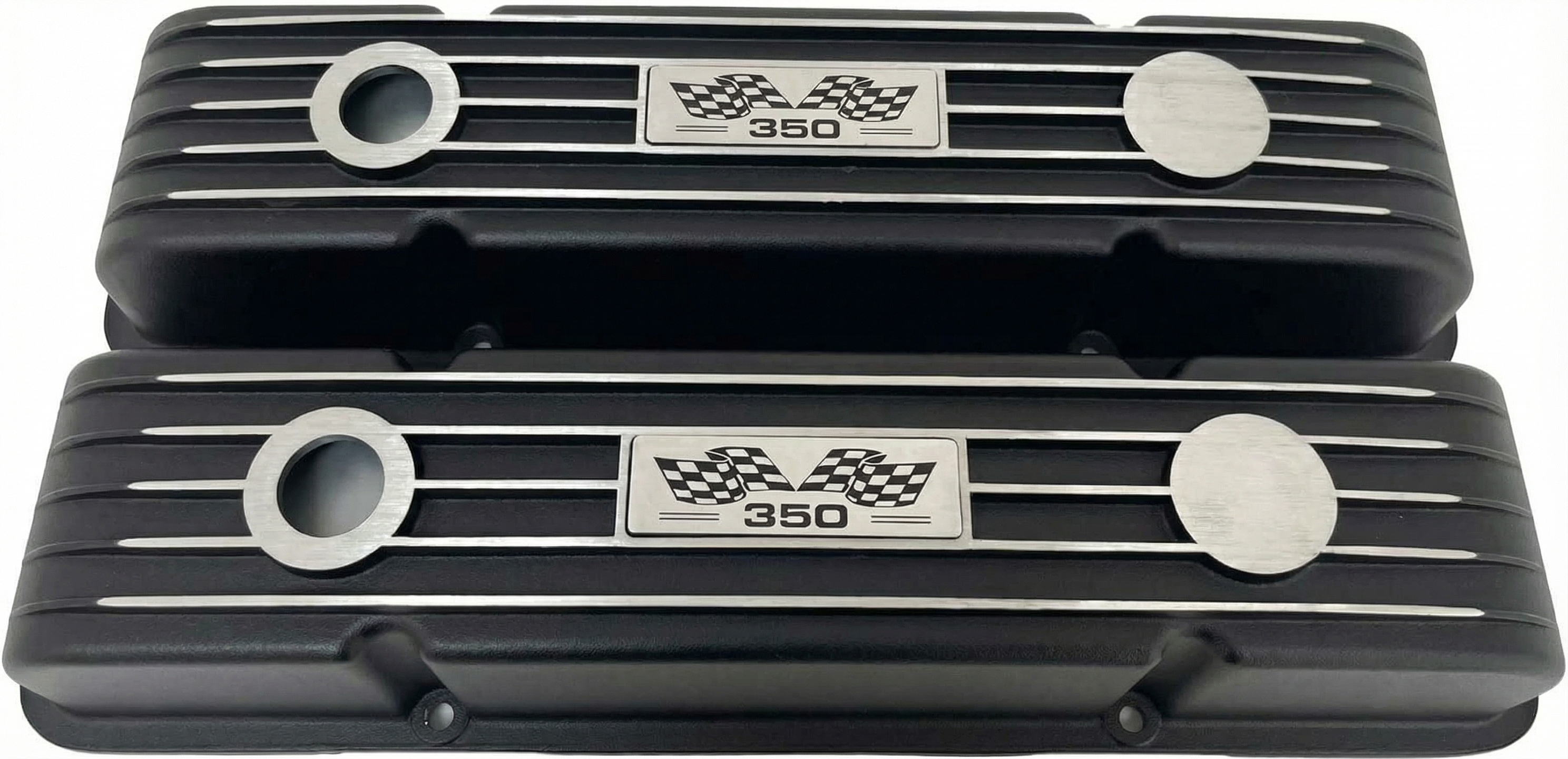
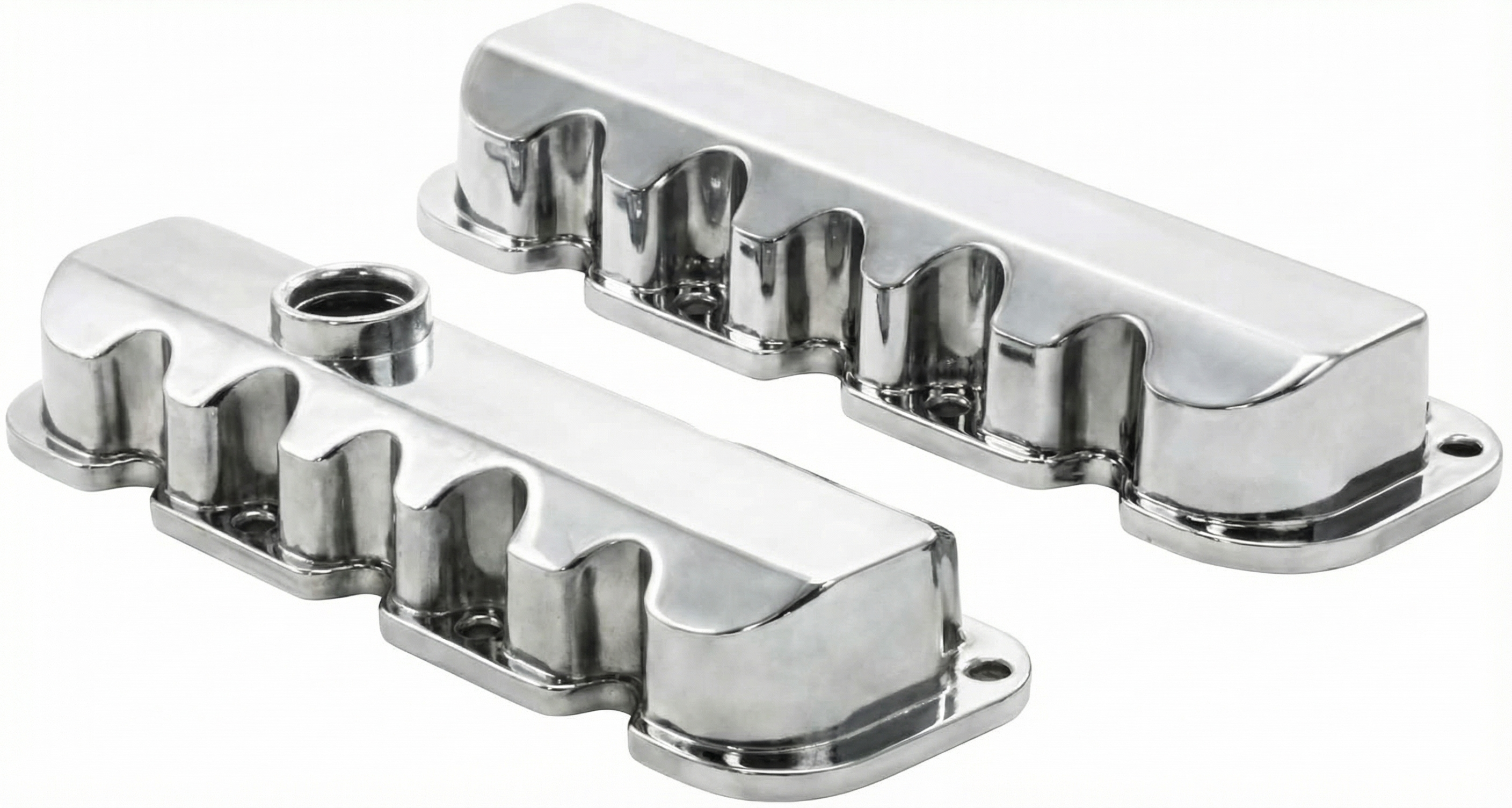
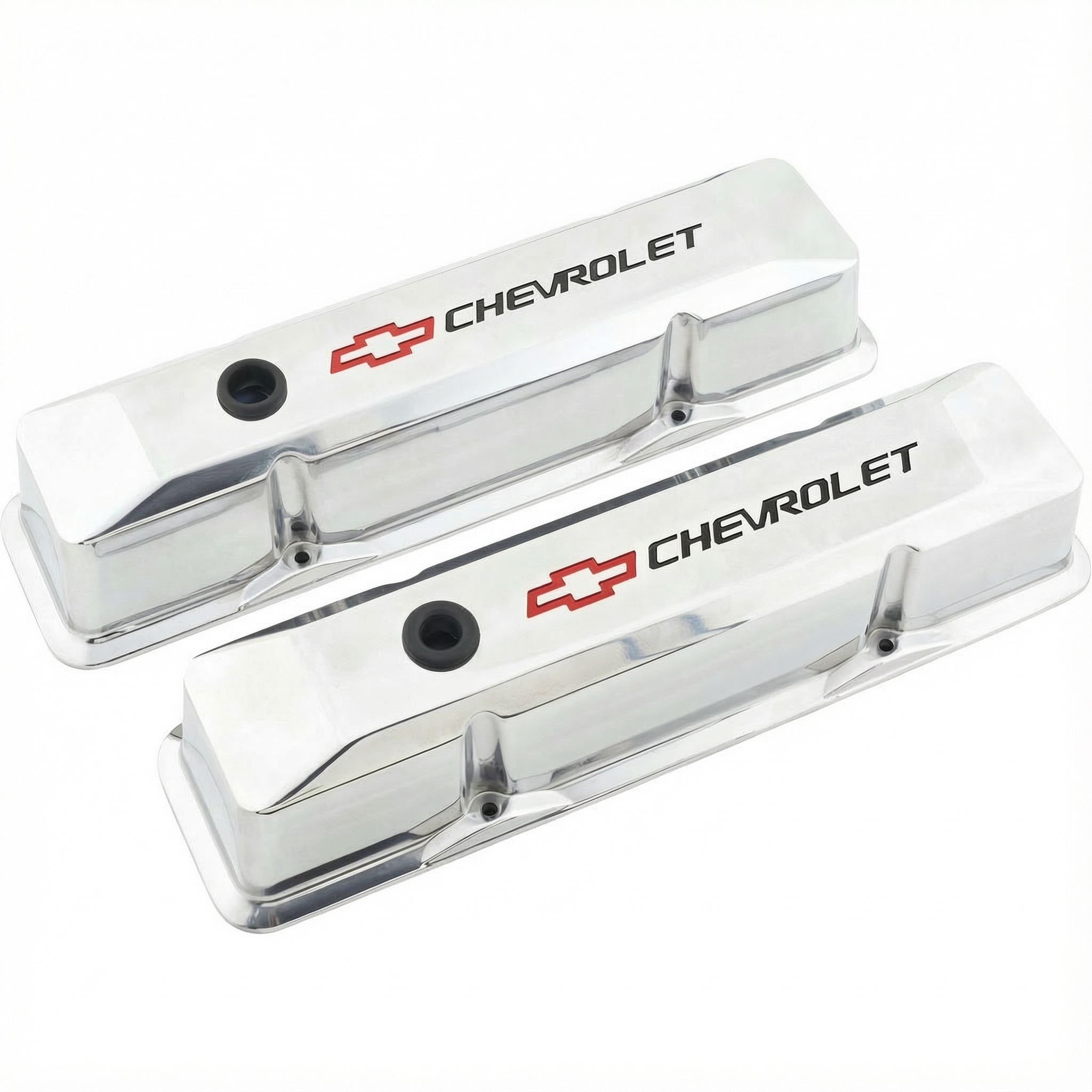
Aftermarket price range: $20-$40 - Driver Side Valve Cover (AFM Models)
(OEM #12570427)— For 2007-2008 models with AFM, the original valve cover has a poorly designed PCV system that contributes to high oil consumption. This updated part is a key component in fixing the root cause.
Trusted brands: ACDelco (OEM)
OEM price range: $100-$150
Aftermarket price range: $70-$120
Related Codes That Often Appear With This One
- P0430 — This is the identical code for Bank 2 (the driver's side). If a systemic issue like oil consumption or poor fuel quality is present, it will often damage both catalytic converters at a similar rate, causing both codes to appear together.
- P0300-P0308 — These are misfire codes (P0300 for random, P0301-P0308 for specific cylinders). An engine misfire is a primary cause of catalytic converter failure because it sends unburnt fuel into the exhaust, which then burns inside the converter and destroys it.
Technical Service Bulletins (TSBs) & Recalls
- PIP3119P: Mentions disabling P0420/P0430 for diagnostic purposes.
- 10-06-01-008F (and later revisions): A critical TSB for 2007-2011 models that details the causes and repair procedures for excessive oil consumption related to the Active Fuel Management (AFM) system. Fixes include installing an updated valve cover and an oil deflector shield in the oil pan.
Platform-Specific Known Issues
- The primary unique issue is excessive oil consumption from the 5.3L and 6.0L V8s with Active Fuel Management (AFM). As detailed in TSB 10-06-01-008F, oil gets into the combustion chamber via a poorly designed PCV system and from an oil spray shield, fouling spark plugs (especially #1 and #7), piston rings, and ultimately poisoning the catalytic converters. Any P0420 diagnosis on these trucks must begin with checking for oil consumption.
- For this generation, P0420 is more typically a result of high mileage and age. The most common culprits are simple exhaust leaks from rusted flanges or cracked exhaust manifolds, and 'lazy' or worn-out oxygen sensors that have reached the end of their service life. While oil consumption can occur, it is not the systemic, design-related problem seen in the later generation.
Scan Tool Commands That Help
- GM Tech2 / GDS2: Catalyst System Efficiency Test (Propane Injection Method) — This is a dealer-level diagnostic to definitively measure catalyst hydrocarbon conversion efficiency. It involves injecting propane into the intake and measuring the exhaust output to confirm if the converter is chemically active. It's used to verify a failed converter after ruling out sensor and leak issues.
- GM Tech2 / GDS2: Catalyst Test (Idle) — This is a built-in diagnostic routine that runs the catalyst monitor test while the vehicle is idling after being warmed up. A technician can command this test to run multiple times in a single drive cycle to confirm a pass or fail status without extensive road testing.
Wiring & Ground Locations
- Engine Ground Straps — One key ground strap connects the rear of the left (driver's side) cylinder head to the firewall. Another main ground connects the engine block directly to the negative battery terminal.. Corroded or broken engine grounds can create voltage offsets and electrical noise, affecting the sensitive readings of the oxygen sensors and the ECM. This can lead to inaccurate sensor data and potentially trigger false P0420 codes. Ensuring these grounds are clean and tight is a critical, often overlooked, electrical check.
- PCM Grounds — The main grounds for the Powertrain Control Module (PCM) are typically black wires with a white stripe that terminate on the top or rear of the engine block.. The PCM relies on a clean ground reference to interpret all sensor inputs, including those from the upstream and downstream O2 sensors. A poor PCM ground can corrupt these signals, leading to misdiagnosis of the entire catalyst monitoring system.
- Bank 1 Sensor 2 (Downstream) Connector — Located on or just after the Bank 1 (passenger side) catalytic converter. The sensor is threaded into the exhaust pipe, and its electrical connector is typically clipped to the vehicle's frame or a heat shield nearby.. This is the direct input for the catalyst efficiency measurement. The connector and its wiring are exposed to road debris and heat, making them susceptible to damage, corrosion, or melting, which would directly cause sensor-related codes or a false P0420.
Real Owner Repair Stories
- Reddit user DbowlGA (2011 Suburban Z71 5.3L, 160k miles) — Initial P0420 code, diagnosed as a clogged converter via temperature check. After replacement, occasional white smoke on startup.
❌ Tried (didn't work) Replaced catalytic converters with 'cheap' aftermarket units., Replaced all four O2 sensors with ACDelco parts.
✅ What actually fixed it The P0420 and a new P0430 code returned 3-4 weeks after replacing the converters and sensors. The community consensus pointed to the aftermarket converters lacking sufficient precious metals to meet the ECM's strict efficiency thresholds, combined with an underlying oil consumption issue (indicated by white smoke) that was likely destroying the new, less-robust converters. The final fix was not posted, but the clear problem was using low-quality aftermarket cats on a vehicle with an unresolved oil consumption problem. - Chevrolet Forum user whfh99 (2007 Suburban 1500 LTZ 5.3L AFM, 173,000 miles) — Persistent P0420 code, no noticeable performance issues.
❌ Tried (didn't work) Replaced the catalytic converter with an aftermarket Eastern Catalytic unit., Replaced the converter again with a different brand aftermarket unit., Replaced both upstream and downstream O2 sensors on Bank 1.
✅ What actually fixed it The P0420 code kept returning even after two new aftermarket converters and new O2 sensors. The user observed on a scan tool that the downstream O2 sensor voltage would start to mimic the upstream sensor after about 10 minutes of driving, triggering the code. The forum discussion concluded the issue was likely the low quality of the aftermarket converters, which could not perform to OEM standards, or a persistent underlying issue like oil consumption that was not addressed. The final resolution was not posted, but highlights the common failure of non-OEM converters to solve the code.
OEM Part Supersession History
12561820→12570427— Updated PCV baffle design to reduce oil consumption.
Heads up: Part 12570427 is the correct updated cover for 2004-2008 models. For 2009-2013 models, a different part (12642655) is often used, which has a different PCV hose connection style. Using the wrong cover may require hose modifications.N/A→12639759— This part was added to address oil consumption from the Active Fuel Management (AFM) pressure relief valve.
Heads up: This is an oil deflector shield that is installed in the oil pan to block oil spray from the AFM pressure relief valve from splashing onto the cylinder walls. It is a critical part of the TSB fix for oil consumption on 2007-2011 AFM engines and must be installed when the oil pan is off.
Model Year Variations Within This Range
- 2007-2011 (GMT900): These models use a Gen IV V8 with an E38 Engine Control Module (ECM) and a separate Transmission Control Module (TCM). The earlier 2004-2006 GMT800 models used a single Powertrain Control Module (PCM) to control both.
- 2007-2008 vs 2009+: The E38 ECM and T42 TCM (transmission controller) had hardware and software changes around 2009. An ECM from a 2007-2008 truck is generally not compatible with a TCM from a 2009 or newer truck, and vice-versa. They will not communicate, resulting in a limp mode. When replacing modules, they must be from a compatible year range.
Helpful Videos

Used OEM Parts in Stock
New Aftermarket Parts Available

The information in this article is provided for general reference and educational purposes only. Vehicle specifications, procedures, and part compatibility can vary by production date, trim level, and region. Always consult your vehicle's factory service manual and verify part numbers before purchasing or performing repairs. Safety-critical components such as airbags, seat belts, and braking systems should be installed by a qualified professional.
- Chevrolet SUBURBAN:
- 🧭 Diagnostic Flowchart
- 🎬 Helpful Videos
- 🛍️ Shop This Part
- What's Unique About the 2004-2011 Chevrolet SUBURBAN
- Symptoms You May Notice
- Most Likely Causes
- Rare But Worth Checking
- Diagnosis Steps
- Parts You'll Likely Need
- Related Codes That Often Appear With This One
- Technical Service Bulletins (TSBs) & Recalls
- Platform-Specific Known Issues
- Scan Tool Commands That Help
- Wiring & Ground Locations
- Real Owner Repair Stories
- OEM Part Supersession History
- Model Year Variations Within This Range
- 🎟️ Get 5% Off