

P0420 on 2002-2009 Chevrolet Tahoe: Catalyst Efficiency Causes and Fixes
On a 2002-2009 Tahoe, P0420 most often means the catalytic converter on Bank 1 has failed. Before replacing this expensive part (often $500+), it's wise to first check for cheaper causes like a bad downstream oxygen sensor (around $50-$100) or an exhaust leak. On GMT800 models (2002-2006), broken exhaust manifold bolts are a very common cause of leaks that trigger this code.
- P0420 on a 2002-2009 Tahoe points to an inefficient catalytic converter on the driver's side, but the converter itself isn't always the root cause.
- Before spending hundreds on a new converter, always check for cheaper problems: exhaust leaks (especially at the manifold on 2002-2006 models) and faulty downstream O2 sensors.
- A scan tool that can read live data is the most powerful tool for diagnosis, allowing you to see how the O2 sensors are behaving.
- If you do replace the catalytic converter, choose a quality OEM or aftermarket brand to avoid the code returning.
- Always resolve any engine misfire or fuel mixture codes before replacing the catalytic converter to prevent damaging the new part.
What's Unique About the 2002-2009 Chevrolet TAHOE

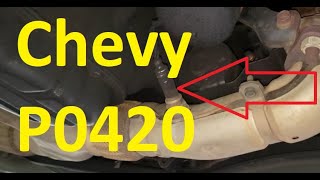
For the 2002-2009 Tahoe, the P0420 code is a very common issue as these trucks age. While catalytic converter failure is frequent, these vehicles, especially the earlier 2002-2006 (GMT800) models, are also known for exhaust manifold bolts breaking. This creates an exhaust leak that allows unmetered oxygen into the exhaust, which can fool the oxygen sensors and incorrectly trigger a P0420 code, leading to an expensive and unnecessary converter replacement. It is crucial to rule out leaks and sensor issues before condemning the catalytic converter. 🎬 Watch: A breakdown of common P0420 causes and fixes. Some owners have successfully fixed the leak without removing the manifold by using a specialized clamp kit.
Diagnostic Flowchart

Tap your situation to follow the diagnostic path that matches what you're seeing on this vehicle.
Generation note: This range covers two Tahoe generations: the GMT800 (2002-2006) and the GMT900 (2007-2009). While the causes are similar, the GMT800 models are particularly notorious for the rear-most exhaust manifold bolts rusting and breaking off in the cylinder head, causing leaks that can trigger this code. The GMT900s can also suffer from this, but it is a hallmark issue of the GMT800 platform.
Symptoms You May Notice
- Check Engine Light is on
- Vehicle fails emissions testing
- Reduced fuel economy
- Possible decrease in engine power or sluggish acceleration, especially if the converter is clogged
- A sulfur or "rotten egg" smell from the exhaust
- A ticking or puffing noise from the engine bay, especially when cold, indicating an exhaust manifold leak
- Immediately replacing the catalytic converter without checking for exhaust leaks or testing the oxygen sensors first. An exhaust leak from a broken manifold bolt is a very common cause on GMT800 Tahoes and is a much cheaper fix.
- Replacing an oxygen sensor without confirming it is faulty. While sometimes a good guess, if the code returns, the problem was likely the converter or an upstream issue. Swapping sensors side-to-side is a free diagnostic step.
- Using cheap, low-quality aftermarket catalytic converters. Many owners report in forums that using a non-OEM or low-quality aftermarket converter resulted in the P0420 code returning shortly after installation.
Most Likely Causes

- Failed Catalytic Converter 🔴 High Probability → Shop Catalytic Converter Catalytic converters have a finite lifespan and can become clogged or chemically inefficient over time, especially on higher-mileage vehicles. They can also be damaged by engine issues like misfires or rich running conditions that send unburned fuel into the exhaust, causing the converter to overheat and melt internally.
How to confirm: Use an infrared thermometer to check the converter's temperature; the outlet should be at least 100°F hotter than the inlet after the engine is fully warmed up. A rattling noise from the exhaust can indicate a broken internal substrate. The most definitive test is to view live O2 sensor data on a scan tool; if the downstream (Sensor 2) voltage graph mimics the upstream (Sensor 1) graph, the converter is not working.
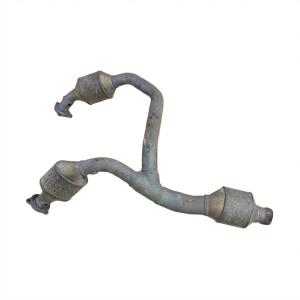
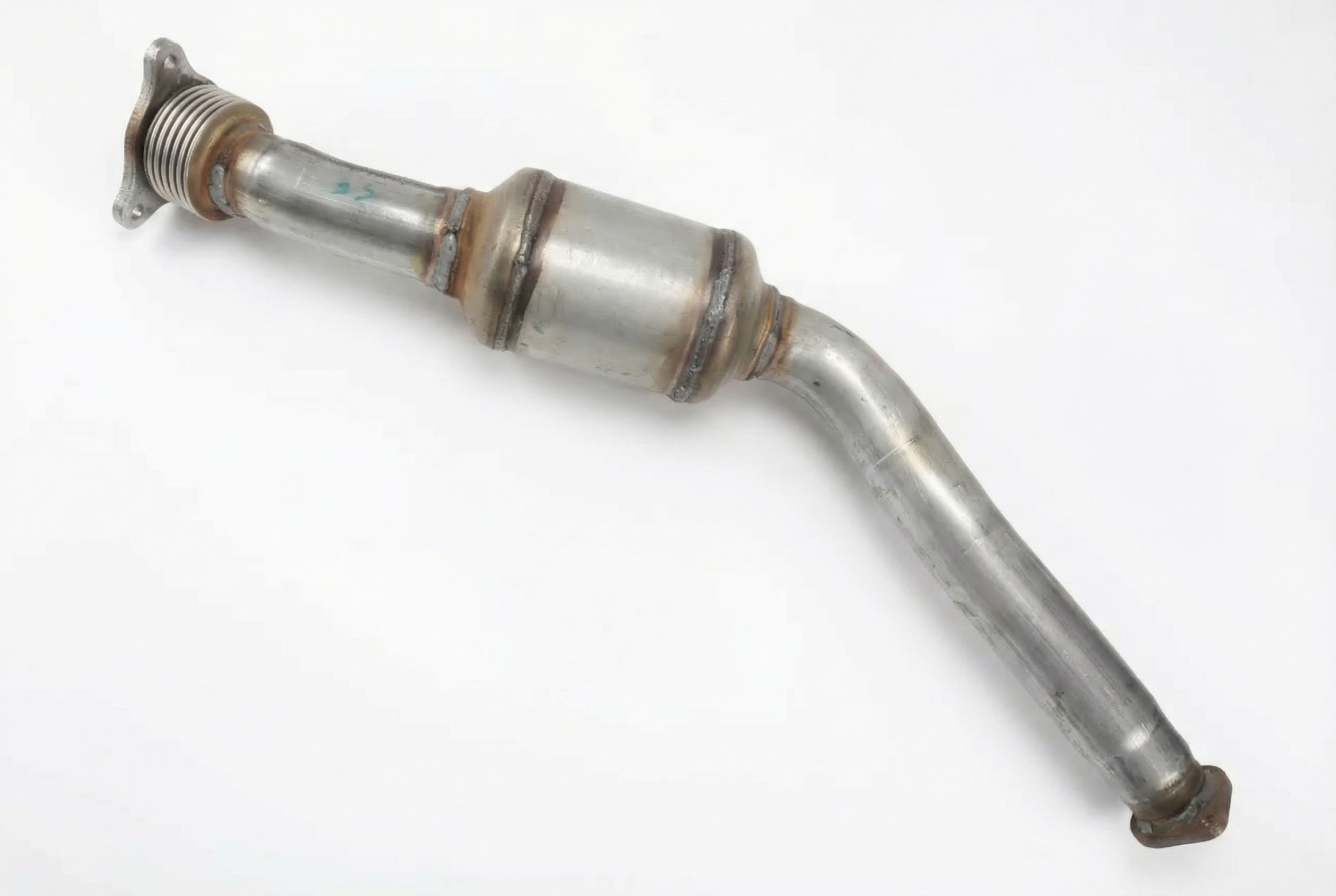
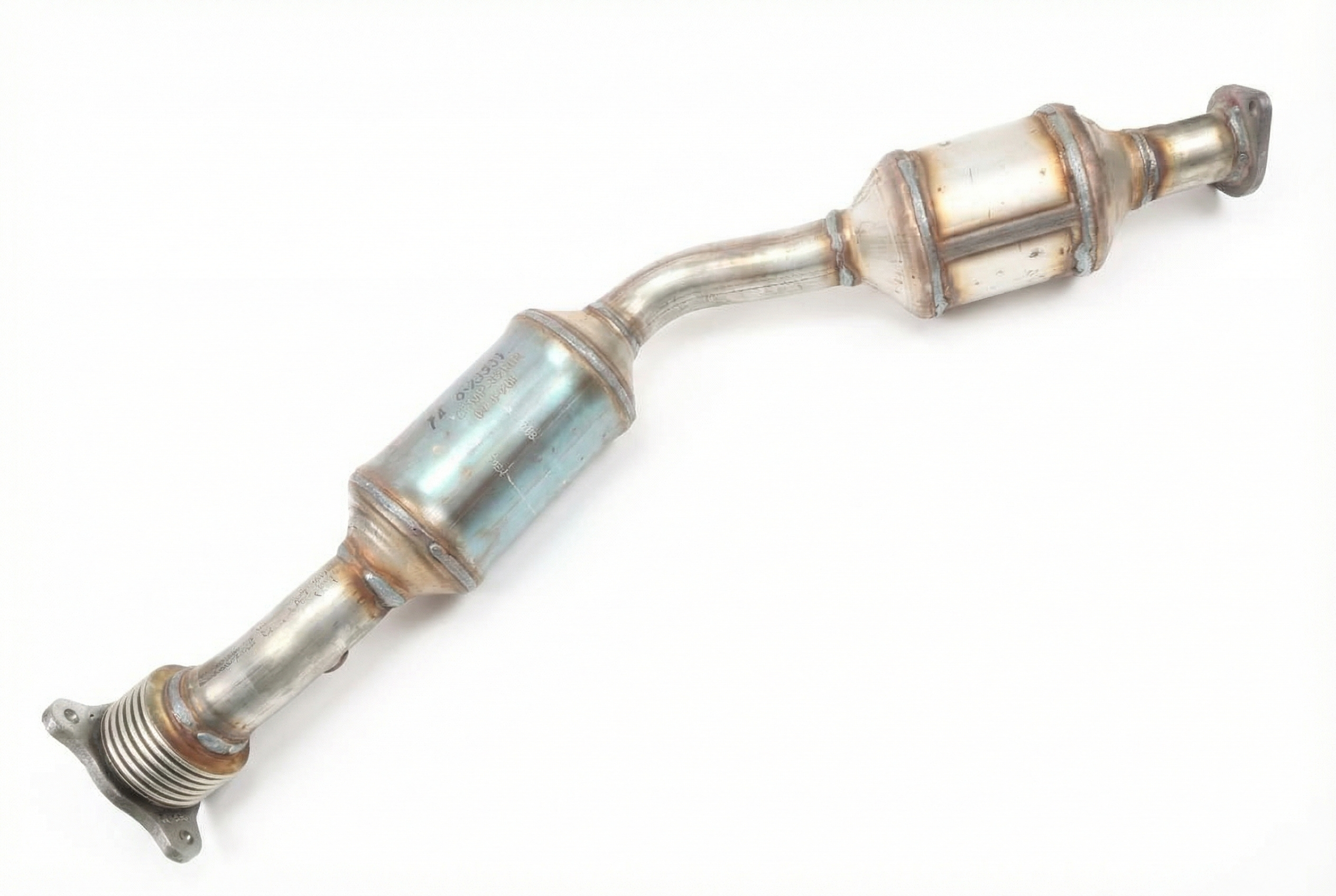
Typical fix: Replace the Bank 1 catalytic converter. It is often recommended to replace both converters at the same time, as the other may not be far behind. Many owners opt for high-quality aftermarket assemblies from brands like MagnaFlow or Walker, which often come as a Y-pipe including both converters.
Est. part cost: $300-$1200 - Exhaust System Leak 🔴 High Probability The 2002-2006 (GMT800) models are notorious for the rearmost exhaust manifold bolts rusting and breaking off in the cylinder head, creating a leak. This allows outside air to be sucked into the exhaust stream, which corrupts the O2 sensor readings and causes a false P0420 code. Leaks can also occur at gaskets or pipe flanges.
How to confirm: Listen for a distinct ticking or puffing noise from the engine area, which is most noticeable on a cold start and may quiet down as the engine warms up and the metal expands. A visual inspection may reveal black soot trails near the rearmost cylinder on the driver's side manifold. A smoke test is the most effective way to find small leaks.
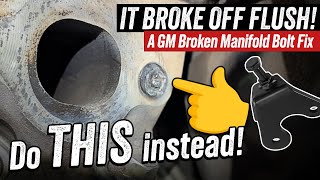
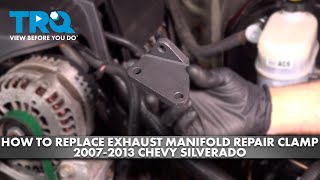
Typical fix: Repair the leak. For broken manifold bolts, the official repair involves removing the manifold and extracting the broken bolt, which can be very labor-intensive. A popular and effective DIY fix involves using a Dorman (or similar) exhaust manifold repair clamp that brackets the manifold to the head, sealing the leak without requiring bolt extraction. 🎬 See how to fix a broken manifold bolt the easy way.
Est. part cost: $20-$300 - Faulty Downstream (Post-Catalyst) Oxygen Sensor 🟡 Medium Probability → Shop Oxygen Sensor O2 sensors degrade over time and can become "lazy" or send inaccurate signals to the PCM, leading to a false P0420 code. Many forum users recommend using only ACDelco or Delphi sensors, as some have reported persistent issues with Bosch sensors on these trucks.
How to confirm: Use a scan tool to monitor live O2 sensor data. The downstream (Bank 1, Sensor 2) sensor's voltage should be relatively stable (typically above 0.5V). If it's fluctuating rapidly like the upstream sensor, the converter is likely bad. If the sensor's reading is flat, stuck, or slow to respond, the sensor itself is likely the issue. A common diagnostic trick is to swap the downstream sensors from Bank 1 and Bank 2. Clear the codes and drive. If the code changes to P0430 (Bank 2), the sensor is confirmed to be bad.
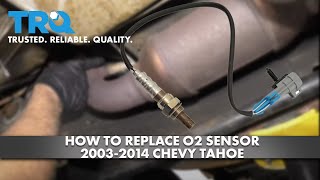
Typical fix: Replace the Bank 1, Sensor 2 oxygen sensor. Given the cost, it's often replaced as a precautionary measure 🎬 Watch: How to replace the O2 sensor on your Tahoe. before the catalytic converter.
Est. part cost: $50-$150 - Engine Performance Issues ⚪ Low Probability An engine that is misfiring or running rich due to issues like bad spark plugs, ignition coils, or leaking fuel injectors can send unburned fuel into the exhaust. This unburned fuel superheats the catalytic converter, causing it to fail prematurely. A user on Tahoe Yukon Forum noted that a bad MAF sensor caused a rich condition that destroyed their new cats.
How to confirm: Check for other trouble codes related to misfires (P0300-P0308) or fuel trim (P0172, P0175). Address these codes first. A rich condition that is resolved may still leave you with a P0420 if the converter was already damaged.
Typical fix: Perform a full engine tune-up, replacing spark plugs and wires. Replace faulty ignition coils, MAF sensor, or fuel injectors as needed. The root cause must be fixed before replacing the catalytic converter, or the new one will fail as well.
Est. part cost: $50-$500
Rare But Worth Checking
- PCM Calibration or Break-In Period:
Diagnosis Steps
- Scan for any other stored trouble codes. Address any misfire, fuel system, or O2 sensor circuit codes before diagnosing the P0420.
- Inspect the exhaust manifolds for leaks, especially the rear bolts on the cylinder heads. Listen for a 'ticking' sound when the engine is cold. Look for black soot trails.
- If a leak is suspected but not visible, perform an exhaust smoke test to pinpoint its location.
- With a scan tool, observe the live data for the upstream (Bank 1 Sensor 1) and downstream (Bank 1 Sensor 2) oxygen sensors. At a steady 2500 RPM, the upstream sensor should fluctuate rapidly between ~0.1V and ~0.9V. The downstream sensor should hold a relatively steady, high voltage (e.g., >0.6V). If the downstream sensor mirrors the upstream, the converter has likely failed.
- If the O2 sensor and converter
Parts You'll Likely Need
- Catalytic Converter (Bank 1 or Y-Pipe Assembly)
(OEM #19420124 (2007-2008 5.3L Kit))— This is the most common failed component that directly causes the P0420 code when it can no longer efficiently clean exhaust gases. Often replaced as a full Y-pipe assembly on these trucks.
Trusted brands: ACDelco (GM Genuine), Walker Exhaust, MagnaFlow, Eastern Catalytic
OEM price range: $600-$1400
Aftermarket price range: $300-$700 - Downstream Oxygen Sensor (Bank 1, Sensor 2)
(OEM #ACDelco 213-3867 (fits 2004 4.8L/5.3L))— A faulty or degraded sensor can provide inaccurate readings to the PCM, falsely triggering the P0420 code. It's a common and relatively inexpensive part to replace. Forum members strongly advise using OEM brands like ACDelco or Delphi.
Trusted brands: ACDelco, Denso, NTK
OEM price range: $80-$150
Aftermarket price range: $50-$100 - Exhaust Manifold Bolt Repair Clamp — A popular, time-saving solution to fix the common broken rear manifold bolt leak on GMT800/GMT900 trucks without having to extract the bolt.
Trusted brands: Dorman, Kral Auto Parts (KAP)
OEM price range: N/A
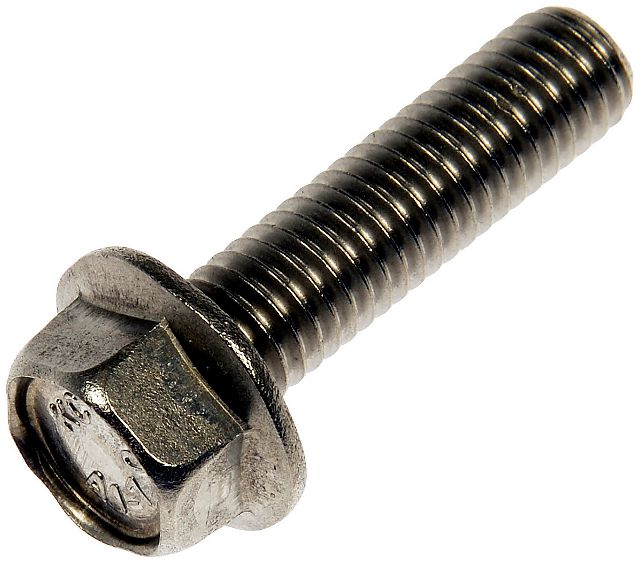
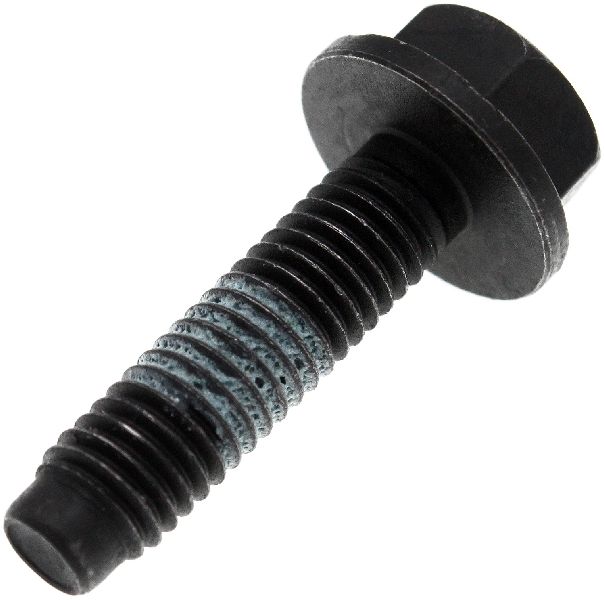
Aftermarket price range: $20-$60 - Exhaust Manifold Gasket & Bolt Set — Required to fix exhaust leaks at the manifold if choosing the traditional repair method of removing the manifold to extract broken bolts.
Trusted brands: Fel-Pro, ACDelco, Dorman
OEM price range: $40-$80
Aftermarket price range: $20-$50
Related Codes That Often Appear With This One
- P0430 — This is the same efficiency code but for Bank 2 (passenger side). It's common for both converters to fail around the same time, or for an underlying engine issue (like a bad MAF sensor) or exhaust leak to affect both banks.
- P0300-P0308 — These are misfire codes. An engine misfire allows unburned fuel to enter the exhaust, which can quickly destroy a catalytic converter. The misfire is the root cause that must be fixed to prevent repeat converter failure.
- P0171, P0174, P0172, P0175 — These are fuel trim codes indicating a lean or rich running condition. A rich condition (P0172/P0175) can damage the converter with excess fuel. A lean condition (P0171/P0174), often from an intake or exhaust leak, can cause false O2 readings and trigger a P0420.
Technical Service Bulletins (TSBs) & Recalls
- PIP3119P: Notes that a P0420/P0430 can set on a new/low mileage vehicle or after a catalytic converter replacement if a proper break-in drive cycle is not performed. It provides a specific highway driving procedure to properly season the new converter.
Platform-Specific Known Issues
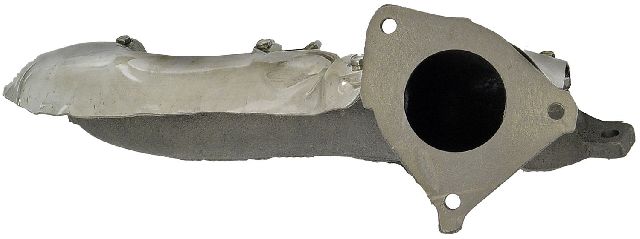
- Broken Rear Exhaust Manifold Bolts (GMT800): → Shop Exhaust Manifold The 2002-2006 (GMT800) Tahoes are infamous for the exhaust manifold bolts, particularly the one at the rear of the cylinder head (closest to the firewall), breaking off. This causes a significant exhaust leak right before the primary oxygen sensor, leading to a P0420 code. Owners report a 'ticking' noise on startup that may fade as the engine warms. Many have successfully used a clamp kit from Dorman or other brands to fix this without removing the manifold, as described in a Reddit thread on r/GMT800 and multiple YouTube tutorials.
- Aftermarket Converter Woes: Multiple owner accounts on forums like ChevroletForum.com and TahoeYukonForum.com mention that installing a cheaper, non-CARB compliant, or universal aftermarket catalytic converter led to the P0420 code returning within a few days or weeks. It is often recommended to use high-quality direct-fit converters from reputable brands like MagnaFlow or Walker, or to use an OEM part to ensure the PCM's efficiency test is satisfied.
Mechanic-Grade Diagnostic Values
- Downstream O2 Sensor (Bank 1, Sensor 2) Voltage — expected: Relatively stable voltage, typically between 0.4 to 0.5 volts under normal conditions. Should be far less active than the upstream sensor.. Failure: Voltage fluctuates rapidly, mimicking the upstream sensor's pattern, or is stuck at a very low or high reading.
- Catalyst Monitor O2 Sensor Response Time — expected: The PCM measures the time difference for the front and rear O2 sensors to cross a voltage threshold (e.g., 350mV to 600mV) during commanded rich/lean transitions. A healthy catalyst creates a significant time delay.. Failure: If the time difference between the front and rear sensor responses is less than a predetermined value, the PCM flags the catalyst as inefficient and sets P0420.
- Mode $06, OBDMID $04, TID $20 — expected: This test for 'Steady state catalyst test bank 1' returns a value that must be within a specific range determined by the PCM. A passing value indicates sufficient oxygen storage capacity.. Failure: The test value falls outside the minimum/maximum threshold stored in the PCM, indicating the catalyst failed the test.
Hidden / Shadow Codes Worth Checking
- Mode $06, Test ID $20: This is not a DTC but a raw data parameter for the 'Steady state catalyst test bank 1'. It provides the direct test result value that the PCM uses to determine if the catalyst passes or fails its efficiency monitor. A technician can view this with an advanced scan tool to see how close to the failure threshold the catalyst is performing, even before a P0420 code is set. (see via Advanced OBD-II scanner with Mode $06 data capability.)
Scan Tool Commands That Help
- GM Tech2 / GDS2: Catalyst Monitor Test — A technician can use the dealer scan tool to observe the catalyst monitor test as it runs. The tool displays the enable criteria and can show the lean-to-rich and rich-to-lean transitions commanded by the PCM to test the catalyst's oxygen storage capacity at idle. This allows for a targeted diagnosis without having to perform a full drive cycle.
Wiring & Ground Locations
- G104 — Located on the left rear of the engine block.. This is a primary engine-to-chassis ground. A poor connection here can introduce electrical noise and cause erratic readings from engine sensors, including the oxygen sensors, potentially leading to a false P0420 code.
- G103 — Located on the right rear of the engine. Some diagrams show it on the cowl above the brake booster. Its exact location can vary slightly by year and model, but it is a critical PCM and sensor ground.. This ground is used by the PCM, Data Link Connector (DLC), and various sensors. Corrosion or looseness at G103 is a known cause of bizarre electrical issues and can directly impact the accuracy of O2 sensor signals sent to the PCM.
- Bank 1 O2 Sensor Wiring — The Bank 1 Sensor 2 (downstream) harness runs along the driver's side of the transmission.. The signal wires for the Bank 1 downstream sensor are typically Tan and Purple. This harness can be damaged by road debris or contact with hot exhaust components, leading to shorted or open circuits that would set sensor-specific codes but could also cause erratic readings that contribute to a P0420.
Real Owner Repair Stories
- Tahoe Yukon Forum (2005 Tahoe Z71 (GMT800)) — Persistent weird electrical issues, dash lights, bad fuel mileage, and possessed rear wiper.
❌ Tried (didn't work) The user was chasing multiple electronic gremlins without success.
✅ What actually fixed it The user discovered a corroded ground wire that had fallen off its connection point on the frame under the driver's side door. After cleaning the frame contact point with a Dremel and re-securing the ground with a new stainless steel bolt, all the strange electrical problems, including poor performance, were resolved.
OEM Part Supersession History
12609457→ACDelco 213-4229— Standard part number update and branding.
Heads up: This is a common downstream O2 sensor for 2008-2014 models. While it may physically fit other years, using the correct sensor for the specific model year is critical as internal calibration can differ.
Model Year Variations Within This Range
- 2007-2009 (GMT900): The introduction of Active Fuel Management (AFM) on many 5.3L and 6.0L V8 engines brought a new potential cause for P0420. Some of these engines were prone to excessive oil consumption due to issues with piston rings and the PCV system, particularly in the AFM-deactivated cylinders. This oil burning can foul and destroy the catalytic converters over time. GM issued TSBs (e.g., 10-06-01-008M) detailing fixes like installing an oil deflector in the oil pan and cleaning pistons.
Helpful Videos
Used OEM Parts in Stock
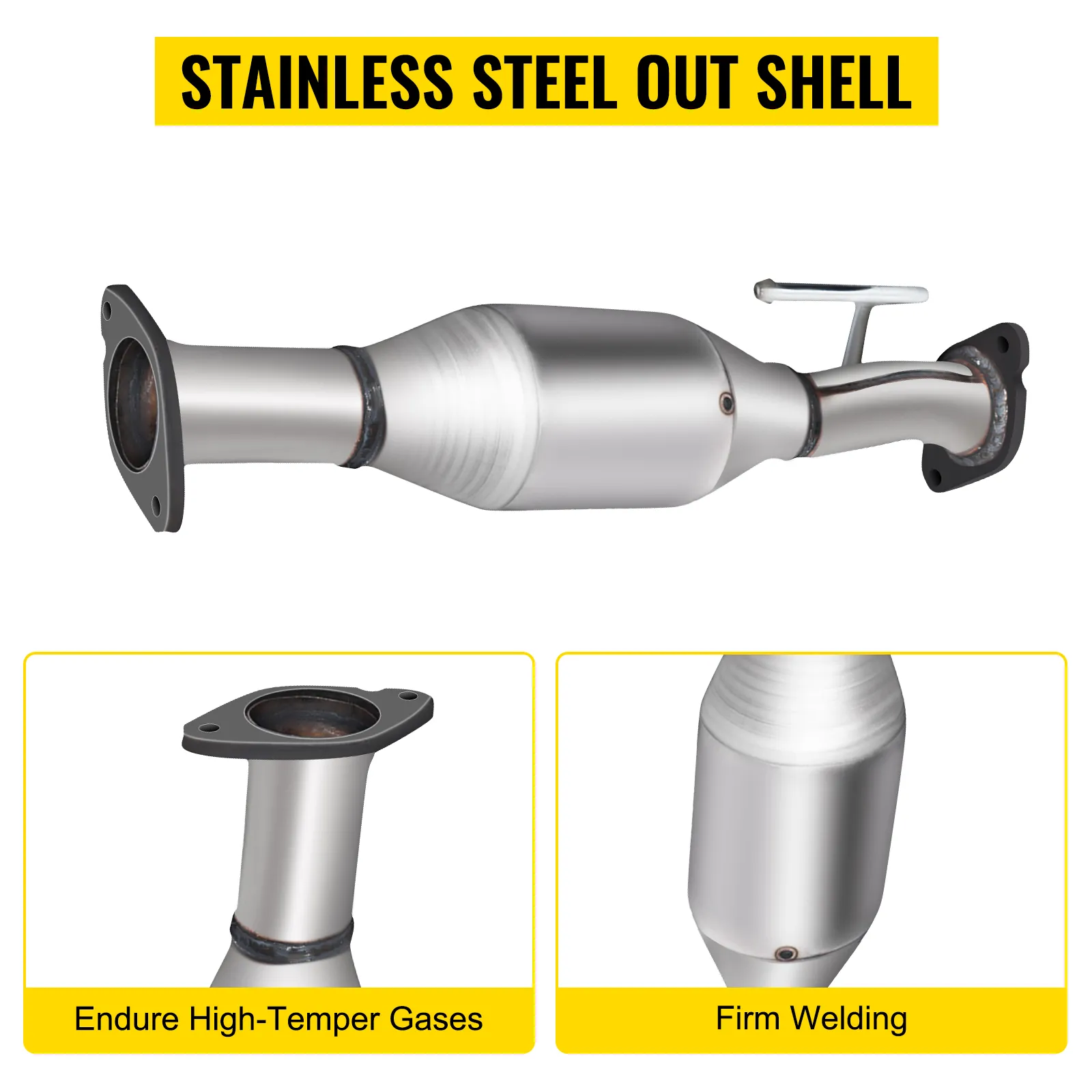
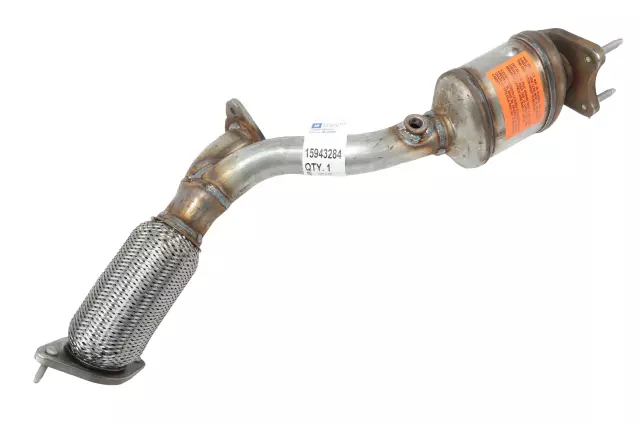
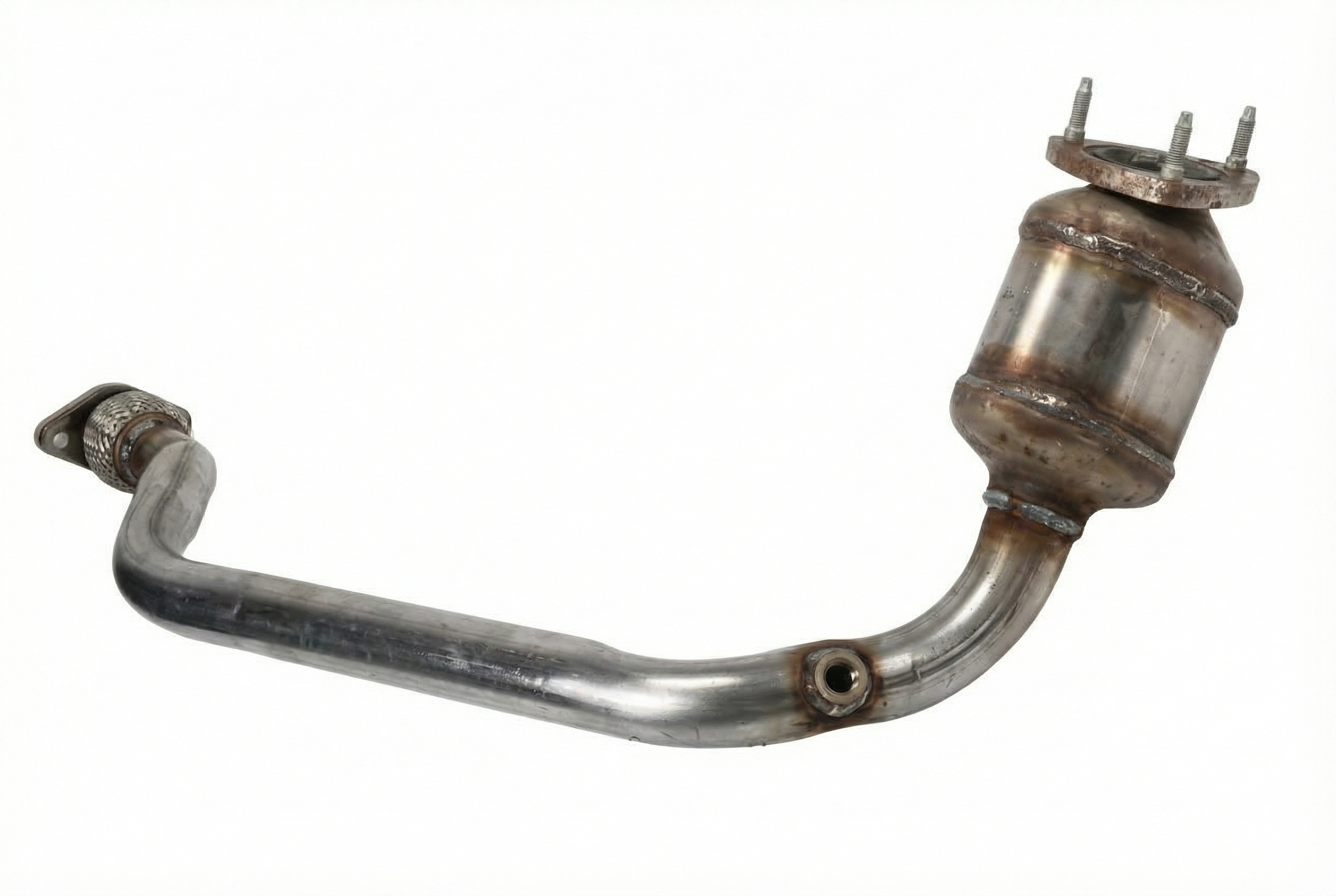
New Aftermarket Parts Available
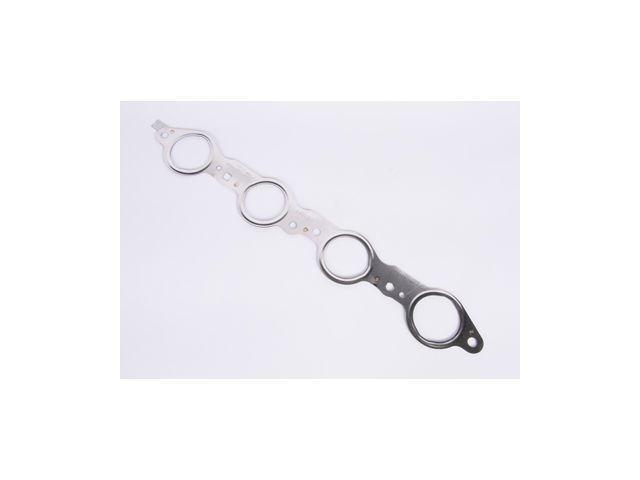


The information in this article is provided for general reference and educational purposes only. Vehicle specifications, procedures, and part compatibility can vary by production date, trim level, and region. Always consult your vehicle's factory service manual and verify part numbers before purchasing or performing repairs. Safety-critical components such as airbags, seat belts, and braking systems should be installed by a qualified professional.
- Chevrolet TAHOE:
- 🧭 Diagnostic Flowchart
- 🎬 Helpful Videos
- 🛍️ Shop This Part
- What's Unique About the 2002-2009 Chevrolet TAHOE
- Symptoms You May Notice
- Most Likely Causes
- Rare But Worth Checking
- Diagnosis Steps
- Parts You'll Likely Need
- Related Codes That Often Appear With This One
- Technical Service Bulletins (TSBs) & Recalls
- Platform-Specific Known Issues
- Mechanic-Grade Diagnostic Values
- Hidden / Shadow Codes Worth Checking
- Scan Tool Commands That Help
- Wiring & Ground Locations
- Real Owner Repair Stories
- OEM Part Supersession History
- Model Year Variations Within This Range
- 🎟️ Get 5% Off