

P0420 on 2010-2017 Chevrolet Tahoe: Catalytic Converter & O2 Sensor Guide
P0420 on a Tahoe means the Bank 1 catalytic converter is inefficient. While the converter itself may have failed, the root cause is often a cheaper part like a faulty downstream oxygen sensor, an exhaust leak from a broken manifold bolt, or an intake air leak. Always diagnose sensors and leaks before replacing the expensive converter.
- P0420 means the Bank 1 (driver's side) catalytic converter is not working efficiently.
- Do NOT immediately replace the catalytic converter. It's expensive and often not the root cause.
- First, inspect for exhaust leaks (especially broken manifold bolts) and intake leaks (check the air filter box seal).
- Use a scan tool to test the oxygen sensors. A faulty downstream (Sensor 2) O2 sensor is a very common culprit.
- If you must replace the converter, use a high-quality OEM (ACDelco) or reputable aftermarket brand to ensure the light stays off.
What's Unique About the 2010-2017 Chevrolet TAHOE

For the 2010-2017 Tahoe, P0420 can be triggered by issues beyond the typical bad converter. GM issued a Technical Service Bulletin (TSB #16-NA-111) pointing to a poorly sealed air filter box causing unmetered, debris-filled air to enter the engine, which can damage O2 sensors and the converter itself. Additionally, the 5.3L and 6.2L V8 engines are notorious for the rearmost and foremost exhaust manifold bolts breaking due to thermal stress, causing leaks 🎬 Watch: How to fix common exhaust manifold leaks on this V8. that introduce oxygen and fool the sensors. Furthermore, issues with the Active Fuel Management (AFM) system can cause excessive oil consumption, leading to oil fouling of spark plugs and contamination of the catalytic converter, which degrades its efficiency over time.
Diagnostic Flowchart

Tap your situation to follow the diagnostic path that matches what you're seeing on this vehicle.
Generation note: This range covers two Tahoe generations: the GMT900 (2010-2014) and the K2XX (2015-2017). While causes are similar, the K2XX models with direct-injected EcoTec3 engines have known fuel system sensitivities and specific TSBs that can relate to the P0420 code. The GMT900 models are particularly known for issues related to the Active Fuel Management (AFM) system causing oil consumption that can poison the converters.
Symptoms You May Notice
- Check Engine Light is on
- Reduced engine power or hesitation during acceleration
- Decrease in fuel economy
- A sulfur or "rotten egg" smell from the exhaust
- Vehicle will fail an emissions test
- Ticking or puffing noise from the engine bay, especially when cold, indicating an exhaust manifold leak
- Replacing the catalytic converter when the actual problem is a faulty oxygen sensor, an exhaust leak from a broken manifold bolt, or an intake leak.
- Replacing an oxygen sensor without first checking for exhaust leaks or other engine performance issues that could be causing the sensor to read incorrectly.
- Using cheap aftermarket O2 sensors (e.g., Bosch) which are known to cause issues, instead of OEM ACDelco or Denso parts.
Most Likely Causes

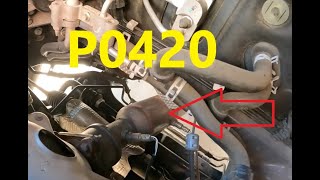
- Failed Catalytic Converter 🔴 High Probability → Shop Catalytic Converter Converters can fail from age, contamination from oil (due to AFM issues), or coolant. Using low-quality aftermarket converters often leads to the code returning because their catalyst loading is insufficient to meet OEM standards. Many owners report replacing the converter only to have the code return, highlighting the importance of diagnosing the root cause first.
How to confirm: After ruling out all other causes, use an infrared thermometer to check converter temperature. The outlet should be at least 100°F hotter than the inlet after the engine is fully warmed up. If temperatures are similar or the inlet is hotter, the catalyst is not working or is clogged.
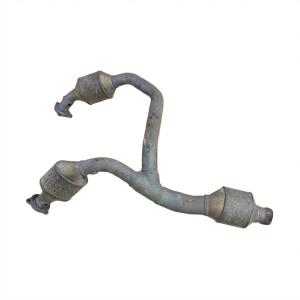
Typical fix: Replace the Bank 1 catalytic converter assembly (Y-pipe). It is highly recommended to use an OEM or high-quality, OEM-grade aftermarket part to avoid recurring issues. An OEM part number for the 2009-2014 era is 23486656, while a later K2XX model uses parts like 19420297.
Est. part cost: $400-$2000 - Faulty Downstream Oxygen (O2) Sensor 🟡 Medium Probability → Shop Oxygen Sensor O2 sensors degrade over time and can become 'lazy,' sending slow or incorrect signals that mimic a bad converter. This is a very common cause of misdiagnosis.
How to confirm: Use a scan tool to graph the voltage of the Bank 1 Sensor 2 (downstream). It should show a steady voltage (typically 0.5V - 0.8V) on a warm engine at steady RPM. If it's fluctuating rapidly like the upstream sensor, it's suspect. A definitive diagnostic trick is to swap the Bank 1 and Bank 2 downstream sensors and see if the code changes to P0430 (Bank 2). If it does, the sensor is bad.
Typical fix: Replace the Bank 1, Sensor 2 (downstream) oxygen sensor. A common ACDelco part number for the GMT900 generation is 213-4229 (replaces 12609457), and for the K2XX generation is 12657188.
Est. part cost: $50-$150 - Exhaust Leak (Broken Manifold Bolts) 🔴 High Probability These V8 engines are known for exhaust manifold bolts breaking off at the cylinder head, especially the rearmost bolt near the firewall and the frontmost bolt. The constant thermal cycling causes the steel bolts to fatigue and snap. This leak allows fresh oxygen into the exhaust stream, which fools the O2 sensors into providing false readings that trigger P0420/P0430.
How to confirm: Listen for a distinct ticking or puffing noise from the engine bay that is loudest on a cold start and may quiet down as the engine warms and the metal expands. Visually inspect the exhaust manifold-to-head connection for black soot trails indicating a leak. A smoke machine can also be used to pinpoint leaks.
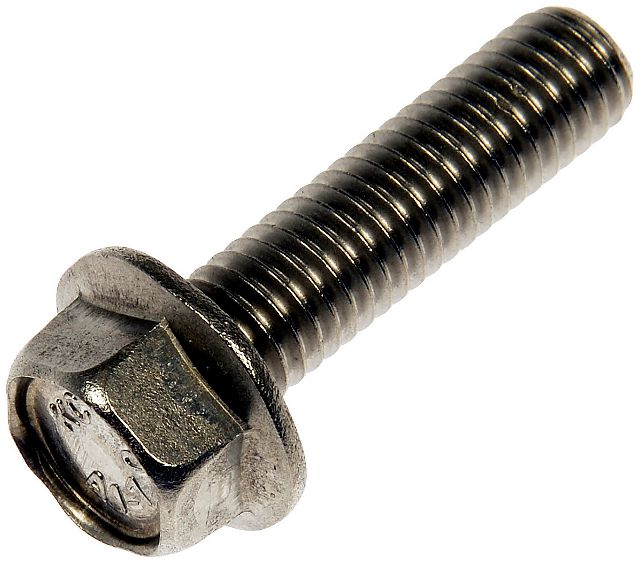
Typical fix: Repair the leak. This involves extracting the broken bolt(s) and replacing the manifold gasket. Welding a nut onto the broken stud is a common extraction method. For the rearmost bolt, which is hard to access, Dorman makes a clamp-on repair bracket (e.g., Dorman 917-142) that uses other bolt holes on the head to clamp the manifold down, avoiding the need for bolt extraction.
Est. part cost: $20-$300 - Engine Misfire or Rich/Lean Condition 🟡 Medium Probability Issues with the Active Fuel Management (AFM) system can lead to stuck lifters, causing misfires (P0300-P0308) and increased oil consumption. This oil burning contaminates the O2 sensors and catalytic converter, eventually causing P0420. A faulty thermostat that is stuck open can also cause a rich condition that triggers the code.
How to confirm: Check for other trouble codes, especially misfire codes (P0300-P0308), fuel trim codes (P0171, P0172, P0174, P0175), or thermostat codes. Address these codes first. Monitor oil levels; excessive consumption is a major red flag for AFM-related problems.
Typical fix: Resolve the root cause. This could be a tune-up (plugs/wires), a new ignition coil, cleaning/replacing fuel injectors, or a thermostat replacement. For AFM issues, fixes range from installing an AFM disabler device to a full mechanical delete of the system.
Est. part cost: $50-$2500+
Rare But Worth Checking
- Improperly Sealed Air Intake / Air Box: → Shop Engine Air Intake Resonator Per GM TSB #16-NA-111, a bad seal on the air filter housing can allow sand and debris to bypass the filter. This can directly damage the O2 sensor element and clog the catalytic converter, leading to P0420 and P0430. The fix is to inspect for broken tabs on the airbox cover and ensure the filter seal is making full contact.
- Cracked Exhaust Flex Pipe: → Shop Exhaust Pipe While less common than manifold leaks, the flex pipe on the Y-pipe assembly can crack, introducing oxygen and causing a false P0420 code. This requires visual inspection and may necessitate replacing the entire Y-pipe/converter assembly.
- ECM/TCM Software Calibration: GM has issued bulletins (e.g., 18-NA-331) for certain models where a software calibration error can cause a false P0420. The fix is to have a dealer reprogram the ECM and TCM to the latest software version. Another bulletin, PIP3119P, notes that the P0420/P0430 diagnostic is disabled for the first hour of engine run time on new vehicles or after a converter replacement to allow for break-in. A battery disconnect can reset this timer and cause a false code.
Diagnosis Steps

- Scan for Codes: Use an OBD-II scanner to confirm P0420 and check for any other codes (misfire, fuel trim, O2 sensor codes). Address other codes first, as P0420 is often a symptom of another problem.
- Inspect the Air Intake: Per TSB #16-NA-111, carefully inspect the engine air filter and air box housing. Check for broken retaining tabs, debris bypassing the filter, and ensure the filter seal is seated perfectly against the housing.
- Inspect for Exhaust Leaks: With the engine cold, start it and listen for a ticking/puffing sound from the engine bay, which indicates an exhaust manifold leak. Visually inspect the manifolds (especially front and rear bolts), gaskets, and the Y-pipe/flex pipe for black soot trails or cracks.
- Analyze O2 Sensor Data: With a scan tool, graph the upstream (Sensor 1) and downstream (Sensor 2) O2 sensors for Bank 1. At a steady 2,000-2,500 RPM on a warm engine, the upstream sensor should fluctuate rapidly between ~0.1V and ~0.9V. The downstream sensor should remain relatively steady and stable, typically above 0.5V. If the downstream sensor is mirroring the upstream's fluctuations, the converter is likely bad.
- Test the O2 Sensor: If the downstream sensor seems lazy or provides erratic readings, swap it with the Bank 2 downstream sensor (if accessible). Clear codes and drive. If the code changes to P0430, the sensor you moved is faulty.
- Check Converter Temperature: If all else checks out, use an infrared temperature gun to measure the inlet and outlet pipes of the catalytic converter after a 20-minute drive. The outlet should be significantly hotter (at least 100°F) than the inlet, indicating a chemical reaction is occurring.
- Check for Underlying Engine Issues: Investigate potential root causes like excessive oil consumption (AFM issues), coolant loss, or a stuck-open thermostat which can ruin a new converter.
- Condemn the Catalytic Converter: If all previous steps pass and no other cause is found, the catalytic converter itself has most likely failed.
Parts You'll Likely Need
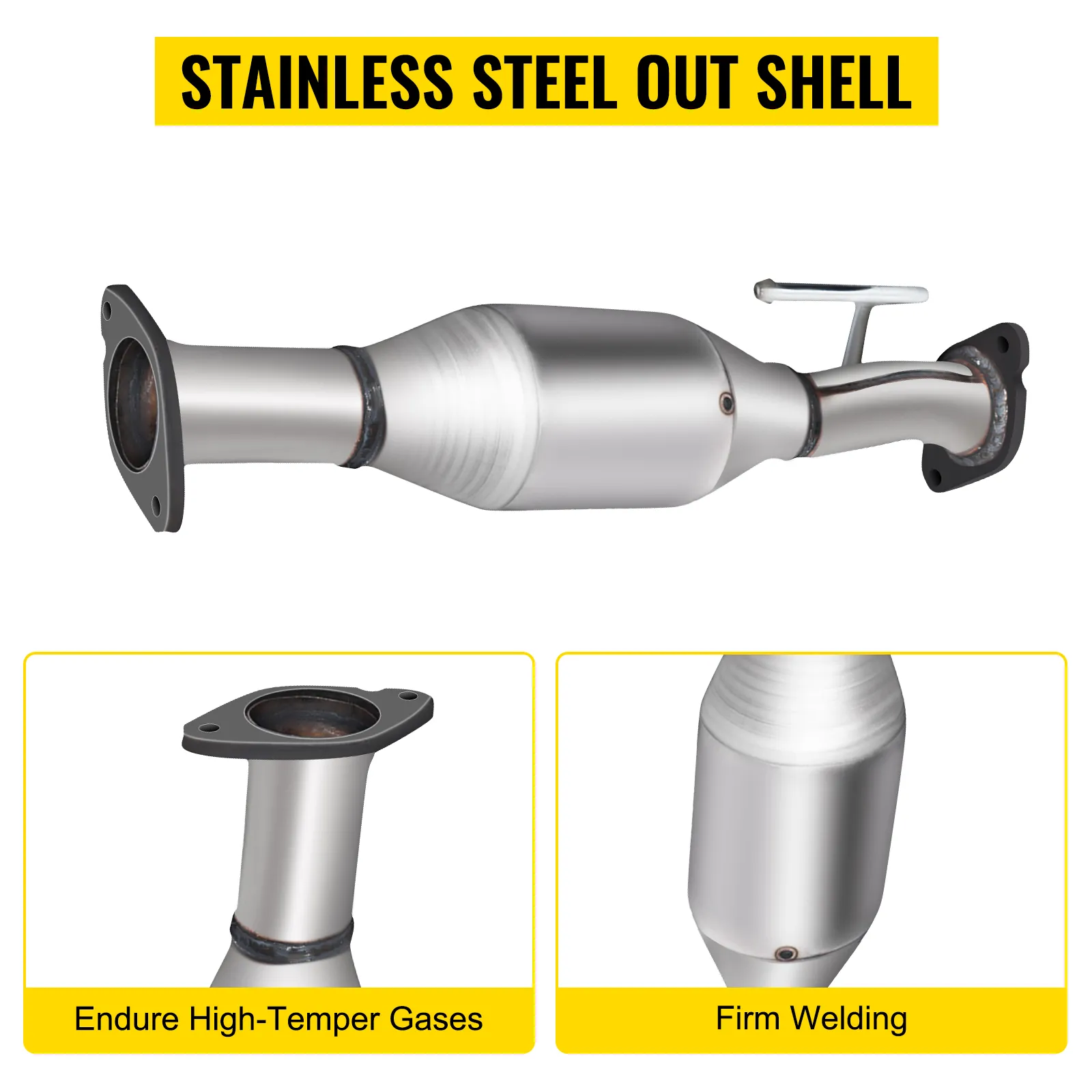
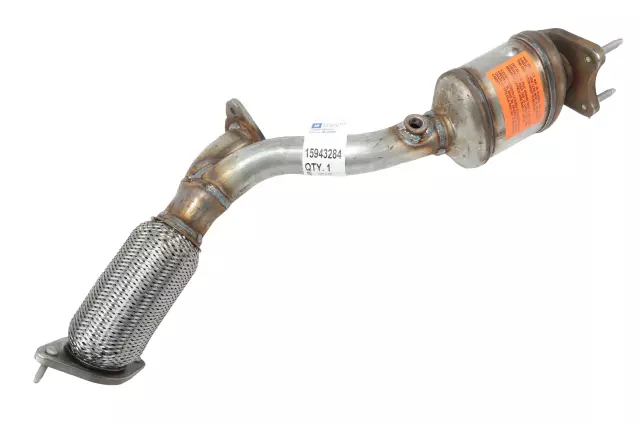
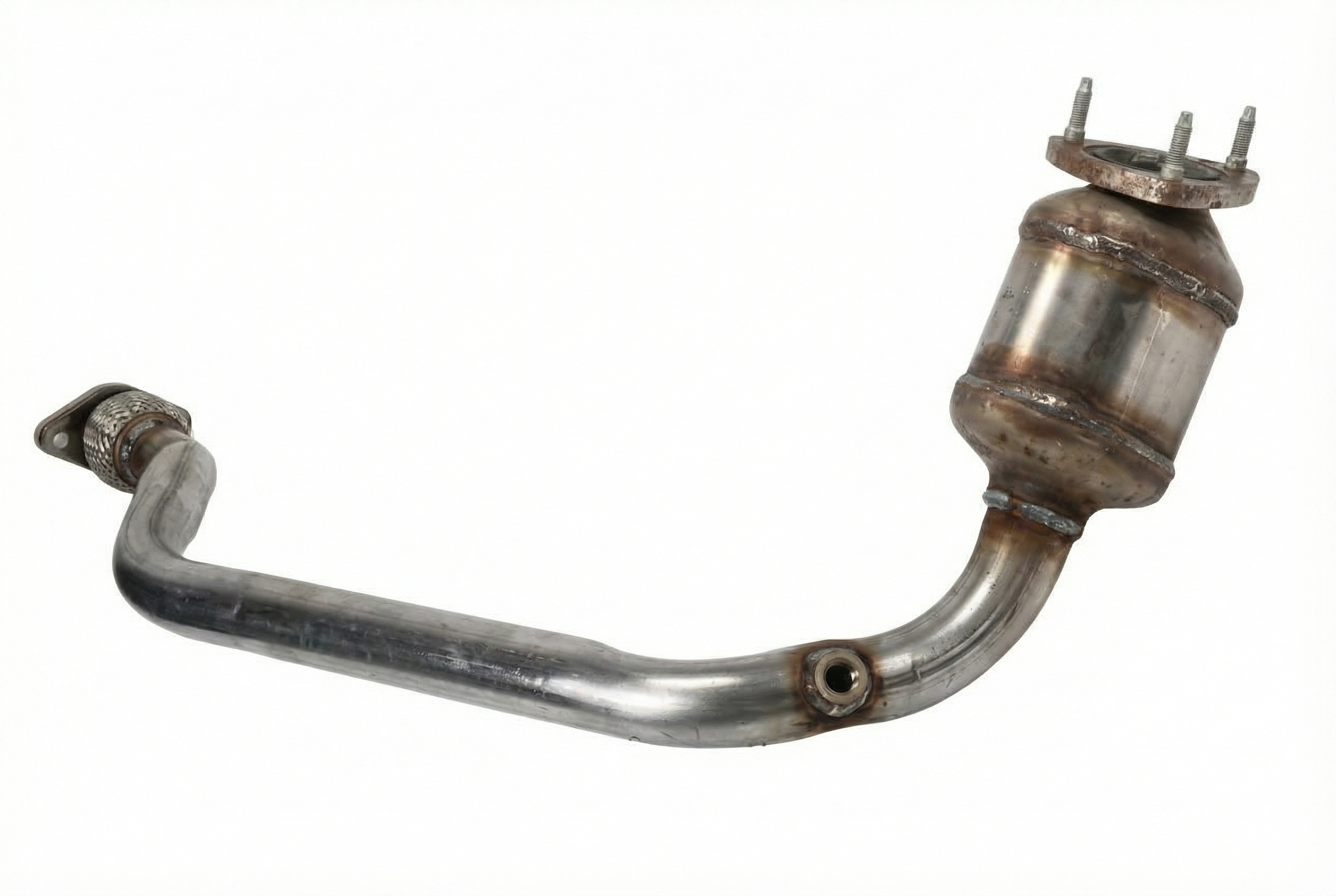
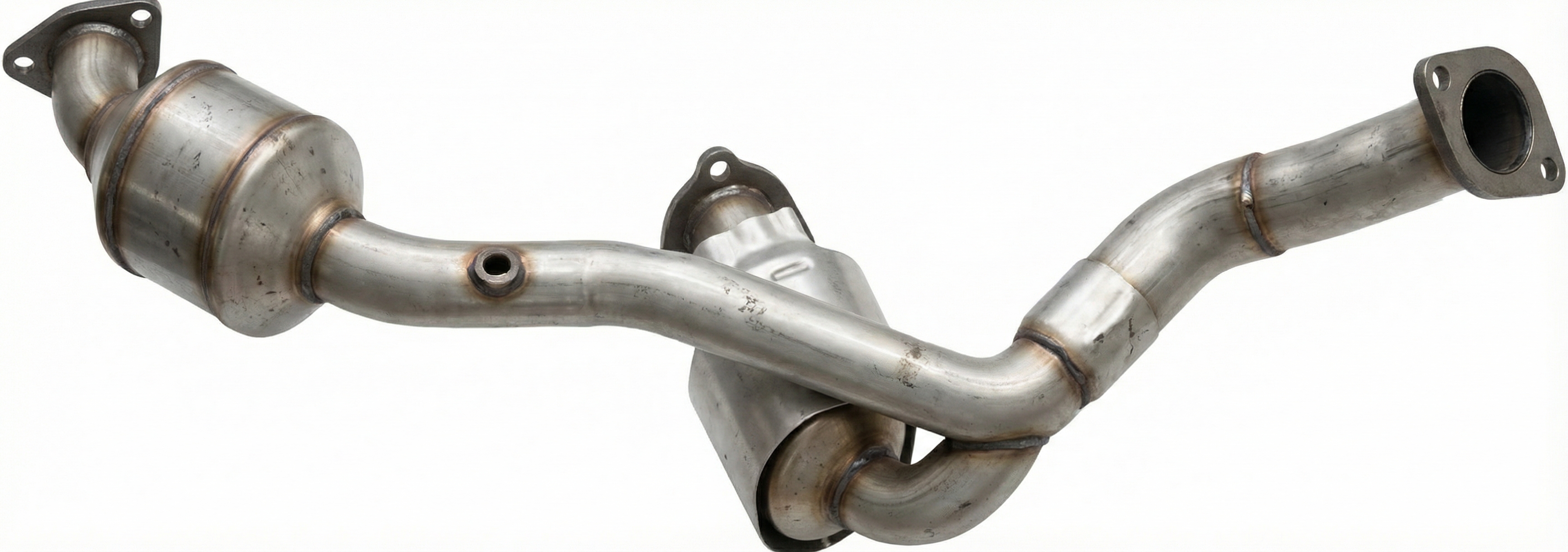
- Catalytic Converter (Bank 1 / Y-Pipe Assembly)
(OEM #19420297 (K2XX); 23486656 (GMT900))— This is the component identified by the code. Failure is common after 100k+ miles or due to contamination from oil/coolant or damage from misfires.
Trusted brands: ACDelco (OEM), Walker Exhaust, MagnaFlow
OEM price range: $700-$2000
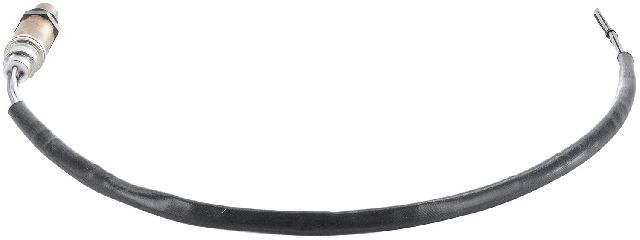
Aftermarket price range: $400-$900 - Oxygen Sensor (Bank 1, Sensor 2)
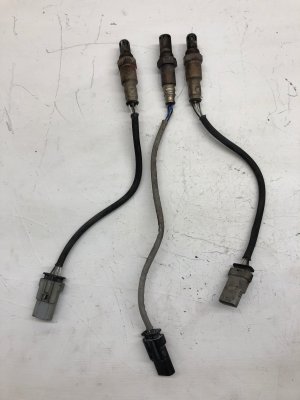
(OEM #12657188 or 213-4229 (ACDelco))— This sensor is responsible for monitoring the converter's efficiency. It can fail and give false readings, making it a common misdiagnosed cause for P0420.
Trusted brands: ACDelco, Denso
OEM price range: $80-$150
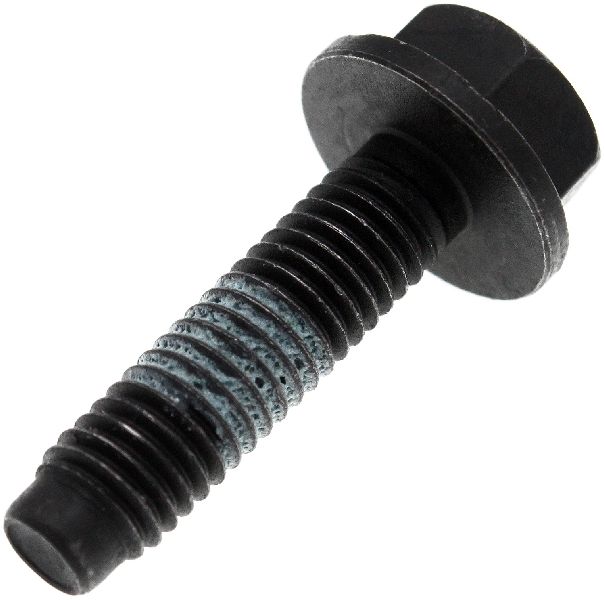
Aftermarket price range: $50-$100 - Exhaust Manifold Gasket & Bolt Kit
(OEM #12617944 (Gasket Example))— Needed when repairing an exhaust leak caused by broken manifold bolts, a very common issue on these V8 engines.
Trusted brands: ACDelco, Fel-Pro, Dorman
OEM price range: $40-$80
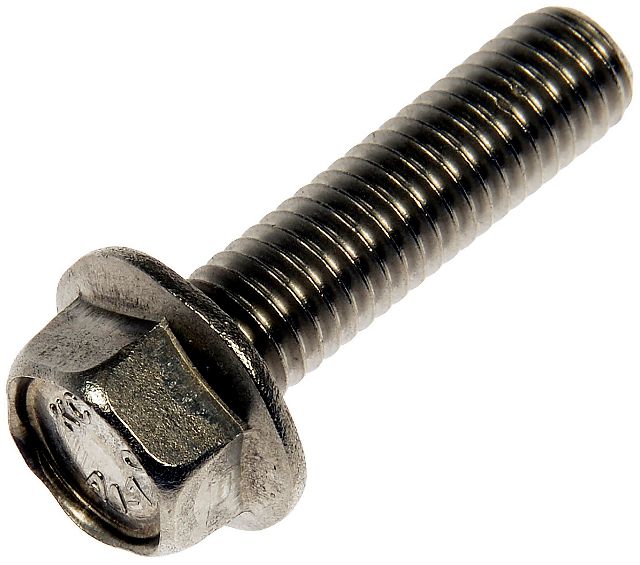
Aftermarket price range: $20-$50 - Exhaust Manifold Bolt Repair Clamp
(OEM #Dorman 917-142)— A popular and time-saving alternative to extracting a broken rear exhaust manifold bolt. It clamps the manifold using existing holes in the cylinder head.
Trusted brands: Dorman, Kral Auto Parts (K.A.P.)
OEM price range: N/A
Aftermarket price range: $30-$60
Related Codes That Often Appear With This One
- P0430 — This is the same efficiency code but for Bank 2 (passenger side). It's common for both converters to degrade at a similar rate, or for a systemic issue like an air intake leak or fuel problem to affect both banks, causing both codes to appear together.
- P0300-P0308 — These are cylinder misfire codes. An ongoing misfire, often from a failing AFM lifter in these engines, allows unburned fuel to enter the exhaust, which will rapidly overheat and destroy the catalytic converter, causing P0420.
- P0171, P0174 — These codes indicate a lean fuel condition. A lean condition can be caused by an unmetered air leak from a broken manifold bolt or a poorly sealed airbox, which are also direct causes of a false P0420 reading.
Technical Service Bulletins (TSBs) & Recalls
- 16-NA-111: Diagnostic tip for an improperly sealed air filter box causing P0420/P0430.
- PIP3119P: Information on the one-hour break-in period for new catalytic converters, during which P0420/P0430 diagnostics are disabled.
- 18-NA-331: Addresses a calibration error in the ECM/TCM that can cause a false P0420, requiring a software update.
Platform-Specific Known Issues
- TSB #16NA111: A poorly sealed air box or air filter can cause this code. Technicians are advised to inspect the air intake system for leaks before proceeding with other diagnostics.
- TSB #PIP3119P: GM noted that the diagnostic for P0420/P0430 may be disabled at low mileage, indicating a potential for false codes on newer vehicles that may have been addressed with software updates.
- Broken Exhaust Manifold Bolts: The bolts securing the exhaust manifolds to the cylinder heads are known to rust and break, causing an exhaust leak that is a primary trigger for P0420.
Mechanic-Grade Diagnostic Values
- Downstream O2 Sensor (Bank 1 Sensor 2) Voltage — expected: Steady voltage at or above 450mV (0.45V) when the converter is hot and working efficiently.. Failure: Voltage fluctuates rapidly, mimicking the upstream sensor's pattern, or stays consistently low.
- Fuel Pressure (2010-2014, Non-Flex Fuel) — expected: 55-62 PSI (Key On, Engine Off).. Failure: Pressure below 55 PSI can indicate a weak fuel pump, potentially causing a lean condition that affects converter operation.
- Fuel Pressure (2010-2014, Flex Fuel 'Z' VIN) — expected: 48-54 PSI (Key On, Engine Off).. Failure: Pressure below this range points to a fuel delivery issue.
- Catalytic Converter Temperature Differential — expected: The outlet pipe temperature should be at least 100°F hotter than the inlet pipe temperature after a 20-minute drive.. Failure: If the outlet is cooler or the same temperature as the inlet, the converter is not functioning (not 'lighting off') or is clogged.
Hidden / Shadow Codes Worth Checking
- Mode 6, Test ID $A9 (Bank 1): This onboard monitor test measures the catalyst's oxygen storage capacity. A scan tool can read the measured value and compare it against the manufacturer's minimum/maximum thresholds. (see via Use a professional scan tool with Mode 6 capability. A value outside the specified range (e.g., a low measured value compared to the standard) confirms the ECM's diagnosis of low efficiency before the check engine light might even set.)
Wiring & Ground Locations
- ECM (Engine Control Module) — For the GMT900 (2010-2014) and K2XX (2015-2017) platforms, the ECM is typically located in the engine compartment on the passenger side, near the firewall.. All O2 sensor signals are processed by the ECM. A poor connection or corrosion at the ECM connectors can disrupt these signals and cause false codes.
- G103 — On some GM V8s, this ground is located at the left rear of the engine compartment, on the cowl, above the brake booster. On others, it's on the engine block itself.. A TSB for misfires (which can lead to P0420) mentions checking this ground. A poor ECM ground can cause a host of sensor-related issues, including erratic O2 sensor readings.
- Bank 1 Sensor 2 Wiring Colors — Harness leading to the downstream oxygen sensor on the driver's side.. For diagnostic purposes, the signal wires for the driver's side (Bank 1) downstream sensor are typically Tan and Purple. The passenger side (Bank 2) uses the same colors but with a white tracer stripe. This helps differentiate the circuits when testing.
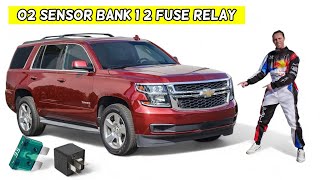
- O2 Sensor Fuses (2015-2020) — In the underhood fuse block, fuses F90 (Bank 1) and F100 (Bank 2) are typically for the O2 sensor heater circuits.. A blown fuse for the heater circuit can cause the O2 sensor to operate incorrectly, leading to diagnostic trouble codes. While this would usually set a specific heater circuit code, it's a crucial check.
Real Owner Repair Stories
- Tahoe Yukon Forum (2009 Yukon Denali 6.2L, 157,000 miles) — Persistent P0420 code, rough idle, strongly negative long-term fuel trims (-14.1), and gasoline smell in oil.
❌ Tried (didn't work) Replaced spark plugs and wires, Cleaned MAF sensor (this improved fuel trims but didn't fix the code), Replaced Bank 1 rear O2 sensor with a new AC Delco part, Identified a small exhaust leak but a shop deemed it too small to be the cause
✅ What actually fixed it Replacing the Y-pipe with integrated catalytic converters (Walker brand) finally resolved the P0420 code and allowed the vehicle to pass an emissions test.
OEM Part Supersession History
12665163→12657188— Standard part update/revision by GM.
Heads up: Part 12657188 is specified for the 2015-2020 Tahoe/Yukon models. While it may physically fit other models, using the correct part number for the vehicle's generation is critical as some parts require specific programming or calibration.20757674→19420276— Part revision for the catalytic converter and pipe assembly.
Model Year Variations Within This Range
- 2015-2017 (K2XX Platform): These models feature the EcoTec3 direct-injected engines. Fuel delivery is more complex, and issues like faulty high-pressure fuel pumps or injectors can lead to rich/lean conditions that damage converters. Also, some downstream O2 sensors on this platform, like part #12657188, may require special setup procedures or programming after installation, which is less common on the earlier GMT900 models.
Helpful Videos

Used OEM Parts in Stock
New Aftermarket Parts Available


The information in this article is provided for general reference and educational purposes only. Vehicle specifications, procedures, and part compatibility can vary by production date, trim level, and region. Always consult your vehicle's factory service manual and verify part numbers before purchasing or performing repairs. Safety-critical components such as airbags, seat belts, and braking systems should be installed by a qualified professional.
- Chevrolet TAHOE:
- 🧭 Diagnostic Flowchart
- 🎬 Helpful Videos
- 🛍️ Shop This Part
- What's Unique About the 2010-2017 Chevrolet TAHOE
- Symptoms You May Notice
- Most Likely Causes
- Rare But Worth Checking
- Diagnosis Steps
- Parts You'll Likely Need
- Related Codes That Often Appear With This One
- Technical Service Bulletins (TSBs) & Recalls
- Platform-Specific Known Issues
- Mechanic-Grade Diagnostic Values
- Hidden / Shadow Codes Worth Checking
- Wiring & Ground Locations
- Real Owner Repair Stories
- OEM Part Supersession History
- Model Year Variations Within This Range
- 🎟️ Get 5% Off