

P0420 on 2013-2018 Ford C-Max Hybrid: Catalyst Efficiency Causes and Fixes
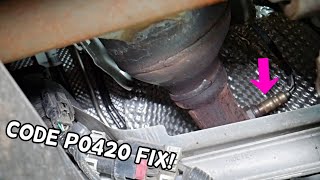
P0420 on a Ford C-Max Hybrid means the catalytic converter isn't cleaning the exhaust effectively. Before replacing the expensive converter (often $1000+), first check for exhaust leaks and test the oxygen sensors, as a faulty sensor is a common, cheaper misdiagnosis. This code does not always mean the converter has failed; it only indicates that the downstream O2 sensor is detecting poorly treated exhaust.
- P0420 means catalyst efficiency is low, but don't assume you need a new catalytic converter immediately.
- Always diagnose in this order: 1) Check for other codes, 2) Inspect for exhaust leaks, 3) Test the oxygen sensors.
- A faulty downstream O2 sensor or an exhaust leak are common, much cheaper problems that can falsely trigger a P0420 code.
- If the catalytic converter has failed, it was likely caused by an underlying engine issue like a misfire or burning oil. You must fix the root cause, or you will destroy the new converter.
- Due to high replacement costs, a thorough diagnosis will save you significant time and money.
What's Unique About the 2013-2018 Ford C-Max
The 2.0L Hybrid powertrain in the C-Max operates under unique conditions, with the gasoline engine frequently shutting off and restarting. This can create different thermal cycles for the exhaust system compared to a conventional vehicle. The C-Max uses two catalytic converters: a primary one integrated with the exhaust manifold and a secondary one downstream. The P0420 code specifically monitors the efficiency of the primary, manifold-integrated converter using the upstream and downstream O2 sensors. It is crucial to remember that a P0420 code is often a symptom of another problem; something has caused the converter to fail. Simply replacing the converter without finding the root cause—such as misfires, coolant/oil leaks, or a biased sensor—will likely lead to the new converter failing as well.
Symptoms You May Notice
- Check Engine Light is on
- Reduced fuel economy
- Lack of engine power or sluggish acceleration, especially if the converter is clogged
- A sulfur or 'rotten egg' smell from the exhaust, indicating the converter is overheating with unburned fuel
- Failure of a state emissions inspection
- Engine hesitation or stalling in severe cases of clogging
- Immediately replacing the catalytic converter without testing the oxygen sensors or checking for exhaust leaks. A faulty O2 sensor or a small exhaust leak is a much cheaper fix and a very common cause of a false P0420 code.
Most Likely Causes
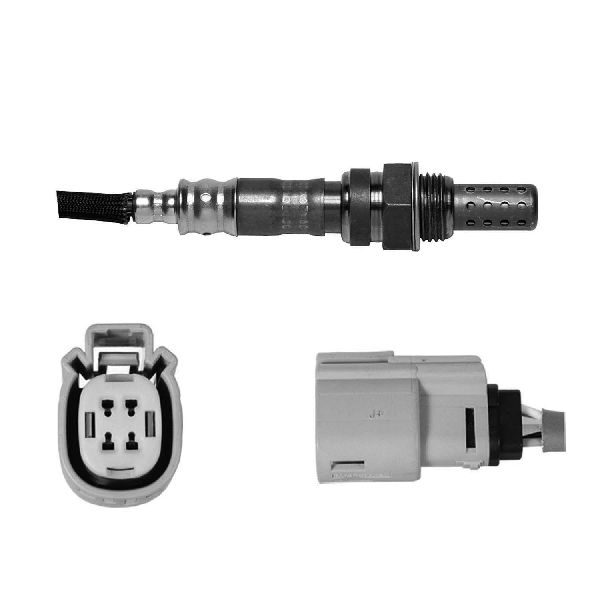
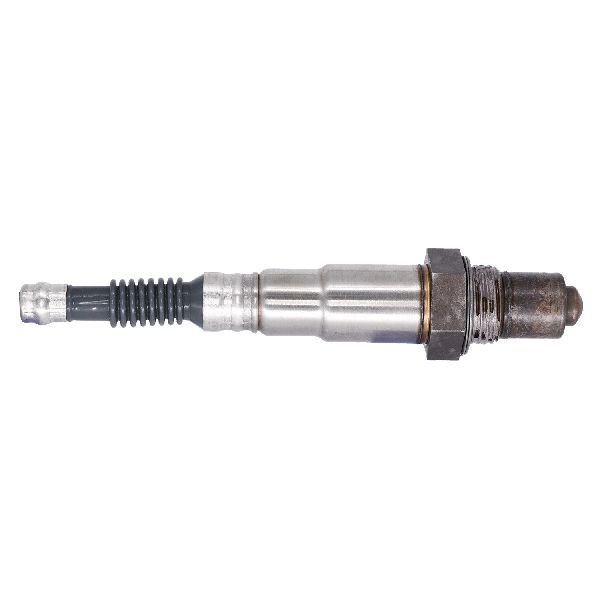
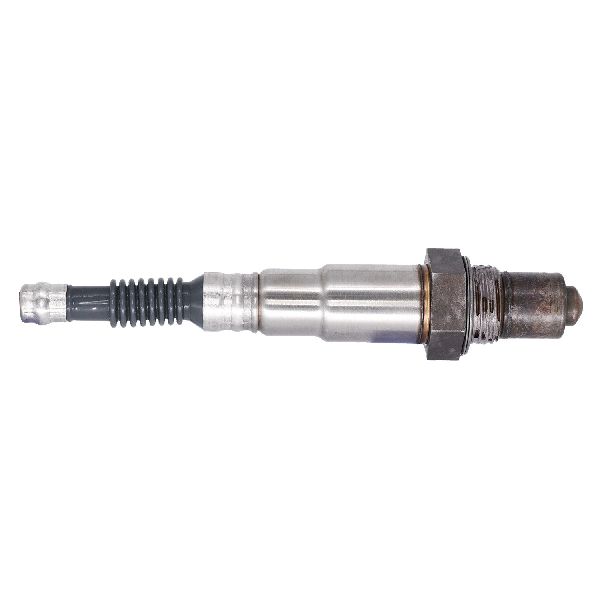
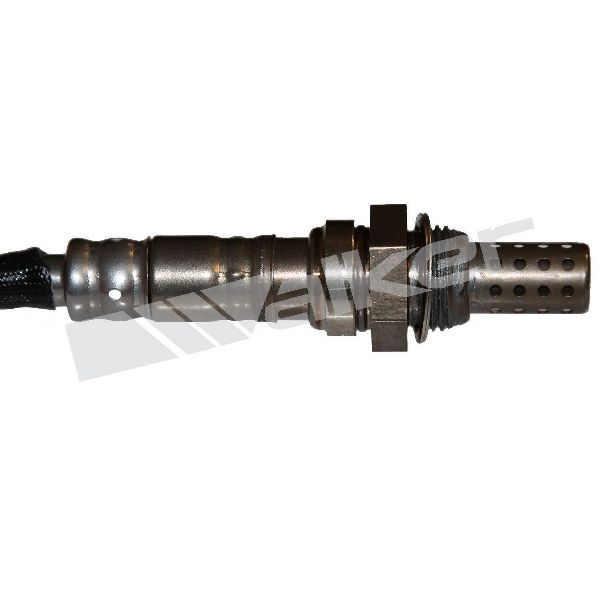
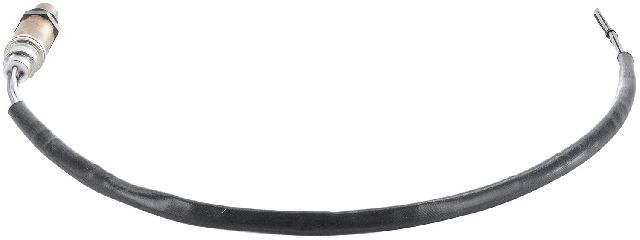
- Faulty Downstream Oxygen (O2) Sensor 🟡 Medium Probability → Shop Oxygen Sensor Oxygen sensors are wear items and can fail over time, sending incorrect data to the computer that mimics a bad catalytic converter. They can become 'lazy' or biased, failing to produce the steady signal expected from a working converter.
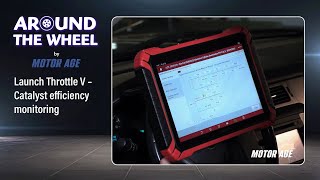
How to confirm: Use an OBD-II scanner with live data capability. A healthy, warm downstream O2 sensor (Bank 1, Sensor 2) should show a steady, relatively flat voltage (typically above 0.5V). If it's fluctuating rapidly like the upstream sensor, it may be faulty, or the converter has failed. A sensor stuck at a low voltage could also be the culprit. An oscilloscope provides the most accurate diagnosis as it can capture signal details that scanners miss. 🎬 See how to diagnose catalyst efficiency codes with confidence.
Typical fix: Replace the downstream (post-catalyst) oxygen sensor. Given its relatively low cost, some owners choose to replace this sensor before condemning the catalytic converter.
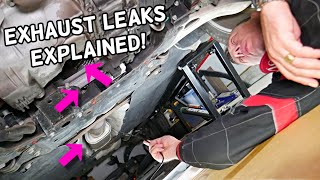
Est. part cost: $40-$150 - Exhaust System Leak 🟡 Medium Probability Leaks from gaskets, flex pipes, or weld seams between the engine and the downstream O2 sensor can allow outside oxygen to enter the exhaust stream. This extra oxygen fools the downstream sensor into producing a lean, fluctuating reading, which the PCM interprets as a failed converter.
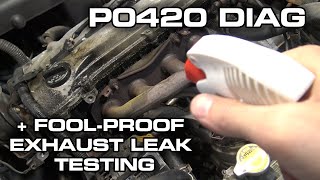
How to confirm: Perform a visual inspection of the exhaust system for black soot marks, cracks, or holes. Listen for a ticking or hissing sound that gets louder with engine RPM. A professional can use a smoke machine to pressurize the exhaust and pinpoint hard-to-see leaks.
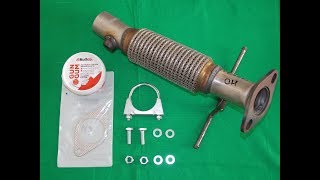
Typical fix: Repair the leak by replacing the faulty gasket (e.g., exhaust manifold gasket) or damaged exhaust section/flex pipe. 🎬 Watch: A cheap DIY fix for a broken flex pipe.
Est. part cost: $20-$300 - Failed Catalytic Converter 🔴 High Probability → Shop Catalytic Converter This is the part the code directly points to. Failure is often caused by another issue, such as persistent engine misfires, burning oil, or a coolant leak, which contaminates or overheats the converter's internal substrate, rendering it useless. Age and mileage are also factors.
How to confirm: This should be the last part to replace. After confirming O2 sensors are working and there are no exhaust leaks, the converter is the likely cause. A temperature check using an infrared thermometer should show the outlet is significantly hotter than the inlet (e.g., by 100°F or more) on a fully warmed-up engine; if not, it's not working. A professional can also perform an exhaust backpressure test to check for clogging.
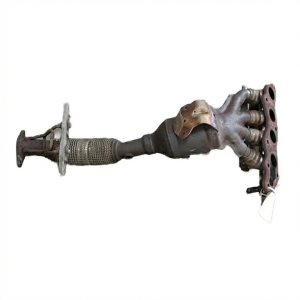
Typical fix: Replace the catalytic converter assembly. On the C-Max, this is often the manifold converter assembly. 🎬 Watch: A walkthrough of the C-Max catalytic converter replacement. Ensure the replacement part is certified for your vehicle's emissions standard (Federal EPA or CARB).
Est. part cost: $800-$2500+ - Engine Misfires or Fuel Mixture Issues ⚪ Low Probability
How to confirm: Check for other trouble codes, especially misfire codes (P0300-P0304) or fuel trim codes (P0171, P0172). Unburned fuel from misfires can enter the exhaust and overheat the converter, destroying it. A leaking fuel injector can also cause a rich condition that damages the converter.
Typical fix: Address the root cause of the misfire or fuel issue, which could be worn spark plugs, a bad ignition coil, or a faulty/leaking fuel injector. This must be fixed before replacing the converter.
Est. part cost: $50-$500
Rare But Worth Checking
- Contaminated Fuel: High sulfur content in fuel has been known on some Ford vehicles to temporarily degrade catalyst performance. While no specific TSB exists for the C-Max, a 'de-sulfate' procedure (a long drive at highway speeds) is sometimes suggested before part replacement.
- Outdated PCM Software: On some Ford models, a PCM software update was required to change the sensitivity of the catalyst monitor. Check with a dealer to see if any emissions-related software updates (like TSB 13-4-22 for other PCM issues) are available for your vehicle's VIN. Manufacturer Bulletin #TSB 26-2067 notes that some Ford vehicles may exhibit an incorrectly illuminated MIL with P0420 due to PCM software, a condition that does not affect drivability.
Diagnosis Steps
- Read the Code: Use an OBD-II scanner to confirm P0420 is the primary code. Note any other codes present, especially for misfires or other O2 sensors. NHTSA ODI #11443669 describes a case where P0420 appeared alongside secondary codes P144A (EVAP restricted line) and P1450.
- Check for TSBs and Recalls: Ask a Ford dealer or search online for any Technical Service Bulletins (TSBs) or warranty extensions related to catalytic converters for your specific VIN. Customer Satisfaction Program 19M01 exists for other Fords with P0420 but does not officially cover the C-Max.
- Inspect for Exhaust Leaks: Visually and audibly inspect the entire exhaust system from the engine manifold to the tailpipe for any signs of leaks, especially before the downstream O2 sensor. A smoke test is the most effective method.
- Analyze Oxygen Sensor Data: Using a scanner with live data, graph the upstream and downstream O2 sensors with the engine fully warmed up and at a steady 2,500 RPM. The upstream (O2S11) should fluctuate rapidly between ~0.1V and ~0.9V. The downstream (O2S12) should be relatively steady and stable, typically above 0.5V. If the downstream sensor mirrors the upstream, the converter has likely failed. If the downstream sensor is flatlined or slow, suspect the sensor itself.
- Check for Upstream Problems: Rule out any other engine issues. Are there misfires? Is the engine burning oil or coolant? Any of these issues must be fixed, as they will destroy a new catalytic converter. NHTSA ODI #11022308 notes that P0420 can be caused by engine misfires, vacuum leaks, or engine oil leakage into the exhaust.
- Test the Converter Directly: If all other tests are inconclusive, perform a temperature test. Use an infrared thermometer to measure the temperature of the pipe entering and exiting the converter. The outlet should be at least 100°F hotter than the inlet. If it's the same or cooler, the converter is not functioning.
- Replace Parts: Based on your diagnosis, replace the faulty component. Start with the cheapest and most likely culprits (leaks, sensors) before condemning the expensive catalytic converter.
Parts You'll Likely Need
- Downstream Oxygen Sensor (Bank 1, Sensor 2)
(OEM #Motorcraft DY-1203)— This sensor is responsible for monitoring the converter's efficiency. It can fail and send incorrect readings, falsely triggering the P0420 code.
Trusted brands: Motorcraft, Bosch, Denso, NTK
OEM price range: $100-$180
Aftermarket price range: $40-$120 - Catalytic Converter
(OEM #DM5Z-5E212-A (Rear/Secondary Converter))— If the converter has truly failed due to age, contamination, or damage, it must be replaced to clear the code and pass emissions. The P0420 code usually points to the primary manifold converter, but the downstream unit can also fail.
Trusted brands: Motorcraft, Walker, MagnaFlow, AP Exhaust
OEM price range: $800-$2500+
Aftermarket price range: $600-$1500
Related Codes That Often Appear With This One
- P013A, P013B, P013C, P013D — These codes relate to slow response from the downstream oxygen sensor, which can be a cause or a symptom of the P0420 issue. TSB 19-2158 was issued for some 2017-2018 C-Max models for code P013A.
- P0300-P0304 — Misfire codes. An engine misfire sends unburned fuel into the exhaust, which can quickly overheat and destroy the catalytic converter, leading to a P0420 code.
Technical Service Bulletins (TSBs) & Recalls
- TSB 19-2158: Addresses DTC P013A (O2 Sensor Slow Response) on some 2017-2018 C-Max models, which can be related to a P0420 code.
- TSB 16-0105 / 19-2391: Addresses a thumping/grinding noise in the HF35 transmission for vehicles built on or before 8/15/2015, a known platform issue.
- Bulletin #TSB 26-2067: Notes that faulty PCM software may cause an incorrectly illuminated MIL with DTC P0420 or P0430 stored in the powertrain control module.
- Customer Satisfaction Program 19M01: While not for the C-Max, this program for other Ford vehicles with P0420/P0430 indicates potential catalyst material issues under certain conditions.
Platform-Specific Known Issues
- Catalytic Converter Theft: → Shop Catalytic Converter As a hybrid vehicle, the C-Max is a common target for catalytic converter theft due to the higher concentration of precious metals. Owners often install anti-theft shields for protection.
- Catalytic Converter Cleaner: → Shop Catalytic Converter Some owners report temporary success using fuel-additive catalytic converter cleaners. While not a permanent fix for a physically damaged or melted converter, it may help clean minor deposits and is sometimes suggested as a first, low-cost step.
Mechanic-Grade Diagnostic Values
- Downstream O2 Sensor (Bank 1, Sensor 2) Voltage — expected: A steady reading between 0.45V (450mV) and 0.8V when the engine is warm and at a steady RPM.. Failure: Voltage fluctuates rapidly, mimicking the upstream sensor's pattern, or is stuck at a very low (<0.2V) or very high (>0.9V) voltage.
- Mode $06, Test ID $81, Component ID $11 (Catalyst Monitor Bank 1) — expected: The test value should be below the maximum threshold set by the PCM. For example, a value of 0.1 with a max limit of 0.5 would be a pass.. Failure: The measured value exceeds the maximum limit specified in the scan tool data. A Ford-specific scan tool like FORScan may show a value like 0.506 when the limit is lower, flagging a fault.
- Catalytic Converter Temperature Differential — expected: The outlet pipe temperature should be at least 100°F hotter than the inlet pipe temperature after the engine is fully warmed up and held at ~2000 RPM.. Failure: The outlet temperature is the same as or cooler than the inlet temperature, indicating the catalytic converter is not performing its exothermic reaction.
Hidden / Shadow Codes Worth Checking
- Mode $06 Data: This is not a separate trouble code but a diagnostic mode that shows the results of the PCM's self-tests. For P0420, the relevant test is the Catalyst Efficiency Monitor, often listed under Test ID $81. It provides a raw data value of the catalyst's performance against a PCM-defined threshold. A failing value here can precede a P0420 code or confirm it. (see via An advanced OBD-II scanner or software like FORScan that can access and interpret Mode $06 test results.)
Scan Tool Commands That Help
- FORScan / Ford IDS: Graphing O2 Sensor PIDs (O2S11, O2S12) — This is the primary diagnostic step. Graphing the upstream (O2S11) and downstream (O2S12) sensors simultaneously allows a technician to visually confirm if the downstream sensor is mimicking the upstream, which is the classic sign of a failed converter.
- FORScan / Ford IDS: Mode $06 Test Results — Use this to see the specific value the PCM calculated for catalyst efficiency. If the value is very close to the maximum allowable limit, it indicates a borderline converter, whereas a value far exceeding the limit confirms a hard failure.
Real Owner Repair Stories
- Ford Fusion Forum (shared platform) (Ford Fusion Hybrid (mileage not specified, but user mentions being on their 3rd cat in 88k miles)) — Recurring P0420 code, rattling sound from exhaust.
❌ Tried (didn't work) Dealer replaced the catalytic converter twice under warranty., The third failure was out of warranty.
✅ What actually fixed it The owner replaced the manifold/catalytic converter assembly themselves and also had to replace the downstream O2 sensor, which restored fuel mileage. However, the P0420 code returned in two weeks, indicating the new aftermarket or even OEM replacement converter had failed again, highlighting a potential underlying issue or poor quality of replacement parts. This story underscores the risk of recurring failure even after replacing the primary components. - Ford Owners Club Forum (Ford Focus (engine not specified, but diagnostic process is identical)) — Intermittent P0420 code over the course of a year.
❌ Tried (didn't work) The dealer had previously replaced the catalytic converter and downstream O2 sensor., Owner repaired an exhaust leak at the flex pipe., Owner replaced the pre-cat (upstream) O2 sensor.
✅ What actually fixed it After replacing both O2 sensors, the flex pipe, and having a previously replaced converter, the code still returned. The owner concluded the replacement catalytic converter itself had lost efficiency, likely due to being a cheaper aftermarket unit or being damaged by a previous coolant leak from a cracked cylinder head. The final resolution was to live with the light on rather than replace the converter a second time.
Documented NHTSA Reports
- An owner reported in NHTSA ODI #11485071 that a canister purge valve caused a P0420 code, and the catalytic converter failure resulted in a lot of white smoke from the exhaust.
- NHTSA ODI #11642766 describes a situation where faulty software caused an improper diagnosis of catalytic converter efficiency, prompting a P0420 code that prevented the vehicle from passing emissions testing.
Diagnostic Flowchart
Other Known Issues on This Vehicle
Issues unrelated to this code that are worth knowing about as an owner of this generation:
- Parasitic 12V Battery Drain 🔴 High — Very common, especially on 2013-2016 models. Can occur intermittently, leaving the car dead after sitting for a few hours to a few days. (Ref: No specific recall, but often linked to a faulty Audio Control Module (ACM) that fails to shut down properly.)
- HF35 Transmission Bearing Failure 🔴 High — Common on models built on or before August 15, 2015. Presents as a grinding or thumping noise that increases with vehicle speed. (Ref: TSB 16-0105 and its successor TSB 19-2391 detail the diagnosis and repair, which often requires transmission replacement or rebuild.)
- Faulty Audio Control Module (ACM) 🟠 Medium — Widespread issue causing symptoms like no sound, a flashing clock, loud popping noises, or the radio not turning on. This is also a primary cause of the 12V battery drain.
- Shift Cable Bushing Failure 🔴 High — The bushing that attaches the shifter cable to the transmission can degrade, preventing the vehicle from shifting into the correct gear or from being placed in Park. (Ref: NHTSA Recall 22V-413 (Ford Recall 22S43))
- Battery Energy Control Module (BECM) Failure 🔴 High — A known failure point inside the high-voltage battery assembly, which can cause stalling and a 'Stop Safely Now' warning on the dash. (Ref: Related TSBs like 17-0015 exist for similar issues on platform mates.)
Used vs. New Parts: Buying Guide for This Vehicle
When a used part is the smart pick: For this specific repair, using used parts is generally not recommended. Oxygen sensors are wear-and-tear items with a finite lifespan, and a used sensor may fail soon after installation. Used catalytic converters are a major gamble; their remaining lifespan is unknown, they may be only marginally better than the part being replaced, and many states have regulations against installing used converters.
Donor-vehicle mileage cap: roughly under 50000 miles for the part to have meaningful remaining life.
What to inspect on the donor part:
- For a catalytic converter, inspect the honeycomb substrate from both ends (if possible). It should be intact, with no signs of melting, crumbling, or large black soot deposits.
- Check the donor vehicle's history if available; avoid parts from a vehicle that had known engine issues like head gasket failure or high oil consumption.
- Ensure the part is from a vehicle in a region without heavy road salt use to minimize rust and corrosion on flanges and pipes.
OEM-only on this vehicle (don't cheap out):
- Catalytic Converter: Many owners report that aftermarket converters (even CARB-compliant ones) fail to meet the PCM's strict efficiency monitoring on modern Fords, causing the P0420 code to return within months. An OEM Motorcraft converter is expensive but has the highest chance of a long-term fix.
Aftermarket brands forum-validated for this vehicle:
- Oxygen Sensors: Denso, NTK (a brand of NGK), and Bosch are widely trusted OEM suppliers and are considered reliable alternatives to the more expensive Motorcraft-branded parts.
Brands owners have reported issues with on this vehicle:
- Unbranded/generic 'eBay' catalytic converters and oxygen sensors. These parts are known for failing very quickly, sometimes within weeks, and often do not perform to the required specifications out of the box.
Real Owner Stories
Aggregated from forums and TSBs cited above. Mileages and costs reflect what owners reported in those sources.
2013-2018 Ford C-Max 2.0L Hybrid
Symptoms: Owners have reported the catalytic converter being stolen from the vehicle.
What fixed it: Installation of anti-theft shields for protection.
Source hint: vehicle_specific_issues section under 'Catalytic Converter Theft'
2017-2018 Ford C-Max 2.0L Hybrid
Symptoms: Slow response from the oxygen sensor leading to potential P0420 codes.
What fixed it: Service procedures outlined in TSB 19-2158.
Source hint: TSB 19-2158
Related OBD-II Codes
Frequently Asked Questions
Does Customer Satisfaction Program 19M01 cover the P0420 code on my Ford C-Max?
Is there a TSB for O2 sensor issues on the 2017-2018 C-Max that might cause a P0420?
Why is my C-Max at a higher risk for catalytic converter issues compared to a standard Ford Focus?
Can I use a fuel-additive cleaner to fix the P0420 code on my C-Max?
What should I check before replacing the expensive catalytic converter assembly?
Helpful Videos
Used OEM Parts in Stock
New Aftermarket Parts Available


The information in this article is provided for general reference and educational purposes only. Vehicle specifications, procedures, and part compatibility can vary by production date, trim level, and region. Always consult your vehicle's factory service manual and verify part numbers before purchasing or performing repairs. Safety-critical components such as airbags, seat belts, and braking systems should be installed by a qualified professional.
- Ford C-Max:
- 🧭 Diagnostic Flowchart
- 🎬 Helpful Videos
- 🛍️ Shop This Part
- What's Unique About the 2013-2018 Ford C-Max
- Symptoms You May Notice
- Most Likely Causes
- Rare But Worth Checking
- Diagnosis Steps
- Parts You'll Likely Need
- Related Codes That Often Appear With This One
- Technical Service Bulletins (TSBs) & Recalls
- Platform-Specific Known Issues
- Mechanic-Grade Diagnostic Values
- Hidden / Shadow Codes Worth Checking
- Scan Tool Commands That Help
- Real Owner Repair Stories
- Documented NHTSA Reports
- Other Known Issues on This Vehicle
- Used vs. New Parts: Buying Guide for This Vehicle
- Real Owner Stories
- 2013-2018 Ford C-Max 2.0L Hybrid
- 2017-2018 Ford C-Max 2.0L Hybrid
- Related OBD-II Codes
- Frequently Asked Questions
- 🎟️ Get 5% Off