

P0420 on 2020-2021 Ford Expedition: Catalyst Efficiency Causes and Fixes
On a 2020-2021 Expedition, P0420 is frequently caused by high sulfur fuel, not a failed catalytic converter. Ford issued a special procedure (TSB 22-2260) to 'de-sulfate' the catalyst by driving before recommending replacement. This should be the first step. If that fails, the cause is likely a bad catalytic converter or, less commonly, a faulty oxygen sensor. Also, check for PCM software updates, as an emission recall exists for similar issues.
- For a 2020-2021 Expedition, DO NOT immediately replace the catalytic converter for a P0420 code.
- First, try the de-sulfate procedure from Ford TSB 22-2260, which is a specific drive cycle designed to clean the catalyst.
- If the code returns, diagnose for exhaust leaks and faulty O2 sensors before condemning the expensive catalytic converter.
- If the catalytic converter must be replaced, using an OEM Motorcraft part is strongly recommended to ensure compatibility and prevent the code from returning.
What's Unique About the 2020-2021 Ford EXPEDITION

For the 2020-2021 Expedition and its platform-mate, the Lincoln Navigator, this code has a very specific and unusual cause identified by Ford. Multiple Technical Service Bulletins (TSBs) state that high sulfur content in gasoline can coat the catalytic converter and trigger a P0420 code, even if the converter isn't permanently damaged. Ford has a specific 'de-sulfating' drive cycle procedure to fix this without replacing parts. This should always be the first step before considering expensive hardware replacement. Additionally, a software-related recall (24E13) exists for the 2018-2021 models for the companion code P0430, suggesting the PCM's sensitivity is a known issue that may be fixed with a software update.
Diagnostic Flowchart

Tap your situation to follow the diagnostic path that matches what you're seeing on this vehicle.
Symptoms You May Notice
- Check Engine Light is on
- Vehicle may fail an emissions test
- Reduced engine performance or fuel economy (less common)
- A sulfur or 'rotten egg' smell from the exhaust, especially on a cold start (less common but a strong indicator).
- Immediately replacing the catalytic converter without first performing the TSB 22-2260 de-sulfate procedure.
- Replacing the catalytic converter without first checking for available PCM software updates related to emissions recalls like 24E13.
- Replacing the oxygen sensors when the catalytic converter has truly failed, especially after the de-sulfate procedure did not work.
- Replacing the catalytic converter when the actual fault is a 'lazy' downstream O2 sensor or a small, hard-to-see exhaust leak.
Most Likely Causes

- High Sulfur Content in Fuel 🔴 High Probability Ford has specifically identified this as a problem for this model year and its sibling the Lincoln Navigator, issuing multiple Technical Service Bulletins (TSB 22-2260, 22-2137, 21-2381). The catalysts on these specific models appear to be highly sensitive to sulfur contamination from certain gasoline formulations.
How to confirm: This is the primary suspect if only code P0420 (or P0430) is present with no other symptoms like misfires or rough running. The official way to confirm and fix is to perform the TSB de-sulfate procedure.
Typical fix: Perform the 'Sulfur Removal Cycle' as outlined in TSB 22-2260. This involves specific wide-open throttle accelerations followed by an hour of idling to burn off deposits. Switching to a 'Top Tier' certified gasoline brand may help prevent recurrence.
Est. part cost: $0 - Failed Catalytic Converter 🟡 Medium Probability → Shop Catalytic Converter While the sulfur issue is more common, actual converter failure can occur. More often, they are destroyed by another engine problem like persistent misfires or a rich fuel condition, which can damage the catalyst substrate. Some owners report needing replacements even at relatively low mileage.
How to confirm: If the de-sulfate procedure fails to resolve the code, this becomes the next likely cause. A mechanic can confirm by graphing O2 sensor data (downstream sensor mimicking upstream) or using 🎬 Watch: How to diagnose and fix P0420/P0430 codes on Ford trucks an infrared thermometer to check for a temperature rise across the converter (outlet should be significantly hotter than inlet).
Typical fix: Replace the Bank 1 (passenger side) catalytic converter. It is highly recommended to use an OEM (Motorcraft) part, as Ford ECUs can be sensitive to the efficiency of aftermarket converters, potentially causing the code to return.
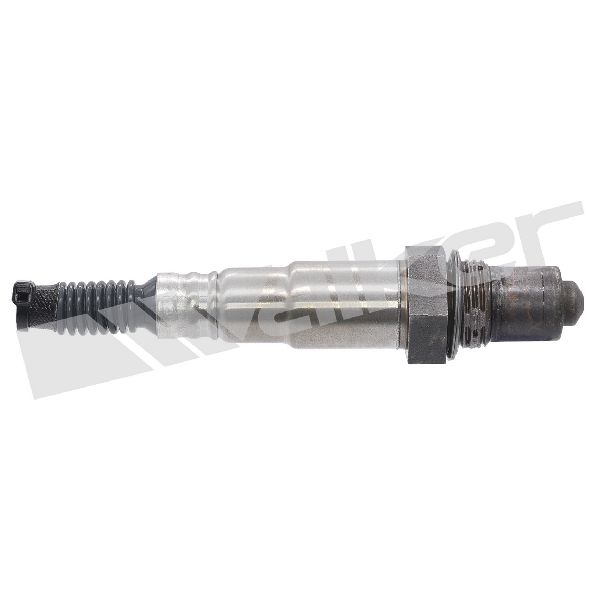
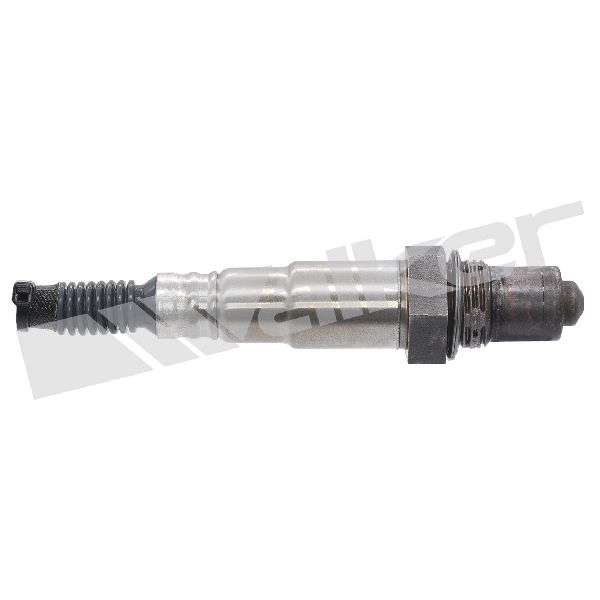
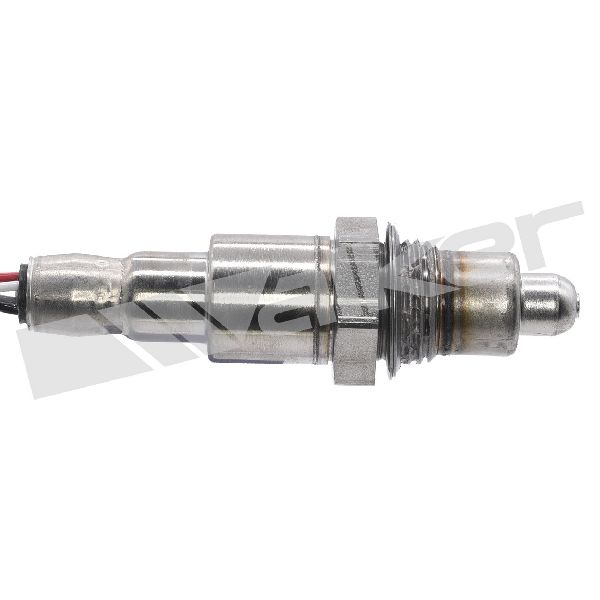
Est. part cost: $600-$900 - Faulty Oxygen (O2) Sensor ⚪ Low Probability → Shop Oxygen Sensor O2 sensors can become 'lazy' or biased with age and give slow or inaccurate readings. A bad downstream (post-cat) sensor can incorrectly report low catalyst efficiency, making a good converter look bad.
How to confirm: A technician can use a scan tool to graph the sensor's voltage readings. A healthy downstream sensor should show a relatively stable voltage. If it fluctuates rapidly like the upstream sensor, the converter is likely bad. If the sensor is stuck at a certain voltage or responds slowly to induced rich/lean conditions, the sensor itself is likely faulty.
Typical fix: Replace the faulty oxygen sensor, typically the downstream (post-catalyst) sensor for Bank 1 (passenger side).
Est. part cost: $50-$150 - Exhaust Leak ⚪ Low Probability Rust or damage can cause leaks in the exhaust manifold or pipes between the upstream and downstream O2 sensors. This allows extra oxygen to enter the exhaust, which can confuse the downstream O2 sensor 🎬 Watch: A mechanic explains common causes and fixes for these codes and trigger the code. On 3.5L EcoBoost platforms, warped exhaust manifolds are a known issue.
How to confirm: A visual inspection may reveal cracks, rust holes, or black soot marks at gaskets. A mechanic can also perform a smoke test to pinpoint the location of a small leak.
Typical fix: Repair the leak by replacing the gasket or the damaged exhaust component.
Est. part cost: $20-$300
Rare But Worth Checking
- Engine Misfires: While a misfire itself will set its own code (P030x), an intermittent or past misfire can dump raw fuel into the exhaust, damaging the catalytic converter. If you've recently fixed a misfire, the P0420 might be the lingering damage.
- PCM Software Issue: In some cases across the Ford lineup, catalyst efficiency codes have been traced to overly sensitive PCM software, with the fix being a software update from the dealer. Emission Recall 24E13 for 2018-2021 Expeditions addresses this for code P0430, making it a very plausible cause for P0420 as well. Always check for available PCM updates before replacing hardware.
Diagnosis Steps

- Scan for any other DTCs. Address any misfire (P030x), fuel system, or other engine codes first, as they are likely the root cause.
- Check with a Ford dealer for any open recalls or available PCM updates, specifically mentioning Emission Recall 24E13 as a potential related issue. A software update may resolve the problem.
- If only P0420 and/or P0430 are present and no software updates are available, perform the 'Sulfur Removal Cycle' as detailed in Ford TSB 22-2260.
- a. Warm up the engine to normal operating temperature.
- b. Find a safe road. From 30 mph or slower, accelerate at Wide-Open Throttle (WOT) until you reach 65 mph.
- c. For 5 minutes, perform light acceleration/deceleration events, driving between 50 mph and 65 mph.
- d. Reduce speed to below 30 mph.
- e. Repeat steps b, c, and d three to four times.
- f. Park the vehicle and let the engine idle for one hour.
- Clear the codes and drive the vehicle through a full drive cycle to see if the code returns. If it does not, the issue is resolved.
- If the code returns, perform a thorough visual inspection of the Bank 1 (passenger side) exhaust system from the manifold to the post-cat O2 sensor, looking for any cracks, holes, or signs of leaks.
- Use a scan tool to monitor the live data from the Bank 1 upstream (O2S11) and downstream (O2S12) sensors. The upstream sensor should fluctuate rapidly, while the downstream should remain relatively steady. If the downstream sensor mimics the upstream, the converter is likely bad.
- Use an infrared thermometer to measure the temperature of the exhaust pipe just before and just after the catalytic converter (after the engine is fully warm). The outlet temperature should be at least 100°F (38°C) hotter than the inlet. If it's not, the converter is not working.
- If the converter tests good (temperature rises) but the O2 data is questionable (e.g., stuck voltage), the downstream O2 sensor is the likely culprit.
- If all tests point to a failed converter after the de-sulfate procedure has been attempted, replace it.
Parts You'll Likely Need
- Bank 1 Catalytic Converter (Right/Passenger Side)
(OEM #JL1Z-5E212-G)— This is the component the code directly points to. If the de-sulfate procedure fails and tests confirm inefficiency, this part must be replaced. TSB 22-2260 lists this part for the Expedition.
Trusted brands: Motorcraft (OEM)
OEM price range: $600-$900
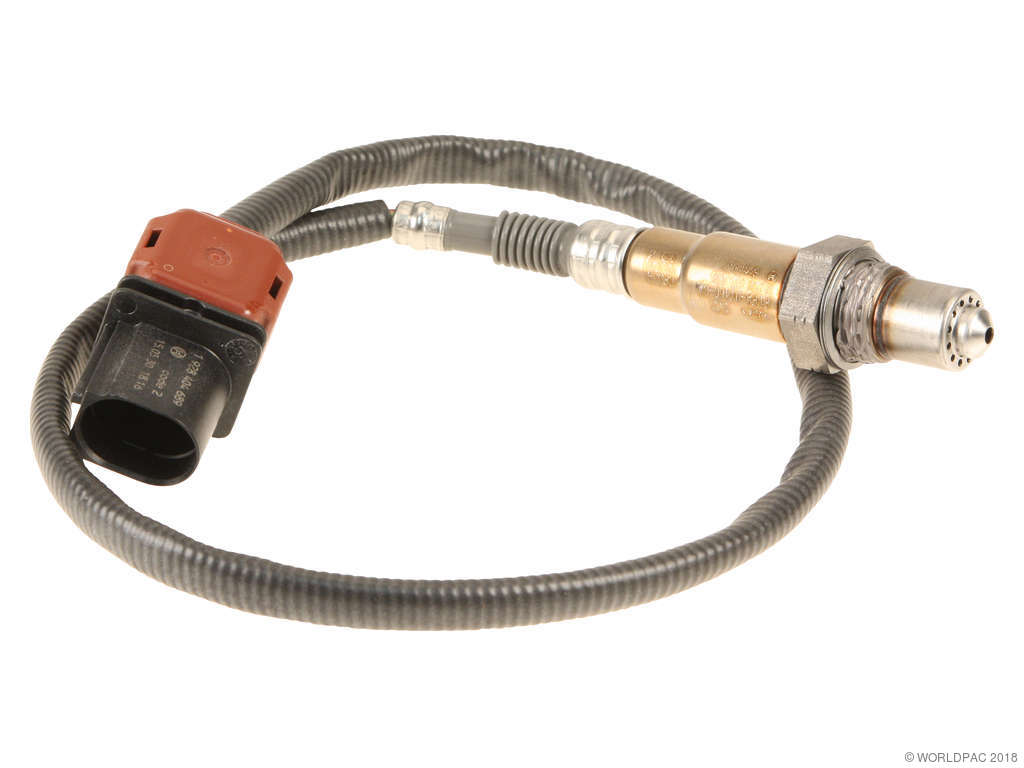
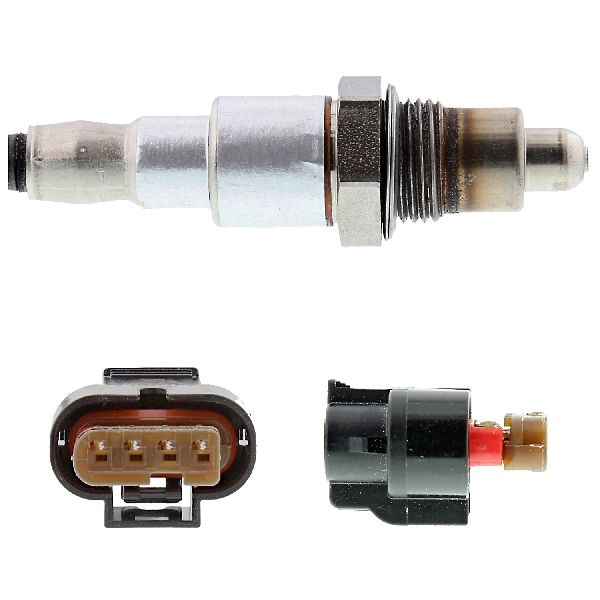
Aftermarket price range: $400-$650 - Downstream Oxygen Sensor (Bank 1, Sensor 2)
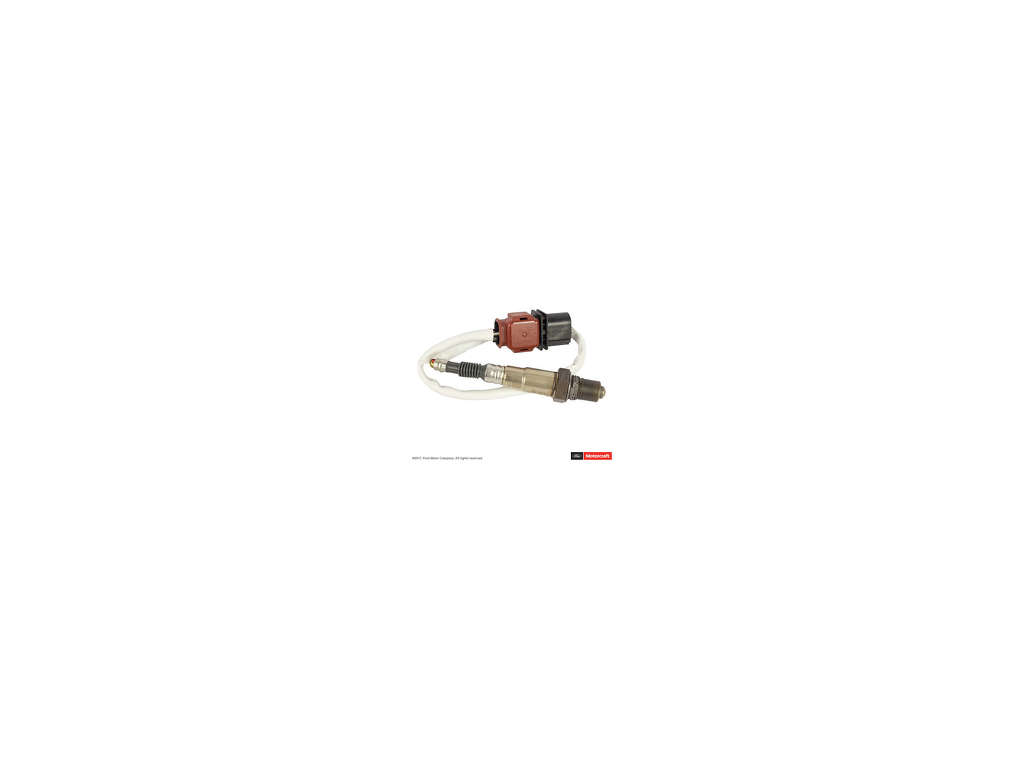
(OEM #GK4Z-9G444-H (Motorcraft DY-1627))— A faulty downstream sensor is a common misdiagnosis for a P0420. It can send incorrect data, making a good converter appear faulty. It's often replaced as a preventative measure.
Trusted brands: Motorcraft (OEM), Bosch, Denso, NGK/NTK
OEM price range: $80-$120
Aftermarket price range: $50-$90
Related Codes That Often Appear With This One
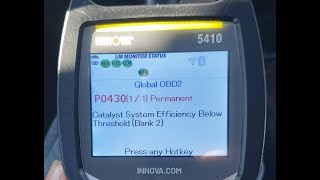
- P0430 — This is the identical code but for Bank 2 (driver's side). If both P0420 and P0430 appear together, it strongly points to a shared cause like the high-sulfur fuel issue described in the TSBs, as it's unlikely both converters would fail simultaneously.
- P0300-P0306 — These are misfire codes (P0300 for random, P0301-P0306 for specific cylinders). A misfire is a primary cause of catalytic converter failure, as it allows unburnt fuel to enter the exhaust and overheat the converter substrate.
Technical Service Bulletins (TSBs) & Recalls
- TSB 22-2260: Supersedes previous versions to update the service procedure and parts list for the P0420/P0430 sulfur issue on 2020-2021 Expedition/Navigator and some F-150s.
- TSB 22-2137: An earlier version of the bulletin for the same sulfur-related P0420/P0430 issue, now superseded by 22-2260.
- TSB 21-2381: An even earlier version of the bulletin, also superseded, indicating this has been a known issue for some time.
Platform-Specific Known Issues
- TSB for High Sulfur Fuel: Ford TSBs 22-2260, 22-2137, and 21-2381 all state that P0420/P0430 on 2020-2021 Expeditions and Navigators may be due to high sulfur content in fuel. The fix is a specific driving procedure to clean the catalyst before replacement is considered.
- PCM Software Sensitivity: Ford issued Emission Recall 24E13 for 2018-2021 Expeditions because the PCM could incorrectly trigger catalyst efficiency codes (specifically P0430). The fix is a dealer-installed software update, which should be checked for before any hardware replacement for P0420.
Mechanic-Grade Diagnostic Values
- Mode 6 Catalyst Monitor Data — expected: After a drive cycle, the catalyst oxygen storage values should be populated and within the manufacturer's specified (but not publicly listed) threshold.. Failure: A value that exceeds the threshold after the TSB de-sulfate procedure indicates a failed catalytic converter.
- Downstream O2 Sensor (B1S2) Voltage — expected: On a fully warm engine at steady cruise, the voltage should be relatively stable and high (e.g., >0.6V).. Failure: Voltage that fluctuates rapidly, mimicking the upstream (B1S1) sensor's pattern, indicates the catalyst is not storing oxygen.
Hidden / Shadow Codes Worth Checking
- Mode 6 Data (Oxygen Storage Values): This is not a DTC but a set of test results from the PCM's internal self-tests. For P0420, the relevant data is the catalyst efficiency test result, which Ford's TSB refers to as 'oxygen storage values'. A failing value here confirms the PCM's reason for setting the P0420 code. (see via A professional scan tool like the Ford Diagnosis and Repair System (FDRS) is required to view this data as specified in the TSB. Advanced DIY tools like FORScan may also be able to access Mode $06 data.)
Scan Tool Commands That Help
- Ford Diagnosis and Repair System (FDRS): Retrieve Onboard Diagnostics (OBD) Mode 6 Data — Use before and after performing the 'Sulfur Removal Cycle' to objectively measure if the catalyst's oxygen storage capacity has improved, per TSB 22-2260.
- Ford Diagnosis and Repair System (FDRS) / FORScan: Clear DTCs — Used after the sulfur removal cycle to reset the Mode 6 data to zero and see if the P0420 code returns after a subsequent drive cycle.
Wiring & Ground Locations
- Bank 1 Sensor 1 (Upstream) Connector — Located at the top rear of the engine on the passenger side, behind the cylinder head and spark plugs. Access is difficult and may require removing the air filter box assembly for better reach from the top.. This sensor provides the primary reading the PCM uses to compare against the downstream sensor. A bad connection here can cause multiple issues, though P0420 points more toward the downstream sensor or the catalyst itself.
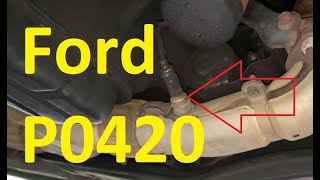
- Bank 1 Sensor 2 (Downstream) Connector — The sensor is located on or just after the catalytic converter on the passenger side. The wiring harness runs up the firewall, and the connector is often difficult to access from below.. This sensor's reading determines if the P0420 code is set. A poor connection, water intrusion, or damaged wiring can cause false readings that mimic a bad catalytic converter.
Real Owner Repair Stories
- Ford F150 Forum (2015 F-150 3.5L EcoBoost (similar platform)) — P0420 and P0430 codes appeared only after it rained.
❌ Tried (didn't work) Clearing the codes; they returned with the next rain.
✅ What actually fixed it The problem was suspected to be water getting into the O2 sensor electrical connectors. The recommended fix was to clean the connectors, let them dry, and apply dielectric grease to seal them from moisture. - Go-Parts F-150 P0420 Guide (F-150 with 3.5L EcoBoost (similar platform)) — P0420 code, sometimes accompanied by a ticking noise on startup.
❌ Tried (didn't work) Replacing O2 sensors or catalytic converters without checking the exhaust manifold.
✅ What actually fixed it The root cause was a warped exhaust manifold or broken manifold studs, creating an exhaust leak before the O2 sensors. Replacing the manifold and/or studs and gaskets resolved the leak and the code. - Reddit r/AskAMechanic (2018 Ford Expedition (same generation)) — Random and recurring P0420 code.
❌ Tried (didn't work) Replacing all catalytic converters and the 'offending' O2 sensor. The code still came back.
✅ What actually fixed it The user's story highlights that even after replacing the common culprits with aftermarket parts, the code can persist, suggesting the importance of using OEM parts due to PCM sensitivity or an underlying wiring/software issue. The final fix was not posted, but the experience serves as a caution.
OEM Part Supersession History
JL1Z-5E212-G (Bank 1 Catalytic Converter)→JL1Z-5E212-J— Standard part revision by the manufacturer.
Heads up: JL1Z-5E212-G also replaces older versions JL1Z-5E212-A, JL1Z-5E212-C, and JL1Z-5E212-E. The newest part (J) should be used for repairs.GK4Z-9G444-C (Downstream O2 Sensor)→GK4Z-9G444-H— Standard part revision by the manufacturer.
Heads up: The OEM service part number is GK4Z-9G444-H, which corresponds to Motorcraft part DY-1627. The superseded part number DY-1335 may also be referenced.
Model Year Variations Within This Range
- 2018-2021: Ford issued Emission Recall 24E13 for 2018-2021 Expeditions with the 3.5L engine due to the PCM incorrectly setting a P0430 (Bank 2 Catalyst Efficiency) code. The fix is a PCM software update. While the recall is for P0430, the underlying logic is the same for P0420, making a software check essential for these years before replacing parts.
Helpful Videos
We Have This Part in Stock

The information in this article is provided for general reference and educational purposes only. Vehicle specifications, procedures, and part compatibility can vary by production date, trim level, and region. Always consult your vehicle's factory service manual and verify part numbers before purchasing or performing repairs. Safety-critical components such as airbags, seat belts, and braking systems should be installed by a qualified professional.
- Ford EXPEDITION:
- 🧭 Diagnostic Flowchart
- 🎬 Helpful Videos
- 🛍️ Shop This Part
- What's Unique About the 2020-2021 Ford EXPEDITION
- Symptoms You May Notice
- Most Likely Causes
- Rare But Worth Checking
- Diagnosis Steps
- Parts You'll Likely Need
- Related Codes That Often Appear With This One
- Technical Service Bulletins (TSBs) & Recalls
- Platform-Specific Known Issues
- Mechanic-Grade Diagnostic Values
- Hidden / Shadow Codes Worth Checking
- Scan Tool Commands That Help
- Wiring & Ground Locations
- Real Owner Repair Stories
- OEM Part Supersession History
- Model Year Variations Within This Range
- 🎟️ Get 5% Off