

P0420 on 2011-2019 Ford Explorer 3.5L V6: Catalyst Efficiency Causes and Fixes
On a 2011-2019 Ford Explorer with the 3.5L V6, code P0420 almost always points to a failed Bank 1 (firewall side) catalytic converter. Before replacing this expensive part, it's crucial to rule out exhaust leaks and a faulty downstream oxygen sensor. A history of engine misfires or a failing internal water pump are common root causes for the converter failure.
- P0420 on the 2011-2019 Explorer 3.5L almost always means the Bank 1 (firewall side) catalytic converter has failed.
- Before replacing the converter, you must rule out a bad downstream O2 sensor and any exhaust leaks.
- Always investigate and fix the root cause of the converter failure, which is often a history of engine misfires from bad spark plugs or coils.
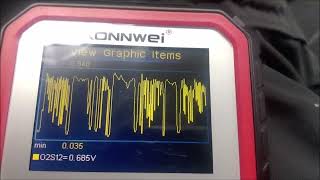
- Use a scan tool to watch live O2 sensor data; a downstream sensor that mimics the upstream sensor confirms a bad converter.
- This is a difficult DIY repair due to the tight location of the Bank 1 converter against the firewall.
What's Unique About the 2011-2019 Ford Explorer
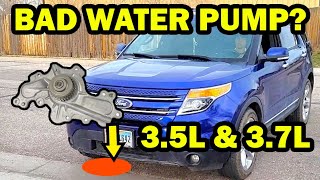
The 5th generation Explorer's 3.5L V6 is a durable engine, but its catalytic converters are sensitive to upstream issues. A history of engine misfires, often from worn spark plugs or ignition coils, is a very common reason for premature converter failure by sending unburnt fuel into the exhaust. Even more critically, this engine features an internal, timing-chain-driven water pump. When this pump fails, it can leak coolant into the engine oil, contaminating the catalytic converters and causing them to fail. While some Ford models have software updates to address P0420, for the 2011-2019 civilian Explorer, the cause is overwhelmingly a physical part failure. Specific service programs (like 19M01, 22M06) and TSBs (like 19-2366, 21-2063) exist for Police Interceptor versions due to catalyst damage from aggressive driving, but these do not apply to standard civilian models with the 3.5L engine.
Symptoms You May Notice
- Check Engine Light is on
- Failure to pass an emissions test
- Reduced engine power or sluggish acceleration if the converter is clogged
- A sulfur or "rotten egg" smell from the exhaust, indicating the converter is struggling
- A rattling noise from the exhaust, especially on startup or acceleration, indicating the internal honeycomb substrate of the converter has broken apart.
- Replacing the catalytic converter without first fixing the root cause of its failure, such as engine misfires or a coolant leak from the internal water pump. The new converter will be quickly damaged.
- Replacing the upstream (pre-cat) oxygen sensor. The P0420 code is calculated based on the downstream (post-cat) sensor's reading in comparison to the upstream one. The upstream sensor is rarely the sole cause.
- Using a 'catalyst cleaner' additive. While it may temporarily clear the light by cleaning off deposits, it cannot fix a physically damaged, melted, or poisoned converter substrate.
Most Likely Causes
- Failed Catalytic Converter (Bank 1) 🔴 High Probability → Shop Catalytic Converter Converters fail from old age or, more commonly, contamination from engine issues. A known major issue on this engine is the internal water pump failing, which leaks coolant into the oil, contaminating and destroying the converters. Misfires from bad plugs or coils are also a primary cause of failure.
How to confirm: Use an infrared thermometer on a fully warm engine. The converter's outlet pipe should be at least 100°F hotter than the inlet pipe. If temperatures are similar or the outlet is cooler, the converter is not working. A rattling sound from the converter housing is also a definitive sign of physical failure.
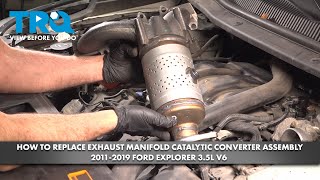
Typical fix: Replace the Bank 1 (firewall side) catalytic converter. It is integrated with the exhaust manifold. It is critical to address the root cause of the failure (like misfires or a leaking water pump) before replacing the converter, or the new one will fail quickly.
Est. part cost: $400-$1200 - Failed Downstream Oxygen Sensor (Bank 1, Sensor 2) 🟡 Medium Probability → Shop Oxygen Sensor Oxygen sensors are wear items and can become 'lazy' or fail over time, sending slow or incorrect readings to the PCM, falsely triggering the P0420 code.
How to confirm: Use a scan tool to watch the live data for the Bank 1, Sensor 2 (B1S2). A good sensor on a working converter shows a steady voltage around 0.6V-0.8V at 2,000 RPM. If the voltage is fluctuating rapidly like the upstream sensor (B1S1), the converter is bad. If the B1S2 voltage is stuck or unresponsive, the sensor is likely bad. A simple test is to swap the downstream sensors between Bank 1 and Bank 2. Clear the codes and drive. If the code changes to P0430 (Bank 2), the O2 sensor is faulty.
Typical fix: Replace the Bank 1, Sensor 2 (downstream) oxygen sensor. The Motorcraft part number is often DY-1173 for this location.
Est. part cost: $50-$150 - Exhaust System Leak ⚪ Low Probability Exhaust manifold gaskets or flex pipe connections can develop leaks over time, allowing oxygen to enter the exhaust stream. This extra oxygen fools the downstream O2 sensor into thinking the converter isn't working, triggering the code.
How to confirm: Perform a visual inspection of the exhaust system from the engine to the downstream O2 sensor. Look for black soot marks around flanges or cracks in the manifold. Listen for hissing or ticking sounds, especially when the engine is cold. A smoke machine is the most effective way to pinpoint small leaks.
Typical fix: Replace the leaking gasket or repair the leaking section of the exhaust pipe.
Est. part cost: $20-$200 - Engine Misfires or Fuel System Issues ⚪ Low Probability This is a root cause, not a direct trigger. Worn spark plugs, failing ignition coils, or leaking fuel injectors cause unburnt fuel to enter the exhaust, which rapidly overheats and melts the catalytic converter's internal structure.
How to confirm: Check for other stored trouble codes, such as P0300-P0306 (misfires) or fuel trim codes (P0171, P0172). Address these codes before diagnosing P0420. A misfire is a root cause that must be fixed before replacing a converter.
Typical fix: Perform a full engine tune-up (spark plugs, ignition coils) or repair the identified fuel system fault. This is done *before* replacing the catalytic converter.
Est. part cost: $150-$600
Rare But Worth Checking
- PCM Software Issues:
Diagnosis Steps
- Scan for all diagnostic trouble codes (DTCs). If any misfire (P030x), fuel system (P017x), or timing (P001x) codes are present, diagnose and repair those issues first. This is critical.
- Perform a thorough visual inspection of the Bank 1 exhaust system. Look for cracks in the exhaust manifold, broken studs, damaged gaskets, or holes in the pipes between the upstream and downstream O2 sensors. A smoke test is highly recommended.
- Using a scan tool with live data, monitor the voltage of the Bank 1 upstream (B1S1) and downstream (B1S2) O2 sensors with the engine fully warmed up and held at a steady 2,000 RPM.
- A healthy system will show the B1S1 sensor switching rapidly between ~0.1V and ~0.9V, while the B1S2 sensor remains steady and stable, typically above 0.6V (e.g., 0.6V-0.8V).
- If the B1S2 sensor voltage is fluctuating rapidly and mirroring the B1S1 sensor, the catalytic converter is not functioning correctly and likely needs replacement.
- If the B1S2 sensor voltage is stuck (e.g., at 0.45V), unresponsive, or slow, test the sensor itself. You can swap the B1S2 and B2S2 sensors and see if the code changes to P0430. If it does, the sensor is bad.
- As a final confirmation, use an infrared thermometer to measure the temperature of the pipe entering the catalytic converter and the pipe exiting it. A working converter should be at least 100°F hotter at the outlet.
- Check engine oil for a milky appearance, which indicates coolant contamination from a failing internal water pump. If this is found, the water pump and timing chain components must be replaced along with the catalytic converters.
Parts You'll Likely Need
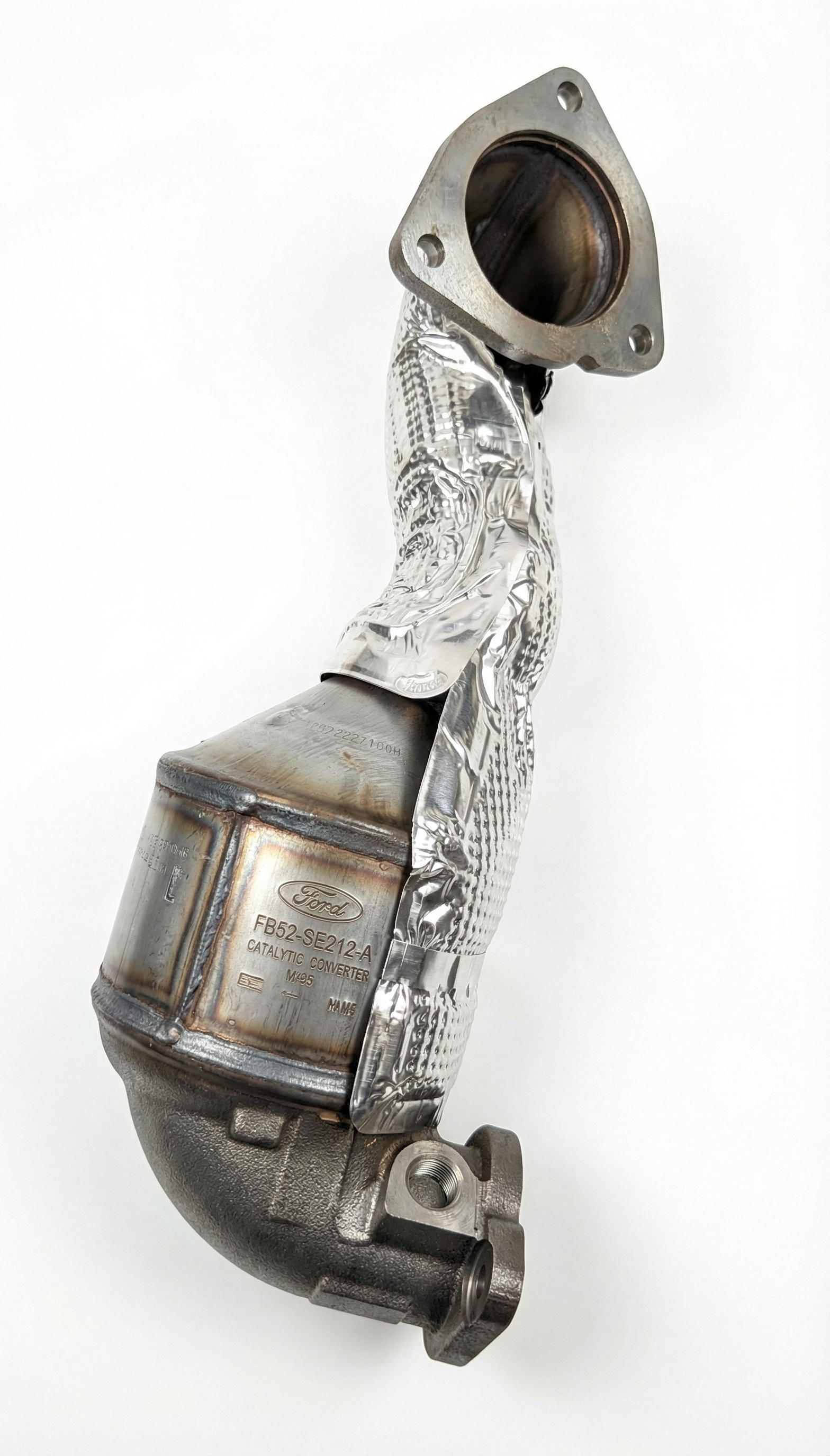
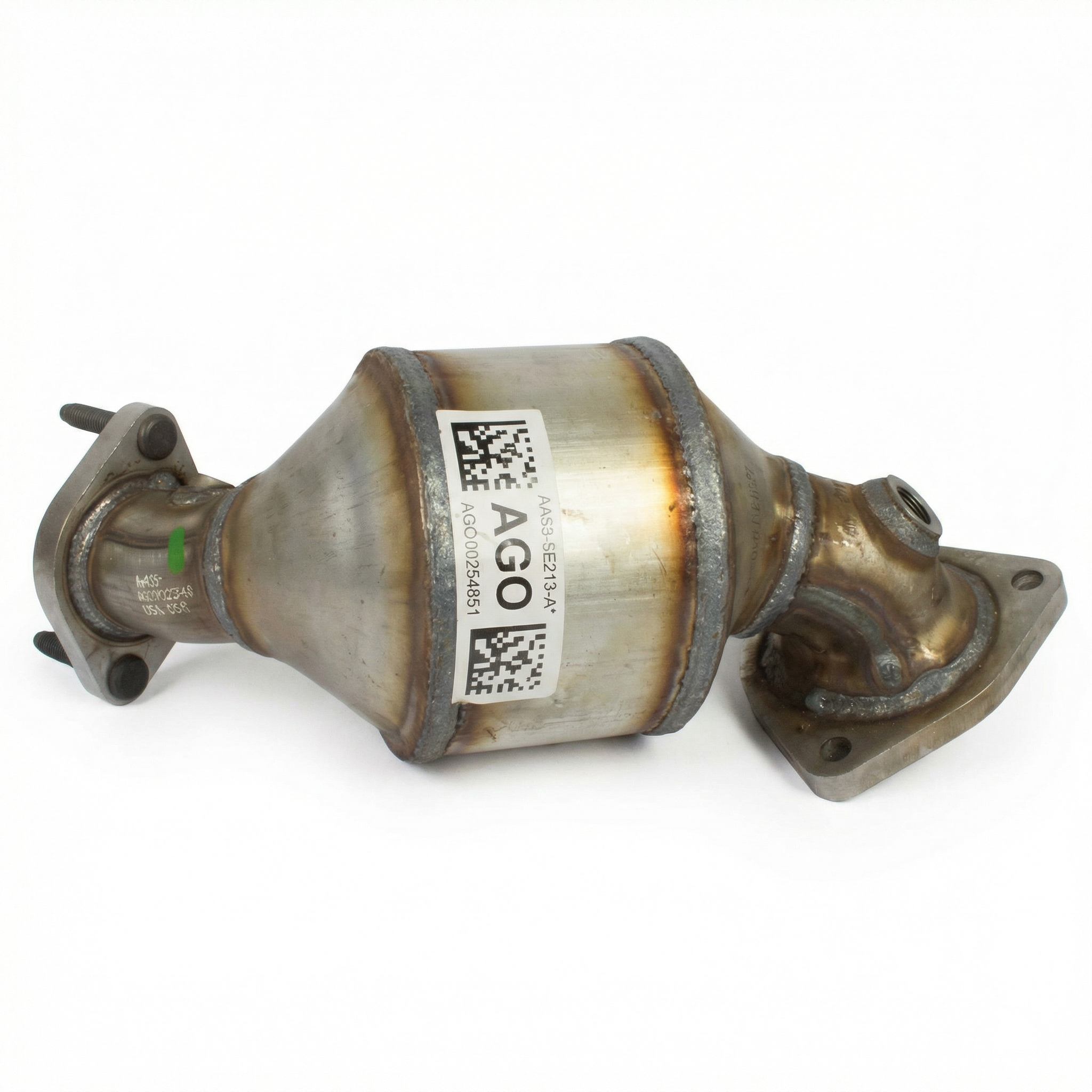
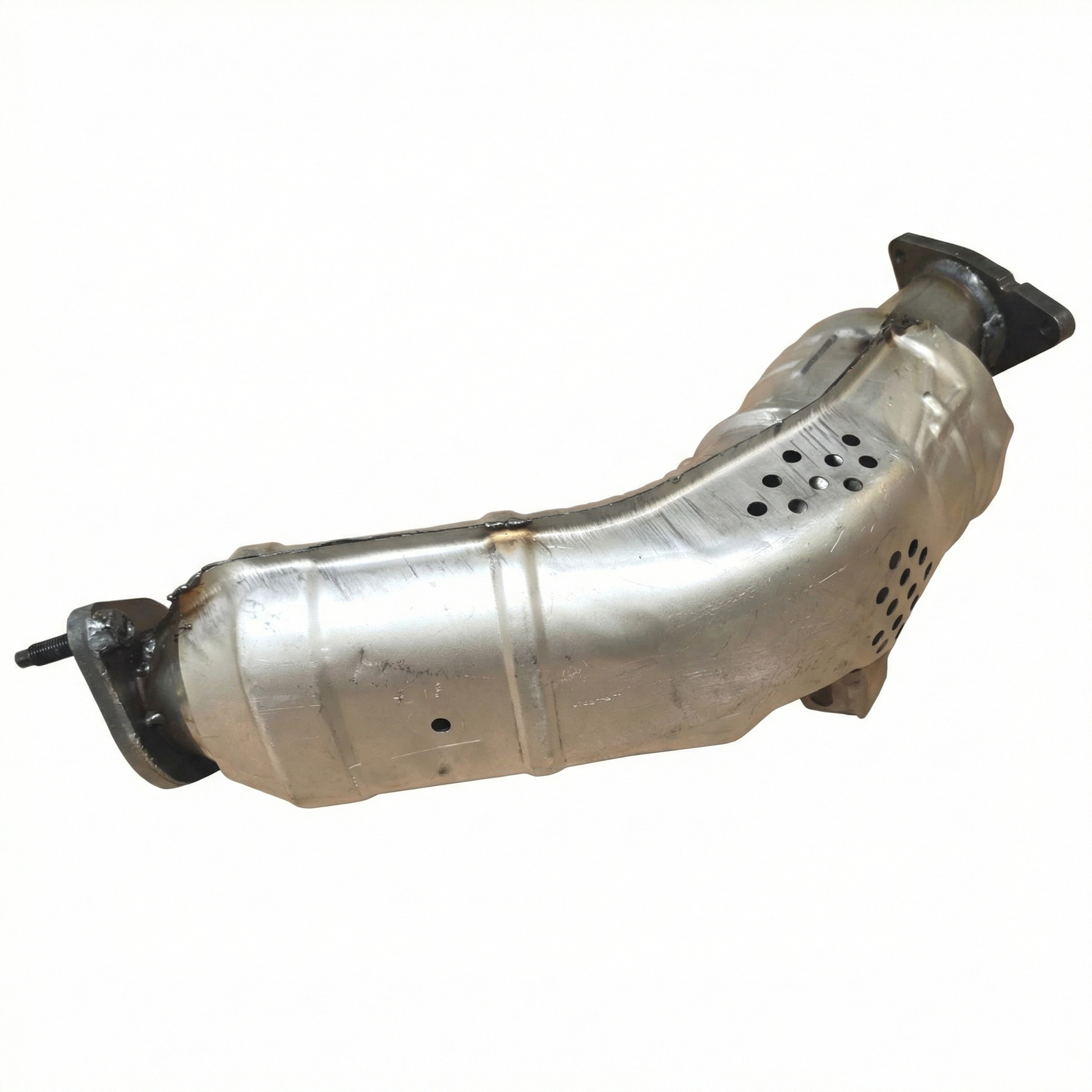
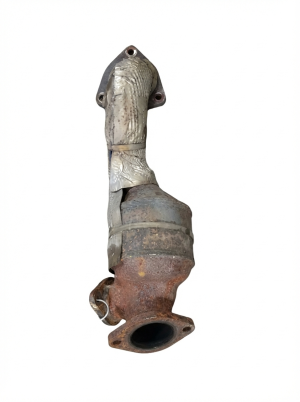
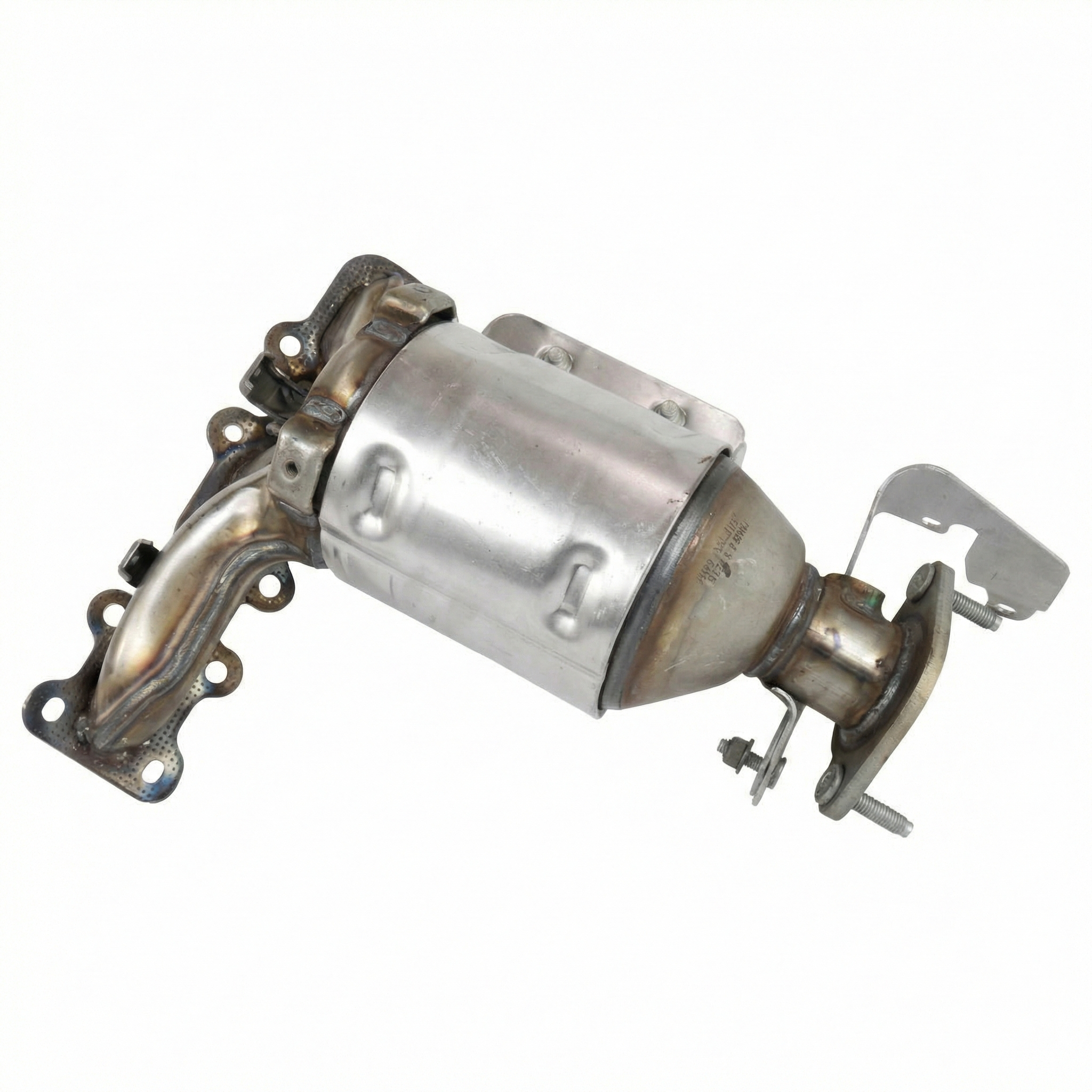
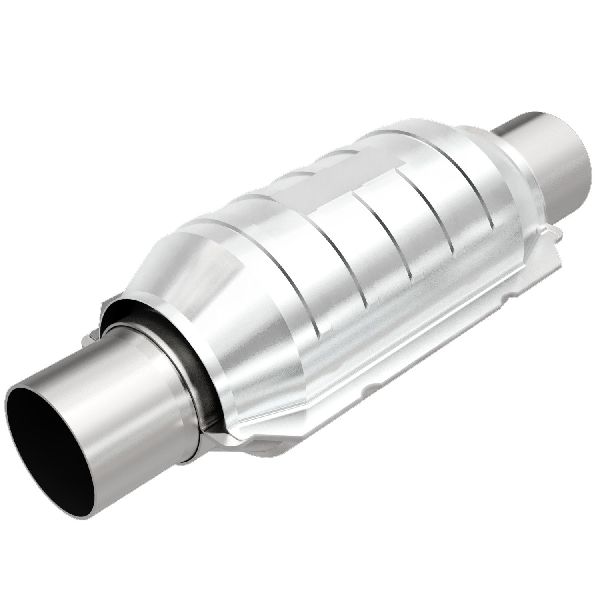
- Catalytic Converter (Bank 1 - Firewall Side)
(OEM #DA8Z-5G232-C (or superseding part numbers))
Related Codes That Often Appear With This One
- P0430 — This is the identical code for Bank 2 (radiator side). It is common for both converters to degrade at a similar rate, especially if the cause is systemic like a water pump failure. Seeing both codes together strongly suggests both converters require replacement.
- P0300-P0306 — These are random or cylinder-specific misfire codes. A history of misfires is a leading cause of catalytic converter damage, as unburnt fuel overheats and destroys the converter's internal structure.
- P0016, P0017, P0018, P0019 — These are camshaft/crankshaft correlation codes. They can indicate a stretched timing chain, which is a major job. Since the water pump is driven by the timing chain, these codes are often seen when a water pump failure is imminent or has occurred, which in turn leads to converter damage.
Technical Service Bulletins (TSBs) & Recalls
- TSB 19-2366: Applies to 2016-2019 Police Interceptor Sedan models with the 3.7L Ti-VCT engine for P0420/P0430. Recommends converter replacement and PCM reprogram.
- TSB 21-2063: Supersedes TSB 19-2366, updating labor operations and warranty status for the same police models and issue.
Platform-Specific Known Issues
- Customer Satisfaction Programs 19M01 and 22M06 were issued for Police Interceptor models for catalytic converter degradation due to aggressive driving, extending warranty coverage. These programs specifically cover the 3.7L and 3.5L EcoBoost engines in the police vehicles and do not apply to the civilian 3.5L NA V6.
- TSB 19-2366, later superseded by TSB 21-2063, addresses P0420/P0430 on 2016-2019 Police Interceptor Sedans with the 3.7L engine, instructing technicians to replace the converter and reprogram the PCM. This does not apply to the civilian Explorer.
Mechanic-Grade Diagnostic Values
- Downstream O2 Sensor (B1S2) Voltage — expected: Slowly fluctuating between 0.6 and 0.8 volts at 2,000 RPM in closed loop.. Failure: Voltage fluctuates rapidly between 0.2 and 0.8 volts, mimicking the upstream sensor.
- Long Term Fuel Trim (LTFT) — expected: Within +/- 10% at idle, 1500, 2000, and 2500 RPM.. Failure: Values consistently greater than +10% (lean condition) or less than -10% (rich condition) indicate an underlying engine issue that must be fixed before replacing the converter.
- O2 Sensor Heater Circuit Resistance — expected: Typically 2-5 ohms when measured across the two same-colored heater pins on the sensor connector.. Failure: An open circuit (OL) or resistance far outside the expected range indicates a failed internal heater, requiring sensor replacement.
Hidden / Shadow Codes Worth Checking
- Mode $06, TID $81, CID $01: This refers to the onboard diagnostic test results for the Catalyst Monitor Bank 1. It provides the raw test value from the PCM's last catalyst efficiency test cycle, which can be compared against a maximum allowable threshold. This allows a technician to see how close the converter is to the failing threshold, even before the P0420 code is set. (see via A professional scan tool capable of displaying Mode $06 data is required.)
Wiring & Ground Locations
- G100 — Top rear of the engine (for 2011 models).. A poor engine ground can cause erratic sensor readings and phantom codes. This is a primary ground point for many engine components and sensors.
- G103 / G104 — G103 is at the left front corner of the engine compartment; G104 is on the right side of the engine compartment (for 2011 models).. These are key chassis grounds. Corrosion or looseness at these points can affect the PCM and sensor ground references, potentially leading to incorrect O2 sensor readings.
- O2 Sensor Heater Wires — Within the O2 sensor's pigtail connector.. On many Ford sensors, the two heater circuit wires are the same color (often white). This is critical for correctly testing the heater element's resistance.
- Connector C139 — Located at the front of the engine (on similar Ford platforms like the F-150).. On related Ford models, the wiring for both downstream O2 sensors passes through this single connector. Water intrusion or corrosion here can cause both P0420 and P0430 codes, especially after rain.
Real Owner Repair Stories
- Reddit user in r/mechanic (2013 Ford Explorer 3.5L) — P0420 and P0430 codes returned 6 months after replacing both catalytic converters. Also experienced hard starting and RPMs dropping at idle with A/C on.
❌ Tried (didn't work) Replacing both catalytic converters, Replacing O2 sensors after the codes returned
✅ What actually fixed it The user was still diagnosing, but the symptoms (hard start, idle drop) after replacing cats and O2 sensors strongly point to an underlying fuel or air metering problem (like a faulty MAF sensor) that was the root cause all along, which likely damaged the first set of converters and was preventing the new set from working correctly.
Model Year Variations Within This Range
- 2011-2015: Pre-facelift models. The optional 4-cylinder was a 2.0L EcoBoost, available only with FWD.
- 2016-2019: Post-facelift models received revised styling, standard LED low-beams, and the SYNC 3 infotainment system. The optional 4-cylinder was upgraded to a more powerful 2.3L EcoBoost which could be paired with AWD. The core 3.5L V6 powertrain and its associated P0420 causes remained largely the same.
Diagnostic Flowchart
Other Known Issues on This Vehicle
Issues unrelated to this code that are worth knowing about as an owner of this generation:
- Internal Water Pump Failure 🔴 High — Commonly occurs around 100,000 miles. Failure can cause catastrophic engine damage by mixing coolant with engine oil.
- Power Transfer Unit (PTU) Failure 🔴 High — The PTU (transfer case) is prone to overheating and premature failure due to a lack of a drain plug and 'lifetime' fluid that degrades. Recommended fluid change every 30,000 miles.
- Electronic Throttle Body Failure 🟠 Medium — Can cause sudden loss of power and the vehicle entering 'limp mode,' often triggering a wrench light and codes like P2111 or P2112.
- Cracked/Leaking Exhaust Manifold 🟠 Medium → Shop Exhaust Manifold — Manifolds are prone to cracking, which can lead to exhaust fumes entering the cabin, especially under acceleration. (Ref: Ford addressed a similar issue with Customer Satisfaction Program 17N03 for Police Interceptor Utilities, but not broadly for civilian models.)
- Electric Power Steering Rack Failure 🔴 High — Early models (2011-2013) were subject to recalls, but failures causing a sudden loss of power assist can still occur across the generation. (Ref: Recall 14S06, 15V340000)
Used vs. New Parts: Buying Guide for This Vehicle
When a used part is the smart pick: Used parts are generally not recommended for the key components in this repair. A used catalytic converter has unknown remaining life and may not meet emissions standards. A used O2 sensor is also a risk as it's a wear-and-tear item.
Donor-vehicle mileage cap: roughly under 50000 miles for the part to have meaningful remaining life.
What to inspect on the donor part:
- For a catalytic converter, inspect for any rattling (indicating broken substrate), dents, or heavy rust.
- Ensure the donor vehicle was not in a front-end collision that could have damaged the exhaust manifolds.
- Ask for the VIN to check the vehicle's history for recurring emissions problems or signs of coolant contamination.
OEM-only on this vehicle (don't cheap out):
- Catalytic Converter: While expensive, OEM (Motorcraft) converters are designed to meet the specific calibration of the Explorer's PCM. Many aftermarket converters, especially budget options, are known to fail emissions testing or set a P0420 code within a year because their precious metal loading is insufficient.
Aftermarket brands forum-validated for this vehicle:
- O2 Sensors: NTK and Denso are highly regarded OEM suppliers for many brands, including Ford. They are considered reliable alternatives to Motorcraft sensors.
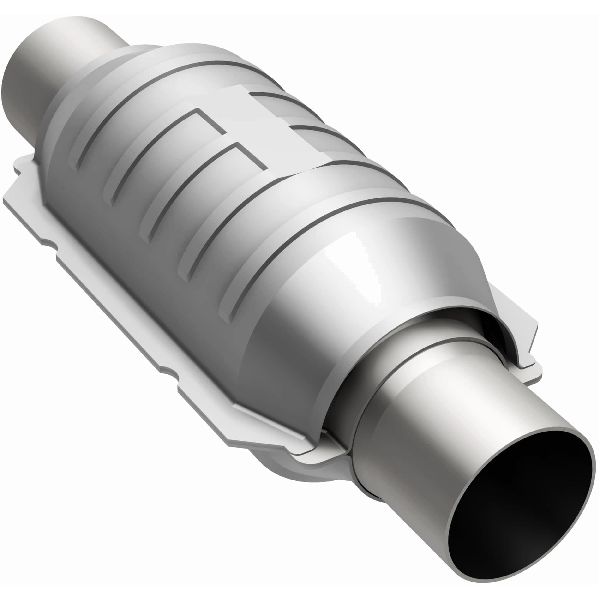
- Catalytic Converters (with caution): MagnaFlow and Walker are reputable aftermarket brands that offer direct-fit converters. However, ensure they are EPA-compliant for your region and understand they may have a shorter lifespan than OEM.
Brands owners have reported issues with on this vehicle:
- Unbranded, 'no-name' catalytic converters sold on online marketplaces. These are almost universally under-loaded with catalyst material and are a very common cause of the P0420 code returning shortly after repair.
Real Owner Stories
Aggregated from forums and TSBs cited above. Mileages and costs reflect what owners reported in those sources.
2016 Ford Police Interceptor Utility
Symptoms: Catalytic converter degradation due to aggressive driving.
What fixed it: Replacement of the converter and PCM reprogramming as per TSB guidelines.
Source hint: Reddit r/AskMechanics thread 'p0420 on 16 interceptor'
2011-2019 Ford Explorer 3.5L V6 — ~100000 miles
Symptoms: Check engine oil for a milky appearance; P0420 code present.
What fixed it: The internal water pump and timing chain components must be replaced along with the catalytic converters.
Source hint: ExplorerForum.com thread 'water pump failure class action lawsuit'
Related OBD-II Codes
Frequently Asked Questions
Does TSB 19-2366 or TSB 21-2063 apply to my civilian 2016 Ford Explorer 3.5L?
I have a 2014 Explorer with a milky appearance in the oil and a P0420 code. Are these related?
Is there a specific oxygen sensor part number recommended for the Bank 1 downstream position?
Are there any extended warranty programs for catalytic converter failure on the Explorer?
Which side of the engine is Bank 1 on my 3.5L Explorer?
Can I just replace the converter to fix the P0420 code?
Helpful Videos
Used OEM Parts in Stock
New Aftermarket Parts Available

The information in this article is provided for general reference and educational purposes only. Vehicle specifications, procedures, and part compatibility can vary by production date, trim level, and region. Always consult your vehicle's factory service manual and verify part numbers before purchasing or performing repairs. Safety-critical components such as airbags, seat belts, and braking systems should be installed by a qualified professional.
- Ford Explorer:
- 🧭 Diagnostic Flowchart
- 🎬 Helpful Videos
- 🛍️ Shop This Part
- What's Unique About the 2011-2019 Ford Explorer
- Symptoms You May Notice
- Most Likely Causes
- Rare But Worth Checking
- Diagnosis Steps
- Parts You'll Likely Need
- Related Codes That Often Appear With This One
- Technical Service Bulletins (TSBs) & Recalls
- Platform-Specific Known Issues
- Mechanic-Grade Diagnostic Values
- Hidden / Shadow Codes Worth Checking
- Wiring & Ground Locations
- Real Owner Repair Stories
- Model Year Variations Within This Range
- Other Known Issues on This Vehicle
- Used vs. New Parts: Buying Guide for This Vehicle
- Real Owner Stories
- 2016 Ford Police Interceptor Utility
- 2011-2019 Ford Explorer 3.5L V6 — ~100000 miles
- Related OBD-II Codes
- Frequently Asked Questions
- 🎟️ Get 5% Off