

P0420 on 2010-2017 GMC Terrain 2.4L: Catalyst Efficiency, Oil Consumption, and Fixes
On a 2010-2017 Terrain with the 2.4L engine, P0420 almost always means the catalytic converter has failed due to excessive oil consumption. Simply replacing the converter is a temporary fix; the engine's oil burning issue must be addressed first to prevent repeat failure. This often involves piston ring replacement.
- The P0420 code on a 2.4L Terrain is almost always a symptom of excessive oil consumption.
- Before replacing the catalytic converter, you MUST verify and address the engine's oil burning issue.
- Replacing only the catalytic converter will likely result in the P0420 code returning in a short time.
- Check for GM Special Coverage programs (like 15810 and N192287100) that may apply to your vehicle's VIN.
- Using a high-quality OEM or premium aftermarket converter is recommended, as these engines are sensitive to catalyst performance.
What's Unique About the 2010-2017 GMC Terrain
For the 2010-2017 GMC Terrain with the 2.4L Ecotec engine, the P0420 code is almost always a direct consequence of a well-documented, widespread problem: excessive oil consumption. Defective, low-tension piston rings in these engines allow oil to enter the combustion chamber, which then contaminates and poisons the catalytic converter. This means the P0420 code is not just an emissions issue, but a major symptom of an underlying engine problem that must be fixed to achieve a permanent repair. GM has acknowledged this through class-action lawsuits and multiple special coverage programs related to oil consumption.
Symptoms You May Notice
- Check Engine Light is on
- Reduced engine power or sluggish acceleration
- Rotten egg or sulfur smell from the exhaust
- Vehicle will fail an emissions test
- Difficulty starting the engine or stalling
- Noticeable decrease in fuel economy
- Replacing the oxygen sensors without confirming they are faulty. While a bad O2 sensor can cause P0420, it's much less common on this vehicle than converter failure due to oil consumption.
- Replacing the catalytic converter without fixing the engine's oil consumption problem. This is the most common and costly mistake, as the new converter will quickly fail, often within months.
Most Likely Causes
- Excessive Oil Consumption 🔴 High Probability A known design flaw with the low-tension piston rings on the 2.4L Ecotec engine causes oil to bypass into the combustion chamber, burn, and then contaminate the catalytic converter. This is the root cause in the vast majority of cases and was the subject of multiple GM special coverage programs.
How to confirm: Monitor the engine oil level frequently. A loss of one quart in under 2,000 miles is the threshold GM used to define the issue. Other signs include blue smoke from the exhaust and fouled spark plugs.
Typical fix: The correct, long-term fix involves repairing the engine, which means replacing the pistons and rings. 🎬 Watch: A detailed look at the piston and ring assembly. This is an intensive and expensive engine repair. Some owners report temporary success with engine cleaning treatments or installing an oil catch can, but these are not permanent solutions.
Est. part cost: $500-$1000 for engine components - Failed Catalytic Converter 🔴 High Probability → Shop Catalytic Converter The converter itself fails as a direct result of the oil consumption problem. The burnt oil and its additives (like phosphorus and zinc) coat the precious metals (platinum, rhodium) on the catalyst substrate, rendering it inert and unable to perform its chemical conversion.
How to confirm: A scan tool showing the downstream O2 sensor voltage mimicking the upstream O2 sensor's fluctuating voltage is a strong indicator. A professional diagnosis may involve a backpressure test to check for physical blockage. A severely clogged converter will cause significant power loss.
Typical fix: Replace the catalytic converter, which is integrated with the exhaust manifold on this engine. 🎬 See this walkthrough on replacing the catalytic converter and manifold. THIS FIX WILL BE TEMPORARY if the oil consumption issue is not resolved first. The new converter will fail again quickly. Using cheap aftermarket converters is also known to cause the P0420 code to return due to insufficient catalyst loading.
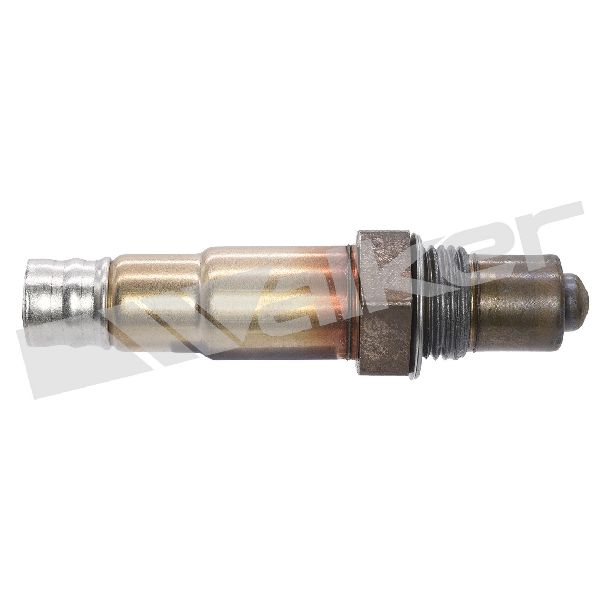
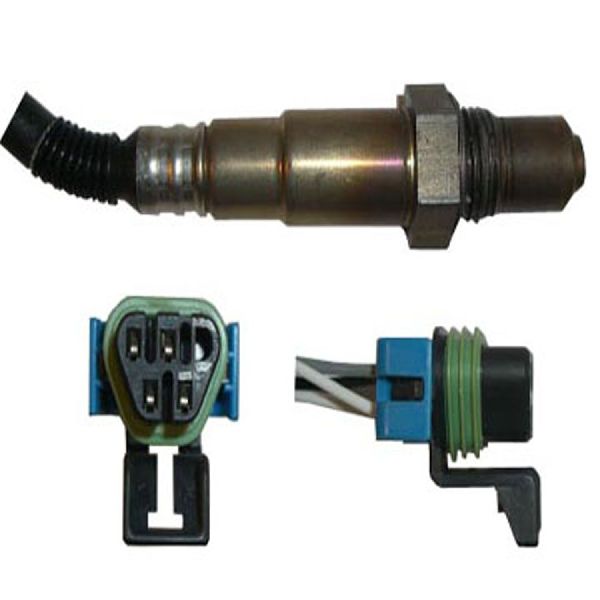
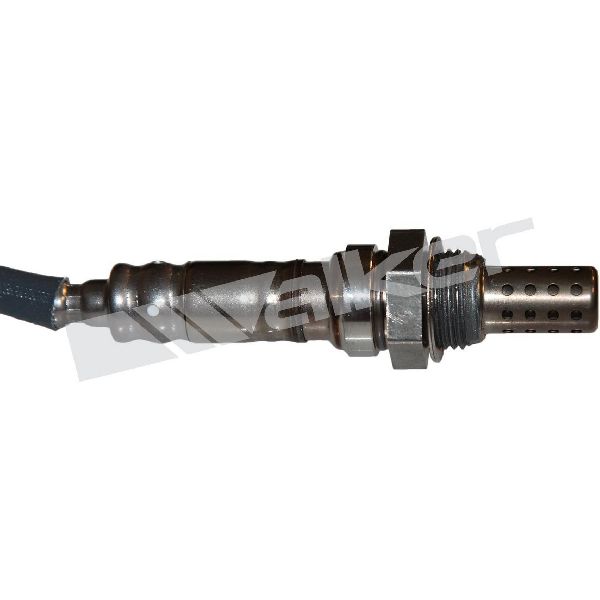
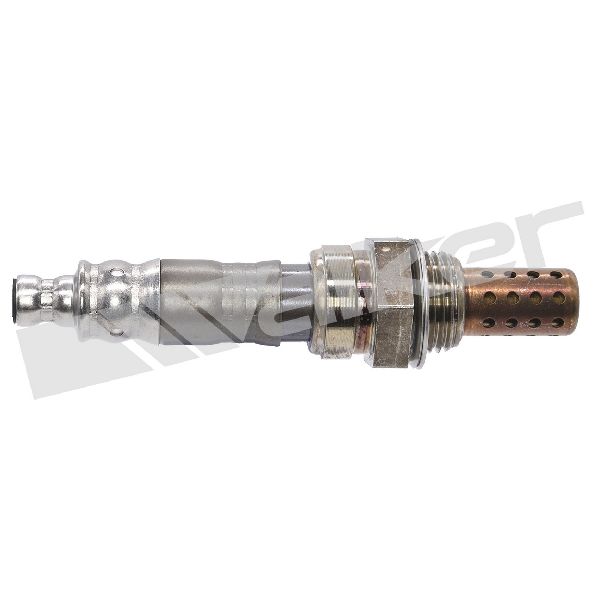
Est. part cost: $250-$800 for an aftermarket converter, $1000+ for an OEM unit. - Failed Downstream Oxygen (O2) Sensor ⚪ Low Probability → Shop Oxygen Sensor While less common than converter failure, the O2 sensor itself can fail. It is often contaminated by the same burnt oil that destroys the converter. It's frequently recommended to replace O2 sensors with the converter.
How to confirm: Use a scan tool to graph the O2 sensor voltage. A healthy downstream sensor should show a relatively steady voltage (e.g., >0.6V) on a warm engine at steady RPM. If it's stuck, flat-lined, or slow to respond, it may be faulty.
Typical fix: Replace the downstream (Bank 1, Sensor 2) oxygen sensor. The OEM part number is 12639692.
Est. part cost: $40-$100 - Exhaust Leak ⚪ Low Probability The exhaust manifold, which integrates the catalytic converter, can develop cracks, leading to leaks. A leak between the upstream and downstream O2 sensors can introduce oxygen into the exhaust stream, fooling the downstream sensor into providing an inaccurate reading and triggering a false P0420.
How to confirm: Visually inspect the exhaust manifold and piping between the two oxygen sensors for cracks, holes, or leaking gaskets. Listen for ticking or hissing sounds from the exhaust when the engine is cold. A YouTuber replacing their converter for P0420 discovered a large crack in the manifold.
Typical fix: Repair the leak. If the manifold/converter assembly is cracked, it must be replaced.
Est. part cost: $10-$200 for gaskets, or the cost of a new manifold/converter if cracked.
Diagnosis Steps
- Check the engine oil level. If it is low, top it off and begin monitoring for excessive consumption (e.g., 1 quart per 1,000-2,000 miles). This is the most critical first step for this specific vehicle.
- Scan for any other trouble codes. Address any misfire (P0300-P0304), fuel system (P0172), or timing codes (P0011/P0016) first, as they can be the root cause or a related symptom.
- Inspect the exhaust system for leaks. Look and listen for any cracks or gasket leaks between the upstream and downstream O2 sensors, especially on the manifold itself.
- Use a scan tool with live data graphing. Warm up the engine completely. Bring the RPM to a steady 2,500 RPM and observe the voltage graphs for Bank 1 Sensor 1 (upstream) and Bank 1 Sensor 2 (downstream) O2 sensors.
- Analyze O2 sensor data. 🎬 Watch: How to diagnose P0420 using live scan tool data. The upstream sensor should fluctuate rapidly between approximately 0.1V and 0.9V. The downstream sensor should hold a relatively steady, high voltage (e.g., >0.6V). If the downstream sensor's graph mirrors the upstream sensor's graph, the catalytic converter is not working.
- If the downstream sensor shows no activity or a flat-line low voltage, test the sensor itself before condemning the converter.
- If oil consumption is confirmed and the O2 sensor test points to an inefficient converter, the root cause is oil contamination requiring engine repair before converter replacement.
Parts You'll Likely Need
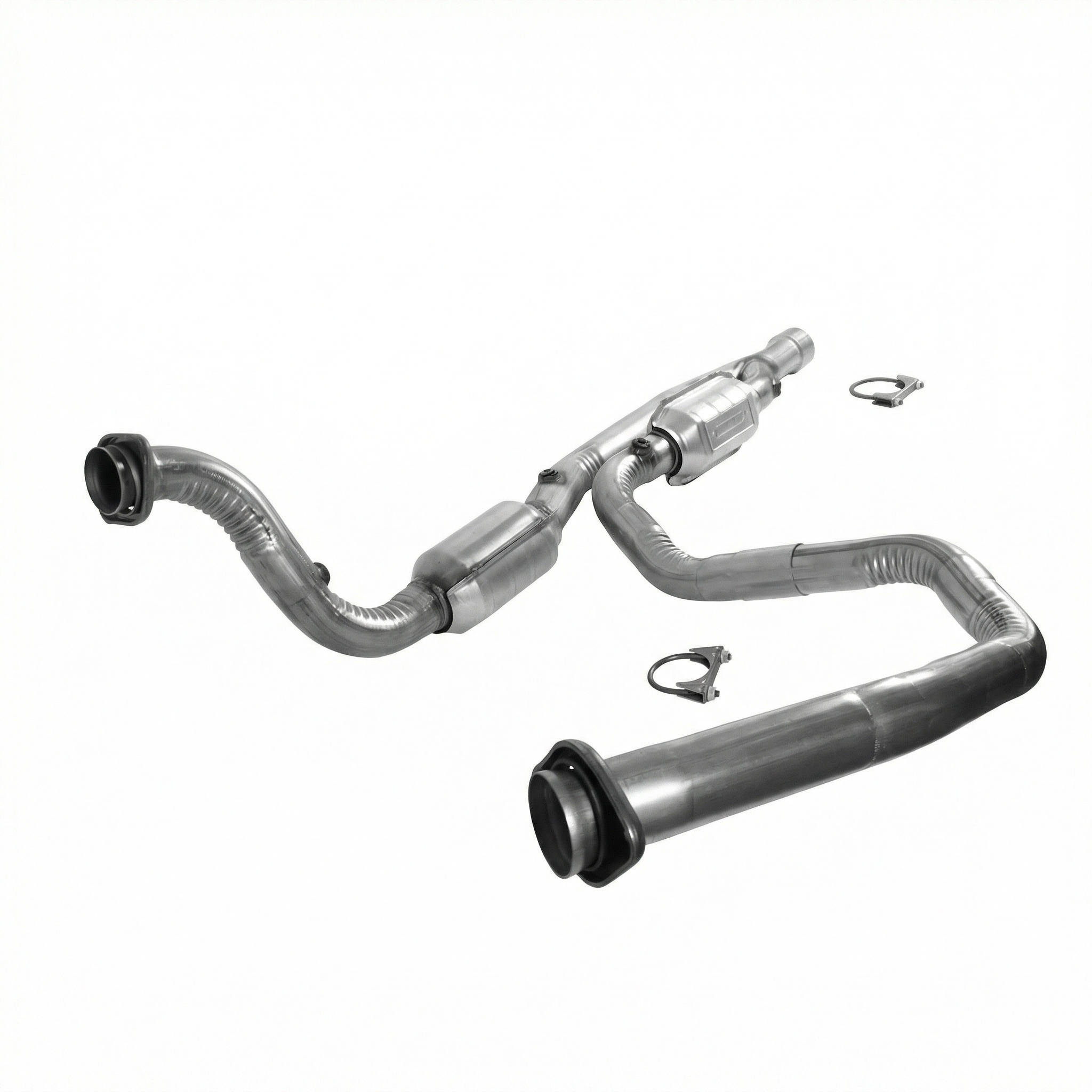
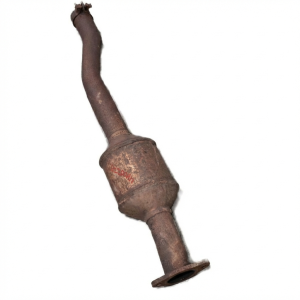
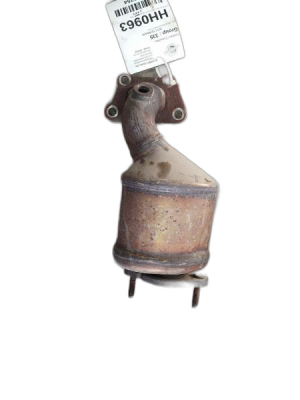
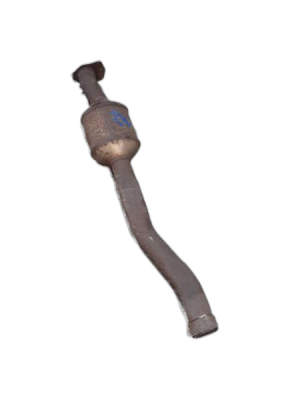
- Manifold Catalytic Converter
(OEM #23406152 (superseded by 19433905))— This is the part that directly triggers the P0420 code when its efficiency degrades. On the 2.4L Terrain, it fails because of contamination from excessive oil consumption.
Trusted brands: ACDelco (OEM), Walker, MagnaFlow, AP Exhaust
OEM price range: $1000-$1200
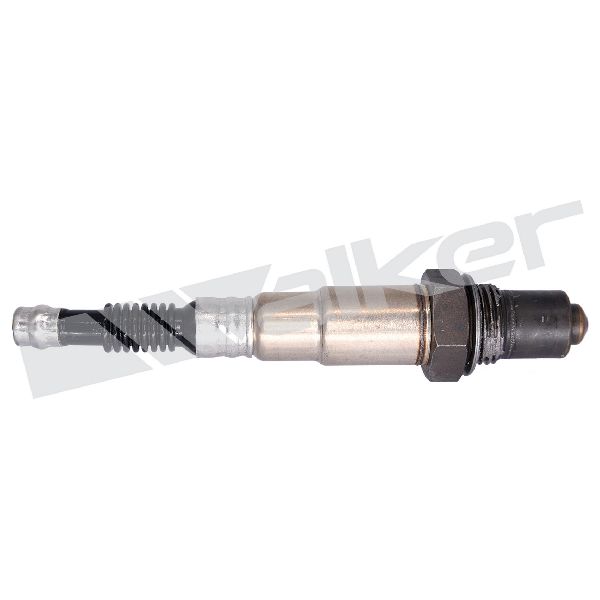
Aftermarket price range: $250-$800 - Downstream Oxygen Sensor
(OEM #12639692)— It is often recommended to replace the O2 sensors when replacing the catalytic converter, as an old, slow sensor can cause issues or be contaminated by oil. It can also fail and cause the code, though this is less common.
Trusted brands: ACDelco, Denso, Bosch, NTK
OEM price range: $60-$100
Aftermarket price range: $40-$80 - Piston & Ring Kit — This is the true fix for the root cause of P0420 on this platform. The original rings wear prematurely, causing oil consumption that destroys the converter.
Trusted brands: GM Genuine, Mahle, Enginetech
OEM price range: $400-$600
Aftermarket price range: $200-$400
Related Codes That Often Appear With This One
- P0300-P0304: Random or specific cylinder misfires can occur when spark plugs become fouled by oil.
- P0011, P0014, P0016: Camshaft/Crankshaft correlation codes can appear if the timing chain has stretched, often due to running with low oil levels caused by consumption.
- P0172: A 'System Too Rich' code can be caused by a leaking high-pressure fuel pump, which dilutes the oil with fuel and can also lead to misfires and converter damage.
Technical Service Bulletins (TSBs) & Recalls
- N192287100: Special Coverage for 2012-2013 models for catalytic converter and oxygen sensor replacement due to excessive engine oil consumption.
- 15810: Special Coverage for 2010-2011 models for catalytic converter replacement due to thermal damage or face erosion.
- 15285C: Special Coverage for 2011 models addressing excessive oil consumption via piston and ring replacement, extending the powertrain warranty for this specific issue.
Platform-Specific Known Issues
- Excessive Oil Consumption: Caused by faulty piston ring design, this is the primary reason for P0420 on the 2.4L Ecotec. It was the subject of multiple special coverage programs and class-action lawsuits.
- Special Coverage 15810: For 2010-2011 models with the LAF engine, GM issued a special coverage for catalytic converter replacement due to thermal damage, extending the warranty to 10 years or 120,000 miles.
- Cracked Exhaust Manifold: The integrated exhaust manifold/catalytic converter assembly is known to crack, causing an exhaust leak that can trigger a false P0420 code.
Mechanic-Grade Diagnostic Values
- Upstream O2 Sensor (Sensor 1) Voltage — expected: Rapidly fluctuating between ~0.1V and 0.9V on a warm engine.. Failure: Slow response, stuck high or low, not fluctuating.
- Downstream O2 Sensor (Sensor 2) Voltage — expected: Relatively steady, high voltage (e.g., >0.6V) on a warm engine at steady RPM.. Failure: Voltage fluctuates and mimics the upstream sensor's pattern, indicating the catalyst is not working.
- O2 Sensor Heater Circuit Resistance — expected: Generally between 10-25 Ohms (check specific part specs).. Failure: Open circuit (infinite resistance) or shorted (very low resistance).
- Exhaust Manifold to Cylinder Head Bolt Torque — expected: 10 ft-lbs.. Failure: N/A
- Exhaust Manifold to Catalytic Converter Bolt Torque — expected: 37 ft-lbs.. Failure: N/A
- Catalytic Converter Temperature Differential — expected: Using an infrared thermometer, the exhaust pipe outlet should be significantly hotter than the inlet pipe.. Failure: The inlet pipe is hotter than the outlet pipe, suggesting a blockage (clogged converter).
Hidden / Shadow Codes Worth Checking
- Mode $06, Catalyst Monitor: This is not a DTC, but a diagnostic monitor function. It shows the results of the ECM's last catalyst efficiency test, including the test value and the min/max thresholds. A value close to or exceeding the limit confirms the reason P0420 was set. (see via A professional scan tool capable of viewing Mode $06 data. The catalyst monitor readiness status can also be viewed, which will show 'Incomplete' if the test cannot run.)
Scan Tool Commands That Help
- GDS2 (GM Dealer Tool): ECM Reprogramming with SPS — Per GM bulletin 19-NA-057, some vehicles may set a false P0420 due to a calibration error. If no physical faults are found, checking for and applying the latest ECM calibration is required.
- GDS2 / Professional Scan Tool: Injector Balance Test — To diagnose a potentially leaking fuel injector, which can cause a rich condition (often with P0172) that contaminates the catalytic converter. This test measures fuel pressure drop for each injector to identify outliers.
- GDS2 / Professional Scan Tool: Fuel Composition Reset — On Flex Fuel (LEA) engines, if the ECM has incorrectly learned a high ethanol content in the fuel, it can cause a persistent rich condition. Resetting this value can resolve a software-induced rich fault.
Wiring & Ground Locations
- G103 — Located at the left rear of the engine compartment on the cowl, above the brake booster. Some diagrams for similar platforms show it on the front of the passenger cylinder head, so location may vary slightly by year.. Provides a ground for the Body Control Module (BCM) and the Data Link Connector (DLC). A poor ground here can cause a variety of communication and module errors.
- Main ECM Ground — Part of the main negative battery cable harness, located at the left front of the engine block.. This is the primary ground for the Engine Control Module. A poor connection here can cause erratic sensor readings, including from the O2 sensors, leading to false codes.
- Upstream O2 Sensor (Sensor 1) — Screwed into the exhaust manifold, before the catalytic converter section.. This sensor provides the primary reading of the pre-combustion air/fuel mixture. Its signal is the baseline for the catalyst efficiency test.
- Downstream O2 Sensor (Sensor 2) — Located in the exhaust pipe, just after the catalytic converter.. This sensor's job is to monitor the catalyst's performance. Its signal is compared to the upstream sensor to determine if the catalyst is working, directly triggering P0420 if it fails the test.
Real Owner Repair Stories
- YouTube channel 'Buff Motorsports' (2012 GMC Terrain 2.4L) — Exhaust fumes in the cabin on startup, odd engine idle issues, poor fuel economy (20 MPG vs. previous 25 MPG).
❌ Tried (didn't work) Timing chain replacement had been done previously but did not solve the idle or exhaust smell.
✅ What actually fixed it Replacement of the exhaust manifold, which was found to have a large crack. This solved the exhaust smell and improved the idle. - YouTube channel 'DIY Auto' (2010 GMC Terrain 2.4L (LAF engine)) — Engine failure due to oil consumption and timing chain guide failure.
❌ Tried (didn't work) N/A - Engine had already failed.
✅ What actually fixed it The owner performed an engine conversion, replacing the original LAF engine with a newer LEA engine from a 2015 Chevy Captiva. This required swapping the throttle body, knock sensor, and intake camshaft/sprocket from the old LAF engine onto the new LEA engine to ensure compatibility with the 2010 ECM. This permanently fixed the oil consumption and timing chain design flaws. - YouTube comment on 'How to Replace High Pressure Fuel Pump' (2015 Chevy Equinox 2.4L (identical platform)) — Gas mixing with oil, engine sounded like it was 'about to blow', Long Term Fuel Trim was almost -50% (extremely rich).
❌ Tried (didn't work) N/A
✅ What actually fixed it Replaced the High-Pressure Fuel Pump (HPFP) AND cleaned the tiny, clogged PCV orifice located in the intake manifold. The fuel trim returned to 0 after the repair.
"I Checked Everything" — The Actual Cause
- A leaking High-Pressure Fuel Pump (HPFP) can cause a severe rich condition (P0172) that destroys the catalytic converter, triggering P0420. The leak is internal to the engine (fuel into the oil), so an exhaust smoke test would come back clean. The key symptom is a strong smell of gasoline on the oil dipstick.
- According to GM Technical Service Bulletin 19-NA-057, the P0420 code can be set due to a software calibration error within the ECM. In this case, there are no physical faults, and the only fix is to reprogram the ECM with the updated software using the GM Service Programming System (SPS).
OEM Part Supersession History
23406152→19433905— Standard part number update by GM.
Model Year Variations Within This Range
- 2010-2011 (LAF) vs 2012-2017 (LEA): The LAF and LEA engines are mechanically similar, but the LEA is the Flex-Fuel version. When swapping a newer LEA engine into a 2010-2011 vehicle, the original LAF intake camshaft, VVT sprocket, knock sensor, and throttle body must be transferred to the LEA engine to maintain compatibility with the original LAF engine computer.
- 2010-2017: The PCV system does not use a replaceable valve, but a fixed orifice. GM bulletin #14882 was issued for this orifice clogging or freezing in cold weather, which could blow out the rear main seal due to excessive crankcase pressure. This highlights the importance of keeping the orifice clean.
Diagnostic Flowchart
Real Owner Stories
Aggregated from forums and TSBs cited above. Mileages and costs reflect what owners reported in those sources.
2011 Chevrolet Equinox 2.4L
Symptoms: Experienced frequent catalytic converter failures due to unresolved engine oil consumption.
What fixed it: Replaced the catalytic converter three times in one year, highlighting the futility of replacing the cat alone without addressing the piston rings.
Source hint: Reddit (r/MechanicAdvice) thread titled 'Chevy Equinox frequent cat replacement'
2011 Chevrolet Equinox 2.4L
Symptoms: Severe oil consumption requiring major engine teardown.
What fixed it: Performed a DIY piston and timing chain replacement with the engine in the car, taking 17 hours.
Source hint: Equinoxforum.com thread by user 'rbar' titled '2011 Equinox LTZ piston change'
Related OBD-II Codes
Frequently Asked Questions
Is there a recall or special coverage for the P0420 code on my 2.4L GMC Terrain?
Why does my Terrain keep getting the P0420 code even after replacing the catalytic converter?
How can I tell if my P0420 is caused by an exhaust leak instead of a bad converter?
What is the correct fix for the excessive oil consumption causing my P0420?
What is the OEM part number for the downstream oxygen sensor on the 2.4L Ecotec?
How much oil consumption is considered 'excessive' by GM for this engine?
Helpful Videos
Used OEM Parts in Stock
New Aftermarket Parts Available


The information in this article is provided for general reference and educational purposes only. Vehicle specifications, procedures, and part compatibility can vary by production date, trim level, and region. Always consult your vehicle's factory service manual and verify part numbers before purchasing or performing repairs. Safety-critical components such as airbags, seat belts, and braking systems should be installed by a qualified professional.
- GMC Terrain:
- 🧭 Diagnostic Flowchart
- 🎬 Helpful Videos
- 🛍️ Shop This Part
- What's Unique About the 2010-2017 GMC Terrain
- Symptoms You May Notice
- Most Likely Causes
- Diagnosis Steps
- Parts You'll Likely Need
- Related Codes That Often Appear With This One
- Technical Service Bulletins (TSBs) & Recalls
- Platform-Specific Known Issues
- Mechanic-Grade Diagnostic Values
- Hidden / Shadow Codes Worth Checking
- Scan Tool Commands That Help
- Wiring & Ground Locations
- Real Owner Repair Stories
- "I Checked Everything" — The Actual Cause
- OEM Part Supersession History
- Model Year Variations Within This Range
- Real Owner Stories
- 2011 Chevrolet Equinox 2.4L
- 2011 Chevrolet Equinox 2.4L
- Related OBD-II Codes
- Frequently Asked Questions
- 🎟️ Get 5% Off