

P0420 on 2009-2013 GMC Yukon Denali XL: Catalyst Efficiency Causes and Fixes
P0420 on a 2009-2013 GMC Yukon Denali XL most often means the Bank 1 catalytic converter is failing. However, before replacing this expensive part, it's crucial to rule out exhaust leaks from broken manifold bolts and faulty oxygen sensors, which are also common and much cheaper to fix. Excessive oil consumption linked to the Active Fuel Management (AFM) system on 2010-2013 models is a known underlying cause that can destroy the converter.
- P0420 means the Bank 1 catalytic converter is not working efficiently.
- Do NOT immediately replace the catalytic converter. First, thoroughly check for exhaust leaks (especially broken manifold bolts) and test the oxygen sensors.
- Address any other engine codes, particularly for misfires, before replacing any emissions components.
- High oil consumption can ruin a new catalytic converter; consider investigating PCV system health if your engine uses oil.
- If you replace the converter, using a high-quality OEM or EPA-compliant aftermarket part is recommended to ensure the code does not return.
What's Unique About the 2009-2013 Gmc YUKON DENALI XL
On these GM trucks, while catalytic converter failure is common, it's often a symptom of another problem. High oil consumption, a known issue on 2010-2013 6.2L V8s with Active Fuel Management (AFM), can contaminate and destroy converters over time. GM issued TSB 10-06-01-008H to address this oil consumption, which can be caused by oil spray from the AFM pressure relief valve or issues with the PCV system. Additionally, exhaust manifold leaks, particularly broken manifold bolts at the rear of the cylinder head near the firewall, are a frequent issue that can mimic the symptoms of a bad converter by allowing oxygen to enter the exhaust stream, fooling the sensors. It's critical to investigate these underlying causes before spending thousands on a new converter.
Diagnostic Flowchart
Tap your situation to follow the diagnostic path that matches what you're seeing on this vehicle.
Symptoms You May Notice
- Check Engine Light is on
- Reduced engine performance or acceleration
- Decrease in fuel economy
- A sulfur or "rotten egg" smell from the exhaust
- Failure to pass an emissions test
- Audible ticking noise from the engine bay, especially when cold, indicating an exhaust leak.
- Immediately replacing the catalytic converter without diagnosing other potential causes. The converter is often the victim of another failure, and replacing it without fixing the root cause (like an exhaust leak, oil consumption, or misfire) will lead to the new converter failing prematurely.
Most Likely Causes
- Failing Catalytic Converter 🔴 High Probability → Shop Catalytic Converter Catalytic converters have a finite lifespan and are often damaged by other engine issues on these trucks, like excessive oil consumption from AFM/DOD systems (2010-2013 models) or misfires, which are prevalent in higher-mileage V8 engines.
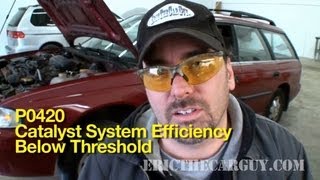
How to confirm: A professional can perform a backpressure test or use an infrared thermometer to check for a significant temperature increase from the converter's inlet to its outlet. A DIY method is to use a scan tool to graph the upstream and downstream O2 sensor data. 🎬 Watch: EricTheCarGuy shows you how to diagnose a bad converter. If the downstream sensor (Sensor 2) mimics the rapid switching of the upstream sensor (Sensor 1), the converter is likely not working.
Typical fix: Replace the Bank 1 catalytic converter assembly. Address the root cause (e.g., oil consumption, misfires) to prevent premature failure of the new part.
Est. part cost: $400-$1500 - Exhaust Leak (Broken Manifold Bolts) 🔴 High Probability Exhaust manifold bolts on GM V8s are notorious for breaking due to thermal stress, especially the rearmost bolts near the firewall which are difficult to access. The resulting leak allows unmetered oxygen into the exhaust, which fools the O2 sensors into reporting a bad converter.
How to confirm: Perform a visual inspection for black soot trails around manifold flanges and listen for a distinct ticking noise that is loudest on a cold start and may quiet down as the engine warms up. A smoke test can pinpoint the exact location of the leak. Owners often find the rearmost bolt on either side sheared off.
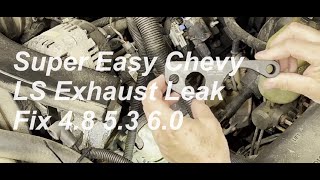
Typical fix: Replace the broken exhaust manifold bolts and gaskets. In many cases where extraction is difficult, owners and shops use a clamp-style repair bracket (from brands like Dorman or Kral Auto Parts) that bolts to the cylinder head and presses the manifold flange tight, sealing the leak without removing the broken stud. 🎬 See this easy fix for broken exhaust manifold bolts.
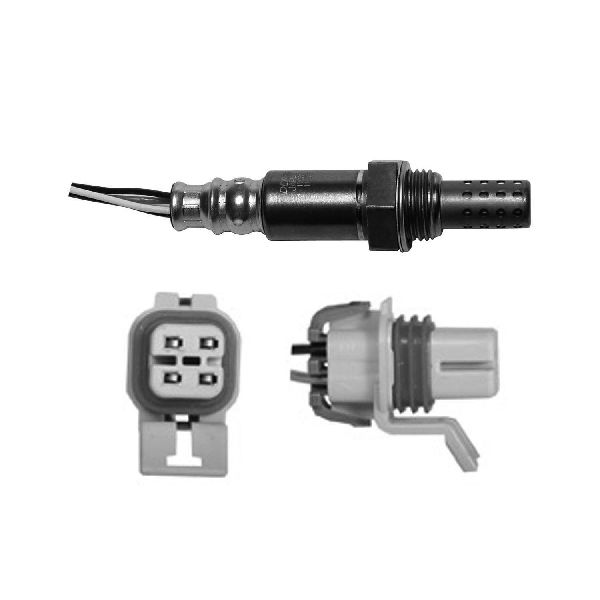
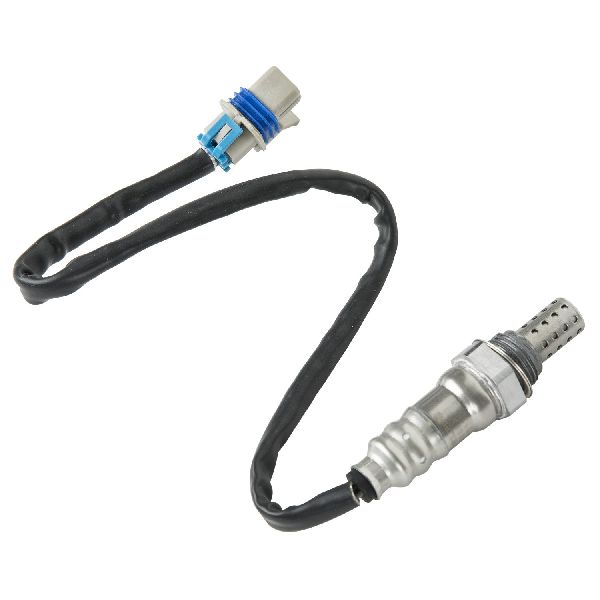
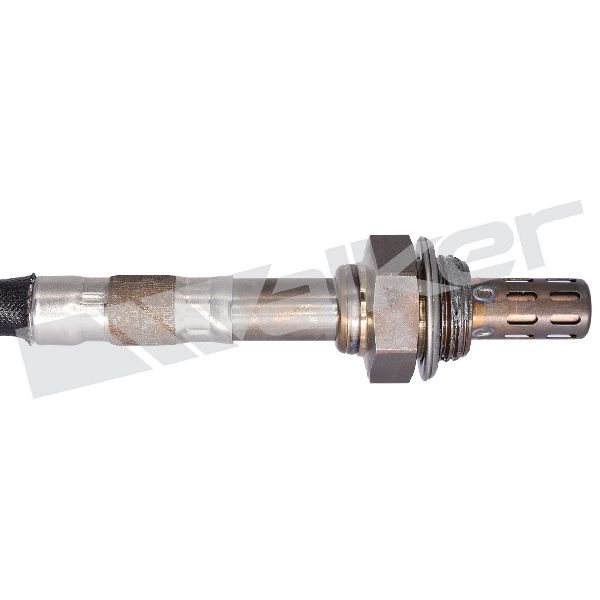
Est. part cost: $20-$200 - Faulty Oxygen (O2) Sensor 🟡 Medium Probability → Shop Oxygen Sensor O2 sensors are exposed to extreme heat and contaminants and wear out over time. A sluggish or biased downstream (post-catalyst) sensor can send incorrect data to the ECM, falsely triggering a P0420 code.
How to confirm: Graph the sensor's voltage with a scan tool. A healthy downstream sensor should show a relatively stable voltage (typically 0.5-0.8V) at a steady 2000-2500 RPM. If it's stuck or fluctuates wildly like the upstream sensor, it's suspect. Swapping the Bank 1 and Bank 2 downstream sensors and seeing if the code changes to P0430 (Bank 2 efficiency) is another effective diagnostic step.
Typical fix: Replace the Bank 1, Sensor 2 (downstream) oxygen sensor.
Est. part cost: $50-$150 - Engine Misfires or Rich/Lean Fuel Condition ⚪ Low Probability Issues like worn spark plugs, failing ignition coils, or leaky fuel injectors can cause unburnt fuel to enter the exhaust, overheating and damaging the catalytic converter. AFM lifter failure is also a known cause of misfires on these engines.
How to confirm: Check for other stored trouble codes (e.g., P0300-P0308 for misfires, or fuel trim codes like P0171/P0174). Address these codes first, as they are the root cause.
Typical fix: Perform a full engine tune-up (spark plugs, wires), replace faulty ignition coils, or clean/replace leaking fuel injectors. If AFM lifters are the cause, a more extensive repair including lifter and camshaft replacement may be needed.
Est. part cost: $100-$800
Rare But Worth Checking
- Improperly Sealing Air Filter Housing: → Shop Air Cleaner Assembly A GM Technical Service Bulletin (16-NA-111) for slightly newer models indicates that sand/debris can bypass a poorly sealed air filter, damaging O2 sensors and clogging the catalytic converter. It's worth checking the airbox for proper sealing and signs of debris intrusion.
- Excessive Oil Consumption (AFM/DOD Related): Per GM TSB 10-06-01-008H, some V8 engines with Active Fuel Management (AFM) can consume excessive oil. This oil burns in the combustion chamber and contaminates the catalytic converter with deposits, eventually leading to failure and a P0420 code. Fixes can range from installing an updated valve cover to piston and ring replacement in severe cases.
Diagnosis Steps
- Read the codes: Use an OBD-II scanner to confirm P0420 is present and check for any other codes, especially misfire (P030x) or fuel trim (P017x) codes. Address these first.
- Inspect for Exhaust Leaks: Visually and audibly inspect the entire exhaust system from the engine manifolds to the rear O2 sensor. Pay close attention to the manifold-to-head flange for black soot trails or a ticking sound, especially when cold. The rearmost bolts near the firewall are the most common failure point.
- Analyze O2 Sensor Data: Use a scan tool with live data graphing. Warm the engine to operating temperature. At a steady 2,000 RPM, graph the voltage of the Bank 1 upstream (Sensor 1) and downstream (Sensor 2) O2 sensors. The upstream sensor should fluctuate rapidly between ~0.1V and ~0.9V. A healthy converter will show a much steadier, slower-switching downstream sensor reading (e.g., above 0.5V). If the downstream sensor's graph mirrors the upstream one, the converter is likely bad.
- Check for Underlying Engine Issues: Review freeze frame data. Investigate any misfire or fuel trim codes. Check for excessive oil consumption (more than 1 quart per 2,000 miles), which points to AFM-related issues that can foul the converter (2010-2013 models).
- If all else fails, suspect the catalytic converter. If there are no exhaust leaks, the O2 sensors are responding correctly, and there are no other engine codes, the catalytic converter itself has likely failed due to age or contamination.
Parts You'll Likely Need
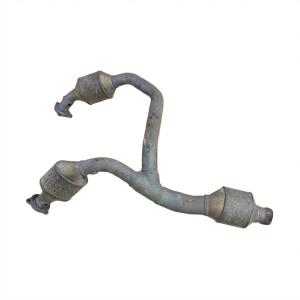
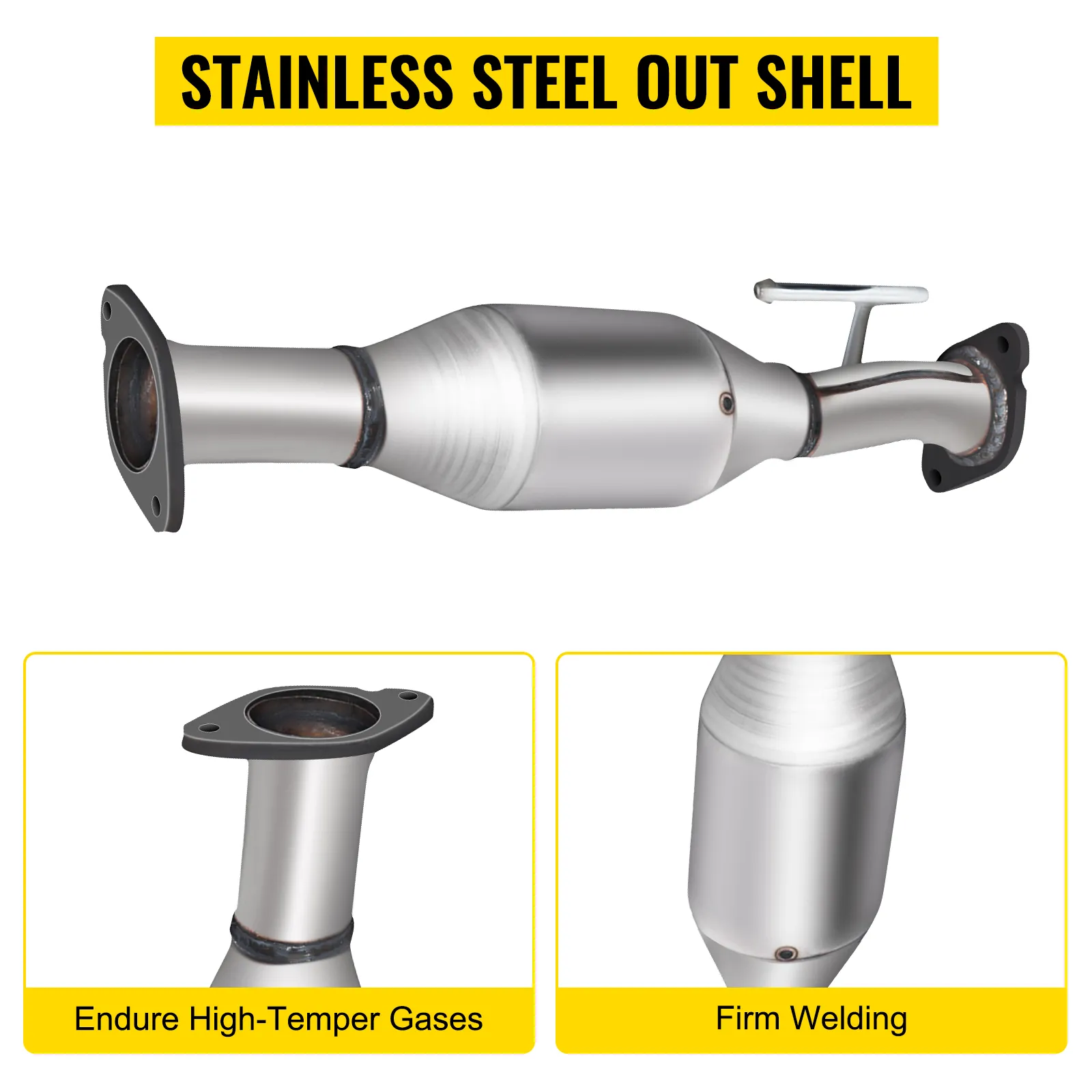
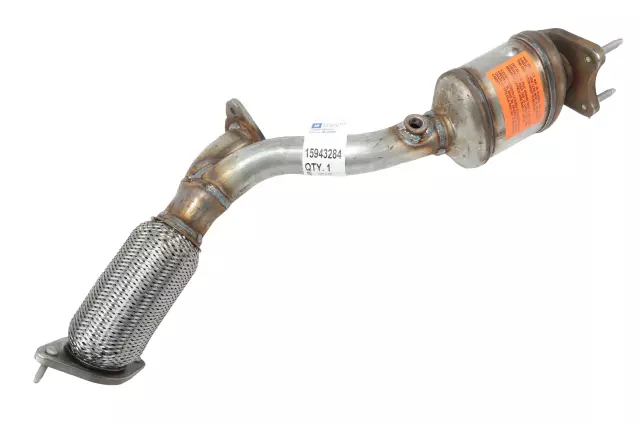
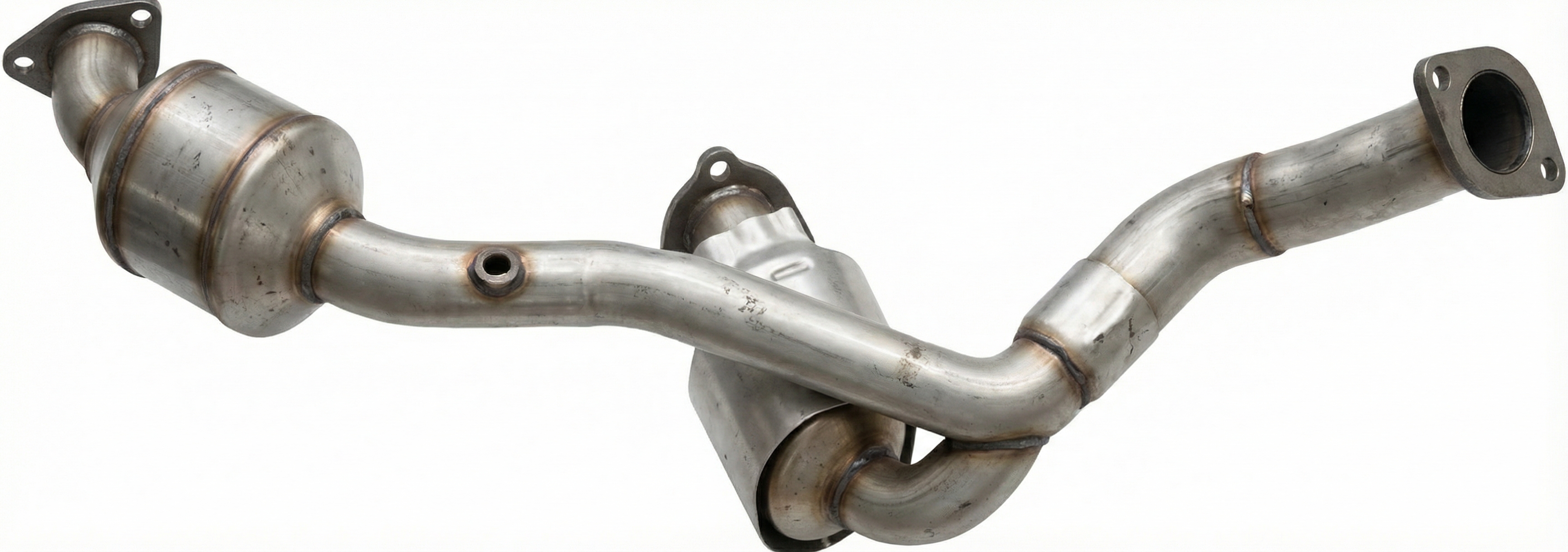
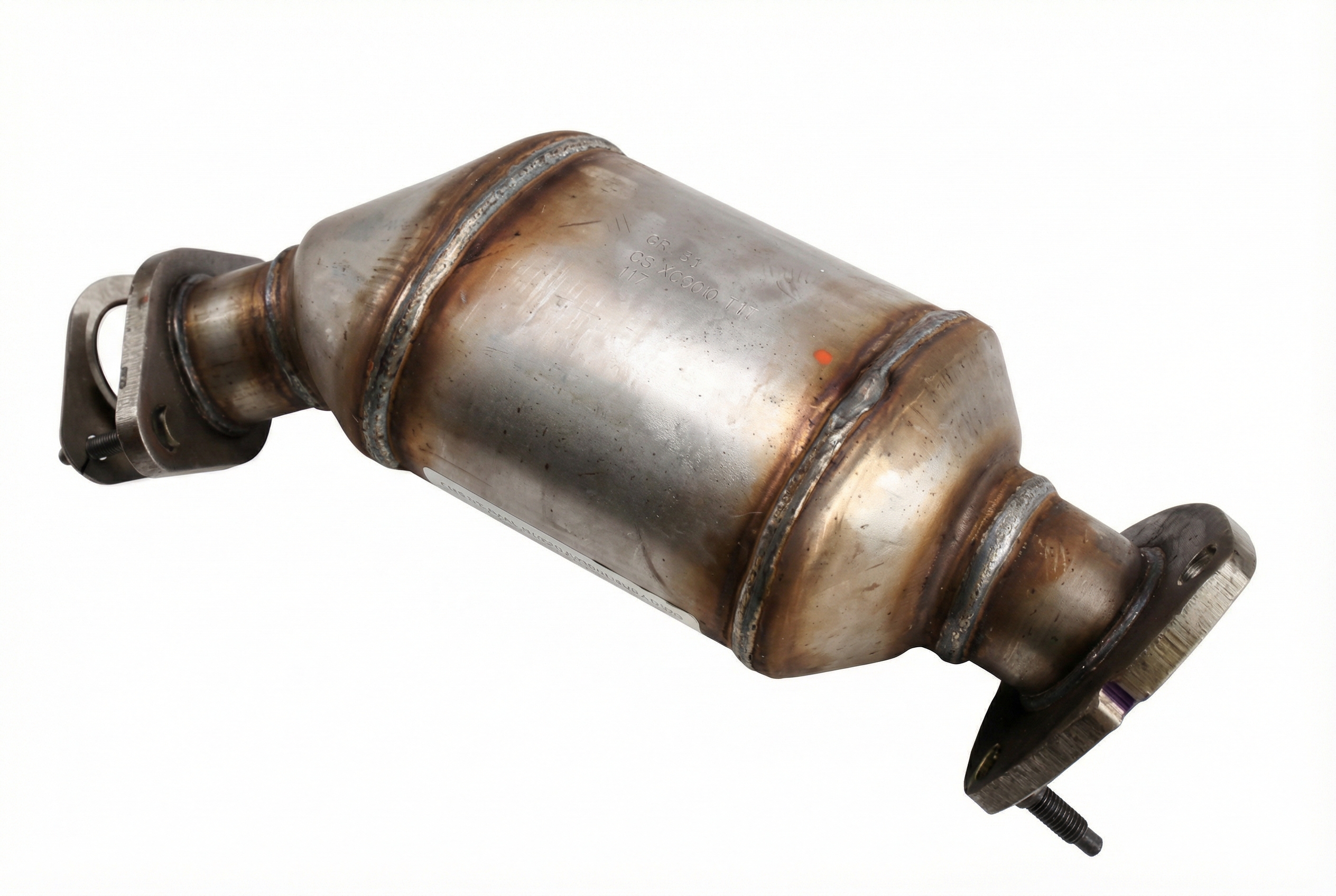
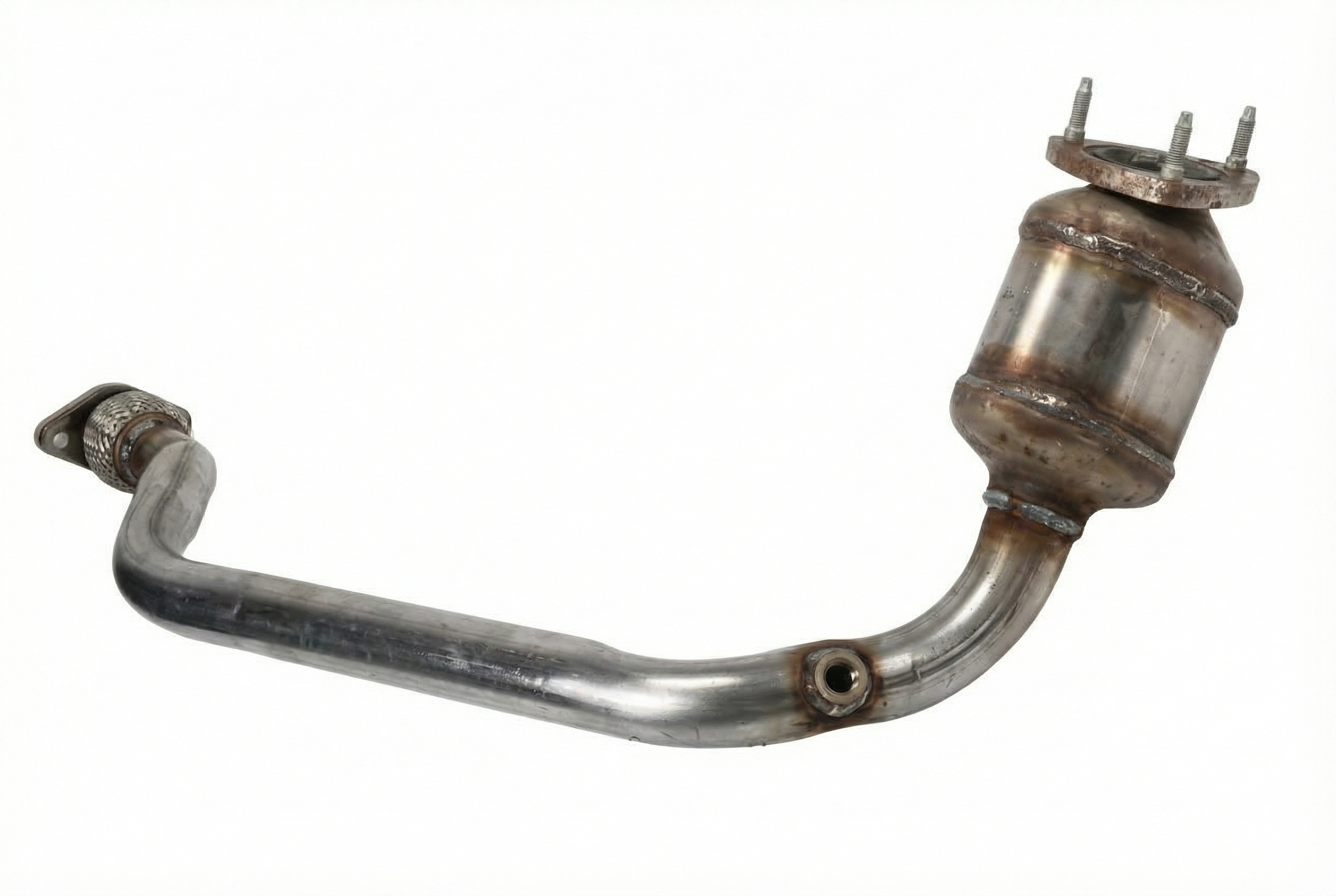
- Bank 1 Catalytic Converter
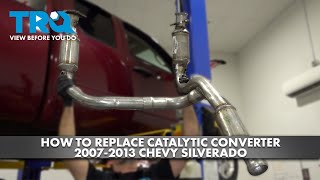
(OEM #19418926)— This is the most common failure for a P0420 code after other possibilities have been ruled out. Owners report mixed results with cheaper aftermarket units, with many recommending quality brands for longevity. 🎬 Watch this walkthrough on how to replace your catalytic converters.
Trusted brands: ACDelco (OEM), Walker Exhaust, MagnaFlow
OEM price range: $1000-$2000
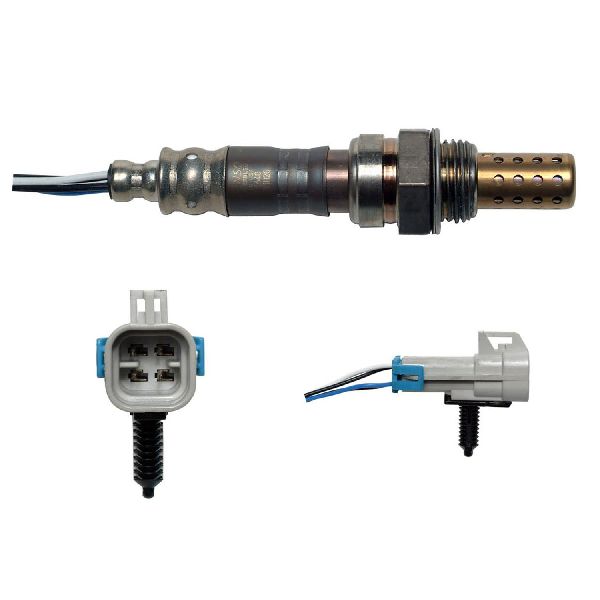
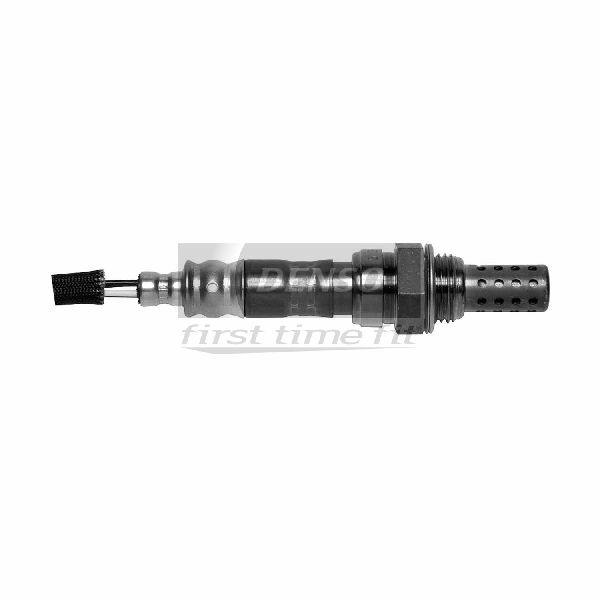
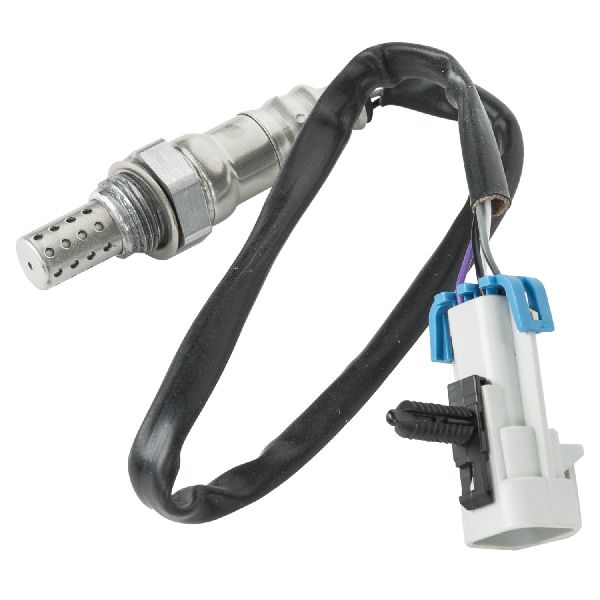
Aftermarket price range: $400-$900 - Downstream Oxygen Sensor (Bank 1, Sensor 2)
(OEM #ACDelco 213-4229)— A faulty downstream O2 sensor can send incorrect readings, falsely triggering the P0420 code. It's a common point of failure and a relatively inexpensive part to replace for diagnosis.
Trusted brands: ACDelco, Denso, Bosch
OEM price range: $80-$150
Aftermarket price range: $50-$100
Related Codes That Often Appear With This One
- P0430 — This is the equivalent code for Bank 2 (the other side of the engine). It's common for both converters to degrade at a similar rate, or for a systemic issue like oil consumption to affect both banks, causing both codes to appear together.
- P0300-P0308 — These are misfire codes (P0300 for random, P0301-P0308 for specific cylinders). An engine misfire allows unburned fuel to enter the exhaust, which can quickly overheat and destroy a catalytic converter. If you have a misfire code, it MUST be addressed before or along with the P0420.
- P0171 / P0174 — These codes indicate a lean fuel condition. This can be caused by vacuum leaks or, very commonly on these trucks, exhaust leaks before the upstream O2 sensor, which are also root causes for P0420.
Technical Service Bulletins (TSBs) & Recalls
- 10-06-01-008H: Engine Oil Consumption on Aluminum Block/Iron Block Engines with Active Fuel Management (AFM)
- PIP3119N: Service Engine Soon Malfunction Indicator Lamp on at low mileage with DTC P0420 and or P0430
Platform-Specific Known Issues
- GM TSB #10-06-01-008H: Engine Oil Consumption: This crucial TSB addresses excessive oil consumption on V8 engines with Active Fuel Management (AFM). The cause is identified as potential oil spray from the AFM pressure relief valve or PCV issues, leading to carbon buildup and fouled piston rings. This oil burning directly leads to catalytic converter contamination and failure, making it a primary root cause for P0420 on high-mileage trucks. The fix can involve installing an AFM oil deflector and an updated valve cover.
- Broken Rear Exhaust Manifold Bolts: → Shop Exhaust Manifold A very well-documented issue in owner forums is the shearing of exhaust manifold bolts, particularly the one at the rearmost position on either bank (closest to the firewall). The constant heat cycles cause the steel bolts to fatigue and break. The resulting exhaust leak before the O2 sensors is a direct cause of false P0420/P0430 codes. Repair often involves difficult extraction or the use of special repair clamps.
Mechanic-Grade Diagnostic Values
- Long-Term Fuel Trim (LTFT) at idle and 2500 RPM — expected: Less than +/- 10%. Failure: A value greater than +10% (lean) or less than -10% (rich) indicates an underlying fuel delivery or air leak issue that must be corrected before diagnosing the P0420.
- Downstream O2 Sensor (Bank 1, Sensor 2) Voltage at steady 2000 RPM — expected: Slowly fluctuating, relatively stable voltage, typically between 0.5V and 0.8V.. Failure: Voltage rapidly switching between ~0.1V and ~0.9V, mimicking the pattern of the upstream O2 sensor. This indicates the catalyst is not storing oxygen.
- Mode 6, Catalyst Monitor (e.g., TID $01, CID $01) — expected: The measured value for catalyst oxygen storage capacity should be above the minimum threshold set by the manufacturer.. Failure: The measured value is at or below the minimum threshold, even if a P0420 code has not yet become permanent. This can identify a marginal converter.
Hidden / Shadow Codes Worth Checking
- Mode 6 Data: While not a 'code' in the traditional sense, Mode 6 provides access to the raw test results from the vehicle's onboard diagnostic monitors, including the catalyst efficiency test. It shows the actual measured value (e.g., oxygen storage capacity) versus the manufacturer's pass/fail threshold. This allows a technician to see how close the converter is to failing before the P0420 code sets permanently. (see via A professional-grade scan tool with Mode 6 diagnostic capabilities is required. The specific Test ID (TID) and Component ID (CID) for the catalyst monitor vary by manufacturer but can be accessed through the Global OBD-II functions.)
Scan Tool Commands That Help
- GDS2 / Tech2 / Professional Scan Tool: Catalyst Monitor Drive Cycle — After a repair (like replacing an O2 sensor or fixing an exhaust leak) or clearing codes, you must perform a specific drive cycle to force the ECM to re-run the catalyst efficiency test and confirm the fix. For GM trucks, this typically involves warming the engine, then holding a steady speed of 55 mph for five minutes.
- GDS2 / Tech2 / Professional Scan Tool: Reset Fuel Composition / Alcohol Content — On FlexFuel capable models (L9H and L94 engines), if the vehicle has been running rich and setting codes like P0172/P0175, the learned alcohol percentage can be skewed. After fixing the rich condition, resetting this value can be necessary to correct fuel trims and prevent a false P0420 code.
Wiring & Ground Locations
- G100 / G101 — G100 is on the lower left radiator support; G101 is on the lower right radiator support.. These are primary engine compartment grounds. A poor connection here can cause erratic behavior from various engine sensors, including the Engine Coolant Temperature (ECT) sensor, which is a critical input for the catalyst monitor to run.
- ECM Location — Left side of the engine compartment.. Knowing the physical location is crucial for inspecting the main connectors (for corrosion, damage) and tracing the O2 sensor harnesses back to their source.
- G400 / G401 — Located on the left rear body mount.. These are chassis grounds near the rear of the vehicle. The downstream O2 sensor harness runs along the frame, and a poor ground connection in this area could potentially affect the sensor's reading.
Real Owner Repair Stories
- Tahoe Yukon Forum user 'TomH91' (2009 GMC Yukon Denali 6.2L, 157,000 miles) — Persistent P0420 code, strongly negative long-term fuel trims (-14.1), slightly rough idle.
❌ Tried (didn't work) Replaced spark plugs and wires., Replaced air filter., Replaced Bank 1 downstream O2 sensor with an AC Delco part., Cleaned MAF sensor (this improved fuel trims to a normal -4 to -6 range, but did not fix the P0420).
✅ What actually fixed it Replacing the entire Y-pipe assembly which included new Walker-branded catalytic converters. This finally allowed the vehicle to pass an emissions test.
"I Checked Everything" — The Actual Cause
- A common scenario is a small crack in the exhaust manifold or a broken rear manifold bolt that only leaks when the engine is cold. As the manifold heats up and expands, the leak can seal itself, causing a smoke test on a warm engine to show no leaks. However, this cold leak allows oxygen into the exhaust stream during the critical warm-up phase, confusing the O2 sensors and contributing to a P0420 code over time. It may also be the original root cause that destroyed the catalytic converter due to skewed fuel trims.
OEM Part Supersession History
ACDelco 213-4229 (Service Part Number)→GM 12609457 (OEM Part Number)— These numbers often refer to the same physical part, with one being the engineering/production number and the other being the service part number for ordering.
Heads up: These part numbers are generally interchangeable for the specified applications.
Model Year Variations Within This Range
- 2009: The 2009 Yukon Denali typically uses the 6.2L L9H engine, which has Variable Valve Timing (VVT) and FlexFuel capability, but does NOT have Active Fuel Management (AFM).
- 2010-2013: These model years use the 6.2L L94 engine, which adds Active Fuel Management (AFM) to the VVT and FlexFuel features of the L9H. This is a critical difference, as the AFM system is a widely documented cause of excessive oil consumption, which leads to oil contamination and premature failure of the catalytic converters.
Helpful Videos

Used OEM Parts in Stock
New Aftermarket Parts Available

The information in this article is provided for general reference and educational purposes only. Vehicle specifications, procedures, and part compatibility can vary by production date, trim level, and region. Always consult your vehicle's factory service manual and verify part numbers before purchasing or performing repairs. Safety-critical components such as airbags, seat belts, and braking systems should be installed by a qualified professional.
- Gmc YUKON DENALI XL:
- 🧭 Diagnostic Flowchart
- 🎬 Helpful Videos
- 🛍️ Shop This Part
- What's Unique About the 2009-2013 Gmc YUKON DENALI XL
- Symptoms You May Notice
- Most Likely Causes
- Rare But Worth Checking
- Diagnosis Steps
- Parts You'll Likely Need
- Related Codes That Often Appear With This One
- Technical Service Bulletins (TSBs) & Recalls
- Platform-Specific Known Issues
- Mechanic-Grade Diagnostic Values
- Hidden / Shadow Codes Worth Checking
- Scan Tool Commands That Help
- Wiring & Ground Locations
- Real Owner Repair Stories
- "I Checked Everything" — The Actual Cause
- OEM Part Supersession History
- Model Year Variations Within This Range
- 🎟️ Get 5% Off