

P0420 on 2017-2020 Hyundai Elantra 2.0L: Catalyst Efficiency Causes and Fixes
The P0420 code on this Elantra almost always means the catalytic converter has failed. However, this is often a symptom of a much larger problem: excessive engine oil consumption from known issues with the Nu 2.0L engine's piston rings. Before replacing the expensive converter, you must verify the engine is not burning oil by performing an oil consumption test, or the new converter will be quickly destroyed. Numerous recalls, TSBs, and a class-action lawsuit address this root cause.
- P0420 on your Elantra is a serious flag for potential engine issues, not just a bad sensor.
- You MUST check for excessive oil consumption before replacing the catalytic converter. Failure to do so will likely result in the new converter failing prematurely.
- If your vehicle is burning oil, investigate recalls and warranty extensions for the Nu 2.0L engine, as the root cause may be a covered repair.
- Do not automatically replace the O2 sensors; diagnose the system properly using scan tool data and temperature checks to confirm the catalytic converter is the problem.
What's Unique About the 2017-2020 Hyundai Elantra
For this specific generation of Elantra with the Nu 2.0L engine, P0420 is rarely a simple sensor issue. The platform is widely known for having engine problems, specifically excessive oil consumption due to issues with defective or out-of-spec piston rings. This oil burning contaminates and destroys the catalytic converter. Hyundai has acknowledged these engine problems through multiple warranty extensions, recalls (like Recall 203 for 2019-20 models 🎬 Watch: How technicians inspect the Nu 2.0L engine for Recall 203.), and class-action lawsuit settlements. As a result, replacing the converter without first diagnosing and fixing the oil consumption problem will almost certainly lead to another P0420 code and another failed converter in a short time.
Symptoms You May Notice
- Check Engine Light is on.
- Reduced engine power or sluggish acceleration, especially on hills or under load.
- A rattling sound from under the vehicle if the converter's internal structure has broken apart.
- A 'rotten egg' or sulfur smell from the exhaust, indicating the converter is overheating or failing.
- Shaking or rough idle, which may feel like the car is about to stall.
- Noticeable and excessive oil consumption (needing to add oil between changes).
- Replacing the oxygen sensors without confirming they are faulty. Many owners of this vehicle replace O2 sensors only to have the P0420 code return because the true cause was the catalytic converter itself, often due to oil consumption. One owner on Reddit noted they replaced both O2 sensors and the converter, only for the code to return, pointing to an underlying engine issue.
Most Likely Causes
- Failed Catalytic Converter due to Engine Oil Consumption 🔴 High Probability → Shop Catalytic Converter The Nu 2.0L engine has a known history of excessive oil consumption. Hyundai Recall 203 specifically notes that some 2019-2020 models were built with out-of-spec piston oil rings, leading to cylinder wall scuffing and high oil use. This burning oil sends contaminants into the exhaust that quickly coat and destroy the catalytic converter. This issue is the subject of numerous owner complaints and class-action lawsuits. An owner report in NHTSA ODI #11727146 specifically links the P0420 error code to the catalytic converter oil consumption recall issues.
How to confirm: Perform an oil consumption test. Monitor your oil level via the dipstick every few hundred miles. According to Hyundai's own service bulletin (TSB 21-EM-003H), consumption greater than 1 quart per 1,000 miles is considered excessive and requires dealer intervention. A dealership can perform a formal, sealed test.
Typical fix: The root cause (piston rings, potential engine replacement) must be addressed first. This may be covered under Recall 203, a warranty extension (TSB 22-EM-002H-1), or a class-action settlement. Only after fixing the oil consumption should the catalytic converter be replaced.
Est. part cost: $1000-$2000+ - Failed Catalytic Converter (Standard End-of-Life) 🟡 Medium Probability → Shop Catalytic Converter While often linked to oil burning, converters can also fail from normal aging, especially on vehicles with over 100,000 miles. A Reddit user with a 2017 Elantra GT reported their converter clogged at 225,000 km (approx. 140,000 miles). Additionally, NHTSA ODI #11711686 describes a vehicle setting DTC P0420 at a mileage far below expected durability following an engine incident, despite proper maintenance.
How to confirm: With a scan tool, observe that the downstream O2 sensor (Bank 1, Sensor 2) voltage graph mimics the upstream O2 sensor (Bank 1, Sensor 1). Alternatively, use an infrared thermometer to check converter temperatures; the outlet should be at least 100°F hotter than the inlet after the engine is fully warmed up.
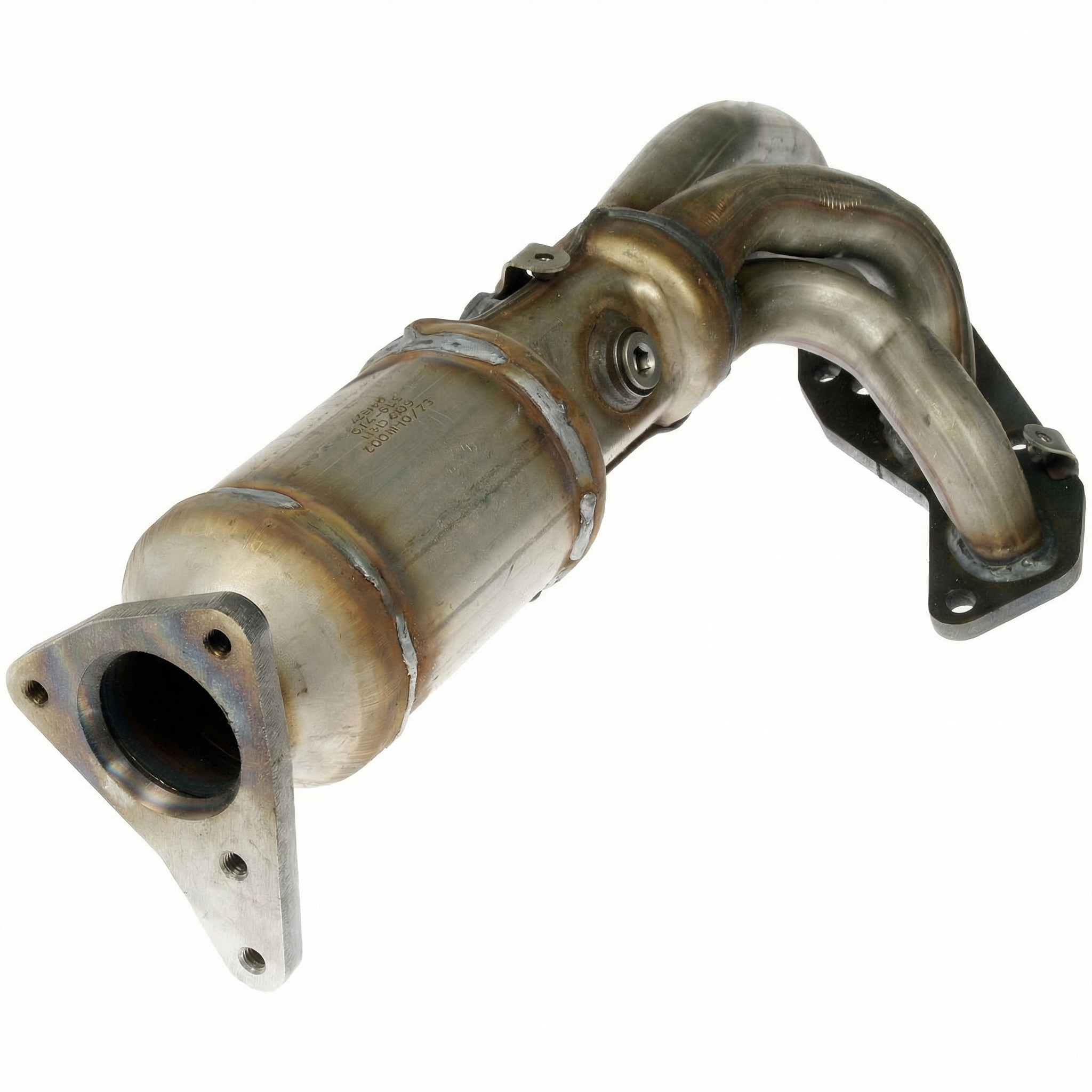
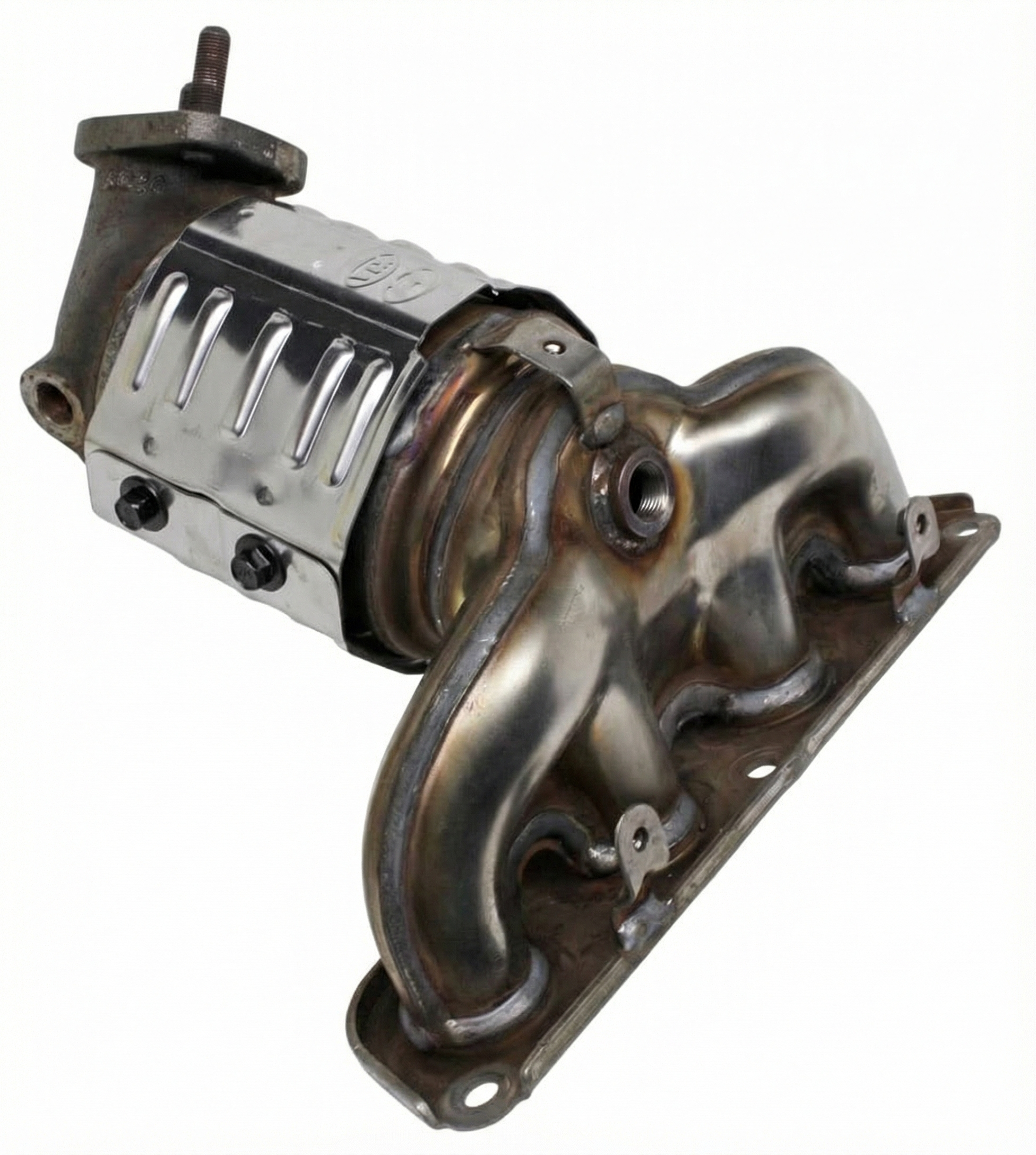
Typical fix: Replace the exhaust manifold with integrated catalytic converter.
Est. part cost: $500-$1500 - Failed Downstream Oxygen (O2) Sensor ⚪ Low Probability → Shop Oxygen Sensor
How to confirm: Using a scan tool's live data, observe the Bank 1 Sensor 2 voltage. If it is stuck at a specific voltage and does not change at all, or if its readings are erratic and nonsensical even when the engine is revved, the sensor itself may be faulty. However, many owners report replacing sensors did not fix the P0420 code.
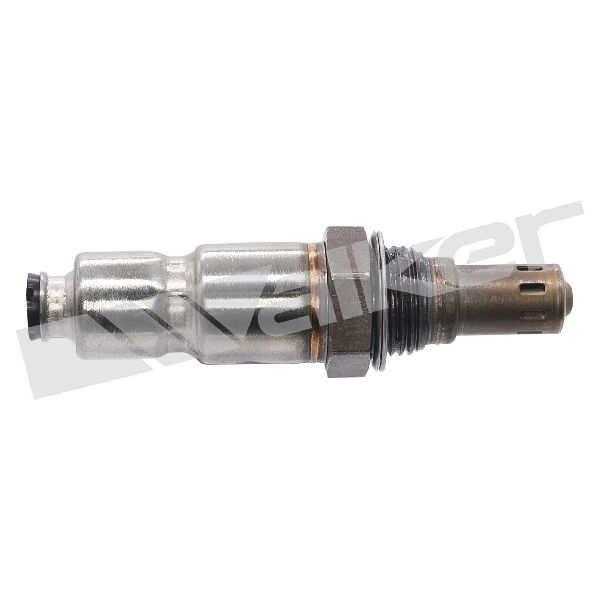
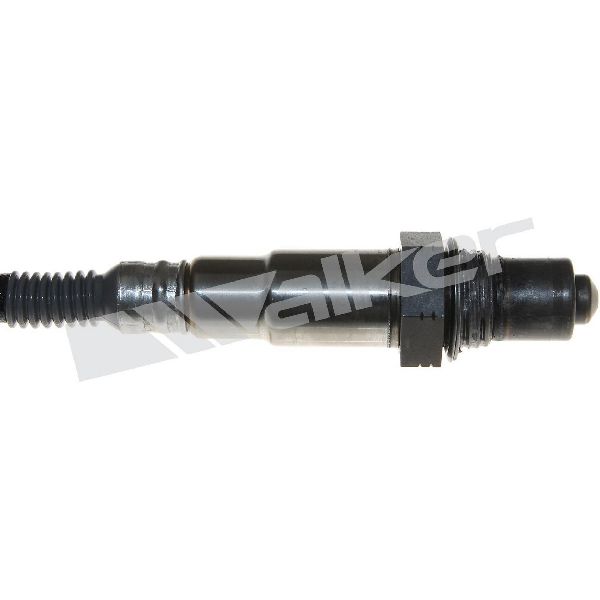
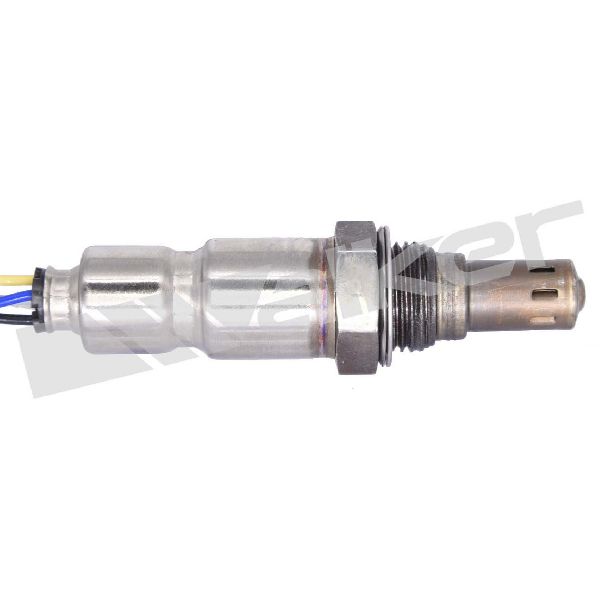
Typical fix: Replace the downstream (post-catalyst) oxygen sensor.
Est. part cost: $50-$150 - Exhaust Leak ⚪ Low Probability
How to confirm: Visually inspect the exhaust manifold, gaskets, and the flexible pipe section for cracks or black soot trails indicating a leak. A leak will often be audible as a ticking or hissing noise that gets louder with engine RPM.
Typical fix: Replace the leaking gasket or exhaust component (e.g., flex pipe).
Est. part cost: $20-$300
Rare But Worth Checking
- Engine Misfire or Rich Fuel Condition: If you have other codes like P030x (misfire) or fuel trim codes (P0172), address them first. A constant misfire from a bad spark plug or ignition coil, or a leaky fuel injector, sends unburned fuel into the exhaust, which will quickly overheat and destroy even a new catalytic converter.
Diagnosis Steps
- Check for Other Codes: Scan the vehicle for any other DTCs. If misfire or fuel system codes are present, diagnose and fix them first.
- Begin an Oil Consumption Test: Before spending any money on parts, check the oil level. Record the mileage and monitor the oil level closely over the next 500-1000 miles. Excessive consumption (more than 1qt/1000 miles) is the #1 red flag for this engine and points to the root cause.
- Check for Recalls and Warranty Extensions: Enter your VIN on Hyundai's official recall site. Specifically check for eligibility under Recall 203 (piston rings) or other engine-related warranty extensions.
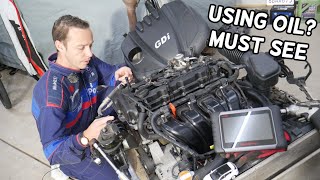
- Analyze Oxygen Sensor Data: 🎬 See how to diagnose and repair the P0420 code easily. Use a scan tool with live data graphing. Warm the engine to operating temperature. Observe the Bank 1 Sensor 1 (upstream) and Bank 1 Sensor 2 (downstream) graphs. The upstream sensor should show rapid fluctuation. A good converter will result in a much flatter, more stable line from the downstream sensor. If the downstream sensor graph mirrors the upstream one, the converter is not working.
- Perform a Temperature Test: Use an infrared temperature gun to measure the exhaust pipe temperature immediately before and after the catalytic converter. The outlet should be significantly hotter (at least 100°F / 38°C) than the inlet. If temperatures are similar or the outlet is cooler, the converter has failed.
- Inspect for Exhaust Leaks: Carefully inspect the exhaust manifold, gaskets, and flex pipe for any signs of cracks, soot, or audible leaks, especially when the engine is cold.
- Test the O2 Sensors: Only if the catalytic converter appears to be working based on the tests above, should you suspect a faulty O2 sensor. Test the sensor's heater circuit and check its live data for responsiveness.
Parts You'll Likely Need
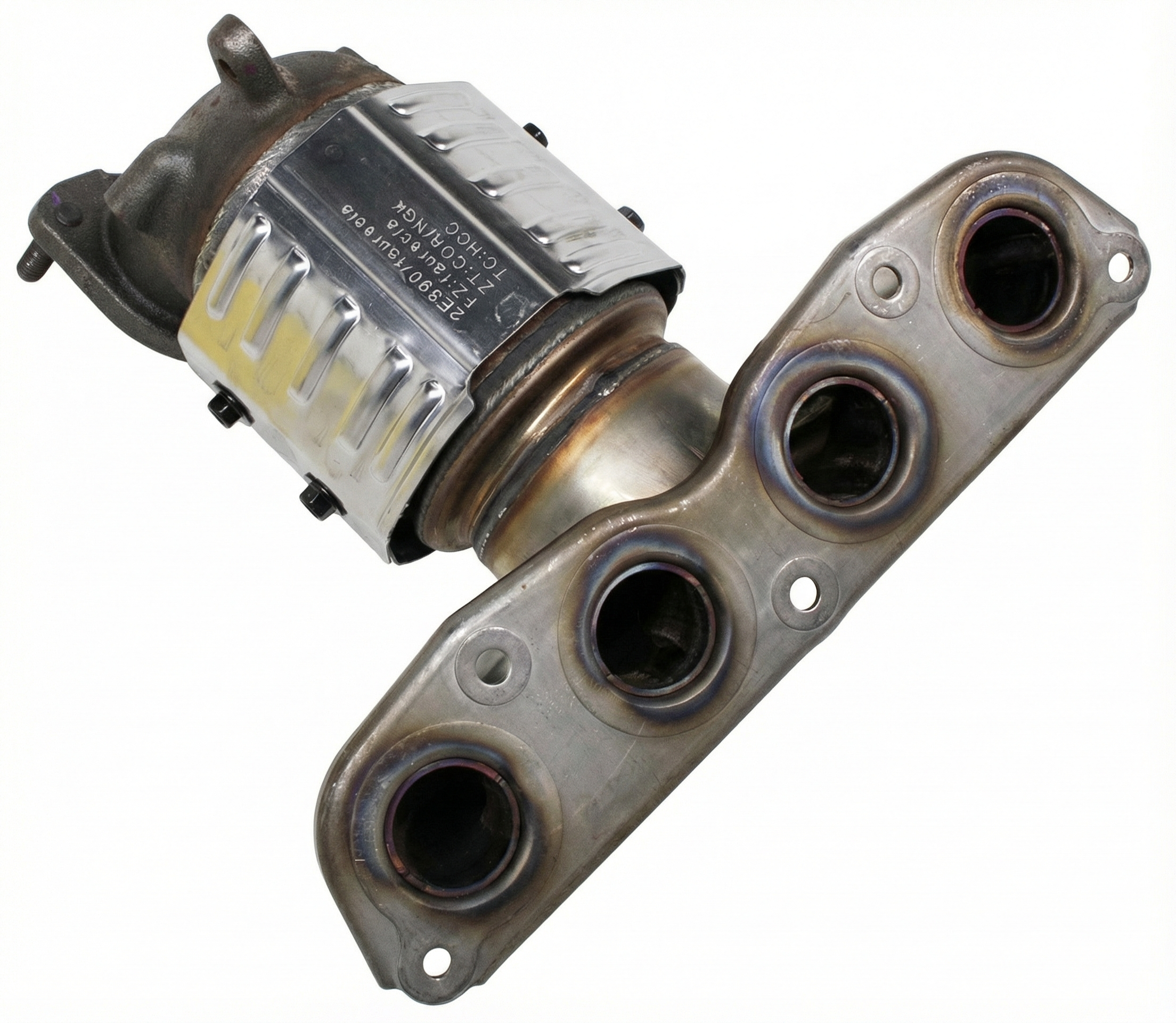
- Exhaust Manifold with Integrated Catalytic Converter
(OEM #28950-2E100 (Note: This part number is primarily for the 2011-2016 Elantra, verify by VIN for 2017+ models))— This is the most common part to fail, typically as a result of internal contamination from oil consumption or simple end-of-life. On this vehicle, the primary catalytic converter is built into the exhaust manifold.
Trusted brands: Hyundai (OEM), Walker Exhaust, MagnaFlow, Dorman
OEM price range: $1400-$2000
Aftermarket price range: $400-$900 - Downstream Oxygen Sensor (Bank 1, Sensor 2)
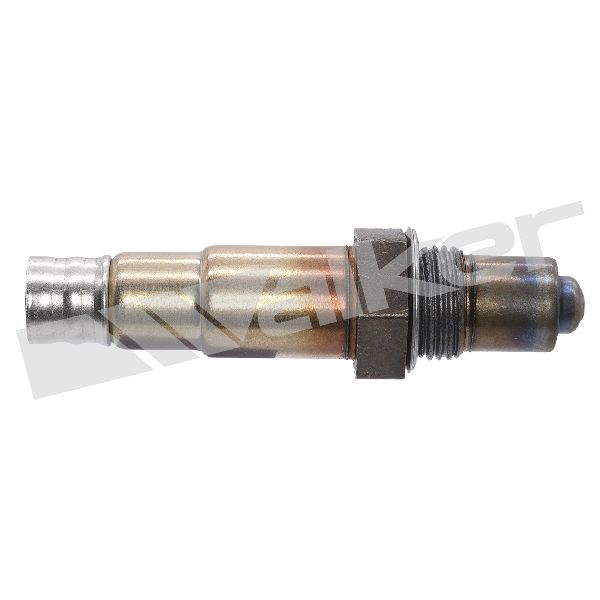
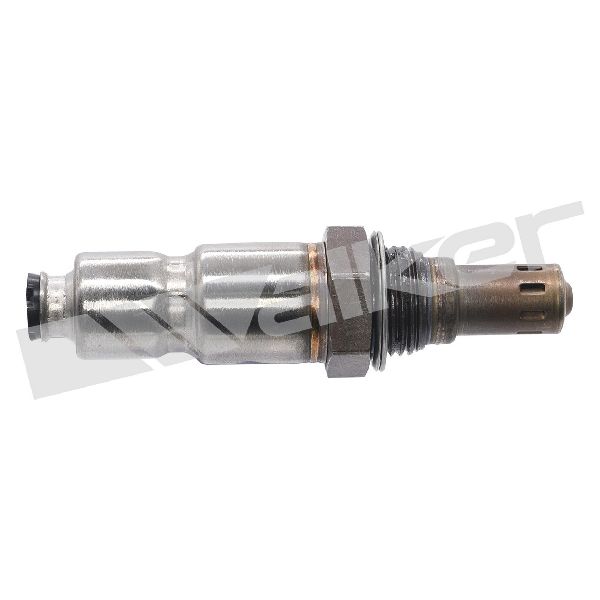
(OEM #39210-2EAC0 (Verify by VIN))— This sensor is responsible for monitoring converter efficiency. While less likely to be the root cause on this vehicle, it can fail and incorrectly trigger a P0420 code.
Trusted brands: Bosch, Denso, NGK/NTK
OEM price range: $120-$200
Aftermarket price range: $50-$150 - Exhaust Manifold Gasket
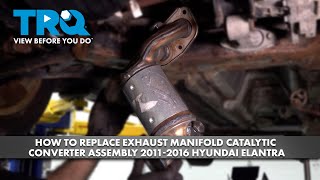
(OEM #28521-2E000 (Verify by VIN))— This gasket must be replaced anytime the exhaust manifold / catalytic converter 🎬 Watch: Step-by-step guide to replacing the exhaust manifold catalytic converter. is removed and replaced.
Trusted brands: Fel-Pro, Mahle, Hyundai (OEM)
OEM price range: $20-$40
Aftermarket price range: $10-$25
Related Codes That Often Appear With This One
- P0300-P0304 — Misfire codes (P030x for a specific cylinder, P0300 for random misfires) indicate that unburned fuel may be entering the exhaust and damaging the catalytic converter.
- P0171/P0172 — Fuel trim codes (P0171 System Too Lean, P0172 System Too Rich) indicate an improper air/fuel mixture that can lead to catalytic converter damage over time.
Technical Service Bulletins (TSBs) & Recalls
- Recall 203 (NHTSA Campaign 21V722000): Addresses defective piston oil rings causing oil consumption in 2019-2020 Elantras.
- TSB 21-EM-003H: Provides guidelines for diagnosing and repairing engine oil consumption issues.
- TSB 22-EM-002H-1: Details warranty extension for engine long block replacement due to connecting rod bearing wear.
- TSB 22-EM-009H: Extends warranty for 1.8L Nu engines with 'piston slap' noise, relevant context for Nu engine family issues.
Platform-Specific Known Issues
- A 2021 recall (Recall 203 / NHTSA Campaign 21V722000) was issued for some 2019-2020 Elantra models equipped with the 2.0L Nu engine for defective piston rings that could cause oil consumption, piston scuffing, and eventual engine failure. This is the primary root cause of premature P0420 c
Mechanic-Grade Diagnostic Values
- Upstream O2 Sensor (Bank 1, Sensor 1) Voltage — expected: Rapidly fluctuating between 0.1V and 0.9V on a fully warmed engine.. Failure: Voltage is stuck at a specific number, responds slowly, or does not switch.
- Downstream O2 Sensor (Bank 1, Sensor 2) Voltage — expected: Steady reading between 0.6V and 0.9V when the catalytic converter is hot and working efficiently.. Failure: Voltage fluctuates rapidly, mimicking the upstream sensor, or is stuck low (e.g., < 0.2V).
- Long Term Fuel Trim (LTFT) + Short Term Fuel Trim (STFT) — expected: Combined value should be within +/- 10% at idle and steady cruise.. Failure: Sustained combined values greater than +25% (lean) or less than -25% (rich) indicate an underlying fuel mixture problem that must be fixed before replacing the converter.
Scan Tool Commands That Help
- Hyundai GDS (Global Diagnostic System): ECM Software Update (Reflash) — Hyundai has issued TSBs for other models (e.g., 2019 Tucson TSB 20-FL-010H) to update the ECM logic for P0420 detection. If a similar TSB exists for the Elantra, this dealer-level function is required to install the new software, which may make the catalyst monitor less sensitive and prevent false codes.
Wiring & Ground Locations
- MAP Sensor Connector — On the Nu 2.0L engine, the Manifold Absolute Pressure (MAP) sensor is located in a difficult-to-reach position down beside the throttle body, not on top of the intake manifold.. A dirty or oily MAP sensor, often due to PCV blow-by, can cause incorrect engine load calculations, leading to fuel mixture issues that could contribute to P0420 or be misdiagnosed as such. Cleaning it is a valid diagnostic step if O2 sensors and the converter seem fine.
- Downstream O2 Sensor Connector — On some Elantra models of this generation, the downstream O2 sensor harness is routed through the vehicle floor and the electrical connector is located inside the cabin, under the passenger-side carpet and sill plate.. When diagnosing a sensor circuit issue (like P0137, often seen with P0420), technicians must know to look inside the car for the connector to test wiring, rather than assuming it's under the vehicle. This location protects it from weather but can be a source of confusion.
Real Owner Repair Stories
- Reddit user on r/Hyundai (2017 Hyundai Accent with Nu engine (similar issues)) — Severe oil consumption, rough/stalling idle, and an intermittent P0420 code.
❌ Tried (didn't work) The user was advised against simply replacing the catalytic converter as it would be a waste of money without fixing the root cause.
✅ What actually fixed it Another user in the thread with the same symptoms confirmed their issue was carboned-up piston oil rings. After complaining to the dealer, Hyundai provided a new engine and catalytic converter at no cost, which resolved the issue. - Reddit user on r/Hyundai (2017 Elantra GT, 225,000 km (approx. 140,000 miles)) — First, the catalytic converter became clogged. Six months later, a P0420 code appeared.
❌ Tried (didn't work) The user did not specify things that failed, but went to the dealer for diagnosis.
✅ What actually fixed it The dealer diagnosed a bad catalytic converter again, but the root cause was the engine was "burning oil like crazy." The user concluded the engine was dying, which was the ultimate cause of the repeat P0420 failure.
OEM Part Supersession History
28510-2EMN0 (2WD) / 28510-2EPE0 (4WD) for 2019 Tucson 2.0L→N/A— Part number reference for a similar engine platform. The 2017-2020 Elantra uses different part numbers. For a 2017 Elantra 2.0L, a common OEM part number for the manifold converter is 28510-2E101.
Heads up: The part number from Pass 2 (28950-2E100) is incorrect for this generation. Using a VIN to verify the exact part number (like 28510-2E101) is critical.39210-2EAC0 (from Pass 2)→39210-03AA5 (Rear/Downstream for 2.0L)— Part number clarification. The 2.0L engine uses different sensors from the 1.4L engine. The upstream sensor is often 39210-2E101 and the downstream is 39210-03AA5. Always verify with VIN.
Heads up: Using the wrong sensor (e.g., for a different engine size) will result in incorrect readings and persistent codes. The 1.4L engine uses P/N 39210-03AA0.
Model Year Variations Within This Range
- 2017-2018: The Nu 2.0L I4 engine (G4NH) in the 2017-2018 Elantra is an Atkinson cycle version, designed for fuel efficiency. It produces 147 hp.
- 2019-2020: These facelift models continue to use the Nu 2.0L MPI Atkinson Cycle engine with the same 147 hp output. However, the piston ring recall (Recall 203) was specifically for some 2019-2020 models, suggesting a manufacturing change during these years may have exacerbated the oil consumption issue.
Diagnostic Flowchart
Other Known Issues on This Vehicle
Issues unrelated to this code that are worth knowing about as an owner of this generation:
- Peeling White Paint 🟠 Medium — Widespread on white and pearl-white vehicles, leading to a warranty extension. (Ref: Warranty Extension Z05 (10 years/unlimited miles).)
- Steering Coupler Failure 🟡 Low — Common issue causing a clunking or clicking noise in the steering wheel when turning. The part is inexpensive but labor can be significant. (Ref: A warranty extension was issued for earlier models, but the issue persists. The part is a small rubber coupler (part # 56315-2K000-FFF) in the electronic power steering motor.)
- Engine Failure (Rod Bearing Wear / Piston Scuffing) 🔴 High — A significant, well-documented issue across multiple Hyundai/Kia engine families, including the Nu 2.0L. Can lead to engine seizure or fire. (Ref: Multiple class-action lawsuits, recalls (e.g., Recall 203), and warranty extensions (e.g., TSB 22-EM-002H-1) have been issued.)
- Faulty Ignition Coils 🟡 Low → Shop Ignition Coil — A common maintenance issue leading to engine misfires (P030x codes). Relatively easy and inexpensive to replace.
- Transmission Shifting Issues 🟠 Medium — Some owners report jerky shifting or hesitation, which can sometimes be traced to faulty speed sensors within the transmission.
Used vs. New Parts: Buying Guide for This Vehicle
When a used part is the smart pick: A used part is almost never a smart choice for this specific repair. A used catalytic converter is a major gamble, as its internal health is unknown and it may have come from a vehicle that also suffered from oil consumption. A used O2 sensor offers minimal cost savings for a significant risk of premature failure.
Donor-vehicle mileage cap: roughly under 40000 miles for the part to have meaningful remaining life.
What to inspect on the donor part:
- For a catalytic converter, there are no reliable visual cues for internal health. Avoid any with visible dents, cracks, or heavy rust.
- If considering a used engine due to the primary failure, demand service records showing regular oil changes.
- Check the donor vehicle's history for any indication of P0420 or oil consumption issues.
OEM-only on this vehicle (don't cheap out):
- Catalytic Converter: This is the most critical part to buy OEM. Aftermarket converters, especially non-CARB compliant ones, are notorious for failing to meet the Hyundai ECU's strict efficiency monitoring parameters, often causing the P0420 code to return within months.
Aftermarket brands forum-validated for this vehicle:
- O2 Sensors: Denso, Bosch, and NGK/NTK are widely trusted brands and are often the original equipment manufacturers for Hyundai.
Brands owners have reported issues with on this vehicle:
- Unbranded, low-cost catalytic converters sold on platforms like eBay or Amazon. These are almost guaranteed to be a waste of money and will not resolve the check engine light long-term.
Real Owner Stories
Aggregated from forums and TSBs cited above. Mileages and costs reflect what owners reported in those sources.
2017 Hyundai Elantra GT — ~140000 miles
Symptoms: Catalytic converter became clogged.
What fixed it: Replacement of the catalytic converter after standard end-of-life failure.
Source hint: Reddit user report cited in context
2019-2020 Hyundai Elantra Nu 2.0L
Symptoms: Excessive oil consumption leading to engine failure and exhaust contamination.
What fixed it: Engine replacement or repair under Recall 203 (NHTSA Campaign 21V722000) due to out-of-spec piston oil rings.
Source hint: Recall 203 (NHTSA Campaign 21V722000)
2017-2020 Hyundai Elantra
Symptoms: Vehicle set DTC P0420 at a mileage far below expected durability following an engine incident.
What fixed it: Hyundai replaced the component as noted in NHTSA ODI #11711686.
Source hint: NHTSA ODI #11711686
Related OBD-II Codes
Frequently Asked Questions
Is the P0420 code on my 2019-2020 Elantra covered by a recall?
How much oil consumption is considered 'normal' for the Nu 2.0L engine before it damages the converter?
My 2017 Elantra has a P0420 code; is there a warranty extension for the engine?
Can I just replace the downstream O2 sensor to fix the P0420 on my Elantra?
What is the estimated cost to replace the catalytic converter on a 2017-2020 Elantra?
Does the P0420 issue affect other Hyundai or Kia models with the same engine?
Helpful Videos


Used OEM Parts in Stock
New Aftermarket Parts Available


The information in this article is provided for general reference and educational purposes only. Vehicle specifications, procedures, and part compatibility can vary by production date, trim level, and region. Always consult your vehicle's factory service manual and verify part numbers before purchasing or performing repairs. Safety-critical components such as airbags, seat belts, and braking systems should be installed by a qualified professional.
- Hyundai Elantra:
- 🧭 Diagnostic Flowchart
- 🎬 Helpful Videos
- 🛍️ Shop This Part
- What's Unique About the 2017-2020 Hyundai Elantra
- Symptoms You May Notice
- Most Likely Causes
- Rare But Worth Checking
- Diagnosis Steps
- Parts You'll Likely Need
- Related Codes That Often Appear With This One
- Technical Service Bulletins (TSBs) & Recalls
- Platform-Specific Known Issues
- Mechanic-Grade Diagnostic Values
- Scan Tool Commands That Help
- Wiring & Ground Locations
- Real Owner Repair Stories
- OEM Part Supersession History
- Model Year Variations Within This Range
- Other Known Issues on This Vehicle
- Used vs. New Parts: Buying Guide for This Vehicle
- Real Owner Stories
- 2017 Hyundai Elantra GT — ~140000 miles
- 2019-2020 Hyundai Elantra Nu 2.0L
- 2017-2020 Hyundai Elantra
- Related OBD-II Codes
- Frequently Asked Questions
- 🎟️ Get 5% Off