

P0420 on 2013-2015 Jaguar XF: Catalyst Efficiency Causes and Fixes
On a 2013-2015 Jaguar XF with the 2.0L GTDi engine, code P0420 is very often caused by a failed catalytic converter, a known issue highlighted in a Jaguar Technical Service Bulletin (TSB). A related TSB for the same engine in Land Rover vehicles specifies the cause as catalyst degradation from certain warm-up conditions. While a faulty oxygen sensor is possible, the converter itself is the prime suspect. This is typically an expensive repair, with dealership quotes often exceeding $3000.
- For the 2013-2015 Jaguar XF 2.0L GTDi, P0420 strongly suggests a failed catalytic converter, per a manufacturer TSB.
- Do not replace oxygen sensors without first performing a proper diagnosis using live scan tool data to confirm the catalytic converter's inefficiency.
- An underlying issue like an engine misfire or exhaust leak can destroy a catalytic converter; ensure these are checked and repaired to protect a new, expensive converter.
- OEM catalytic converter replacement is very expensive ($2,000+). Aftermarket parts are available for a fraction of the cost, but ensure they are compliant with your local emissions laws.
What's Unique About the 2013-2015 Jaguar XF
For the 2013-2015 Jaguar XF, this code has a very specific meaning for models equipped with the 2.0L GTDi engine. Jaguar issued TSB SSM73078 that directly addresses P0420 on these vehicles with mileage up to 80,000 miles. A more detailed TSB for the same engine in Land Rover vehicles (SSM74404) elaborates on the cause, identifying it as 'Degradation of the primary catalytic converter.' It suggests this is caused by a 'Fueling strategy when the engine is operated in overrun excessively and repeatedly during the warm up phase' (e.g., coasting down a long hill right after starting the car). This points to a specific design sensitivity leading to premature failure of the part on this powertrain, rather than a failure caused by an external problem like a misfire.
Diagnostic Flowchart
Tap your situation to follow the diagnostic path that matches what you're seeing on this vehicle.
Symptoms You May Notice
- Check Engine Light is on
- Vehicle may fail an emissions test
- Reduced engine power or sluggish acceleration
- A sulfur or "rotten egg" smell from the exhaust
- Decreased fuel economy
- Rough or surging idle if the converter is becoming clogged
- Replacing the oxygen sensor(s) when the catalytic converter is the actual point of failure. The TSB for the 2.0L engine makes this a particularly common mistake, as the converter itself is the likely culprit.
- Using an O2 sensor spacer or 'non-fouler' on the downstream sensor. This is an illegitimate fix that only tricks the PCM by pulling the sensor out of the direct exhaust stream. It masks the true problem, will not allow the vehicle to pass a proper emissions test, and prevents the diagnosis of potentially engine-damaging faults.
Most Likely Causes
- Failed Catalytic Converter 🔴 High Probability → Shop Catalytic Converter A specific Jaguar TSB (SSM73078) and a related, more detailed Land Rover TSB (SSM74404) identify premature catalytic converter degradation as the primary cause for P0420 on this engine, even without other fault codes. The Land Rover TSB points to a fueling strategy during warm-up as a specific trigger for the failure.
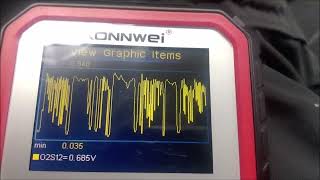
How to confirm: A technician will analyze live data from the upstream (Sensor 1) and downstream (Sensor 2) oxygen sensors at a steady 2,000-2,500 RPM. If the downstream sensor's voltage waveform rapidly fluctuates, mimicking the upstream sensor's waveform, the converter is not working. A good converter should show a relatively flat and stable downstream voltage, ideally at 450mV or higher. An infrared thermometer can also be used; the outlet of a working converter should be significantly hotter than the inlet after the engine is fully warmed up.
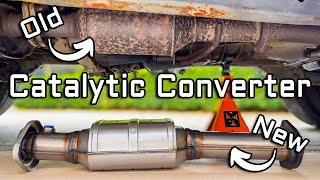
Typical fix: Replace the catalytic converter and downpipe assembly. 🎬 Watch this step-by-step guide on replacing a catalytic converter.
Est. part cost: $150-$2700 - Faulty Rear (Downstream) Oxygen Sensor 🟡 Medium Probability → Shop Oxygen Sensor
How to confirm: If the downstream O2 sensor shows a flat, unchanging voltage, responds very slowly on a scan tool's graph, or has a biased voltage, it may be faulty. The sensor is accurately reporting a bad converter if its signal mirrors the upstream sensor; it is likely faulty if it produces no logical signal at all.
Typical fix: Replace the downstream (post-catalyst) oxygen sensor for Bank 1.
Est. part cost: $50-$830 - Exhaust System Leak 🟡 Medium Probability The exhaust manifold on the 2.0L GTDi engine has been known to develop hairline cracks, which can introduce oxygen and trigger a false P0420 code.
How to confirm: Perform a visual inspection of the exhaust system from the engine to the rear O2 sensor for cracks, rust, or loose connections, especially at gaskets and flex pipes. A professional smoke test is the most effective way to find small leaks 🎬 See how to find exhaust leaks with a smoke machine. that can draw in oxygen and corrupt sensor readings.
Typical fix: Repair the leak by replacing the faulty gasket or damaged exhaust component.
Est. part cost: $20-$300 - Engine Misfire or Fuel System Problem ⚪ Low Probability
How to confirm: Check for other diagnostic trouble codes, especially misfire codes (P0300-P0308) or fuel trim codes (P0171, P0172, P2178). Unburned fuel from misfires can enter the exhaust and overheat the converter, destroying it. These root causes must be addressed before replacing the converter.
Typical fix: Address the root cause, which could involve replacing spark plugs, ignition coils, fuel injectors, or fixing vacuum leaks. One owner on JaguarForums reported clearing a P0420 code after replacing spark plugs and using a fuel system cleaner.
Est. part cost: $50-$500
Rare But Worth Checking
- PCM Software Issue: A Land Rover TSB (LTB00799NAS2) for the same 2.0L GTDi engine notes that P0420 can be triggered by an 'On-board Diagnostics (OBD) calibration error' that requires a software update to fix. It's a rare but possible scenario that the PCM is misinterpreting sensor data on the XF as well.
Diagnosis Steps
- Scan the PCM for any other trouble codes. If misfire (P03xx) or fuel trim (P017x, P21xx) codes are present, diagnose and fix those issues first, as they will damage a new catalytic converter.
- Visually inspect the exhaust system for any leaks, cracks, or damage between the exhaust manifold and the downstream oxygen sensor. A smoke test is the most reliable method to find hidden leaks.
- Use a diagnostic scan tool with graphing capabilities to observe the live voltage data from the Bank 1 upstream (Sensor 1) and downstream (Sensor 2) oxygen sensors. The engine must be fully warmed up and held at a steady 2,000-2,500 RPM for an accurate test.
- Analyze the sensor waveforms. The upstream sensor (Sensor 1) should fluctuate rapidly between approximately 0.1 and 0.9 volts. A properly functioning catalytic converter will cause the downstream sensor (Sensor 2) to show a much steadier, flatter voltage, typically above 0.5 volts.
- If the downstream sensor's voltage waveform is fluctuating rapidly and mirroring the pattern of the upstream sensor, it confirms the catalytic converter is not functioning efficiently and likely needs replacement.
- If the downstream sensor's reading is stuck high, low, or is completely flat and unresponsive, the sensor itself may be faulty and should be tested or replaced.
- As a secondary check, use an infrared temperature gun to measure the temperature of the exhaust pipe just before and just after the catalytic converter. On a working converter, the outlet temperature should be at least 100°F (38°C) hotter than the inlet temperature.
- Given TSB SSM73078 and the related Land Rover TSB SSM74404, if the vehicle is a 2.0L GTDi with under 80,000 miles and no other codes are present, the catalytic converter is the most probable cause of the fault.
Parts You'll Likely Need
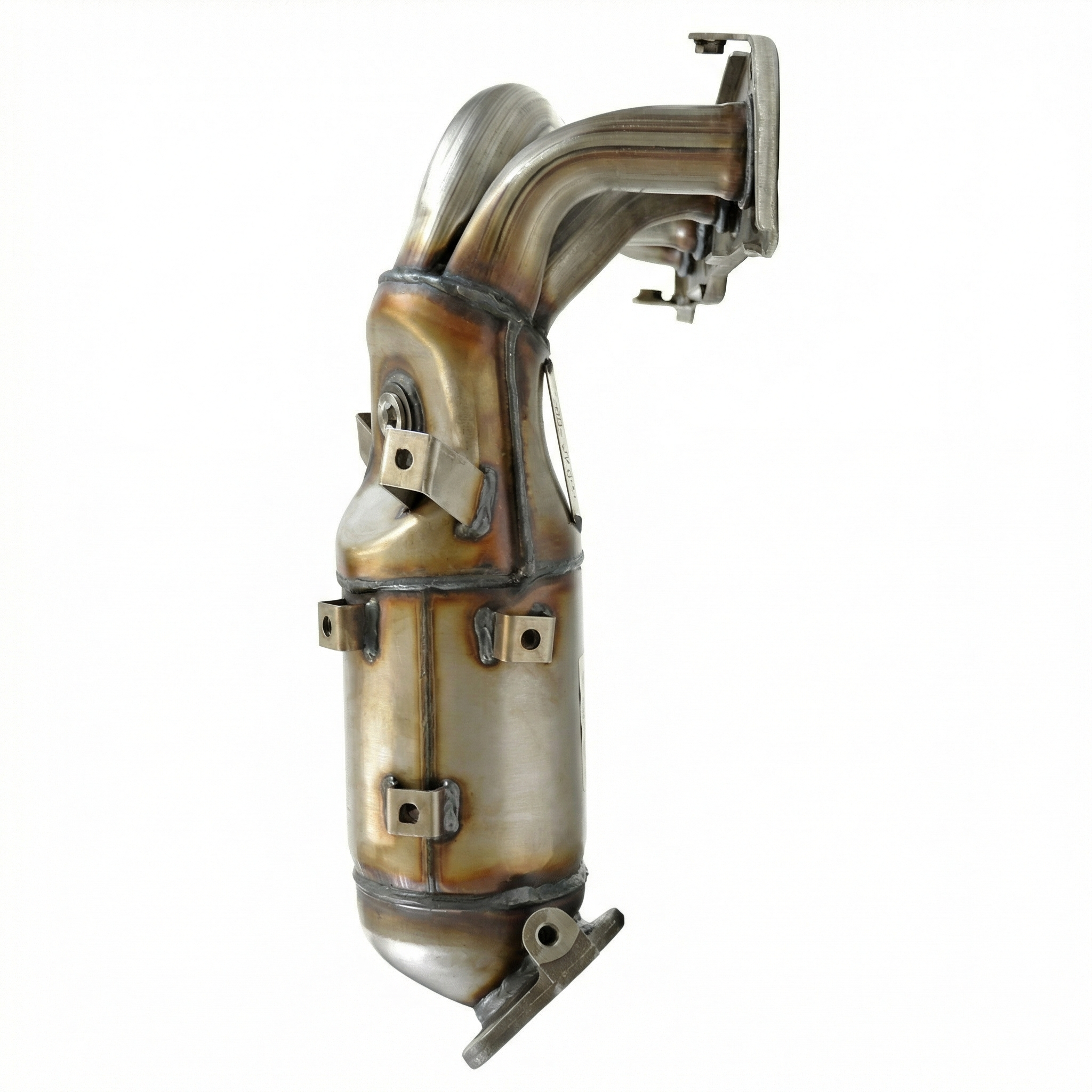
- Catalytic Converter and Downpipe Assembly
(OEM #C2Z27929 (supersedes C2Z18706, C2Z27694))— This is the most common cause of P0420 on the 2.0L GTDi engine, as identified by Jaguar's own service bulletin (SSM73078) and further detailed in Land Rover TSB SSM74404 for the same engine.
Trusted brands: Jaguar (OEM), MagnaFlow, Walker Exhaust, Davico
OEM price range: $2100-$2700
Aftermarket price range: $400-$800 (Note: Aftermarket converters may not meet emissions standards in all states, particularly California) - Downstream Oxygen Sensor (Bank 1, Sensor 2)
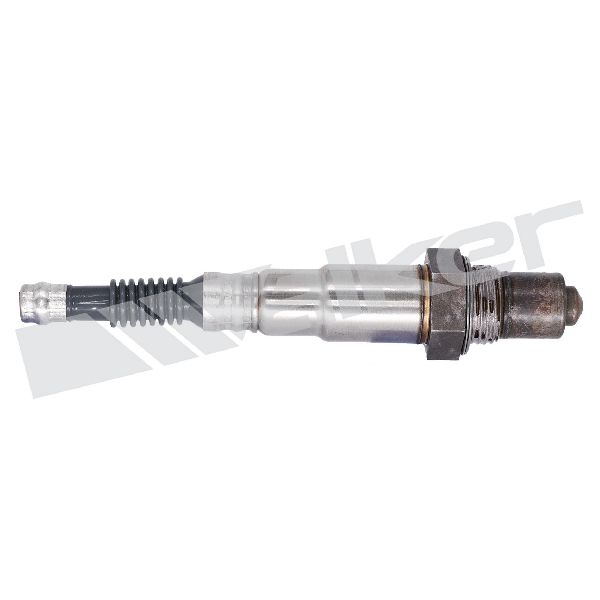
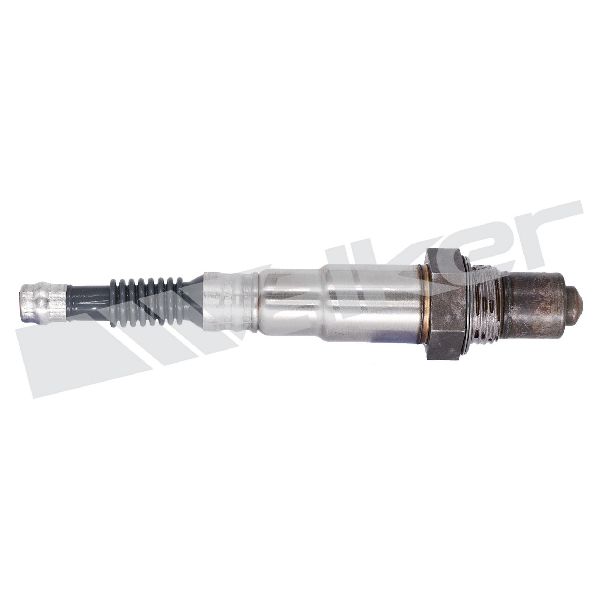
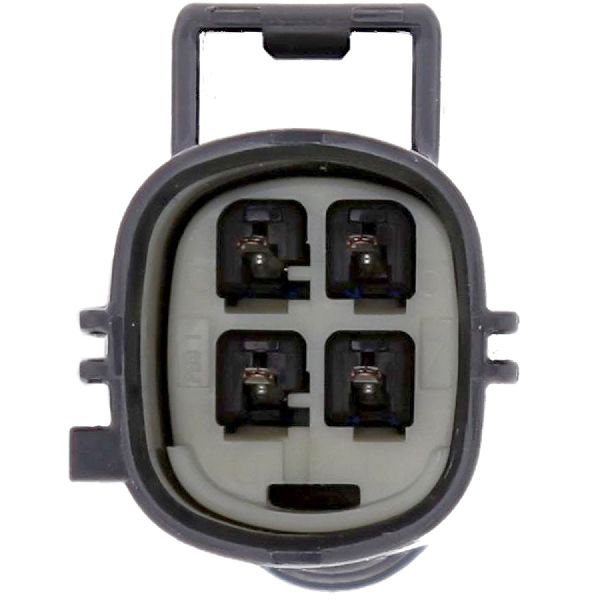
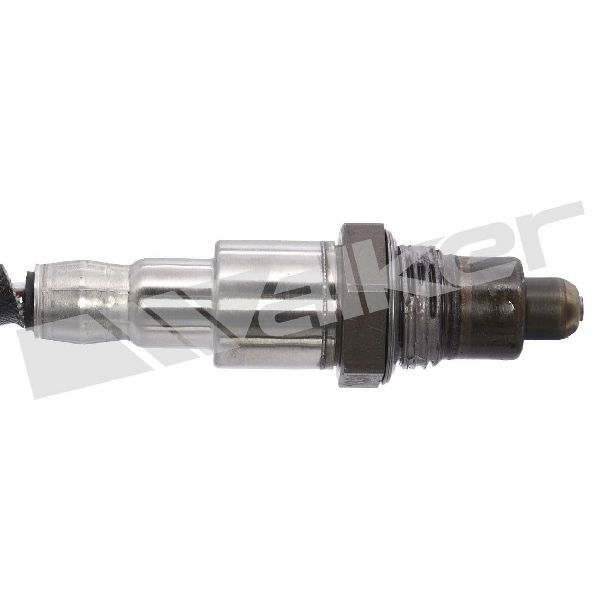
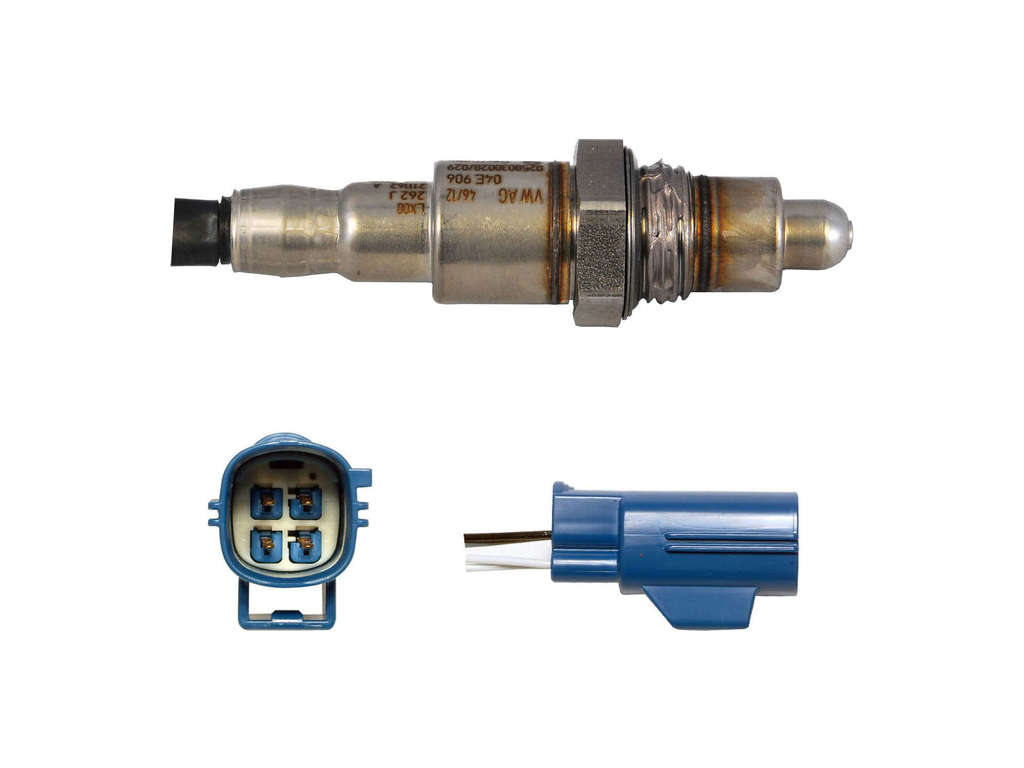
(OEM #T2H48051 (supersedes C2D28856, T2R26121))— This sensor is responsible for monitoring catalyst efficiency. If it fails, it can send incorrect data to the PCM, falsely triggering the P0420 code. It is often replaced as a preventative measure when the catalytic converter is replaced.
Trusted brands: Jaguar (OEM), Bosch, Denso, NTK
OEM price range: $250-$400
Aftermarket price range: $50-$150
Technical Service Bulletins (TSBs) & Recalls
- SSM73078: For 2013-2015 XF 2.0L GTDi models, a P0420 code with mileage up to 80,000 miles and no
Platform-Specific Known Issues
- Jaguar Technical Service Bulletin #SSM73078 was issued for 2013-2015 XF models with the 2.0L GTDi engine. It notes that a P0420 code on a vehicle with up to 80,000 miles and no history of misfire codes (P03xx) is likely due to a fault with the catalytic converter itself.
- The related Land Rover TSB #SSM74404 for the same engine provides deeper insight, stating the cause is 'Degradation of the primary catalytic converter' due to a specific fueling strategy during engine warm-up, such as repeated coasting downhill after a cold start. This strongly suggests a design or material vulnerability in the original converter.
Mechanic-Grade Diagnostic Values
- Downstream O2 Sensor Voltage (at steady cruise) — expected: Steady voltage at 450mV or higher.. Failure: Voltage drops below 450mV or fluctuates rapidly, mimicking the upstream sensor's waveform.
- Upstream O2 Sensor Voltage (at steady cruise, >2000 RPM) — expected: A fluctuating sine wave pattern, typically between 0.3 and 0.7 volts.. Failure: A flat or non-responsive signal.
- Mode $06 Catalyst Efficiency Test (Bank 1) — expected: The reported 'value' must be between the 'min' and 'max' thresholds shown on the scan tool.. Failure: The value is outside the min/max thresholds. A value close to the minimum limit indicates a borderline converter.
Hidden / Shadow Codes Worth Checking
- P0420-00: The '-00' is a Failure Type Code (FTC) or symptom byte, often meaning 'No sub type information.' Its presence is noted in TSB SSM74404, indicating it's the specific variant of the code associated with catalyst degradation on this engine. (see via Most modern OBD-II scanners capable of reading manufacturer-specific codes.)
- Mode $06, Test ID $a9 (Bank 1): This is not a trouble code, but a non-continuous monitor test result for catalyst efficiency. It provides raw data on how well the converter is performing before a DTC is set. (see via A professional scan tool with Mode $06 data viewing capability.)
Scan Tool Commands That Help
- Jaguar SDD (Symptom Driven Diagnostics): PCM Software Update — Used to correct a potential 'On-board Diagnostics (OBD) calibration error' that can falsely trigger a P0420 code, as noted in a TSB for the same engine family.
- Jaguar SDD (Symptom Driven Diagnostics): Vehicle Reset — This function should be performed after replacing a component to clear adaptations in related control modules.
- Advanced Scan Tool: Cylinder Imbalance Test — To check if an imbalance between cylinders is creating excessive emissions and overloading the catalytic converter, which can trigger a P0420 code.
Wiring & Ground Locations
- Engine Control Module (ECM) — Located at the left rear of the engine compartment.. The ECM is the source of the P0420 code and receives all O2 sensor inputs. Checking its connectors for corrosion or damage is a key diagnostic step.
- Central Junction Box — Located in the right kick panel area.. This is a major hub for vehicle wiring and power distribution; a fault here could potentially affect sensor power or communication.
- G1D131 — A ground point located behind the right headlight assembly.. Poor grounds can cause erratic sensor readings. While not directly tied to the O2 sensors in the diagram, checking major engine bay grounds is good practice for any electronic fault.
Real Owner Repair Stories
- Reddit user in r/Jaguar (2013 Jaguar XF) — Recurring check engine light with codes P0420 (catalyst), P0137 (O2 sensor), and P2187 (lean at idle). Engine sounded like it was lagging.
❌ Tried (didn't work) Clearing the codes repeatedly.
✅ What actually fixed it The root cause was a ruptured diaphragm in the PCV valve on the valve cover. The technician diagnosed it by plugging the valve's hose, which stopped a hissing sound and improved fuel trims. Replacing the PCV diaphragm kit resolved all codes. - Jaguar Owners Club user 'Wrinkly' (2005 S-Type 2.5L (Note: Different model, but relevant diagnostic process)) — P0420 code repeatedly returned 18-20 miles after being reset. No other drivability symptoms.
❌ Tried (didn't work) Replacing upstream O2 sensor (Denso brand), Replacing downstream O2 sensor (Denso brand), Smoke testing for exhaust leaks
✅ What actually fixed it Replacing the Bank 1 catalytic converter. The owner noted that a misfire had occurred before the P0420 codes began, which likely caused the original converter to fail.
"I Checked Everything" — The Actual Cause
- A confirmed repair for a 2013 XF with P0420 involved a ruptured PCV valve diaphragm. This created a significant unmetered air leak (vacuum leak) that caused lean and catalyst codes, but would not be found with a standard exhaust smoke test. The technician found it by listening for a hiss and plugging the PCV hose to see if engine data changed.
- In a similar case on a Jaguar S-Type, a P0420 code was resolved by replacing a leaking crankcase breather hose. This is another source of unmetered air that can alter the air/fuel mixture and cause the PCM to misinterpret catalyst efficiency.
When the Usual Fixes Don't Work
- While the manufacturer TSB strongly points to the catalytic converter as the primary cause of P0420 on the 2.0L GTDi engine, there is documented evidence of other root causes. In one case on a 2013 XF, a persistent P0420 code (along with lean codes) was ultimately fixed by replacing a ruptured PCV valve diaphragm. Another owner found the cause to be a leaking crankcase breather hose. This proves that assuming the converter has failed without first thoroughly checking for all possible sources of unmetered air—including the PCV system and intake tract—can lead to an expensive misdiagnosis.
OEM Part Supersession History
C2Z18706, C2Z27694→C2Z27929— Standard part evolution, likely for improved durability or manufacturing process.
Model Year Variations Within This Range
- 2014-2015: Vehicles in this range with the 2.0L GTDi engine may be eligible for a PCM software update under Land Rover TSB LTB00799NAS2 to fix an OBD calibration error that can cause P0420. This suggests later model years may have different factory software than 2013 models.
Helpful Videos
Used OEM Parts in Stock
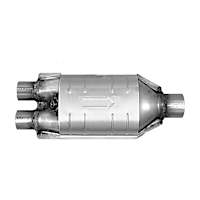
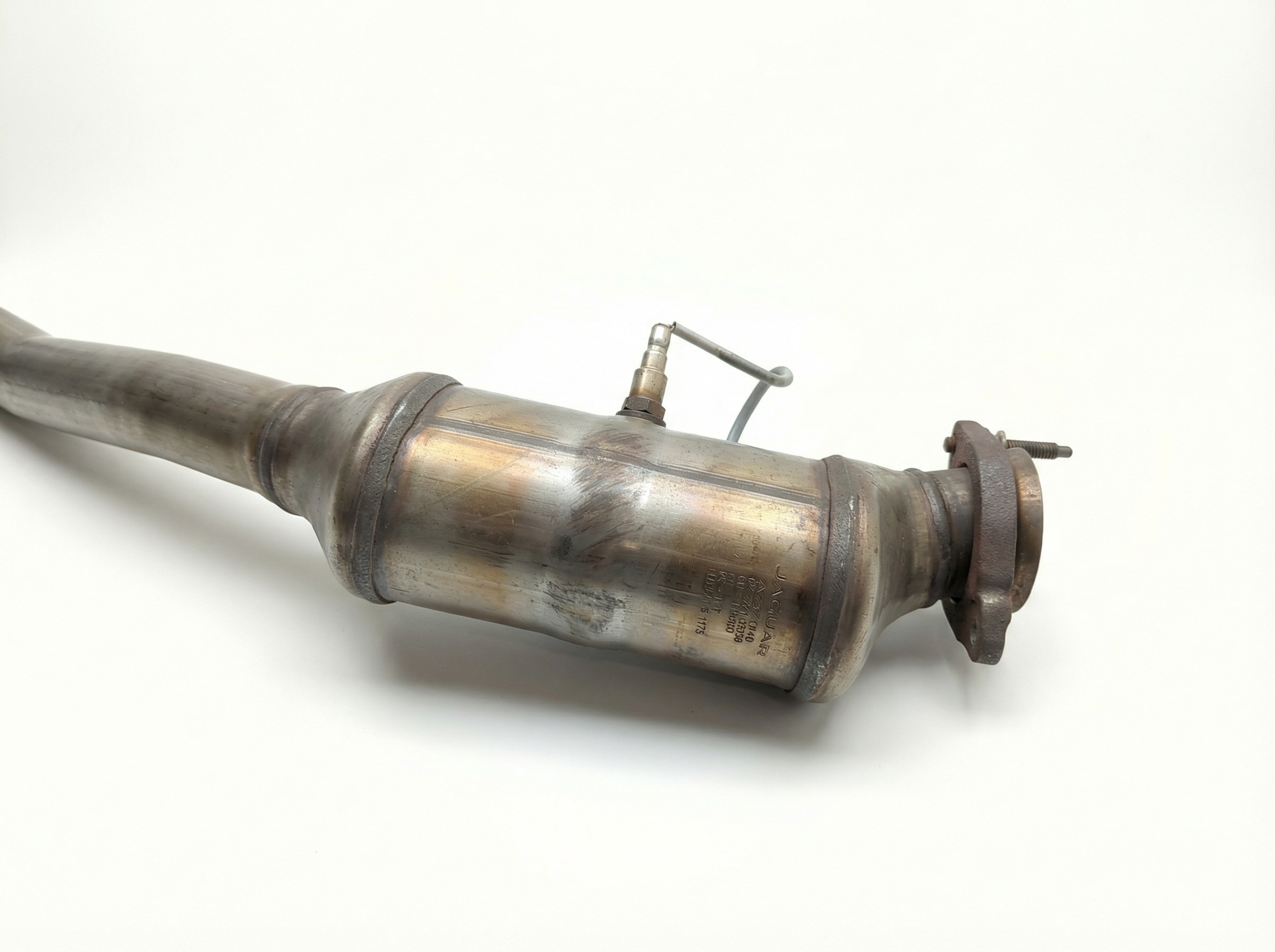
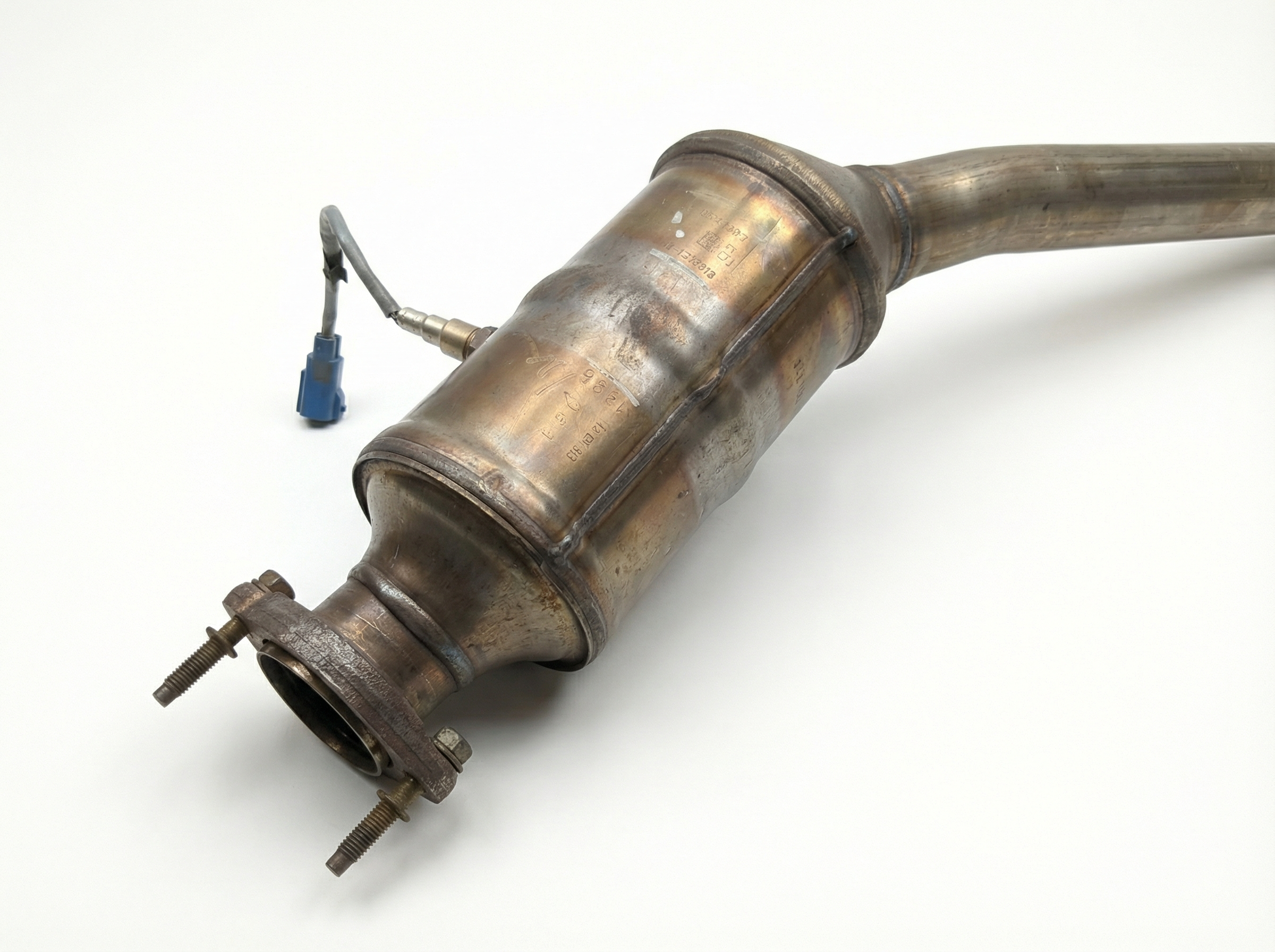
New Aftermarket Parts Available


The information in this article is provided for general reference and educational purposes only. Vehicle specifications, procedures, and part compatibility can vary by production date, trim level, and region. Always consult your vehicle's factory service manual and verify part numbers before purchasing or performing repairs. Safety-critical components such as airbags, seat belts, and braking systems should be installed by a qualified professional.
- Jaguar XF:
- 🧭 Diagnostic Flowchart
- 🎬 Helpful Videos
- 🛍️ Shop This Part
- What's Unique About the 2013-2015 Jaguar XF
- Symptoms You May Notice
- Most Likely Causes
- Rare But Worth Checking
- Diagnosis Steps
- Parts You'll Likely Need
- Technical Service Bulletins (TSBs) & Recalls
- Platform-Specific Known Issues
- Mechanic-Grade Diagnostic Values
- Hidden / Shadow Codes Worth Checking
- Scan Tool Commands That Help
- Wiring & Ground Locations
- Real Owner Repair Stories
- "I Checked Everything" — The Actual Cause
- When the Usual Fixes Don't Work
- OEM Part Supersession History
- Model Year Variations Within This Range
- 🎟️ Get 5% Off