

P0420 on 2017-2022 Kia Sportage 2.0L: Catalyst Efficiency Causes & Fixes
The P0420 code on a 2017-2022 Kia Sportage almost always means the catalytic converter has failed. Before replacing this expensive part (often $1,500+), it's critical to rule out a bad downstream O2 sensor or exhaust leaks, and check for underlying engine problems like oil consumption, which is a well-documented issue for this engine covered by TSB ENG222.
- P0420 on your Sportage strongly suggests a failed catalytic converter, which is covered under the federal emissions warranty for 8 years or 80,000 miles.
- Do not replace the catalytic converter without first checking for underlying issues like oil consumption or engine misfires, as the new converter will likely fail as well.
- A proper diagnosis involves graphing the O2 sensor data with a scan tool; if the downstream sensor mimics the upstream, the converter is bad.
- Replacing the downstream O2 sensor is a common but often incorrect fix. Test it before you replace it to avoid wasting money.
What's Unique About the 2017-2022 Kia Sportage
For this generation of Kia Sportage with the Nu 2.0L engine, a P0420 code is frequently a symptom of a larger problem. These engines are known for excessive oil consumption, a condition acknowledged by Kia in TSB ENG222. This oil burning contaminates and destroys the catalytic converter over time. In some cases, the internal structure of the converter can break apart, creating a rattling noise and, in worst-case scenarios, the debris can be drawn back into the engine, causing severe damage. Therefore, simply replacing the converter without investigating the root cause (oil consumption, misfires, etc.) will likely lead to a repeat failure.
Symptoms You May Notice
- Check Engine Light is on
- Noticeable loss of engine power, especially during acceleration.
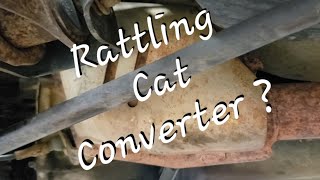
- Rattling noise from the exhaust area, which could indicate a broken catalyst substrate. One owner noted this sound specifically while the car was warming up. 🎬 See what a rattling catalytic converter sounds like during a cold start.
- In rare cases of severe clogging, a sulfur or "rotten egg" smell from the exhaust.
- Reduced fuel economy as the engine may run less efficiently.
- Replacing the downstream O2 sensor without proper diagnosis. Many owners report the P0420 code returning shortly after, indicating the catalytic converter was the true culprit. A Reddit user with a 2020 Sportage experienced this exact scenario.
Most Likely Causes
- Failed Catalytic Converter 🔴 High Probability → Shop Catalytic Converter Often fails as a result of underlying engine issues like oil consumption (see TSB ENG222) or persistent misfires common to this platform. The converter itself can also degrade and break apart internally, a failure mode seen across multiple Kia/Hyundai models.
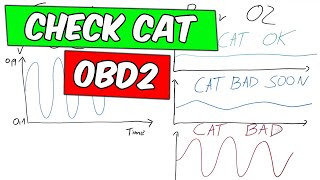
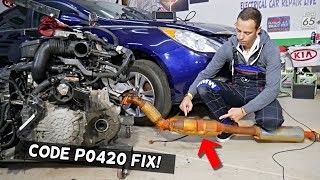
How to confirm: After confirming no exhaust leaks or O2 sensor faults, use a scan tool to graph O2 sensor voltages. 🎬 Watch: How to check your catalytic converter using OBD2 live data. If the downstream sensor (Sensor 2) voltage fluctuates rapidly like the upstream sensor (Sensor 1), the converter is not working. An infrared thermometer can also be used; the outlet should be significantly hotter than the inlet. A cooler outlet temperature indicates a clogged or non-functioning converter.
Typical fix: Replace the catalytic converter assembly. On this vehicle, it is integrated with the exhaust manifold. It is critical to fix any underlying engine issues (oil consumption, misfires) first to prevent repeat failure.
Est. part cost: $800-$2000+ - Failed Downstream Oxygen (O2) Sensor 🟡 Medium Probability → Shop Oxygen Sensor
How to confirm: Graph the sensor's voltage with a scan tool. A healthy downstream sensor should show a relatively steady voltage. If the sensor is faulty, it may produce erratic readings or a flat line voltage. A sluggish response can also indicate failure. A user on Reddit reported replacing the downstream O2 sensor only to have the P0420 code return two days later, confirming this is a common but often incorrect first step.
Typical fix: Replace the downstream (Bank 1, Sensor 2) oxygen sensor. This is a common misdiagnosis, so it's wise to test the sensor before replacing it.
Est. part cost: $80-$180 - Exhaust System Leak ⚪ Low Probability
How to confirm: Visually inspect the exhaust manifold, gaskets, and pipes between the upstream and downstream O2 sensors for cracks or black soot marks. Listen for a ticking or hissing sound, especially when the engine is cold. A leak can allow oxygen to enter the exhaust, fooling the O2 sensors.
Typical fix: Repair the leak by replacing the faulty gasket or welding the cracked component.
Est. part cost: $20-$200 - Underlying Engine Issues (Misfires, Oil Consumption) ⚪ Low Probability The Nu 2.0L engine family has a known history of issues that can lead to catalyst failure. Kia TSB ENG222 specifically addresses an oil consumption diagnosis and repair procedure for this engine, which involves combustion chamber cleaning and oil consumption tests.
How to confirm: Check for other diagnostic trouble codes (DTCs), especially misfire codes (P0300-P0304) or fuel trim codes. Monitor engine oil levels closely to check for consumption (more than 1 quart per 1,000 miles is considered excessive by Kia's TSB). Inspect spark plugs for fouling from oil or fuel.
Typical fix: Address the root cause. This could involve replacing spark plugs, ignition coils, fuel injectors, or, in severe cases of oil consumption, may require engine repair or replacement as outlined in TSB ENG222.
Est. part cost: $50-$3000+
Rare But Worth Checking
- Outdated ECU Software: Kia has issued software updates for other models with similar engines to correct over-sensitive catalyst monitoring logic (e.g., TSB 20-FL-010H for the Tucson). It's worth checking with a dealer to see if any ECU or KSDS (Knock Sensor Detection System) updates apply, as these can alter engine parameters that affect the catalyst.
Diagnosis Steps
- Check for other DTCs. Address any misfire (P030x), fuel system, KSDS (P1326), or O2 sensor heater codes first.
- Thoroughly inspect the exhaust system for any leaks between the engine and the downstream O2 sensor. Pay close attention to the exhaust manifold and flex pipe gaskets.
- Use a scan tool with live data capability. Graph the voltage for the upstream (Bank 1, Sensor 1) and downstream (Bank 1, Sensor 2) O2 sensors.
- At a steady 2,500 RPM, observe the graphs. The upstream sensor should fluctuate rapidly between approximately 0.1V and 0.9V. The downstream sensor should remain relatively stable, typically above 0.6V.
- If the downstream sensor's graph mirrors the upstream sensor's rapid fluctuations, the catalytic converter has likely failed and is not storing oxygen.
- If the downstream sensor's reading is flat or erratic, test the sensor itself before condemning the converter.
- Before replacing the converter, check engine oil levels and service history. Perform an oil consumption test if suspected. Per TSB ENG222, consumption over 1 quart per 1,000 miles is excessive and must be addressed to prevent repeat catalyst failure.
Parts You'll Likely Need
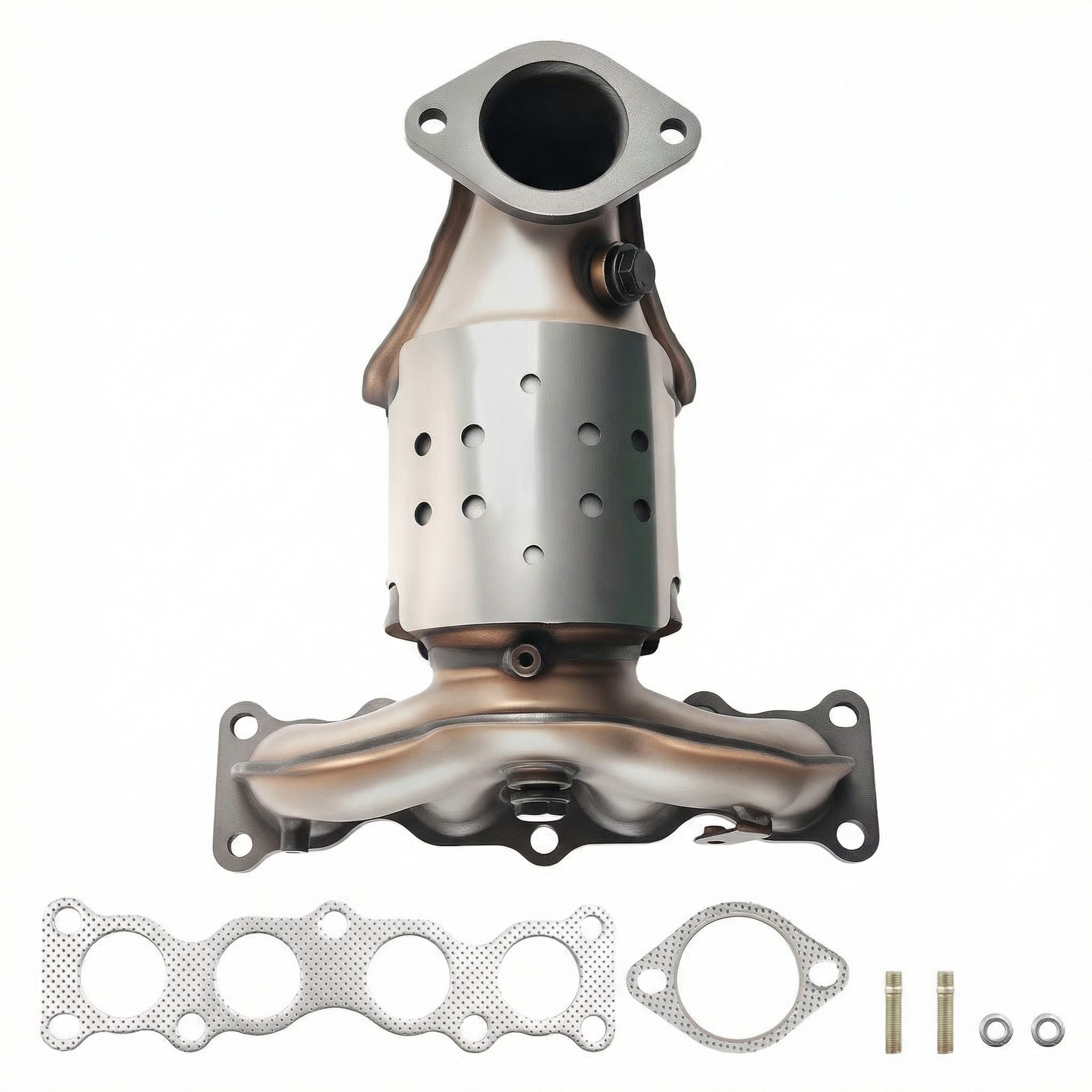
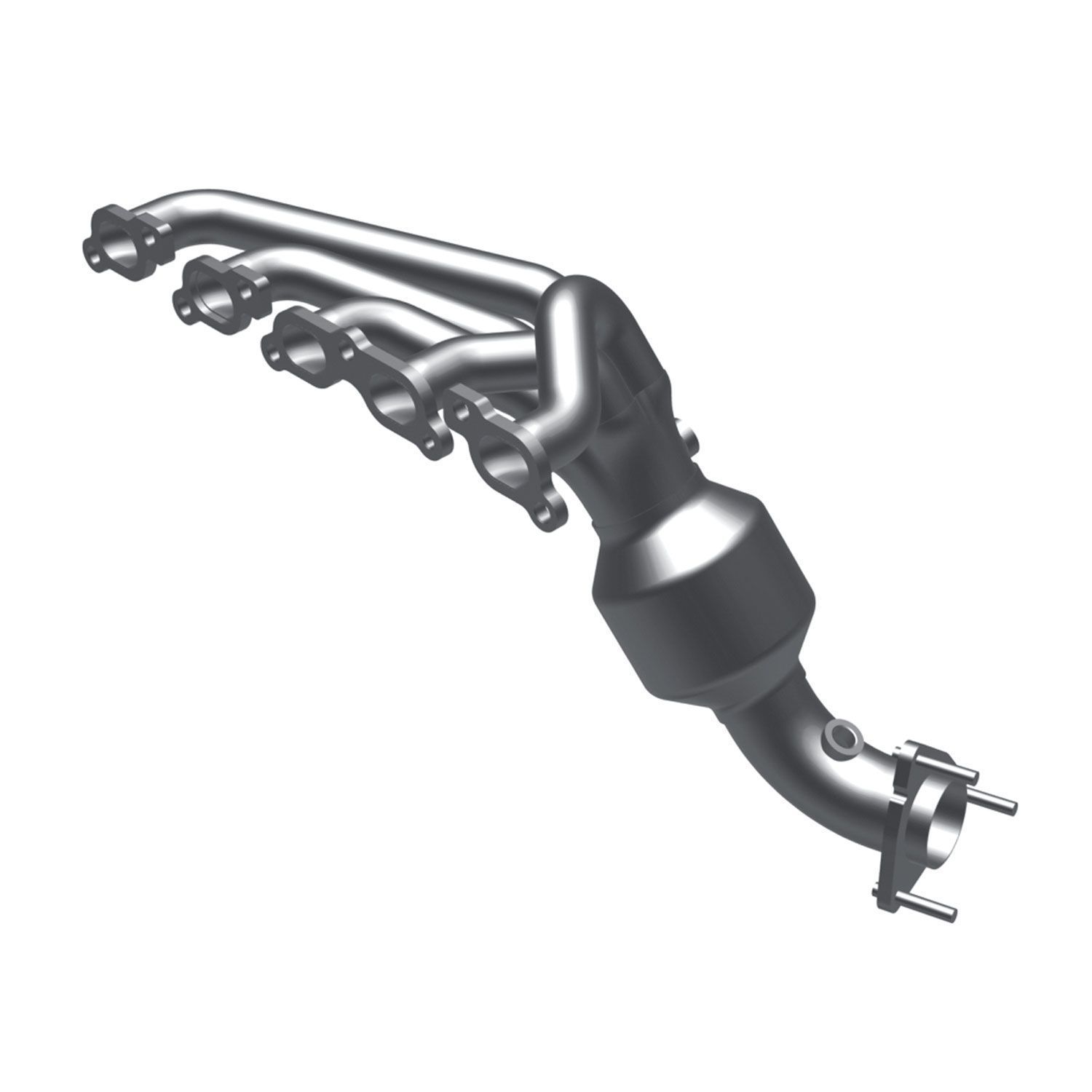
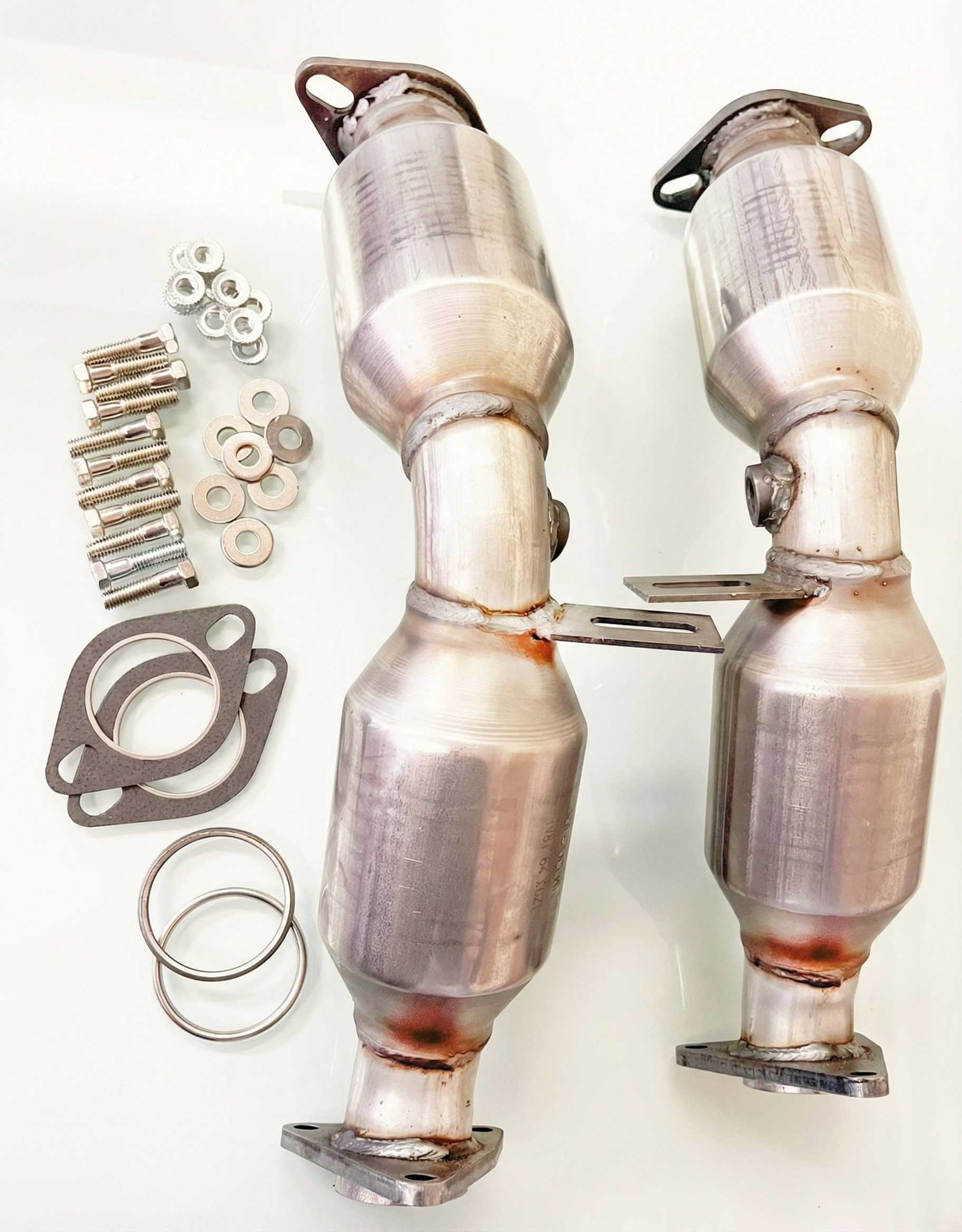
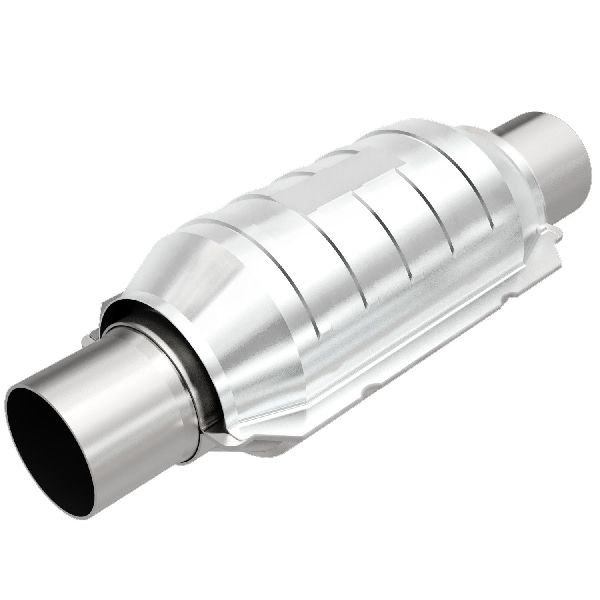
- Catalytic Converter / Exhaust Manifold Assembly
(OEM #28510-2G010 (FWD, 2017-2019), 28530-2GSG0 (FWD, 2019-2022), 28530-2GSH0 (AWD, 2019-2022))— This is the most common failure for a P0420 code on this vehicle, especially if other causes have been ruled out and oil consumption is present.
Trusted brands: Kia (OEM), Walker Exhaust, MagnaFlow
OEM price range: $1200-$2000+
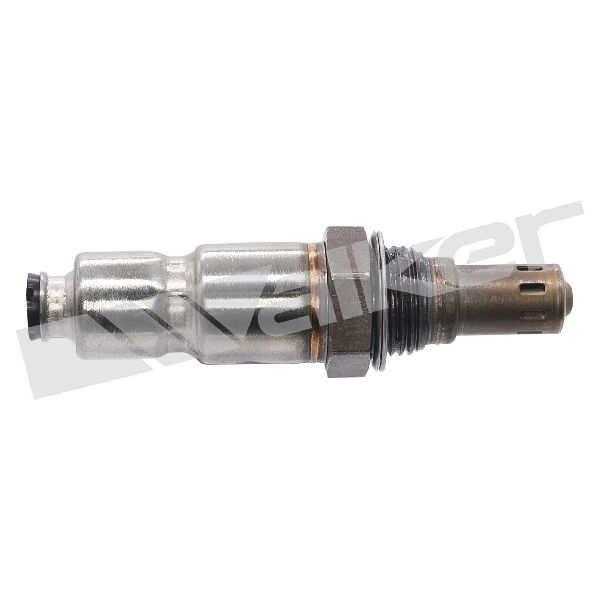
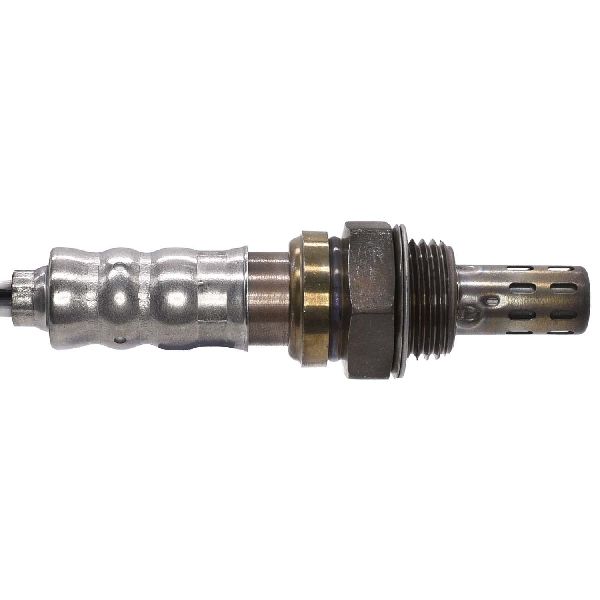
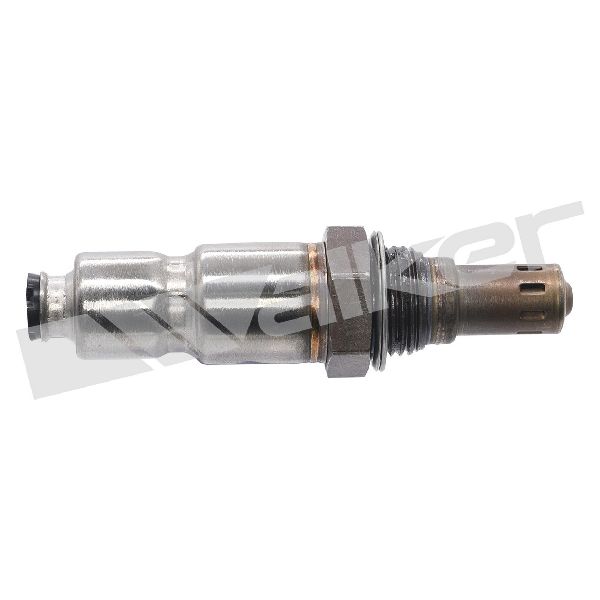
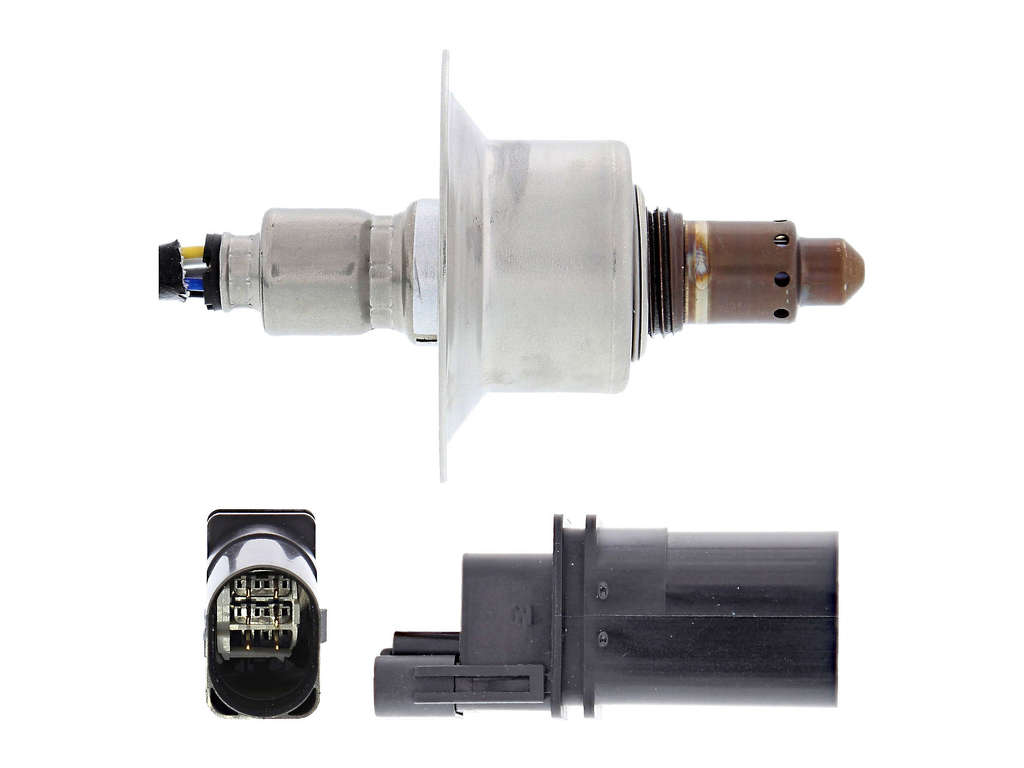
Aftermarket price range: $500-$1000 - Downstream Oxygen Sensor (Bank 1, Sensor 2)
(OEM #39210-2GBA5 (for 2.0L, 2017-2019))— This sensor provides the reading that triggers the P0420 code. While often not the root cause, it can fail and is a common, though sometimes incorrect, first replacement part.
Trusted brands: Kia/Hyundai (OEM), Bosch, Denso, NGK/NTK
OEM price range: $150-$220
Aftermarket price range: $80-$150
Related Codes That Often Appear With This One
- P0300-P0304 — Misfire codes (P030x) indicate the engine is not combusting fuel properly. This raw fuel is dumped into the exhaust, where it can overheat and destroy the catalytic converter, leading to a P0420 code.
- P1326 — This code is specific to the Knock Sensor Detection System (KSDS). If detected, it indicates potential engine bearing wear. This condition often accompanies high oil consumption, which is a primary cause of P0420 due to catalyst contamination.
Technical Service Bulletins (TSBs) & Recalls
- TSB ENG222 (also TSB 222 Rev 6): Details the official procedure for diagnosing and repairing excessive oil consumption on Nu, Gamma, and Theta engines, a primary root cause of P0420 on this vehicle.
- TSB PI2002B: Describes an ECU update to install the Knock Sensor Detection System (KSDS) for Nu 2.0L GDI engines to detect bearing wear, which is linked to the oil consumption issue.
- TSB 20-FL-010H (for 2019 Hyundai Tucson 2.0L GDI): While for a Hyundai, this TSB is relevant as it addresses a P0420 code on a platform mate, requiring an ECU update and catalyst replacement.
- TSB SC176 (for 2012-2016 Kia Soul): Documents a failure pattern where catalyst overheating can cause substrate particles to enter the engine, leading to piston damage. This TSB involves an ECU logic update to prevent this.
- TSB Bulletin #TSB-ENG160R1: Provides information regarding an ECU software upgrade for MIL illumination with DTCs P0420 or P0171 on related Kia platforms.
Platform-Specific Known Issues
- The Nu 2.0L GDI engine has been associated with oil consumption issues, which can lead to premature and repeated catalytic converter failure. Kia has a specific TSB (ENG222) for diagnosing this.
- The catalytic converter is integrated into the exhaust manifold, making replacement a more labor-intensive job than a simple under-car converter.
- There is a known failure mode where the catalyst's internal ceramic brick can disintegrate, causing a rattle and potentially catastrophic engine damage if the debris is ingested.
- Owners on forums frequently report being told by dealers that the catalytic converter needs replacement for P0420, often quoting over $2,000 for the repair.
Mechanic-Grade Diagnostic Values
- Downstream O2 Sensor (Sensor 2) Voltage — expected: A steady voltage of approximately 0.7V to 0.8V (700-800mV) when the engine is at operating temperature and a steady RPM.. Failure: If the voltage fluctuates rapidly, mimicking the upstream sensor's wave pattern, the catalytic converter is not storing oxygen and has failed.
- Infrared Thermometer Test — expected: The outlet of the catalytic converter should be significantly hotter than the inlet when the engine is fully warmed up.. Failure: If the outlet temperature is the same or cooler than the inlet, it indicates the converter is clogged or not functioning chemically.
Scan Tool Commands That Help
- Kia GDS (Global Diagnostic System) / KDS: ECU Upgrade / Reprogramming — To apply factory software updates that may revise the P0420 monitoring logic. Kia has released updates for similar models/engines (like TSB SC176 for the Soul) to correct over-sensitive catalyst monitoring. This should be checked before replacing expensive hardware.
- Kia GDS (Global Diagnostic System) / KDS: Resetting Adaptive Values — After replacing a major component like a catalytic converter or oxygen sensor, resetting the engine's learned adaptive values can help the ECU properly calibrate to the new parts faster and prevent the code from returning due to old, incorrect learned data.
- Advanced Scan Tool (e.g., GDS): Cylinder Imbalance Test — If an underlying engine issue is suspected. An imbalance where one cylinder runs leaner or richer than others can create excessive emissions that overwhelm the converter, triggering a P0420. This test can identify such an issue before wrongly condemning the converter.
Wiring & Ground Locations
- Engine Ground Strap — Typically located from the chassis to the transmission housing or directly to the engine block.. A poor or corroded engine ground can cause erratic voltage readings from all engine-mounted sensors, including the oxygen sensors. The O2 sensor signal is a low-voltage reading relative to ground, so a bad ground can create an incorrect offset, potentially fooling the ECU into thinking there is a catalyst or sensor problem.
- O2 Sensor Connector — The downstream O2 sensor connector is located along the exhaust path, under the vehicle, and is susceptible to moisture and corrosion.. Damaged wiring or a corroded connector for the downstream O2 sensor can cause the same symptoms as a failed sensor or catalytic converter. A thorough visual inspection of the harness and connector pins is crucial before replacing parts.
Real Owner Repair Stories
- Reddit user on r/NZcarfix (2017 Kia Sportage) — P0420 error code and a noticeable loss of power, especially during acceleration.
❌ Tried (didn't work) Initial diagnosis pointed towards a simple catalytic converter failure.
✅ What actually fixed it The mechanic discovered the catalytic converter's internal structure had broken apart and the debris had traveled down the exhaust, completely blocking the muffler. The fix required replacing both the catalytic converter and the muffler. - YouTube Commenter (2014 Kia Soul (similar engine family and issue)) — Persistent P0420 code.
❌ Tried (didn't work) Replaced both O2 sensors.
✅ What actually fixed it The code returned after replacing the sensors. The final fix was replacing the catalytic converter, which resolved the issue permanently. This highlights that sensor replacement is a common but often failed first step. - NHTSA ODI #11720092 — An owner reported that a dealership visit documented stored diagnostic trouble code P0420 (Catalyst System Efficiency Below Threshold), but the dealership stated no further repairs were recommended.
- NHTSA ODI #10320360 — A report describes a vehicle with duplicate codes including P0420, P0430, and misfire codes P0300-P0305, indicating a "Fuel" related problem affecting Bank 1.
OEM Part Supersession History
28510-2G010→This part number is specific to the 2016-2019 FWD 2.0L models. It has not been superseded but is distinct from later model year parts.— Part for initial years of the generation.
Heads up: This part is for 2016-2019 FWD models only. AWD and later model years use different part numbers (e.g., 28530-2GSG0 for 2019-2022 FWD). Using the wrong manifold will result in fitment issues.
Model Year Variations Within This Range
- 2017-2019 vs 2020-2022: The OEM part number for the catalytic converter/exhaust manifold assembly changes for the 2020 model year refresh, even within the same engine and drivetrain configuration (FWD). For example, FWD models switch from 28510-2G010 to 28530-2GSG0. This could indicate minor changes in fitment or catalyst formulation.
- 2022: For the 2022 model year, some non-turbo trims were available with the Nu 2.0L engine, while others had the 2.4L engine. It is critical to verify which engine is in the vehicle before ordering parts, as the catalytic converters are not interchangeable.
Diagnostic Flowchart
Other Known Issues on This Vehicle
Issues unrelated to this code that are worth knowing about as an owner of this generation:
- Excessive Engine Oil Consumption 🔴 High — Widespread issue, can start as early as 60,000 miles. Often leads to P0420 and eventual engine failure if not addressed. (Ref: TSB ENG222 / TSB 222 Rev. 6)
- Engine Bearing Failure / Knock 🔴 High — A critical failure mode for this engine family, often preceded by oil consumption. Kia issued recalls and warranty extensions for related Theta II engines and software updates (KSDS) for Nu engines to detect bearing wear early. (Ref: PI2002B (KSDS Update), SC147 (Theta II))
- Transmission Shudder / Hesitation 🟠 Medium — Complaints of rough shifting, hesitation from a stop, or getting stuck in gear are noted. Can be caused by fluid degradation or internal component wear in the A6MF1 6-speed automatic. (Ref: TSB TRA102 (for related IVT, but similar issues reported on 6-speed))
- Electrical System Faults 🟡 Low — NHTSA data shows a notable number of complaints related to the electrical system, including infotainment glitches, battery drain, and sensor malfunctions. (Ref: SA569 (Infotainment Update))
Used vs. New Parts: Buying Guide for This Vehicle
When a used part is the smart pick: Given the high cost of a new OEM catalytic converter and the known oil consumption issues that can destroy a new one, sourcing a used, low-mileage OEM converter from a reputable salvage yard can be a pragmatic choice, especially if the vehicle itself has high mileage. It is not recommended for O2 sensors, as their lifespan is finite and a used one may fail shortly after installation.
Donor-vehicle mileage cap: roughly under 60000 miles for the part to have meaningful remaining life.
What to inspect on the donor part:
- Verify the donor vehicle's VIN to confirm it was not totaled due to an engine fire or severe front-end collision that could have damaged the manifold.
- Inspect the catalyst honeycomb visually from both ends. It should be intact, with no signs of melting, crumbling, or missing pieces.
- Check for any rattling sounds when shaking the converter, which would indicate broken substrate.
- Ensure there are no cracks on the manifold itself, especially near the welds and flange.
- Ask for the mileage of the donor vehicle; lower is always better.
OEM-only on this vehicle (don't cheap out):
- Catalytic Converter: Aftermarket converters for this specific platform are notorious for failing to meet the ECU's strict efficiency monitoring, often causing the P0420 code to return within a few months. While expensive, an OEM converter is the most reliable long-term fix.
Aftermarket brands forum-validated for this vehicle:
- O2 Sensors: Denso, NGK/NTK, and Bosch are widely regarded as reliable OEM-quality suppliers for oxygen sensors.
Brands owners have reported issues with on this vehicle:
- Universal Catalytic Converters: Avoid any 'universal' or 'weld-in' catalytic converters. They lack the specific catalyst loading and volume required by the Kia ECU and are almost guaranteed to fail the onboard diagnostic test, leading to a recurring P0420 code.
Real Owner Stories
Aggregated from forums and TSBs cited above. Mileages and costs reflect what owners reported in those sources.
2018 Kia Sportage Nu 2.0L
Symptoms: Check engine light (P0420) with no other noticeable symptoms.
What fixed it: The dealer recommended a full catalytic converter replacement.
Cost: $2,000+
Source hint: Reddit r/MechanicAdvice - Thread: 'Check Engine Light P0420 - 2018 Kia Sportage'
2020 Kia Sportage Nu 2.0L
Symptoms: P0420 code accompanied by a rattling sound from the exhaust area.
What fixed it: The owner attempted to replace the downstream O2 sensor, but the code returned two days later, indicating a failed catalytic converter substrate.
Source hint: Reddit r/MechanicAdvice - Thread: 'P002D P0420 Kia Sportage'
2017-2022 Kia Sportage Nu 2.0L
Symptoms: Excessive oil consumption where the engine was 'not broken enough yet' for warranty coverage despite clear consumption issues.
What fixed it: Diagnosis via TSB ENG222 involving combustion chamber cleaning and oil consumption tests.
Source hint: Reddit r/Kia - 'Dealing With Kia re: Nu Engine (Canada)?'
Related OBD-II Codes
Frequently Asked Questions
Does TSB ENG222 apply to my Kia Sportage with the Nu 2.0L engine?
I have a P0420 code and a rattling noise from the exhaust; what does this mean for my Sportage?
Can I just replace the downstream O2 sensor to fix the P0420 code?
Is the catalytic converter on the 2017-2022 Sportage a simple bolt-on part?
What is the 'KSDS' update I keep hearing about in relation to engine issues?
How much oil consumption is considered 'normal' by Kia for this engine?
Helpful Videos


Used OEM Parts in Stock
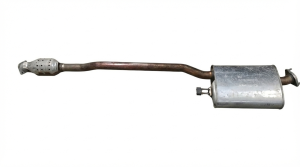
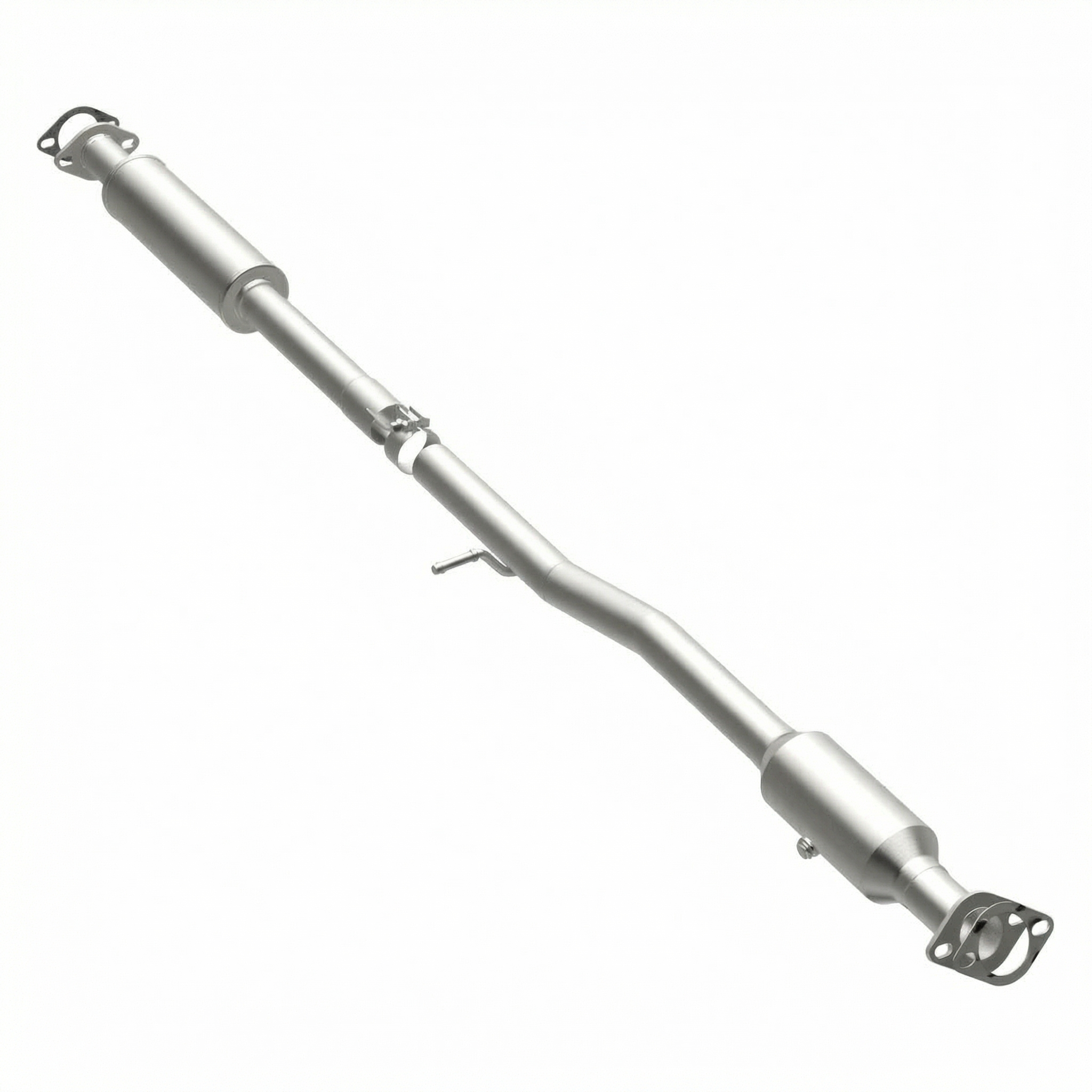
New Aftermarket Parts Available


The information in this article is provided for general reference and educational purposes only. Vehicle specifications, procedures, and part compatibility can vary by production date, trim level, and region. Always consult your vehicle's factory service manual and verify part numbers before purchasing or performing repairs. Safety-critical components such as airbags, seat belts, and braking systems should be installed by a qualified professional.
- Kia Sportage:
- 🧭 Diagnostic Flowchart
- 🎬 Helpful Videos
- 🛍️ Shop This Part
- What's Unique About the 2017-2022 Kia Sportage
- Symptoms You May Notice
- Most Likely Causes
- Rare But Worth Checking
- Diagnosis Steps
- Parts You'll Likely Need
- Related Codes That Often Appear With This One
- Technical Service Bulletins (TSBs) & Recalls
- Platform-Specific Known Issues
- Mechanic-Grade Diagnostic Values
- Scan Tool Commands That Help
- Wiring & Ground Locations
- Real Owner Repair Stories
- OEM Part Supersession History
- Model Year Variations Within This Range
- Other Known Issues on This Vehicle
- Used vs. New Parts: Buying Guide for This Vehicle
- Real Owner Stories
- 2018 Kia Sportage Nu 2.0L
- 2020 Kia Sportage Nu 2.0L
- 2017-2022 Kia Sportage Nu 2.0L
- Related OBD-II Codes
- Frequently Asked Questions
- 🎟️ Get 5% Off