

P0420 on 2007-2015 Mazda CX-9: Catalyst Efficiency Causes and Fixes
P0420 on a Mazda CX-9 usually means the Bank 1 catalytic converter has failed, often due to age or engine misfires. Before replacing the expensive converter, always check for cheaper fixes like exhaust leaks or a faulty downstream oxygen sensor. Bank 1 is the converter on the firewall side of the engine, which is the more difficult one to access.
- P0420 on the 2007-2015 CX-9 points to an inefficient catalytic converter on the firewall side (Bank 1).
- DO NOT immediately replace the catalytic converter. First, rule out cheaper problems like exhaust leaks and a faulty downstream O2 sensor.
- A history of engine misfires (especially from bad ignition coils) is a likely root cause for the converter failure on this specific vehicle.
- Proper diagnosis involves graphing the upstream and downstream O2 sensor voltages with a scan tool.
What's Unique About the 2007-2015 Mazda CX-9
The Mazda CX-9 from this era uses a reliable Ford-derived MZI/Cyclone V6 engine. While the engine itself isn't uniquely prone to this code, the P0420 is often a consequence of another failure rather than a primary defect. Owners have reported that ignition coil failures can cause severe engine misfires, which then dump unburned fuel into the exhaust and rapidly destroy the catalytic converters. This is a well-documented failure path on owner forums. Because there are no common PCM software updates or recalls for this specific issue on the 2007-2015 models, the fix almost always involves mechanical parts replacement.
Symptoms You May Notice
- Check Engine Light is on
- Reduced engine power or sluggish acceleration
- Lower than normal fuel economy
- A 'rotten egg' or sulfur smell from the exhaust, indicating an overheating converter
- Flashing Check Engine Light if the cause is a severe engine misfire
- Replacing the catalytic converter without first checking for exhaust leaks or testing the oxygen sensors. A faulty O2 sensor or a small exhaust leak is a much cheaper fix and a very common cause of a false P0420 code.
- Replacing the O2 sensor without confirming it's bad. Swapping sensors between banks is a good way to verify the fault follows the sensor.
Most Likely Causes
- Failed Catalytic Converter (Bank 1) 🔴 High Probability → Shop Catalytic Converter Converters fail from age (typically over 100,000 miles) or contamination from other engine problems. A history of engine misfires from failing ignition coils or spark plugs is a known killer of converters on this platform. Unburned fuel from a misfire overheats and melts the internal structure of the converter.
How to confirm: Use a scan tool to graph the upstream (B1S1) and downstream (B1S2) oxygen sensors. If the downstream sensor's voltage reading fluctuates rapidly, mimicking the upstream sensor, the converter has failed. A healthy converter will produce a slow, relatively steady voltage from the downstream sensor. An infrared thermometer can also be used; the outlet of a working converter should be significantly hotter than the inlet. 🎬 See how to test a catalytic converter like a professional.
Typical fix: Replace the Bank 1 catalytic converter. This is the converter on the firewall side of the engine. It is critical to fix the root cause (e.g., misfires) before replacing the converter.
Est. part cost: $400-$900 - Faulty Downstream Oxygen Sensor (Bank 1, Sensor 2) 🟡 Medium Probability → Shop Oxygen Sensor Oxygen sensors are wear items and can degrade over time, sending false signals that mimic a bad converter. Replacing a sensor is much cheaper than a converter, so it's a critical diagnostic step.
How to confirm: Check the sensor's live data for lazy or erratic readings. If the sensor's heater circuit has failed, a separate code may be present. The best confirmation is to swap the Bank 1 and Bank 2 downstream sensors (if accessible) and see if the code changes to P0430 (Bank 2).
Typical fix: Replace the Bank 1, Sensor 2 (downstream) oxygen sensor.
Est. part cost: $50-$150 - Exhaust System Leak 🟡 Medium Probability Rust and corrosion can cause leaks at manifold gaskets, flex pipes, or flange connections. These leaks allow outside oxygen into the exhaust, which skews the oxygen sensor readings and can trigger a P0420 code.
How to confirm: Perform a visual inspection for soot marks or cracks around exhaust components. A smoke test is the most effective method, where smoke is forced into the exhaust system to reveal the location of any leaks.
Typical fix: Repair the leak by replacing the gasket or welding the cracked component.
Est. part cost: $20-$200 - Engine Misfires or Fuel System Issues ⚪ Low Probability As seen in owner forums, failing ignition coils are a known issue that can lead to misfires. Worn spark plugs, leaking fuel injectors, or vacuum leaks can also create an improper air/fuel mixture that damages the converter over time.
How to confirm: Check for other stored trouble codes, especially misfire codes (P0300-P0306) or fuel trim codes (P0171, P0172). Analyze live engine data for fuel trim values and misfire counts.
Typical fix: Address the root cause first: replace worn spark plugs, ignition coils, or faulty fuel injectors before replacing the catalytic converter.
Est. part cost: $100-$500
Rare But Worth Checking
- Fried Powertrain Control Module (PCM):
Diagnosis Steps
- Check for other DTCs. Fix any misfire, fuel system, or oxygen sensor circuit codes before addressing P0420. This is the most critical step.
- Inspect the exhaust system from the engine to the tailpipe for any signs of leaks, paying close attention to gaskets and flex pipes. A smoke test is recommended.
- Use a scan tool with live data graphing capabilities. Warm the engine to operating temperature.
- Observe the voltage graphs for the Bank 1 upstream (B1S1) and downstream (B1S2) oxygen sensors while holding the engine RPM around 2,000-2,500.
- A good B1S1 sensor will show rapid switching between ~0.1V and ~0.9V. A good B1S2 sensor (with a working converter) will show a steady, slow-to-react voltage, typically above 0.5V.
- If the B1S2 sensor's graph mirrors the B1S1 sensor's rapid switching, the catalytic converter is not storing oxygen and has likely failed.
- If the B1S2 sensor's voltage is flat, stuck low, or responds very slowly, the sensor itself is likely faulty.
- If all sensors and the exhaust seem fine, investigate potential engine issues like leaking fuel injectors or incorrect fuel pressure that could be affecting the converter's performance.
Parts You'll Likely Need
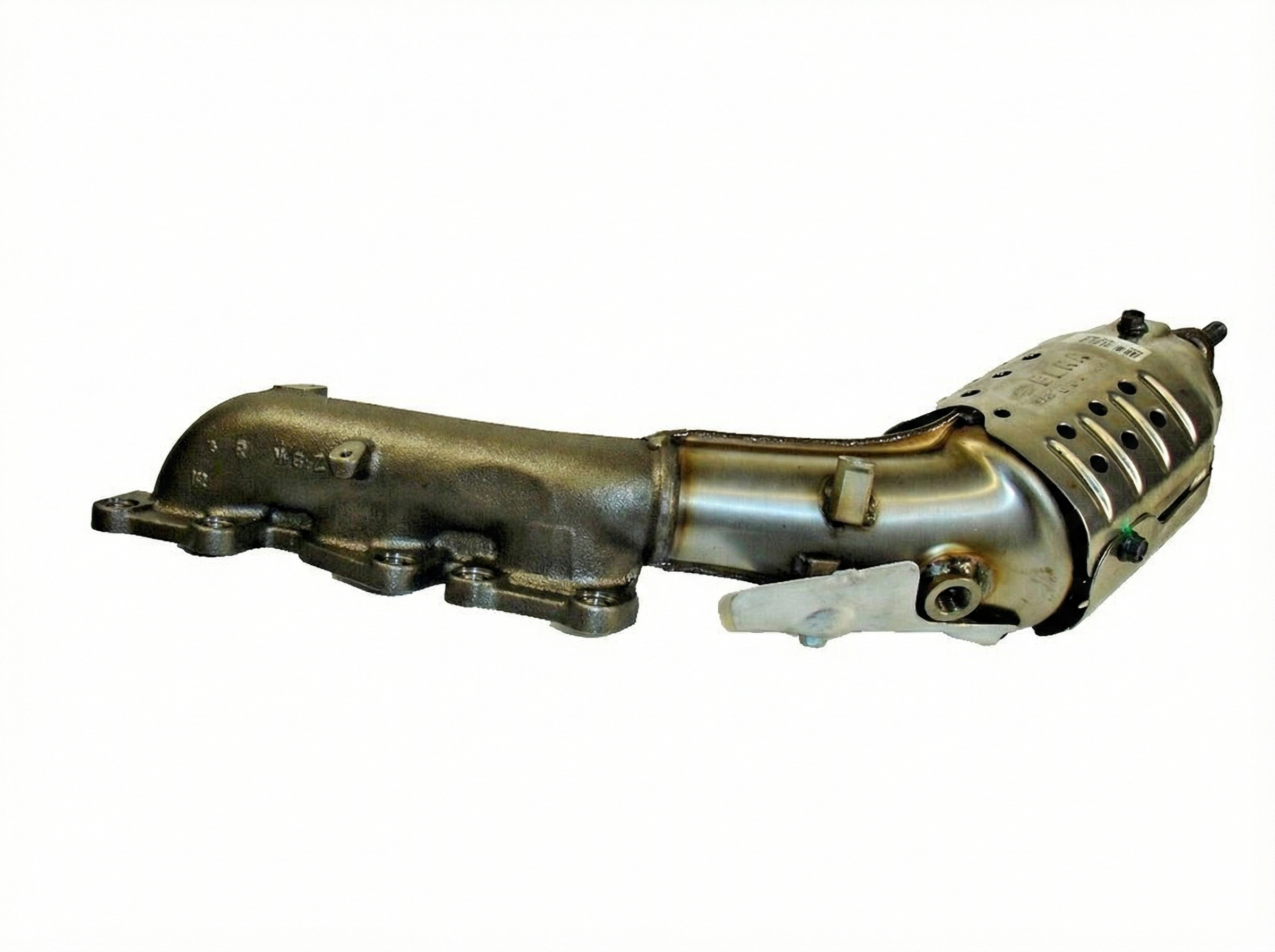
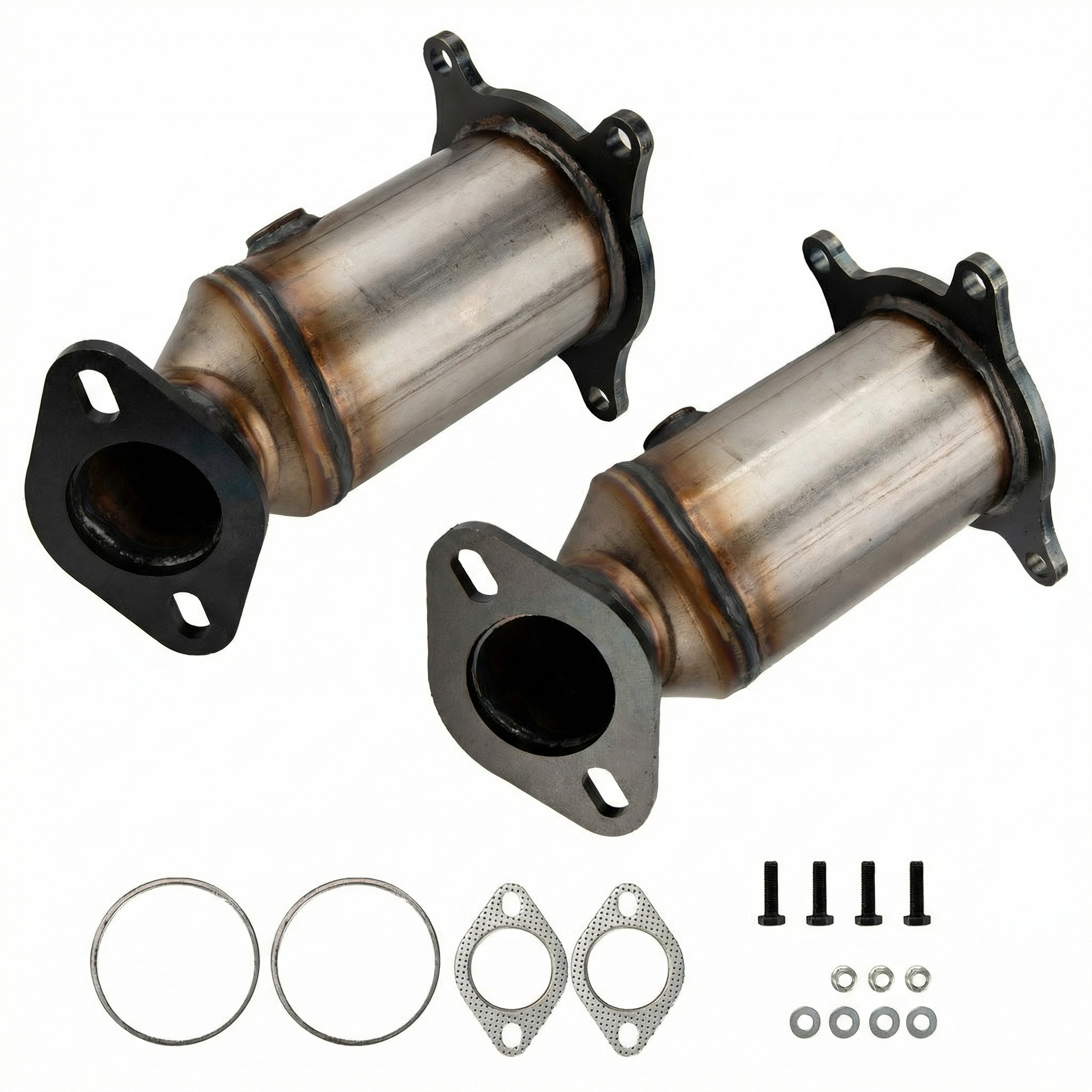
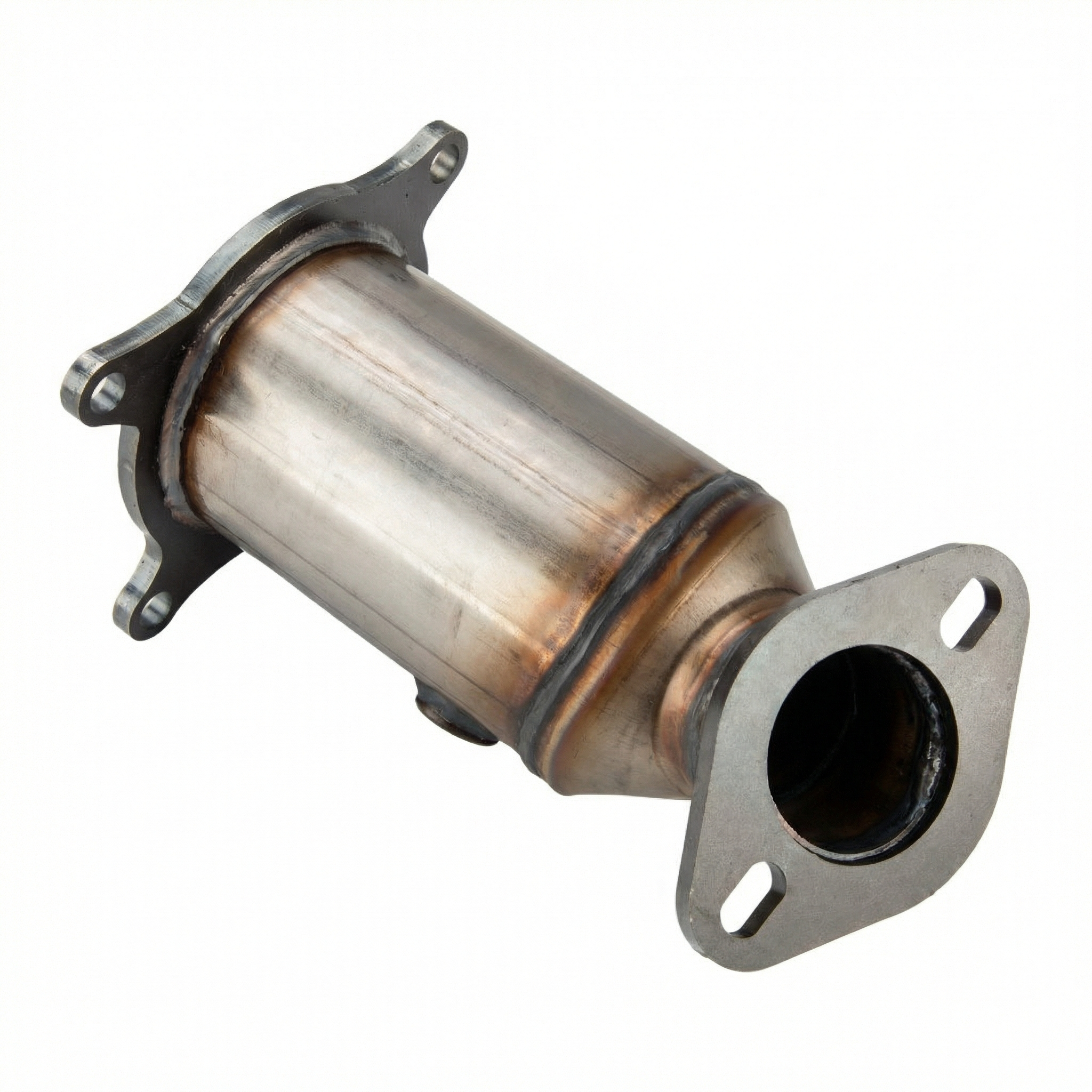
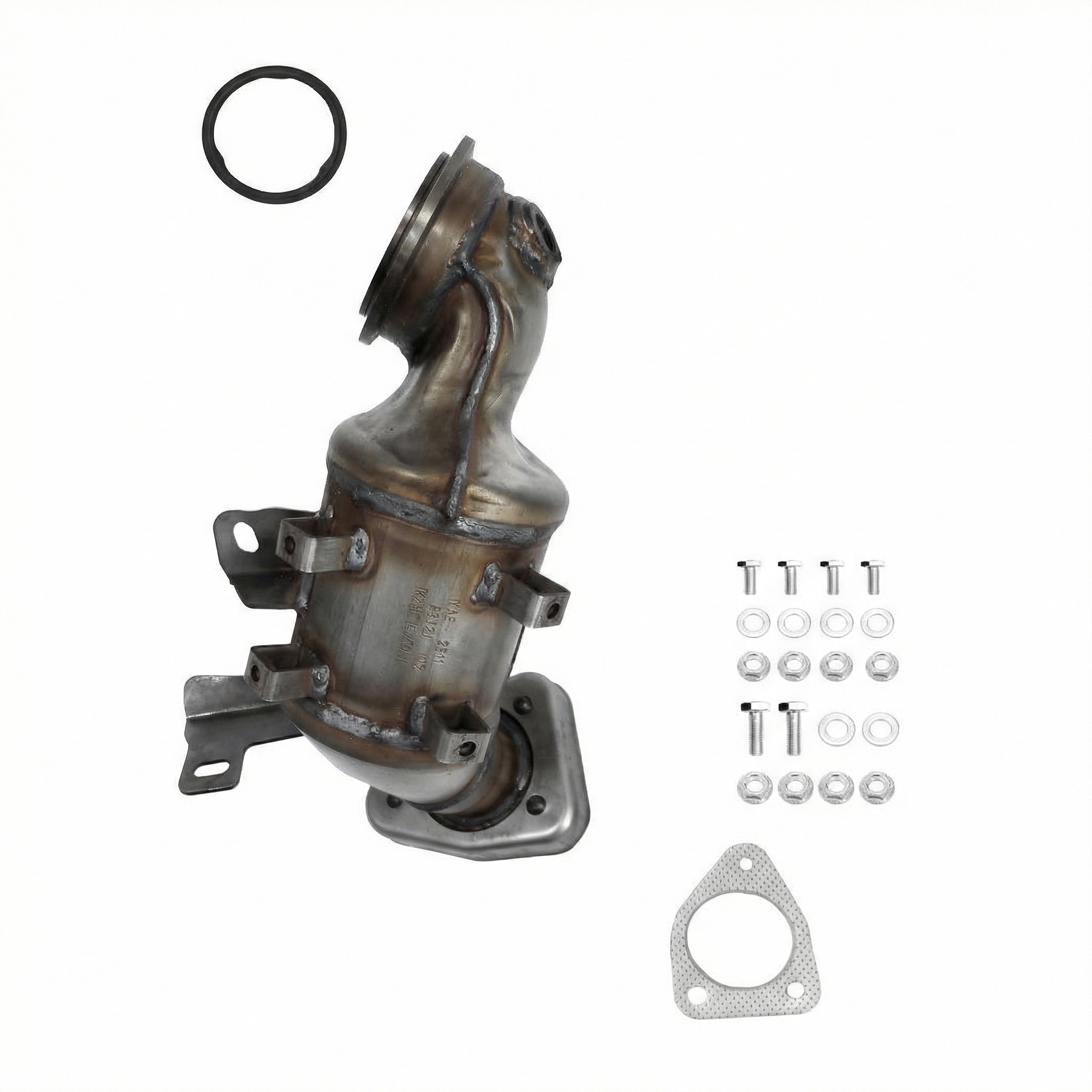
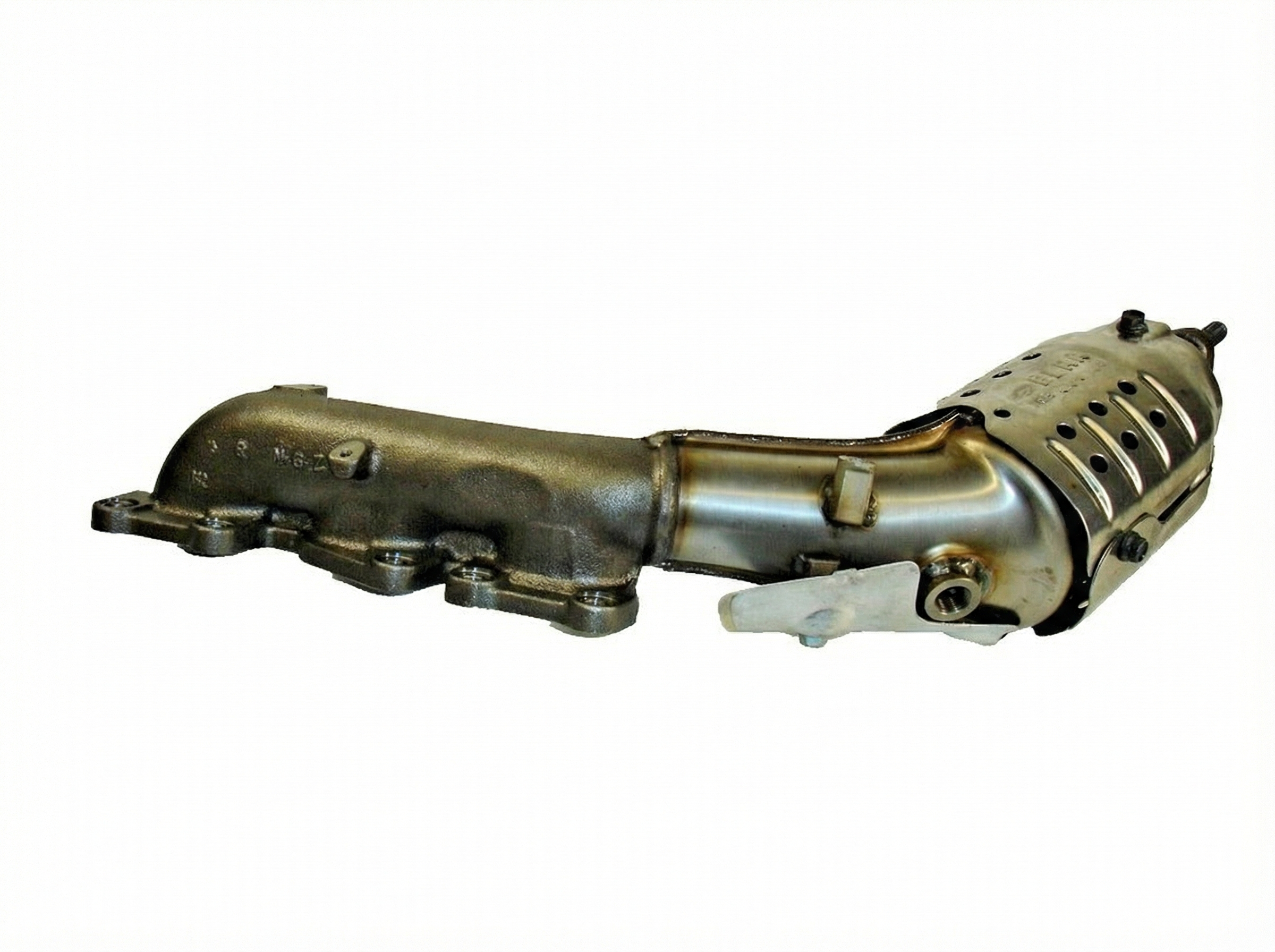
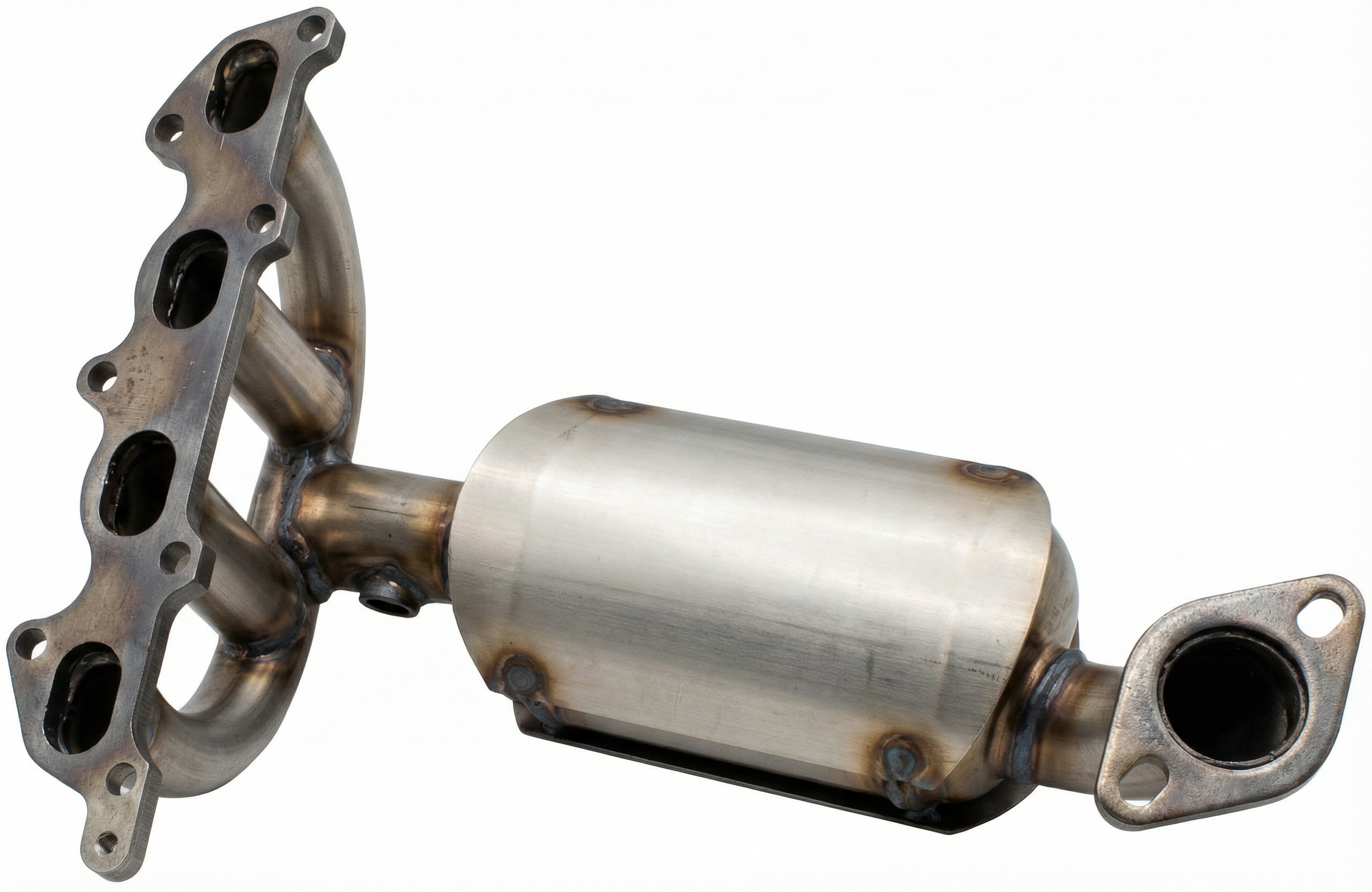
- Bank 1 Catalytic Converter
(OEM #CY03-20-50X (or CY01-20-50XC, CY02-20-50X depending on specific year/emissions))— This is the most common failed component for a P0420 code, especially on higher-mileage vehicles or those with a history of misfires.
Trusted brands: Walker, MagnaFlow, AP Exhaust, Eastern Catalytic
OEM price range: $1000-$1800
Aftermarket price range: $400-$900 - Bank 1, Sensor 2 (Downstream) Oxygen Sensor
(OEM #ZZM2-18-861A (replaces ZZL0-18-861))— This sensor is responsible for monitoring the converter's efficiency. It can fail and give false readings, making it a common misdiagnosis for a bad converter.
Trusted brands: Denso, NGK/NTK, Bosch
OEM price range: $120-$200
Aftermarket price range: $50-$150 - Bank 1, Sensor 1 (Upstream) Oxygen Sensor
(OEM #CA41-18-861)— While less likely to cause P0420 directly, a lazy or failing upstream sensor can cause an incorrect air/fuel mixture, which can damage the converter over time. It's often replaced as preventative maintenance.
Trusted brands: Denso, NGK/NTK, Bosch
OEM price range: $130-$220
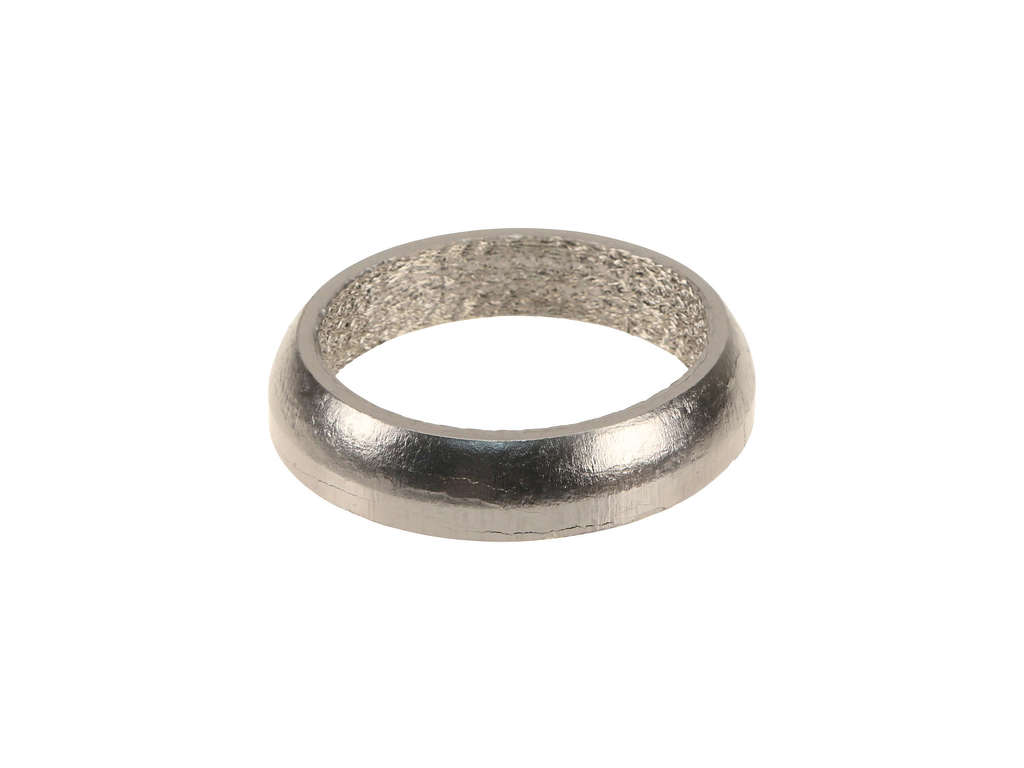
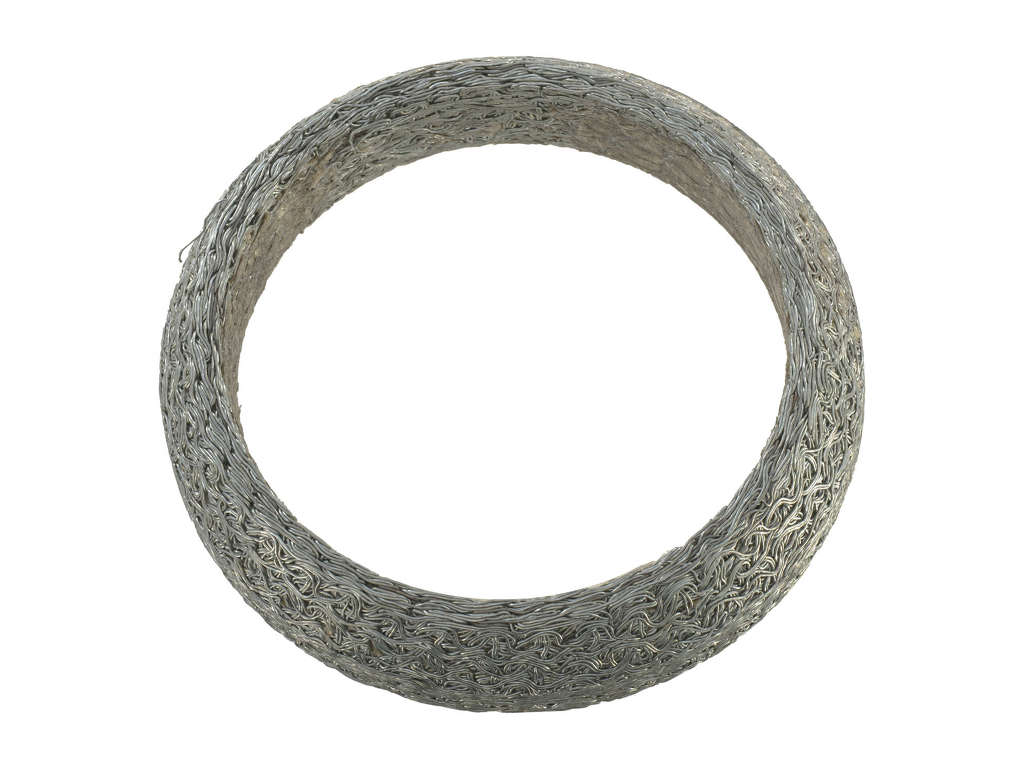
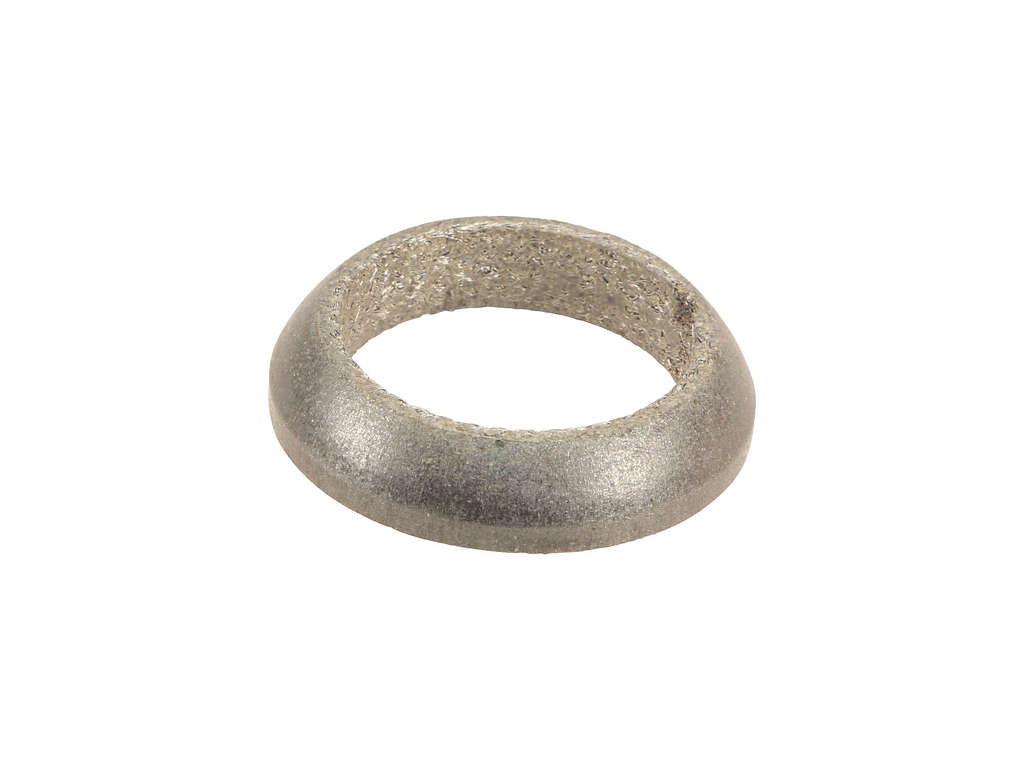
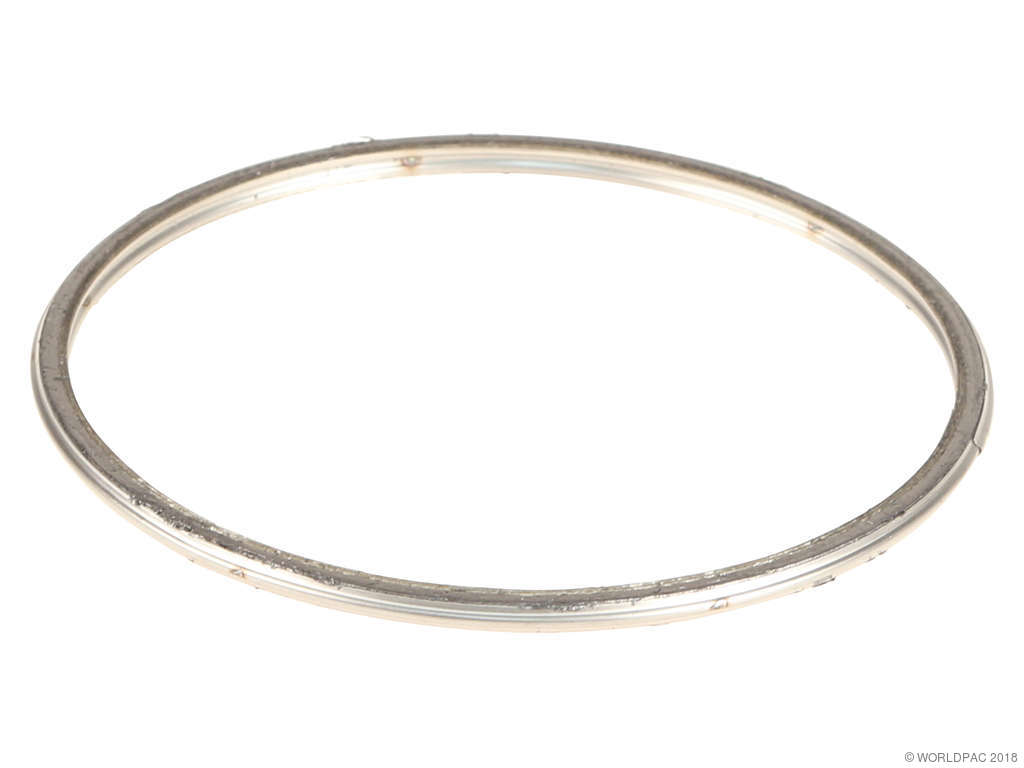
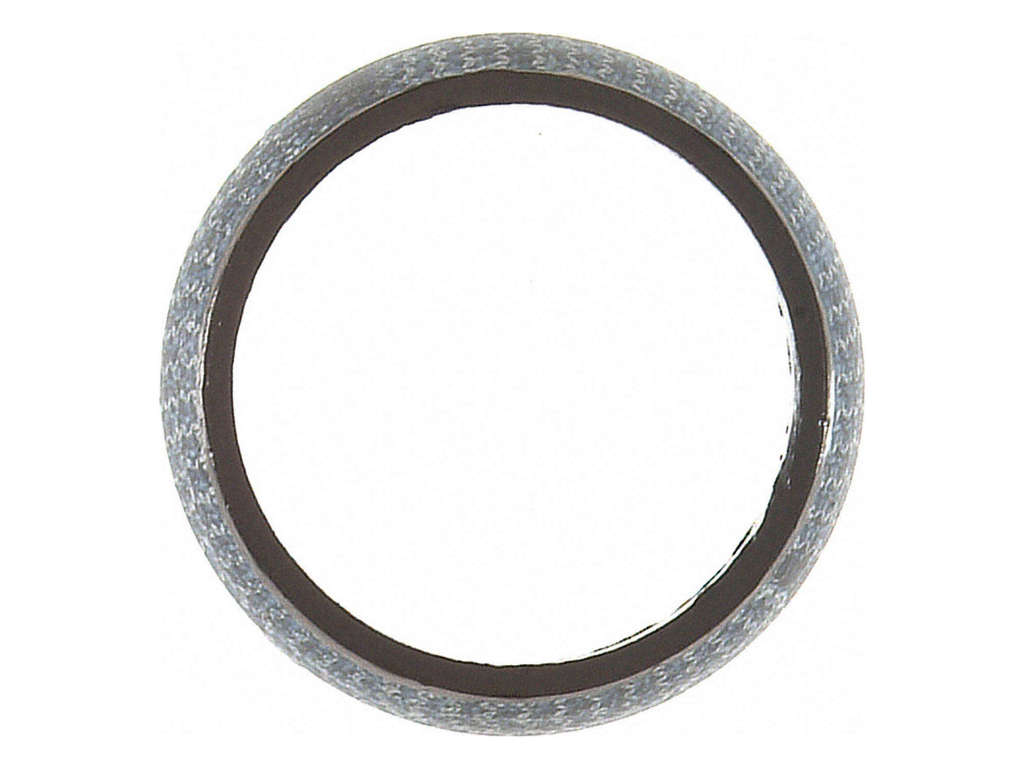
Aftermarket price range: $60-$160 - Exhaust Gaskets — Exhaust leaks before or near the catalytic converter are a common cause of P0420 and should be ruled out before replacing expensive parts.
Trusted brands: Fel-Pro, Bosal, Walker
OEM price range: $20-$50
Aftermarket price range: $10-$30
Related Codes That Often Appear With This One
- P0430 — This is the same catalyst efficiency code but for Bank 2 (radiator side). If both appear, it often points to a systemic issue like a major vacuum leak, fuel pressure problems, or severe engine wear that has damaged both converters. It can also occur after a severe misfire event damages both converters simultaneously.
- P0300-P0306 — These are misfire codes (P0300 for random, P0301-P0306 for specific cylinders). A blinking check engine light with a misfire code indicates that unburned fuel is entering the exhaust, which will quickly overheat and destroy the catalytic converter, directly causing the P0420 code.
Technical Service Bulletins (TSBs) & Recalls
- Mazda Special Service Program (SSP 93) - Power Brake Unit Warranty Extension for 2007-2013 CX-9.
Platform-Specific Known Issues
- A documented case on a 2007 CX-9 on the Mazdas247 forum showed that a single cracked ignition coil led to severe misfires, which in turn damaged the PCM and destroyed both catalytic converters, resulting in P0420 and P0430 codes. This highlights the importance of addressing misfires immediately.
- The Bank 1 converter (firewall side) is significantly more difficult to access for replacement than the Bank 2 converter (radiator side), involving more labor time and cost.
Mechanic-Grade Diagnostic Values
- Downstream O2 Sensor (B1S2) Voltage at 2,500 RPM (Healthy Converter) — expected: Relatively steady voltage, typically between 0.5V and 0.8V, with very slow fluctuations.. Failure: Voltage rapidly switching between ~0.1V and ~0.9V, mimicking the upstream (B1S1) sensor's pattern.
- Catalytic Converter Temperature Differential — expected: The outlet pipe temperature should be at least 100°F (38°C) hotter than the inlet pipe temperature after the engine has been running for 20 minutes.. Failure: The outlet temperature is the same as or cooler than the inlet temperature, indicating the converter is not 'lighting off' and performing its chemical reaction.
- Fuel Line Pressure (Key On, Engine Off) — expected: Approximately 380-440 kPa (55-64 psi).. Failure: Significantly lower or higher pressure can indicate a failing fuel pump or regulator, leading to an incorrect air/fuel mixture that can damage the converter.
Hidden / Shadow Codes Worth Checking
- Mode $06, TID $81, CID $01-$04: These are not DTCs but onboard test results for the catalyst monitor. TID $81 represents the Catalyst Efficiency Monitor for Bank 1. The Component IDs (CID) represent different test parameters and thresholds. A failing value here can predict a P0420 code before it becomes active. (see via A professional scan tool or an advanced OBD2 app that can access Mode $06 data.)
Wiring & Ground Locations
- Bank 1 Rear HO2S (Firewall Side) — Screwed into the rear exhaust manifold/catalytic converter assembly, behind the engine against the firewall. Access is extremely difficult and often requires removal of the intake manifold and other components.. This is the physical location of the components (B1S1 and B1S2 sensors, and the Bank 1 converter) that are monitored to set the P0420 code. Damage to the sensor or wiring during other engine work is possible due to the tight access.
- Connector C-34 — A major wiring harness connector.. Mazda TSB SA-004/19 (for other O2 codes) notes that a leaking engine oil pressure switch can cause oil to wick down the harness and contaminate the C-34 connector, leading to various O2 sensor-related faults. While not directly for P0420, it's a known electrical failure point for the system.
- Main Ground Points — Key ground points are located on the engine block, transmission housing, and chassis rails near the battery. A wiring diagram is needed for exact locations like G11 (behind left side of dash) or main engine grounds.. A corroded or loose ground for the PCM or sensor circuits can cause erratic voltage readings from the oxygen sensors, potentially leading to a false P0420 code.
Real Owner Repair Stories
- Mazdas247 Forum User (2007 Mazda CX-9, 107k miles) — Vehicle lost power, ran rough, and died. Flashing check engine light.
❌ Tried (didn't work) Initial diagnosis found misfire codes and a badly cracked ignition coil. Replaced spark plugs and the one bad coil, but the car still ran poorly.
✅ What actually fixed it The severe misfire had destroyed the PCM, which had to be repaired. All ignition coils were then replaced. Shortly after, codes P0420 and P0430 appeared, indicating both catalytic converters had been destroyed by the unburned fuel from the original misfire event. The final fix was replacing both catalytic converters after the ignition system and PCM were repaired.
OEM Part Supersession History
ZZL0-18-861→ZZM2-18-861A— Standard part revision and update by Mazda.
Heads up: The new part number ZZM2-18-861A is the correct replacement for the downstream oxygen sensor.
Model Year Variations Within This Range
- 2007 vs 2008-2015: The 2007 model year used a 3.5L MZI V6, while 2008-2015 models used the larger 3.7L MZI V6. While diagnostically similar for P0420, some ancillary parts, brackets, and specific OEM part numbers for items like the catalytic converter may differ slightly. However, the core causes and diagnostic procedures are the same.
Diagnostic Flowchart
Other Known Issues on This Vehicle
Issues unrelated to this code that are worth knowing about as an owner of this generation:
- Internal Water Pump Failure 🔴 High — A widely documented "ticking time bomb" for the 3.5L/3.7L Cyclone engine, often failing around 80,000-120,000 miles. When the pump's seal fails, coolant leaks directly into the engine oil, leading to catastrophic engine damage if not caught immediately.
- AWD Transfer Case (PTO) Failure 🔴 High — Common on AWD models, the Power Takeoff (PTO) unit is prone to overheating and fluid breakdown, causing leaks and eventual failure. Symptoms include a burning gear oil smell, grinding noises, and eventual loss of AWD. Mazda extended the warranty in the US for some model years due to this issue. (Ref: Mazda Special Service Program (SSP 92))
- Power Brake Booster Failure 🟠 Medium — Affects 2007-2013 models, causing a hard brake pedal and a hissing noise from the driver's footwell. The issue stems from a diaphragm that can deteriorate in high temperatures. (Ref: Mazda Special Service Program (SSP 93) extended warranty coverage to 7 years/90,000 miles.)
- Ignition Coil Failure 🟠 Medium → Shop Ignition Coil — Failing ignition coils are a frequent cause of misfires, which can in turn destroy the catalytic converters. This is a direct contributor to P0420/P0430 codes.
Used vs. New Parts: Buying Guide for This Vehicle
When a used part is the smart pick: Used parts are generally not recommended for fixing a P0420 code on this vehicle, with the exception of structural exhaust components like a manifold or pipe section if it's confirmed to be the source of a leak and is in good condition. Engine components like ignition coils or fuel injectors could be sourced used in a pinch, but their remaining life is uncertain.
Donor-vehicle mileage cap: roughly under 80000 miles for the part to have meaningful remaining life.
What to inspect on the donor part:
- For exhaust components, check for heavy rust, cracks at welds, or thinning pipe walls.
- For electrical components like coils, look for cracks in the housing or signs of overheating/melting.
- Always try to source from a vehicle with known lower mileage and from a dry, non-salt-belt climate if possible.
OEM-only on this vehicle (don't cheap out):
- Catalytic Converter: Many forum users and mechanics report that aftermarket converters (especially non-CARB compliant ones) may not have enough precious metal loading to satisfy the Mazda PCM's strict monitoring, leading to the P0420 code returning within a few thousand miles. An OEM or high-quality CARB-compliant aftermarket converter is a much safer investment.
- PCV Valve Cover Assembly: Given that this is a known failure point leading to oil consumption, using a used part is risky as it may have the same defect. A new OEM part is recommended to ensure the integrated PCV system is fully functional.
Aftermarket brands forum-validated for this vehicle:
- Oxygen Sensors: Denso, NGK/NTK, and Bosch are widely regarded as reliable OEM-quality suppliers for oxygen sensors.
- Catalytic Converters: MagnaFlow and Walker are well-known aftermarket exhaust brands, but ensure you are purchasing a direct-fit, CARB-compliant model if required by your state for the best chance of success.
Brands owners have reported issues with on this vehicle:
- Unbranded, 'universal' catalytic converters or extremely cheap 'eBay special' oxygen sensors. These parts often fail to meet the performance thresholds required by the vehicle's computer, causing the code to return quickly.
Real Owner Stories
Aggregated from forums and TSBs cited above. Mileages and costs reflect what owners reported in those sources.
2007 Mazda CX-9 V6
Symptoms: A single cracked ignition coil led to severe misfires.
What fixed it: The misfire eventually damaged the PCM and destroyed both catalytic converters, requiring replacement of the PCM and both converters to resolve P0420 and P0430.
Source hint: Mazdas247 forum thread titled 'Catalytic converter problem please help'
Related OBD-II Codes
Frequently Asked Questions
Which catalytic converter is responsible for the P0420 code on my Mazda CX-9 V6?
Is there a TSB or warranty extension for the brake issues I'm hearing while diagnosing my P0420 code?
Can a bad ignition coil cause my catalytic converter to fail on this 3.7L engine?
How can I tell if the P0420 code is just a bad oxygen sensor instead of the expensive converter?
Is the Bank 1 converter on the CX-9 difficult to replace?
Does the AWD transfer case issue on the CX-9 relate to the P0420 code?
Helpful Videos
Used OEM Parts in Stock
New Aftermarket Parts Available

The information in this article is provided for general reference and educational purposes only. Vehicle specifications, procedures, and part compatibility can vary by production date, trim level, and region. Always consult your vehicle's factory service manual and verify part numbers before purchasing or performing repairs. Safety-critical components such as airbags, seat belts, and braking systems should be installed by a qualified professional.
- Mazda CX-9:
- 🧭 Diagnostic Flowchart
- 🎬 Helpful Videos
- 🛍️ Shop This Part
- What's Unique About the 2007-2015 Mazda CX-9
- Symptoms You May Notice
- Most Likely Causes
- Rare But Worth Checking
- Diagnosis Steps
- Parts You'll Likely Need
- Related Codes That Often Appear With This One
- Technical Service Bulletins (TSBs) & Recalls
- Platform-Specific Known Issues
- Mechanic-Grade Diagnostic Values
- Hidden / Shadow Codes Worth Checking
- Wiring & Ground Locations
- Real Owner Repair Stories
- OEM Part Supersession History
- Model Year Variations Within This Range
- Other Known Issues on This Vehicle
- Used vs. New Parts: Buying Guide for This Vehicle
- Real Owner Stories
- 2007 Mazda CX-9 V6
- Related OBD-II Codes
- Frequently Asked Questions
- 🎟️ Get 5% Off