

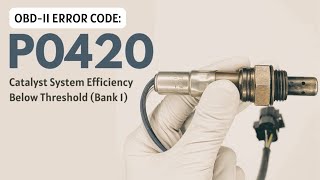
P0420 on 1999-2003 Mazda Protege: Catalyst Efficiency Causes and Fixes
On the 1999-2003 Mazda Protege, P0420 almost always means the catalytic converter has failed, especially on the 2.0L engine where the pre-catalyst in the manifold is known to break apart. Before replacing it, check for exhaust leaks and ensure the rear O2 sensor is functioning correctly, as these are also common and cheaper-to-fix causes.
- P0420 on a 1999-2003 Protege strongly points to a failed catalytic converter, especially if you hear a rattling noise.
- Always check for and repair any exhaust leaks before replacing parts, as this is a common and inexpensive fix.
- Rule out a faulty downstream O2 sensor by testing it with a scan tool; replacing a sensor is much cheaper than a converter.
- If you have any other codes, especially for engine misfires (P0300-P0304), you MUST fix that problem first or you will destroy the new catalytic converter.
What's Unique About the 1999-2003 Mazda Protege
The 1999-2003 Protege (BJ generation) is highly prone to catalytic converter failure with age. On the 2.0L FS-DE engine, the primary issue is often the failure of the warm-up pre-catalyst (precat), which is integrated into the exhaust manifold. Owners frequently report a distinct rattling sound as the internal ceramic honeycomb breaks apart, which can lead to a partial clog and performance issues. While a bad rear O2 sensor or an exhaust leak can trigger the code, a failed converter is the most common diagnosis for this specific vehicle, with forum consensus suggesting it's the cause over 90% of the time.
Symptoms You May Notice
- Check Engine Light is on
- A rattling noise from the engine bay/exhaust, especially on acceleration or cold starts (common with 2.0L pre-cat failure)
- Reduced engine power or hesitation during acceleration
- Poor fuel economy
- A 'rotten egg' or sulfur smell from the exhaust
- Difficulty shifting or transmission hesitation, as a clogged converter can affect engine load calculations
- Immediately replacing the catalytic converter without checking for exhaust leaks or testing the oxygen sensors first. An exhaust leak or a faulty rear O2 sensor is a much cheaper fix and can cause the same code.
- Replacing the upstream O2 sensor instead of the downstream one. The downstream sensor is the one that measures catalyst efficiency.
Most Likely Causes
- Failed Catalytic Converter 🔴 High Probability → Shop Catalytic Converter The pre-catalyst integrated into the exhaust manifold on the 2.0L FS-DE engine is a common failure point. The internal substrate breaks down over time from age, heat cycles, and engine vibrations, causing a physical rattle and loss of efficiency. The 1.6L ZM-DE has a more traditional underbody converter that also fails with age but is less prone to the specific manifold-rattle issue.
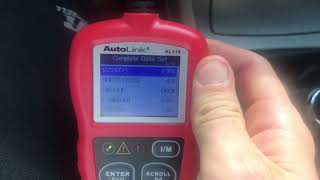
How to confirm: Use a scan tool to observe O2 sensor data; if the downstream sensor voltage graph mimics the upstream sensor, the converter is not working. 🎬 Watch: How to troubleshoot your O2 sensors and converter. An infrared thermometer can also be used; the outlet temperature should be at least 100°F hotter than the inlet on a fully warmed-up engine. A physical inspection by tapping on the converter (when cold) may reveal a rattle from broken internal material.
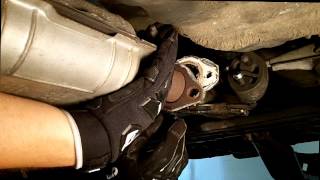
Typical fix: Replace the catalytic converter assembly. On 2.0L models, this means replacing the exhaust manifold. On 1.6L models, it is typically a separate unit under the car.
Est. part cost: $250-$600 for an aftermarket direct-fit unit. - Faulty Downstream Oxygen Sensor 🟡 Medium Probability → Shop Oxygen Sensor Oxygen sensors have a finite lifespan (typically 80k-100k miles) and can become 'lazy' or biased with age, sending inaccurate data to the PCM and falsely triggering a P0420 code. It is a common point of failure on any aging vehicle.
How to confirm: Graph the sensor's voltage with a scan tool. A healthy, warm downstream sensor should show a steady voltage. If it is stuck high, low, or fluctuating wildly for no reason, it is likely faulty. Resistance tests can also be performed on the sensor's heater circuit. Swapping the upstream and downstream sensors (if they are the same part number) can help diagnose if the sensor is the issue.
Typical fix: Replace the downstream (post-catalyst) oxygen sensor.
Est. part cost: $50-$150 - Exhaust System Leak 🟡 Medium Probability Rust is a significant problem for this generation of Mazda, leading to leaks at gasket flanges (manifold-to-engine, converter-to-pipe) or cracks in the exhaust manifold or flex pipe. A leak before the downstream O2 sensor allows outside oxygen to enter, fooling the sensor into thinking the converter isn't working.
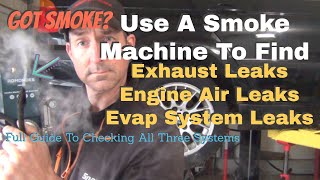
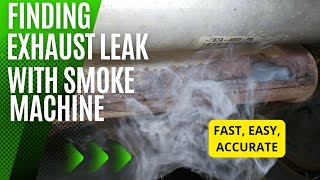
How to confirm: Perform a visual inspection for black soot marks around flanges and welds. Listen for a ticking or hissing noise that is loudest on a cold start. A smoke test is the most definitive way to find small leaks. 🎬 See how to find exhaust leaks with a smoke machine. Some owners report finding elusive leaks that kept triggering the code.
Typical fix: Replace the leaking gasket or repair/replace the cracked exhaust component.
Est. part cost: $10-$100 - Engine Misfires or Rich Fuel Condition ⚪ Low Probability These engines can suffer from failing ignition coils or sticking EGR valves, which can cause misfires (P0300). A known issue with the Variable Tumble Control System (VTCS) can also affect cold-start air/fuel mixtures. A misfire allows unburned fuel to enter the exhaust, which superheats and melts the catalytic converter's internal structure.
How to confirm: Check for other stored trouble codes, especially P0300-P0304 (misfires), P0171/P0172 (fuel trim), or P0401 (EGR). Address these codes FIRST before replacing any exhaust components.
Typical fix: Replace faulty ignition coils, spark plugs, or clean/replace the EGR valve. This is a root cause that must be fixed before replacing the catalytic converter.
Est. part cost: $50-$300
Rare But Worth Checking
- Use of an O2 sensor 'spacer' or 'non-fouler'. Some owners install these devices on the downstream O2 sensor to trick the PCM and clear the P0420 code without fixing the underlying issue. While it may turn off the light, it is illegal for emissions purposes 🎬 Watch this breakdown of P0420 causes and real solutions. and masks the real problem. If you bought the car used, check for this device.
Diagnosis Steps
- Scan for all stored OBD-II codes. If any misfire, fuel system, or oxygen sensor codes are present, diagnose and fix them before proceeding.
- With the engine cold, start the car and listen for any ticking or hissing sounds from the exhaust manifold and downpipe, which would indicate a leak. Check for soot around flanges.
- Visually inspect the exhaust system for cracks, holes, or black soot marks at gaskets, which are signs of a leak. Pay close attention to the flex pipe and manifold welds.
- Use a scan tool with live data capability to graph the upstream (Sensor 1) and downstream (Sensor 2) oxygen sensors with the engine fully warm and at a steady 2,000-2,500 RPM.
- Observe the graphs: The upstream sensor should show rapid fluctuation between ~0.1V and ~0.9V. The downstream sensor should show a much steadier, flatter voltage, typically above 0.5V.
- If the downstream sensor's graph mirrors the upstream sensor's fluctuations, the catalytic converter has failed.
- If the downstream sensor signal is flat but very low (e.g., <0.2V), this could indicate an exhaust leak introducing oxygen. If it's stuck and unresponsive, the sensor itself may be bad.
- (Optional) Use an infrared thermometer to measure the temperature of the exhaust pipe just before and just after the catalytic converter. The outlet should be at least 100°F (38°C) hotter than the inlet. If it's the same temperature or cooler, the converter is not working.
- (2.0L Specific) Gently tap the exhaust manifold with a rubber mallet (engine off and cold) and listen for a rattling sound, which confirms a broken pre-catalyst substrate.
Parts You'll Likely Need
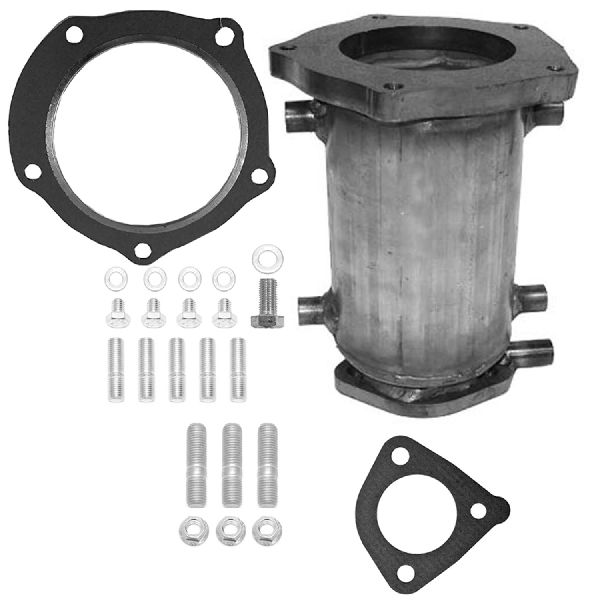
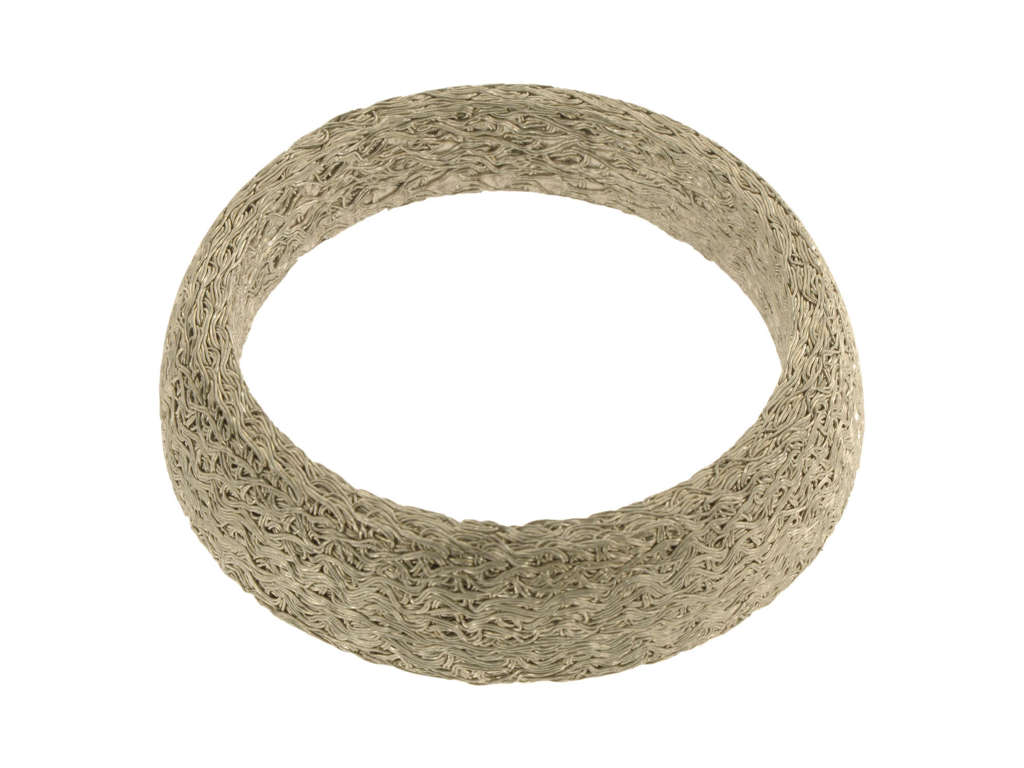
- Catalytic Converter (Manifold or Underbody)
(OEM #FP49-13-450 (2.0L Manifold for Protege5), ZM02-20-500A (1.6L/1.8L Front), ZM02-20-600A (1.6L/1.8L Rear))— This is the most common failure item for P0420 on this vehicle, especially the manifold pre-catalyst on the 2.0L engine.
Trusted brands: Walker, MagnaFlow, Bosal, AP Exhaust, Dorman
OEM price range: $800-$1500+
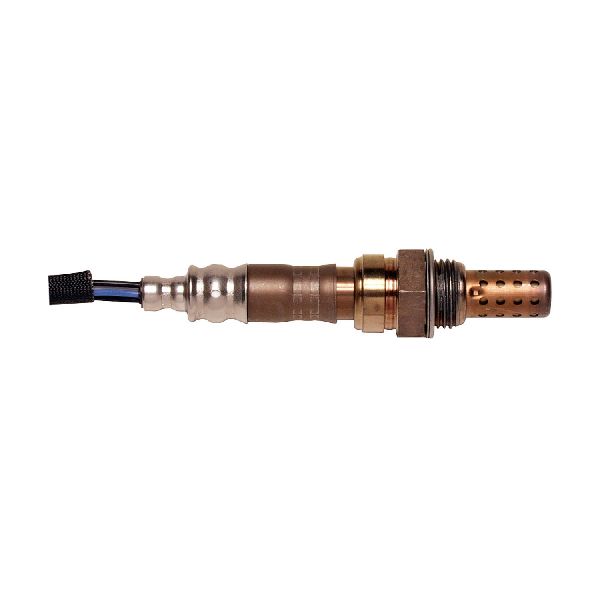
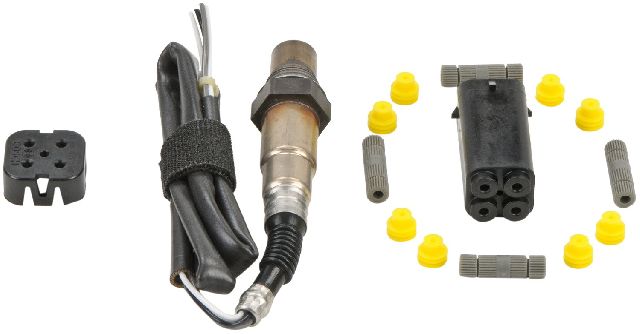
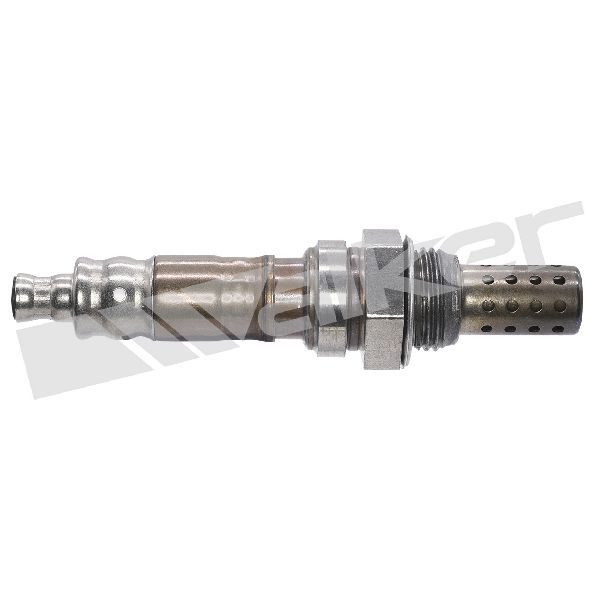
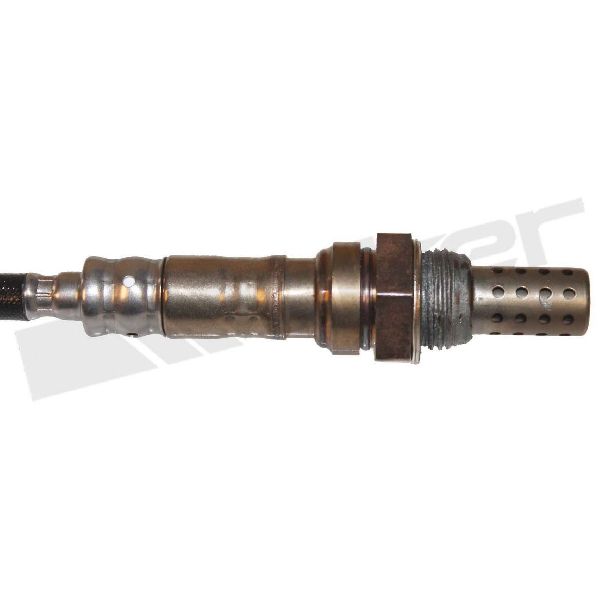
Aftermarket price range: $250-$600 - Downstream Oxygen Sensor (Bank 1, Sensor 2)
(OEM #FSAX-18-861 (Mazdaspeed Protege, may cross-reference))— A faulty downstream sensor is the second most likely cause, as it is responsible for reporting the converter's efficiency to the PCM.
Trusted brands: Denso (O.E. Manufacturer), NGK / NTK, Bosch
OEM price range: $120-$200
Aftermarket price range: $50-$150
Related Codes That Often Appear With This One
- P0300-P0304 — A random or specific cylinder misfire will dump raw fuel into the exhaust, quickly destroying the catalytic converter and leading to a P0420 code.
- P0137 / P0138 — These codes indicate a fault in the downstream oxygen sensor circuit (low or high voltage). A faulty sensor can't accurately report catalyst efficiency, often triggering P0420 as a result.
- P0401 — This code for 'EGR Flow Insufficient' is common on Proteges with sticking EGR valves. A malfunctioning EGR system can affect combustion temperatures and contribute to conditions that damage the catalytic converter.
- P1569 — This code relates to a fault in the Variable Tumble Control System (VTCS) solenoid. This system is active during cold starts to improve emissions, and a fault can affect the air/fuel mixture, potentially contributing to long-term catalyst damage.
Technical Service Bulletins (TSBs) & Recalls
- MT000004166 - ROUGH IDLE - DTC P0300, EGR VALVE STICKING OPEN: While not for P0420 directly, this TSB addresses a common root cause of catalytic converter failure on this platform.
- Emission Recall Campaign #0702F - 1999-2000 Protege 1.8L Ignition Coil: This recall addressed faulty ignition coils, a source of misfires that can destroy the catalytic converter.
Platform-Specific Known Issues
- The pre-catalyst integrated into the exhaust manifold of the 2.0L FS-DE engine is a well-documented failure point. The ceramic brick inside becomes brittle and breaks apart, causing a distinct 'marbles in a can' rattle.
- Severe rust is a major problem on this platform, especially in the rear wheel wells, rocker panels, and subframes. This rust often extends to the exhaust system, causing leaks that can trigger a P0420 code.
Mechanic-Grade Diagnostic Values
- Upstream O2 Sensor (B1S1) Voltage — expected: Fluctuating constantly between 0.1V and 0.9V on a warm, closed-loop engine.. Failure: A lazy, slow-to-respond, or flat-lined signal.
- Downstream O2 Sensor (B1S2) Voltage — expected: A steady, stable voltage, typically between 0.4V and 0.7V, when the catalyst is working efficiently.. Failure: Voltage begins to fluctuate and mimic the upstream sensor's pattern, or reads very low (e.g., <0.2V) which can indicate an exhaust leak.
- Mode $06, MID:$21, TID:$a9 (Catalyst Monitor Bank 1) — expected: The 'Value' should be below the 'Maximum' limit shown on the scan tool. This test measures the switching ratio of the front and rear O2 sensors.. Failure: If the test 'Value' exceeds the 'Maximum' threshold, it indicates the catalyst has failed the onboard diagnostic test, even if the CEL hasn't illuminated yet.
Hidden / Shadow Codes Worth Checking
- Mode $06, MID:$21, TID:$a9: This is not a DTC, but the specific test ID for the Catalyst Efficiency Monitor for Bank 1. It provides the raw data the PCM uses to determine if it should set a P0420 code. Viewing this can show a marginal converter that is about to fail before the light comes on. (see via An advanced OBD-II scan tool that can display Mode $06 test results.)
Wiring & Ground Locations
- PCM Pin 48 (Tach Signal) — At the Powertrain Control Module (PCM) connector. The PCM is typically located behind the center console/glove box area.. While not a direct cause, ensuring the PCM is receiving a clean tachometer signal is crucial for all engine management calculations, including the catalyst monitor which runs under specific RPM and load conditions. A faulty signal could disrupt the test.
- Door Lock Relays Ground — On the driver's side of the brake pedal support structure.. While seemingly unrelated, this location is a known grounding point in the driver's footwell area. Poor grounds in this vicinity can cause a variety of bizarre electrical issues, and while not directly tied to the O2 sensor circuit, it's a good example of how important checking all major chassis grounds is during a complex electrical diagnosis.
Real Owner Repair Stories
- Car Talk Community Forum User (Mazda Protege, year not specified) — P0420 code appeared immediately after having a front exhaust pipe replaced to fix a leak.
❌ Tried (didn't work) Replacing a gasket, which failed again after 1.5 hours., Replacing the front exhaust pipe.
✅ What actually fixed it The user was advised that the new P0420 code was likely due to either damage to an O2 sensor or its wiring during the pipe replacement, or that the original large exhaust leak was masking the P0420 code by tricking the sensors. The final fix was not posted, but the immediate appearance of the code after the repair points to an installation issue or a pre-existing bad converter. - Mazdas247 Forum User (1999 Mazda Protege) — P0420 code, loud metallic rattle when accelerating through 2,500 RPM, and hesitation/jumping during transmission shifts.
❌ Tried (didn't work) The user was in the diagnostic phase.
✅ What actually fixed it The symptoms described (P0420 + metallic rattle) are classic signs of the pre-catalyst in the exhaust manifold breaking apart. Forum consensus confirmed this is the most likely cause, with the rattle being the broken honeycomb substrate and the shifting issues caused by incorrect engine load calculations due to exhaust backpressure. The fix is replacing the exhaust manifold/catalytic converter assembly.
"I Checked Everything" — The Actual Cause
- A common scenario for this vehicle is a cracked exhaust flex pipe. A smoke test might not always reveal a crack that only opens up under the heat and vibration of a running engine. Owners have reported passing a cold smoke test only to later find a visible crack in the flex pipe was the true source of the leak causing a P0420.
Model Year Variations Within This Range
- 2001-2003: The 2001 model year marked a facelift for the Protege. While the core engines remained, there were minor revisions to exhaust components and routing. When ordering parts like a catalytic converter or flex pipe, it is crucial to specify the exact model year, as a part for a 2000 model may not fit a 2001 model correctly.
- 1999-2003: Vehicles could be built with either Federal (EPA) or California (CARB) emissions specifications, regardless of where they were sold. CARB-compliant converters have a higher loading of precious metals and are required for registration in states like CA, NY, CO, and ME. A Federal-spec aftermarket converter may not be legal or pass the visual inspection in these states, and may not have sufficient catalyst material to keep the P0420 code off on a CARB-spec vehicle, even in an EPA state. Always check the under-hood emissions label before ordering a converter.
Diagnostic Flowchart
Other Known Issues on This Vehicle
Issues unrelated to this code that are worth knowing about as an owner of this generation:
- Severe Body and Subframe Rust 🔴 High — Extremely common, especially in salt-belt regions. Rust often appears in rear wheel wells, rocker panels, and can lead to structural failure of the rear subframe.
- Automatic Transmission (FN4A-EL / 4F27E) Failure 🔴 High — Commonly reported to fail between 60,000 and 100,000 miles. Symptoms include harsh shifting, slipping, or complete failure to engage gears.
- Variable Tumble Control System (VTCS) Actuator/Solenoid Failure 🟡 Low — Commonly causes a rattling noise on cold starts and may trigger a check engine light (P1569). The butterfly valves in the intake manifold can stick. Many owners opt to remove the system. (Ref: Mazda issued a service bulletin acknowledging the noise, but no official recall.)
- Ignition Coil Failure 🟠 Medium → Shop Ignition Coil — Failure of the coil-on-plug units is a frequent cause of engine misfires (P030x codes).
- Engine Mount Failure 🟠 Medium — The hydraulic engine mounts are prone to leaking and collapsing over time, leading to excessive engine vibration and noise. The rear mount is particularly difficult to replace.
Used vs. New Parts: Buying Guide for This Vehicle
When a used part is the smart pick: For this repair, used parts are generally not recommended for the catalytic converter or oxygen sensors due to their limited and uncertain remaining lifespan. A used exhaust manifold (on 2.0L models) from a low-mileage, non-rusted donor car could be a viable option if the integrated pre-catalyst is confirmed to be intact (no rattling).
Donor-vehicle mileage cap: roughly under 80000 miles for the part to have meaningful remaining life.
What to inspect on the donor part:
- For a used manifold/converter: Check for the absence of a rattling sound when shaken.
- Inspect for heavy rust, cracks at the welds, or stripped O2 sensor threads.
- Ask for the mileage of the donor vehicle; anything over 80,000 miles carries significant risk.
- Ensure it is the correct part for your vehicle's emissions standard (Federal vs. California).
Aftermarket brands forum-validated for this vehicle:
- Catalytic Converters: MagnaFlow and Walker are widely trusted for providing a good fit and having enough catalyst material to prevent the P0420 code from returning.
- Oxygen Sensors: Denso (often the Original Equipment manufacturer) and NGK/NTK are the most recommended brands for reliability and correct signaling.
Brands owners have reported issues with on this vehicle:
- Unbranded, ultra-cheap catalytic converters from online marketplaces. These often have minimal catalyst loading and are known to fail within months, causing the P0420 code to return.
Real Owner Stories
Aggregated from forums and TSBs cited above. Mileages and costs reflect what owners reported in those sources.
1999 Mazda Protege 1.6L
Symptoms: Check engine light on with code P0420.
What fixed it: The owner investigated the code on a 1.6L LX model, focusing on the catalytic converter and O2 sensors.
Source hint: https://www.clubprotege.com/threads/p0420-in-99-protege-lx-1-6.63473/
1999 Mazda Protege 2.0L FS-DE
Symptoms: Rattling noise during acceleration, issues with shifting, and general 'weirdness' in vehicle behavior alongside the P0420 code.
What fixed it: Identified the rattling pre-catalyst in the exhaust manifold as the failure point.
Source hint: https://www.mazdas247.com/forum/showthread.php?123700351-99-protege-P0420-code-rattling-accel-issues-shifting-weirdness
Related OBD-II Codes
Frequently Asked Questions
My 2.0L FS-DE engine has a rattling noise and a P0420 code. Are these related?
Is there a recall for ignition issues that might cause my catalytic converter to fail?
Can a sticking EGR valve cause a P0420 on my Mazda Protege?
Why is my Protege shifting strangely since the Check Engine Light came on for P0420?
Does the 1.6L ZM-DE engine have the same manifold-rattle issue as the 2.0L?
Can I just replace the O2 sensor to fix the P0420 code?
Helpful Videos

We Have This Part in Stock

The information in this article is provided for general reference and educational purposes only. Vehicle specifications, procedures, and part compatibility can vary by production date, trim level, and region. Always consult your vehicle's factory service manual and verify part numbers before purchasing or performing repairs. Safety-critical components such as airbags, seat belts, and braking systems should be installed by a qualified professional.
- Mazda Protege:
- 🧭 Diagnostic Flowchart
- 🎬 Helpful Videos
- 🛍️ Shop This Part
- What's Unique About the 1999-2003 Mazda Protege
- Symptoms You May Notice
- Most Likely Causes
- Rare But Worth Checking
- Diagnosis Steps
- Parts You'll Likely Need
- Related Codes That Often Appear With This One
- Technical Service Bulletins (TSBs) & Recalls
- Platform-Specific Known Issues
- Mechanic-Grade Diagnostic Values
- Hidden / Shadow Codes Worth Checking
- Wiring & Ground Locations
- Real Owner Repair Stories
- "I Checked Everything" — The Actual Cause
- Model Year Variations Within This Range
- Other Known Issues on This Vehicle
- Used vs. New Parts: Buying Guide for This Vehicle
- Real Owner Stories
- 1999 Mazda Protege 1.6L
- 1999 Mazda Protege 2.0L FS-DE
- Related OBD-II Codes
- Frequently Asked Questions
- 🎟️ Get 5% Off