

P0420 on 2001-2006 Mazda Tribute 3.0L V6: Catalyst Efficiency Causes and Fixes
This code indicates that the catalytic converter for Bank 1 (the cylinder bank near the firewall) is no longer working efficiently. While this often means the catalytic converter needs replacement, it's crucial to first rule out exhaust leaks and faulty oxygen sensors, which are cheaper and common failure points. On this specific engine, the issue is urgent as converter failure can lead to catastrophic engine damage.
- P0420 on this vehicle points to the catalytic converter on the firewall side (Bank 1).
- Before replacing the expensive catalytic converter, you must rule out cheaper causes like exhaust leaks and faulty oxygen sensors.
- Be aware of the serious risk of engine damage on the 3.0L V6 if the pre-converter material breaks apart; this code should not be ignored.
- Always resolve any engine misfire or fuel system codes (like P030x or P0171) before replacing the catalytic converter, or the new one will fail quickly.
- Access to Bank 1 components is very difficult, so budget extra time or labor costs for the repair.
What's Unique About the 2001-2006 Mazda Tribute
The 2001-2006 Mazda Tribute is a mechanical twin to the Ford Escape, and both use the Ford 3.0L Duratec V6 engine. For this specific V6, Bank 1 is the cylinder bank closer to the firewall, which can make accessing its components more difficult. A critical and well-documented issue on these V6 engines is the potential for the pre-catalytic converters (small converters attached to the exhaust manifolds) to break apart. The ceramic honeycomb material can disintegrate, and due to exhaust valve timing and overlap, the debris can be sucked back into the combustion chambers. This causes scoring of cylinder walls, piston damage, and ultimately, catastrophic engine failure. Therefore, a P0420 code on this vehicle should be addressed with extreme urgency, as it could be a precursor to engine destruction.
Symptoms You May Notice
- Check Engine Light is on
- Reduced engine power and poor acceleration, especially if the converter is clogged
- Worse fuel economy than usual
- A rotten egg or sulfur smell from the exhaust, indicating the converter is overheating
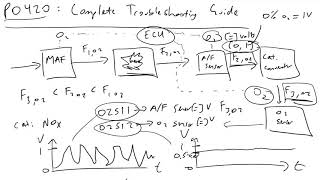
- Inability to pass a state emissions test 🎬 Watch: Complete troubleshooting guide for emissions and smog tests
- Rattling noise from under the vehicle if the converter's internal structure has broken apart
- Engine stalling or difficulty running if backpressure is severe
- Immediately replacing the catalytic converter without checking for exhaust leaks or faulty oxygen sensors first. An exhaust leak can trick the O2 sensor into providing a false reading, leading to an incorrect P0420 code.
- Replacing the upstream (Bank 1, Sensor 1) oxygen sensor. While a faulty upstream sensor can contribute to converter failure over time, it's the downstream sensor (Bank 1, Sensor 2) that is primarily used to measure catalyst efficiency.
- Ignoring underlying misfire or lean condition codes (P030x, P0171/P0174). Replacing the converter without fixing the root cause will result in the new converter failing in a short amount of time.
Most Likely Causes
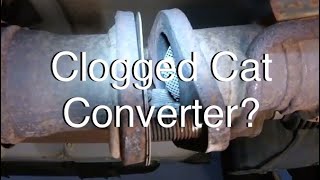
- Failed Catalytic Converter (Bank 1) 🔴 High Probability → Shop Catalytic Converter Catalytic converters are wear items that eventually fail. On the 3.0L V6, the pre-converters integrated into the manifold are a known failure point, notorious for disintegrating and potentially destroying the engine. This failure is often precipitated by other issues like ignition coil failure or leaking intake gaskets.
How to confirm: Use a scan tool to monitor O2 sensor data; the downstream sensor (Bank 1, Sensor 2) voltage should be steady. If it fluctuates like the upstream sensor (Bank 1, Sensor 1), the converter is bad. An infrared temperature gun can also be used; the outlet of a working converter should be significantly hotter (by at least 100°F) than the inlet after the engine is warm. A temperature that is cooler or the same at the outlet indicates a dead converter, while a much hotter inlet can indicate a clog.
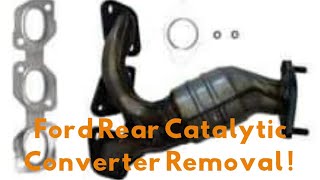
Typical fix: Replace the Bank 1 catalytic converter, which is integrated with the exhaust manifold. 🎬 See this walkthrough for removing the rear catalytic converter It is highly recommended to use a direct-fit converter. Always fix the root cause of the failure (like misfires, oil burning, or vacuum leaks) before installing a new converter to prevent repeat failure.
Est. part cost: $250-$600 for an aftermarket direct-fit converter. - Faulty Downstream Oxygen Sensor (Bank 1, Sensor 2) 🟡 Medium Probability → Shop Oxygen Sensor Oxygen sensors have a finite lifespan and can fail or become slow to respond, sending inaccurate data to the PCM. Access to the Bank 1 (firewall side) sensor is notoriously difficult.
How to confirm: With a scan tool, observe the live data for the Bank 1 Sensor 2. If the voltage is stuck (e.g., at 0V or 1V) or does not respond correctly when the engine's air/fuel mixture is manually altered, the sensor is likely faulty. Test the sensor's heater circuit for proper resistance; a common related code is P0141 for a heater circuit failure.
Typical fix: Replace the Bank 1, Sensor 2 oxygen sensor. Due to difficult access, this may require a specialized 22mm O2 sensor socket, a swivel joint, and long extensions. Penetrating oil is highly recommended as the sensor is often seized.
Est. part cost: $40-$80 for an aftermarket sensor. - Exhaust Leak 🟡 Medium Probability Exhaust manifolds on the 3.0L V6 are known to crack, and flex pipes and gaskets can degrade over time, allowing outside air to enter the exhaust stream before the O2 sensors, which fools the sensor into thinking the converter isn't working.
How to confirm: Visually inspect the exhaust manifold and pipes between the engine and the catalytic converter for black soot marks, cracks, or rust. A smoke machine test is the most effective way to pinpoint a leak. You may also hear a ticking noise that changes with engine RPM, especially when the engine is cold.
Typical fix: Repair the leak. This may involve replacing a gasket, welding a crack, or replacing the entire exhaust manifold if the damage is severe.
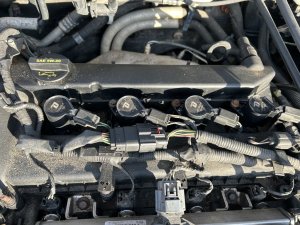
Est. part cost: $10-$300 depending on the source of the leak. - Engine Misfires or Fuel System Issues ⚪ Low Probability The 3.0L Duratec V6 is known for issues like failing ignition coils (often all six are cracked) and leaking upper and lower intake manifold gaskets, which cause misfires or an incorrect air/fuel ratio. These issues dump raw fuel into the exhaust, which superheats and melts the converter.
How to confirm: Check for other diagnostic trouble codes, especially P0300-P0306 (misfires) or P0171/P0174 (lean conditions). Address these codes first. A failing ignition coil can sometimes be diagnosed by observing the power balance on a capable scan tool. Leaking intake gaskets can be found using a smoke machine or by spraying carburetor cleaner around the gasket area and listening for a change in engine RPM.
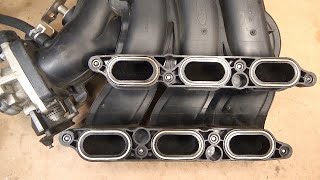
Typical fix: Fix the underlying issue. For this platform, this commonly means replacing all six ignition coils and spark plugs, or replacing the upper and lower intake manifold gaskets. 🎬 Watch: How to replace the upper intake plenum gaskets Failing to do so will quickly destroy a new catalytic converter.
Est. part cost: $50-$500 depending on the root cause.
Rare But Worth Checking
- PCM Software Calibration: Some manufacturers release software updates for the Powertrain Control Module (PCM) to adjust the sensitivity of the P0420 monitoring logic. It's worth checking with a dealer if any TSBs or recalls apply. Ford has issued TSBs like 22-2260 and 25-2233 for other models with similar engines, suggesting a PCM reflash can sometimes resolve overly sensitive catalyst monitors, though none are specific to this exact vehicle.
- Contaminated Fuel or Oil: Excessive oil consumption, often from worn piston rings or valve seals, can contaminate the catalytic converter with phosphorus and other deposits, reducing its efficiency. Similarly, using fuel with high sulfur content can also lead to temporary or permanent catalyst degradation.
Diagnosis Steps
- Check for other DTCs. Address any misfire (P030x), lean/rich (P017x), or oxygen sensor circuit codes (P0141) first, as they are often the root cause.
- Visually inspect the exhaust system from the engine to the rear O2 sensor. Look for cracks, heavy rust, or black soot that indicates a leak. Pay close attention to the exhaust manifold on the firewall side and the flex pipe.
- Use a scan tool with live data capability. Graph the voltage of the upstream (Bank 1, Sensor 1) and downstream (Bank 1, Sensor 2) oxygen sensors with the engine fully warmed up and held at a steady 2,000-2,500 RPM.
- Analyze the O2 sensor graphs. The upstream sensor should fluctuate rapidly between approximately 0.1 and 0.9 volts. A healthy, working converter will cause the downstream sensor to show a much steadier, flatter voltage (typically above 0.45V).
- If the downstream sensor's graph mimics the upstream sensor's rapid switching, the catalytic converter has lost its oxygen storage capacity and has failed.
- If O2 sensor data is inconclusive, perform a temperature check. Use an infrared thermometer to measure the temperature of the exhaust pipe at the inlet and outlet of the catalytic converter. The outlet should be at least 100°F hotter than the inlet on a fully warmed-up, working converter.
- Before replacing the converter, confirm there are no significant vacuum leaks (check fuel trims) or engine misfires that could have caused the original failure.
Parts You'll Likely Need
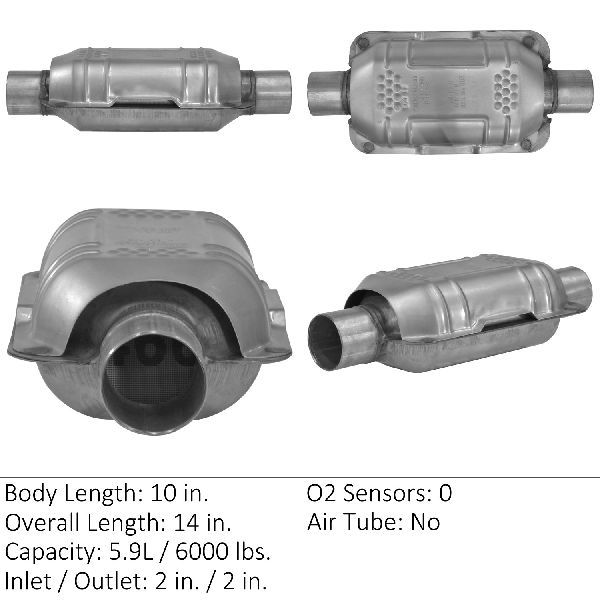
- Bank 1 Catalytic Converter
(OEM #AJ05-20-55XE)— This is the most common direct cause for a P0420 code on an older vehicle, as the catalyst materials degrade over time. On this engine, it is a manifold/converter assembly.
Trusted brands: Walker Exhaust, MagnaFlow, Bosal, Eastern Catalytic
OEM price range: $1100-$1600
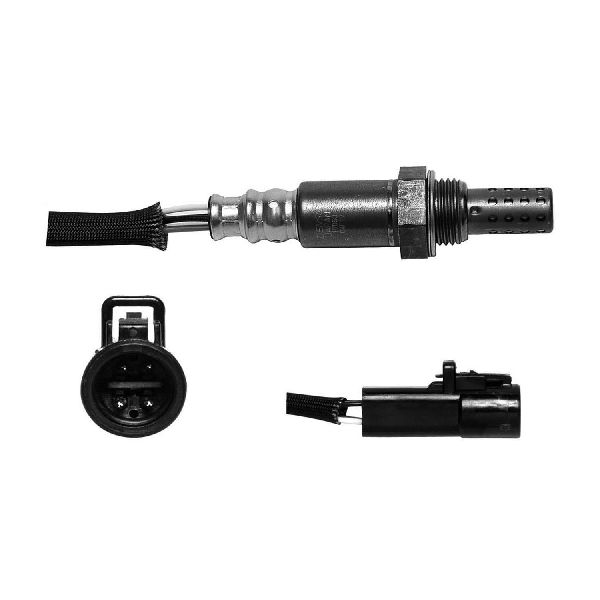
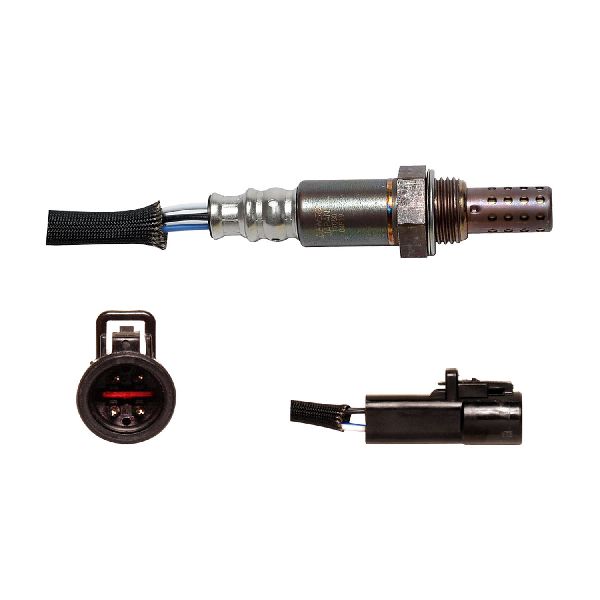
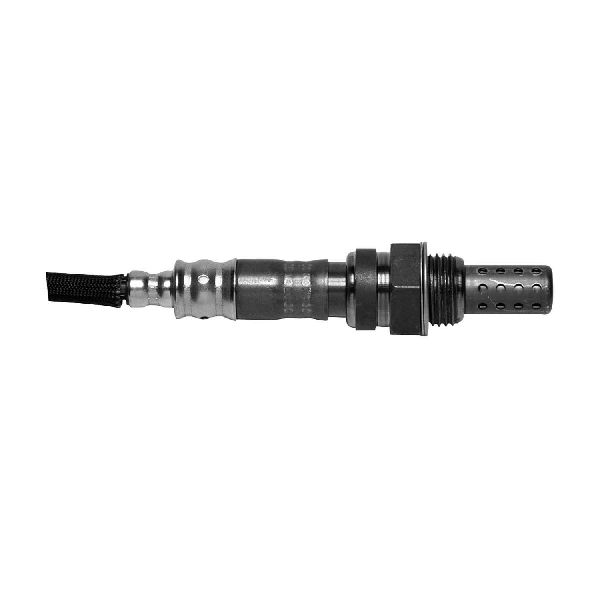
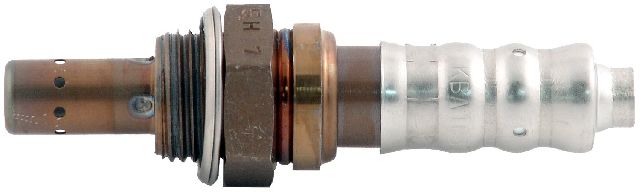
Aftermarket price range: $250-$600 - Downstream Oxygen Sensor (Bank 1, Sensor 2) — This sensor provides the direct measurement for the P0420 code. It can fail and give false readings, or its heater circuit can burn out (P0141).
Trusted brands: Bosch, Denso, NTK
OEM price range: $100-$180
Aftermarket price range: $40-$80 - Upper and Lower Intake Manifold Gasket Set — A very common failure on the 3.0L Duratec V6, these gaskets shrink and harden, causing vacuum leaks that lead to lean codes (P0171/P0174), misfires, and ultimately, catalytic converter failure.
Trusted brands: Fel-Pro, Victor Reinz
OEM price range: $60-$100
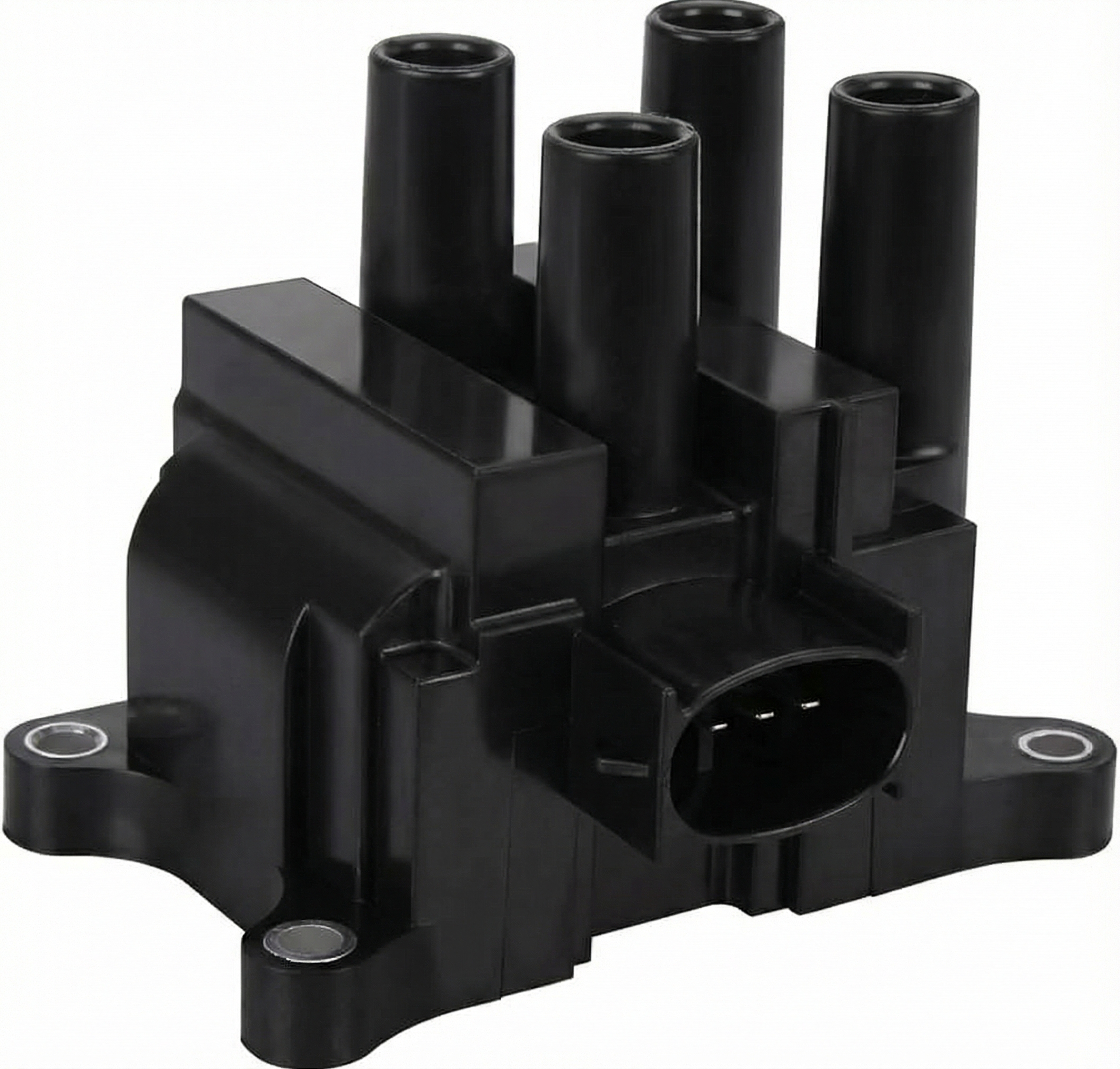
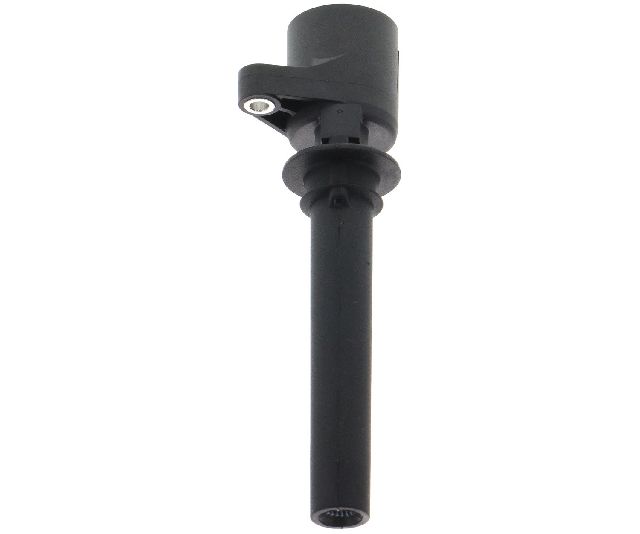
Aftermarket price range: $20-$50 - Ignition Coil — Ignition coils are a frequent failure item, causing misfires (P030x) that dump unburned fuel into the exhaust, destroying the catalytic converter. It's common for the coil housings to crack.
Trusted brands: Motorcraft, Standard Motor Products (SMP), Delphi
OEM price range: $50-$90 per coil
Aftermarket price range: $20-$40 per coil
Related Codes That Often Appear With This One
- P0430 — This is the identical code for Bank 2 (the front/radiator side). If both P0420 and P0430 are present, it may point to a systemic issue like old age, contaminated fuel, or an engine problem affecting both banks, such as leaking intake manifold gaskets.
- P0301-P0306 — These are cylinder-specific misfire codes. A misfire sends unburned fuel into the exhaust, which superheats and melts the internal structure of the catalytic converter, directly causing it to fail and trigger a P0420 code. Cracked ignition coils are a very common cause on this engine.
- P0171 — This code means 'System Too Lean (Bank 1)'. A lean condition, often caused by vacuum leaks (like faulty intake gaskets on this engine) or exhaust leaks, can affect O2 sensor readings and contribute to a P0420 code.
- P0141 — This code indicates a failure in the heater circuit for the same oxygen sensor (Bank 1, Sensor 2) that monitors the catalyst. If the sensor cannot heat up properly, its readings may be inaccurate, potentially leading to a false P0420. It's common to see this code when the sensor itself has failed.
Technical Service Bulletins (TSBs) & Recalls
- Recall 1904D: A recall was issued for 2001-2003 models for a PCM re-calibration to address an engine stalling issue. While not directly for P0420, ensuring your PCM has the latest software is always a good diagnostic step.
Platform-Specific Known Issues
- Pre-Cat Disintegration and Engine Ingestion: The most severe issue for this platform. The ceramic monolith inside the manifold-integrated pre-catalytic converters can break apart. Due to negative pressure pulses in the exhaust during valve overlap, these abrasive ceramic particles can be sucked back into the cylinders, causing rapid and catastrophic engine failure. A P0420 code can be the first and only warning before this occurs.
- Cracked Ignition Coils Causing Repeat Converter Failure: → Shop Ignition Coil A user on MazdaForum.com shared their experience of having a P0420 code, loss of power, and eventually a $2600 bill to replace two catalytic converters. The root cause was found to be all six ignition coils having cracked, which caused misfires that destroyed the new converters. The mechanic noted this is a common failure on Tributes and Escapes.
- Leaking Intake Manifold Gaskets: The upper and lower intake manifold gaskets on the 3.0L V6 are a well-known failure point. They shrink and harden over time, causing vacuum leaks. This leads to lean codes (P0171, P0174), a rough idle, and an improper air/fuel mixture that can stress and eventually damage the catalytic converters.
Mechanic-Grade Diagnostic Values
- Ignition Coil Primary Resistance — expected: Approximately 0.660 ohms. Failure: A reading significantly higher or lower than the expected value, or an open circuit.
- Ignition Coil Secondary Resistance — expected: Approximately 6.1K ohms (6,100 ohms). Failure: A reading significantly outside the expected range, indicating an internal winding failure.
- Downstream O2 Sensor (Bank 1, Sensor 2) Voltage — expected: A steady reading above 0.45V on a warm engine at steady RPM.. Failure: Voltage rapidly switching between ~0.1V and ~0.9V, mimicking the upstream sensor's pattern.
- Mode $06 Catalyst Monitor Index Ratio (Bank 1) — expected: A value below the maximum threshold (e.g., below 0.75).. Failure: The reported value exceeds the maximum limit stored in the PCM, indicating the test failed.
Hidden / Shadow Codes Worth Checking
- Mode $06, Monitor ID $21, Test ID $80: This refers to the test results for the Bank 1 catalyst efficiency monitor. Advanced scan tools can access this data to see the raw test value and the upper limit threshold. This allows a technician to see how close the converter is to failing, even before the P0420 code is set. (see via A professional scan tool or a consumer tool with Mode $06 data capability (e.g., FORScan, high-end Autel/Snap-on scanners).)
Scan Tool Commands That Help
- Ford IDS / FORScan / Capable Generic Scanner: Clear KAM (Keep Alive Memory) — After replacing a catalytic converter, O2 sensor, or fixing a fuel delivery issue, clearing the KAM is crucial. This action erases the long-term fuel trim adaptations and other learned values, forcing the PCM to start fresh with the new components. Failing to do this can cause the old, incorrect learned values to interfere with the new parts, potentially leading to the code returning incorrectly.
Wiring & Ground Locations
- G101 and G104 — These are primary engine bay ground points. G101 is often located near the battery tray, and G104 is at the left front corner of the engine compartment, near the inner fender.. The PCM and all its sensors, including the oxygen sensors, rely on a clean and stable ground reference. Corrosion or a loose connection at these critical points can introduce electrical noise or voltage offsets, causing erratic sensor readings. This can lead the PCM to misinterpret the O2 sensor data and falsely trigger a P0420 code.
- PCM Connector C175 (specifically C175b/C175e) — The Powertrain Control Module (PCM) is located in a recess on the upper center of the firewall, under the cowl.. This is the main connector to the engine computer. When diagnosing a persistent P0420 that isn't solved by replacing sensors or the converter, checking for continuity and voltage at the specific pins for the Bank 1 Sensor 2 O2 sensor is a necessary step to rule out a wiring harness or PCM driver issue.
- O2 Sensor Connector Pigtail — The connector for the oxygen sensor itself, located on the wiring harness near the sensor's physical location on the exhaust.. The wiring and connector are exposed to extreme heat and road debris. Wires can become brittle and break, or the connector pins can corrode, leading to a poor signal. A replacement pigtail connector is available from aftermarket suppliers like Standard Motor Products.
Real Owner Repair Stories
- iATN (International Automotive Technicians Network) forum post (1999 Mercury Sable 3.0L (mechanically similar engine and systems)) — Poor idle quality, misfire, Check Engine Light with P0301 (Cylinder 1 Misfire).
❌ Tried (didn't work) Initial diagnosis pointed towards common causes like vacuum leaks or faulty fuel injectors.
✅ What actually fixed it The actual cause was extreme carbon buildup on the intake valves, which was preventing them from sealing properly. The fix required disassembling the cylinder heads and manually cleaning the valves. This is a crucial reminder that a misfire (a root cause of P0420) can have deeper mechanical causes beyond ignition or fuel.
"I Checked Everything" — The Actual Cause
- A common scenario on the Ford 3.0L V6 is a P0171/P0174 (lean code) accompanying the P0420, which is often caused by leaking lower intake manifold gaskets. A standard smoke test at the throttle body may not always reveal these leaks effectively. The leak is often internal or positioned in a way that it only opens under specific vacuum conditions, fooling the smoke test. The actual cause is the unmetered air from the gasket leak, which affects the O2 sensor readings and can contribute to the P0420 code.
Model Year Variations Within This Range
- 2001-2006: While a facelift occurred in 2005, no significant changes to the 3.0L V6 engine's core exhaust, catalyst, or sensor design that would alter the diagnosis of a P0420 code have been documented. Part numbers for converters and sensors may have minor revisions, but the fundamental causes and fixes remain consistent across this generation.
Diagnostic Flowchart
Other Known Issues on This Vehicle
Issues unrelated to this code that are worth knowing about as an owner of this generation:
- Automatic Transmission Failure 🔴 High — Common, often occurring around 80,000-130,000 miles. Symptoms include harsh shifting, flashing O/D light, or complete loss of gears.
- Leaking Intake Manifold Gaskets 🔴 High — Very common failure. Gaskets shrink and harden, causing vacuum leaks, lean codes (P0171/P0174), rough idle, and poor fuel economy.
- Ignition Coil Failure 🔴 High → Shop Ignition Coil — Extremely common. Coils develop cracks, leading to misfires (P030x), rough running, and subsequent catalytic converter damage. Often fails after exposure to moisture.
- Alternator Failure 🟠 Medium — These vehicles are known for having alternators that fail more frequently than average, sometimes every 2-3 years. Symptoms include dimming lights and battery/charging system warnings.
- Subframe Rust 🔴 High — Common in regions that use road salt. The rear subframe and suspension mounting points can rust severely, leading to safety concerns and costly repairs. (Ref: There have been recalls on similar Ford models, but it's a known issue to inspect regardless.)
- Stalling While Driving 🔴 High — A recall (04V105000) was issued for some 2002-2004 models where the 3.0L V6 engine could stall during deceleration due to an issue with the Idle Air Control (IAC) valve or PCM calibration. (Ref: NHTSA Recall 04V105000)
Used vs. New Parts: Buying Guide for This Vehicle
When a used part is the smart pick: For this repair, using used parts is generally not recommended for the core components. However, a used exhaust manifold (without the integrated converter, if a separate piece) from a low-mileage, rust-free vehicle could be a viable option if the original is cracked. Used O2 sensors are never recommended as their remaining lifespan is unknown.
Donor-vehicle mileage cap: roughly under 80000 miles for the part to have meaningful remaining life.
What to inspect on the donor part:
- For an exhaust manifold, check for any hairline cracks, especially around the flange and collector.
- Ensure all mounting studs are intact and not stripped.
- Verify the vehicle is from a region without heavy road salt use to avoid excessive rust and seized hardware.
OEM-only on this vehicle (don't cheap out):
- Catalytic Converter: While expensive, an OEM converter from Mazda/Ford is the most reliable option. Many cheap aftermarket converters lack sufficient precious metal loading and will fail to keep the P0420 code from returning, especially in states with strict emissions testing.
Aftermarket brands forum-validated for this vehicle:
- Catalytic Converters: MagnaFlow and Walker are widely regarded as the best aftermarket options, offering a good balance of quality and cost. They are more likely to perform correctly and keep the check engine light off long-term compared to generic, unbranded units.
- O2 Sensors: Denso and NTK (a brand of NGK) are often the original equipment manufacturers and are highly recommended for reliable performance.
Brands owners have reported issues with on this vehicle:
- Unbranded, low-cost catalytic converters from online marketplaces like eBay or Amazon. These are notorious for failing within a few months and causing the P0420 code to return, wasting both time and money.
Real Owner Stories
Aggregated from forums and TSBs cited above. Mileages and costs reflect what owners reported in those sources.
2005 Mazda Tribute 3.0L V6
Symptoms: P0420 code, loss of power, and clogged catalytic converters.
What fixed it: Replacement of two catalytic converters and all six ignition coils, which were found to be cracked and causing the misfires that destroyed the converters.
Cost: $2600-$2600
Source hint: MazdaForum.com thread titled 'Tribute 2005 clogging catalytic converters'
Related OBD-II Codes
Frequently Asked Questions
Is there a recall for my 2001-2003 Mazda Tribute regarding engine stalling and catalytic issues?
Why is the Bank 1 catalytic converter on my 3.0L V6 so expensive to replace?
Can I just replace the oxygen sensor to fix P0420 on my Tribute?
Could a vacuum leak be causing my P0420 code?
I hear a rattling noise under my Tribute; is this related to the P0420 code?
Helpful Videos
Used OEM Parts in Stock
New Aftermarket Parts Available

The information in this article is provided for general reference and educational purposes only. Vehicle specifications, procedures, and part compatibility can vary by production date, trim level, and region. Always consult your vehicle's factory service manual and verify part numbers before purchasing or performing repairs. Safety-critical components such as airbags, seat belts, and braking systems should be installed by a qualified professional.
- Mazda Tribute:
- 🧭 Diagnostic Flowchart
- 🎬 Helpful Videos
- 🛍️ Shop This Part
- What's Unique About the 2001-2006 Mazda Tribute
- Symptoms You May Notice
- Most Likely Causes
- Rare But Worth Checking
- Diagnosis Steps
- Parts You'll Likely Need
- Related Codes That Often Appear With This One
- Technical Service Bulletins (TSBs) & Recalls
- Platform-Specific Known Issues
- Mechanic-Grade Diagnostic Values
- Hidden / Shadow Codes Worth Checking
- Scan Tool Commands That Help
- Wiring & Ground Locations
- Real Owner Repair Stories
- "I Checked Everything" — The Actual Cause
- Model Year Variations Within This Range
- Other Known Issues on This Vehicle
- Used vs. New Parts: Buying Guide for This Vehicle
- Real Owner Stories
- 2005 Mazda Tribute 3.0L V6
- Related OBD-II Codes
- Frequently Asked Questions
- 🎟️ Get 5% Off