

P0420 on 2007-2013 Mini Cooper N18: Catalytic Converter and Root Cause Guide
On a 2011-2013 Mini Cooper with the N18 engine, P0420 almost always indicates a failed catalytic converter. However, the converter is usually a victim of an underlying issue like an exhaust leak, engine misfire, or, less commonly than its N14 predecessor, oil consumption. Always diagnose the root cause before replacing the expensive converter, as the new part will fail quickly otherwise.
- P0420 on a Mini Cooper N18 almost always means the catalytic converter has failed, but it's crucial to find out *why* it failed.
- Do not replace the catalytic converter without first thoroughly checking for exhaust leaks, engine misfires, and excessive oil consumption.
- The most reliable diagnostic step is to graph the upstream and downstream O2 sensor data with a scan tool; if the downstream sensor mirrors the upstream, the converter is bad.
- Avoid cheap, universal catalytic converters, as the Mini's emissions system is sensitive and may reject them, causing the code to return.
What's Unique About the 2007-2013 Mini Cooper
This guide covers the second-generation (R56) Mini Cooper, specifically models from 2011-2013 equipped with the N18 turbocharged engine. While its predecessor, the N14 (2007-2010), was infamous for high oil consumption from a faulty PCV system that quickly destroyed catalytic converters, the N18 features an improved design. Although more robust, the N18 is not immune to issues. P0420 on an N18 is still very often a failed converter, but the cause is more likely to be an exhaust leak or an engine running condition (like a misfire) rather than the severe, systemic oil consumption of the N14.
Generation note: The 2007-2013 model years cover the R56 generation of the Mini Cooper. However, this period includes two different turbocharged engines for the Cooper S models: the N14 (2007-2010) and the N18 (2011-2013). This guide focuses on the N18 engine, which has a redesigned PCV system making it less prone to the oil consumption issues that plagued the N14.
Symptoms You May Notice
- Check Engine Light is on
- Reduced engine performance and poor acceleration
- Decreased fuel efficiency
- A sulfur or "rotten egg" smell from the exhaust
- Vehicle will fail an emissions test
- Replacing the oxygen sensors without confirming their failure through live data analysis. The catalytic converter is the more likely culprit for a P0420 code on the R56 Mini.
- Replacing the catalytic converter without fixing the root cause (like an exhaust leak, misfire, or oil consumption). The new converter will be damaged and the code will return.
- Using a low-quality aftermarket catalytic converter. Many forum users report that these parts often don't meet the efficiency standards required by the Mini's ECU, causing the P0420 code to reappear.
Most Likely Causes
- Failed Catalytic Converter 🔴 High Probability → Shop Catalytic Converter The catalytic converter is often the ultimate failure point, but it's typically damaged by another issue. Misfires, oil consumption, or exhaust leaks can cause it to overheat or become contaminated with ash, destroying the precious metals inside. Over time, the high heat and contaminants in the exhaust can damage the ceramic matrix within the converter.
How to confirm: Use a scan tool to graph the voltage of the upstream and downstream O2 sensors. At a steady 2500 RPM, the upstream sensor should fluctuate rapidly, while the downstream should remain relatively steady (around 0.6V-0.8V). If the downstream sensor's graph mirrors the upstream, the converter is not working. Another method is to use an infrared thermometer to check the temperature before and after the converter once the engine is hot. A working converter should be hotter at the outlet than the inlet.
Typical fix: Replace the catalytic converter, which is integrated with the downpipe. Crucially, this must be done *after* fixing the root cause of the failure. Many owners on forums stress that using cheap, universal aftermarket converters often leads to the code returning quickly because they lack sufficient precious metals for the Mini's sensitive ECU.
Est. part cost: $600-$1500 - Exhaust Leak 🟡 Medium Probability The flex pipe and various exhaust gaskets (e.g., manifold-to-head, turbo-to-downpipe) are common leak points due to heat cycles and vibration. A leak before the downstream O2 sensor allows extra oxygen into the exhaust, tricking the sensor into thinking the catalyst isn't working.
How to confirm: Perform a visual inspection for black soot trails around gaskets and flanges. Listen for a ticking or hissing noise, especially when the engine is cold. A professional smoke test is the most definitive way to find a leak.
Typical fix: Replace the leaking gasket or faulty exhaust component (like the flex pipe).
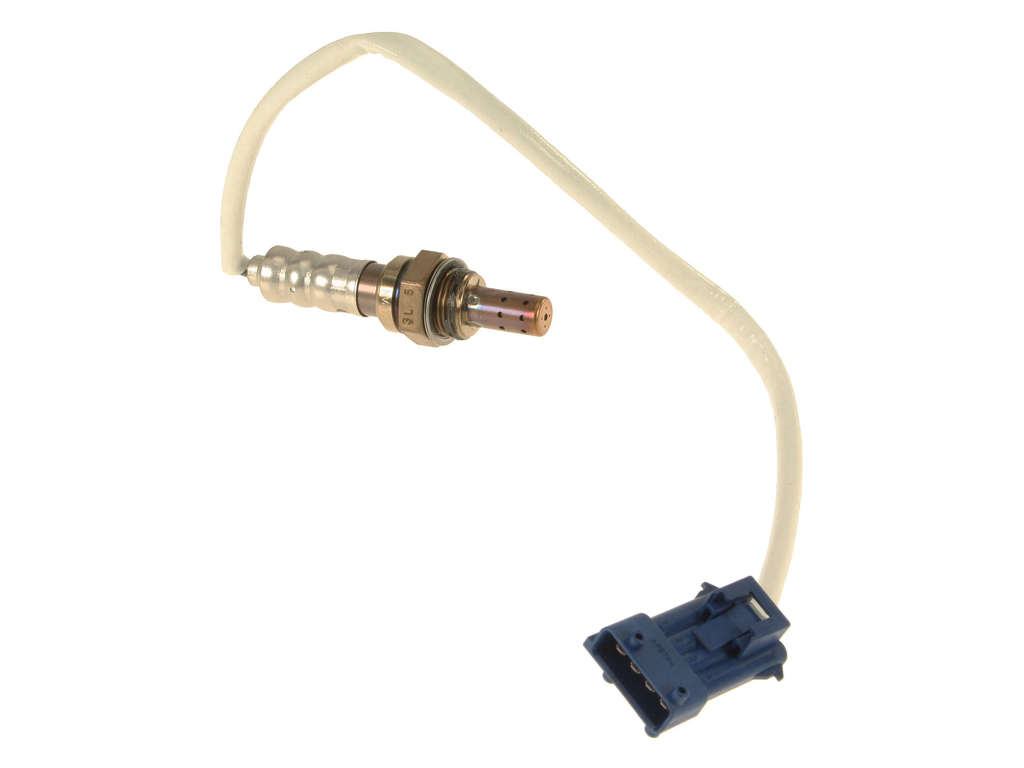
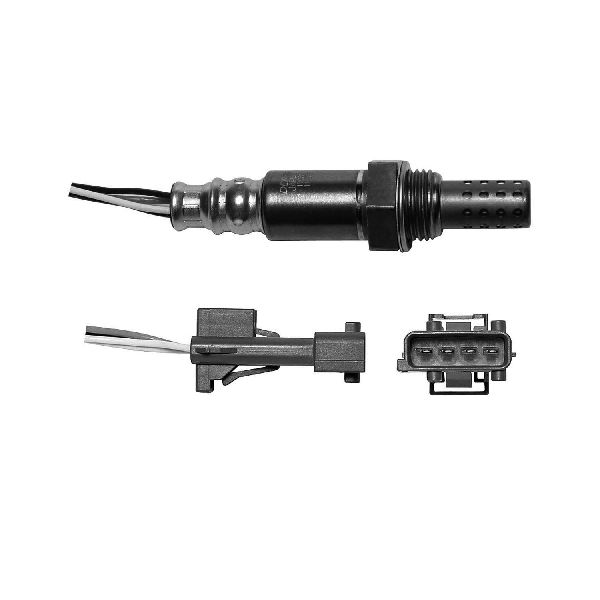
Est. part cost: $20-$300 - Faulty Downstream Oxygen Sensor ⚪ Low Probability → Shop Oxygen Sensor While O2 sensors are wear items, they are often misdiagnosed as the cause of P0420 on these cars. A sensor can become lazy or fail with age, but it's more common for the converter itself to be the issue.
How to confirm: Using a scan tool, watch the live data for the downstream O2 sensor. If the voltage is stuck (e.g., at 0.45V) and never changes, or if it reads erratically, the sensor itself may be faulty. A properly functioning downstream sensor should show a relatively steady voltage, while a bad converter will cause it to mirror the fluctuating upstream sensor.
Typical fix: Replace the downstream (post-catalyst) oxygen sensor.
Est. part cost: $80-$200
Rare But Worth Checking
- Engine Misfires: Unburned fuel from a misfiring cylinder can enter the exhaust and superheat the catalytic converter, causing rapid damage. Address any misfire codes (P0300-P0304) immediately.
- Excessive Oil Consumption: While the N18's PCV system is improved over the N14, it can still fail, leading to oil being burned in the cylinders. This oil contaminates the catalytic converter with ash, reducing its efficiency. Monitor oil levels closely.
- Engine Coolant Temperature (ECT) Sensor Malfunction: A faulty ECT sensor can cause the engine to run rich, dumping excess fuel into the exhaust and damaging the converter over time.
- Engine Timing Issues: Though less common on the N18 than the N14, a stretched timing chain can affect engine performance and exhaust characteristics, potentially contributing to a P0420 code. One user on North American Motoring suspected timing issues after replacing the cat did not solve the code.
Diagnosis Steps
- Check for other stored diagnostic trouble codes (DTCs). Address any misfire, fuel system, or O2 sensor codes before diagnosing P0420.
- Inspect the entire exhaust system for leaks, from the cylinder head to the downstream O2 sensor. Pay close attention to the exhaust manifold gasket and the flex pipe. A smoke test is recommended.
- Use a scan tool with live data capability to monitor the upstream and downstream oxygen sensor voltage readings at a steady 2,500 RPM.
- A properly functioning system will show the upstream O2 sensor voltage fluctuating rapidly, while the downstream O2 sensor voltage remains relatively steady and high (e.g., >0.6V).
- If the downstream O2 sensor voltage fluctuates in a similar pattern to the upstream sensor, the catalytic converter is no longer functioning correctly and likely needs replacement.
- If the downstream O2 sensor voltage is flat or unresponsive, test the sensor and its wiring before condemning the converter.
- Check for excessive oil consumption or signs of coolant loss, as these can contaminate and destroy a new catalytic converter.
- Use an infrared thermometer to measure the temperature of the exhaust pipe before and after the catalytic converter. The outlet should be significantly hotter than the inlet on a functioning converter.
Parts You'll Likely Need
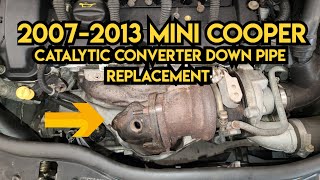
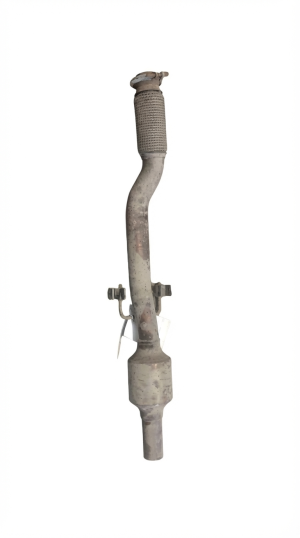
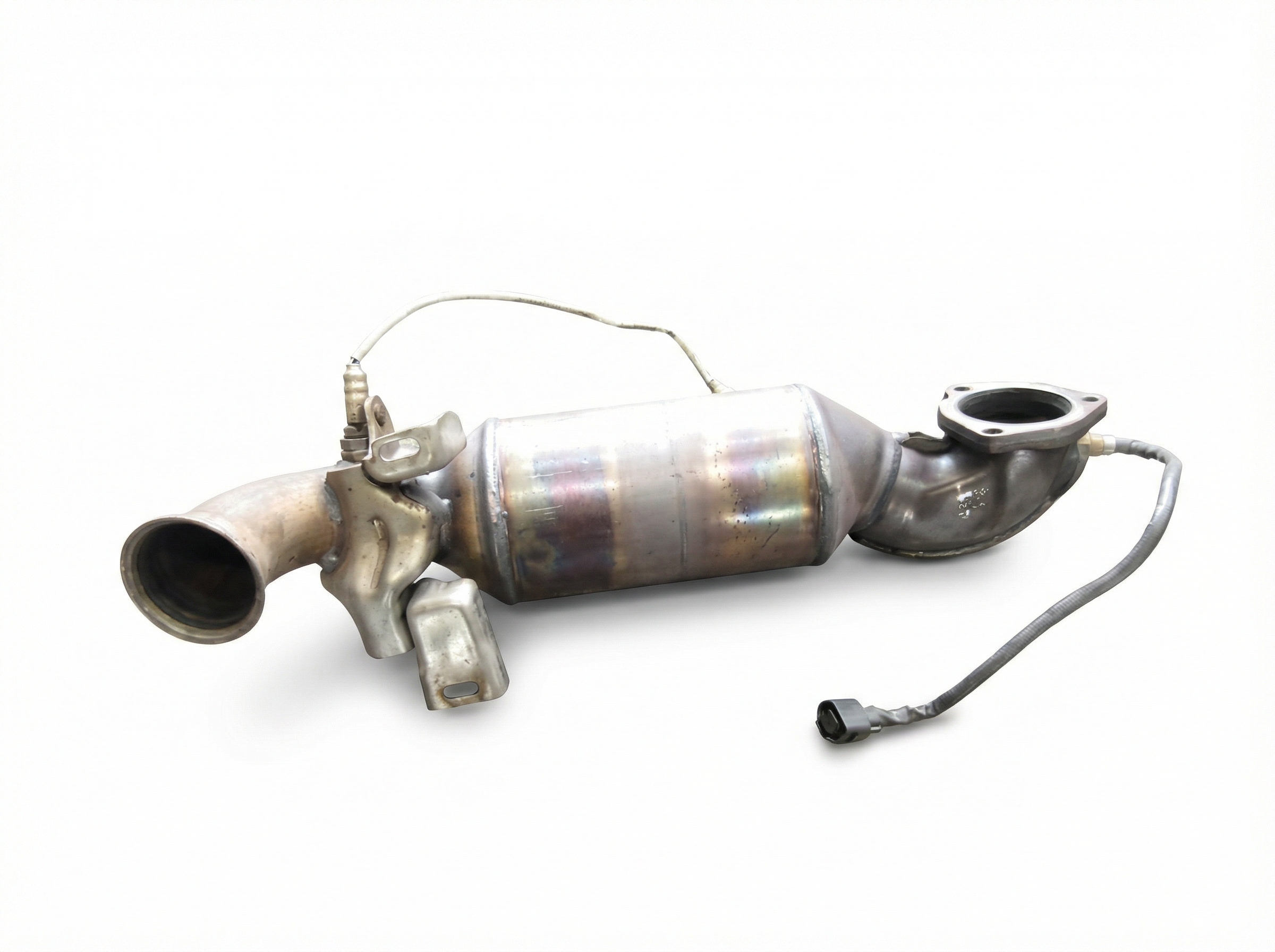
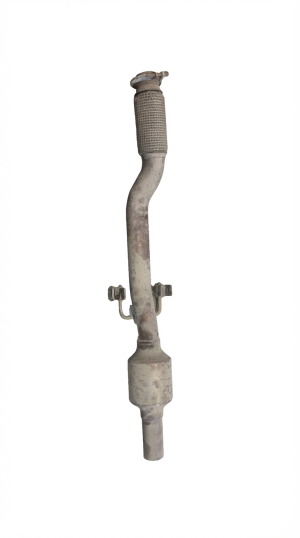
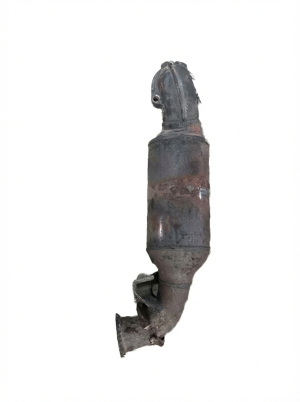
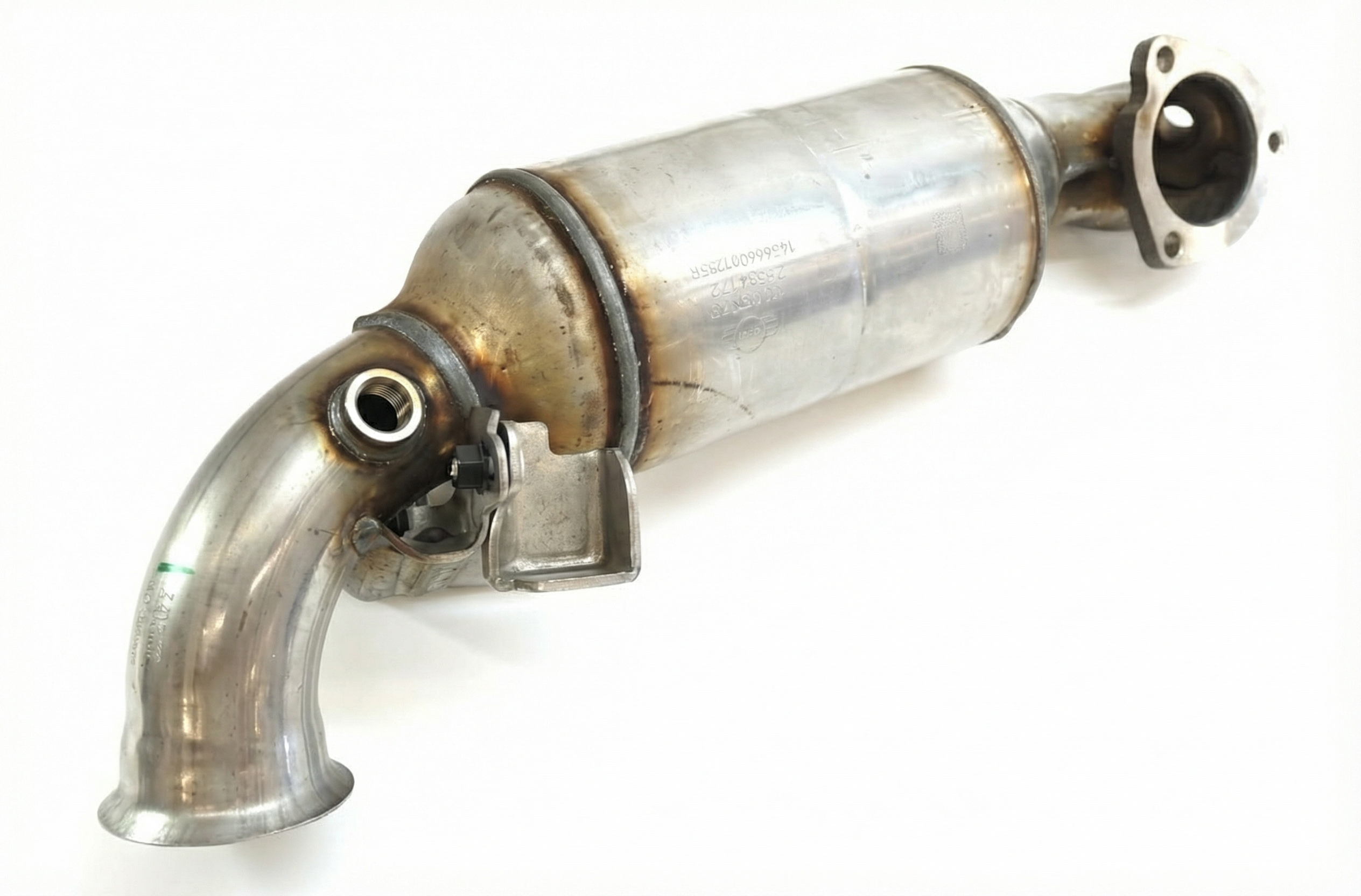
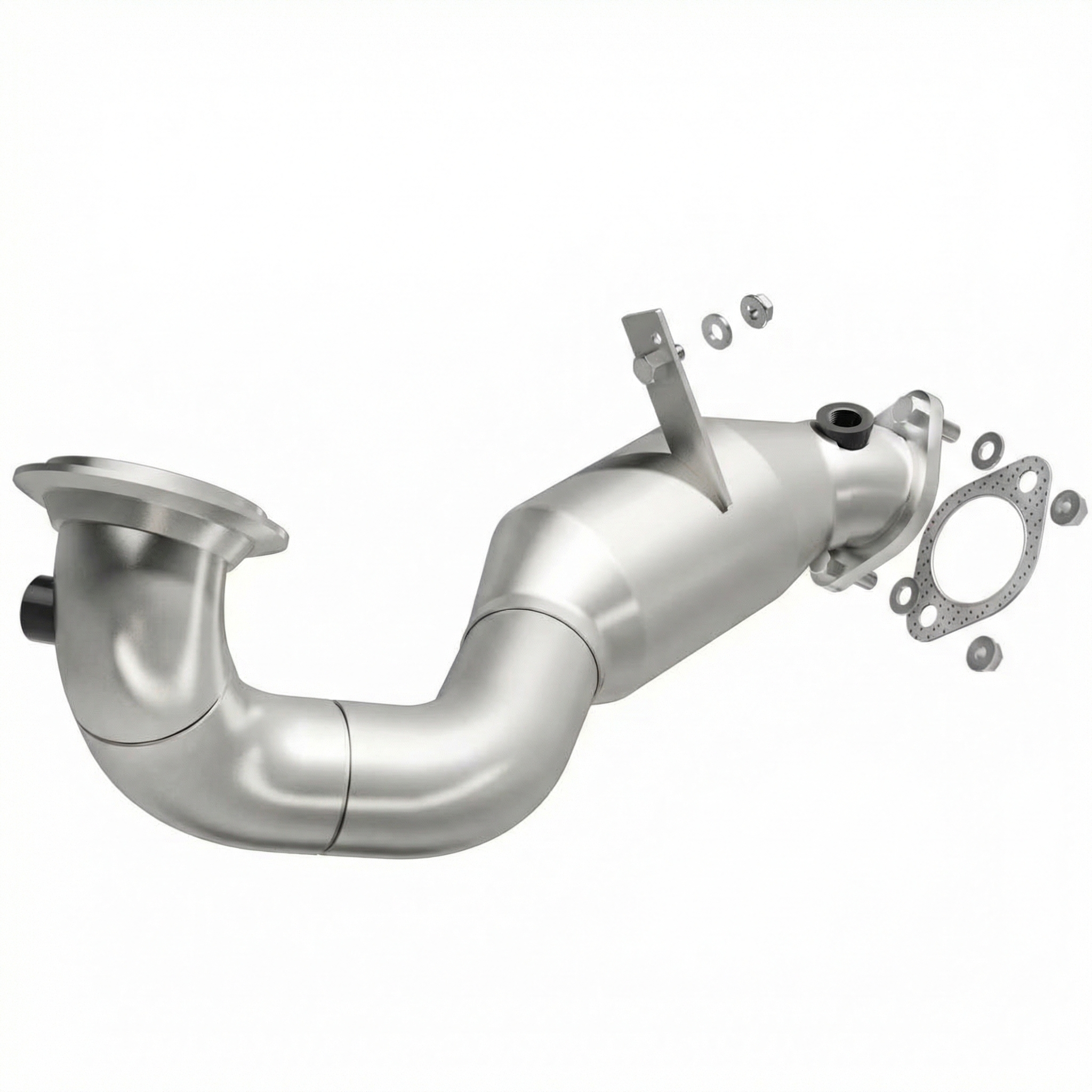
- Catalytic Converter / Downpipe Assembly
(OEM #18307583146, 18307558755, 18307599436)— This is the most common part to fail and trigger the P0420 code, usually as a result of another underlying issue.
Trusted brands: Bosal, Walker Exhaust, MagnaFlow, aFe Power
OEM price range: $1000-$1800
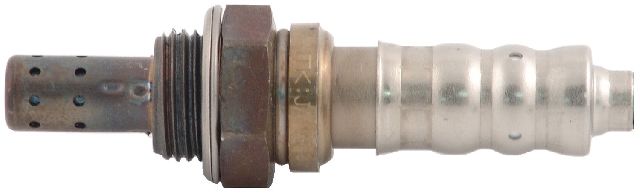
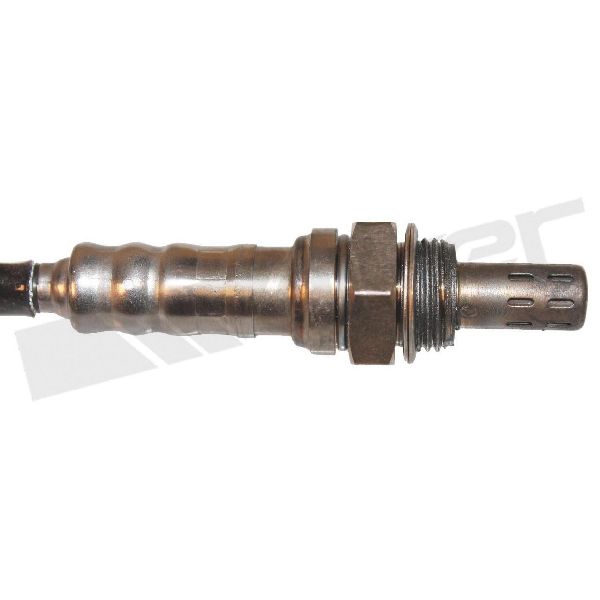
Aftermarket price range: $500-$900 - Downstream Oxygen Sensor
(OEM #11787548961)— Sometimes misdiagnosed, but can fail on high-mileage vehicles, causing incorrect readings that trigger the code.
Trusted brands: Bosch, NTK, Denso
OEM price range: $150-$250
Aftermarket price range: $80-$150 - Exhaust Manifold Gasket
(OEM #18307589503)— A common source of exhaust leaks that can trick the O2 sensors and cause a false P0420 code.
Trusted brands: Victor Reinz, Elring, Fel-Pro
OEM price range: $30-$50
Aftermarket price range: $15-$30
Related Codes That Often Appear With This One
- P030x (e.g., P0301, P0302) — Misfire codes indicate that unburned fuel is entering the exhaust, which can quickly destroy the catalytic converter, leading to P0420.
- P0171 or P0172 — Fuel trim codes (lean or rich) indicate a running condition that can, over time, either overheat or foul the catalytic converter, causing it to fail.
- 2D5A, 2C58 — These are manufacturer-specific codes related to boost pressure control. A boost leak or faulty diverter valve can cause the engine to run rich, which over time can damage the catalytic converter.
Technical Service Bulletins (TSBs) & Recalls
- SIM 11 03 11: While not directly for P0420, this service bulletin addresses an oil lea
Platform-Specific Known Issues
- Owner Experience: Code Persists After Cat Replacement: A user on NorthAmericanMotoring.com with a 2012 N18 reported that the P0420 code returned even after replacing the catalytic converter. The user suspected an engine tuning (remap) issue or a timing problem as the potential root cause after ruling out exhaust leaks and O2 sensors, highlighting the importance of a thorough diagnosis beyond just the converter itself.
Mechanic-Grade Diagnostic Values
- Downstream O2 Sensor Voltage (at steady idle/cruise) — expected: Relatively stable voltage between 0.6V and 0.8V.. Failure: Voltage fluctuates rapidly, mirroring the upstream O2 sensor, or is stuck at a specific value (e.g., 0.45V).
- Upstream O2 Sensor (Wideband) Signal — expected: On a wideband sensor, the reading should hover around a Lambda value of 1.0 at idle and cruise, with voltage typically around 1.5V.. Failure: Stuck Lambda/voltage reading, or readings that don't correspond to engine load.
- Fuel Pressure (High-Pressure Fuel Pump) — expected: The N18 engine relies on a high-pressure fuel system. While specific values vary with load, rail pressure should be stable and respond quickly to throttle input. Low pressure at idle or under load can indicate a failing HPFP.. Failure: Codes for low fuel rail pressure accompanying P0420. A failing HPFP can cause a rich condition, which will damage the catalytic converter over time.
Hidden / Shadow Codes Worth Checking
- 0x2D60: DME: Catalyst system, efficiency below threshold. This is the manufacturer-specific hexadecimal code that directly corresponds to the generic P0420 code. (see via BMW/MINI specific diagnostic software like ISTA, or advanced scanners from brands like Foxwell or Autel that can read manufacturer codes.)
- 2BC1: Mixture Control: Fuel-air mixture too rich. This code often appears alongside P0420 and points towards a root cause, such as a failing HPFP or leaking injector, that is destroying the catalyst. (see via MINI-specific scanners like the Foxwell NT530 or software like ISTA.)
Scan Tool Commands That Help
- ISTA (or equivalent advanced scanner): Clear adaptations — After replacing a major component like the catalytic converter, oxygen sensors, or valve cover, it is critical to reset the engine's learned fuel trim and sensor adaptations. This allows the DME to learn the new components' characteristics correctly and can prevent the code from returning.
- ISTA (or equivalent advanced scanner): Ablage / History Memory Check — Before clearing codes, check the history memory for faults that may not be currently active but could point to the root cause. For example, a past history of misfire or fuel pressure faults could explain why the catalyst failed.
Wiring & Ground Locations
- Engine Bay Ground Points — There are several critical grounds in the engine bay: a braided strap from the battery area to the engine, a ground on the front of the valve cover for the ignition coils, and a cluster of three brown ground wires on the driver's side in front of the firewall, behind the ECM/fuse box.. Corroded or loose engine grounds can cause erratic sensor readings, including from the oxygen sensors. Cleaning these points is a crucial, often overlooked, step in diagnosing electronic faults like P0420.
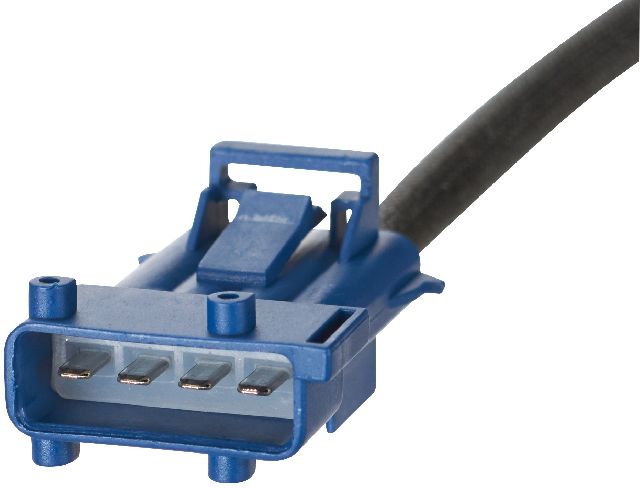
- Downstream O2 Sensor Connector — The downstream O2 sensor has a thin, blue electrical connector located in the engine bay, which can be accessed from above.. The connector itself can be a point of failure. A user on North American Motoring reported resolving a P0136 (O2 sensor circuit malfunction) that accompanied their P0420 by discovering the connector was not fully seated, which is an easy mistake to make with its design.
Real Owner Repair Stories
- Motoring Alliance forum user (R56 MINI Cooper S with an aftermarket header and cat-back exhaust.) — P0420 code appeared after installing aftermarket exhaust parts.
❌ Tried (didn't work) Swapping the upstream and downstream O2 sensors, Using a standard, cheap aftermarket exhaust gasket (Vibrant brand)
✅ What actually fixed it The root cause was a very small exhaust leak at the header-to-cat-back joint. Replacing the cheap gasket with a high-quality Remflex graphite exhaust gasket created a proper seal and permanently resolved the P0420 code. - Reddit user r/MINI (R56 Mini Cooper) — Persistent P0420 code.
❌ Tried (didn't work) Replaced upstream O2 sensor, Replaced downstream O2 sensor, Replaced catalytic converter with an eBay unit, Replaced timing chain, Replaced cracked air intake hose, Replaced catalytic converter a second time with a used unit from Facebook Marketplace
✅ What actually fixed it The user's thread ended without a final confirmed fix, serving as a cautionary tale about the difficulty of diagnosing the issue and the high probability that cheap aftermarket or used catalytic converters will not solve the problem.
OEM Part Supersession History
18307583146, 18307558755→18307599436— Part consolidation and potential design updates by MINI/BMW over the vehicle's lifespan.
Heads up: This part is often available as a remanufactured unit from MINI, which can be a cost-effective alternative to a brand new part.
Model Year Variations Within This Range
- 2011-2013: The N18 engine used in 2011-2013 models is a significant update over the 2007-2010 N14. It features Dual VANOS and an improved PCV system, making it less prone to the catastrophic oil consumption that commonly destroyed catalytic converters on the N14. While P0420 still occurs, the root causes are more likely to be age-related failures like exhaust leaks or misfires rather than a systemic engine design flaw.
Diagnostic Flowchart
Other Known Issues on This Vehicle
Issues unrelated to this code that are worth knowing about as an owner of this generation:
- Timing Chain Tensioner Wear & 'Death Rattle' 🔴 High — Although improved from the N14, the N18 can still suffer from timing chain stretch and guide failure, often noticeable as a rattling noise on cold starts. Failure to address can lead to catastrophic engine damage. (Ref: SIM 11 03 11 addresses a related oil leak from the tensioner seal.)
- High-Pressure Fuel Pump (HPFP) Failure 🔴 High → Shop Fuel Pump — N18 engines built before March 2012 are particularly prone to HPFP failure, which can cause long crank times, rough idle, misfires, and sudden loss of power.
- Plastic Thermostat Housing Leaks 🟠 Medium — The plastic thermostat housing is a very common failure point, prone to cracking and causing coolant leaks. This can lead to overheating if not addressed promptly.
- Intake Valve Carbon Buildup 🟠 Medium — As a direct-injection engine, the N18 is susceptible to carbon buildup on the intake valves, which isn't washed by fuel. This typically requires walnut shell blasting every 40,000-60,000 miles to resolve symptoms like rough idle and hesitation.
- Turbo Oil Feed Line Leaks 🟠 Medium — The seals on the turbo oil feed line can degrade from heat, causing oil to leak onto the hot turbocharger or exhaust manifold, resulting in a burning smell and potential fire risk.
- Valve Cover / PCV System Failure 🟡 Low → Shop Engine Valve Cover — The integrated PCV system in the valve cover can still fail, leading to increased oil consumption, rough idle, and oil leaks from various seals due to excessive crankcase pressure.
Used vs. New Parts: Buying Guide for This Vehicle
When a used part is the smart pick: For this repair, a used part is generally not recommended for the catalytic converter itself due to the unknown history and high risk of it being already contaminated or inefficient. A used OEM part is a possibility but requires careful inspection. Used parts for related fixes like exhaust hangers or heat shields are perfectly acceptable.
Donor-vehicle mileage cap: roughly under 60000 miles for the part to have meaningful remaining life.
What to inspect on the donor part:
- For a used catalytic converter, inspect the honeycomb structure from both ends with a light. It should be intact, with no signs of melting, clogging, or large black spots.
- Check for any rattling inside the converter, which indicates the ceramic brick has broken apart.
- Avoid converters from vehicles with known engine issues, especially high oil consumption or head gasket failure.
OEM-only on this vehicle (don't cheap out):
- Catalytic Converter: Strongly recommended to use Genuine MINI (new or remanufactured) or a high-quality, EPA-compliant aftermarket brand. Many forum users and mechanics report that cheap, universal, or non-compliant aftermarket converters lack sufficient precious metals and will cause the P0420 code to return quickly.
Aftermarket brands forum-validated for this vehicle:
- Bosch or NTK for Oxygen Sensors
- aFe Power, MagnaFlow for Catalytic Converters (ensure they are EPA/CARB compliant for your state)
- Remflex for high-quality exhaust gaskets, especially for aftermarket systems
Brands owners have reported issues with on this vehicle:
- Unbranded, low-cost catalytic converters from online marketplaces like eBay are frequently cited by owners as failing to resolve the P0420 code.
Real Owner Stories
Aggregated from forums and TSBs cited above. Mileages and costs reflect what owners reported in those sources.
2012 Mini Cooper N18
Symptoms: The P0420 code returned even after the catalytic converter was replaced.
What fixed it: The owner suspected an engine tuning (remap) issue or a timing problem after ruling out exhaust leaks and O2 sensors.
Source hint: NorthAmericanMotoring.com user report in vehicle_specific_issues
2007-2013 Mini Cooper R56
Symptoms: Check Engine Light with P0420 code; diagnostic discussion regarding the catalytic converter.
What fixed it: Users suggested checking for exhaust leaks first before condemning the catalytic converter.
Source hint: Reddit r/MINI thread discussing P0420 on an R56
Related OBD-II Codes
Frequently Asked Questions
Can I use a universal aftermarket catalytic converter on my Mini Cooper N18 to save money?
Does TSB SIM 11 03 11 relate to my P0420 code?
Why is my Mini Cooper N18 smelling like rotten eggs when the Check Engine Light is on?
How can I tell if my downstream O2 sensor is actually bad or if it's the converter?
Could an exhaust leak cause a P0420 on my R56 Mini?
Helpful Videos
Used OEM Parts in Stock
New Aftermarket Parts Available

The information in this article is provided for general reference and educational purposes only. Vehicle specifications, procedures, and part compatibility can vary by production date, trim level, and region. Always consult your vehicle's factory service manual and verify part numbers before purchasing or performing repairs. Safety-critical components such as airbags, seat belts, and braking systems should be installed by a qualified professional.
- Mini Cooper:
- 🧭 Diagnostic Flowchart
- 🎬 Helpful Videos
- 🛍️ Shop This Part
- What's Unique About the 2007-2013 Mini Cooper
- Symptoms You May Notice
- Most Likely Causes
- Rare But Worth Checking
- Diagnosis Steps
- Parts You'll Likely Need
- Related Codes That Often Appear With This One
- Technical Service Bulletins (TSBs) & Recalls
- Platform-Specific Known Issues
- Mechanic-Grade Diagnostic Values
- Hidden / Shadow Codes Worth Checking
- Scan Tool Commands That Help
- Wiring & Ground Locations
- Real Owner Repair Stories
- OEM Part Supersession History
- Model Year Variations Within This Range
- Other Known Issues on This Vehicle
- Used vs. New Parts: Buying Guide for This Vehicle
- Real Owner Stories
- 2012 Mini Cooper N18
- 2007-2013 Mini Cooper R56
- Related OBD-II Codes
- Frequently Asked Questions
- 🎟️ Get 5% Off