

P0420 on 2003-2006 Subaru Baja: Catalyst Efficiency Causes and Fixes
On a 2003-2006 Subaru Baja, code P0420 is most often caused by an exhaust leak or a failing catalytic converter. Before replacing the expensive converter, thoroughly check for exhaust leaks between the two oxygen sensors, as this is a very common and cheaper fix. Many owners refer to P0420 as 'The Subaru Code' due to its frequency and the ECU's sensitivity.
- Do not replace the catalytic converter without first ruling out cheaper and more common causes.
- Your first step should always be a thorough inspection for exhaust leaks between the front and rear oxygen sensors.
- Use a scan tool to analyze live sensor data. If the rear O2 sensor's readings mirror the front sensor's, the catalytic converter is likely bad.
- If you replace the catalytic converter, use a quality OEM or aftermarket part, as cheap converters often fail to resolve the P0420 code on Subarus.
- Always address other engine codes, especially for misfires (P030x) or lean/rich conditions (P0171/P0172), before diagnosing the P0420.
What's Unique About the 2003-2006 Subaru Baja
The Subaru Baja, with its EJ-series boxer engine, is particularly susceptible to P0420 due to a few key factors. The boxer engine's design can contribute to conditions like oil consumption from head gasket leaks or rich fuel mixtures that are hard on catalytic converters over a long life. More commonly, the exhaust systems on these older Subarus are prone to rust, making exhaust leaks at gaskets and flanges a frequent cause of false P0420 codes. The Subaru ECU is also known to be exceptionally sensitive, flagging the P0420 code when catalyst efficiency drops only slightly. Owners often mistakenly replace the expensive catalytic converter when the true, and much cheaper, culprit is an exhaust leak.
Symptoms You May Notice
- Check Engine Light is on
- Flashing cruise control light; cruise control is disabled (a standard Subaru safety feature whenever a CEL is active).
- Failure to pass emissions testing.
- Potential for slightly reduced fuel economy or performance, though often not noticeable by the driver.
- A 'rotten egg' smell from the exhaust if the converter is overheating, which is rare.
- A rattling sound from the exhaust if the internal honeycomb of the converter has broken apart.
- Replacing the catalytic converter without first checking for exhaust leaks. This is an expensive and common mistake.
- Replacing the oxygen sensors without confirming they are faulty through scan tool data or testing.
- Using a cheap, universal, or non-CARB compliant catalytic converter that doesn't have enough precious metals to satisfy the Subaru's sensitive ECU, causing the code to return shortly after replacement.
Most Likely Causes
- Exhaust Leak 🔴 High Probability Older Subaru exhaust systems are prone to rust, especially at the flange gaskets (like the donut gasket) and flex pipes. A leak before the rear O2 sensor allows oxygen in, tricking the ECU into thinking the catalyst isn't working.
How to confirm: Visually inspect the entire exhaust system from the engine to the tailpipe for rust, holes, or black soot stains, especially around gaskets. A common method is to have an assistant block the tailpipe with a rag while the engine is running and listen for hissing sounds. A professional smoke test is the most definitive way to find a leak. 🎬 See how to perform a professional exhaust leak test A DIY smoke test can be performed with a shop vac set to blow, taped to the tailpipe, and spraying soapy water on cold exhaust joints to look for bubbles.
Typical fix: Replace the leaking gasket or damaged exhaust component. The triangular gasket between the manifold and converter and the donut gasket after the converter are common culprits.
Est. part cost: $10-$50 for gaskets - Failing Catalytic Converter 🔴 High Probability → Shop Catalytic Converter High mileage, heat cycles, and potential contamination from oil (due to head gasket issues) or coolant shorten the converter's life.
How to confirm: After confirming no exhaust leaks or sensor issues, use a scan tool to graph the front and rear O2 sensors. If the rear sensor voltage graph mimics the front sensor's fluctuating graph, the converter is not storing oxygen and has likely failed. An infrared thermometer can also be used; the outlet of the converter should be significantly hotter (e.g., 100°F+) than the inlet on a fully warmed-up engine.
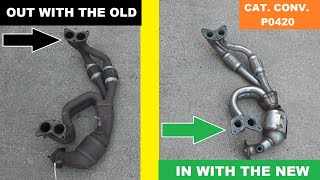
Typical fix: Replace the catalytic converter assembly. 🎬 Watch: How to replace your converter using basic hand tools Using a quality aftermarket (e.g., Walker, MagnaFlow) or OEM part is highly recommended, as Subarus are notoriously sensitive to cheap converters that cause the code to return.
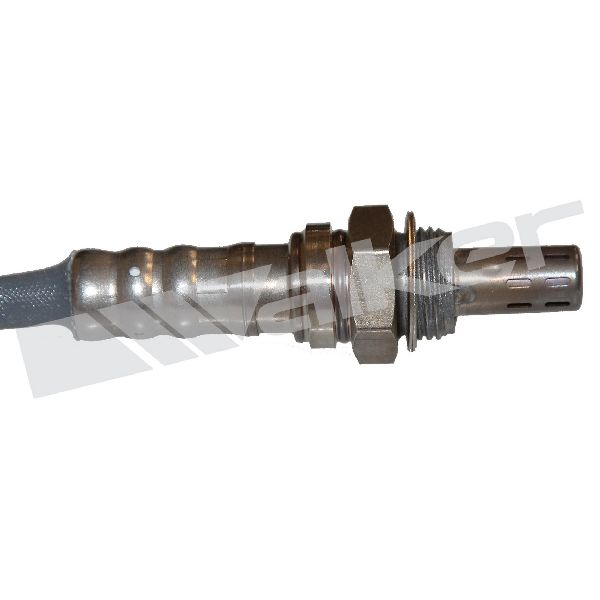
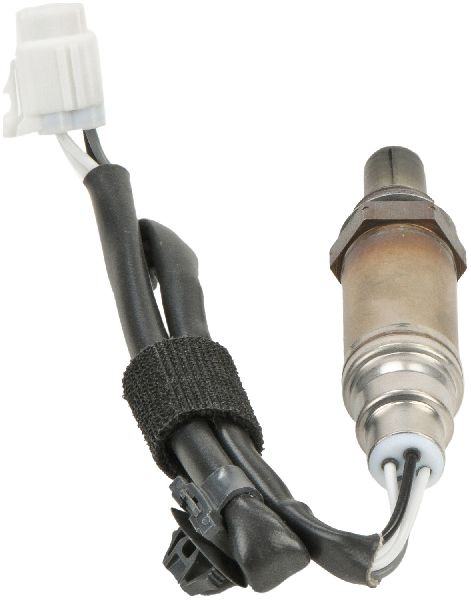
Est. part cost: $400-$1200 - Faulty Rear Oxygen Sensor 🟡 Medium Probability → Shop Oxygen Sensor The sensor degrades over time from heat and exhaust contaminants. It can become 'lazy' or biased, sending inaccurate data to the ECU that triggers a false P0420.
How to confirm: With a scan tool, observe the rear O2 sensor's voltage with the engine at operating temperature and held at a steady 2,500 RPM. It should be relatively stable (typically above 0.6V). If it is flatlined, stuck, or fluctuates rapidly like the front sensor, the sensor itself may be bad. The heater circuit resistance can also be tested with a multimeter and should be between 5-10 ohms.
Typical fix: Replace the rear (downstream) oxygen sensor. Soaking the old sensor threads with penetrating oil is highly recommended due to rust. Denso is the OEM supplier and is highly recommended.
Est. part cost: $50-$150 - Faulty Front Air/Fuel Ratio Sensor ⚪ Low Probability → Shop Oxygen Sensor This sensor is critical for fuel control. If it fails or becomes lazy, it can cause a persistent rich or lean condition that damages the catalytic converter over time.
How to confirm: A failing front A/F sensor will often set its own codes (like P0171, P0172) or show abnormal fuel trim values on a scan tool. The P0420 code is a secondary symptom in this case. If fuel trims are significantly off, this sensor is a prime suspect.
Typical fix: Replace the front (upstream) Air/Fuel Ratio sensor. Address this before replacing the converter to prevent damaging the new part. Denso is the OEM supplier.
Est. part cost: $100-$200
Rare But Worth Checking
- Underlying Engine Issues (Oil/Coolant Consumption): This is critical to check. The EJ25 engine is known for potential head gasket leaks, which can be external or internal. Coolant or oil entering the exhaust will quickly destroy O2 sensors and catalytic converters by contamination. If you are adding oil or coolant between changes, this must be investigated before replacing any exhaust parts.
- Engine Misfires or Fuel System Problems: Unburnt fuel from a misfiring cylinder or a leaking fuel injector will superheat and melt the inside of the catalytic converter. If you have any misfire codes (P030x), they MUST be fixed before addressing the P0420.
Diagnosis Steps
- Check for any other stored trouble codes. Address any misfire, fuel system, or sensor circuit codes before proceeding with P0420 diagnosis.
- Perform a thorough visual and auditory inspection of the exhaust system for leaks. Pay close attention to the gaskets between the exhaust manifold, catalytic converter, and center pipe. A smoke test is the most reliable method.
- If no obvious leaks are found, use a scan tool to monitor live data from the front A/F sensor (Bank 1, Sensor 1) and the rear O2 sensor (Bank 1, Sensor 2) at a steady cruise (around 2500 RPM).
- A healthy front sensor will show a rapidly fluctuating waveform. The rear sensor should show a relatively steady, high voltage (e.g., >0.6V).
- If the rear sensor's voltage is fluctuating rapidly, mirroring the front sensor, the catalytic converter is not functioning correctly.
- If the rear sensor's voltage is stuck low (e.g., <0.2V), is unresponsive, or very slow to react, the sensor itself may be faulty. Test the sensor's internal heater resistance with a multimeter; it should be approximately 5-10 ohms.
- Check engine oil and coolant levels and inspect for signs of leaks (e.g., milky oil, oil in coolant) to rule out head gasket issues that could contaminate new parts.
- If all other possibilities are ruled out, the catalytic converter is the most likely cause.
Technical Service Bulletins (TSBs) & Recalls
- Bulletin #09-110-23R: This bulletin announces specific diagnostic service procedures to be followed when DTC P0420 is detected by the Engine Control Module (ECM) in Subaru vehicles.
- Bulletin #09-131-25: Manufacturer records indicate that P0420 may be falsely detected due to unstable combustion caused by a downshift; updated reprogramming files contain enhanced software to rectify this.
- Bulletin #09-131-25R: This record notes the availability of reprogramming files to rectify P0420 and P2404 codes, though it specifies certain model year exclusions.
Parts You'll Likely Need
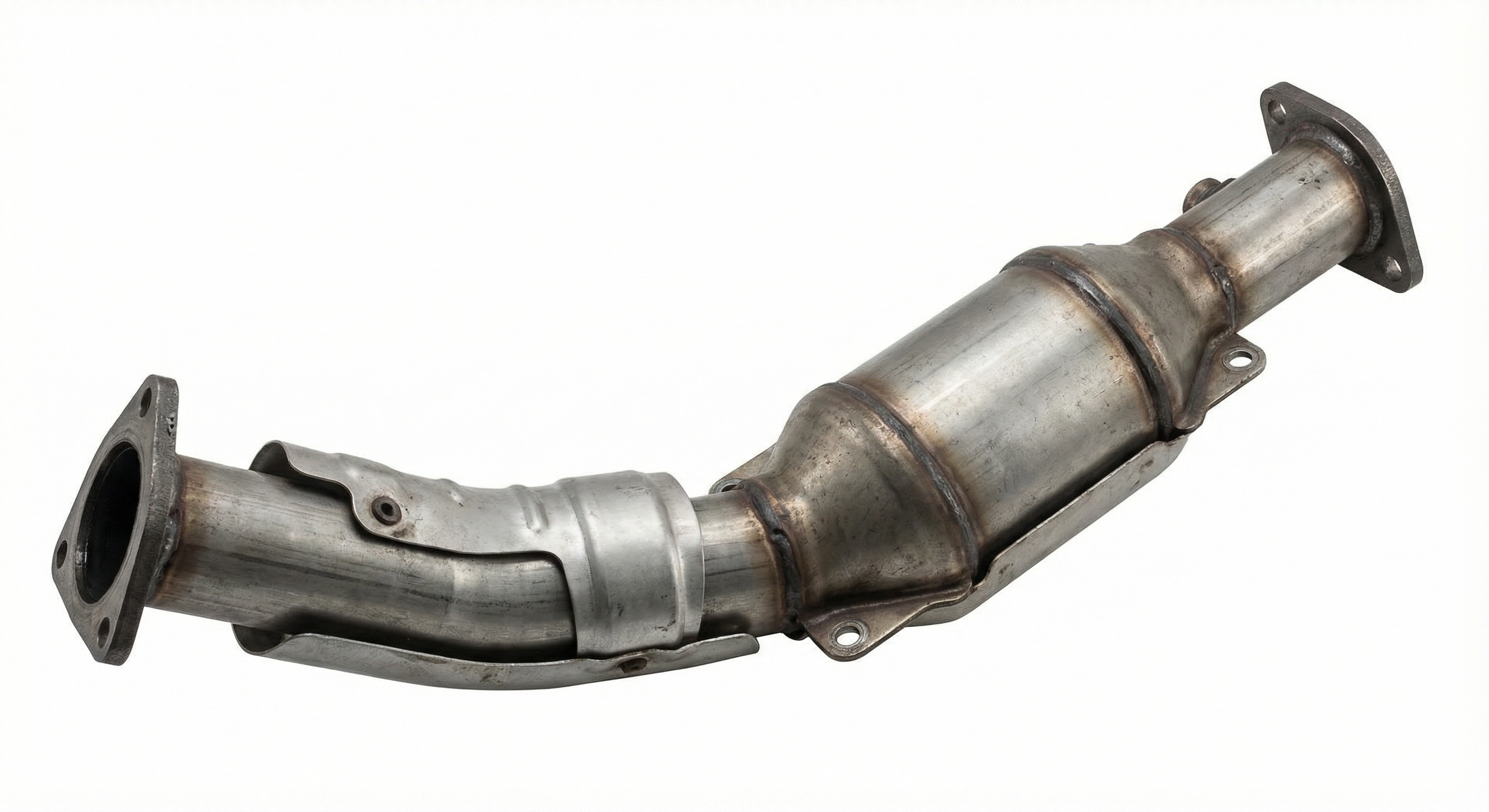
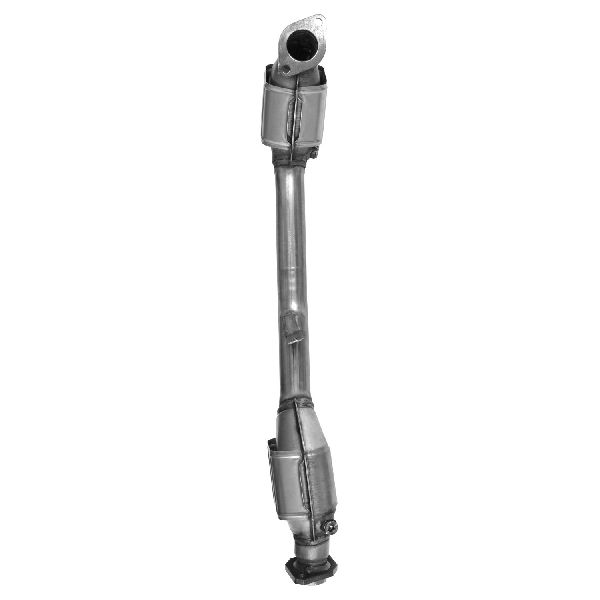
- Catalytic Converter Assembly
(OEM #44139AE06A (Federal), 44139AE07A (California))— This is the direct cause of a true P0420 code when the catalyst material has degraded from age or contamination.
Trusted brands: Subaru (OEM), Walker (CalCat/Federal), MagnaFlow (OEM Grade), Eastern Catalytic
OEM price range: $900-$1500
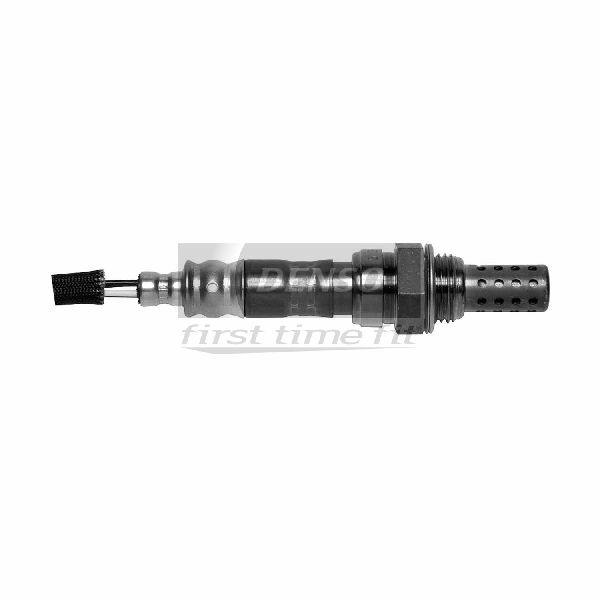
Aftermarket price range: $400-$800 - Rear Oxygen Sensor
(OEM #22690AA640)— A faulty rear O2 sensor can send incorrect data, falsely triggering the P0420 code. It's also often replaced with the converter as good practice.
Trusted brands: Denso (OEM Supplier, Part #234-4732), NGK/NTK
OEM price range: $120-$180
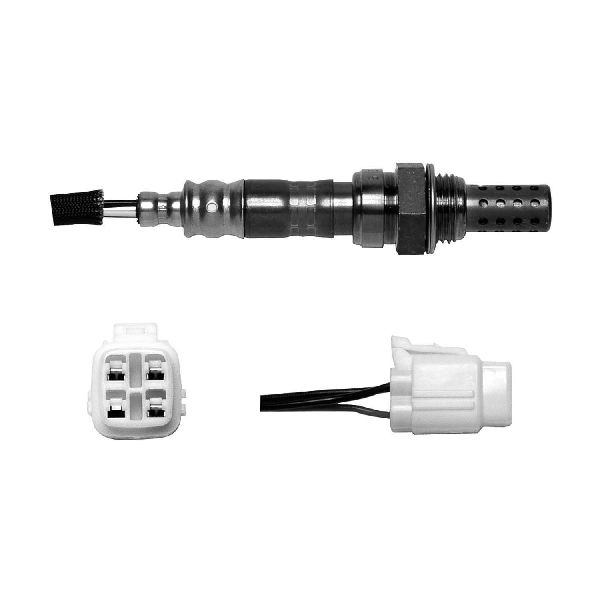
Aftermarket price range: $50-$100 - Front Air/Fuel Ratio Sensor
(OEM #22641AA272)— A lazy front A/F sensor can cause fuel control issues that lead to P0420 and eventual catalyst failure.
Trusted brands: Denso (OEM Supplier, Part #234-9122), NGK/NTK
OEM price range: $150-$220
Aftermarket price range: $100-$160 - Exhaust Flange Gaskets
(OEM #44022AA123 (Donut Gasket), 44011AE01A (Triangular Manifold Gasket))— These gaskets are a common failure point due to rust and heat cycles, causing exhaust leaks that trigger a false P0420 code.
Related Codes That Often Appear With This One
- P0171 — System Too Lean. This can appear with P0420 if there is an exhaust leak before the front A/F sensor or a vacuum leak, causing the engine to run lean.
- P030x (e.g., P0301, P0302) — Cylinder Misfire. A misfire dumps raw fuel into the exhaust, which is a primary cause of catalytic converter failure. Misfire codes must be fixed first.
Platform-Specific Known Issues
- Subarus are known to be sensitive to aftermarket catalytic converters. A low-quality, cheap converter may not have enough precious metal loading to satisfy the ECU, causing the P0420 code to return.
- Severe rust can make removing oxygen sensors and exhaust bolts extremely difficult, often requiring heat or cutting.
Mechanic-Grade Diagnostic Values
- Rear O2 Sensor Heater Circuit Resistance — expected: 5 to 10 Ohms. Failure: An open circuit (infinite resistance) or a very high reading (e.g., over 50 Ohms) indicates a failed heater element within the sensor.
- Rear O2 Sensor Voltage (at steady 2,000-2,500 RPM, engine warm) — expected: Relatively stable voltage above 0.6V. Failure: Voltage fluctuates rapidly, mirroring the front A/F sensor, indicating a failed catalyst. Voltage stuck low or unresponsive indicates a potential sensor failure.
Scan Tool Commands That Help
- Subaru Select Monitor (SSM) or equivalent advanced scan tool: Catalyst Diagnosis Readiness Monitor / Drive Cycle Execution — After replacing a catalytic converter or O2 sensor, the ECU's readiness monitors must be reset and run to completion to verify the fix and turn off the CEL. This requires a specific drive cycle.
- Any advanced scan tool: Subaru Catalyst Monitor Drive Cycle — To force the ECU to re-test the catalytic converter's efficiency after a repair. The cycle typically involves a cold soak (10+ hours), followed by driving for 15 minutes at a steady speed over 50 MPH.
Real Owner Repair Stories
- NHTSA ODI #11628507 — An owner reported that the check engine light illuminated intermittently for over a month. Upon taking the vehicle to the dealer, DTC P0420 was retrieved and the vehicle was diagnosed with catalytic converter failure.
- NHTSA ODI #11524713 — A driver noted that while the vehicle had a new starter and alternator, all lights stayed on and the only code that appeared was P0420.
- Commenter on 'MrSubaru1387' YouTube video (Subaru (model not specified, but general advice applies)) — Persistent P0420 code that kept returning after multiple dealer visits.
❌ Tried (didn't work) Dealer replaced the entire exhaust system, including the turbo., Dealer reflashed the PCM., Dealer tested the fuel system., Owner serviced the ignition system.
✅ What actually fixed it The owner cleaned the MAF and MAP sensors and replaced a dirty aftermarket air filter with an OEM Subaru air filter. The theory was that the dirty/restrictive filter and contaminated sensors were giving false air readings, leading to a fuel mixture issue that the ECU interpreted as catalyst inefficiency. The code did not return for 14,000 miles after this fix. - Reddit user in r/SubaruForester (2009 Subaru Forester) — P0420 code with blinking cruise control and solid traction control light.
❌ Tried (didn't work) Ignoring the code for a month, which previously led to needing new spark plugs.
✅ What actually fixed it The owner replaced a very dirty engine air filter. After replacing the filter and letting the car sit for two hours, the check engine light turned off and did not return during their drive. This suggests a potential airflow issue was contributing to the code.
"I Checked Everything" — The Actual Cause
- In some cases, a P0420 can be triggered by issues completely unrelated to the exhaust system. One owner reported fixing a persistent P0420 code, that even a full exhaust replacement by the dealer couldn't solve, by cleaning the MAF/MAP sensors and replacing a clogged aftermarket air filter with an OEM one. This corrected an air/fuel mixture problem that was mimicking a catalyst efficiency issue.
When the Usual Fixes Don't Work
- While the most common causes are exhaust leaks and the catalytic converter itself, there are numerous forum and video reports of the P0420 code being resolved by addressing seemingly unrelated issues. One of the most notable is restricted air intake. A severely clogged engine air filter, especially a poor-quality aftermarket one, combined with dirty MAF and MAP sensors, can cause the engine to run with an incorrect air-fuel mixture. The ECU may interpret the resulting exhaust composition as a fault of the catalytic converter. Before committing to expensive exhaust work, a thorough cleaning of the intake path and sensors, along with installing a quality OEM air filter, has been shown to resolve the code for some owners.
OEM Part Supersession History
22690AA420, 22690AA540→22690AA640— Standard part evolution and consolidation by the manufacturer.
Heads up: The newer part number (22690AA640) is the correct replacement for the older numbers on the specified vehicles.44139AE06A (Federal Emissions)→N/A, but often confused with California emissions part 44139AE07A.— N/A
Heads up: Federal and California emissions catalytic converters are not interchangeable. Using the wrong one will likely result in a failed emissions test and may not fit correctly. Ensure you order the correct part for your vehicle's originally specified emissions standard.
Model Year Variations Within This Range
- 2003-~2004 (EJ251) vs. ~2004-2006 (EJ253): The core short block of the EJ251 and EJ253 are largely interchangeable, but the cylinder heads, intake manifolds, and wiring can differ. The EJ253 heads may feature AVLS (Active Valve Lift System), which the EJ251 does not have. For a P0420 diagnosis, these differences are minor as the exhaust layout and sensor strategy are the same, but it's critical to use the correct sensors and gaskets for the specific engine version you are working on.
Diagnostic Flowchart
Other Known Issues on This Vehicle
Issues unrelated to this code that are worth knowing about as an owner of this generation:
- Head Gasket Failure 🔴 High — Common on the EJ251/EJ253 engines, typically occurring between 100k-150k miles. The failure is often an external oil leak or an internal coolant/combustion leak.
- Rear Subframe/Body Rust 🔴 High — Very common in regions that use road salt. The rear subframe, wheel arches, and rocker panels are particularly susceptible to severe corrosion.
- Wheel Bearing Failure 🟠 Medium — Front and rear wheel bearings are a common wear item and often fail earlier than on other vehicles, typically noticeable by a loud humming or grinding noise that changes with speed.
- Oil Leaks from Separator Plate / Cam Seals 🟠 Medium — The engine's rear oil separator plate (often plastic from the factory) and camshaft seals are common sources of oil leaks as the vehicle ages.
Used vs. New Parts: Buying Guide for This Vehicle
When a used part is the smart pick: Used parts are generally not recommended for this repair, with the exception of the exhaust piping itself (not the converter). If a section of pipe is rusted or damaged, a clean, rust-free used section from a donor vehicle in a dry climate can be a cost-effective replacement.
Donor-vehicle mileage cap: roughly under 100000 miles for the part to have meaningful remaining life.
What to inspect on the donor part:
- For exhaust pipes: Check for heavy rust, especially at flanges and welds. Tap it with a hammer to listen for internal rattling, which indicates rust flakes or failed baffles.
- Avoid parts from the 'rust belt' or areas with heavy road salt usage.
- Never buy a used catalytic converter; its remaining life is unknown, and it may be the reason the donor car was scrapped.
OEM-only on this vehicle (don't cheap out):
- Catalytic Converter: Subarus are notoriously sensitive to the precious metal loading in converters. Many aftermarket cats, especially budget-priced ones, will cause the P0420 code to return within a few months. An OEM or high-quality, OEM-grade aftermarket converter (like MagnaFlow or Walker) is strongly advised to ensure a lasting repair.
- Engine Air Filter: As a cheap and critical part, using an OEM filter is a smart move. Some owners have traced persistent P0420 issues to poor airflow from aftermarket filters.
Aftermarket brands forum-validated for this vehicle:
- Denso (for both Front A/F and Rear O2 sensors - they are the OEM supplier).
- NGK/NTK (for both Front A/F and Rear O2 sensors).
- MagnaFlow or Walker (for catalytic converters, ensure it is the correct OEM-grade or CARB-compliant version for your state).
Brands owners have reported issues with on this vehicle:
- Unbranded, 'universal', or suspiciously cheap catalytic converters found on sites like eBay or Amazon.
- Off-brand oxygen sensors not made by Denso or NGK/NTK, as they can have different response characteristics that the Subaru ECU may not like.
Real Owner Stories
Aggregated from forums and TSBs cited above. Mileages and costs reflect what owners reported in those sources.
2003-2006 Subaru Baja 2.5L
Symptoms: The dreaded P0420 code appeared on the dashboard.
What fixed it: The owner discussed the sensitivity of the Subaru ECU and the commonality of exhaust leaks being the true cause rather than the converter itself.
Source hint: Reddit r/SubaruBaja thread titled 'The dreaded P0420 catalytic converter'
2003-2006 Subaru Baja 2.5L
Symptoms: P0420 code triggered; owner questioned if it was a sensor or the cat.
What fixed it: Diagnosis focused on checking for exhaust leaks and testing the rear O2 sensor before condemning the expensive converter.
Source hint: BobIsTheOilGuy.com forums thread 'Subaru Baja P0420 code question'
2000-2004 Subaru Outback 2.5L EJ251/EJ253
Symptoms: P0420 code present.
What fixed it: The issue was traced back to exhaust leaks or the rear O2 sensor rather than a failed catalytic converter.
Source hint: SubaruOutback.org thread 'P0420 diagnosis'
Related OBD-II Codes
Frequently Asked Questions
Why is my cruise control light flashing and the system disabled on my Subaru Baja along with the P0420 code?
I've heard Subarus are picky about parts; what brand of sensors should I use for my EJ251/EJ253?
Can I use a cheap universal catalytic converter on my Baja to save money?
Could my Baja's history of head gasket issues be related to this P0420 code?
How can I check for exhaust leaks on my Subaru without professional tools?
Helpful Videos
Used OEM Parts in Stock
New Aftermarket Parts Available


The information in this article is provided for general reference and educational purposes only. Vehicle specifications, procedures, and part compatibility can vary by production date, trim level, and region. Always consult your vehicle's factory service manual and verify part numbers before purchasing or performing repairs. Safety-critical components such as airbags, seat belts, and braking systems should be installed by a qualified professional.
- Subaru Baja:
- 🧭 Diagnostic Flowchart
- 🎬 Helpful Videos
- 🛍️ Shop This Part
- What's Unique About the 2003-2006 Subaru Baja
- Symptoms You May Notice
- Most Likely Causes
- Rare But Worth Checking
- Diagnosis Steps
- Technical Service Bulletins (TSBs) & Recalls
- Parts You'll Likely Need
- Related Codes That Often Appear With This One
- Platform-Specific Known Issues
- Mechanic-Grade Diagnostic Values
- Scan Tool Commands That Help
- Real Owner Repair Stories
- "I Checked Everything" — The Actual Cause
- When the Usual Fixes Don't Work
- OEM Part Supersession History
- Model Year Variations Within This Range
- Other Known Issues on This Vehicle
- Used vs. New Parts: Buying Guide for This Vehicle
- Real Owner Stories
- 2003-2006 Subaru Baja 2.5L
- 2003-2006 Subaru Baja 2.5L
- 2000-2004 Subaru Outback 2.5L EJ251/EJ253
- Related OBD-II Codes
- Frequently Asked Questions
- 🎟️ Get 5% Off