

P0420 on 2017-2023 Subaru Legacy: Catalyst Efficiency Causes and Fixes
P0420 on a 2017-2023 Subaru Legacy indicates failing catalytic converter efficiency. Before replacing the expensive converter (often $2,000+), first check for cheaper causes like a faulty rear oxygen sensor, a bad front air/fuel ratio sensor, or an exhaust leak. A proper diagnosis is critical to avoid unnecessary costs, as this code is notoriously common and frequently misdiagnosed across the Subaru lineup.
- P0420 means the catalytic converter on Bank 1 (passenger side) is not working efficiently, but the converter itself isn't always the cause.
- Always diagnose in order: check for exhaust leaks, then test the rear and front oxygen sensors before assuming the catalytic converter is bad.
- Use a scan tool with live data graphing to compare the front and rear O2 sensor signals; this is the most effective way to diagnose the problem.
- When replacing sensors, use high-quality OEM brands like Denso or NTK, as Subarus can be sensitive to aftermarket electronics.
- Check if your vehicle is still under the 8-year/80,000-mile federal emissions warranty, as the catalytic converter replacement could be covered.
What's Unique About the 2017-2023 Subaru LEGACY
The P0420 code is notoriously common across the Subaru lineup, often called 'The Subaru Code' by owners and technicians. The Legacy is no exception. The 2017-2023 model years, spanning two vehicle generations with the FB25 and FA24 engines, are known for having sensitive ECU logic that can trigger the code. Subaru has issued a specific Technical Service Bulletin (TSB #09-110-23R) outlining a detailed diagnostic procedure, emphasizing that a methodical approach is necessary rather than immediately replacing the catalytic converter. This TSB requires specific road tests to get the catalyst temperature above 932°F (500°C) for an accurate diagnosis, highlighting the complexity beyond a simple code read. Furthermore, issues like higher-than-average oil consumption in some FB25 engines can lead to premature catalyst contamination and failure.
Diagnostic Flowchart
Tap your situation to follow the diagnostic path that matches what you're seeing on this vehicle.
Generation note: This range covers the end of the sixth generation (2017-2019) with the 2.5L FB25 engine and the seventh generation (2020-2023) with the 2.5L FB25 and optional 2.4L FA24 turbo. The diagnostic principles for P0420 remain consistent across these generations and engines, and they are all covered under the same primary TSB (09-110-23R).
Symptoms You May Notice
- Check Engine Light is on
- Cruise control is disabled and the light may flash (a standard Subaru feature when a CEL is active)
- Vehicle will fail an emissions inspection
- In rare cases of a clogged converter, reduced engine power, hesitation, or a rotten egg smell from the exhaust
- A rattling noise from the exhaust system if the internal catalyst substrate has broken apart
- Immediately replacing the catalytic converter without testing the oxygen sensors or checking for exhaust leaks. This is an expensive and common mistake.
- Using cheap, universal oxygen sensors. Subarus are known to be sensitive to sensor quality, and non-OEM brands can cause persistent issues or fail to resolve the code.
- Ignoring other engine codes. A misfire (P030x), fuel trim issue (P0171/P0172), or even another sensor code must be resolved first, as it is likely the root cause of the catalytic converter failure.
- Replacing the catalytic converter when the true cause is a small, hard-to-find exhaust leak before the rear O2 sensor.
Most Likely Causes
- Failed Catalytic Converter 🔴 High Probability → Shop Catalytic Converter Catalytic converters can be contaminated by burning oil, a known issue on some FB25 engines, or damaged by unburnt fuel from misfires. Subaru's design has also been noted by some technicians as a potential weakness, with genuine replacements being costly and frequently needed.
How to confirm: After confirming sensors and the exhaust system are functioning correctly, a scan tool showing the rear O2 sensor mirroring the front A/F sensor's activity under load indicates a bad converter. 🎬 Watch: EricTheCarGuy shows you how to diagnose a bad converter. A temperature check using an infrared thermometer showing the outlet is not significantly hotter than the inlet (should be at least 100°F hotter) can also point to failure.
Typical fix: Replace the Bank 1 catalytic converter assembly. Due to emissions regulations and Subaru's sensitive ECU, using an OEM or high-quality, CARB-compliant aftermarket part is strongly recommended to prevent the code from returning.
Est. part cost: $1500-$2500 - Faulty Rear (Downstream) Oxygen Sensor 🟡 Medium Probability → Shop Oxygen Sensor The rear O2 sensor is the primary tool the ECM uses to judge the converter. If the sensor becomes 'lazy,' contaminated, or fails, it can send incorrect data, falsely triggering a P0420 code. This is a very common point of failure and a frequent misdiagnosis for a bad catalytic converter. 🎬 See this quick Subaru-specific diagnostic and repair estimate.
How to confirm: Using a scan tool's live data, observe the rear O2 sensor voltage with the engine fully warmed up and at a steady cruise (e.g., 2500 RPM). If the voltage is flatlined (near 0V or 1V), stuck, or fluctuating wildly like the front sensor, the sensor is likely bad. A healthy sensor on a good cat should show a steady voltage around 0.6-0.8V.
Typical fix: Replace the Bank 1, Sensor 2 (downstream) oxygen sensor. Using an OEM-quality brand like Denso or NTK is highly recommended, as Subarus are sensitive to sensor quality.
Est. part cost: $80-$180 - Faulty Front (Upstream) Air/Fuel Ratio Sensor 🟡 Medium Probability → Shop Oxygen Sensor The front A/F sensor controls the engine's air-fuel mixture. If it provides incorrect readings, the engine can run too rich or too lean, which can both reduce converter efficiency and eventually damage the catalyst material with unburnt fuel.
How to confirm: On a scan tool's live data graph, a healthy front A/F sensor should fluctuate rapidly. A slow, biased, or non-responsive sensor is faulty. This can also trigger fuel trim codes like P0171 or P0172, which should be addressed first.
Typical fix: Replace the Bank 1, Sensor 1 (upstream) air/fuel ratio sensor. Using an OEM-quality brand is critical for proper fuel control.
Est. part cost: $120-$250 - Exhaust System Leak ⚪ Low Probability Gaskets (especially the donut gaskets at the manifold) and flex pipes can degrade over time, especially in regions with harsh weather or road salt. A leak between the front and rear O2 sensors can introduce oxygen and skew sensor readings, tricking the ECU into setting a P0420 code.
How to confirm: Perform a visual inspection for black soot trails or cracks around the exhaust manifold, gaskets, and flex pipe. A smoke test is the most definitive way to find small leaks. Another method is to use a shop vacuum on its 'blow' setting, seal it to the tailpipe, and spray soapy water on exhaust joints to look for bubbles.
Typical fix: Replace the leaking gasket or repair/replace the cracked exhaust component. Aftermarket stainless steel gaskets can offer a better seal than OEM.
Est. part cost: $10-$100
Rare But Worth Checking
- Engine Misfires or Fuel System Issues: Persistent misfires (P030x codes) or leaking fuel injectors can send unburnt fuel into the exhaust, overheating and destroying the catalytic converter. Always fix the root cause of the misfire or rich/lean condition (P0171/P0172) before replacing the converter.
- Outdated ECM Software: In some cases, the parameters for triggering the P0420 code may be too sensitive. Manufacturers occasionally release software updates to adjust this logic. Check with a Subaru dealer if any updates are available for your VIN, as this has been a solution for some owners.
- Excessive Oil Consumption: The FB25 engine in particular has a history of oil consumption issues due to piston ring design in earlier years. This oil can burn and leave deposits on the catalyst substrate, poisoning it and reducing its efficiency over time, leading to a P0420 code. If your car consumes a significant amount of oil, this is a likely contributor to catalyst failure.
Diagnosis Steps
- Check for other DTCs with a scan tool. If any other codes are present (misfire, fuel trim, other O2 sensor codes), diagnose and fix them first as per Subaru TSB 09-110-23R.
- Inspect the exhaust system from the engine to the rear O2 sensor for any signs of leaks, such as black soot, cracks, or audible ticking noises, especially when cold. Pay close attention to manifold-to-head gaskets and donut gaskets.
- Check the engine oil level and condition. Significant oil loss between changes could indicate oil consumption that is poisoning the converter.
- Connect a scan tool capable of graphing live data.
- Bring the engine to full operating temperature. This is critical for accurate sensor readings.
- Graph the voltage of the front A/F sensor (Bank 1, Sensor 1) and the rear O2 sensor (Bank 1, Sensor 2).
- At a steady 2500 RPM, observe the graphs. The front sensor should show rapid, high-frequency switching. The rear sensor on a healthy converter should show a relatively steady, flat voltage, typically above 0.5V.
- If the rear sensor's graph mirrors the front sensor's graph (i.e., it's switching frequently), the catalytic converter has failed or is not reaching operating temperature.
- If the rear sensor's voltage is flatlined near zero, stuck high, or very slow to respond, the sensor itself is likely faulty.
Parts You'll Likely Need
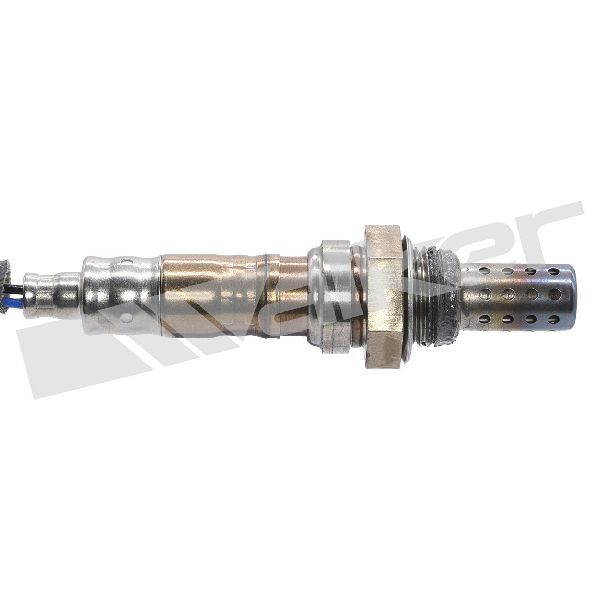
- Rear Oxygen Sensor (Bank 1, Sensor 2)
(OEM #22690AA960 (example, verify by VIN))— This sensor is responsible for monitoring the converter. It can fail and give false readings, making it a common, and relatively inexpensive, first part to replace during diagnosis.
Trusted brands: Denso (OEM supplier, e.g., 234-4907), NTK
OEM price range: $100-$180
Aftermarket price range: $60-$120 - Front Air/Fuel Ratio Sensor (Bank 1, Sensor 1)
(OEM #22641AA710 (example for 2.5L, verify by VIN))— A failing front sensor can cause incorrect fuel mixture, which directly impacts the catalytic converter's efficiency and can lead to a P0420 code. It's a critical component for engine management.
Trusted brands: Denso (OEM supplier, e.g., 234-9314 for 2.5L), NTK
OEM price range: $150-$250
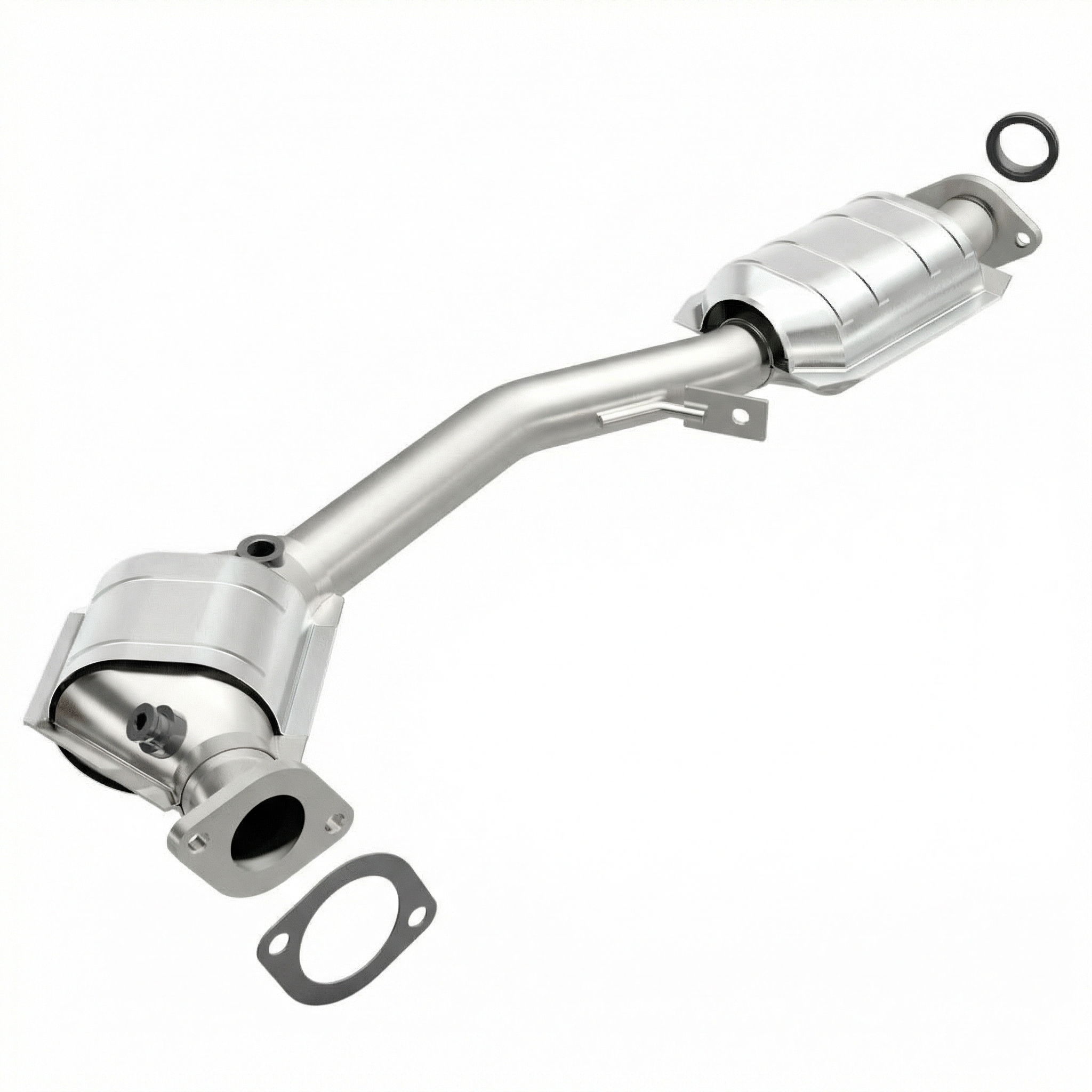
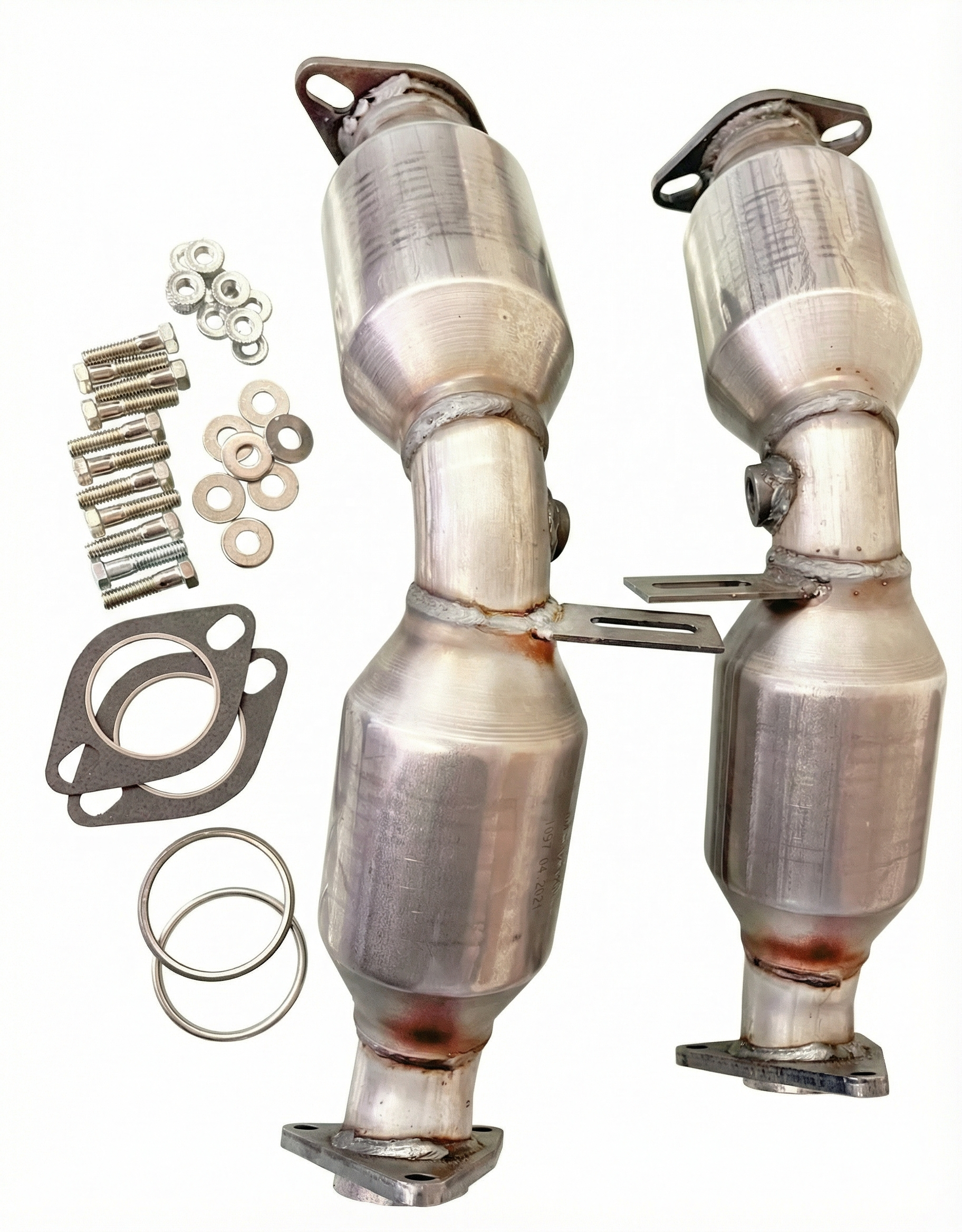
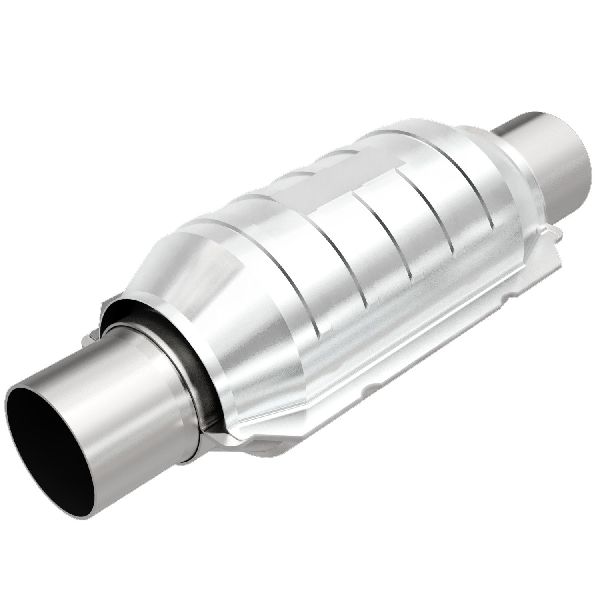
Aftermarket price range: $100-$180 - Catalytic Converter Assembly
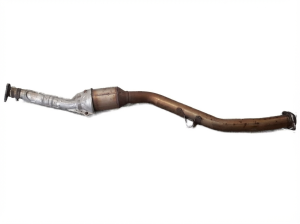
(OEM #44620AF010 (example, verify by VIN))— This is the ultimate fix if all other components are verified to be working correctly. It is the most expensive part and should be the last resort after proper diagnosis.
Trusted brands: Subaru (OEM), Walker (Aftermarket), MagnaFlow (Aftermarket, ensure CARB compliance if required)
OEM price range: $1800-$2500+
Aftermarket price range: $500-$1200 - Exhaust Gasket
(OEM #44022AA122 (example donut gasket, verify by VIN))— A failed gasket between the manifold and converter or other flanges can cause an exhaust leak, which is a common and inexpensive cause of a false P0420 code.
Trusted brands: Subaru (OEM), Fel-Pro, Torque Solution
OEM price range: $15-$40
Aftermarket price range: $10-$25
Related Codes That Often Appear With This One
- P0137 — P0137 (O2 Sensor Circuit Low Voltage Bank 1 Sensor 2) can indicate a failing rear oxygen sensor, which is a common cause of an inaccurate P0420.
- P0171 — P0171 (System Too Lean Bank 1) can point to a faulty front A/F sensor or an exhaust/intake leak, both of which are underlying causes for P0420.
- P2096 — P2096 (Post Catalyst Fuel Trim System Too Lean Bank 1) can appear after a P0420 fix, especially if an O2 sensor spacer or non-OEM part was used, indicating the rear sensor is seeing a lean condition.
Technical Service Bulletins (TSBs) & Recalls
- 09-110-23R: This is the primary TSB for P0420 diagnosis on these models. It provides a step-by-step flowchart for technicians, emphasizing checking for other codes first, inspecting for leaks, and performing a specific road test to get the catalyst to operating temperature before making a final diagnosis.
Platform-Specific Known Issues
- Subaru vehicles are known to disable the cruise control system whenever the Check Engine Light is illuminated, which can be an added annoyance for drivers.
- The Federal Emissions Defect Warranty covers the catalytic converter for 8 years or 80,000 miles, whichever comes first. If your vehicle is within this window, the repair may be covered by the dealership.
Mechanic-Grade Diagnostic Values
- Ignition Coil Primary Resistance (at connector pins) — expected: 12,800 Ohms (12.8 kΩ) +/- 15%. Failure: Reading is significantly outside the specified range.
- Ignition Coil Secondary Resistance (between spark plug outputs) — expected: 0.73 Ohms +/- 10%. Failure: Reading is significantly outside the specified range.
- Fuel Pressure — expected: 49-52 PSI. Failure: Pressure is too high or too low, indicating a fuel delivery problem that could affect air/fuel ratio.
Hidden / Shadow Codes Worth Checking
- Mode $06, Test ID for Catalyst Monitor: This is not a DTC but a function within OBD-II diagnostics that shows the results of the ECM's self-tests. For P0420, a technician can view the catalyst efficiency test results directly, seeing the measured value versus the acceptable threshold. This confirms if the vehicle is borderline failing or grossly failing the test. (see via A professional scan tool, including the Subaru Select Monitor (SSM) or advanced aftermarket scanners, can access Mode $06 data.)
Scan Tool Commands That Help
- Subaru Select Monitor (SSM) or equivalent: Read/Clear Fault Memory — Used at the start of diagnosis to check for all codes and at the end to clear the P0420 code after a repair, as specified in TSB 09-110-23R.
- Subaru Select Monitor (SSM) or equivalent: Live Data Graphing (A/F Sensor 1, O2 Sensor 2) — This is the primary diagnostic function to visually compare the pre- and post-catalyst sensor readings to determine if the converter is working.
- Subaru Select Monitor (SSM): Check for ECM/TCM Reprogramming Availability — Used to check if a factory software update is available for the vehicle's VIN to correct overly sensitive P0420 trigger logic.
Wiring & Ground Locations
- O2 / A/F Sensor Connectors — The electrical connectors for both the upstream and downstream sensors are located in the engine bay, near the airbox, on the passenger side.. Wiggling these connectors while monitoring live data can help identify intermittent connections or wiring faults that could cause incorrect sensor readings and a false P0420.
- Rear O2 Sensor Harness Routing — The harness for the rear O2 sensor typically runs from the sensor, up the side of the transmission, and connects to the main engine harness on top of the bell housing.. This area is exposed to heat and vibration, making the harness susceptible to damage or chafing over time, which could disrupt the sensor signal.
- Engine Chassis Ground Strap — A key ground strap runs between the cylinder head and the front chassis rail.. Subaru ground straps are known to corrode and fail. A poor ground can introduce electrical noise into sensor circuits, including the O2 sensors, potentially leading to incorrect readings and triggering a P0420 code.
Real Owner Repair Stories
- Reddit user, /r/subaru (2014 Subaru Outback 2.5i, 180,000 miles) — Persistent P0420 code.
❌ Tried (didn't work) Replaced coils and spark plugs., Replaced both catalytic converters with non-OEM parts., Replaced O2 sensors.
✅ What actually fixed it The final fix involved multiple steps: replacing the aftermarket cats with higher quality ones, repairing previous poor exhaust weld repairs, and cleaning a dead fly out of the MAF sensor. - YouTube channel Rich's Custom Marine and Auto (2014 Subaru Outback 2.5L, 156,000 miles) — Ongoing P0420 code.
❌ Tried (didn't work) Replaced spark plugs and PCV valve (tune-up)., Replaced a 'lazy' front A/F sensor., Replaced the rear O2 sensor.
✅ What actually fixed it After all other steps failed, removing the front catalytic converter revealed the internal honeycomb substrate was physically cracked and breaking apart. Replacing both the front and rear catalytic converters finally resolved the code. - Reddit user, /r/subaru (Subaru Outback Sport (similar NA engine)) — P0420 code.
❌ Tried (didn't work) Replaced ignition coil, spark plugs, and wires., Replaced MAF sensor., Used Bosch brand O2 sensors.
✅ What actually fixed it The code was only resolved after replacing the oxygen sensors with the OEM manufacturer brand (Denso). The user notes the cat had already clogged by this point, reinforcing the need to use proper sensors to prevent cat damage.
"I Checked Everything" — The Actual Cause
- In one documented case, a smoke test would have passed, but the actual cause was a cracked internal catalytic converter brick, which could only be found by visual inspection after removing the part.
- A leaking head gasket can cause P0420 by contaminating the catalyst with burnt coolant. This would not be found by an exhaust smoke test but would be indicated by coolant loss or other engine symptoms.
- An overfilled engine oil level can cause oil to be burned, fouling the sensors and catalyst. This is a maintenance error, not a system leak that a smoke test would find.
- A contaminated Mass Airflow (MAF) sensor, caused by debris like a dead fly, can lead to an incorrect air/fuel mixture and trigger P0420 over time without being detected by a smoke test.
When the Usual Fixes Don't Work
- Multiple owner and technician accounts emphasize that simply replacing the catalytic converter is often not the final fix. In one case, a technician performed a full tune-up and replaced both O2 sensors, but the code returned. The ultimate cause was a physically cracked converter brick, which was an expensive final step after cheaper options were exhausted. Another owner replaced non-OEM cats and sensors with no success, only fixing the issue with higher-grade parts and correcting other non-obvious faults like a contaminated MAF sensor and bad exhaust welds, highlighting the platform's sensitivity to part quality and the need for a holistic diagnosis.
OEM Part Supersession History
44620AD15A→44620AD15B— Part revision or supplier change for the front catalytic converter assembly.
Model Year Variations Within This Range
- 2017-2019 vs 2020-2023: The vehicle platform changed from the sixth to the seventh generation in 2020. While the 2.5L FB25 engine was carried over, the 2.4L FA24 turbo was introduced. Although the TSB for P0420 covers all years, the physical part numbers for exhaust components (catalytic converters, pipes) and sensors may differ between generations and between the FB25 and FA24 engines due to different chassis and engine configurations.
Helpful Videos
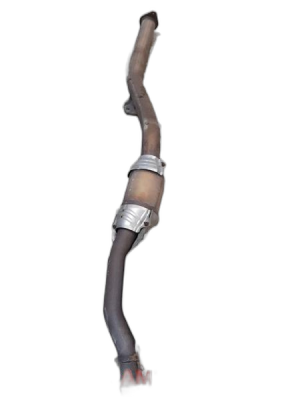
Used OEM Parts in Stock
New Aftermarket Parts Available


The information in this article is provided for general reference and educational purposes only. Vehicle specifications, procedures, and part compatibility can vary by production date, trim level, and region. Always consult your vehicle's factory service manual and verify part numbers before purchasing or performing repairs. Safety-critical components such as airbags, seat belts, and braking systems should be installed by a qualified professional.
- Subaru LEGACY:
- 🧭 Diagnostic Flowchart
- 🎬 Helpful Videos
- 🛍️ Shop This Part
- What's Unique About the 2017-2023 Subaru LEGACY
- Symptoms You May Notice
- Most Likely Causes
- Rare But Worth Checking
- Diagnosis Steps
- Parts You'll Likely Need
- Related Codes That Often Appear With This One
- Technical Service Bulletins (TSBs) & Recalls
- Platform-Specific Known Issues
- Mechanic-Grade Diagnostic Values
- Hidden / Shadow Codes Worth Checking
- Scan Tool Commands That Help
- Wiring & Ground Locations
- Real Owner Repair Stories
- "I Checked Everything" — The Actual Cause
- When the Usual Fixes Don't Work
- OEM Part Supersession History
- Model Year Variations Within This Range
- 🎟️ Get 5% Off