

P0420 on 2012-2017 Toyota Camry Hybrid: Catalyst Efficiency Causes and Fixes
On the 2012-2017 Camry Hybrid, code P0420 typically indicates a failing catalytic converter, but a faulty downstream oxygen sensor or an exhaust leak are cheaper possibilities to rule out first. A new converter is an expensive repair, often exceeding $1,500. Before replacing, check if your vehicle is still covered under the federal emissions warranty of 8 years/80,000 miles.
- P0420 means the catalytic converter's efficiency is low, but it doesn't automatically mean the converter is bad.
- Always diagnose in order: check for other codes first, then inspect for exhaust leaks, then test the oxygen sensors.
- Replacing the downstream O2 sensor is a cost-effective diagnostic step before committing to a very expensive catalytic converter replacement.
- Ensure any underlying engine issues like misfires or high oil consumption are addressed to prevent damaging a new converter.
- If you must replace the converter, be aware that states like California and New York require specific, more expensive CARB-compliant parts.
What's Unique About the 2012-2017 Toyota Camry Hybrid
The 2AR-FXE engine in this Camry Hybrid is part of a generally reliable engine family. However, its predecessor (the 2AZ-FE in the 2007-2011 Camry) was infamous for excessive oil consumption that would poison the catalytic converter, making P0420 very common on those models. While the 2AR engine series is a significant improvement, any engine that consumes oil can see premature catalyst failure. Therefore, it's wise to monitor oil levels, as engine health is directly tied to the longevity of the expensive emissions components. Some owners of the 2012-2017 models have reported oil consumption at higher mileages.
Symptoms You May Notice
- Check Engine Light is on
- Possible reduction in fuel economy
- Failure to pass an emissions test
- In rare cases of a clogged converter, a lack of acceleration power
- Immediately replacing the catalytic converter without testing the oxygen sensors or checking for exhaust leaks. The sensors are far cheaper and easier to replace and can be the true cause of the code.
- Using a cheap, non-compliant aftermarket catalytic converter. Many forum users report that low-quality aftermarket converters fail quickly, causing the P0420 code to return within months. It is crucial to use an OEM or high-quality, CARB-compliant (if required) converter for a lasting repair.
Most Likely Causes
- Failing Catalytic Converter 🔴 High Probability → Shop Catalytic Converter Catalytic converters have a finite lifespan and are covered by a federal emissions warranty for 8 years or 80,000 miles. Outside of this warranty, they can fail from age or contamination. This is the most common, and most expensive, cause for a persistent P0420 code when no other codes are present.
How to confirm: After confirming sensors and the exhaust system are good, use a scan tool to graph sensor data. If the downstream O2 sensor voltage switches frequently, mirroring the upstream A/F sensor, the converter has lost its ability to store oxygen and is failing. A professional shop can also perform a temperature test, checking the inlet and outlet pipes of the converter.
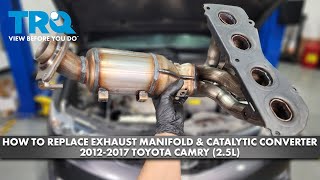
Typical fix: Replace the catalytic converter assembly. It is integrated with the exhaust manifold on this vehicle. 🎬 See this step-by-step catalytic converter and manifold replacement walkthrough.
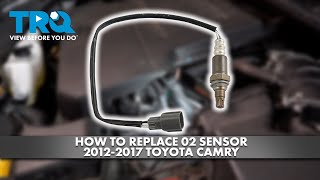
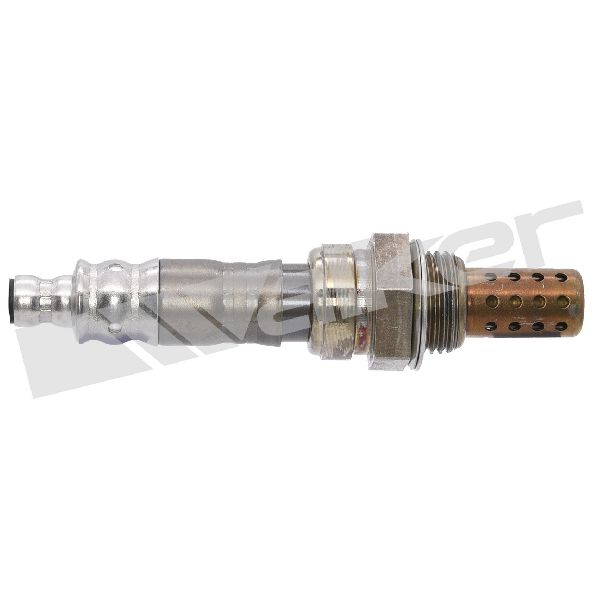
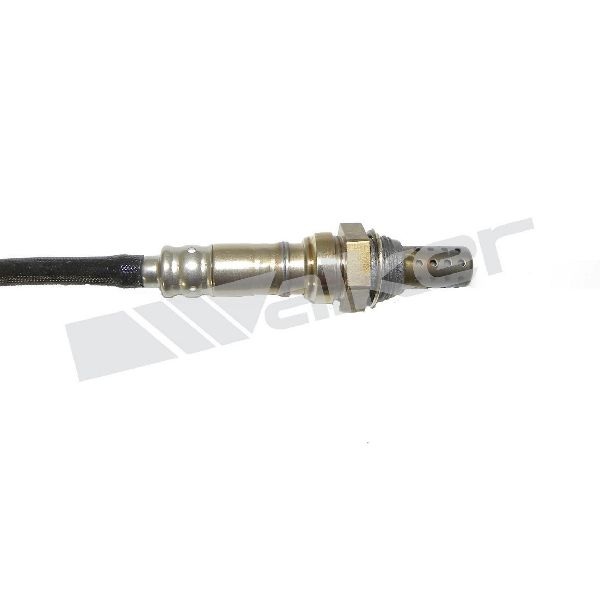
Est. part cost: $1000-$2000+ - Faulty Downstream Oxygen Sensor (Bank 1, Sensor 2) 🟡 Medium Probability → Shop Oxygen Sensor This sensor is the 'tattletale' that reports on the converter's efficiency. Over time, sensors can become lazy or biased, sending incorrect data to the ECM and falsely triggering a P0420 code even if the converter is still functional. It's a much cheaper part to replace as a first step. 🎬 Watch: How to replace the oxygen sensor on your Camry.
How to confirm: Graph the sensor's voltage with a scan tool. It should show a relatively steady voltage on a warm engine at steady RPM. If the voltage is stuck, flat, or responds very slowly, the sensor is likely bad. A professional can also test the sensor's internal heater resistance.
Typical fix: Replace the downstream (rear) oxygen sensor.
Est. part cost: $60-$180 - Exhaust System Leak ⚪ Low Probability Gaskets and flex pipes can degrade over time, causing leaks. A leak between the upstream A/F sensor and the downstream O2 sensor can introduce unmetered oxygen into the exhaust stream, confusing the sensors and leading to a false P0420 code.
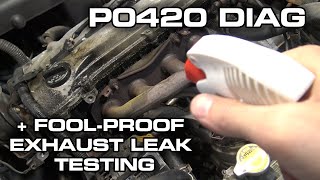
How to confirm: Perform a visual inspection of the exhaust manifold, gaskets, and pipes for soot marks or cracks. A smoke test is the most effective way to pinpoint the location of a small leak. 🎬 Watch: How to diagnose P0420 and test for exhaust leaks.
Typical fix: Replace the leaking gasket or repair the cracked pipe.
Est. part cost: $20-$150 - Faulty Upstream Air/Fuel Ratio Sensor (Bank 1, Sensor 1) ⚪ Low Probability → Shop Oxygen Sensor The upstream A/F sensor is critical for fuel control. If it fails and causes the engine to run consistently rich, it can overwhelm and eventually damage the catalytic converter.
How to confirm: Check for other codes related to fuel trim (P0171, P0172) or the sensor itself. A failing A/F sensor often causes poor fuel economy and noticeable performance issues.
Typical fix: Replace the upstream (front) air/fuel ratio sensor.
Est. part cost: $100-$250
Rare But Worth Checking
- Engine Misfires or Poor Combustion: If you have other codes like P030x (misfire), you must fix that problem first. Unburned fuel from a misfire will quickly destroy a new catalytic converter, so replacing the converter without fixing the root cause is a waste of money.
Diagnosis Steps
- Read all stored trouble codes. If any other codes are present (especially for misfires, fuel trim, or other sensors), diagnose and fix them first.
- Check your vehicle's mileage and age. If it is under 8 years and 80,000 miles, the repair may be covered under the federal emissions warranty. Contact a Toyota dealer to verify.
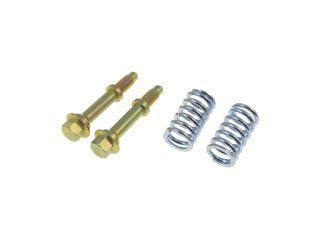
- Visually inspect the entire exhaust system from the engine manifold to the rear O2 sensor. Look for cracks, rust holes, or black soot marks that indicate a leak. Pay close attention to gaskets.
- Use a scan tool to view live data. Warm up the engine completely.
- At a steady 2,000-2,500 RPM, graph the voltage of the upstream A/F sensor (Bank 1, Sensor 1) and the downstream O2 sensor (Bank 1, Sensor 2).
- The upstream sensor should show rapid, sharp fluctuations. The downstream sensor's voltage should be relatively stable (e.g., above 0.5V).
- If the downstream sensor's graph looks like a lazy copy of the upstream sensor's graph, the catalytic converter is not working and likely needs replacement.
- If the downstream sensor's voltage is flat, stuck, or slow to respond, the sensor itself is the most likely culprit.
- As a last resort before replacement, some owners try a fuel additive catalytic converter cleaner, which may help if the issue is minor buildup from city driving. Results are mixed and this is not a permanent solution for a failed converter.
- Some owners have reported using an O2 sensor spacer or 'non-fouler' to pull the downstream sensor out of the direct exhaust stream. This is an attempt to trick the ECM and is illegal in many states for emissions-related purposes.
Parts You'll Likely Need
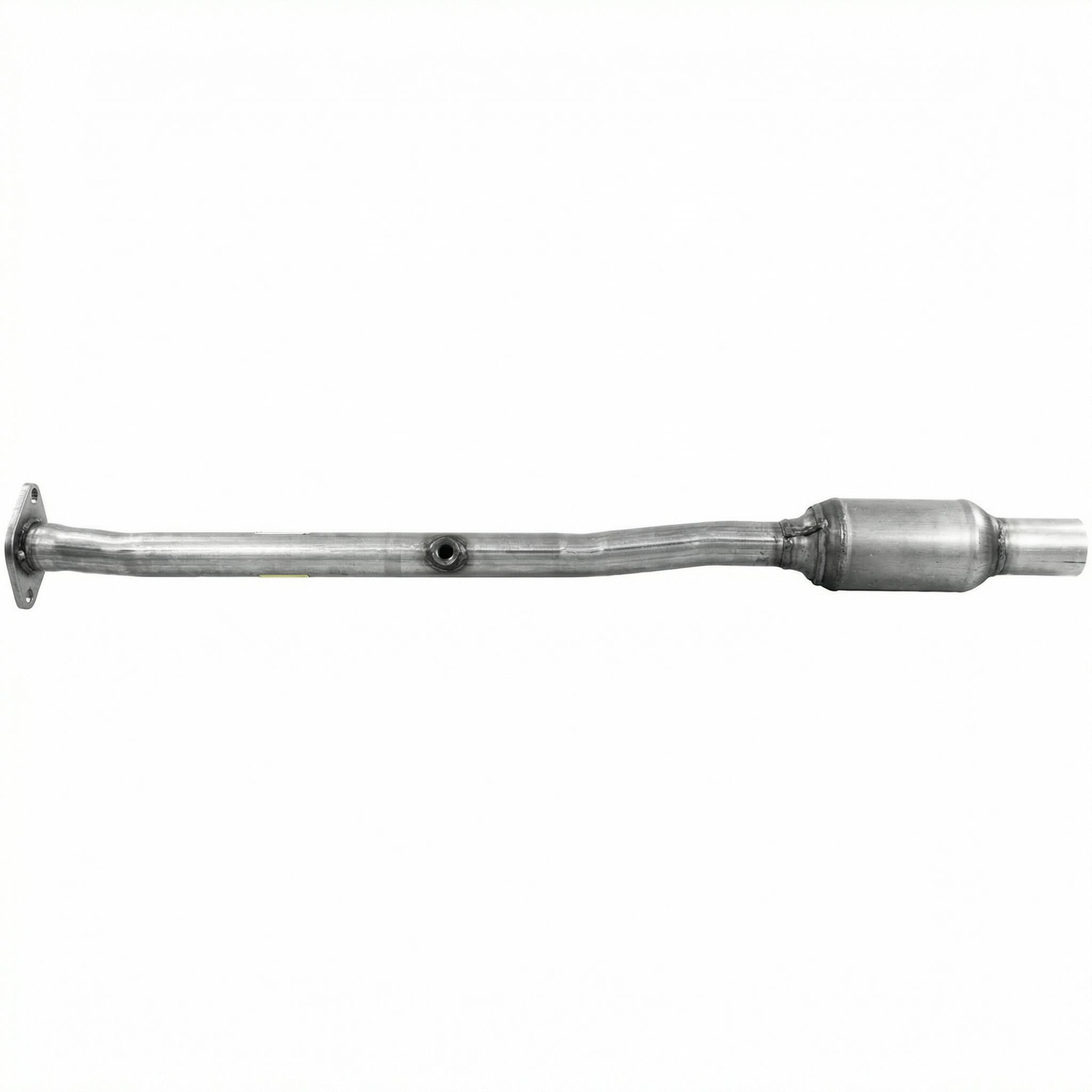
- Catalytic Converter with Integrated Exhaust Manifold
(OEM #25051-0V040)— This is the most probable cause if the code persists after ruling out sensors and leaks. It is responsible for cleaning exhaust gases. Part numbers can vary by specific model year and emissions standard (Federal vs. California).
Trusted brands: Toyota (OEM), Walker, MagnaFlow
OEM price range: $1200-$1700
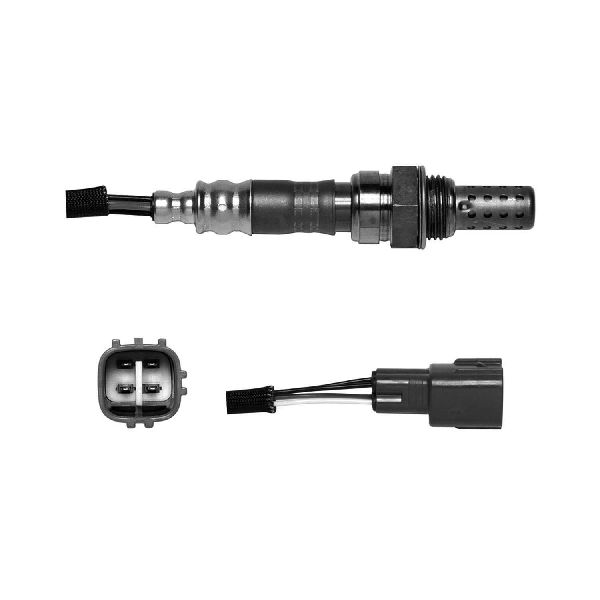
Aftermarket price range: $500-$1200 (ensure it is CARB compliant if required in your state) - Downstream Oxygen Sensor (Bank 1 Sensor 2)
(OEM #89465-06290)— This sensor monitors the converter's performance and is a common failure point that is much cheaper to replace than the converter itself.
Trusted brands: Denso (OEM supplier), Bosch, NGK/NTK
OEM price range: $120-$180
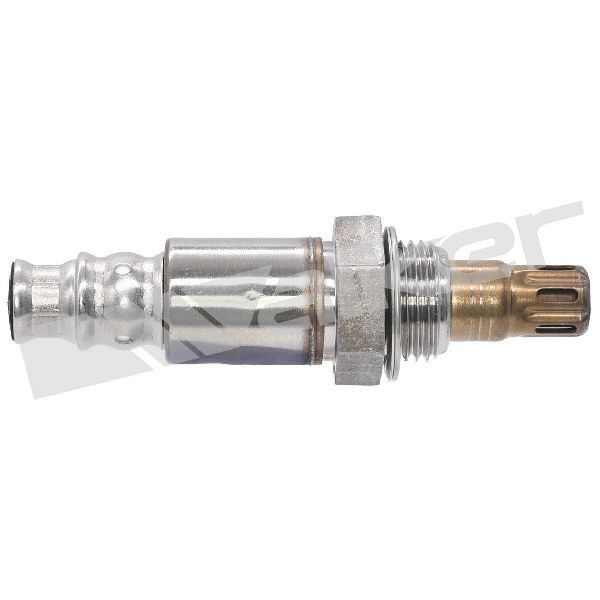
Aftermarket price range: $60-$100 - Upstream Air/Fuel Ratio Sensor (Bank 1 Sensor 1)
(OEM #89467-06160)— Less common, but a failing A/F sensor can cause incorrect fuel mixtures that damage the converter over time.
Trusted brands: Denso (OEM supplier), Bosch
OEM price range: $180-$250
Aftermarket price range: $100-$160
Related Codes That Often Appear With This One
- P0136 / P0138 — These codes point directly to a malfunction or high voltage in the downstream oxygen sensor circuit, strengthening the case that the sensor itself is the problem.
- P0171 (System Too Lean) — This can indicate an exhaust leak before the A/F sensor or a vacuum leak, which can contribute to conditions that trigger a P0420 code.
- P0430 (Catalyst System Efficiency Below Threshold Bank 2) — This code is for the other engine bank and is not applicable to the 4-cylinder 2AR-FXE engine, which only has one bank.
Platform-Specific Known Issues
- The hybrid system's operation, which frequently shuts the gasoline engine off during city driving, can sometimes prevent the catalytic converter from reaching and maintaining its optimal operating temperature. Over long periods, this may contribute to carbon buildup, although the 2AR-FXE is generally not known for premature converter failure.
Technical Service Bulletins (TSBs) & Recalls
- TSB Bulletin #T-58-0161-13A: While issued for the Tacoma with the 2TR-FE engine, this bulletin highlights a known Toyota issue where vehicles may exhibit a front exhaust pipe catalyst rattle noise and/or a MIL "ON" condition with DTC P0420 stored in the ECM.
Mechanic-Grade Diagnostic Values
- Upstream Air/Fuel (A/F) Sensor Heater Resistance — expected: 0.8 - 1.4 Ω at 20°C (68°F). Failure: Resistance outside of this range indicates a faulty heater element in the sensor.
- Mode $06 Catalyst Monitor Test ($81) — expected: The test value reported by the ECU should be below the maximum allowable limit.. Failure: If the scan tool shows the test value exceeds the maximum threshold, it confirms the catalyst has failed the onboard diagnostic test, strongly suggesting a bad converter.
Scan Tool Commands That Help
- Toyota Techstream: Active Test: Control the Injection Volume for A/F Sensor — This test allows a technician to manually command a rich or lean fuel mixture and observe the live voltage response of both the upstream A/F sensor and the downstream O2 sensor. A healthy catalytic converter will show the downstream O2 sensor reacting very slowly and with little change, while a bad converter will cause the downstream sensor to react quickly, mimicking the upstream sensor.
Real Owner Repair Stories
- Reddit user in r/MechanicAdvice (2009 Toyota Camry Hybrid (similar platform and issue pattern)) — P0420 code appeared 3 months after a new catalytic converter was installed.
❌ Tried (didn't work) Replacing the catalytic converter with an aftermarket unit., Replacing the downstream O2 sensor after the code returned.
✅ What actually fixed it The consensus from multiple mechanics in the thread was that the aftermarket catalytic converter was of poor quality and had failed. The recommended, final fix is to replace it with a high-quality OEM (Original Equipment Manufacturer) converter, as Toyotas are notoriously sensitive to aftermarket cats. - NHTSA ODI #10639515: An owner reported that after a diagnostic examination, the vehicle could no longer meet the minimum threshold for the ECM, resulting in a persistent P0420 code.
- NHTSA ODI #11292428: A report on a similar Toyota platform noted a P0420 fault code accompanied by a rattling sound and exhaust backing up to the pressure release mount.
OEM Part Supersession History
89465-06190, 89465-33520→89465-06290— Standard part consolidation and minor revisions by the manufacturer.
Heads up: The newer part number is the correct replacement for the older numbers.
Diagnostic Flowchart
Other Known Issues on This Vehicle
Issues unrelated to this code that are worth knowing about as an owner of this generation:
- Brake Actuator Failure 🔴 High — More common on the preceding generation (2007-2011), but can still occur. Often happens at higher mileage (>100k miles). Toyota issued a warranty enhancement for earlier models. (Ref: Warranty Enhancement Program for 2007-2011 models, but not for 2012-2017.)
- Hybrid Inverter Failure 🔴 High — Not widespread, but a known potential failure point. Can be caused by failure of the inverter cooling pump. If the inverter fails, the car will shut down.
- Melting / Sticky Dashboard 🟡 Low — A significant issue on the previous generation (2007-2011) for which Toyota issued a warranty enhancement (ZE6). While less common on the 2012-2017 models, some owners still report the issue in hot, sunny climates. (Ref: ZE6 (Primarily for 2007-2011 models))
- Torque Converter Shudder 🟠 Medium — Some owners, particularly of 2012-2014 models, report a shudder or vibration during light acceleration. Toyota addressed this with a TSB and a warranty enhancement program. (Ref: T-SB-0086-12, Warranty Enhancement Program ZE5)
- Musty A/C Smell 🟡 Low — Common across many Toyota models. Caused by mold growth on the evaporator core when the A/C is not allowed to dry before shutting the car off. (Ref: T-SB-0142-13)
Used vs. New Parts: Buying Guide for This Vehicle
When a used part is the smart pick: For this repair, buying used parts is generally not recommended. A used catalytic converter is a major gamble as its remaining life is unknown, and it may have come from a vehicle with issues (like oil consumption) that damaged it. Used O2 sensors are also risky as they are wear items.
Donor-vehicle mileage cap: roughly under 80000 miles for the part to have meaningful remaining life.
What to inspect on the donor part:
- If considering a used converter, it should only be from a verified low-mileage vehicle that was wrecked due to collision, not engine failure.
- Inspect the converter's honeycomb structure from the inlet/outlet; it should be intact, with no melted, broken, or clogged sections.
- Avoid parts with heavy rust or physical damage to the shell or pipes.
OEM-only on this vehicle (don't cheap out):
- Catalytic Converter: This is the most critical part to buy OEM or a high-quality, CARB-compliant aftermarket equivalent. Forum and mechanic consensus strongly indicates that cheap aftermarket converters frequently fail within months on Toyota vehicles, causing the P0420 code to return.
Aftermarket brands forum-validated for this vehicle:
- Denso for Air/Fuel and Oxygen Sensors (Denso is the OEM supplier to Toyota).
- NTK/NGK for Air/Fuel and Oxygen Sensors.
- Bosch for sensors is also a reputable option.
Brands owners have reported issues with on this vehicle:
- Unnamed, low-cost 'universal' or 'direct-fit' catalytic converters sold on online marketplaces are frequently cited as failing prematurely.
Real Owner Stories
Aggregated from forums and TSBs cited above. Mileages and costs reflect what owners reported in those sources.
2015 Toyota Camry Hybrid 2AR-FXE — 293000 miles
Symptoms: Check Engine Light on with code P0420.
What fixed it: The owner discussed using a catalytic converter cleaner (such as Cataclean or Seafoam) as an inexpensive first step before replacing sensors or the converter.
Source hint: ToyotaNation Forum - '2015 Camry Hybrid P0420'
Toyota Camry Hybrid — NHTSA ODI #11659073
Symptoms: Multiple fault codes including P0420 and P1423, following a hybrid battery replacement.
What fixed it: The owner sought investigation into these codes alongside other electrical and braking system issues (C1391, B1241).
Toyota Tacoma (Cross-Manufacturer Reference) — NHTSA ODI #10850705
Symptoms: Check engine light appearing immediately after structural repairs, showing codes P0420 and P0430.
What fixed it: The owner noted the light was not on prior to service, indicating a catalytic converter issue that emerged during the repair period.
Related OBD-II Codes
Frequently Asked Questions
Will the federal emissions warranty cover the catalytic converter replacement on my 2012-2017 Toyota Camry Hybrid?
Is there a TSB for the P0420 code on the 2012-2017 Camry Hybrid?
Does the hybrid system's frequent engine cycling affect the catalytic converter?
Can I use a 'non-fouler' or O2 sensor spacer to fix the P0420 on my Camry Hybrid?
Should I replace the oxygen sensors before the catalytic converter?
Is the 2AR-FXE engine known for premature catalytic converter failure?
Helpful Videos
Used OEM Parts in Stock
New Aftermarket Parts Available


The information in this article is provided for general reference and educational purposes only. Vehicle specifications, procedures, and part compatibility can vary by production date, trim level, and region. Always consult your vehicle's factory service manual and verify part numbers before purchasing or performing repairs. Safety-critical components such as airbags, seat belts, and braking systems should be installed by a qualified professional.
- Toyota Camry Hybrid:
- 🧭 Diagnostic Flowchart
- 🎬 Helpful Videos
- 🛍️ Shop This Part
- What's Unique About the 2012-2017 Toyota Camry Hybrid
- Symptoms You May Notice
- Most Likely Causes
- Rare But Worth Checking
- Diagnosis Steps
- Parts You'll Likely Need
- Related Codes That Often Appear With This One
- Platform-Specific Known Issues
- Technical Service Bulletins (TSBs) & Recalls
- Mechanic-Grade Diagnostic Values
- Scan Tool Commands That Help
- Real Owner Repair Stories
- OEM Part Supersession History
- Other Known Issues on This Vehicle
- Used vs. New Parts: Buying Guide for This Vehicle
- Real Owner Stories
- 2015 Toyota Camry Hybrid 2AR-FXE — 293000 miles
- Toyota Camry Hybrid — NHTSA ODI #11659073
- Toyota Tacoma (Cross-Manufacturer Reference) — NHTSA ODI #10850705
- Related OBD-II Codes
- Frequently Asked Questions
- 🎟️ Get 5% Off