

P0420 on 2014-2019 Toyota Corolla: Catalyst and O2 Sensor Guide
On a 2014-2019 Corolla, P0420 often points to a failing catalytic converter, especially over 100,000 miles. However, always check for exhaust leaks and consider replacing the downstream oxygen (O2) sensor first, as it's a common, cheaper fix that can be misdiagnosed as a bad converter. Ignoring underlying issues like misfires or oil consumption will destroy a new converter quickly.
- Do not immediately replace the catalytic converter. It's the most expensive part, and other cheaper components can cause this code.
- Always check for exhaust leaks first. A simple visual inspection or a professional smoke test can save you hundreds of dollars.
- If the car has over 100,000 miles, the downstream oxygen sensor is a prime suspect. Replacing it is a valid diagnostic step before buying a new converter.
- If you have any other engine codes for misfires (P030x) or fuel mixture (P0171/P0172), you must fix those problems first, or you will destroy your new catalytic converter.
What's Unique About the 2014-2019 Toyota Corolla
The 11th generation Corolla with the 2ZR-FE engine is known for its reliability, and its emissions system is generally robust. Unlike some other vehicles where P0420 is almost always a bad oxygen sensor, on this Corolla, a high-mileage catalytic converter is a very frequent cause. However, because Toyota's OE Denso O2 sensors can age and become 'lazy' after 100,000+ miles, they can sometimes falsely trigger the code. There are no major Technical Service Bulletins (TSBs) specifically for P0420 on this model, confirming it's typically a wear-and-tear failure. However, underlying issues like gradual oil consumption, which can occur on higher-mileage 2ZR-FE engines, can contribute to premature catalyst failure by fouling the converter substrate.
Symptoms You May Notice
- Check Engine Light is on
- Possible decrease in fuel economy
- Failure to pass an emissions inspection
- In rare cases of a clogged converter, a noticeable loss of engine power or a 'rotten egg' smell from the exhaust.
- In some cases, a rough idle may be present if the P0420 is caused by an underlying engine issue like a misfire.
- Immediately replacing the catalytic converter without testing the oxygen sensors or checking for exhaust leaks. The downstream O2 sensor is a frequent culprit and is much cheaper to replace. Many forum users report success after replacing only the sensor.
- Using a cheap, universal aftermarket catalytic converter. These often lack the necessary amount of precious metals and may fail to resolve the code or may only keep the light off for a few months before the P0420 returns.
- Installing an O2 sensor extender or 'non-fouler' to trick the sensor. While this may turn off the check engine light, it does not fix the underlying emissions problem and will cause the vehicle to fail a visual inspection during an emissions test.
Most Likely Causes
- Failing Catalytic Converter 🔴 High Probability → Shop Catalytic Converter Catalytic converters are wear items that degrade over time from heat and mileage. This is the most common cause on vehicles with over 100,000-150,000 miles. The internal precious metals (platinum, palladium, rhodium) that perform the chemical conversion get coated or lose their effectiveness.
How to confirm: After confirming O2 sensors and the exhaust system are good, use a scan tool to watch live data; if the downstream O2 sensor voltage mirrors the upstream sensor, the converter is not working. An infrared thermometer can also be used; the outlet pipe of the converter should be at least 100°F hotter than the inlet pipe after the engine is fully warmed up. A lack of temperature difference indicates no chemical reaction is occurring.
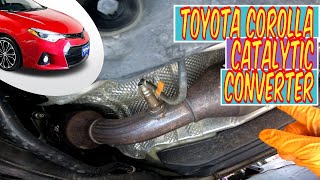
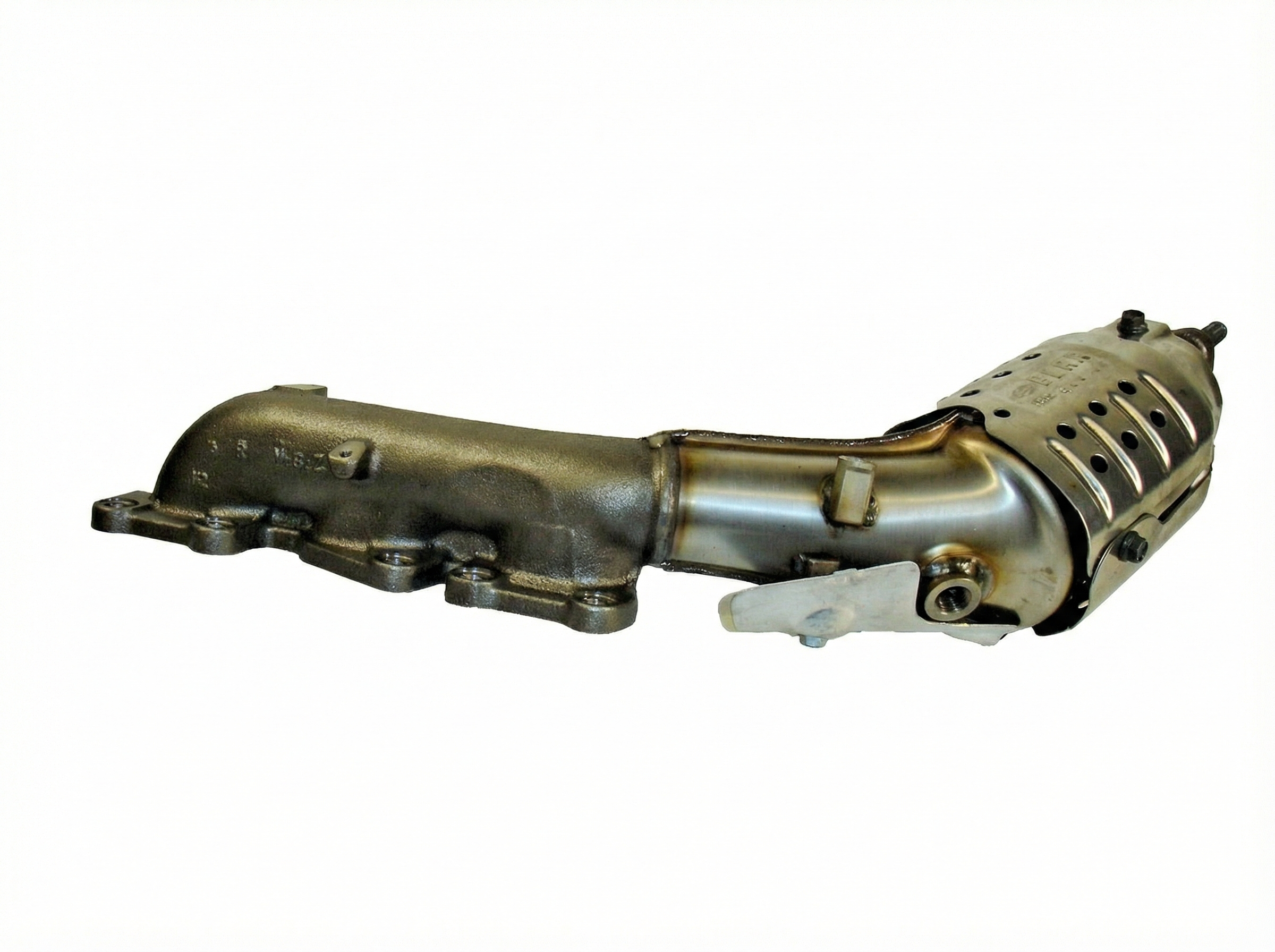
Typical fix: Replace the catalytic converter. On the 2ZR-FE, it is integrated with the exhaust manifold. 🎬 See this video to locate the converter on your Corolla.
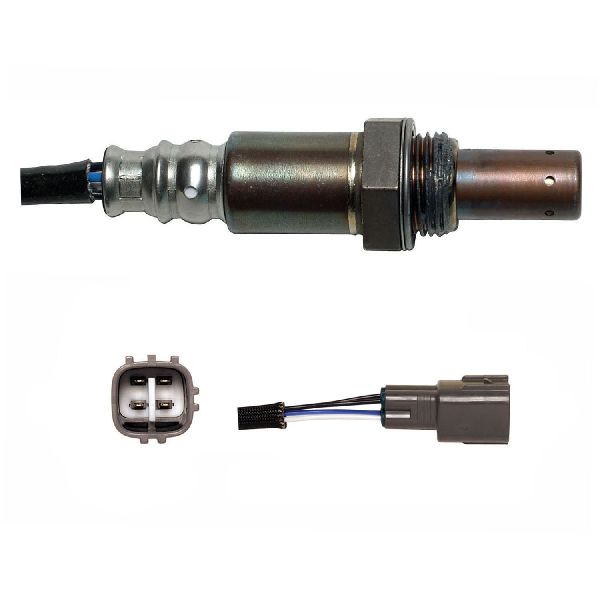
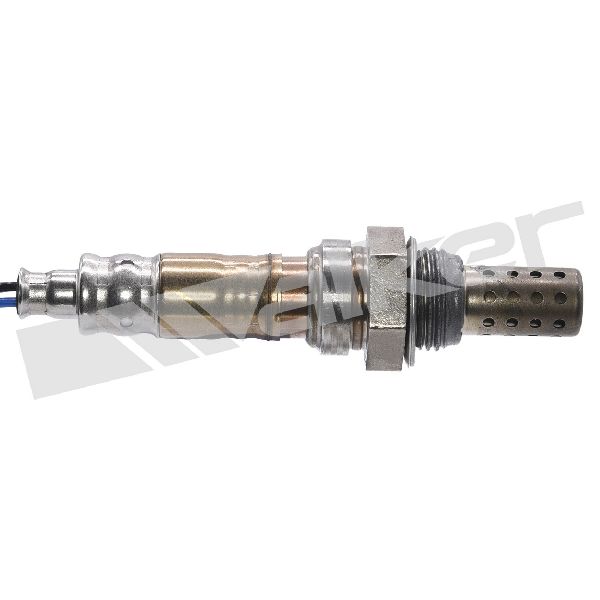
Est. part cost: $400-$1800 - Aging or Faulty Downstream Oxygen Sensor 🟡 Medium Probability → Shop Oxygen Sensor The downstream O2 sensor (Bank 1, Sensor 2) is what the computer uses to grade the converter's performance. As these Denso sensors age, they can become slow to respond or biased, leading the computer to believe the converter is at fault. It's a common misdiagnosis, and many owners have fixed the code by replacing this sensor alone.
How to confirm: Graph the sensor's voltage with a scan tool. A healthy downstream sensor should show a relatively steady voltage (e.g., 0.6-0.8V) on a warm engine at a steady 2500 RPM. If it's stuck, slow to respond, or fluctuating rapidly between 0.1V and 0.9V like the upstream sensor, it's suspect. Often, the easiest confirmation is to replace it as a diagnostic step if it's high-mileage and original.
Typical fix: Replace the downstream (Bank 1, Sensor 2) oxygen sensor. Use of an OEM Denso sensor is highly recommended by forum users.
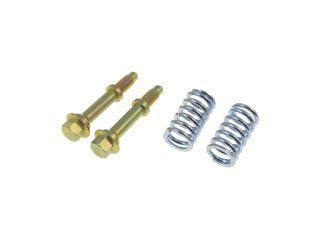
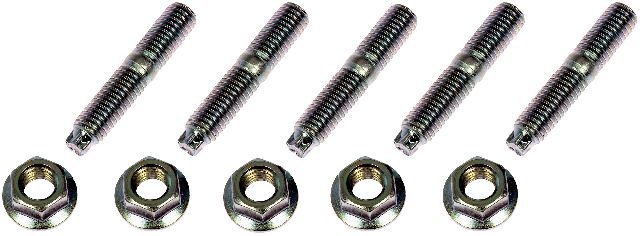
Est. part cost: $60-$180 - Exhaust System Leak ⚪ Low Probability Gaskets, particularly the flexible 'donut' gasket between the manifold and mid-pipe, can degrade over time, creating leaks. Cracks in the exhaust manifold or pipes can also occur. A leak before the downstream O2 sensor can allow extra oxygen into the exhaust stream, fooling the sensor into thinking the converter isn't working.
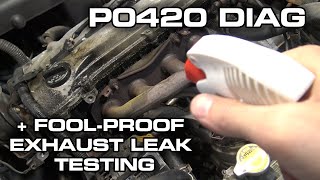
How to confirm: Perform a thorough visual and audible inspection of the entire exhaust system from the engine to the tailpipe. Look for black soot marks around flanges and joints, which indicate a leak. A smoke test is the most effective way to find small, hard-to-see leaks. 🎬 Watch: How to perform a professional exhaust leak test.
Typical fix: Replace the leaking gasket (e.g., exhaust manifold gasket, donut gasket) or repair/replace the cracked pipe.
Est. part cost: $20-$100
Rare But Worth Checking
- Engine Misfires or Poor Combustion: If you have other codes like P0300 (Random Misfire) or P0171 (System Too Lean), address them first. An engine that runs too rich or misfires will send unburned fuel into the exhaust, which quickly superheats and destroys a new catalytic converter.
- Leaking Fuel Injectors: → Shop Fuel Injector A leaking injector can cause a rich condition in one cylinder, leading to incomplete combustion and long-term damage to the catalytic converter. This would likely be accompanied by other drivability symptoms like a fuel smell in the oil.
- Excessive Oil Consumption: While the 2ZR-FE is more reliable than its predecessor (1ZZ-FE), some higher-mileage examples can consume oil due to worn piston rings. This burned oil can leave deposits that foul the oxygen sensors and coat the catalytic converter's substrate, reducing its efficiency and eventually triggering a P0420 code.
Diagnosis Steps
- Read the Code: Confirm P0420 is the only code present. 🎬 Watch: A professional diagnosis of P0420 and related codes. If other codes exist (especially misfire, fuel system, or O2 sensor circuit codes), diagnose and fix them first as they are the likely root cause.
- Visual Inspection: Carefully inspect the entire exhaust system for leaks. Look for cracks or black soot around the exhaust manifold, gaskets, and sensor bungs. Pay close attention to the donut gasket area.
- Analyze Live Data (Scan Tool): Warm up the engine to full operating temperature. Use a scan tool that can graph live data.
- Check O2 Sensor Performance: Observe the upstream (Bank 1, Sensor 1 A/F Sensor) and downstream (Bank 1, Sensor 2 O2 Sensor) graphs at a steady 2,500 RPM. The upstream sensor should show a rapidly fluctuating waveform. The downstream sensor's voltage should be relatively flat and steady (above 0.5V). If the downstream sensor is mimicking the upstream sensor's fluctuations, it points towards a bad converter. If the downstream sensor is flatlined (near 0V) or very slow to respond, the sensor itself is bad.
- Test for Exhaust Leaks: If a visual inspection is inconclusive, perform a smoke test to definitively identify any leaks between the upstream and downstream sensors. Even a small leak can trigger the code.
- Consider O2 Sensor Replacement: If the vehicle has over 100,000 miles and the original O2 sensors, it is often cost-effective to replace the downstream O2 sensor with a Denso OEM part as a diagnostic step before condemning the converter. Many owners have reported this fixes the issue.
- Temperature Gun Test: As a final check, use an infrared temperature gun to measure the temperature of the exhaust pipe just before the catalytic converter and just after. The outlet should be at least 100°F (38°C) hotter than the inlet on a fully warmed-up engine, indicating the converter is working.
- Condemn the Catalytic Converter: If all other possibilities have been ruled out and the diagnostic tests point to inefficiency, the catalytic converter is the cause.
Parts You'll Likely Need
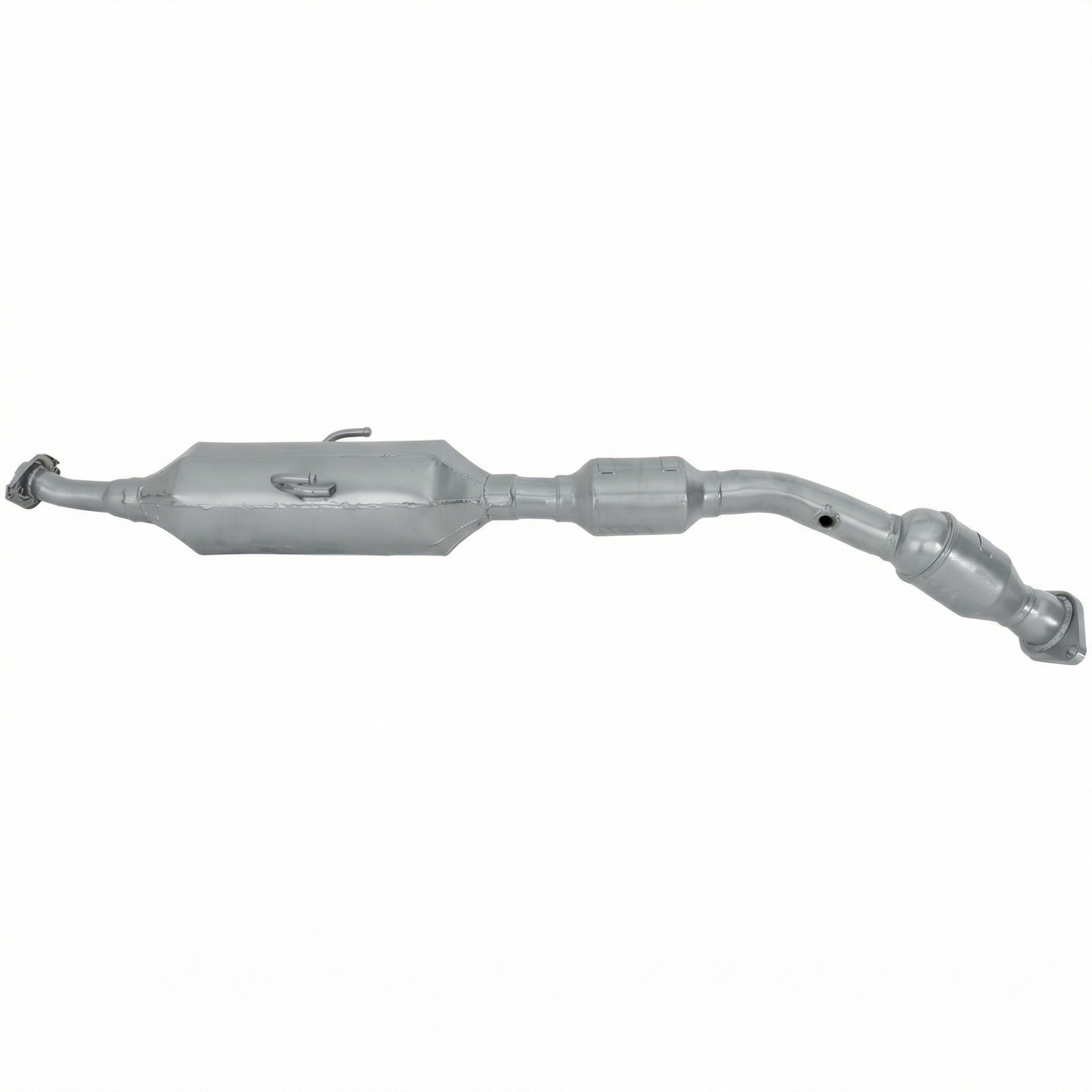
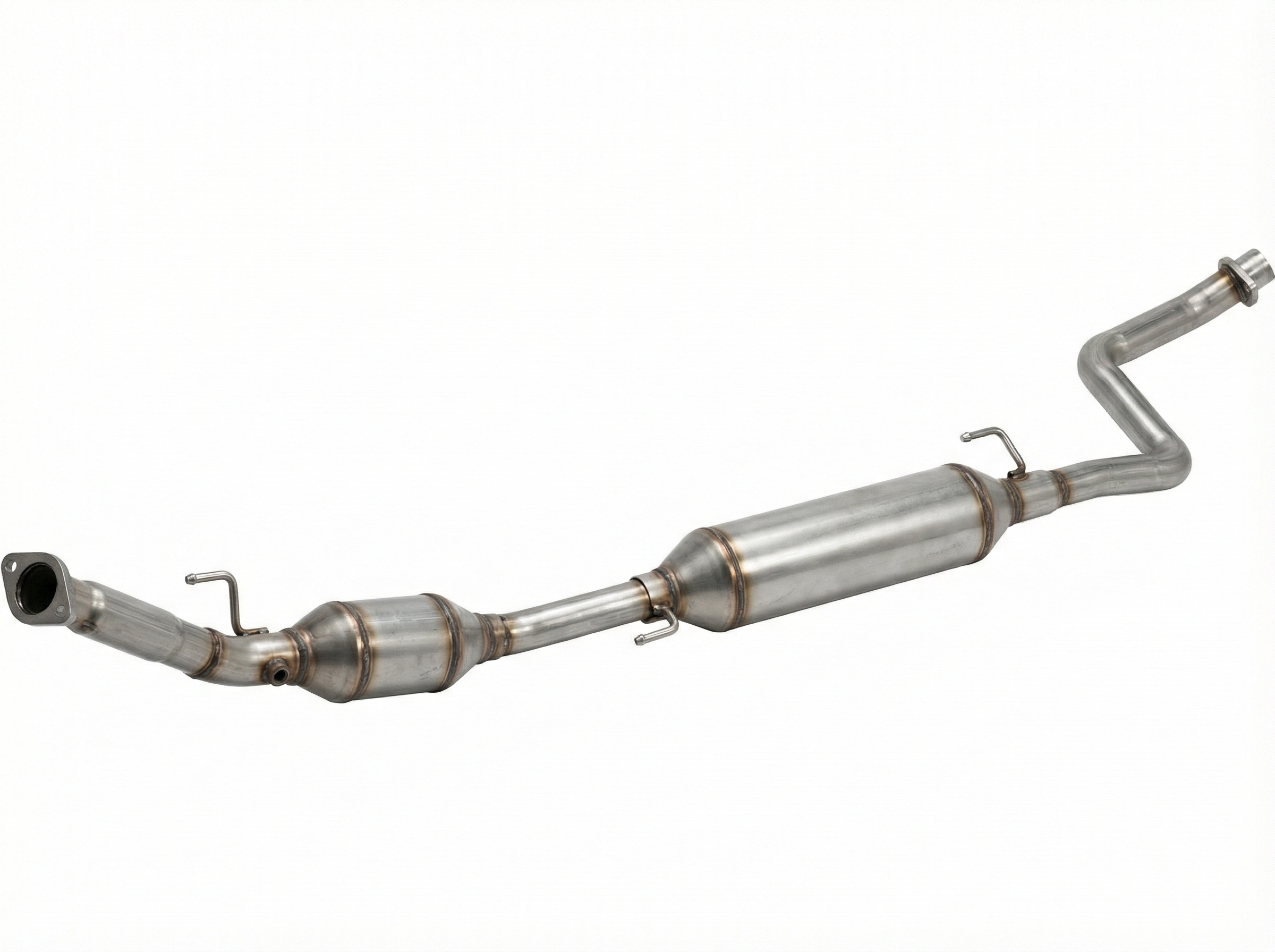
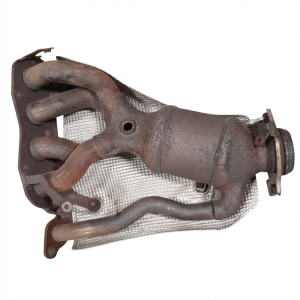
- Catalytic Converter (Exhaust Manifold Assembly)
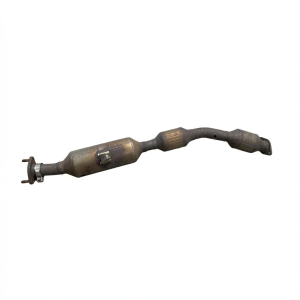
(OEM #17140-0T100 (or similar, verify by VIN))— This is the most common ultimate failure for a P0420 code on a higher mileage Corolla. The converter is integrated into the exhaust manifold.
Trusted brands: Toyota (OEM), Walker Exhaust (CARB compliant recommended), MagnaFlow (CARB compliant recommended)
OEM price range: $1200-$1800
Aftermarket price range: $400-$900 - Downstream Oxygen Sensor
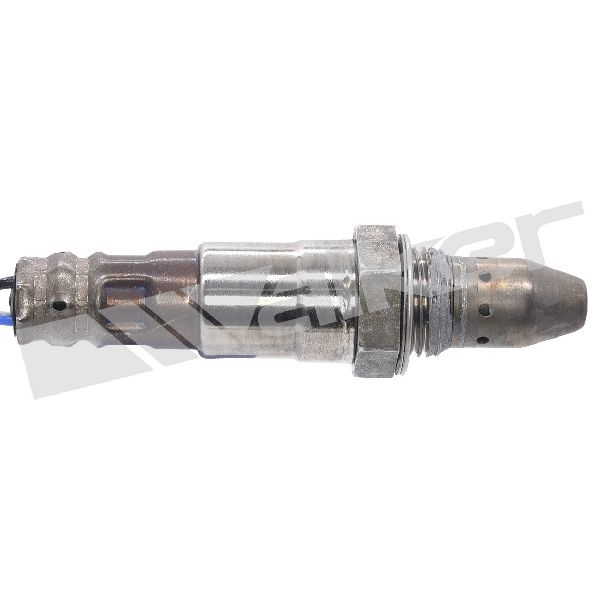
(OEM #Denso 234-4523 (Verify by VIN))— The downstream sensor is the primary monitor for catalyst efficiency. An aged or 'lazy' sensor is a common cause of a false P0420 code and is often replaced first as a diagnostic step.
Trusted brands: Denso (OEM supplier), NTK
OEM price range: $100-$180
Aftermarket price range: $60-$120
Related Codes That Often Appear With This One
- P0171 — A P0171 (System Too Lean) code could indicate a vacuum leak or fuel delivery issue. If unaddressed, a lean condition can increase exhaust temperatures and damage the catalytic converter over time, eventually leading to a P0420.
- P030x (e.g., P0300, P0301) — Misfire codes (P030x) mean unburned fuel is being dumped into the exhaust. This raw fuel ignites in the catalytic converter, causing extreme temperatures that can melt and destroy its internal structure, leading to a P0420 code.
- P0137, P0138 — These codes relate directly to the downstream O2 sensor (Bank 1, Sensor 2) circuit, indicating low or high voltage. If you see these alongside P0420, the O2 sensor itself is almost certainly the root cause of the problem.
Technical Service Bulletins (TSBs) & Recalls
- No specific TSBs for P0420 were found for the 2014-2019 Corolla, indicating this is considered a standard wear-and-tear issue rather than a design or manufacturing flaw requiring a specific field fix procedure from Toyota.
- As a cross-manufacturer reference, Toyota Bulletin #T-58-0161-13A notes that vehicles with the 2TR-FE engine may exhibit a front exhaust pipe catalyst rattle noise and/or a MIL "ON" condition with DTC P0420 stored in the ECM.
Platform-Specific Known Issues
- Owner Experience 1: A user on Reddit with a 2014 Corolla at 100,000 miles received a P0420 code. Their mechanic advised it was safe to drive but would eventually need a new catalytic converter to pass emissions. This highlights the non-critical nature of the code in the short term.
- Owner Experience 2: Multiple forum threads across ToyotaNation and r/Corolla confirm that replacing the downstream O2 sensor with an OEM Denso unit is a very common first step that often resolves the P0420 code, even on cars with 150k+ miles, saving the owner from a costly converter replacement.
- Repair Story: A YouTube video by 'The Car Care Nut', a Toyota Master Diagnostic Technician, emphasizes that while early 2014 models had some CVT issues (fixed under recall), the 2ZR-FE engine and its emissions system are generally 'bulletproof'. He advises against ignoring maintenance that could lead to codes like P0420, such as old spark plugs or dirty injectors.
Mechanic-Grade Diagnostic Values
- Upstream Air/Fuel (A/F) Sensor Voltage — expected: Should hold steady around 3.3V at idle on a warm engine.. Failure: Voltage deviates significantly from 3.3V or does not respond to changes in engine load.
- Downstream Oxygen (O2) Sensor Voltage — expected: Relatively stable voltage, typically between 0.6V and 0.8V, on a fully warmed engine at steady RPM.. Failure: Voltage fluctuates rapidly between ~0.1V and ~0.9V, mimicking the upstream sensor, or is stuck at a very low or high reading.
- Mode 6, Test ID $21, Monitor ID $A9 — expected: The measured value should be below the maximum threshold specified by the scan tool. For example, a test value of 0.13 with a max of 9.99 is a pass.. Failure: The measured value exceeds the maximum threshold, indicating the catalyst failed its last self-test.
- Long-Term Fuel Trim (LTFT) — expected: Should be within +/- 5% at idle and steady cruise.. Failure: Consistently high positive values (e.g., > +10%) suggest a vacuum leak, while high negative values suggest a rich condition (e.g., leaking injector), either of which can damage the converter over time.
Hidden / Shadow Codes Worth Checking
- Mode 6 Data (e.g., Test ID $21): Mode 6 provides the results of the ECU's self-tests for various emissions components, including the catalytic converter. It shows the raw test values and the min/max acceptable limits. This can reveal a component that is close to failing before it sets a hard code like P0420. (see via A professional scan tool or an advanced OBD-II app (like Torque Pro, OBDeleven) that can access Mode 6 test results. Toyota's Techstream software provides the most detailed view.)
Scan Tool Commands That Help
- Toyota Techstream: Active Test: Control the Injection Volume for A/F Sensor — This test allows a technician to manually force the engine rich (+25%) or lean (-12.5%) and observe the reaction time of the upstream A/F sensor and the downstream O2 sensor. It's a definitive way to test the oxygen storage capacity of the catalytic converter. A good cat will show a delayed reaction on the downstream sensor, while a bad cat will show an immediate reaction.
- Toyota Techstream: Utility -> All Readiness — After a repair, this function displays the status of all emissions monitors. To confirm the P0420 fix, you must perform the specific 'Catalyst Monitor Drive Cycle' until the catalyst monitor shows 'Complete'. This verifies the ECU has successfully tested the new part and the code will not return.
Wiring & Ground Locations
- Engine Harness Ground (Intake Side) — On the side of the cylinder head, located under the throttle body. There are often multiple ground wires bundled to this single bolt.. A poor ground connection at this point can cause erratic readings from engine sensors, including the Air/Fuel (O2) sensors, potentially leading to a false P0420 code or other sensor-related faults.
- Engine Harness Ground (Valve Cover) — A ground strap connects from the valve cover directly to the chassis frame rail, near the strut tower.. This is a primary engine-to-chassis ground. A loose or corroded connection here can affect the entire engine management system and is a common source of hard-to-diagnose electrical issues.
- Downstream O2 Sensor Connector — Typically located on a bracket attached to the transmission housing or on the firewall side of the engine bay. The harness runs from the sensor in the exhaust pipe up to this connector.. This connector is a key point for testing the sensor's signal and heater circuits with a multimeter. Corrosion or damage to the pins in this connector can mimic a failed sensor.
Real Owner Repair Stories
- Corollaforum.com user (2014 Toyota Corolla LE Eco, 140,000 miles) — P0420 code returned one week after replacing the catalytic converter and both O2 sensors.
❌ Tried (didn't work) Replaced catalytic converter (aftermarket), Replaced upstream A/F sensor, Replaced downstream O2 sensor
✅ What actually fixed it The owner took the car to a Toyota dealership, which found a Technical Service Bulletin (TSB) for an ECM software update. The dealer reflashed the ECM with the updated software, which adjusted the sensitivity parameters for the catalyst monitor. The P0420 code did not return after the reflash.
Model Year Variations Within This Range
- 2014-2019: While most base models use the 2ZR-FE engine, some trims (like the LE Eco) use the 2ZR-FAE engine, which features Valvematic technology. While the P0420 diagnosis is nearly identical, it's important to verify the engine code (FE vs. FAE) when ordering parts, as some sensors or gaskets may differ. For the 2019 model year, the new generation Corolla was introduced, but the previous E170 generation was still sold, so it's crucial to confirm the vehicle's generation by its appearance or VIN.
Diagnostic Flowchart
Other Known Issues on This Vehicle
Issues unrelated to this code that are worth knowing about as an owner of this generation:
- CVT Transmission Issues (Early Models) 🟠 Medium — Primarily affects early build 2014 models. Most were addressed by a software update recall or warranty service. Less common on later years in the generation. (Ref: Yes, a software update recall was issued to prevent valve body damage.)
- Water Pump Failure 🟠 Medium — Can fail prematurely, sometimes before 100,000 miles. Signs include a whining noise from the passenger side of the engine, coolant leaks (pink residue), or overheating.
- Squeak from Front Lower Control Arm Bushings 🟡 Low — A squeaking or groaning noise may be heard when going over bumps or uneven surfaces. It is an annoyance but not a safety issue. (Ref: TSB #T-SB-0068-20 was issued for this issue on 2014-2019 models.)
- Gradual Oil Consumption 🟡 Low — Not as severe as the older 1ZZ or 2AZ engines, but some higher-mileage (100k+) 2ZR-FE engines can begin to consume oil between changes. Requires regular oil level monitoring.
Used vs. New Parts: Buying Guide for This Vehicle
When a used part is the smart pick: A used part is almost never a smart choice for this repair. Used catalytic converters have an unknown history and may be near the end of their life. Used oxygen sensors are also a gamble, as their lifespan is finite.
Donor-vehicle mileage cap: roughly under 50000 miles for the part to have meaningful remaining life.
What to inspect on the donor part:
- For a catalytic converter, inspect for any signs of physical damage, crushed pipes, or rattling (indicating a broken internal substrate).
- Verify the donor vehicle did not have a P0420 code or history of oil consumption.
- Check that the part comes from a region without heavy road salt use to minimize rust and seizure of bolts/sensors.
OEM-only on this vehicle (don't cheap out):
- Catalytic Converter: Aftermarket converters for this model are notorious for failing to meet the ECU's strict efficiency monitoring, causing the P0420 code to return within months. A CARB-compliant aftermarket unit is the minimum recommended alternative to OEM.
- Air/Fuel Ratio Sensor (Upstream): This sensor is critical for fuel control. Non-OEM brands can cause subtle fuel trim issues. Stick with Denso.
Aftermarket brands forum-validated for this vehicle:
- Denso (for O2/AF sensors - they are the OEM supplier)
- NTK (for O2/AF sensors)
- Walker or MagnaFlow (for CARB-compliant catalytic converters)
Brands owners have reported issues with on this vehicle:
- Unbranded, low-cost oxygen sensors and catalytic converters from online marketplaces like eBay or Amazon. These are frequently counterfeit or use substandard materials that will not perform to OEM specifications and will likely cause the code to return.
Real Owner Stories
Aggregated from forums and TSBs cited above. Mileages and costs reflect what owners reported in those sources.
2014 Toyota Corolla 1.8L — 100000 miles
Symptoms: Check Engine Light is on; mechanic advised it was safe to drive but would eventually need a new catalytic converter for emissions.
What fixed it: The source highlights the diagnosis path but notes the code is non-critical in the short term; replacement of the catalytic converter is the long-term fix.
Source hint: Reddit r/AskMechanics: Code P0420 on a Corolla 2014
2014-2019 Toyota Corolla 2ZR-FE — ~150000 miles
Symptoms: P0420 code present on a high-mileage vehicle.
What fixed it: Replacing the downstream O2 sensor with an OEM Denso unit.
Source hint: ToyotaNation Forums
Documented NHTSA Reports
Toyota Owner Report — NHTSA ODI #11292428
Symptoms: An owner reported a check engine light with fault code P0420, accompanied by a rattling sound and exhaust back up to the pressure release mount.
Toyota Owner Report — NHTSA ODI #10639515
Symptoms: A driver noticed the MIL was illuminated with a P0420 code; a diagnostic examination confirmed the vehicle could not meet the minimum threshold for the ECM.
Toyota Owner Report — NHTSA ODI #11659073
Symptoms: An owner reported multiple codes including P0420 and P1423 after having other major components like the battery and brakes replaced.
Toyota Owner Report — NHTSA ODI #10850705
Symptoms: A driver reported that the check engine light came on with codes P0420 and P0430, indicating a catalytic converter issue, immediately after receiving the vehicle back from service.
Related OBD-II Codes
Frequently Asked Questions
Is there a specific TSB for the P0420 code on my 2014-2019 Toyota Corolla?
Which oxygen sensor should I replace first on my 2ZR-FE engine to fix this code?
Where is the catalytic converter located on the 2014-2019 Corolla 1.8L?
Can I still drive my 2014 Corolla with a P0420 code present?
What is the most common cause of P0420 for a Corolla with over 150,000 miles?
Are there any specific exhaust parts prone to leaking on this model?
Helpful Videos
Used OEM Parts in Stock
New Aftermarket Parts Available


The information in this article is provided for general reference and educational purposes only. Vehicle specifications, procedures, and part compatibility can vary by production date, trim level, and region. Always consult your vehicle's factory service manual and verify part numbers before purchasing or performing repairs. Safety-critical components such as airbags, seat belts, and braking systems should be installed by a qualified professional.
- Toyota Corolla:
- 🧭 Diagnostic Flowchart
- 🎬 Helpful Videos
- 🛍️ Shop This Part
- What's Unique About the 2014-2019 Toyota Corolla
- Symptoms You May Notice
- Most Likely Causes
- Rare But Worth Checking
- Diagnosis Steps
- Parts You'll Likely Need
- Related Codes That Often Appear With This One
- Technical Service Bulletins (TSBs) & Recalls
- Platform-Specific Known Issues
- Mechanic-Grade Diagnostic Values
- Hidden / Shadow Codes Worth Checking
- Scan Tool Commands That Help
- Wiring & Ground Locations
- Real Owner Repair Stories
- Model Year Variations Within This Range
- Other Known Issues on This Vehicle
- Used vs. New Parts: Buying Guide for This Vehicle
- Real Owner Stories
- 2014 Toyota Corolla 1.8L — 100000 miles
- 2014-2019 Toyota Corolla 2ZR-FE — ~150000 miles
- Documented NHTSA Reports
- Toyota Owner Report — NHTSA ODI #11292428
- Toyota Owner Report — NHTSA ODI #10639515
- Toyota Owner Report — NHTSA ODI #11659073
- Toyota Owner Report — NHTSA ODI #10850705
- Related OBD-II Codes
- Frequently Asked Questions
- 🎟️ Get 5% Off