

P0422 on 2007-2017 Jeep Compass: Main Catalyst Efficiency Causes and Fixes
The P0422 code on a Jeep Compass most often indicates a failing catalytic converter, but a faulty downstream oxygen sensor or an exhaust leak should be ruled out first. An emissions recall (U67) for premature catalytic converter failure affects 2011-2016 FWD models, so check for an open recall before paying for repairs.
- For 2011-2016 models, your first step should be to check if your vehicle is covered by the emissions recall for the catalytic converter.
- Do not immediately replace the catalytic converter. Thoroughly check for exhaust leaks and test the downstream oxygen sensor first, as these are much cheaper fixes.
- If you have any other engine-related trouble codes (like for misfires), you must fix those problems first, as they are likely the root cause of the catalytic converter failure.
- Driving with this code active can lead to further damage and will cause your vehicle to fail an emissions inspection.
What's Unique About the 2007-2017 Jeep Compass
For the 2011-2016 Jeep Compass (FWD models), this code is particularly significant due to a large-scale emissions recall (U67) issued by Fiat Chrysler Automobiles (FCA). The recall addresses catalytic converters that deteriorate prematurely due to sulfur in fuel, leading to excess emissions and triggering codes like P0422 and P0420. The fix involves replacing the catalytic converter and updating the powertrain software. Therefore, owners of these model years should always check for an open recall before proceeding with any diagnosis or repair.
Symptoms You May Notice
- Check Engine Light is on
- Reduced engine performance or hesitation during acceleration
- Possible decrease in fuel economy
- Failure to pass an emissions test
- "Rotten egg" or sulfur smell from the exhaust, indicating severe converter failure
- Rumbling or hissing noise from the exhaust system, suggesting a leak
- Replacing the catalytic converter when the actual problem is a faulty downstream oxygen sensor.
- Replacing oxygen sensors when an upstream exhaust leak is allowing extra air into the system, skewing the sensor readings.
- Not addressing underlying engine issues like misfires or oil consumption, which leads to the new catalytic converter failing prematurely.
Most Likely Causes
- Failing Catalytic Converter 🔴 High Probability → Shop Catalytic Converter An emissions recall (U67) was issued for 2011-2016 FWD models due to premature catalytic converter failure. Converters can also fail from age or contamination from engine issues like misfires or burning oil, which overheat the catalyst material.
How to confirm: After confirming O2 sensors and the exhaust system are functioning correctly, the converter is the likely culprit. A professional can perform a backpressure test or use an infrared thermometer to check for a temperature increase of at least 50-100°F between the converter's inlet and outlet, which indicates proper function.
Typical fix: Replace the catalytic converter assembly. Check if your vehicle is covered under the emissions recall U67 first.
Est. part cost: $1500-$2100 - Faulty Downstream Oxygen (O2) Sensor 🟡 Medium Probability → Shop Oxygen Sensor Oxygen sensors are a common wear item and can fail over time, sending erroneous data to the PCM. Jeeps can be sensitive to aftermarket sensor quality, so OEM-equivalent brands like NTK or Denso are recommended.
How to confirm: Use a diagnostic scan tool to observe the voltage reading from the downstream (Bank 1, Sensor 2) O2 sensor. A healthy sensor on a warm engine at steady RPM should show a relatively stable voltage (typically above 0.5V). If it's fluctuating rapidly like the upstream sensor or is stuck at a low voltage, it may be faulty.
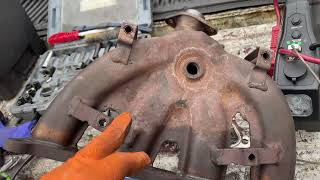
Typical fix: Replace the downstream oxygen sensor. It is located after the catalytic converter and requires getting under the vehicle. 🎬 See how to replace the downstream oxygen sensor.
Est. part cost: $40-$100 - Exhaust System Leak 🟡 Medium Probability Corrosion can cause leaks at gaskets, flex pipes, or the exhaust manifold, especially in regions that use road salt. A leak upstream of the downstream O2 sensor can introduce extra oxygen, tricking the sensor into reporting a failing converter.
How to confirm: Perform a visual inspection of the exhaust system from the engine to the tailpipe, looking for cracks or black soot around flanges. A smoke test can definitively identify small leaks. You may also hear a ticking or hissing sound that gets louder with acceleration.
Typical fix: Replace the leaking gasket or repair/replace the damaged section of the exhaust pipe.
Est. part cost: $20-$150 - Engine Misfires or Fuel Mixture Issues ⚪ Low Probability
How to confirm: Check for other trouble codes related to misfires (P0300-P0304) or fuel trim (P0171, P0172). Unburned fuel from misfires can overheat and permanently damage the catalytic converter.
Typical fix: Address the root cause of the misfire or fuel issue, which could be worn spark plugs, faulty ignition coils, or leaking fuel injectors. This must be done before replacing the catalytic converter.
Est. part cost: $50-$400
Rare But Worth Checking
- Internal Engine Damage: If the engine is consuming excessive oil or leaking coolant internally (e.g., from a bad head gasket), these contaminants can poison the catalytic converter, causing it to fail.
- Faulty Powertrain Control Module (PCM): → Shop Engine Control Module (ECM) In very rare cases, the PCM itself can be the source of a false code. This should only be considered after all other possibilities have been exhaustively ruled out. Sometimes a software update (flash) is required as part of a recall or TSB to correct overly sensitive catalyst monitoring.
Diagnosis Steps
- Check for Recalls: For 2011-2016 FWD models, first check your VIN with a Jeep dealer or on the NHTSA website for emissions recall U67 related to the catalytic converter.
- Scan for Other Codes: Use an OBD-II scanner to check for any other codes, especially those related to engine misfires, fuel system, or oxygen sensors. Address these codes first.
- Inspect for Exhaust Leaks: Carefully inspect the entire exhaust system between the upstream and downstream O2 sensors for any signs of leaks, such as cracks, holes, or black soot at the flanges. A smoke test is the most effective way to find small leaks.
- Analyze O2 Sensor Data: Use a scan tool with live data capability. At a steady 2,500 RPM, observe the voltage of the downstream O2 sensor (Bank 1, Sensor 2). It should be relatively steady (above 0.5V). If it's switching rapidly, similar to the upstream sensor, it points towards a bad catalytic converter. If the sensor reading is flat or unresponsive, the sensor itself may be the problem.
- Test the Oxygen Sensor: If the sensor is suspected, you can test its heater circuit and its response to rich/lean conditions to confirm if it's faulty before replacing it.
- Confirm Catalytic Converter Failure: If all other components check out, the catalytic converter is the most likely cause. A professional diagnosis may involve a backpressure test to check for blockages or an infrared temperature test to confirm it's not heating up correctly.
Parts You'll Likely Need
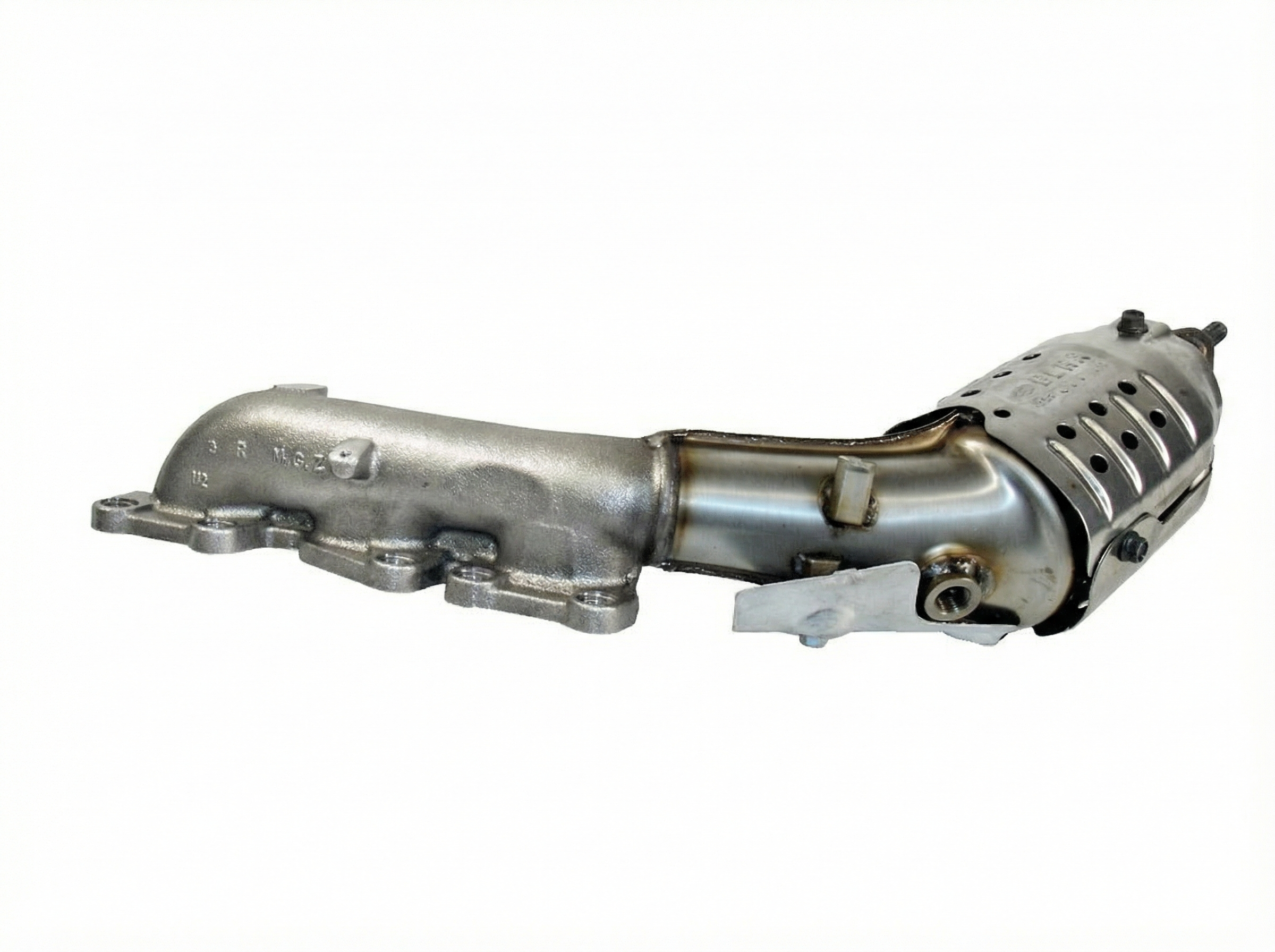
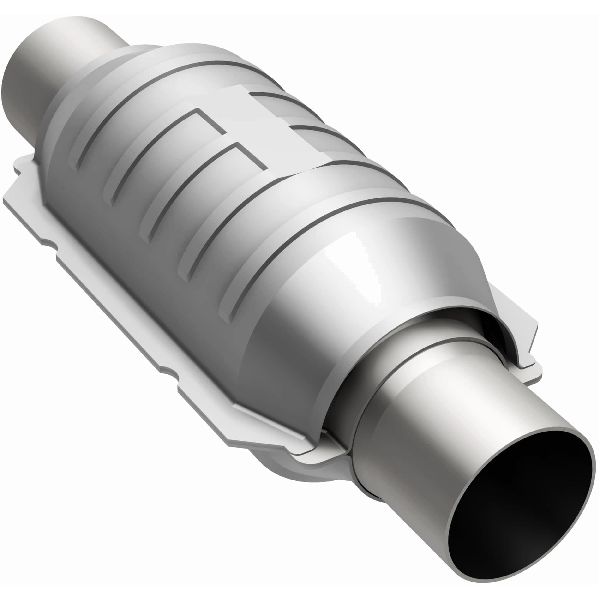
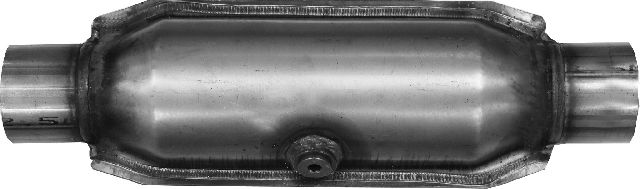
- Catalytic Converter
(OEM #68066674AC, 68096391AC)— This is the most common cause of P0422, especially on 2011-2016 models subject to the emissions recall U67.
Trusted brands: Mopar, Walker, MagnaFlow, AP Exhaust Technologies
OEM price range: $2000-$2500
Aftermarket price range: $400-$900 - Downstream Oxygen Sensor (Bank 1, Sensor 2)
(OEM #5149171AB)— A faulty sensor can send incorrect data to the PCM, falsely triggering the P0422 code. It's a common point of failure and should be tested before replacing the expensive converter.
Trusted brands: NGK/NTK, Denso, Bosch, Mopar
OEM price range: $80-$150
Aftermarket price range: $40-$100 - Exhaust Gasket/Seal — If an exhaust leak is found at a flange or connection, replacing the gasket is necessary to seal it.
Trusted brands: Fel-Pro, Walker, Bosal
OEM price range: $15-$40
Aftermarket price range: $5-$20
Related Codes That Often Appear With This One
- P0420 — This is a very similar code for "Catalyst System Efficiency Below Threshold (Bank 1)". While P0422 specifically points to the 'Main' catalyst, they are often used interchangeably and point to the same fundamental problem. The U67 recall addresses this code as well.
- P0300-P0304 — Misfire codes. An ongoing engine misfire allows unburned fuel to enter the exhaust, which can quickly destroy the catalytic converter, leading to a P0422 code.
- P0139, P0038 — These are codes related to the oxygen sensor circuit itself (e.g., slow response, heater circuit fault). If these are present, the O2 sensor is the likely culprit and should be addressed first.
Technical Service Bulletins (TSBs) & Recalls
- While not a specific TSB for P0422, TSB 18-034-16 involves a PCM software update for some models to improve catalyst monitoring diagnostics, which can be related to false codes.
Platform-Specific Known Issues
- Emissions Recall U67: FCA issued a recall for 2011-2016 Jeep Compass FWD models (among others) for premature catalytic converter failure. The fix involves replacing the converter and a software update.
- Owner Experience with Recall: Some owners have reported that even after getting the recall work done, the P0420/P0422 code can return, sometimes indicating other underlying issues or a problem with the replacement part. It's crucial to ensure the dealer performs both the part replacement and the PCM software update as specified in the recall.
Mechanic-Grade Diagnostic Values
- Downstream O2 Sensor (B1S2) Live Data Voltage — expected: Relatively stable between 0.5V and 0.8V on a fully warm engine at steady RPM.. Failure: Voltage fluctuates rapidly, mimicking the upstream sensor, or is stuck low (consistently below 0.2V).
- Downstream O2 Sensor Heater Circuit Resistance — expected: Between 2.0 and 30.0 ohms when measured on a disconnected, cold sensor. Some Mopar sensors are more specifically between 4 and 7 ohms.. Failure: Infinite resistance (OL) indicates an open circuit; near-zero resistance indicates a short.
- Catalytic Converter Temperature Differential — expected: Outlet temperature should be 50-100°F hotter than the inlet temperature when measured with an infrared thermometer at 2,500 RPM.. Failure: Little to no temperature difference between the inlet and outlet, indicating the catalyst is not performing the chemical reaction.
Scan Tool Commands That Help
- OBD-II Scan Tool: Catalyst Monitor Drive Cycle — After a repair (like replacing an O2 sensor or catalytic converter), the catalyst monitor in the PCM will show as 'Not Ready'. To confirm the fix and turn off the check engine light, a specific drive cycle must be performed to force the PCM to re-run its internal test. This avoids having the light return unexpectedly after a few days of normal driving.
- Professional Scan Tool (e.g., wiTECH): O2 Sensor Heater Test — To actively command the O2 sensor's internal heater on and off while monitoring its voltage response. This can help confirm if the heater circuit is functioning correctly without waiting for a full drive cycle, isolating a faulty sensor from a wiring issue.
Wiring & Ground Locations
- Downstream O2 Sensor Connector — Located underneath the vehicle, mounted to the transmission housing or a nearby bracket. Follow the wire from the sensor located just after the catalytic converter.. This connector is exposed to road debris, moisture, and heat, making it a potential point of failure. Corrosion or pushed-out pins can cause erratic sensor readings that mimic a bad catalytic converter.
Real Owner Repair Stories
- YouTube video by a mechanic (2016 Jeep Compass) — P0420 code (functionally identical to P0422 for this issue).
❌ Tried (didn't work) Replacing the downstream oxygen sensor.
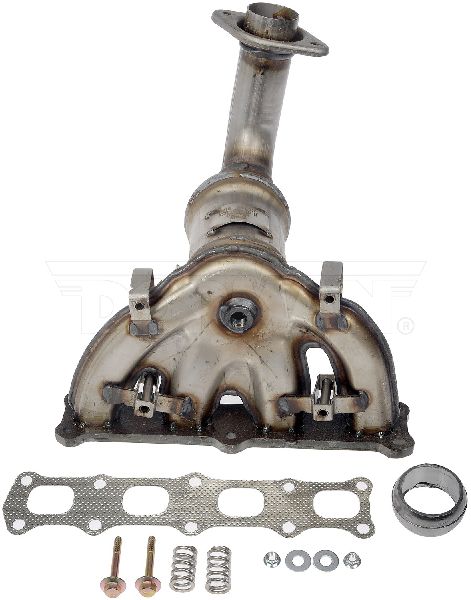
✅ What actually fixed it The actual cause was a hairline crack in the integrated exhaust manifold/catalytic converter assembly. The crack acted as an exhaust leak, allowing oxygen to enter the system and skew O2 sensor readings. The entire manifold/converter assembly had to be replaced. - Volvo Forums user (applicable principle) (Volvo with P0422) — Recurring P0422 code.
❌ Tried (didn't work) Clearing the code and using a fuel system cleaner., Replacing the catalytic converter with an aftermarket unit.
✅ What actually fixed it The owner reported that the code returned even after installing an aftermarket catalytic converter. The final fix was installing a used OEM catalytic converter, which resolved the issue permanently, suggesting the vehicle's computer was too sensitive for the aftermarket part's efficiency levels.
"I Checked Everything" — The Actual Cause
- A common scenario for the P0422/P0420 code on the Jeep Compass is a hairline crack in the exhaust manifold portion of the integrated catalytic converter assembly. A standard smoke test performed on a cold engine may not reveal this leak, as the crack may only open up and leak significantly when the manifold heats up and the metal expands. This leads to a misdiagnosis where the converter's catalyst is blamed, when the real issue is un-metered oxygen entering the exhaust stream upstream of the O2 sensors.
OEM Part Supersession History
68096391AA, 68096391AB→68096391AC— Standard part revision and improvement by the manufacturer.
Model Year Variations Within This Range
- 2011-2016: These model years, specifically with Front-Wheel Drive (FWD), were subject to emissions recall U67 for premature catalytic converter failure. The cause was identified as catalyst deterioration due to fuel sulfur. The fix requires both a new catalytic converter and a PCM software update. Attempting to fix a P0422 on these vehicles without checking for this recall can lead to paying for a repair that should be free.
Diagnostic Flowchart
Other Known Issues on This Vehicle
Issues unrelated to this code that are worth knowing about as an owner of this generation:
- CVT Transmission Overheating and Failure 🔴 High — Common, particularly in 2007-2014 models equipped with the Jatco CVT. Problems include overheating, whining noises, hesitation, and complete failure, often requiring a costly rebuild or replacement.
- Front and Rear Subframe Corrosion 🔴 High — Widespread issue, especially in regions using road salt. The subframe can rust through, compromising suspension mounting points and vehicle safety. An extended warranty was offered for some model years, but many owners report issues outside the coverage period. (Ref: Extended Warranty Program (not a formal recall))
- Water Leaks into Cabin 🟠 Medium — Very common problem reported by owners. Leaks often originate from clogged sunroof drains, poor seals in the roof ditch, or around the rear liftgate, leading to wet headliners, carpets, and potential electrical issues.
- Totally Integrated Power Module (TIPM) Failure 🟠 Medium — Can cause a wide range of difficult-to-diagnose electrical problems, including no-start conditions, fuel pump issues, and other systems failing intermittently.
Used vs. New Parts: Buying Guide for This Vehicle
When a used part is the smart pick: A used OEM catalytic converter from a low-mileage, rear-end collision donor vehicle can be a viable option, especially if an aftermarket converter has failed to resolve the code. The vehicle's computer can be sensitive, and a used OEM part is sometimes more compatible than a new aftermarket one.
Donor-vehicle mileage cap: roughly under 60000 miles for the part to have meaningful remaining life.
What to inspect on the donor part:
- Check for any rattling by tapping the converter with a rubber mallet; rattling indicates a broken internal substrate.
- Inspect the manifold portion for any visible hairline cracks, especially near the welds and flanges.
- Ensure the donor vehicle was not in a front-end collision, which could have damaged the exhaust manifold.
- Verify the donor vehicle does not have a history of engine issues like burning oil or coolant, which could have contaminated the converter.
OEM-only on this vehicle (don't cheap out):
- Catalytic Converter: Due to the U67 recall for premature failure and potential PCM sensitivity, using a Mopar (OEM) converter is strongly recommended to ensure the code does not return.
Aftermarket brands forum-validated for this vehicle:
- NTK or Denso for O2 sensors.
Brands owners have reported issues with on this vehicle:
- Generic, unbranded catalytic converters from online marketplaces are frequently reported to fail within a year or not meet the efficiency requirements of the PCM, causing the P0422 code to return.
Real Owner Stories
Aggregated from forums and TSBs cited above. Mileages and costs reflect what owners reported in those sources.
2011-2016 Jeep Compass FWD
Symptoms: The P0420/P0422 code returned even after getting the recall work done at the dealership.
What fixed it: Ensuring the dealer performs both the part replacement and the PCM software update as specified in the U67 recall.
Source hint: vehicle_specific_issues: Owner Experience with Recall
Related OBD-II Codes
Frequently Asked Questions
Is there a recall for the catalytic converter on my 2014 Jeep Compass FWD?
I already had the U67 recall performed, but the P0422 code came back. What should I do?
Can I use an aftermarket oxygen sensor to fix this code on my Jeep?
Does TSB 18-034-16 apply to my P0422 code?
How can I tell if my catalytic converter is actually failing versus just a bad sensor?
Could an exhaust leak cause a P0422 code on my Compass?
Helpful Videos
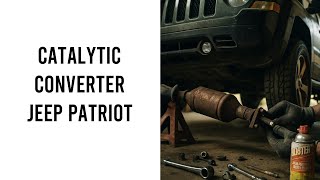
Used OEM Parts in Stock
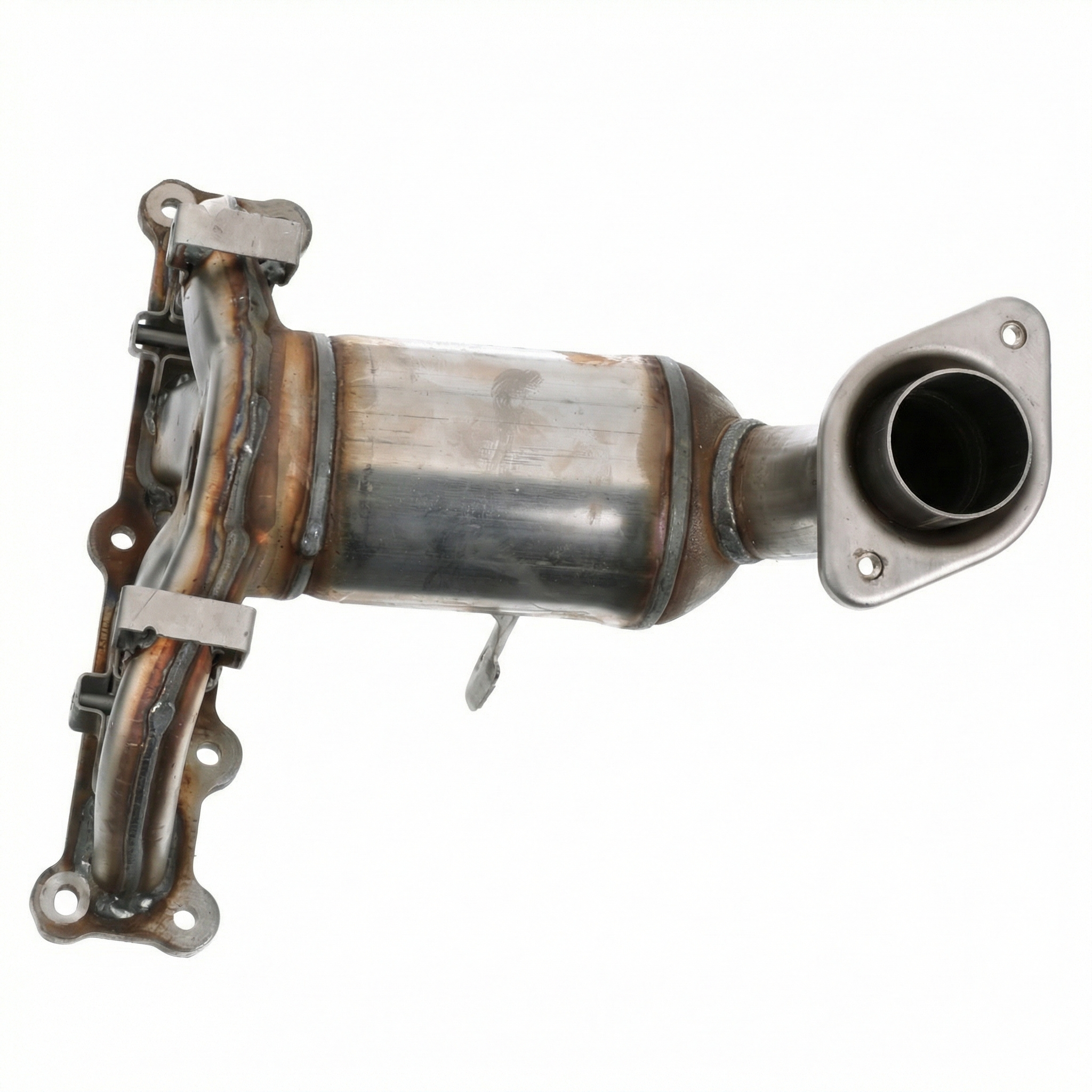
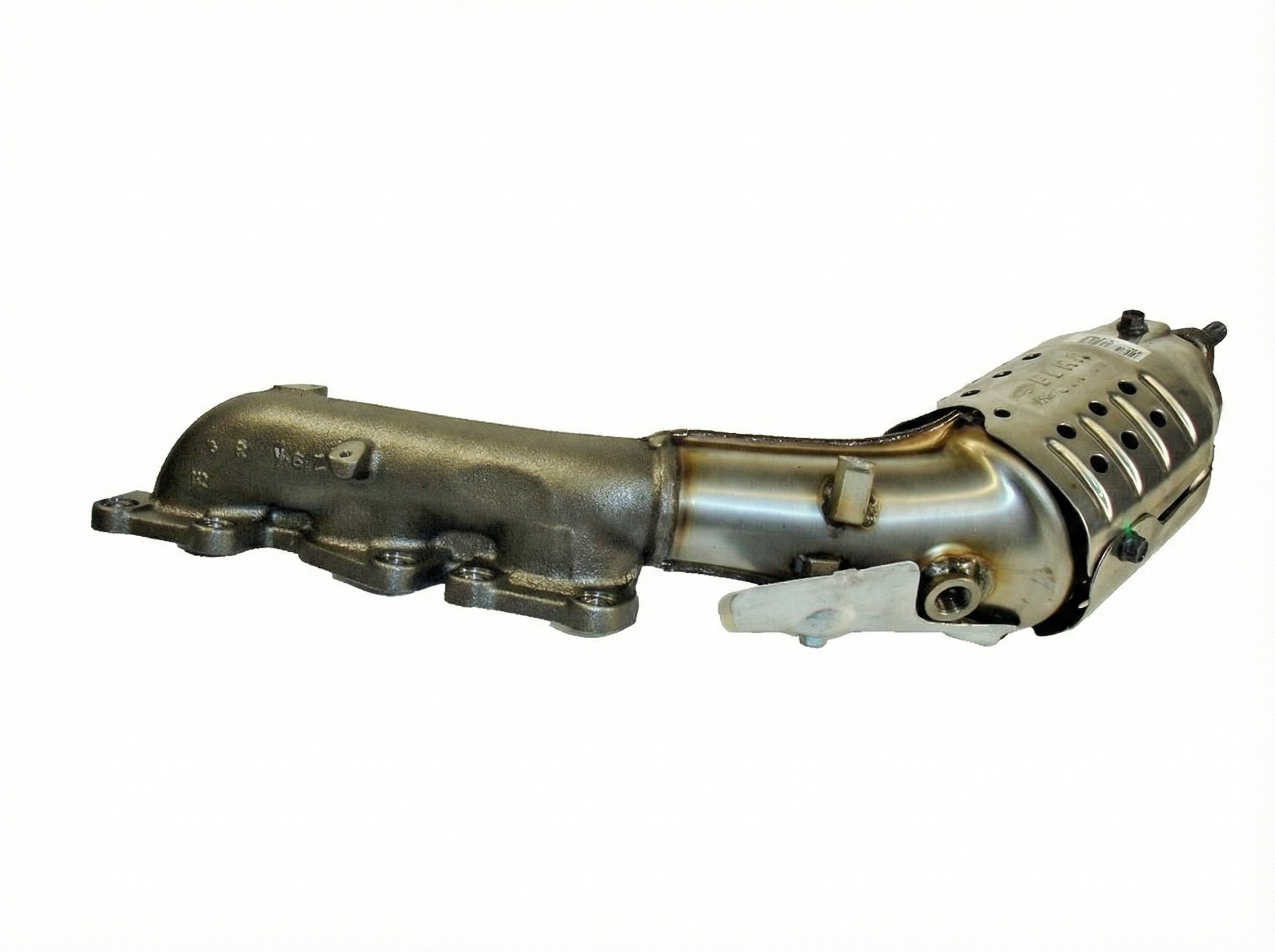
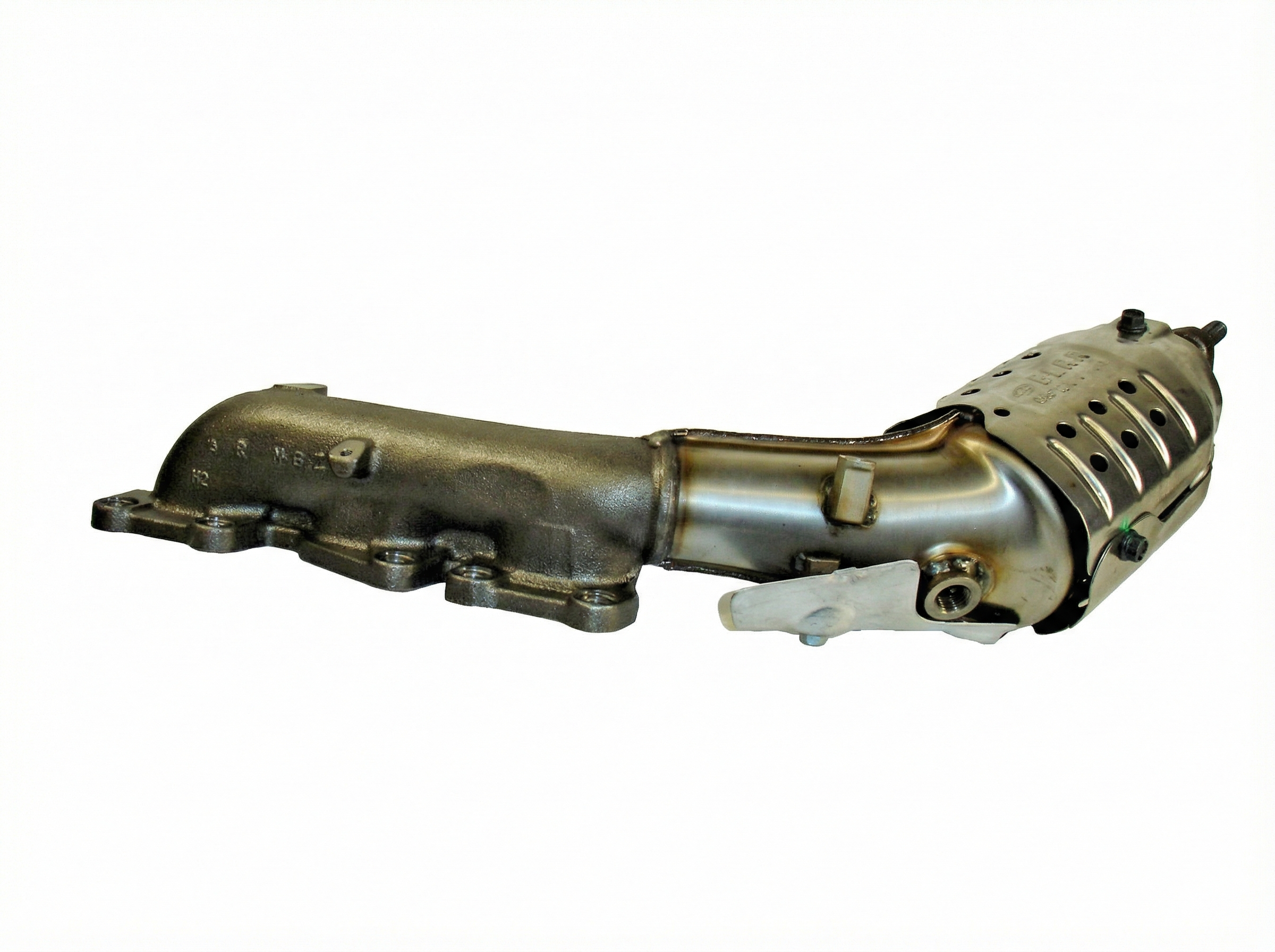
New Aftermarket Parts Available

The information in this article is provided for general reference and educational purposes only. Vehicle specifications, procedures, and part compatibility can vary by production date, trim level, and region. Always consult your vehicle's factory service manual and verify part numbers before purchasing or performing repairs. Safety-critical components such as airbags, seat belts, and braking systems should be installed by a qualified professional.
- Jeep Compass:
- 🧭 Diagnostic Flowchart
- 🎬 Helpful Videos
- 🛍️ Shop This Part
- What's Unique About the 2007-2017 Jeep Compass
- Symptoms You May Notice
- Most Likely Causes
- Rare But Worth Checking
- Diagnosis Steps
- Parts You'll Likely Need
- Related Codes That Often Appear With This One
- Technical Service Bulletins (TSBs) & Recalls
- Platform-Specific Known Issues
- Mechanic-Grade Diagnostic Values
- Scan Tool Commands That Help
- Wiring & Ground Locations
- Real Owner Repair Stories
- "I Checked Everything" — The Actual Cause
- OEM Part Supersession History
- Model Year Variations Within This Range
- Other Known Issues on This Vehicle
- Used vs. New Parts: Buying Guide for This Vehicle
- Real Owner Stories
- 2011-2016 Jeep Compass FWD
- Related OBD-II Codes
- Frequently Asked Questions
- 🎟️ Get 5% Off