

P0422 on 2014-2019 Toyota Highlander Hybrid: Main Catalyst Efficiency Fixes
This code means the main catalytic converter on Bank 1 is no longer working efficiently. While a failing oxygen sensor or exhaust leak is possible, the most common cause is the catalytic converter itself needing replacement. Expect to pay over $1,000 for a new converter, and confirm it's not just a sensor or leak first.
- P0422 means the main catalytic converter on Bank 1 (rear, near firewall) has failed its efficiency test.
- Before replacing the expensive catalytic converter, thoroughly inspect for exhaust leaks and test the downstream (Bank 1, Sensor 2) oxygen sensor.
- Any engine misfires or fuel system problems must be fixed first, or you risk damaging the new catalytic converter.
- Due to the cost and complexity, especially with rusty exhaust bolts, this repair can be challenging for a DIYer. A professional diagnosis is recommended if you are not comfortable with advanced auto repair.
- Check your vehicle's age and mileage; it may still be covered under the federal emissions warranty, which is 8 years or 80,000 miles.
What's Unique About the 2014-2019 Toyota Highlander Hybrid
On many vehicles, catalyst codes can be a toss-up between a bad sensor and the converter itself. However, for P0422 specifically, which points to the 'Main Catalyst' rather than the more common 'Catalyst System' (P0420), the diagnostic logic is more direct. While it's always wise to rule out sensors and leaks first, owner and technician experiences show that when this specific code appears on a modern Toyota, the catalytic converter has often reached the end of its service life. The hybrid system's frequent engine-off cycles can also affect catalyst temperature and longevity, though the 2GR-FXE is known for its general reliability. Modern Toyotas are also known to be sensitive to aftermarket catalytic converters, often requiring OEM or high-quality CARB-compliant units to prevent the code from returning.
Symptoms You May Notice
- Check Engine Light is on.
- Failed vehicle emissions test.
- Possible reduction in fuel economy.
- In rare, severe cases, a rotten egg (sulfur) smell from the exhaust if the converter is badly damaged.
- Hesitation or lack of power if the converter becomes clogged (a more advanced failure stage).
- Replacing the catalytic converter without first checking for exhaust leaks or testing the oxygen sensors. A faulty sensor or a small leak is much cheaper to fix and can be the root cause.
- Replacing an oxygen sensor when the catalytic converter is truly the failed component, leading to the code returning.
Most Likely Causes
- Failing Catalytic Converter (Bank 1) 🔴 High Probability → Shop Catalytic Converter Catalytic converters are wear items that degrade over time from age and heat cycles. The 2GR-FXE is a reliable engine, but factors like high mileage (>150,000 miles), contamination from internal engine issues (burning oil/coolant), or prolonged rich/lean running conditions can shorten a converter's life.
How to confirm: After confirming oxygen sensors are working correctly and there are no exhaust leaks, the converter is the prime suspect. A mechanic can use a 5-gas analyzer or monitor catalyst temperature to confirm. A significant drop in efficiency points to a failed converter. A DIY method involves graphing O2 sensor data; 🎬 Watch: How to diagnose a bad Toyota catalytic converter if the downstream sensor mimics the upstream, the cat is not functioning.
Typical fix: Replace the Bank 1 catalytic converter and associated gaskets. This is the manifold converter located against the firewall.
Est. part cost: $800-$2000+ - Faulty Downstream Oxygen Sensor (Bank 1, Sensor 2) 🟡 Medium Probability → Shop Oxygen Sensor Oxygen sensors are also wear items and are exposed to extreme heat and exhaust gases. A sensor that is slow to respond or provides inaccurate readings can trick the ECM into thinking the converter has failed.
How to confirm: Use an OBD-II scanner to graph the voltage of the downstream O2 sensor. A healthy sensor after a good converter should show a relatively steady voltage (typically above 0.6V). If the sensor's voltage is stuck low, switches lazily, or fluctuates wildly like the upstream sensor (after ruling out the converter), it may be faulty.
Typical fix: Replace the Bank 1, Sensor 2 (downstream) oxygen sensor.
Est. part cost: $80-$200 - Exhaust System Leak ⚪ Low Probability Gaskets and weld points in the exhaust system can fail over time due to rust and vibration, allowing oxygen to enter the exhaust stream between the upstream and downstream sensors. This extra oxygen can confuse the downstream O2 sensor, making it read leaner than actual and mimicking a failed converter.
How to confirm: Visually inspect the exhaust system from the engine manifold to past the catalytic converter for black soot, cracks, or holes. A smoke machine test is the most effective way to find small, hard-to-see leaks. Pay close attention to the manifold gaskets and the flange gaskets before and after the converter.
Typical fix: Repair the leak. This may involve replacing a gasket, welding a crack, or replacing a section of pipe.
Est. part cost: $10-$300
Rare But Worth Checking
- Engine Misfires or Fuel System Issues: An engine that is misfiring or has a fuel mixture problem (running too rich or too lean) can send unburned fuel into the exhaust. This unburned fuel can overheat and permanently damage the catalytic converter's internal structure. If you have other codes like P030x (misfire) or fuel trim codes (P0171, P0174), they must be addressed first to avoid destroying a new converter.
Diagnosis Steps
- Read the code: Use an OBD-II scanner to confirm P0422 and check for any other pending or stored codes. Note the freeze-frame data, which shows engine conditions when the code was set.
- Inspect for Exhaust Leaks: Visually inspect the entire exhaust system for cracks, rust, or loose flanges, particularly around the Bank 1 manifold and catalytic converter. A smoke test is recommended for a thorough check. 🎬 Watch: How to test a catalytic converter like a pro
- Analyze Sensor Data: Use a scanner with live data capabilities. Graph the voltage for the Bank 1 upstream (A/F Sensor) and downstream (O2 Sensor). On a warm engine at a steady 2,500 RPM, the upstream sensor should fluctuate rapidly, while the downstream sensor should remain relatively flat and steady (e.g., >0.6V). If the downstream sensor mimics the upstream sensor's fluctuations, it confirms the converter is not working efficiently.
- Test the Oxygen Sensor: If the sensor data is ambiguous, test the downstream oxygen sensor itself. A sluggish or non-responsive sensor should be replaced. You can also introduce a vacuum leak to see if the sensor responds quickly or force a rich condition with propane.
- Check for Underlying Engine Issues: Review fuel trim data (Short Term and Long Term). High fuel trims (>10%) could indicate a vacuum leak or fuel delivery problem that could be damaging the converter. Address any misfire (P030x) or fuel system codes before replacing the converter.
- Condemn the Catalytic Converter: If all other components have been ruled out and the live data confirms poor efficiency, the catalytic converter is faulty and requires replacement.
Parts You'll Likely Need
- Bank 1 Catalytic Converter
(OEM #17140-0P250 (Manifold/Converter Assembly, Bank 1))— This is the most common failure part for a P0422 code, as the code directly measures the main catalyst's efficiency. Bank 1 is the rear manifold, against the firewall. 🎬 Watch: Locate all four O2 sensors on a Highlander V6
Trusted brands: Toyota (OEM), Walker Exhaust, MagnaFlow, AP Exhaust
OEM price range: $1200-$2500
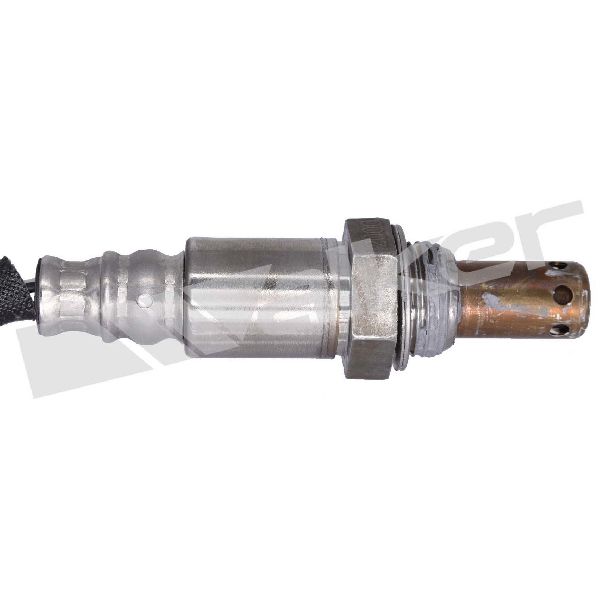
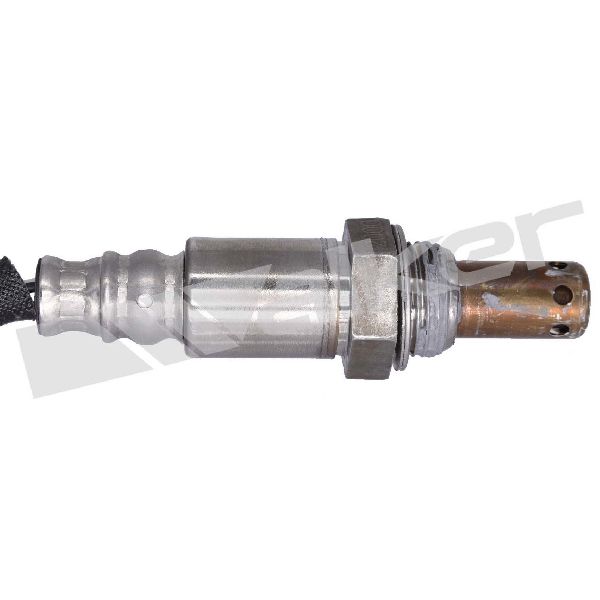
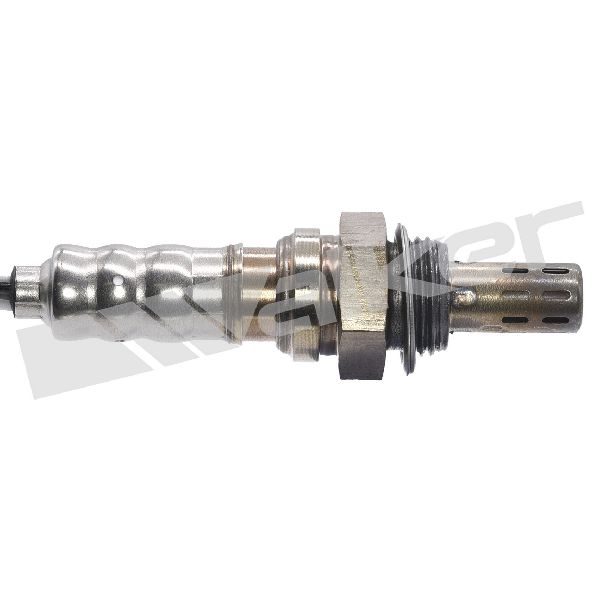
Aftermarket price range: $500-$1000 - Bank 1, Sensor 2 Oxygen Sensor
(OEM #89465-0E130 or 89465-0E220 (Verify by VIN))— A faulty downstream oxygen sensor can incorrectly report catalyst inefficiency. It's a common misdiagnosis and should be tested before replacing the expensive converter.
Trusted brands: Denso (OEM supplier), NGK/NTK
OEM price range: $150-$250
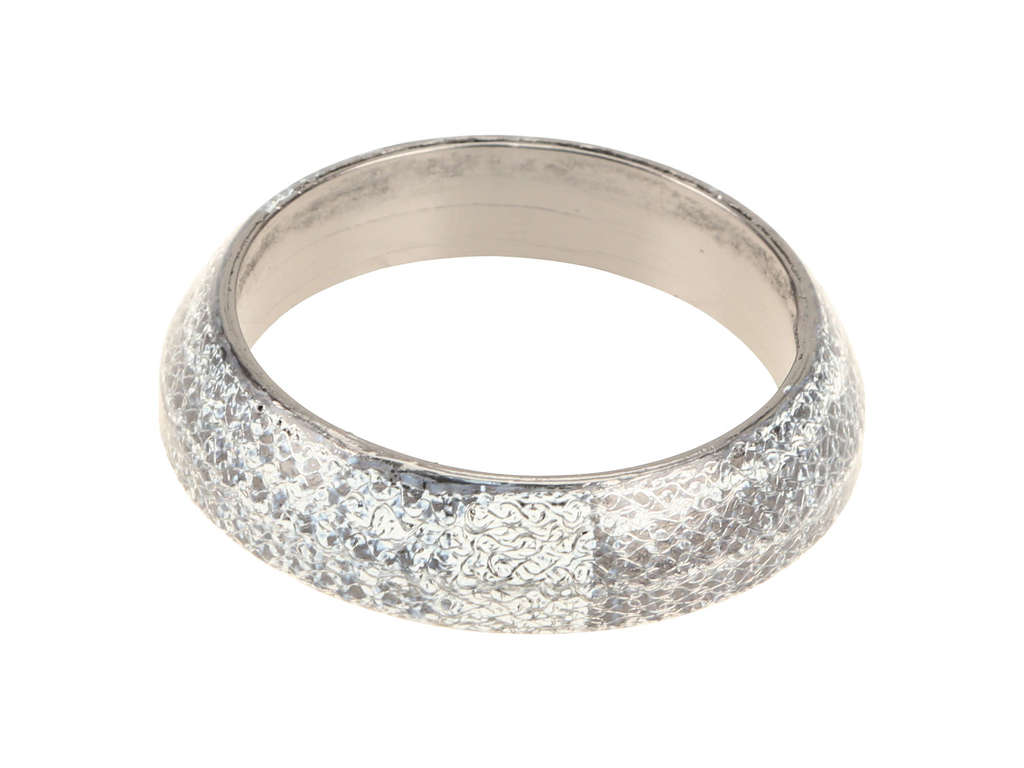
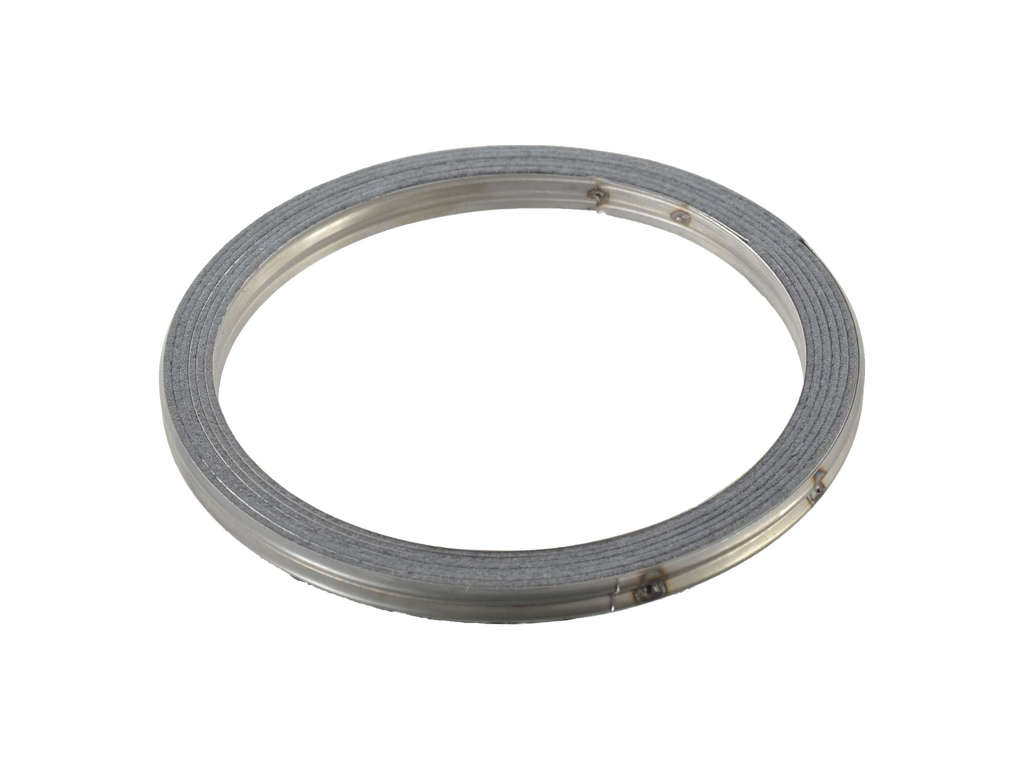
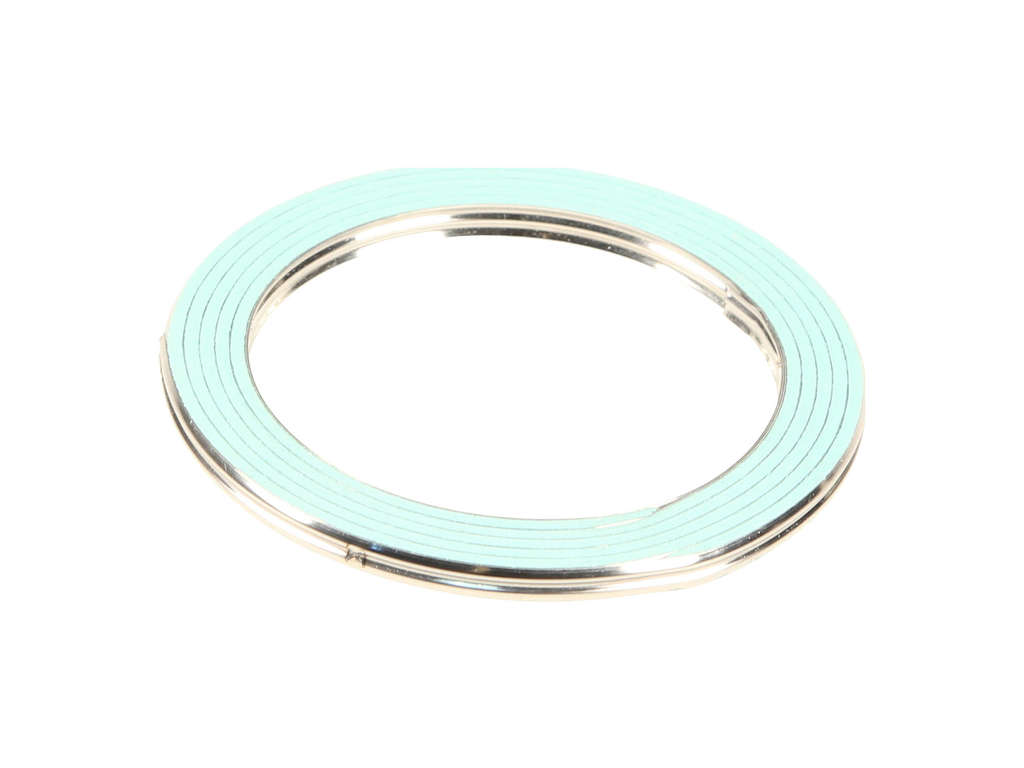
Aftermarket price range: $80-$150 - Exhaust Gaskets
(OEM #90917-A6001 (Example, always verify))— Exhaust gaskets should always be replaced when removing and reinstalling exhaust components to prevent leaks.
Trusted brands: Fel-Pro, Bosal, Toyota (OEM)
OEM price range: $20-$50
Aftermarket price range: $10-$30
Technical Service Bulletins (TSBs) & Recalls
- EG015-07: This service bulletin clarifies the location of Bank 1 and Bank 2 for various Toyota engines, including the 2GR-FE, confirming Bank 1 contains cylinder #1 and is located near the firewall on this transverse engine.
Mechanic-Grade Diagnostic Values
- Downstream O2 Sensor (Bank 1, Sensor 2) Voltage — expected: Relatively steady between 0.4V and 0.6V at stable RPM on a warm engine.. Failure: Voltage rapidly switching similar to the upstream sensor, indicating the catalyst is not storing oxygen.
- Upstream Air/Fuel Ratio Sensor (Bank 1, Sensor 1) Voltage — expected: Rapidly oscillates between approximately 0.1V and 0.9V under closed-loop operation.. Failure: A lazy or non-responsive sensor will not fluctuate quickly, which can affect fuel control and catalyst operation.
- Long-Term and Short-Term Fuel Trims — expected: Typically within ±10% during normal operation.. Failure: Consistently high positive trims (>10%) suggest a vacuum leak, while high negative trims suggest a rich condition, either of which can damage the catalytic converter over time.
- Oxygen Sensor Heater Resistance — expected: Typically between 5.1 and 6.3 Ω at 20°C (68°F) for many Toyota models. Some variants may be 4.5 - 6.0 Ω. Always verify with the specific service manual.. Failure: Resistance outside the specified range indicates a faulty heater element within the sensor, which can cause incorrect readings during engine warm-up.
Hidden / Shadow Codes Worth Checking
- Mode $06, TID $01, CID $01-$04: This is not a shadow code but rather raw monitor data. For the catalyst monitor, Techstream or an advanced scanner can display the Catalyst Efficiency test results. This often includes a measured value and a maximum/minimum threshold. If the measured value exceeds the threshold, the P0422 code is set. Reviewing this data can confirm the ECM's reason for failing the catalyst before the light comes on. (see via Advanced OBD-II scanner or Toyota Techstream software under the 'Monitor' or 'Mode $06' function.)
Scan Tool Commands That Help
- Toyota Techstream: Active Test: Control the Injection Mode — While not a direct catalyst test, this function allows a technician to switch between port and direct injection on the 2GR-FKS engine (used in 2017+ models). This can help diagnose underlying fuel system issues that could be causing catalyst damage, ensuring the engine is running correctly before replacing an expensive converter.
- Toyota Techstream: Data List & Graphing — This is the primary function for diagnosing P0422. A technician will graph Bank 1 Sensor 1 (A/F Sensor) and Bank 1 Sensor 2 (O2 Sensor) simultaneously. Comparing the switching frequencies on the graph provides a definitive visual confirmation of catalyst efficiency.
Wiring & Ground Locations
- Engine Harness Ground (Bank 1 side) — On the 2GR-FE/FXE family, a critical engine harness ground attaches to a boss on the side of the cylinder head, directly underneath the throttle body area.. A poor ground at this location can introduce electrical noise and incorrect readings for sensors on that bank, including the Air/Fuel Ratio and Oxygen sensors, potentially leading to a misdiagnosis of catalyst failure.
- Main Body Grounds — A cluster of ground wires is typically located behind the driver's side kick panel, near the interior fuse panel. Another key ground strap runs from the valve cover to the chassis near the strut tower.. While less direct, ensuring all main body and engine-to-chassis grounds are clean and tight is fundamental for stable sensor operation throughout the vehicle.
OEM Part Supersession History
17140-0P250→N/A— Part number verification issue.
Heads up: Multiple parts catalogs list 17140-0P250 for the 3.5L Highlander but explicitly state 'Without hybrid'. The catalytic converter for the 2GR-FXE Hybrid engine may have a different part number. It is critical to verify the correct part number using the vehicle's VIN before ordering to ensure proper fitment and function with the hybrid system.
Model Year Variations Within This Range
- 2017-2019: The 2017 model year introduced an updated V6 engine (2GR-FKS) with D-4S direct and port injection, paired with a new 8-speed automatic transmission. While the P0422 diagnosis is similar, the added complexity of the dual-injection system means fuel system issues must be more thoroughly investigated as a potential cause of catalyst failure. The earlier 2014-2016 models used the simpler port-injected 2GR-FE.
- 2017-2019: Models from 2017 onward received a facelift with a different front grille and updated taillights. They also gained Toyota Safety Sense as a standard feature, which involves a camera behind the windshield. This is unrelated to P0422 but is a key differentiator when identifying used vehicles.
Diagnostic Flowchart
Other Known Issues on This Vehicle
Issues unrelated to this code that are worth knowing about as an owner of this generation:
- Engine Water Pump Failure 🟠 Medium — Known weak point on the 2GR engine family. Can fail between 60,000-120,000 miles. Look for 'pink crust' coolant residue near the pump on the passenger side of the engine.
- Brake Actuator Assembly Failure 🔴 High — More common on earlier hybrids but can affect this generation. Leads to warning lights (ABS, VSC) and potential changes in brake feel. An expensive repair. (Ref: T-SB-0009-24 covers 2014-2016 models for this issue.)
- Timing Cover Oil Leak 🟠 Medium — The 2GR engine can develop a slow oil leak from the timing cover sealant. It's a labor-intensive and therefore expensive repair due to the engine removal or significant disassembly required.
- Low-Pressure Fuel Pump Failure 🔴 High — Part of a massive Toyota recall. The fuel pump can fail, leading to the engine stalling while driving. (Ref: NHTSA Recall 20V-012 (Campaign 20TA02))
Used vs. New Parts: Buying Guide for This Vehicle
When a used part is the smart pick: For this repair, a used OEM catalytic converter from a low-mileage, accident-damaged donor vehicle can be a cost-effective option, especially compared to the high price of a new OEM part. It is generally a better choice than a new, cheap aftermarket converter. Used oxygen sensors are generally not recommended due to their nature as a wear item.
Donor-vehicle mileage cap: roughly under 75000 miles for the part to have meaningful remaining life.
What to inspect on the donor part:
- Verify the donor vehicle was not in a front-end collision that could have damaged the exhaust manifold.
- Check for excessive rust or corrosion on the converter body and flanges.
- Ensure the O2 sensor bungs are not stripped or damaged.
- Ask for the VIN of the donor car to confirm it's from a compatible Highlander Hybrid model and year.
OEM-only on this vehicle (don't cheap out):
- Catalytic Converter: Strongly recommended. Modern Toyotas are notoriously sensitive, and many aftermarket converters (especially non-CARB compliant ones) lack the necessary precious metal loading to satisfy the ECM's efficiency monitoring, causing the P0422 code to return.
Aftermarket brands forum-validated for this vehicle:
- Denso or NTK for oxygen sensors (they are often the OEM suppliers).
- MagnaFlow or Walker may offer CARB-compliant converters that have a better chance of working, but OEM is still the safest bet to avoid recurring codes.
Brands owners have reported issues with on this vehicle:
- Generic, unbranded, or extremely cheap 'universal' catalytic converters found on sites like eBay or Amazon. These almost universally fail to meet the efficiency requirements for this vehicle and will cause the check engine light to return.
Real Owner Stories
Aggregated from forums and TSBs cited above. Mileages and costs reflect what owners reported in those sources.
2017 Highlander Hybrid 3.5L V6
Symptoms: Owner reported a dealership diagnosis of a 'leaky' component and noted the presence of 'pink crust' residue near the engine.
What fixed it: The discussion focused on identifying a water pump leak, a known weak point that can lead to exhaust contamination.
Source hint: Reddit r/MechanicAdvice thread '2017 highlander hybrid dealership says leaky'
Toyota Highlander Hybrid 2GR-FXE
Symptoms: The vehicle triggered dual catalyst efficiency codes simultaneously.
What fixed it: Diagnosis involved checking O2 sensors and considering the high cost of OEM converter replacement.
Source hint: ToyotaNation.com thread 'p0422-and-p0432-main-catalyst-efficiency-below-threshold'
Related OBD-II Codes
Frequently Asked Questions
Where is the Bank 1 catalytic converter located on my 2014-2019 Highlander Hybrid?
Can a water pump leak cause issues related to my P0422 code?
Is there a specific TSB for the brake warning lights that appeared alongside my check engine light?
Should I buy a new aftermarket catalytic converter or a used OEM one for my Highlander Hybrid?
Could my P0422 code be caused by the recent Toyota fuel pump recall?
How can I tell if my Bank 1 Sensor 2 oxygen sensor is actually the problem?
Helpful Videos
We Have This Part in Stock

The information in this article is provided for general reference and educational purposes only. Vehicle specifications, procedures, and part compatibility can vary by production date, trim level, and region. Always consult your vehicle's factory service manual and verify part numbers before purchasing or performing repairs. Safety-critical components such as airbags, seat belts, and braking systems should be installed by a qualified professional.
- Toyota Highlander Hybrid:
- 🧭 Diagnostic Flowchart
- 🎬 Helpful Videos
- 🛍️ Shop This Part
- What's Unique About the 2014-2019 Toyota Highlander Hybrid
- Symptoms You May Notice
- Most Likely Causes
- Rare But Worth Checking
- Diagnosis Steps
- Parts You'll Likely Need
- Technical Service Bulletins (TSBs) & Recalls
- Mechanic-Grade Diagnostic Values
- Hidden / Shadow Codes Worth Checking
- Scan Tool Commands That Help
- Wiring & Ground Locations
- OEM Part Supersession History
- Model Year Variations Within This Range
- Other Known Issues on This Vehicle
- Used vs. New Parts: Buying Guide for This Vehicle
- Real Owner Stories
- 2017 Highlander Hybrid 3.5L V6
- Toyota Highlander Hybrid 2GR-FXE
- Related OBD-II Codes
- Frequently Asked Questions
- 🎟️ Get 5% Off