

P0426 on 2015-2019 Subaru Outback 2.5L: Catalyst Temp Sensor Causes and Fixes
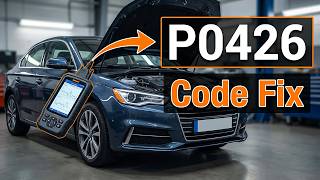
On a 2015-2019 Outback 2.5L, code P0426 is almost always caused by a failing front (upstream) Air/Fuel Ratio sensor, not the catalytic converter. Expect to pay $150-$250 for an OEM or Denso sensor and about an hour of labor. Before replacing it, check for exhaust leaks, especially on 2015-2016 models covered by a service campaign (WUJ-95) for cracked exhaust pipes that cause a distinct 'growl' noise.
- P0426 on this Outback almost always points to the front (upstream) Air/Fuel Ratio sensor, not the catalytic converter.
- Before buying parts, check for exhaust leaks, especially on 2015-2016 models which are subject to a service campaign (WUJ-95) for cracked front pipes.
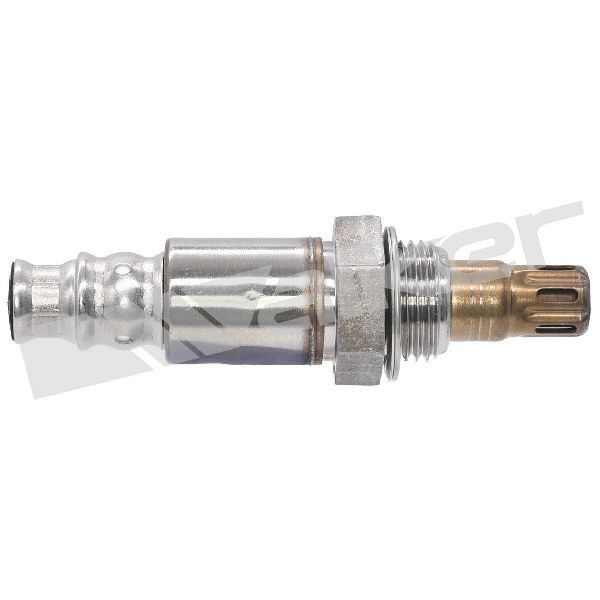
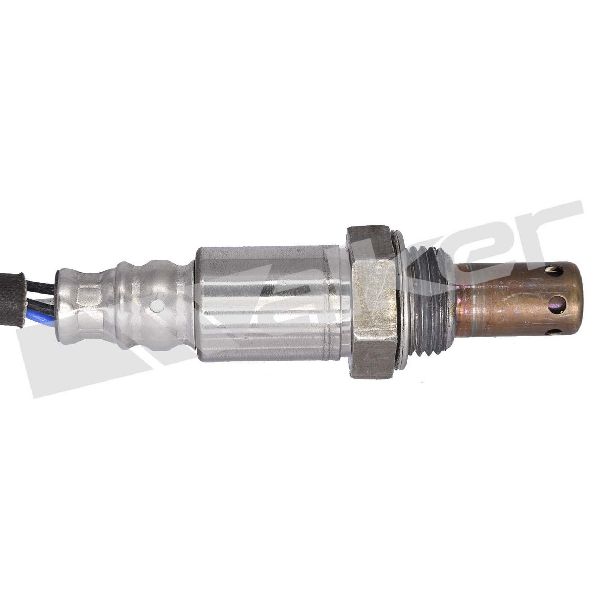
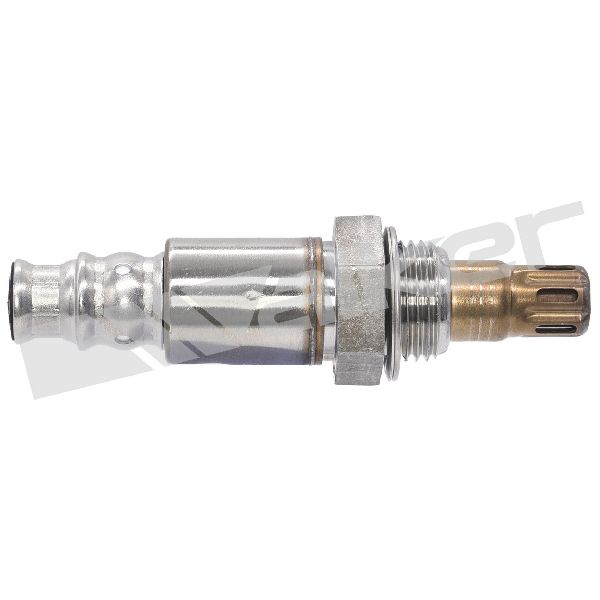
- Use a quality OEM (Subaru) or Denso (P/N 234-9136) branded replacement sensor for the best results and longevity.
- Diagnosing other codes like P0420 or P0171/P0172 should only happen after P0426 is resolved, as they are often symptoms of the faulty A/F sensor.
What's Unique About the 2015-2019 Subaru Outback
The key issue for this Outback generation is a known problem with the front exhaust pipe. Subaru issued a service campaign (WUJ-95) for 2015-2016 models because the flexible bellows on the pipe can crack. This exhaust leak introduces oxygen into the system right before the sensor, causing incorrect readings that trigger the P0426 code. Owners often report an audible "growl" noise from the engine bay, especially just off-idle, and sometimes an exhaust smell in the cabin when stationary. This makes checking for exhaust leaks, not just replacing the sensor, a critical first step.
Symptoms You May Notice
- Check Engine Light is on
- Reduced fuel economy
- Slight engine hesitation or sluggish performance
- Audible exhaust 'growl' or ticking noise from the engine bay, especially when cold or just off-idle
- Exhaust smell in the cabin when stopped
- Replacing the catalytic converter. P0426 is a sensor performance code, not a converter efficiency code (like P0420). The converter is rarely the cause for P0426.
- Replacing the rear (downstream) oxygen sensor. This code specifically points to Sensor 1, which is the front (upstream) Air/Fuel Ratio sensor.
Most Likely Causes
- Failing Front Air/Fuel Ratio Sensor (Bank 1) 🔴 High Probability → Shop Oxygen Sensor The sensor is a high-wear item that degrades from constant exposure to extreme exhaust heat. Its internal heater and sensing elements can fail, leading to slow or irrational readings.
How to confirm: Use an OBD-II scanner with live data to monitor the Bank 1 Sensor 1 voltage and current. A healthy sensor's voltage should fluctuate rapidly around 2.2-3.3V at idle. A sensor that is slow to respond, stuck at a specific voltage, or has an erratic signal is faulty.
Typical fix: Replace the front (upstream) Air/Fuel Ratio sensor on the passenger side. It is highly recommended to use an OEM (Subaru) or Denso (the original manufacturer, part #234-9136) part for reliability.
Est. part cost: $150-$250 - Exhaust Leak Upstream of the Sensor 🟡 Medium Probability Subaru Service Campaign WUJ-95 specifically addresses cracking bellows on the front exhaust pipe of 2015-2016 models, which causes a leak. Gaskets can also fail over time. Rust belt vehicles are particularly susceptible.
How to confirm: Perform a visual inspection of the exhaust manifold and front pipe for black soot marks, indicating a leak. Listen for an audible ticking or 'growl' sound from the engine bay, especially when cold. A professional smoke test is the most definitive way to find a leak.
Typical fix: If the front pipe bellows are cracked on a 2015-2016 model, the front exhaust pipe assembly needs to be replaced, which is covered under campaign WUJ-95. Otherwise, replace the failed gasket or repair the leaking section.
Est. part cost: $5-$50 for a gasket, $300+ for a new front pipe assembly if not covered by the campaign. - Damaged Wiring or Connectors ⚪ Low Probability The wiring harness is close to hot exhaust components and can become brittle or damaged over time. Rodents are also known to chew on Subaru's soy-based wire insulation.
How to confirm: Visually inspect the wiring and connector for the front A/F sensor. Look for any signs of burning, chafing, corrosion, or loose pins in the connector. Check for rodent damage like chewed wires.
Typical fix: Repair the damaged section of the wiring harness or clean/replace the connector.
Est. part cost: $10-$50
Rare But Worth Checking
- Contamination from Oil Leaks: While more documented on older Subarus, the boxer engine design means a leaking valve cover gasket can potentially drip oil onto the exhaust and contaminate the A/F sensor, leading to premature failure. It's worth checking the valve covers for any signs of oil seepage.
- Outdated ECM Software: In some cases, Subaru has released software updates to change the sensitivity and logic for monitoring A/F sensors. A dealer can check if any updates are available for your vehicle's VIN. TSB 09-78-21, for example, addressed similar sensor codes on other models.
Diagnosis Steps
- Read the code with an OBD-II scanner and confirm it is P0426. Check for any other stored codes.
- Check your vehicle's VIN for open service campaigns, specifically WUJ-95 (for 2015-2016 models) and WUW-99 (for 2015-2018 SULEV models). If either are active, have the repair performed by a Subaru dealer.
- Perform a thorough visual and auditory inspection of the exhaust system from the engine to the catalytic converter. When the engine is cold, start it and listen for a distinct ticking or growl from the front exhaust pipe area. Look for black soot marks around the flex pipe bellows.
- Inspect the wiring harness and connector for the front A/F sensor (Bank 1, passenger side) for any signs of heat damage, corrosion, or loose connections.
- Use a scan tool with live data to observe the Bank 1 Sensor 1 voltage. At a steady 2500 RPM, the voltage should hold relatively steady. At idle, it should fluctuate. A sensor that is slow, stuck, or provides erratic readings outside the typical range points to a bad sensor.
- If the sensor and wiring appear good, but an exhaust leak is suspected, perform a smoke test to definitively confirm its location.
- If no leaks are found and the wiring is intact, the most likely cause is the A/F sensor itself. Replacement requires a 22mm (or 7/8") oxygen sensor socket.
Parts You'll Likely Need
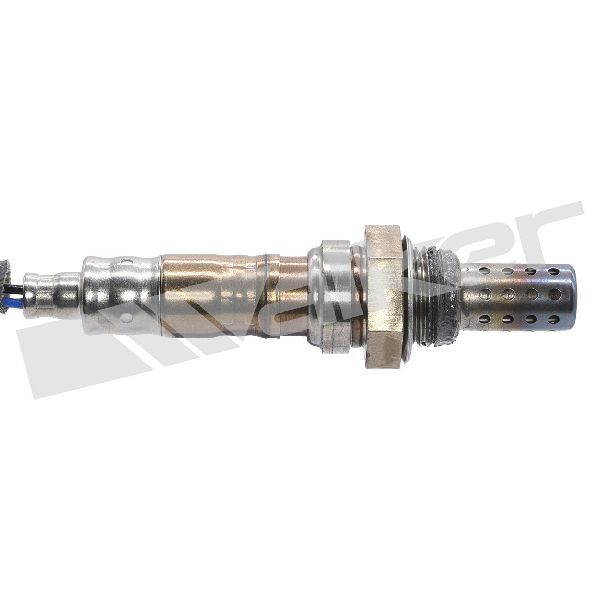
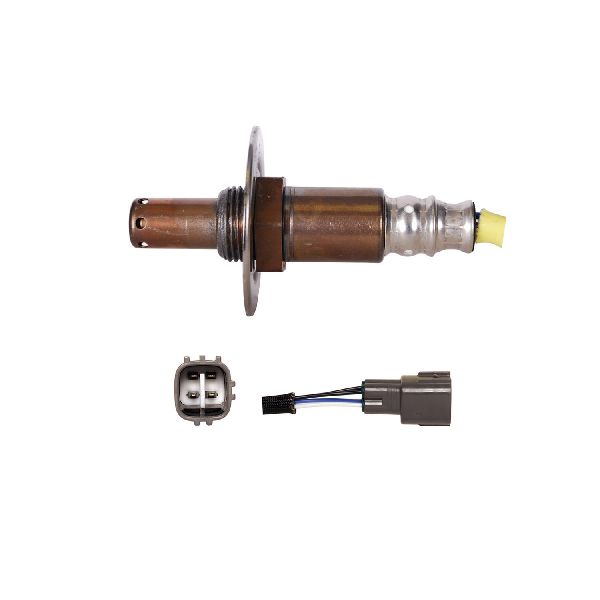
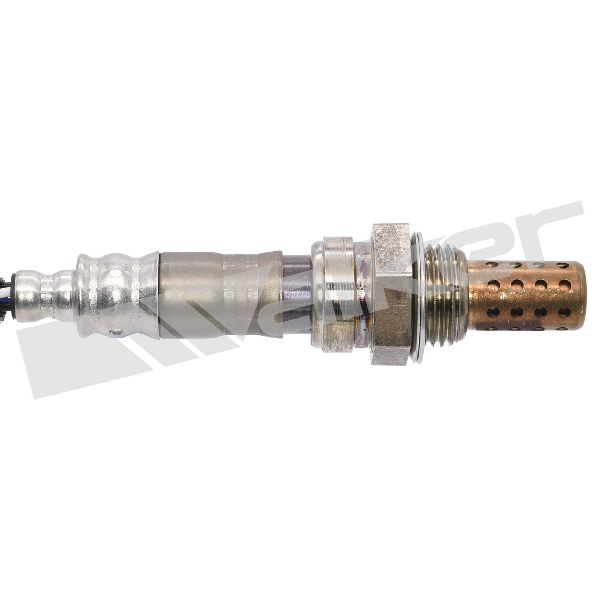
- Front Air/Fuel Ratio Sensor (Bank 1)
(OEM #22641AA71A)— This is the sensor the ECM uses to infer catalyst temperature, and its failure is the most common cause of P0426.
Trusted brands: Subaru (OEM), Denso (OEM Manufacturer, P/N 234-9136)
OEM price range: $200-$250
Aftermarket price range: $150-$200
Related Codes That Often Appear With This One
- P0420 — If the A/F sensor provides bad data for long enough, the ECM can misinterpret it as a problem with the catalytic converter's efficiency, triggering a P0420 code. Always diagnose P0426 first.
- P0171/P0172 — These codes indicate a lean or rich fuel mixture. A faulty A/F sensor can cause these codes, or an underlying fuel mixture problem (like an exhaust leak) can cause the P0426.
- P015A/P015B — These codes also point to a delayed response from the oxygen sensor, reinforcing that the sensor itself is the likely culprit.
Technical Service Bulletins (TSBs) & Recalls
- WUJ-95 (Service Campaign)
- WUW-99 (Service Campaign)
- 16-107-17 (CVT Warranty Extension)
- 16-115-18 (CVT Warranty Extension)
Platform-Specific Known Issues
- Service Campaign WUJ-95 / NHTSA ID 20V032000: Affects 2015-2016 2.5L models for a front exhaust pipe that can crack at the bellows, causing an exhaust leak that triggers emissions codes. The fix is a replacement of the front pipe assembly.
- Service Campaign WUW-99 / NHTSA ID 19V421000: Affects certain 2015-2018 2.5L SULEV models where an incorrect, non-SULEV front exhaust pipe may have been installed during a prior repair, potentially causing emissions compliance issues.
Mechanic-Grade Diagnostic Values
- Front A/F Sensor (Wideband) Lambda Value — expected: Should fluctuate around 1.0 at idle and steady cruise. Snapping the throttle should cause it to go rich (below 1.0) and then lean (above 1.0) on decel.. Failure: A sensor that is stuck at a specific value, is slow to respond, or reads opposite to the downstream O2 sensor during a throttle snap is faulty.
- Front A/F Sensor Heater Resistance — expected: Typically between 2-4 ohms when measured across the two heater pins on a cold sensor.. Failure: A reading of infinity (open circuit) or zero (short circuit) indicates a failed heater element, which is a common failure mode that can trigger performance codes.
- Mass Airflow (MAF) Sensor Reading at Warm Idle — expected: Approximately 2.5 g/s for a healthy FB25 engine at normal operating temperature with no accessories on.. Failure: Significantly higher or lower readings could indicate a vacuum leak or a faulty MAF sensor, which can skew fuel trims and indirectly contribute to A/F sensor codes.
- Wiring Harness Resistance to Ground — expected: Less than 5 Ω between the sensor signal wire and ground when disconnected.. Failure: Resistance greater than 5 Ω points to a compromised wire or corroded connector in the harness.
Scan Tool Commands That Help
- Subaru Select Monitor (SSM) or advanced generic scanner (e.g., ANCEL X7): A/F Sensor Compensation Reset / Clear Memory — After replacing the front A/F sensor, it is critical to reset the learned fuel trim values. Failure to do so can cause the new sensor to operate based on old, incorrect data, potentially leading to persistent codes or poor performance. A full battery disconnect for 20+ minutes can also achieve this.
Wiring & Ground Locations
- Engine Harness Grounds — On the top of the intake manifold. The FB25 engine's ECU gets its primary ground reference from this location.. A poor ground connection at the intake manifold can introduce electrical noise and voltage offsets, causing the ECM to misinterpret the A/F sensor's signal. This is a critical check, as all sensor signals are referenced to this ground.
- Chassis to Engine Block Ground Straps — Braided ground straps connecting the engine block to the vehicle's frame/chassis, often near the engine mounts.. These straps can corrode and break, especially in rust-belt regions. A broken main ground strap forces sensor return paths through smaller, incorrect circuits, leading to erratic sensor readings and codes like P0426.
- A/F Sensor Connector Bracket — A small metal bracket to the left of the upper radiator hose, holding the connectors for both the upstream A/F sensor and downstream O2 sensor.. This is the primary location to inspect for connector damage, corrosion, or pushed pins. Unbolting this bracket allows for easier access to test the sensor and harness side of the circuit.
Real Owner Repair Stories
- YouTube channel 'I Do Cars' (2015 Subaru Forester 2.5L (FB25 engine), similar platform and systems) — Check Engine Light with codes P0171 (Lean), P2096 (Post Catalyst Rich), and P0030 (Heater Circuit).
❌ Tried (didn't work) Initial diagnosis was confusing due to contradictory lean and rich codes.
✅ What actually fixed it The front A/F sensor was diagnosed as faulty using live data (Lambda value was untrustworthy). After replacing the sensor, the long-term fuel trims were still high (+28%). The final fix required clearing the learned fuel trim data (ECU reset/battery disconnect) to allow the system to relearn with the new, functional sensor.
OEM Part Supersession History
44620AD88A→44620AD88B— Revision of the front exhaust pipe assembly, likely to address the cracking issue in the WUJ-95 campaign.
Heads up: While the newer part fits older models, it's crucial to ensure the correct part is used for the specific model year and emissions type (Federal vs. SULEV).44620AD89A→44620AD89B— Revision of a different variant of the front exhaust pipe assembly.
Model Year Variations Within This Range
- 2015-2016: These model years are specifically covered by Service Campaign WUJ-95 for the cracking front exhaust pipe. While later years can still develop leaks, the 2015-2016 models had a higher, documented rate of failure due to a specific part defect.
- 2017-2019: The front exhaust pipe assembly part numbers were superseded, suggesting a design change may have been implemented for the 2017 model year refresh to mitigate the cracking issue seen in earlier models. Therefore, on a 2017-2019 model, while an exhaust leak is still possible, it is less likely to be from the specific bellows crack targeted by the WUJ-95 campaign.
Diagnostic Flowchart
Other Known Issues on This Vehicle
Issues unrelated to this code that are worth knowing about as an owner of this generation:
- Parasitic Battery Drain 🔴 High — Widespread issue leading to multiple class-action lawsuits. Can occur at any mileage, often noticed on vehicles that are not driven daily. (Ref: Class Action Lawsuit (Taylor, et al. v. Subaru of America, Inc.))
- Lineartronic CVT Warranty Extension 🟠 Medium — Sufficiently common for Subaru to extend the powertrain warranty on the CVT to 10 years/100,000 miles. Symptoms include shuddering at low speeds. (Ref: TSB 16-107-17 & 16-115-18)
- Spontaneously Cracking Windshields 🟠 Medium — Common enough to result in a class-action lawsuit. Affects vehicles with and without the EyeSight system. (Ref: Class Action Lawsuit (Powell, et al. v. Subaru of America, Inc.))
- Excessive Oil Consumption 🟡 Low — Primarily affected early FB-series engines (pre-2015), but still reported by some owners of this generation. Subaru considers consumption of up to 1/3 quart in 1200 miles to be 'normal'. (Ref: TSB 02-157-14R (for earlier models, but relevant context))
- Failing Wheel Bearings 🟡 Low — A noticeable number of owners report a humming noise at highway speeds, requiring wheel bearing/hub replacement, sometimes before 100,000 miles.
Used vs. New Parts: Buying Guide for This Vehicle
When a used part is the smart pick: A used front exhaust pipe assembly can be a cost-effective option IF it comes from a low-mileage, non-rust-belt vehicle. Given the high cost of a new OEM pipe, this is a reasonable area to save money.
Donor-vehicle mileage cap: roughly under 60000 miles for the part to have meaningful remaining life.
What to inspect on the donor part:
- Inspect the flexible bellows section for any signs of black soot, which indicates a crack.
- Check for heavy flaking rust on the pipe and flanges.
- Ensure the mounting studs are intact and not excessively corroded.
- Verify the part came from a 2017 or newer model if possible, as they may have the updated design.
OEM-only on this vehicle (don't cheap out):
- Front Air/Fuel Ratio Sensor: The ECM is calibrated for the specific performance of the OEM Denso sensor. Using off-brand sensors is a very common cause of repeat failures and persistent codes.
- Catalytic Converter: Aftermarket catalytic converters for modern Subarus are notorious for failing to meet the ECM's strict efficiency monitoring, often leading to a P0420 code within a few months.
Aftermarket brands forum-validated for this vehicle:
- Denso (for Air/Fuel Ratio Sensor - P/N 234-9136 is the OEM supplier)
Brands owners have reported issues with on this vehicle:
- Generic, unbranded 'eBay' or 'Amazon' oxygen sensors. While tempting due to low cost, they frequently have incorrect heater resistances or slow response times that are not compatible with Subaru's ECU logic.
Real Owner Stories
Aggregated from forums and TSBs cited above. Mileages and costs reflect what owners reported in those sources.
2015-2016 Subaru Outback 2.5L
Symptoms: Distinct growl noise from the front exhaust pipe area; emissions codes triggered.
What fixed it: Replacement of the front exhaust pipe assembly under Service Campaign WUJ-95.
Source hint: Reddit r/subaru - Thread Title: 'TSB Thursday: 09-84-22R AND WUJ-95: Exhaust Pipe Front (EPF) Replacement'
2015-2019 Subaru Outback 2.5L
Symptoms: P0426 code present; dealer recommended a new catalytic converter.
What fixed it: Replacing the front A/F sensor with a Denso 234-9136 part.
Source hint: subaruoutback.org - Thread Title: 'P0426 code, dealer says needs new cat'
2015-2019 Subaru Outback 2.5L
Symptoms: P0426 code (Catalyst Temp Sensor); inspected exhaust and found no leaks.
What fixed it: Replacing the front A/F sensor with a Denso or OEM part.
Source hint: subaruoutback.org - Thread Title: 'P0426 - Catalyst Temp Sensor'
Related OBD-II Codes
Frequently Asked Questions
My dealer says I need a new catalytic converter for code P0426. Is there a cheaper fix for my 2015-2019 Outback?
Does Service Campaign WUJ-95 apply to my 2015 Subaru Outback?
What is the specific part number recommended for the front A/F sensor on the FB25 engine?
I have a 2017 Outback SULEV; is there a specific exhaust issue I should know about?
I hear a ticking noise from the engine bay when my Outback is cold. Is this related to P0426?
Can rodents cause the P0426 code on my Subaru?
Helpful Videos
We Have This Part in Stock

The information in this article is provided for general reference and educational purposes only. Vehicle specifications, procedures, and part compatibility can vary by production date, trim level, and region. Always consult your vehicle's factory service manual and verify part numbers before purchasing or performing repairs. Safety-critical components such as airbags, seat belts, and braking systems should be installed by a qualified professional.
- Subaru Outback:
- 🧭 Diagnostic Flowchart
- 🎬 Helpful Videos
- 🛍️ Shop This Part
- What's Unique About the 2015-2019 Subaru Outback
- Symptoms You May Notice
- Most Likely Causes
- Rare But Worth Checking
- Diagnosis Steps
- Parts You'll Likely Need
- Related Codes That Often Appear With This One
- Technical Service Bulletins (TSBs) & Recalls
- Platform-Specific Known Issues
- Mechanic-Grade Diagnostic Values
- Scan Tool Commands That Help
- Wiring & Ground Locations
- Real Owner Repair Stories
- OEM Part Supersession History
- Model Year Variations Within This Range
- Other Known Issues on This Vehicle
- Used vs. New Parts: Buying Guide for This Vehicle
- Real Owner Stories
- 2015-2016 Subaru Outback 2.5L
- 2015-2019 Subaru Outback 2.5L
- 2015-2019 Subaru Outback 2.5L
- Related OBD-II Codes
- Frequently Asked Questions
- 🎟️ Get 5% Off