

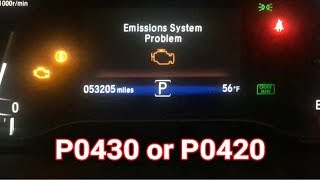
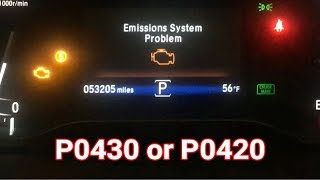
P0430 on 2014-2017 Acura MDX: Software Glitch, Bad Catalytic Converter, or Faulty Injectors?
On a 2014-2017 MDX, code P0430 is very often caused by a software glitch that requires a simple update from an Acura dealer, as specified in TSB 17-034. Before replacing the expensive catalytic converter, have the software version checked, as the update may be covered under the 8yr/80k mile emissions warranty. If other codes like P219B or misfires are present, faulty fuel injectors could be the root cause, an issue seen on platform mates like the Honda Pilot.
- For a P0430 code on a 2014-2017 MDX, your first step should be to check with a dealer if the PCM software update from TSB B17-034 has been performed.
- Do not automatically replace the catalytic converter; it is an expensive part and may not be the root cause.
- Always check for and resolve any accompanying codes, especially engine misfire codes (P0300-P0306), before addressing the P0430.
- Bank 2 refers to the catalytic converter and sensors located at the front of the engine, near the radiator.
What's Unique About the 2014-2017 Acura MDX

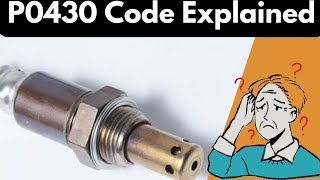
What's unique about the 2014-2017 Acura MDX is that Acura has officially acknowledged that the P0430 code is frequently triggered by a software error. The PCM can misinterpret the oxygen sensor readings and falsely flag the catalytic converter as failing. 🎬 Watch: A complete breakdown of P0430 causes and symptoms. This has led to multiple Technical Service Bulletins (TSBs) advising dealers to update the software as the primary fix, rather than immediately replacing parts. This makes a trip to the dealer to check for software updates the most critical first step in diagnosis. Furthermore, related Honda platforms with this engine have a known issue with fuel injectors causing the same code, adding another layer to diagnosis.
🎬 See how fuel injectors can trigger this emissions code.Diagnostic Flowchart

Tap your situation to follow the diagnostic path that matches what you're seeing on this vehicle.
Symptoms You May Notice
- Check Engine Light is on
- Vehicle may fail an emissions test
- Potential loss of power if the converter is clogged or accompanied by a misfire.
- Rotten egg (sulfur) smell from the exhaust if the converter is being fed an overly rich fuel mixture.
- Replacing the catalytic converter without first checking for the software update specified in Acura TSB #B17-034.
- Replacing the oxygen sensors when the actual problem is the catalytic converter itself or a software glitch.
Most Likely Causes

- PCM Software Requires Update 🔴 High Probability Acura issued TSB #B17-034 and its predecessor #B15-053 specifically for this issue, stating the PCM software may misinterpret sensor inputs and falsely trigger the P0430 code.
How to confirm: An Acura dealer or a properly equipped independent shop can check the current software version against the TSB. The repair is a simple software flash.
Typical fix: Update the PGM-FI (Powertrain) software. The labor time is listed as 0.2 hours and may be covered under the federal emissions warranty (8 years/80,000 miles). - Failed Catalytic Converter (Bank 2) 🟡 Medium Probability → Shop Catalytic Converter Can fail from normal aging or be damaged by other issues like engine misfires or excessive oil consumption, which dump unburnt fuel and contaminants into the exhaust. An owner complaint (ODI #11642994) reported this code along with a cylinder misfire.
How to confirm: After confirming the software is up to date and ruling out other causes, a technician can use a scan tool to graph O2 sensor data or use a temperature gun to check the inlet and outlet temperatures of the converter. The outlet should be significantly hotter.
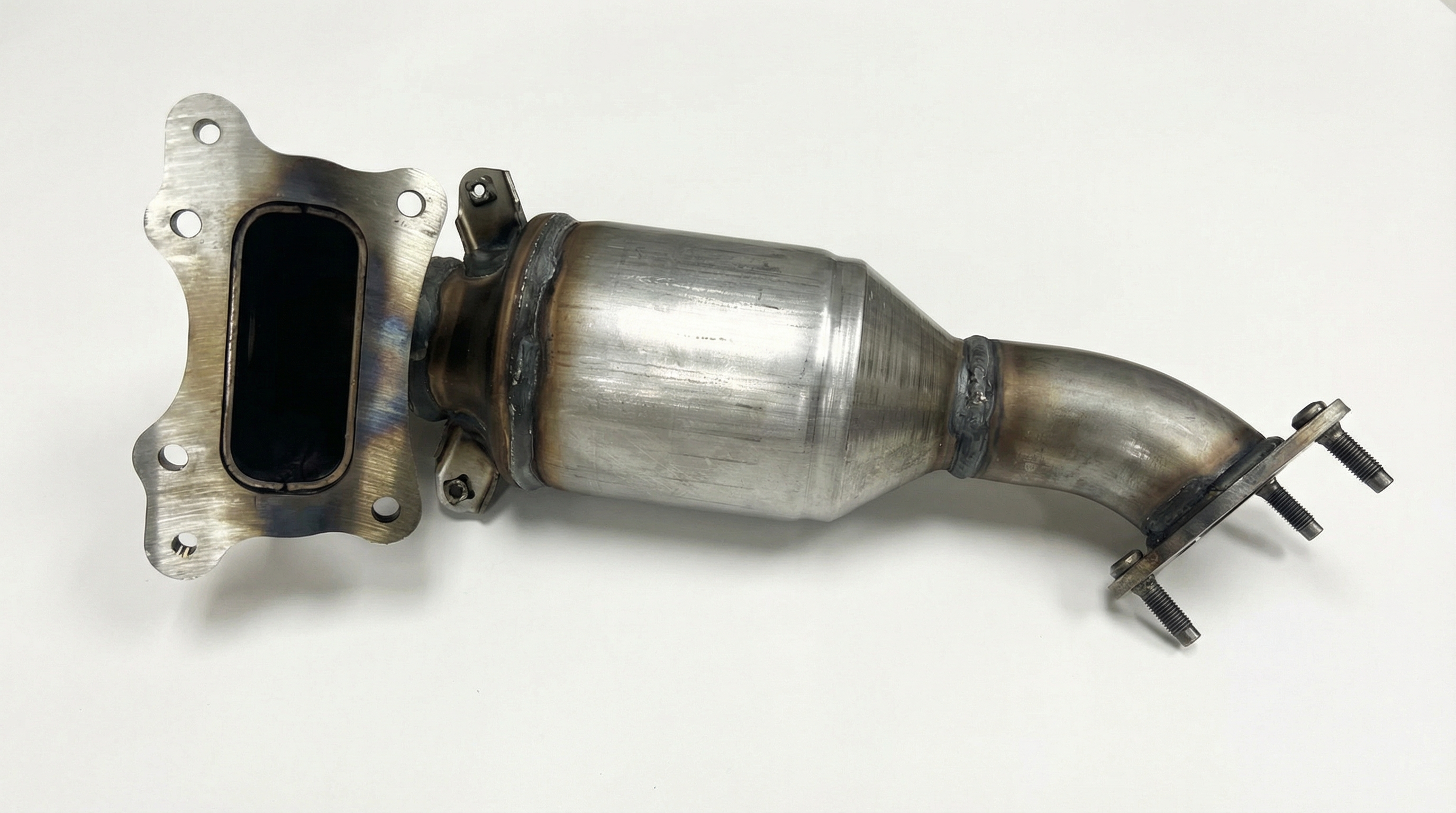
Typical fix: Replace the Bank 2 catalytic converter. This is the front converter, integrated with the exhaust manifold.
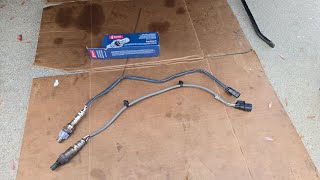
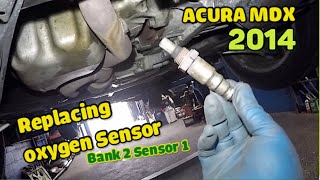
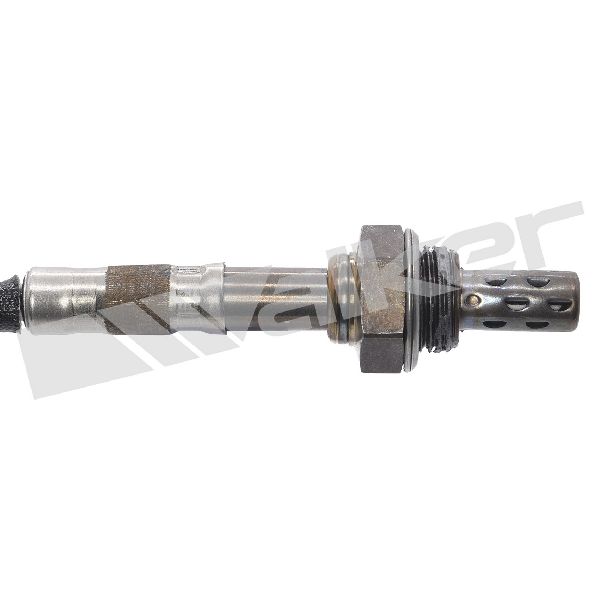
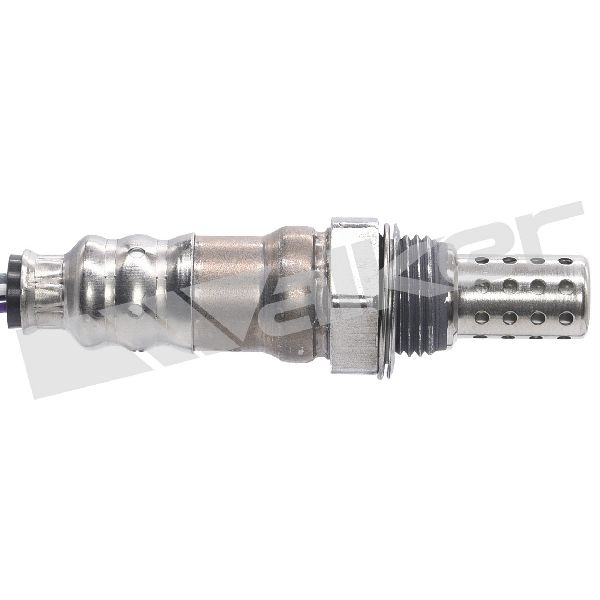
Est. part cost: $700-$1400 - Faulty Oxygen (O2) Sensor ⚪ Low Probability → Shop Oxygen Sensor A slow or biased downstream (post-catalyst) O2 sensor can send incorrect data to the PCM, mimicking the signature of a failing converter. Owners on forums have reported replacing O2 sensors to fix the code.
How to confirm: Use a scan tool to observe the voltage of the downstream O2 sensor (Bank 2, Sensor 2). A healthy sensor on a good converter should show a relatively steady voltage (e.g., ~0.6-0.8V), not rapid switching like the upstream sensor.
Typical fix: Replace the Bank 2, Sensor 2 oxygen sensor.
Est. part cost: $50-$150 - Exhaust System Leak ⚪ Low Probability Any leak between the upstream and downstream O2 sensors can allow extra oxygen into the exhaust stream, skewing the downstream sensor's readings and tricking the PCM into setting a P0430 code.
How to confirm: Visually inspect the exhaust system around Bank 2 for cracks or loose connections at gaskets. A smoke test can also be performed to pinpoint hard-to-see leaks.
Typical fix: Repair the leak by replacing the gasket or welding the cracked component.
Est. part cost: $20-$200
Rare But Worth Checking
- Engine Misfires or Fuel System Issues: As seen in NHTSA complaint #11642994, a misfire (like P0306) can occur alongside P0430. A persistent misfire will destroy a new catalytic converter quickly, so it must be addressed first.
- Faulty Fuel Injectors: → Shop Fuel Injector On the related Honda Pilot with the same engine family, faulty fuel injectors are a known cause of P0430, often with P219B (Bank 2 Air-Fuel Ratio Imbalance) and misfire codes. Honda issued TSB 20-100 and a warranty extension for this issue on those vehicles. If the MDX software update does not fix the code, investigating the fuel injectors is a logical next step.
Diagnosis Steps
- Check for Acura Technical Service Bulletins (TSBs). The most important step for this specific vehicle is to determine if TSB #B17-034 (or its predecessor #B15-053) applies and if the software update has been performed.
- Scan for other DTCs. If any misfire (P030x), fuel system (P219A/P219B), or other engine codes are present, diagnose and repair those issues first, as they are the likely root cause.
- Inspect for exhaust leaks. Visually and audibly check the exhaust manifold and pipes for Bank 2 (front of the vehicle) for any signs of leaks between the two O2 sensors.
- Analyze O2 sensor data. Use a capable scan tool to graph the voltage signals from Bank 2 Sensor 1 (upstream) and Bank 2 Sensor 2 (downstream). On a healthy converter at operating temperature, the upstream sensor should switch rapidly, while the downstream sensor should hold a relatively steady, high voltage (e.g., above 0.6V).
- Test the O2 sensors directly if they are suspected of being faulty.
- If the software is updated and no other codes or leaks are found, consider the fuel injectors as a potential cause, especially if fuel trims are abnormal or rough idle is present.
- If all other possibilities are ruled out, the catalytic converter is the likely cause of the problem.
Parts You'll Likely Need

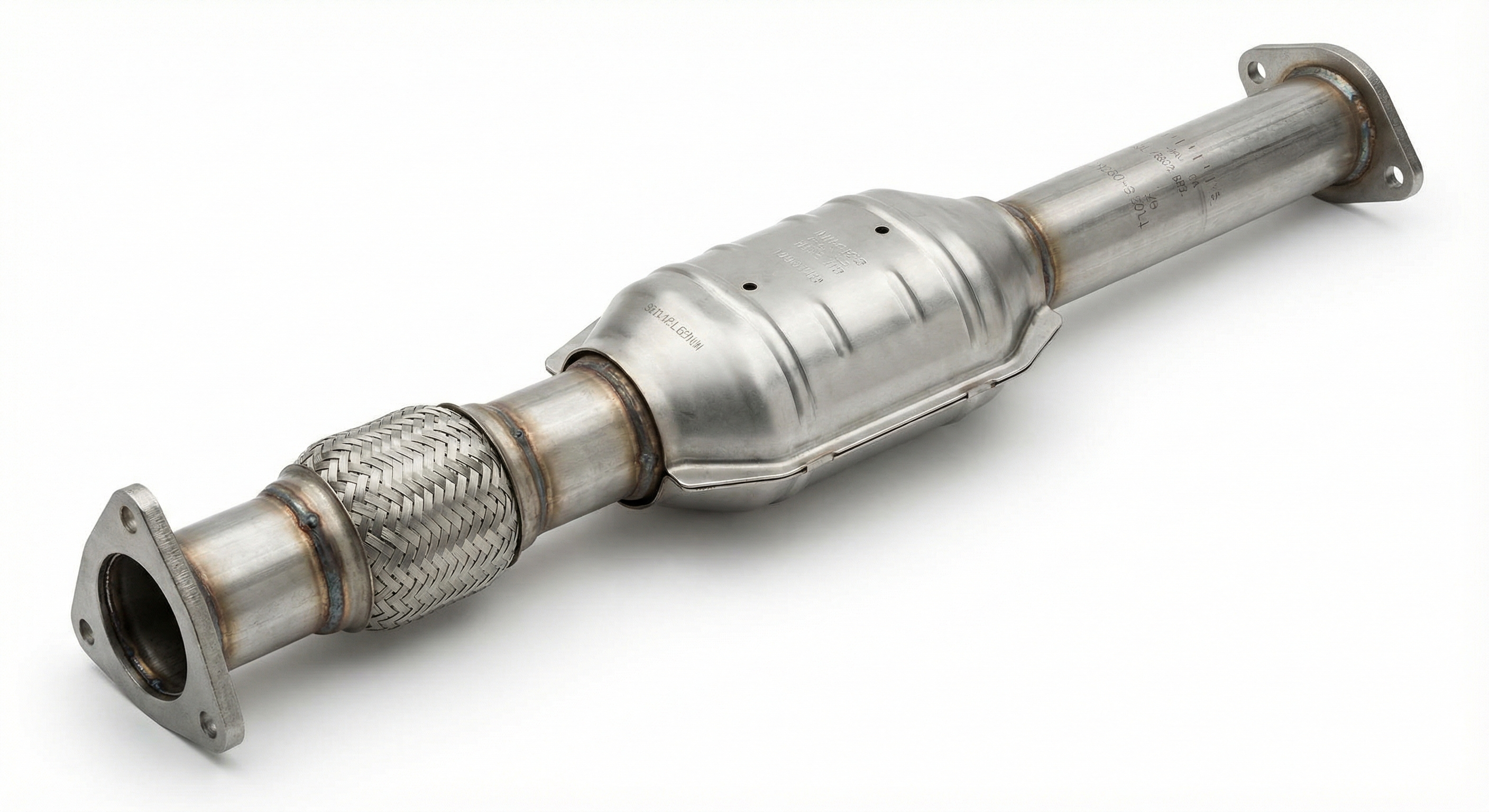
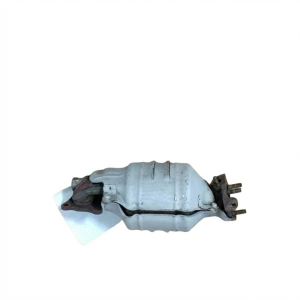
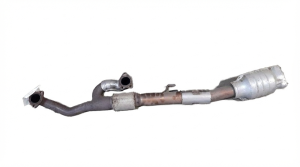
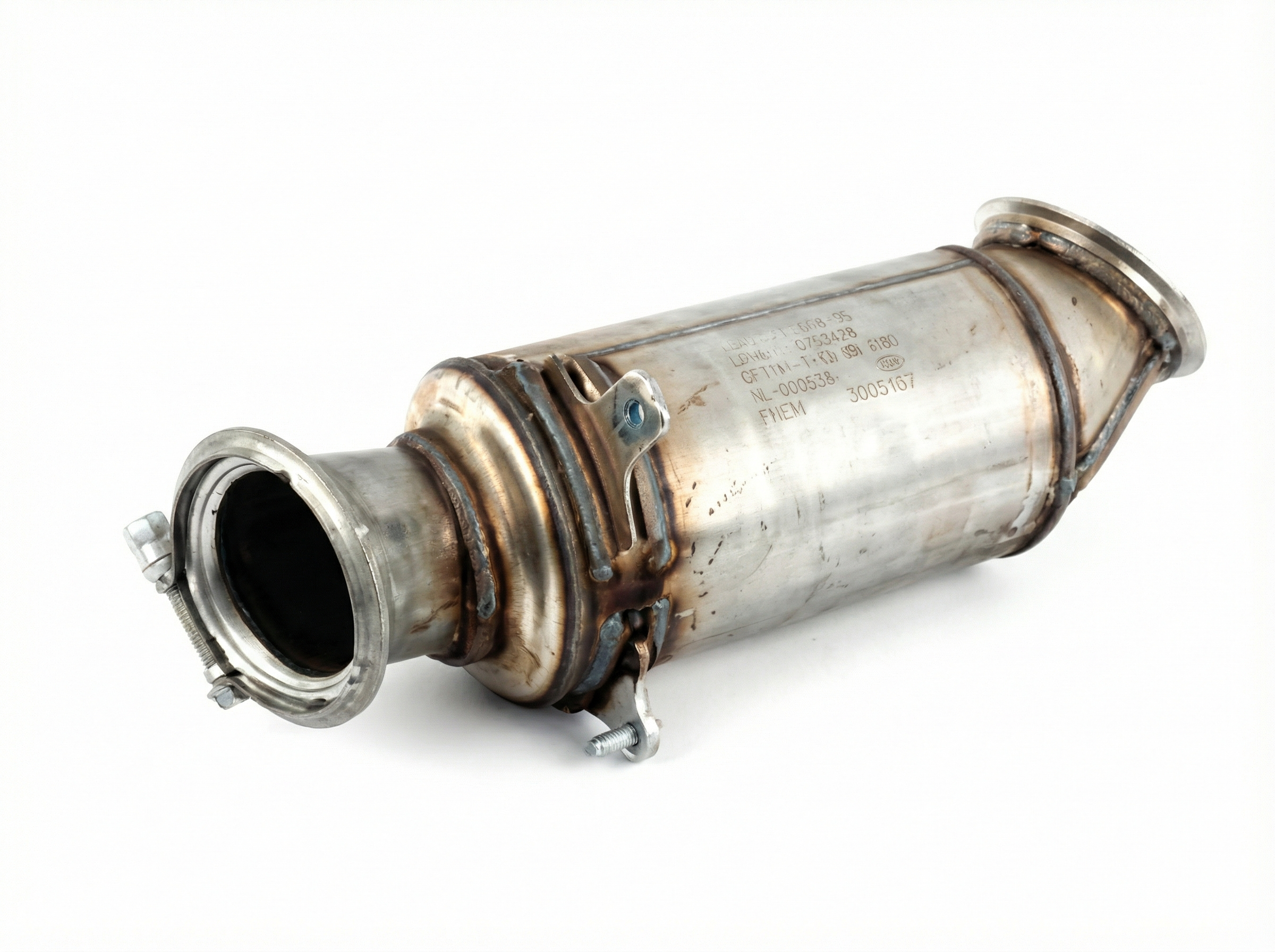
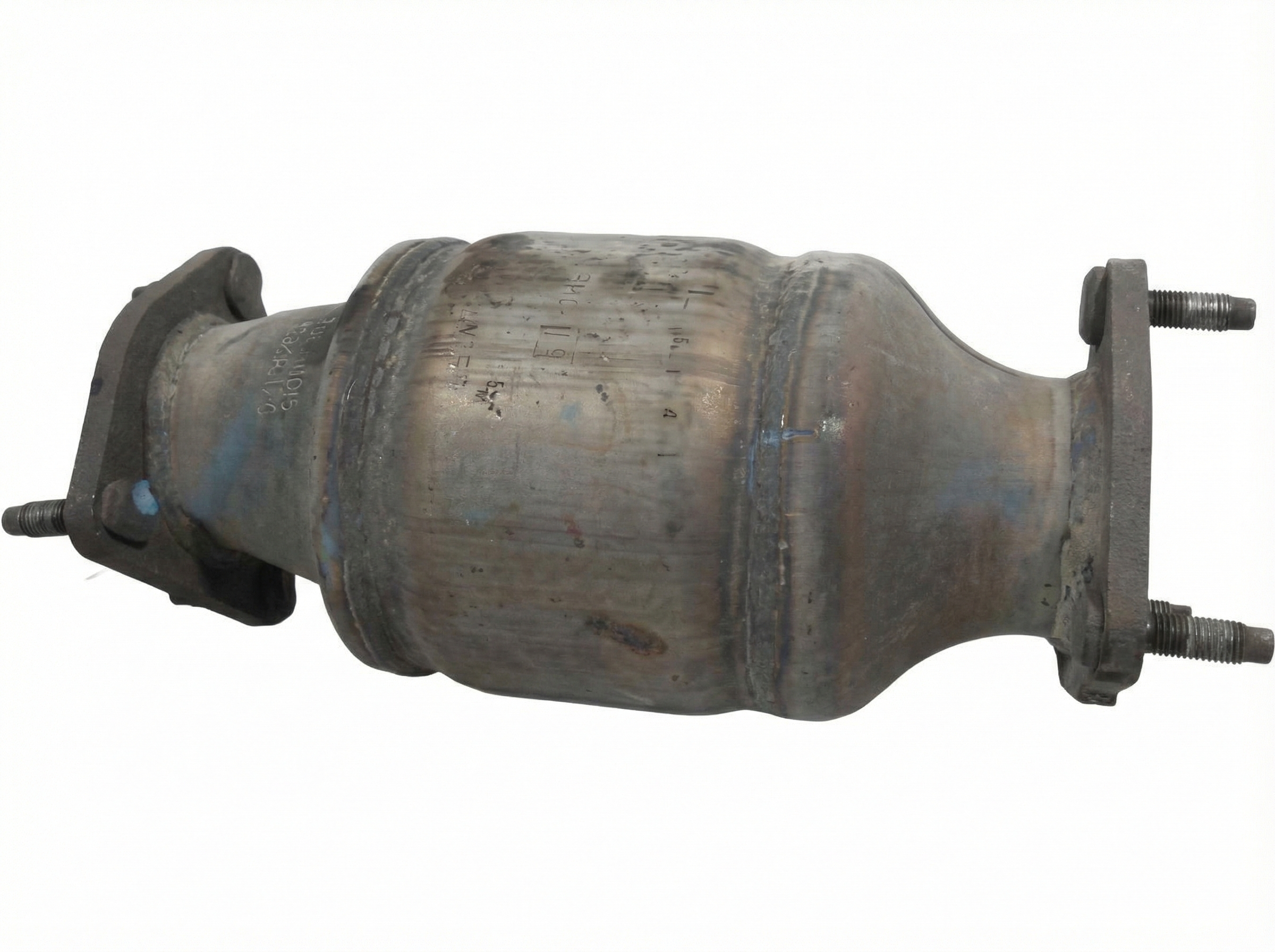
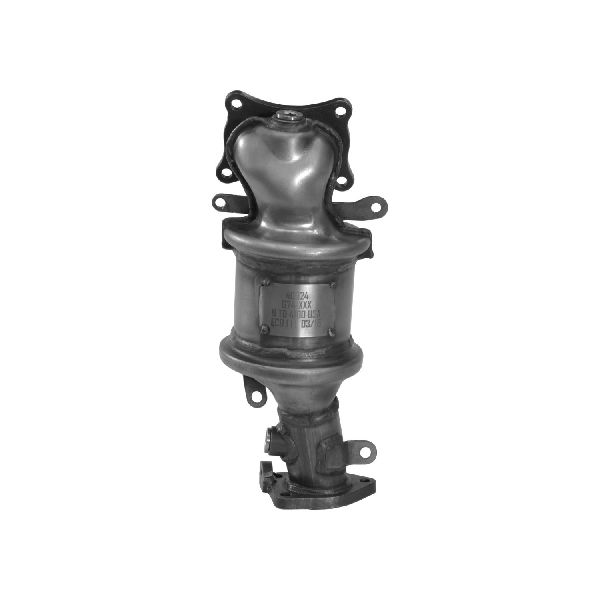
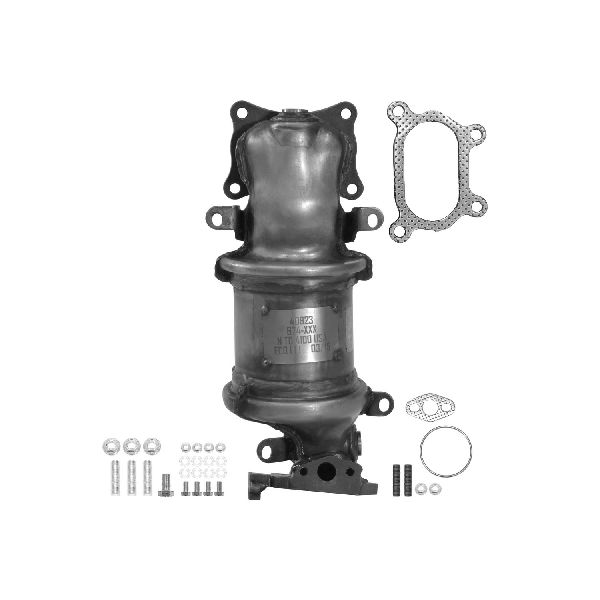
- Bank 2 Catalytic Converter
(OEM #18190-R9P-H00)— This is the part that is flagged as inefficient. It may have genuinely failed due to age or contamination from engine issues. Bank 2 is the front converter.
Trusted brands: Acura (OEM), MagnaFlow, Walker Exhaust
OEM price range: $740-$1055
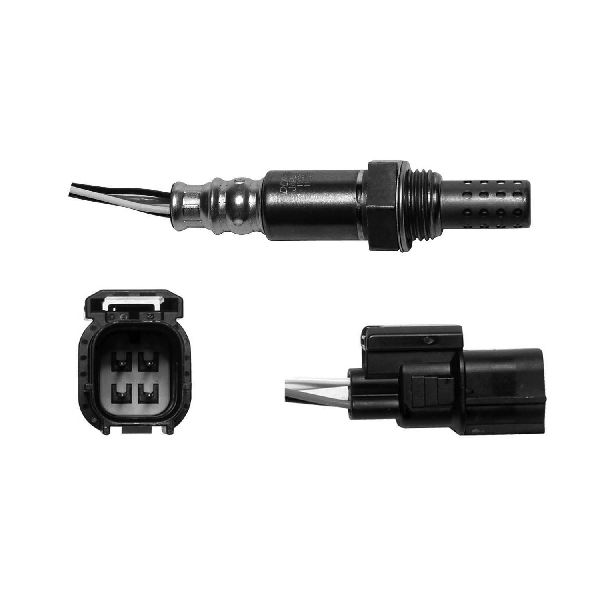
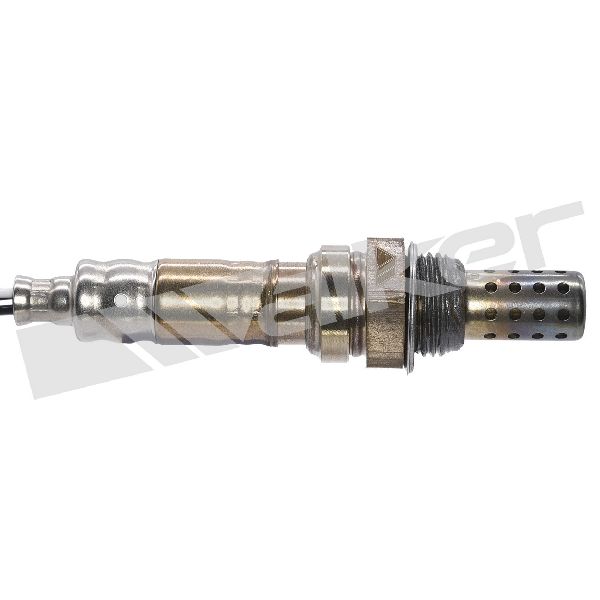
Aftermarket price range: $400-$800 - Bank 2, Sensor 2 (Downstream) Oxygen Sensor
(OEM #36542-5G0-A01)— A faulty downstream sensor can send incorrect signals, causing a false P0430 code. It is a common diagnostic step to replace this if its readings are suspect.
Trusted brands: Denso (OEM Supplier), Bosch, Walker Products
OEM price range: $120-$200
Aftermarket price range: $50-$150
Related Codes That Often Appear With This One
- P0300-P0306 — These are misfire codes. A misfire in one of the Bank 2 cylinders (2, 4, 6) can cause unburnt fuel to enter the exhaust, damaging the catalytic converter and triggering P0430. ODI #11642994 specifically links P0430 with P0306 (Cylinder 6 Misfire).
- P0420 — This is the equivalent code for Bank 1 (rear, firewall side). Seeing both at once often points to a systemic issue like a major vacuum leak, fuel delivery problem, or two failed converters.
- P219B — This code indicates an Air-Fuel Ratio Imbalance on Bank 2. On platform mates like the Honda Pilot, this code is a strong indicator that faulty fuel injectors are the root cause of the P0430 code.
Technical Service Bulletins (TSBs) & Recalls
- B17-034: States the MIL comes on with P0430 because the PCM software may misinterpret sensor inputs. Recommends a software update for MDX, TLX, and RLX models.
- B15-053: An earlier version of the bulletin, later replaced by B17-034, addressing the same P0430 software issue for 2014-15 MDX.
- BER15050A: An engineering request from 2015 investigating 2014 MDX models with P0430 and no other engine issues.
- DLR MSG - RFI -: A 2015 dealer message also investigating the cause of P0430 on 2014 MDX models.
- Honda TSB 20-100: While for the Honda Pilot, this TSB is highly relevant as it addresses P0430/P0420 caused by faulty fuel injectors on the same engine family, recommending injector replacement and a software update.
Platform-Specific Known Issues
- The most significant issue is the PCM software's tendency to misinterpret sensor data, leading to a false P0430 code. This is documented in Acura TSB #B17-034, which supersedes TSB #B15-053.
- Early investigations by Honda, as noted in TSBs #BER15050A and #DLR MSG - RFI, show they were aware of this issue on 2014 models specifically, where the code appeared without other engine problems.
- Platform mates with the same 3.5L direct-injection engine family, like the Honda Pilot, have a known issue with faulty fuel injectors causing P0430, which is covered by a separate TSB (20-100) and warranty extension for those models.
Mechanic-Grade Diagnostic Values
- Downstream O2 Sensor (Bank 2, Sensor 2) Voltage — expected: A relatively stable voltage, typically around 0.45V to 0.6V, when the engine is at normal operating temperature and at idle.. Failure: Voltage that is consistently bouncing between 0.1V and 0.9V, similar to the upstream sensor, indicates a failed catalytic converter. No fluctuation may indicate a dead sensor.
Scan Tool Commands That Help
- Acura HDS (Honda Diagnostic System) or equivalent: PGM-FI Software Update — This is the primary step for a P0430 code on 2014-2017 MDX models, as per TSB B17-034, to correct a software misinterpretation of sensor inputs.
Wiring & Ground Locations
- Engine Ground Hanger — Under the plastic engine cover, there is a dedicated metal hook or post that serves as the official grounding point.. When performing electrical tests, such as checking sensor voltages with a multimeter, using a known, solid ground point is critical for accurate readings. This factory-designated point ensures a reliable connection to the chassis ground.
- Battery Negative Terminal Ground — A short ground wire connects the battery's negative terminal directly to the vehicle's chassis nearby.. A loose or corroded main ground can cause a variety of electrical issues and incorrect sensor readings throughout the vehicle, potentially contributing to false trouble codes.
Real Owner Repair Stories
- Pete's Garage YouTube Channel (2016 Honda Pilot (platform mate with same engine family)) — Check engine light with code P0430 and "Service Emissions System" message.
❌ Tried (didn't work) The video focuses directly on the known fuel injector issue as the cause.
✅ What actually fixed it Replacement of all fuel injectors on Bank 2. The video documents the process, which is highly relevant to the MDX due to the shared engine and known injector issues on the Honda side.
OEM Part Supersession History
36531-RN0-A01→36531-5G0-A11— Part was updated by the manufacturer for the front (Bank 2) upstream A/F sensor.
Model Year Variations Within This Range
- 2016-2017: Starting with the 2016 model year, the 6-speed automatic transmission was replaced with a 9-speed ZF automatic. While the engine and emissions components related to P0430 remained the same, this represents a significant powertrain change within the generation.
- 2017: The 2017 model year introduced a mid-cycle refresh with updated styling. A Sport Hybrid model with a different 3.0L V6 engine also became available, to which this specific P0430 guidance for the 3.5L engine does not apply.
Helpful Videos
Used OEM Parts in Stock
New Aftermarket Parts Available

The information in this article is provided for general reference and educational purposes only. Vehicle specifications, procedures, and part compatibility can vary by production date, trim level, and region. Always consult your vehicle's factory service manual and verify part numbers before purchasing or performing repairs. Safety-critical components such as airbags, seat belts, and braking systems should be installed by a qualified professional.
- Acura MDX:
- 🧭 Diagnostic Flowchart
- 🎬 Helpful Videos
- 🛍️ Shop This Part
- What's Unique About the 2014-2017 Acura MDX
- Symptoms You May Notice
- Most Likely Causes
- Rare But Worth Checking
- Diagnosis Steps
- Parts You'll Likely Need
- Related Codes That Often Appear With This One
- Technical Service Bulletins (TSBs) & Recalls
- Platform-Specific Known Issues
- Mechanic-Grade Diagnostic Values
- Scan Tool Commands That Help
- Wiring & Ground Locations
- Real Owner Repair Stories
- OEM Part Supersession History
- Model Year Variations Within This Range
- 🎟️ Get 5% Off