

P0430 on 2015-2019 Acura TLX 3.5L V6: Catalyst Efficiency Causes and Fixes
For the 2015-2019 Acura TLX V6, code P0430 is very often caused by a software glitch, not a bad catalytic converter. An Acura dealer can perform a simple software update (TSB 17-034) that may fix the problem, saving you from a costly and unnecessary converter replacement. This should always be the first step.
- Before any repairs, contact an Acura dealer to check if your TLX needs the software update from TSB 17-034.
- This code applies only to the 3.5L V6 engine, not the 4-cylinder.
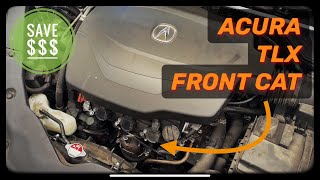
- Bank 2 is the catalytic converter located at the front of the engine bay, by the radiator.
- Do not replace the catalytic converter or oxygen sensors until you have confirmed the vehicle's software is up-to-date.
- The software update may be covered free of charge under the federal 8-year/80,000-mile emissions warranty.
What's Unique About the 2015-2019 Acura TLX

On many cars, P0430 means an expensive catalytic converter replacement is imminent. However, on the V6-equipped Acura TLX from this era, there is a well-documented software issue. Acura issued Technical Service Bulletin (TSB) 17-034 because the original PCM software can misinterpret sensor data and incorrectly flag the catalytic converter as faulty. Many owners have resolved the code simply by having a dealership perform a quick software update, making this the most critical first step in diagnosis. The update is covered under the 8-year/80,000-mile federal emissions warranty.
Diagnostic Flowchart

Tap your situation to follow the diagnostic path that matches what you're seeing on this vehicle.
Symptoms You May Notice
- Check Engine Light (Malfunction Indicator Lamp) is on
- Other warning lights, like for the electronic parking brake or emissions system, may illuminate as a secondary effect of the Check Engine Light.
- Reduced engine power (if the converter is severely clogged).
- Failure to pass a vehicle emissions test
- In some related models, poor fuel economy has been reported alongside this code if the root cause is a failing sensor or other issue affecting the air-fuel mixture.
- Replacing the catalytic converter before checking for the PCM software update specified in TSB 17-034.
- Replacing oxygen sensors when the catalytic converter has actually failed or the software is outdated.
- Assuming the code means the converter is bad without checking for underlying issues like faulty fuel injectors, which is a known issue on some Honda J-series engines.
Most Likely Causes

- PCM Software Requires Update 🔴 High Probability Acura TSB 17-034 explicitly states 'The PCM software may misinterpret sensor inputs as a deteriorated catalytic converter.' This TSB applies to 2015-2017 V6 TLX models and certain 2018 V6 TLX models within a specific VIN range.
How to confirm: Contact an Acura dealership with your vehicle's VIN. They can check their system to see if TSB 17-034 is open for your car and if the update has been performed. The TSB flat rate time for the update is only 0.2 hours.
Typical fix: An Acura dealer needs to update the PGM-FI (engine control) software using their proprietary i-HDS diagnostic tool. This is typically covered under the 8-year/80,000-mile federal emissions warranty. Some owners report dealers may still charge a diagnostic fee.
Est. part cost: $0 - Failed Catalytic Converter 🟡 Medium Probability → Shop Catalytic Converter Converters can fail from age or be damaged by engine problems like burning oil or misfires. On some direct-injected Honda/Acura V6 engines, faulty fuel injectors have also been identified as a root cause of catalyst failure, sometimes triggering P219B (air-fuel ratio imbalance) alongside P0430.
How to confirm: After confirming the PCM software is up-to-date, a technician can use a scan tool to graph O2 sensor data. If the downstream O2 sensor voltage mimics the fluctuating voltage of the upstream sensor, the converter is not storing oxygen and has likely failed. A temperature check using an infrared thermometer on the inlet and outlet of the converter can also be performed; the outlet should be significantly hotter.
Typical fix: Replace the Bank 2 (front) catalytic converter. A detailed replacement involves removing the upper radiator supports for access. 🎬 Watch: Step-by-step walkthrough for replacing the Bank 2 catalytic converter.
Est. part cost: $500-$1500 - Exhaust System Leak ⚪ Low Probability
How to confirm: Visually inspect the exhaust system from the engine to the catalytic converter for cracks or broken gaskets. A shop may use a smoke machine to find small, hard-to-see leaks. Pay close attention to the manifold and EGR pipe gaskets.
Typical fix: Replace the leaking gasket or repair the cracked pipe.
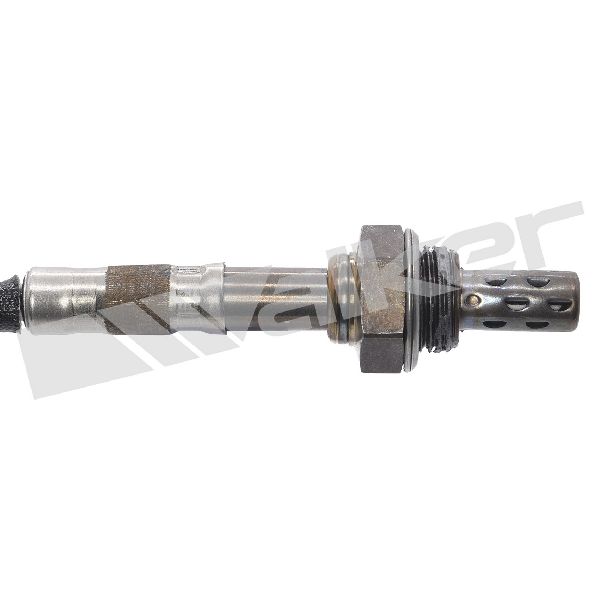
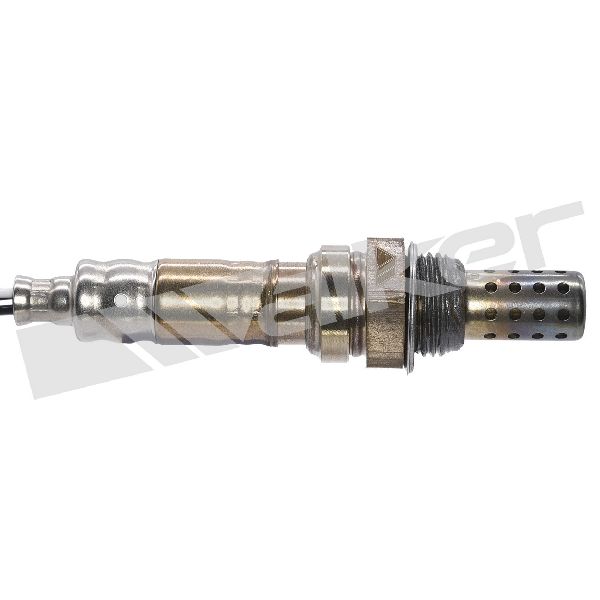
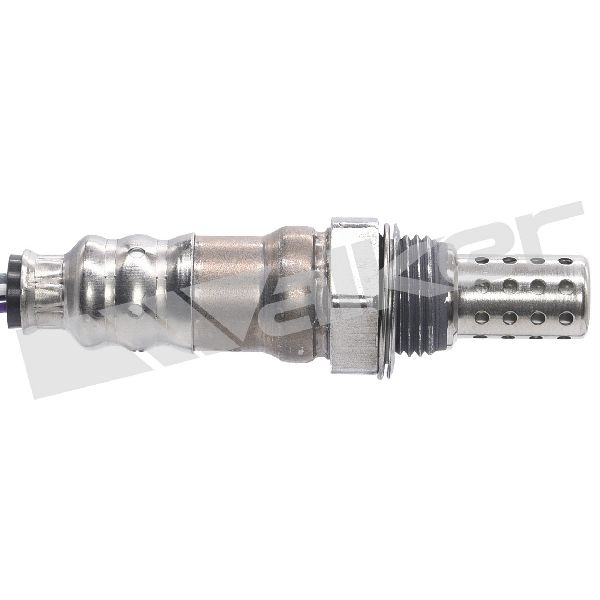
Est. part cost: $20-$100 - Faulty Oxygen Sensor ⚪ Low Probability → Shop Oxygen Sensor
How to confirm: Test the Bank 2 upstream (Sensor 1) and downstream (Sensor 2) oxygen sensors. A lazy or biased sensor can provide false data to the PCM, triggering the code. However, this is less common than the software issue or an actual failed converter.
Typical fix: Replace the faulty oxygen sensor. It is often recommended to replace them in pairs (upstream and downstream).
Est. part cost: $60-$220
Rare But Worth Checking
- Engine Mechanical Issues: Problems like excessive oil consumption, leaking fuel injectors, or persistent engine misfires can send unburned fuel or oil into the exhaust, which will quickly destroy a new catalytic converter. These issues usually trigger other codes (like P030x for misfires or P219B for fuel ratio imbalance) alongside P0430.
- O2 Sensor Spacers / Non-Foulers: → Shop Oxygen Sensor Some owners attempt to 'fix' the code by installing a spacer on the downstream O2 sensor to pull it out of the direct exhaust stream. This is an illegal temporary fix for off-road use only that tricks the sensor and can mask a real problem. It will not pass a visual emissions inspection.
Diagnosis Steps
- Obtain the specific trouble code(s) with an OBD-II scanner. Confirm P0430 is present.
- Crucial First Step: Contact an Acura dealership with your VIN. Ask them to check if Service Bulletin 17-034 is applicable and has been completed. If not, have the PGM-FI software updated. This resolves the issue for a majority of cases and should be covered under the 8yr/80k mile emissions warranty.
- If the software is already up-to-date, perform a thorough visual inspection of the Bank 2 exhaust system. Look for cracks in the exhaust manifold or pipes, and check for black soot indicating a leaking gasket.
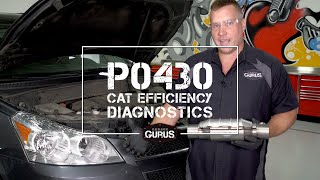
- Use a scan tool with live data capability. Graph the voltage for Bank 2, Sensor 1 (upstream) and Bank 2, Sensor 2 (downstream). At a steady RPM (around 2500 RPM), the upstream sensor should fluctuate rapidly between ~0.1V and ~0.9V. The downstream sensor should hold a relatively steady, high voltage (e.g., >0.6V). If the downstream sensor's graph mirrors the upstream sensor's fluctuations, the converter is not working. 🎬 Watch: A professional guide to diagnosing catalytic converter efficiency.
- If sensor data is inconclusive, test the oxygen sensors themselves for proper response. A failing sensor is a possibility, though less likely than the TSB or a bad converter.
- Check for other related codes like P030x (misfires) or P219B (A/F imbalance) that could indicate an underlying engine problem (like bad fuel injectors) that is damaging the converter.
- If all other possibilities are ruled out, the Bank 2 catalytic converter has failed and requires replacement.
Parts You'll Likely Need
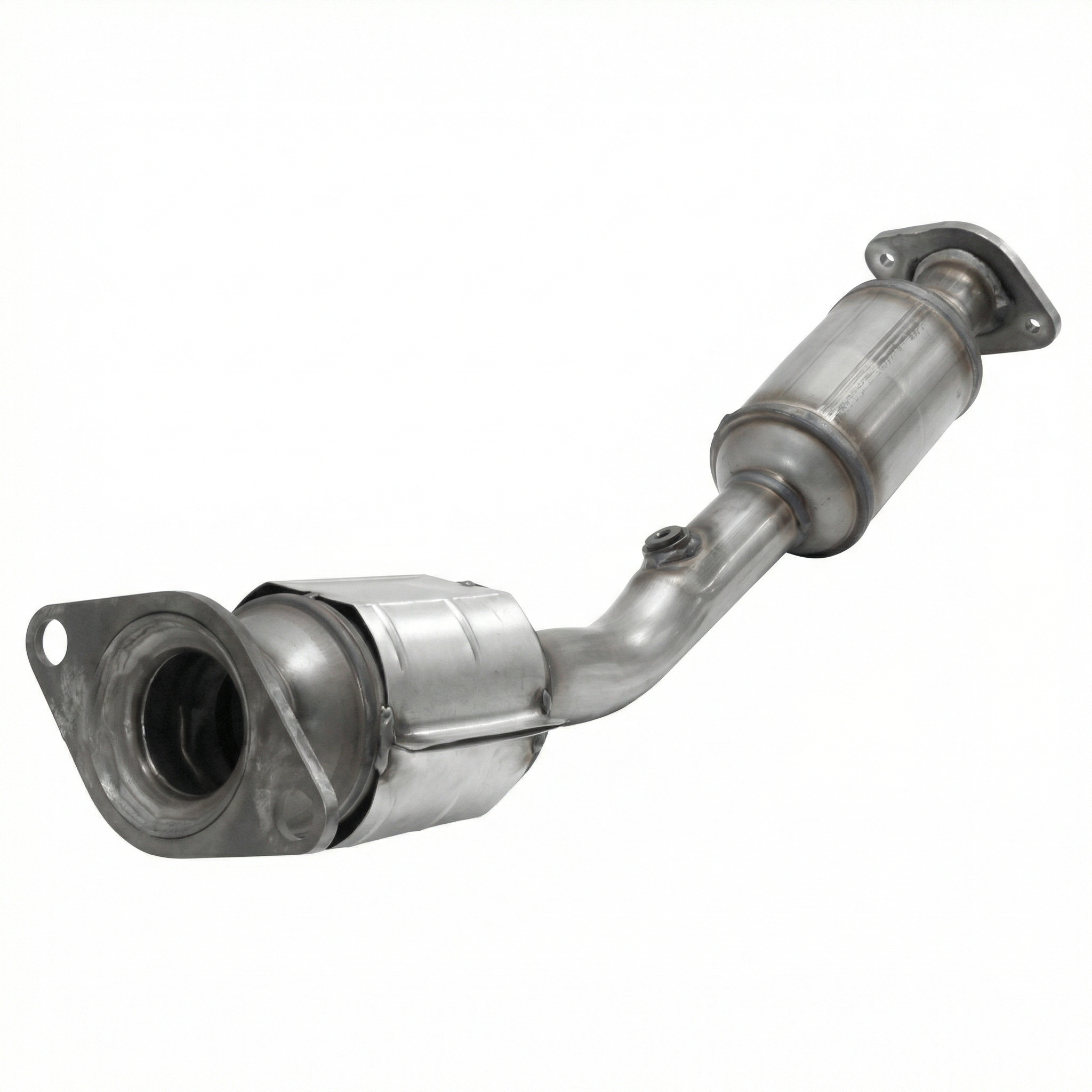
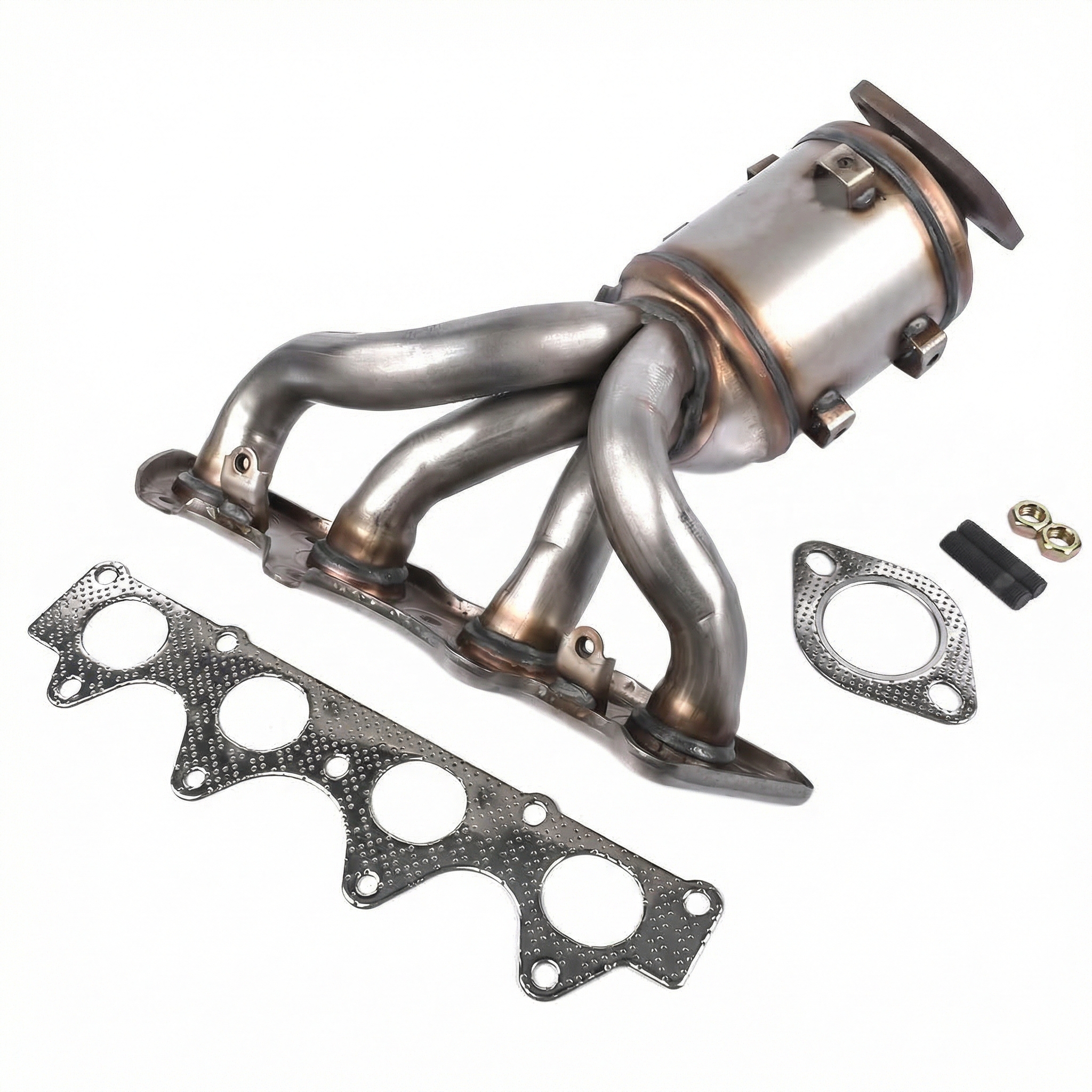
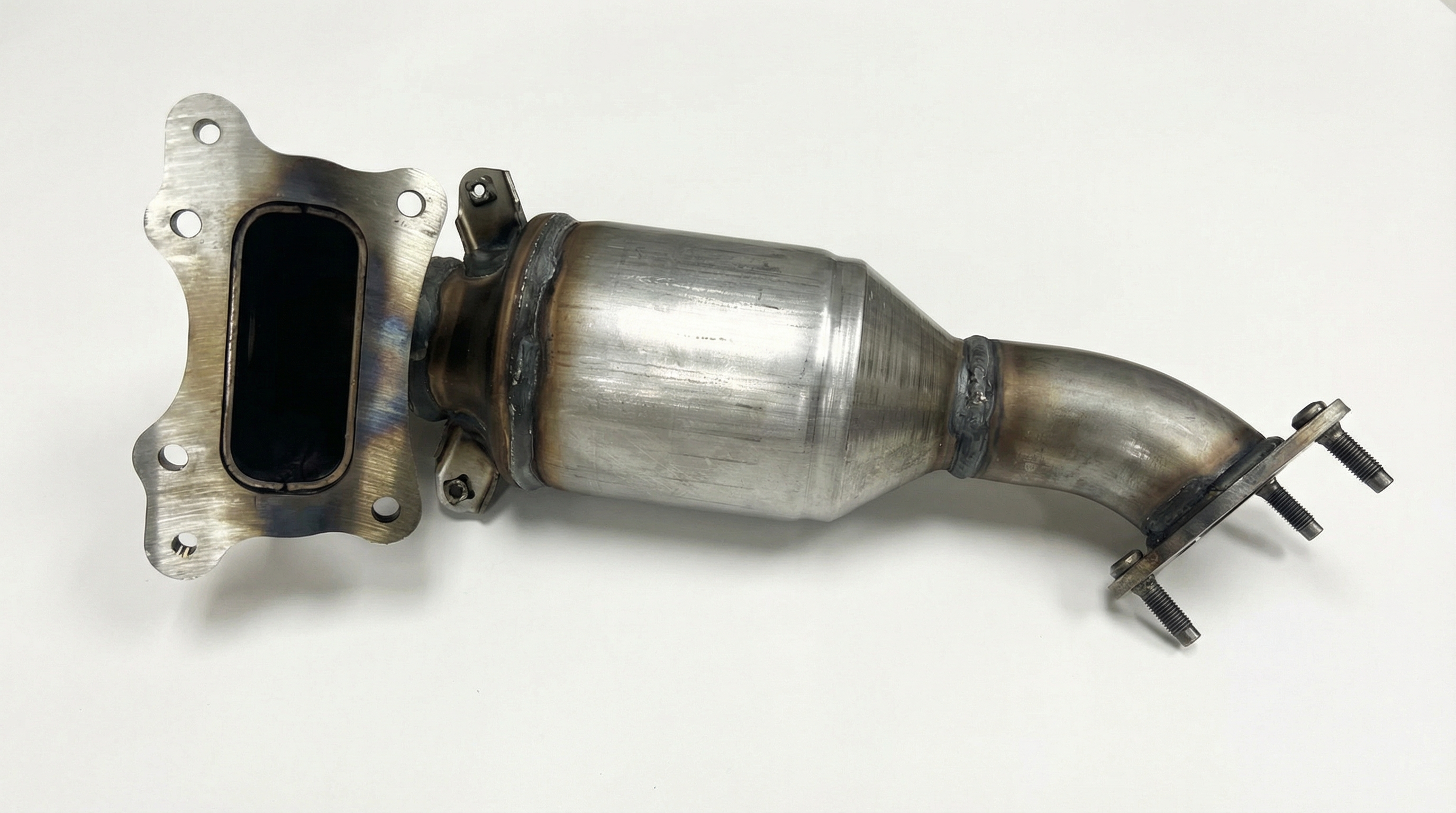
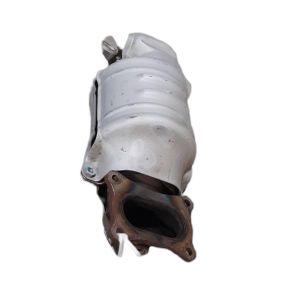
- Bank 2 Catalytic Converter (Front)
(OEM #18190-R9P-H00)— This is the part identified by the code if the software update does not fix the issue or has already been performed. It is an integrated exhaust manifold/converter unit.
Trusted brands: Acura (OEM), Walker, MagnaFlow, Bosal
OEM price range: $900-$1200
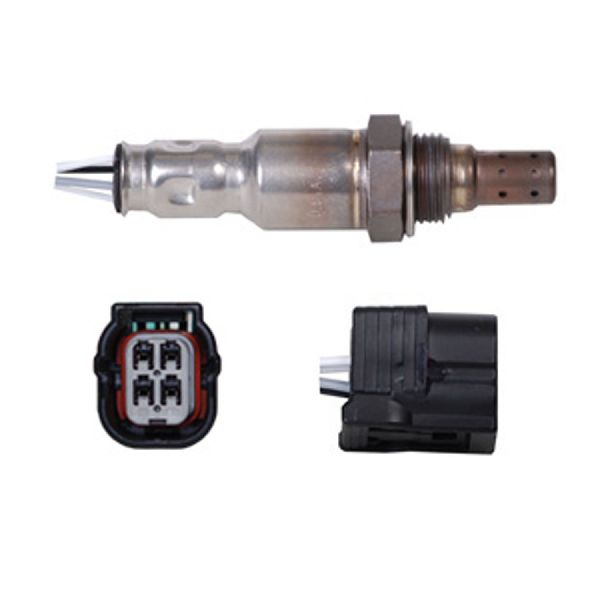
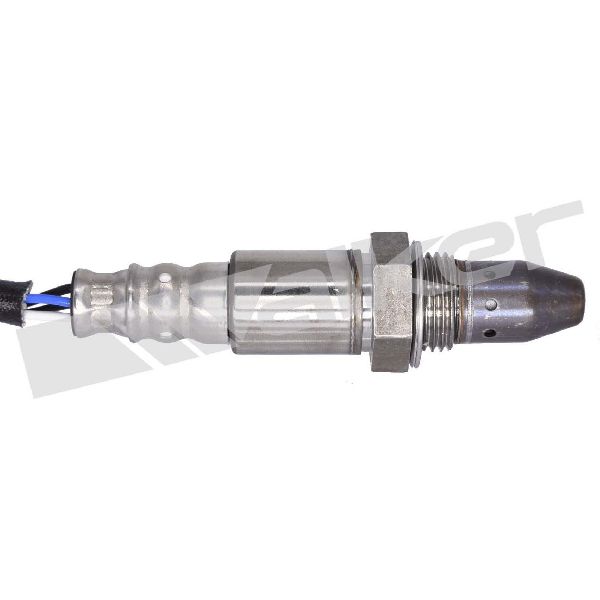
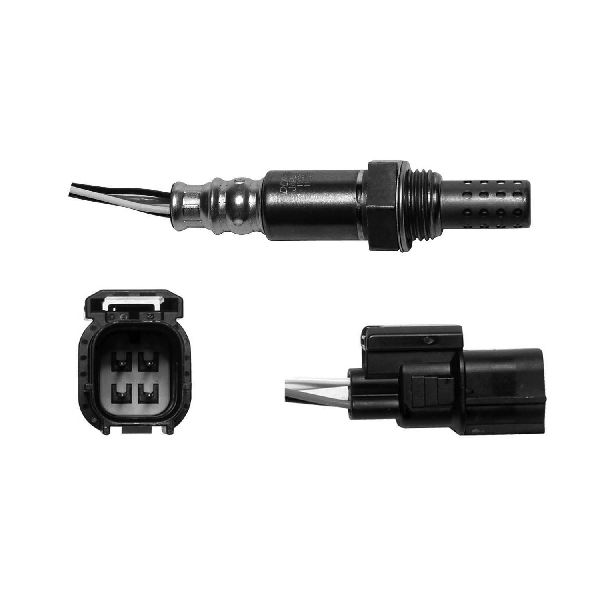
Aftermarket price range: $400-$800 - Bank 2 Downstream Oxygen Sensor (Sensor 2)
(OEM #36532-5J2-A51)— A faulty downstream sensor can send incorrect data, causing a false P0430 code. It is the primary monitoring sensor for the converter. This sensor is located on the front (radiator side) of the engine, after the catalytic converter.
Trusted brands: Denso (OEM supplier), NGK/NTK, Bosch
OEM price range: $150-$220
Aftermarket price range: $60-$120 - Exhaust Manifold to Converter Gasket
(OEM #18115-5G0-A01)— This gasket must be replaced anytime the catalytic converter is removed to ensure a leak-free seal.
Trusted brands: Acura (OEM), Fel-Pro, Victor Reinz
OEM price range: $25-$40
Aftermarket price range: $10-$20
Related Codes That Often Appear With This One
- P0420 — This is the same catalyst efficiency code but for Bank 1 (rear bank). It's not uncommon for both converters to degrade at a similar rate, or for both codes to be triggered by the same software issue. A separate TSB (19-049) exists for P0420 on this platform. 🎬 See how these codes appear together on the TLX V6.
- P219B — This code indicates an Air-Fuel Ratio Imbalance on Bank 2. On some Honda/Acura 3.5L engines, this code appears with P0430 and points towards faulty fuel injectors, which can lead to catalytic converter damage if not addressed.
Technical Service Bulletins (TSBs) & Recalls
- B17-034 / 17-034: Addresses a software issue where the PCM misinterprets sensor inputs, causing a false P0430. The fix is a PGM-FI software update. It applies to 2015-17 TLX V6 and specific 2018 TLX V6 models.
- BPaS01022019906: An internal communication from Acura requesting inspection of vehicles with P0420/P0430, showing manufacturer awareness of the issue.
- 15-053 & 17-019: These are older, superseded bulletins that were replaced by the more comprehensive TSB 17-034, indicating this has been an ongoing issue that Acura has refined the fix for over time.
Platform-Specific Known Issues
- Acura Service Bulletin 17-034 was released for 2015-17 V6 and some 2018 V6 TLX models because the PCM software could misinterpret sensor data and falsely trigger a P0430 code.
- Acura also issued a request for dealers to inspect vehicles with P0420 and/or P0430 under 80,000 miles, even after the software update, indicating an ongoing investigation into catalyst issues on this platform.
- In a Reddit thread, a user with a 2016 TLX with ~51k miles experienced the P0430 code, and other users immediately pointed to TSB 17-034 as the likely solution, confirming this is a well-known issue in the owner community.
Mechanic-Grade Diagnostic Values
- Upstream Air/Fuel Ratio Sensor (Bank 2, Sensor 1) Voltage — expected: On many Honda/Acura vehicles, the upstream sensor is an Air/Fuel Ratio (AFR) sensor, not a traditional O2 sensor. Its voltage should be steady around 2.8V-3.3V, not fluctuating like a traditional zirconia sensor.. Failure: Voltage that is stuck, slow to respond, or significantly outside the 2.8-3.3V range may indicate a faulty sensor.
- Downstream Oxygen Sensor (Bank 2, Sensor 2) Voltage — expected: With a good, warm catalytic converter at steady RPM, the downstream O2 sensor voltage should be relatively stable and high, typically above 0.6V-0.7V.. Failure: If the voltage fluctuates rapidly between ~0.1V and ~0.9V, mimicking the pattern of an upstream sensor, it indicates the catalyst is not storing oxygen and has likely failed.
- Mode $06 Catalyst Monitor Test ($21) — expected: Using a capable scan tool, a technician can view the results of the catalyst efficiency monitor. This provides a raw test value and a maximum allowable threshold. A healthy converter will have a test value significantly lower than the maximum limit.. Failure: A test value that is very close to or exceeds the maximum threshold indicates the catalyst is borderline or has failed, even if the check engine light isn't on yet.
Scan Tool Commands That Help
- Acura i-HDS (Honda Diagnostic System): J2534 Rewrite — This specific function is required to perform the PGM-FI software update as specified in TSB 17-034. The bulletin explicitly states not to use the standard 'Rewrite' icon but to go through the i-HDS Diagnostic System menu to select J2534 Rewrite.
- Acura i-HDS (Honda Diagnostic System): Cylinder AF Test — According to a related Honda warranty extension for similar issues, if P0430 is present without misfire codes, performing the Cylinder AF (Air/Fuel) test can determine if faulty fuel injectors are the root cause. A failed test points to replacing the injectors.
Wiring & Ground Locations
- Engine to Chassis Ground — There is a primary engine-to-chassis braided ground strap located at the side motor mount. On similar J-series engine platforms, another key ground is located near the transmission mount, under and behind the battery tray.. A weak or corroded engine ground can cause erratic sensor readings and phantom electrical issues. While not a primary cause, ensuring the main engine grounds are clean and tight is a crucial step in any electrical diagnosis.
- G203 — In a 2016 TLX, a ground point identified as G203 is located in the front engine bay area and serves as a ground for multiple components including the A/C condenser fan and front lighting.. While not directly tied to the O2 sensor circuit in the provided information, its location in the engine bay highlights the importance of checking all accessible ground points for corrosion or damage, as they can cause unpredictable issues.
Real Owner Repair Stories
- Reddit user BubbleTae (2016 Acura TLX, ~51,000 miles (82,000 km)) — P0430 code appeared along with an electronic parking brake system warning.
❌ Tried (didn't work) Unplugging and reconnecting the battery made the code disappear temporarily.
✅ What actually fixed it The user was advised by others that TSB 17-034 was the likely cause. The consensus was to take it to a dealership for the software update, which should be covered under the 8-year/80k-mile emissions warranty. - Reddit user with a 2015 TLX V6 (2015 Acura TLX V6) — Intermittent P0430 code. It would return after being cleared, with intervals of 10,000 miles, then 4,000 miles, then 3,000 miles.
❌ Tried (didn't work) Resetting the light by disconnecting the battery.
✅ What actually fixed it The user was questioning if the long interval between the light returning meant it wasn't a serious issue. Another user pointed out that a TSB for a PCM software update exists for this exact scenario, implying the intermittent nature is characteristic of the software glitch.
Model Year Variations Within This Range
- 2018 V6 Only: TSB 17-034 does not apply to all 2018 TLX V6 models. It is restricted to specific VIN ranges: 2WD models from 19UUB2...JA000001 to 19UUB2...JA003458, and SH-AWD models from 19UUB3...JA000001 to 19UUB3...JA001898. All 2015-2017 V6 models are included without a VIN range limitation.
Helpful Videos
Used OEM Parts in Stock
New Aftermarket Parts Available

The information in this article is provided for general reference and educational purposes only. Vehicle specifications, procedures, and part compatibility can vary by production date, trim level, and region. Always consult your vehicle's factory service manual and verify part numbers before purchasing or performing repairs. Safety-critical components such as airbags, seat belts, and braking systems should be installed by a qualified professional.
- Acura TLX:
- 🧭 Diagnostic Flowchart
- 🎬 Helpful Videos
- 🛍️ Shop This Part
- What's Unique About the 2015-2019 Acura TLX
- Symptoms You May Notice
- Most Likely Causes
- Rare But Worth Checking
- Diagnosis Steps
- Parts You'll Likely Need
- Related Codes That Often Appear With This One
- Technical Service Bulletins (TSBs) & Recalls
- Platform-Specific Known Issues
- Mechanic-Grade Diagnostic Values
- Scan Tool Commands That Help
- Wiring & Ground Locations
- Real Owner Repair Stories
- Model Year Variations Within This Range
- 🎟️ Get 5% Off