

P0430 on 2012-2018 Audi A6 3.0T: Catalyst Efficiency Causes and Fixes
P0430 on the Audi A6 3.0T most often means the Bank 2 (passenger side) catalytic converter is failing, a common issue on this engine due to premature degradation of the internal structure. Before replacing the expensive converter, owners of 2012-2014 models must check for a crucial software update (TSB 01-16-85 / 2041120) that addresses overly sensitive diagnostics. Ruling out bad O2 sensors or exhaust leaks is also critical.
- For a 2012-2014 Audi A6 3.0T, your first step for a P0430 code should be to check if TSB 01-16-49 (software update) has been performed.
- The catalytic converter on the passenger side is the most likely failure point, but it's expensive. Always rule out O2 sensors and exhaust leaks first.
- Catalytic converters on this engine often fail because of another problem, like a misfire or oil consumption. You must fix the root cause, or you will destroy the new converter.
- Due to difficult access, replacing the catalytic converter on this vehicle is a labor-intensive job (DIY difficulty 4/5) and may be best left to a professional.
- High-quality aftermarket converters (e.g., MagnaFlow) can be a cost-effective alternative to extremely expensive OEM parts, but budget brands risk triggering the code again.
What's Unique About the 2012-2018 Audi A6
The 3.0T Supercharged V6 (EA837) in the C7 A6 has its catalytic converters positioned very high in the engine bay, right after the exhaust manifolds. This design, intended for quick catalyst light-off and improved emissions, exposes them to extremely high temperatures. This can cause the internal ceramic honeycomb structure to degrade, melt, or physically break apart, sometimes in as little as 50,000-70,000 miles. For 2012-2014 models, Audi issued a Technical Service Bulletin (TSB 01-16-85, formerly 01-16-49) because the engine's software was too sensitive and could falsely trigger a P0430 or P0420 code; in these cases, a simple software update at the dealership is the fix, not a new converter.
Symptoms You May Notice
- Check Engine Light is on
- Failure to pass an emissions inspection
- Reduced engine power and sluggish acceleration, especially if the converter is clogged.
- A sulfur or "rotten egg" smell from the exhaust.
- In severe cases of clogging, the engine may enter a low-power "limp mode".
- A rattling or metallic buzzing sound from the exhaust, particularly on startup or acceleration, if the internal catalyst brick has broken apart.
- Replacing the catalytic converter without first checking for the TSB software update on 2012-2014 models.
- Replacing the catalytic converter without diagnosing the root cause, such as engine misfires, excessive oil consumption, or a coolant leak, which will cause the new converter to fail quickly.
- Immediately blaming the catalytic converter when a much cheaper exhaust leak or faulty O2 sensor is the true cause.
Most Likely Causes
- Failing Catalytic Converter 🔴 High Probability → Shop Catalytic Converter The catalytic converters on the 3.0T engine are a known weak point, prone to premature failure between 50,000 and 70,000 miles due to their location and exposure to intense heat, causing the internal honeycomb structure to degrade.
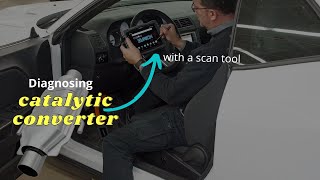
How to confirm: After ruling out other causes, a professional diagnosis involves using a scan tool (like VCDS) to graph upstream and downstream O2 sensor data. 🎬 Watch: How to check your catalytic converter with a scan tool. A bad converter will show the downstream sensor's voltage fluctuating similarly to the upstream sensor. A temperature check with an infrared thermometer showing the outlet is not at least 100°F hotter than the inlet can also indicate failure. A physical inspection may reveal rattling if the core is broken.
Typical fix: Replace the Bank 2 (passenger side) catalytic converter. Due to the high cost of OEM parts, many owners opt for high-quality aftermarket converters or, in some cases, test pipes with O2 sensor spacers for off-road use (which is not legal for street use).
Est. part cost: $1500-$2500 (OEM), $500-$1200 (High-Quality Aftermarket) - Outdated Engine Control Module (ECM) Software 🟡 Medium Probability → Shop Engine Control Module (ECM) Specific to 2012-2014 A6 models (and other 3.0T platforms), Audi released TSB 01-16-85 (2041120/4) because the original software's diagnostic thresholds were too narrow and could trigger P0430/P0420 incorrectly.
How to confirm: Contact an Audi dealership or qualified independent shop with your VIN and ask them to check if TSB 2041120/4 applies to your vehicle and has been performed. The TSB covers a wide range of 3.0T vehicles from 2011-2015.
Typical fix: Update the ECM software at a dealership or authorized shop. This is the first and most crucial step for any eligible vehicle.
Est. part cost: $0-$250 (Labor for software flash) - Faulty Downstream Oxygen (O2) Sensor 🟡 Medium Probability → Shop Oxygen Sensor O2 sensors are wear items and can become 'lazy' or fail over time, sending inaccurate data to the ECM. Contamination from oil consumption or coolant leaks can accelerate failure. An owner on an Audi forum diagnosed a faulty Bank 2 post-cat sensor by graphing its slow response compared to the healthy Bank 1 sensor.
How to confirm: Use a scan tool to monitor the O2 sensor's voltage readings. A healthy downstream sensor should show a relatively steady voltage on a warm engine at idle (typically 0.6V-0.8V). If it's stuck, has a delayed/retarded response, or mirrors the upstream sensor's rapid fluctuations without the cat being bad, the sensor is likely faulty.
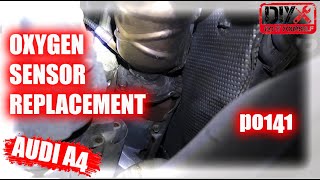
Typical fix: Replace the Bank 2, downstream (post-catalyst) oxygen sensor. The OEM part number is often cited as 06E906265AA 🎬 Watch: How to replace the downstream O2 sensor. for certain model years.
Est. part cost: $80-$250 - Exhaust System Leak ⚪ Low Probability Flex pipes integrated into the downpipes are a common failure point on older or high-mileage 3.0T cars. A crack or split in the flex pipe before the rear O2 sensor can introduce oxygen, tricking the sensor and causing a false P0430 code.
How to confirm: Visually inspect the exhaust system, especially the flex pipe sections, for cracks, rust, or loose flange bolts. A smoke test is the most effective way to find small leaks. A hissing or ticking sound from the exhaust is also a symptom.
Typical fix: Repairing the flex pipe often involves cutting out the old one and welding in a new section. Replacing the entire downpipe assembly is another option.
Est. part cost: $50-$200 (Weld-in repair), $400+ (New downpipe)
Rare But Worth Checking
- Underlying Engine Misfire: A misfire from a bad spark plug or ignition coil can send unburnt fuel into the exhaust, which superheats and rapidly destroys the catalytic converter. Always fix misfire codes (P0300-P0306) before replacing a converter.
- Rich Fuel Condition: Issues like a leaking fuel injector or faulty fuel pressure regulator can cause a rich condition (too much fuel). This can overheat and damage the catalytic converter. Codes like P0172 or P0175 often accompany this issue.
- O2 Sensor Spacers / 'Mini Cats': → Shop Oxygen Sensor Ironically, a previous attempt to 'fix' a P0430 code using a spacer or 'mini cat' on the downstream O2 sensor can itself be a cause of confusion. These devices can fail, or may not be sufficient for the ECU's parameters, leading to the code returning. They are often used to mask a failing converter, which is illegal for on-road vehicles in many jurisdictions.
Diagnosis Steps
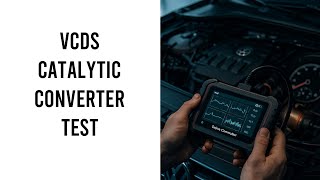
- Use a VAG-COM (VCDS) or similar advanced scan tool 🎬 See this walkthrough on performing a VCDS catalytic converter test. to check for any other codes. If misfire (P030x) or fuel trim (P017x) codes are present, diagnose and fix those first.
- CRITICAL STEP for 2012-2014 Models: Contact an Audi dealer with your VIN to see if TSB 01-16-85 (2041120/4) is applicable and has been performed. If not, this software update is the first and most important step.
- Inspect the exhaust system for any leaks between the engine and the downstream O2 sensor. Pay close attention to the woven flex pipes and manifold-to-converter flanges. A smoke test is the most reliable method.
- Use a scan tool with live data capability to graph the voltage from the Bank 2 upstream and downstream O2 sensors. At a steady 2500 RPM, the upstream sensor (Sensor 1) should fluctuate rapidly between ~0.1V and ~0.9V. The downstream sensor (Sensor 2) should show a much steadier, flatter voltage, ideally between 0.6V and 0.8V. If the downstream sensor mimics the upstream sensor, the converter is likely bad.
- Compare the Bank 2 Sensor 2 graph to the Bank 1 Sensor 2 graph. If the Bank 2 sensor is lazy, slow, or stuck compared to the healthy bank, the sensor itself is likely faulty.
- Listen for rattling from the catalytic converter housing by tapping it (when cool) with a rubber mallet. A rattling sound indicates a broken internal substrate.
- If all other possibilities are ruled out, the catalytic converter is the culprit.
Parts You'll Likely Need
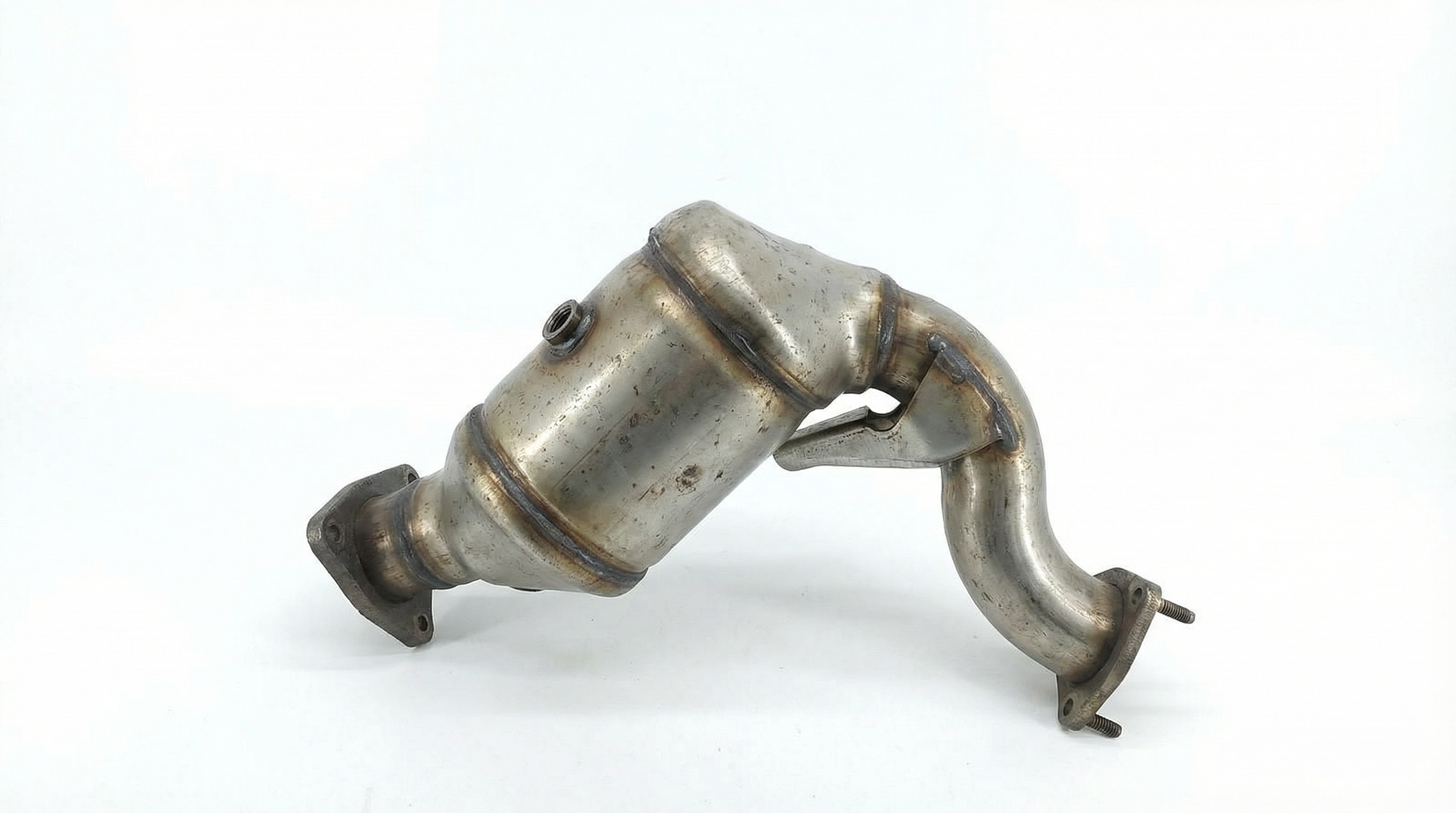
- Catalytic Converter (Bank 2)
(OEM #e.g., 4G0254252F (Varies by specific model year and emissions))— This is the most common cause of P0430 on the 3.0T engine due to a known design issue leading to premature failure.
Trusted brands: Audi Genuine, MagnaFlow, AP Exhaust, Walker Exhaust
OEM price range: $1800-$2800
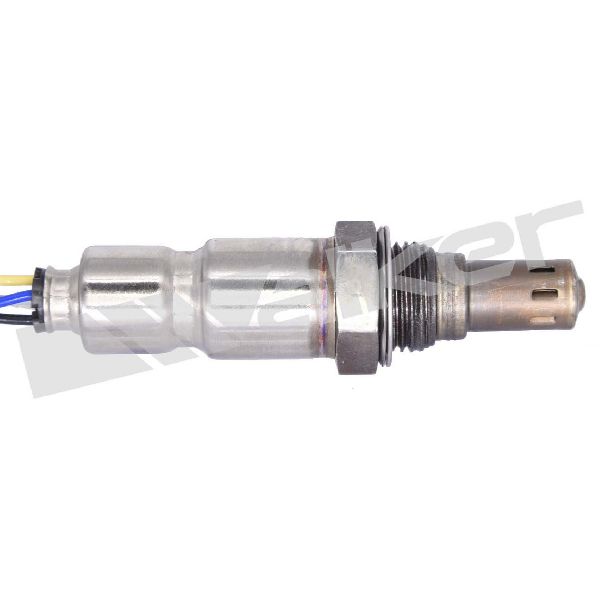
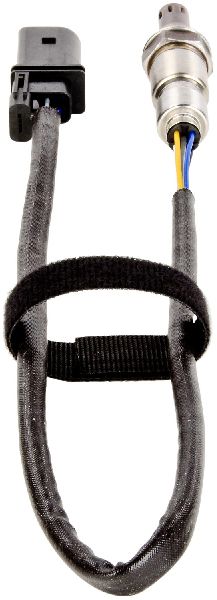
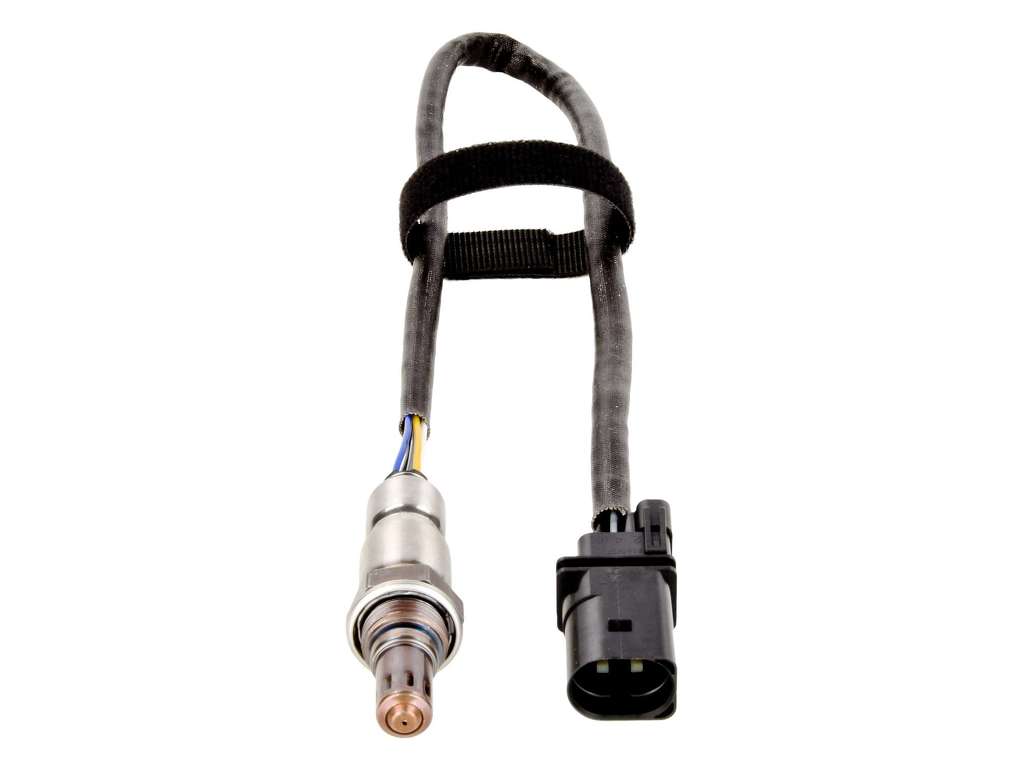
Aftermarket price range: $600-$1200 - Downstream Oxygen Sensor (Bank 2, Post-Catalyst)
(OEM #06E906265AA (Verify with VIN))— This sensor is responsible for reporting the converter's efficiency and can fail, sending false signals.
Related Codes That Often Appear With This One
- P0420 — This is the identical code for Bank 1 (driver's side). Since the converters on both sides are the same age and exposed to similar conditions, it's common for both to fail around the same time or for one to follow the other shortly after.
- P0300-P0306 — These are misfire codes (P0304, P0305, P0306 would be for Bank 2). A misfire is a primary cause of catalytic converter failure, as it allows raw fuel to enter and burn inside the converter, causing it to overheat and melt.
Technical Service Bulletins (TSBs) & Recalls
- TSB 01-16-49 / 2041120/3: Addresses false P0420/P0430 codes on 2012-2014 3.0T models due to sensitive ECM software.
Platform-Specific Known Issues
- TSB 01-16-85 (2041120/4): For 2012-2014 models, the ECM software may be too sensitive, causing a false P0430. A software update is the specified fix. This TSB supersedes 01-16-49.
- Premature Converter Failure: The placement of the cats right off the exhaust manifold leads to intense heat exposure and degradation of the internal structure, often between 50-70k miles.
- Secondary Air Injection Port Clogging: While not a direct cause of P0430, clogged SAI ports are a common issue on these engines and can trigger other emissions-related codes. A TSB (2032593/6) exists for cleaning these ports.
Mechanic-Grade Diagnostic Values
- Downstream O2 Sensor (Post-Cat) Voltage — expected: Relatively steady voltage between 0.6V and 0.8V on a fully warm engine at steady RPM.. Failure: Voltage rapidly fluctuates between ~0.1V and ~0.9V, mimicking the upstream sensor's behavior.
- Upstream O2 Sensor (Pre-Cat) Voltage — expected: Rapidly fluctuating voltage between approximately 0.1V and 1.0V as the ECU adjusts the air-fuel mixture.. Failure: A slow, lazy, or stuck voltage reading.
- Catalytic Converter Temperature Differential — expected: The outlet pipe should be at least 100°F (about 38°C) hotter than the inlet pipe on a fully warmed-up engine.. Failure: The outlet temperature is the same as or cooler than the inlet, indicating the catalyst is not chemically active.
- Long Term Fuel Trim (LTFT) — expected: Within a range of -5% to +5% at idle and steady cruise.. Failure: Consistently high positive values (e.g., > +10%) suggest a vacuum leak, while high negative values suggest a rich condition, either of which can damage the converter.
- O2 Sensor Heater Resistance (Upstream/Downstream) — expected: Approximately 2-4 Ohms at 20°C (68°F) between pins 3 and 4 of the sensor connector.. Failure: An open circuit (infinite resistance) or a value significantly outside the expected range indicates a failed heater element, which can affect sensor accuracy.
Scan Tool Commands That Help
- VCDS (VAG-COM): Basic Settings - Group 046 (Catalytic Converter Test) — This function initiates the catalyst efficiency monitor test. While holding the engine speed steady (e.g., 1800-2200 RPM), the display in field 4 will change from 'Test Off' to 'Test On'. The results in other fields will show the outcome, helping to confirm if the ECU is condemning the converter.
- VCDS (VAG-COM): Measuring Value Blocks (MVB) - Groups 030-049 — Graphing specific groups, such as Group 032 (Fuel Trims), Group 033 (Downstream O2 Sensor Voltage), and Group 043 (Catalyst Temperature), provides the live data needed to visually diagnose the behavior of the O2 sensors and the calculated efficiency of the converter.
Wiring & Ground Locations
- Engine Block Ground Strap (Bank 2 side) — On the C7 platform, a primary engine ground point is located on the right (passenger side in the US) of the engine compartment, often near the alternator or engine mount.. A corroded or loose engine ground can cause erratic voltage and signal issues for all sensors on that bank, including the oxygen sensors. This can lead to incorrect readings and false catalyst efficiency codes.
- Valve Cover Ground Wire (Bank 2) — A small ground wire is typically attached via a T30 Torx bolt to the valve cover on each cylinder bank.. This ground is part of the ignition and sensor system. If loose or corroded, it can contribute to noisy signals for the O2 sensors, interfering with an accurate diagnosis.
- Downstream O2 Sensor Connector (Bank 2) — The connectors for the post-cat O2 sensors are typically mounted on a bracket on the transmission bell housing or lower firewall area, accessible from underneath the vehicle.. This is the primary point for testing sensor resistance and voltage directly at the harness side. Corrosion or damage to this connector can mimic a failed sensor.
Real Owner Repair Stories
- Ross-Tech Forums User (2012 Audi A6 3.0T with downpipes, upper pulley, and Stage 2 GIAC tune) — P0420 and P0430 (Cat efficiency) along with O2 sensor slow response codes, preventing passing of state inspection.
❌ Tried (didn't work) Replacing all four oxygen sensors., Installing straight-catted O2 sensor spacers (immediately triggered slow response codes).
✅ What actually fixed it The user discovered several leaking fuel injectors. After replacing all fuel injectors and ignition coils, the codes were resolved. The leaking injectors were creating a rich condition that the cats couldn't process, leading to the efficiency codes.
Model Year Variations Within This Range
- 2012-2014: These model years are specifically covered by TSB 01-16-85 (2041120/4) for an ECM software update to correct overly sensitive catalyst monitoring, which can falsely trigger P0430/P0420. This should be the first check for these years.
- 2016-2018 (C7.5): These later models use the CREC variant of the 3.0T engine, which features dual injection (port and direct). This can help mitigate some carbon buildup issues that might contribute to rich conditions, but the fundamental catalytic converter design and its susceptibility to heat-related failure remain.
Diagnostic Flowchart
Other Known Issues on This Vehicle
Issues unrelated to this code that are worth knowing about as an owner of this generation:
- PCV Valve Failure 🔴 High — Very common, typically between 60,000-80,000 miles. Failure can cause high oil consumption, rough idle, and a loud whistling noise. If neglected, it can lead to other seal failures like the rear main seal.
- Water Pump & Thermostat Leaks 🔴 High — Extremely common failure point. Early plastic components are prone to cracking, causing coolant loss. Often occurs between 50,000-100,000 miles. Replacement is labor-intensive as it sits under the supercharger. (Ref: Multiple service actions and updated parts have been issued over the years.)
- Intake Valve Carbon Buildup 🟠 Medium — A universal issue for direct-injection engines. Causes misfires, rough idle, and loss of performance. Typically requires cleaning (walnut blasting) every 60,000-80,000 miles.
- Engine Mount Failure 🟠 Medium — The fluid-filled engine mounts are known to leak and collapse, often starting around 60,000 miles. This results in excessive vibration at idle and clunking noises.
- Timing Chain Tensioner Wear 🟡 Low — Less common than other issues but notable on higher-mileage (100k+) engines. Can cause a brief chain rattle on cold starts. While not as severe as on other VAG engines, it is a potential expensive repair if it progresses.
Used vs. New Parts: Buying Guide for This Vehicle
When a used part is the smart pick: A used OEM catalytic converter assembly from a low-mileage, rear-ended donor vehicle can be a cost-effective option, as OEM units have the correct precious metal loading for passing emissions tests, unlike some cheaper aftermarket alternatives. This is only viable if the donor car's history is known and mileage is low.
Donor-vehicle mileage cap: roughly under 60000 miles for the part to have meaningful remaining life.
What to inspect on the donor part:
- Ask for the VIN of the donor car to verify mileage and check for any reported issues.
- Inspect the honeycomb structure from both ends with a bright light. It should be intact, with no signs of melting, clogging, or missing pieces.
- Shake the converter vigorously. Any rattling sound indicates the internal brick is broken and the part is useless.
- Check the flex pipe sections for any fraying, tears, or excessive rust.
OEM-only on this vehicle (don't cheap out):
- Catalytic Converter: While some high-end aftermarket options exist, many cheaper universal or direct-fit cats lack the necessary precious metal loading to satisfy the Audi ECU's stringent monitoring, leading to the P0430 code returning. For guaranteed compliance, OEM is the safest bet.
Aftermarket brands forum-validated for this vehicle:
- Catalytic Converters: MagnaFlow (often cited as a reliable, though not always guaranteed, alternative to OEM), HJS (high-performance Euro 6 compliant), GESI (high-performance EPA compliant).
- Oxygen Sensors: Bosch, NTK (Denso). These are often the original equipment manufacturers for Audi.
Brands owners have reported issues with on this vehicle:
- Unbranded, ultra-low-cost catalytic converters from online marketplaces. These almost universally fail to meet the efficiency requirements and will cause the Check Engine Light to return.
Real Owner Stories
Aggregated from forums and TSBs cited above. Mileages and costs reflect what owners reported in those sources.
2012-2014 Audi A6 3.0T
Symptoms: The Check Engine Light triggered P0430/P0420 because the original software's diagnostic thresholds were too narrow.
What fixed it: Updated the ECM software at a dealership as per TSB 01-16-85 (2041120/4).
Cost: $0-$250
Source hint: TSB 01-16-85 (2041120/4)
2013 Audi A6 3.0T — ~60000 miles
Symptoms: Premature failure of the internal honeycomb structure due to intense heat exposure.
What fixed it: Replacement of the catalytic converter; some owners opt for high-quality aftermarket units or test pipes with O2 spacers for off-road use.
Cost: $1500-$2500
Source hint: Vehicle Specific Issues: Premature Converter Failure
Audi A6 3.0T (C7)
Symptoms: Owner diagnosed a P0430-related issue by graphing O2 sensor data, finding the post-cat sensor had a slow response compared to the healthy bank.
What fixed it: Replacement of the Bank 2, downstream (post-catalyst) oxygen sensor (Part #06E906265AA).
Source hint: Audi Resource Forum (Singapore): Oxygen Sensor replacement on C7 A6 3.0T
Related OBD-II Codes
Frequently Asked Questions
Does TSB 01-16-85 (2041120/4) apply to my 2013 Audi A6 3.0T?
At what mileage do the catalytic converters typically fail on the A6 3.0T?
Can I use a VCDS tool to confirm if my Bank 2 converter is actually bad?
Is there a specific part number for the Bank 2 downstream O2 sensor?
Could a rattling sound from my exhaust be related to the P0430 code?
Will an exhaust leak cause a false P0430 code on this vehicle?
Helpful Videos

Used OEM Parts in Stock
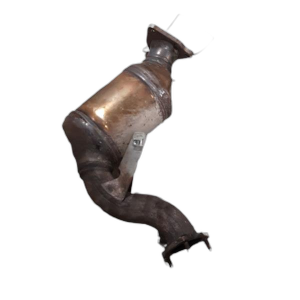
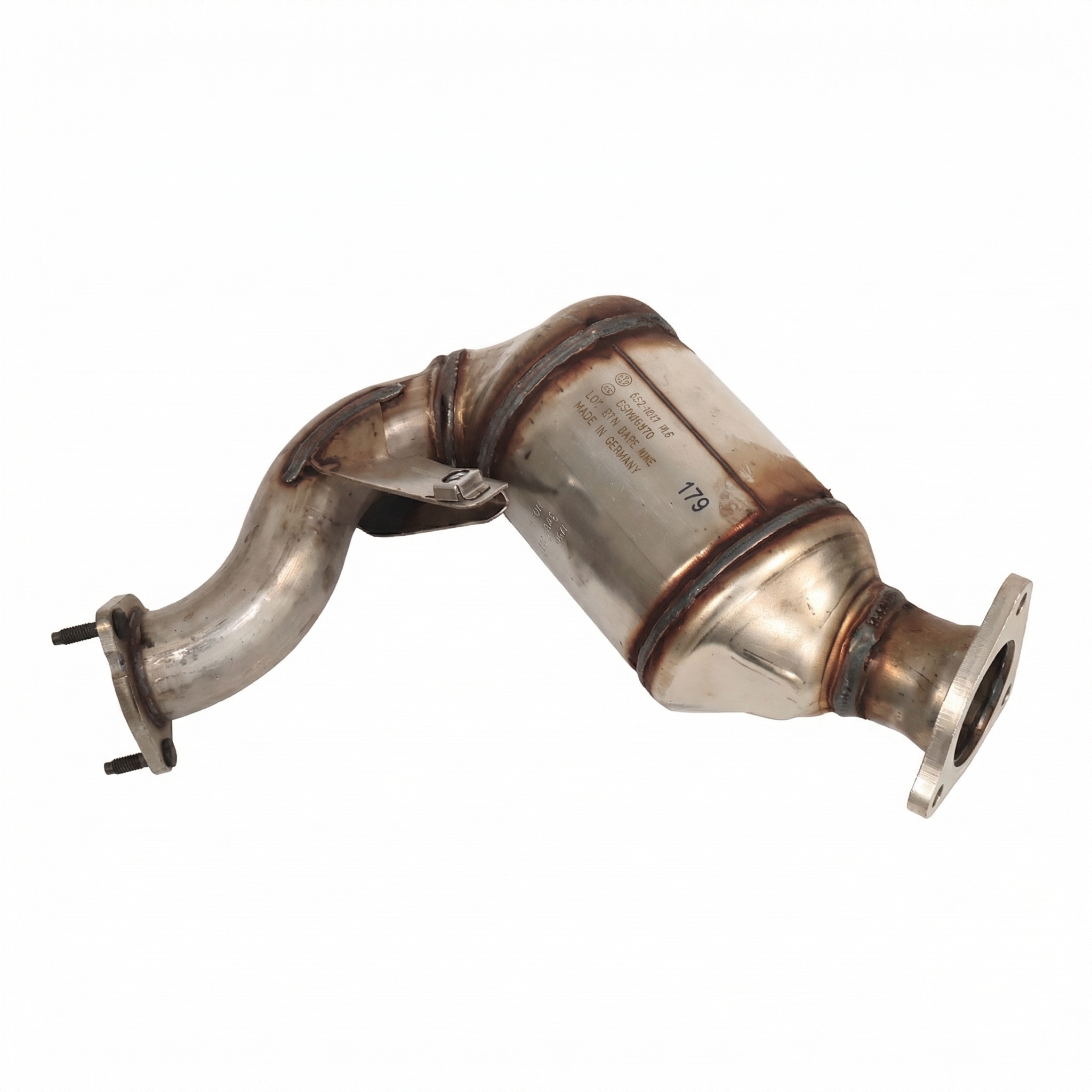
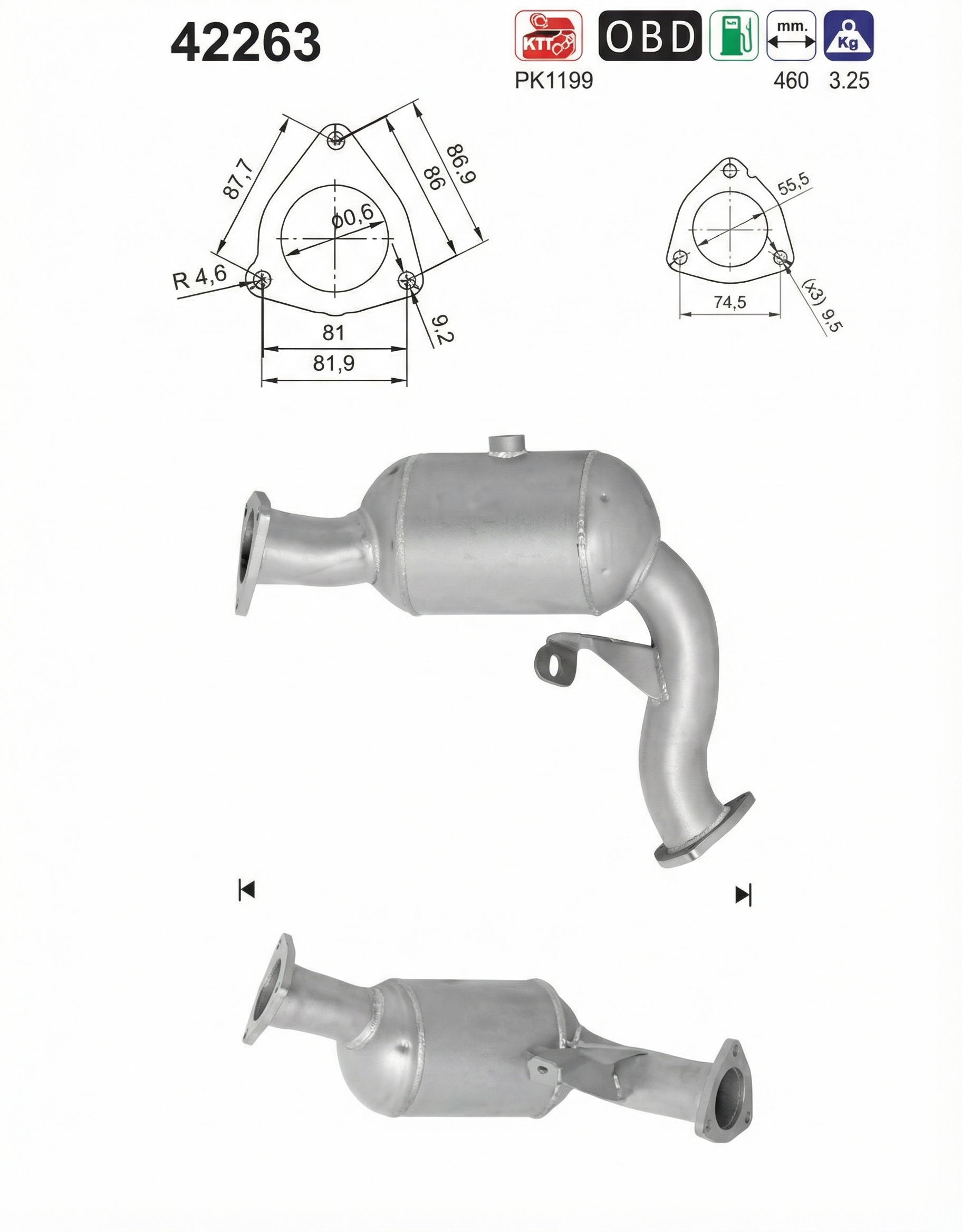
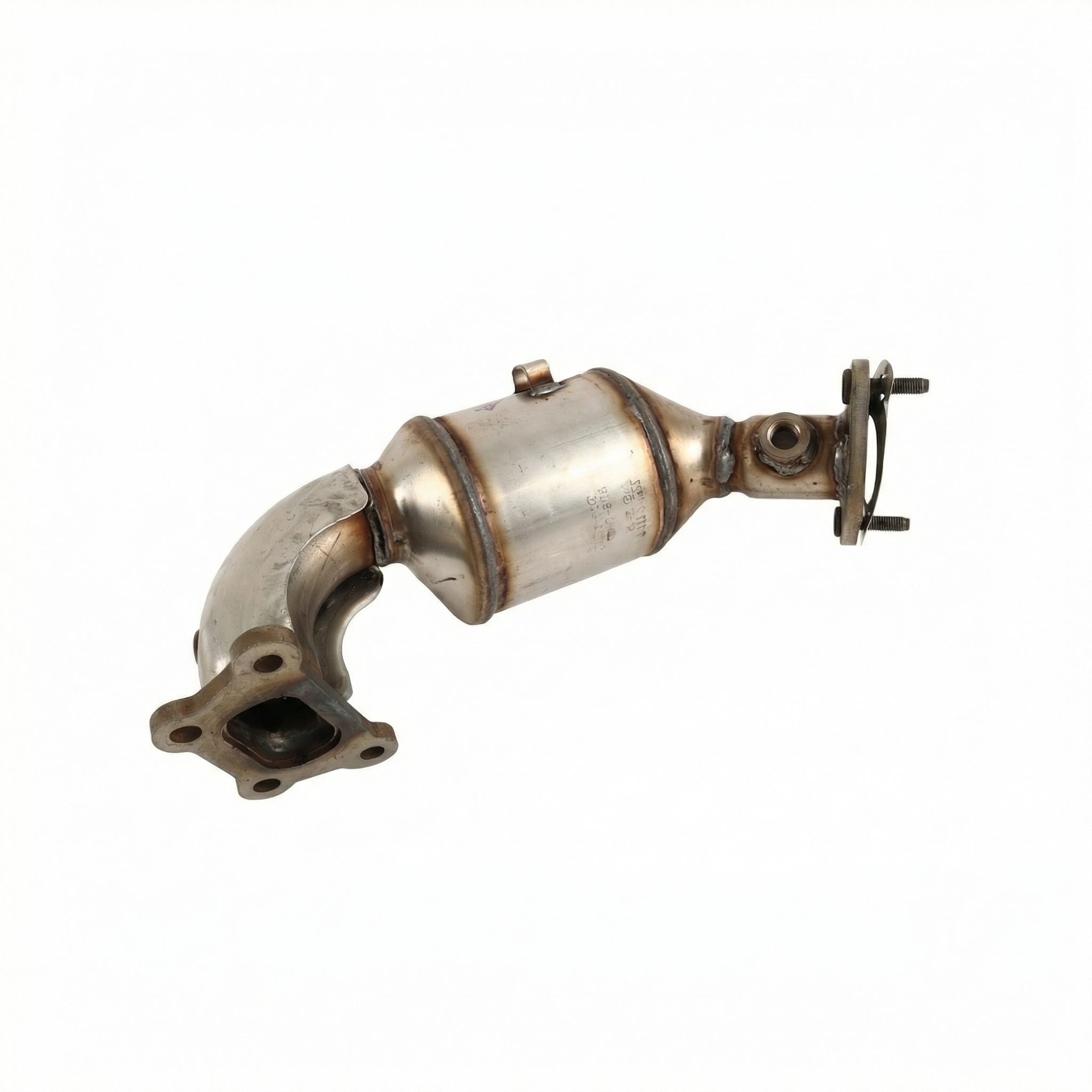
New Aftermarket Parts Available

The information in this article is provided for general reference and educational purposes only. Vehicle specifications, procedures, and part compatibility can vary by production date, trim level, and region. Always consult your vehicle's factory service manual and verify part numbers before purchasing or performing repairs. Safety-critical components such as airbags, seat belts, and braking systems should be installed by a qualified professional.
- Audi A6:
- 🧭 Diagnostic Flowchart
- 🎬 Helpful Videos
- 🛍️ Shop This Part
- What's Unique About the 2012-2018 Audi A6
- Symptoms You May Notice
- Most Likely Causes
- Rare But Worth Checking
- Diagnosis Steps
- Parts You'll Likely Need
- Related Codes That Often Appear With This One
- Technical Service Bulletins (TSBs) & Recalls
- Platform-Specific Known Issues
- Mechanic-Grade Diagnostic Values
- Scan Tool Commands That Help
- Wiring & Ground Locations
- Real Owner Repair Stories
- Model Year Variations Within This Range
- Other Known Issues on This Vehicle
- Used vs. New Parts: Buying Guide for This Vehicle
- Real Owner Stories
- 2012-2014 Audi A6 3.0T
- 2013 Audi A6 3.0T — ~60000 miles
- Audi A6 3.0T (C7)
- Related OBD-II Codes
- Frequently Asked Questions
- 🎟️ Get 5% Off