

P0430 on 2008-2017 Buick Enclave 3.6L: Catalyst Efficiency Fixes
P0430 on a Buick Enclave 3.6L V6 means the Bank 2 catalytic converter is failing. While an O2 sensor or exhaust leak could be the cause, it's most often the converter itself, frequently damaged by underlying engine issues like oil consumption or stretched timing chains common to this platform. This is a costly repair, often exceeding $1,500-$2,500 at a shop.
- P0430 on your Buick Enclave points to a failing catalytic converter on Bank 2 (the front, radiator side of the engine).
- Before replacing the expensive converter, always check for cheaper fixes first: exhaust leaks and faulty oxygen sensors.
- This code is often a symptom of a larger problem. Be aware of the 3.6L V6's reputation for timing chain and oil consumption issues, which can destroy new converters if not addressed.
- Due to the high cost of OEM converters for this vehicle, this can be one of the most expensive repairs an owner faces.
What's Unique About the 2008-2017 Buick Enclave

The first-generation Buick Enclave and its GM Lambda platform siblings with the 3.6L V6 are known for issues that can lead to premature catalytic converter failure. Problems like stretched timing chains (a well-documented issue on the LLT engine) and high oil consumption from clogged PCV systems or worn piston rings, can contaminate and destroy the catalytic converters. Owners often report P0430 (Bank 2) or P0420 (Bank 1) codes as one of the first signs of these more significant underlying engine problems that must be addressed to prevent repeat converter failure.
Symptoms You May Notice
- Check Engine Light is on
- Reduced engine power or sluggish acceleration, especially when going uphill
- A rotten egg or sulfur smell from the exhaust, particularly after hard acceleration
- Failing an emissions test
- Noticeably decreased fuel economy
- A rattling noise from the exhaust if the internal catalyst substrate has broken apart
- Immediately replacing the catalytic converter without checking for exhaust leaks or testing the oxygen sensors first. An exhaust leak or a bad O2 sensor is a much cheaper fix and can cause the same code.
- Replacing the catalytic converter but failing to diagnose the root cause, such as oil consumption or a misfire, leading to the new converter failing prematurely.
Most Likely Causes

- Failing Catalytic Converter 🔴 High Probability → Shop Catalytic Converter Converters can fail from age, but are often damaged by other engine issues like misfires, oil consumption (from PCV or ring issues), or coolant leaks that contaminate the catalyst materials. The known timing chain issues on the LLT engine can also lead to poor combustion that damages the cats over time.
How to confirm: A professional can use a scan tool to monitor O2 sensor data. The downstream O2 sensor voltage should be steady and high (around 0.7-0.9V). If it fluctuates rapidly like the upstream sensor, the converter is not working. An infrared thermometer can also be used; the outlet of a working converter should be significantly hotter (at least 100°F) than the inlet. An exhaust backpressure test can confirm a clog.
Typical fix: Replace the Bank 2 catalytic converter and address any underlying engine issues that caused it to fail. Failure to fix the root cause (e.g., oil consumption, misfires) will destroy the new converter.
Est. part cost: $400-$1200 - Faulty Oxygen (O2) Sensor 🟡 Medium Probability → Shop Oxygen Sensor O2 sensors are wear items and can provide inaccurate readings to the computer, falsely triggering a P0430 code. They are exposed to extreme heat and contaminants. While less common than outright converter failure on this platform, it's a crucial diagnostic step.
How to confirm: Use a scan tool to graph the sensor's voltage. A healthy downstream sensor should show a relatively stable voltage. If it's stuck high, low, or not responding, it needs replacement. It's also wise to check the sensor's wiring for damage, as it runs close to hot exhaust components. A common diagnostic trick is to swap the Bank 1 and Bank 2 downstream sensors; if the code changes to P0420, the sensor is confirmed bad.
Typical fix: Replace the Bank 2 downstream (Sensor 2) oxygen sensor. ACDelco is the recommended OEM brand.
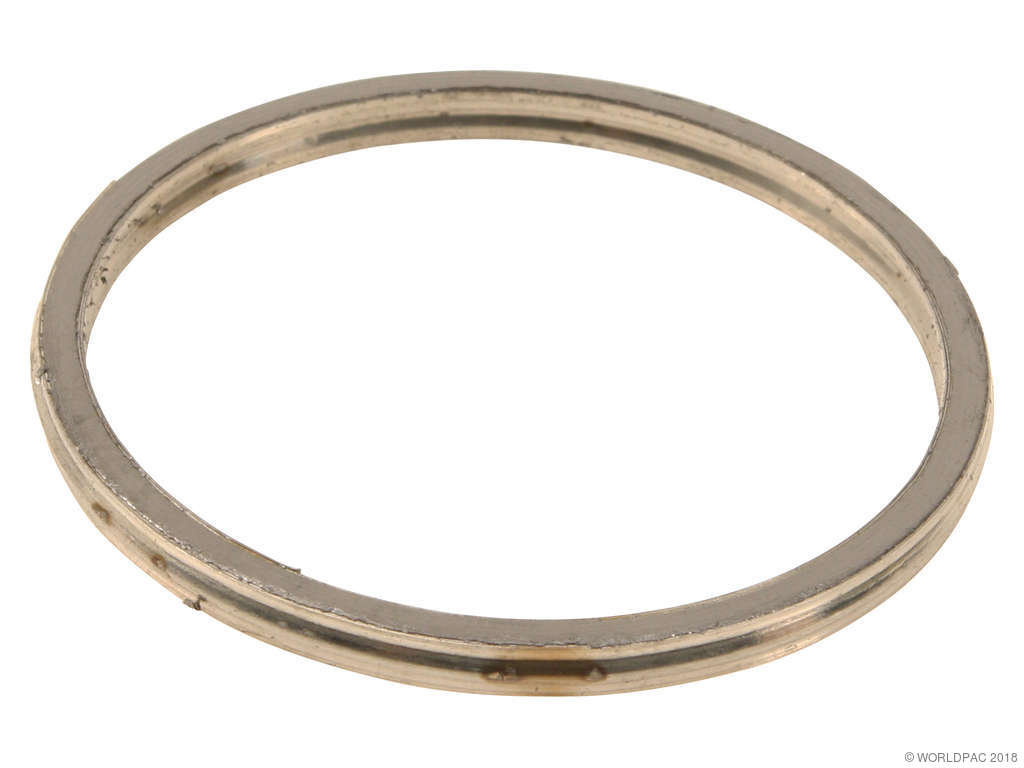
Est. part cost: $50-$150 - Exhaust System Leak 🟡 Medium Probability Rust and corrosion can cause leaks at gaskets or welds in the exhaust system. On the Lambda platform, the flexible pipe section is a common failure point. A leak between the engine and the downstream O2 sensor can introduce oxygen, fooling the sensor and triggering the code.
How to confirm: Visually inspect the exhaust system from the engine to the tailpipe for black soot marks, cracks, or holes. A shop can use a smoke machine to pinpoint hard-to-see leaks. Listen for an audible ticking or hissing sound that gets louder with RPM.
Typical fix: Replace the leaking gasket or repair/replace the damaged section of the exhaust pipe. The flex pipe often requires replacement of the entire Y-pipe assembly.
Est. part cost: $20-$300
Rare But Worth Checking
- Engine Misfires or Fuel System Issues: Unburned fuel from misfires or a rich running condition (e.g., from a leaking fuel injector) can enter the exhaust and overheat the catalytic converter, causing it to fail. If you have other codes like P030x (misfire) or P0172/P0175/P2099 (rich condition), they must be fixed first.
- Stretched Timing Chains: A known issue on the 3.6L LLT engine. Incorrect valve timing leads to poor combustion, which in turn can damage the catalytic converters over time. This is usually accompanied by codes like P0008, P0009, P0016, or P0017. This is a major engine repair that must be done before replacing converters.
- PCM Software Calibration: In some cases, particularly on other vehicle platforms, manufacturers have released PCM updates to widen the acceptable parameters for catalyst efficiency, which can resolve the code without hardware replacement. A Reddit user on r/AskAMechanic noted that a PCM reflash fixed their P0430 on a 2012 Acadia. It's worth checking with a dealer if any emissions-related software updates are available for your specific VIN.
Diagnosis Steps

- Check for any other stored trouble codes. If other codes are present, diagnose and fix them first, especially misfire (P030x), timing (P000x), or fuel trim (P017x, P209x) codes.
- Inspect the exhaust system thoroughly for any leaks between the engine and the Bank 2 catalytic converter. Pay close attention to the exhaust manifold gasket, the flex pipe, and flange gaskets. A smoke test is the most reliable method.
- Use a scan tool to observe the live data stream for the upstream (Bank 2, Sensor 1) and downstream (Bank 2, Sensor 2) oxygen sensors.
- At a steady 2500 RPM, the upstream sensor should fluctuate rapidly between ~0.1V and ~0.9V. The downstream sensor should remain relatively stable and steady, typically above 0.6V.
- If the downstream O2 sensor is fluctuating in a similar pattern to the upstream sensor, the catalytic converter is likely faulty.
- If the downstream O2 sensor voltage is flat, unresponsive, or stuck low (near 0V), the sensor itself is likely bad or has a wiring issue.
- If no definitive conclusion can be made from sensor data, use an infrared thermometer to check the converter's inlet and outlet temperatures after the engine is fully warmed up. The outlet should be at least 100°F hotter than the inlet. If temperatures are similar or the inlet is hotter, the converter is either inefficient or clogged.
- Check for any available Technical Service Bulletins (TSBs) or Special Coverage Adjustments for your VIN related to emissions or timing chains.
Parts You'll Likely Need

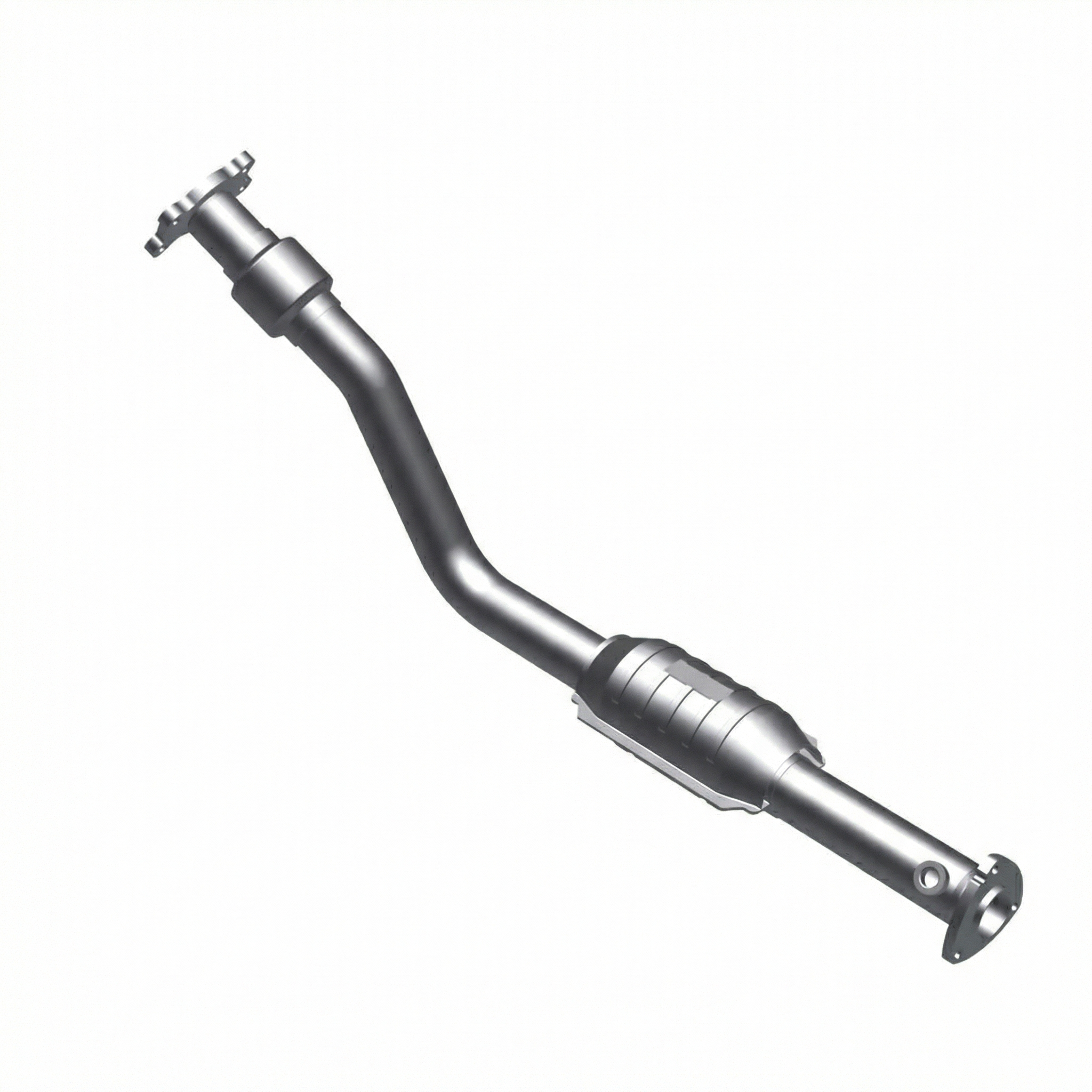
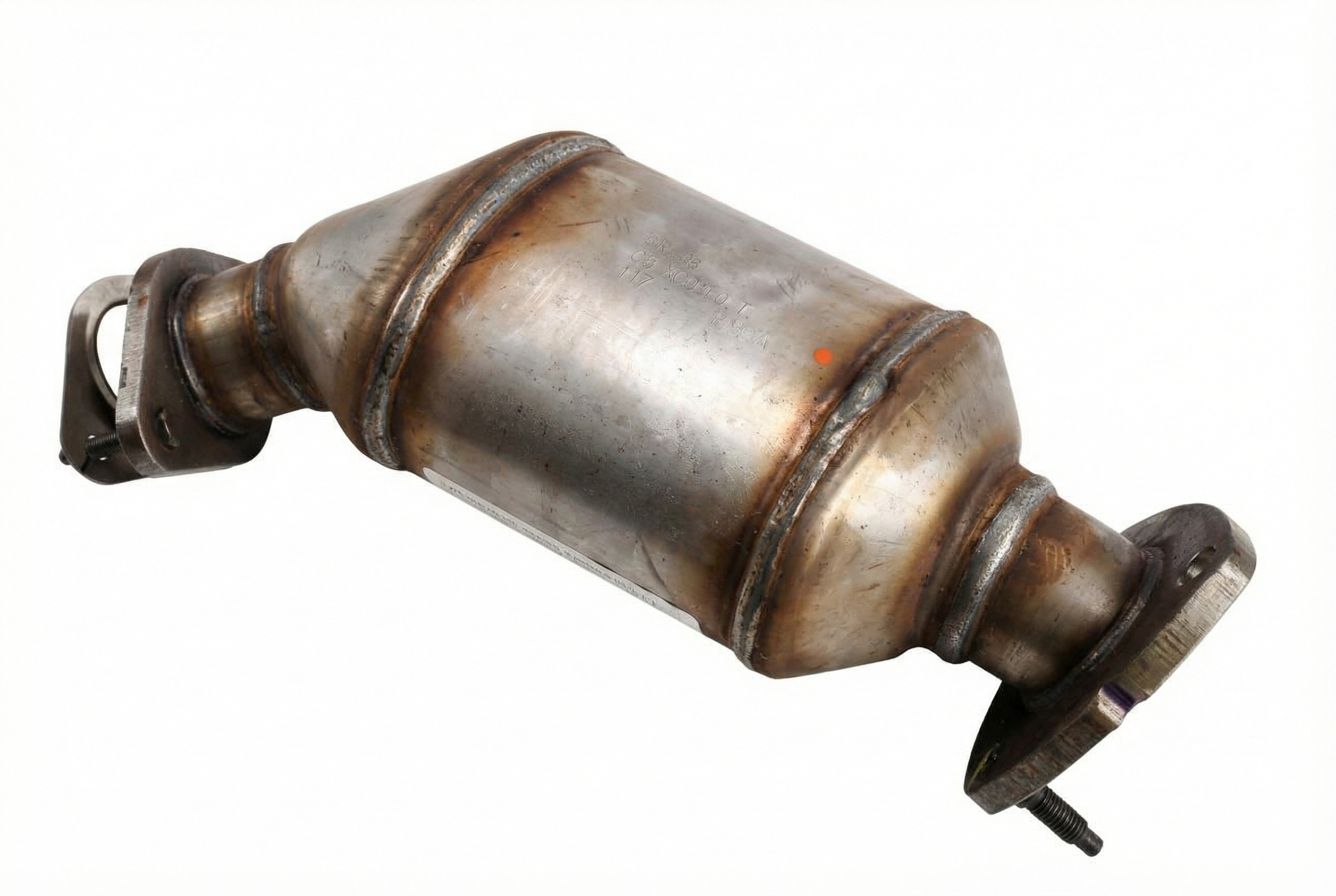
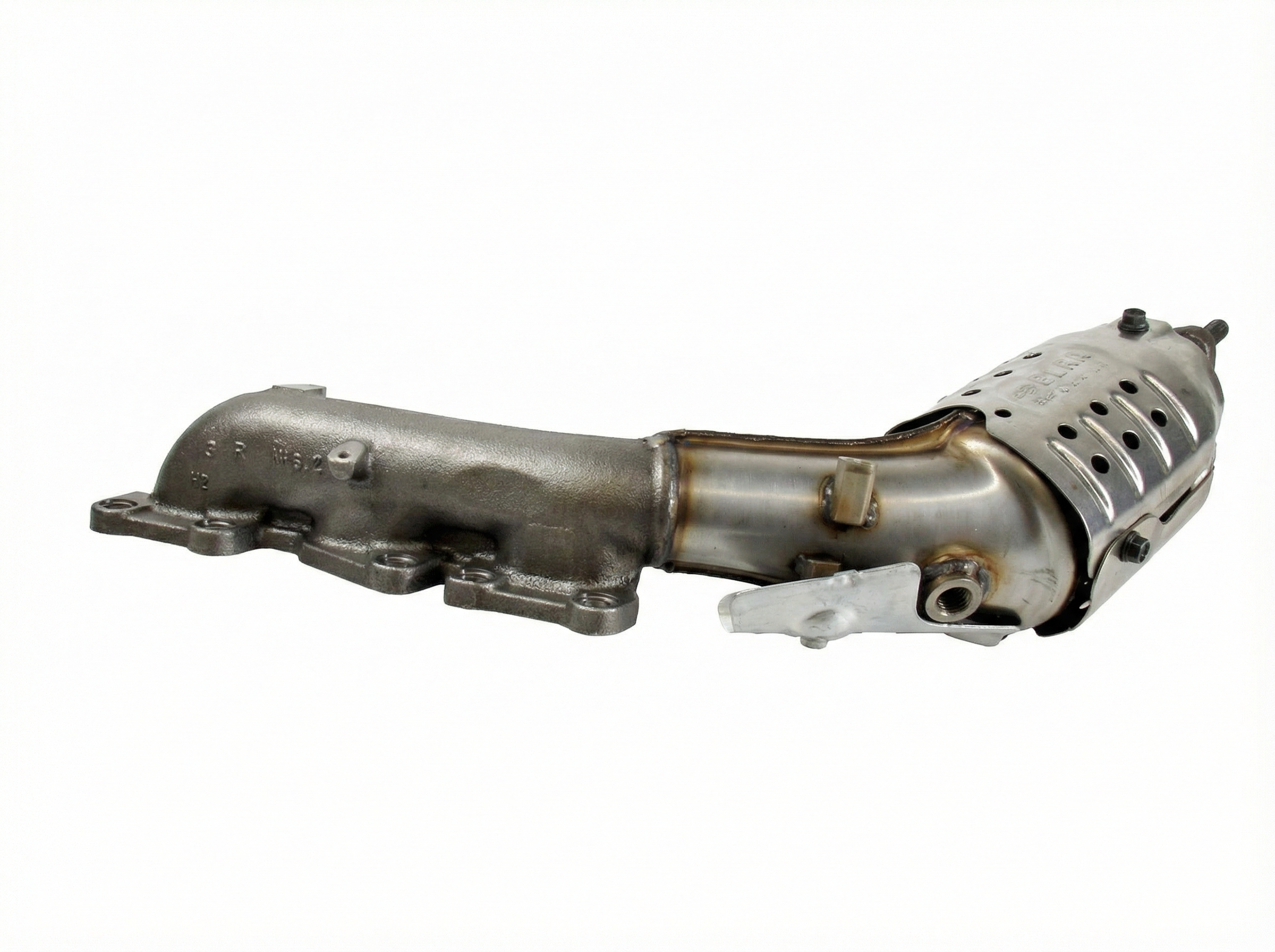
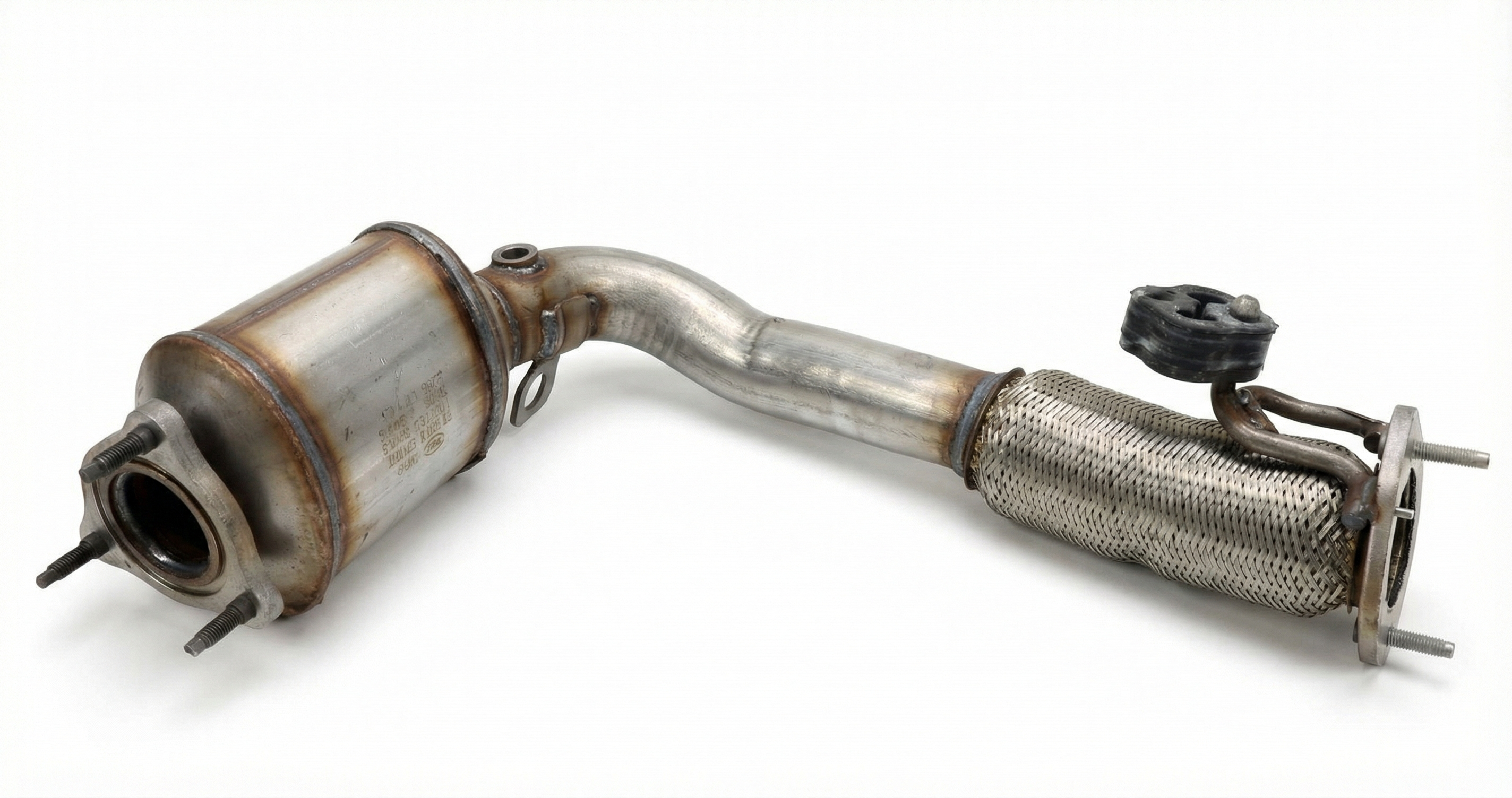
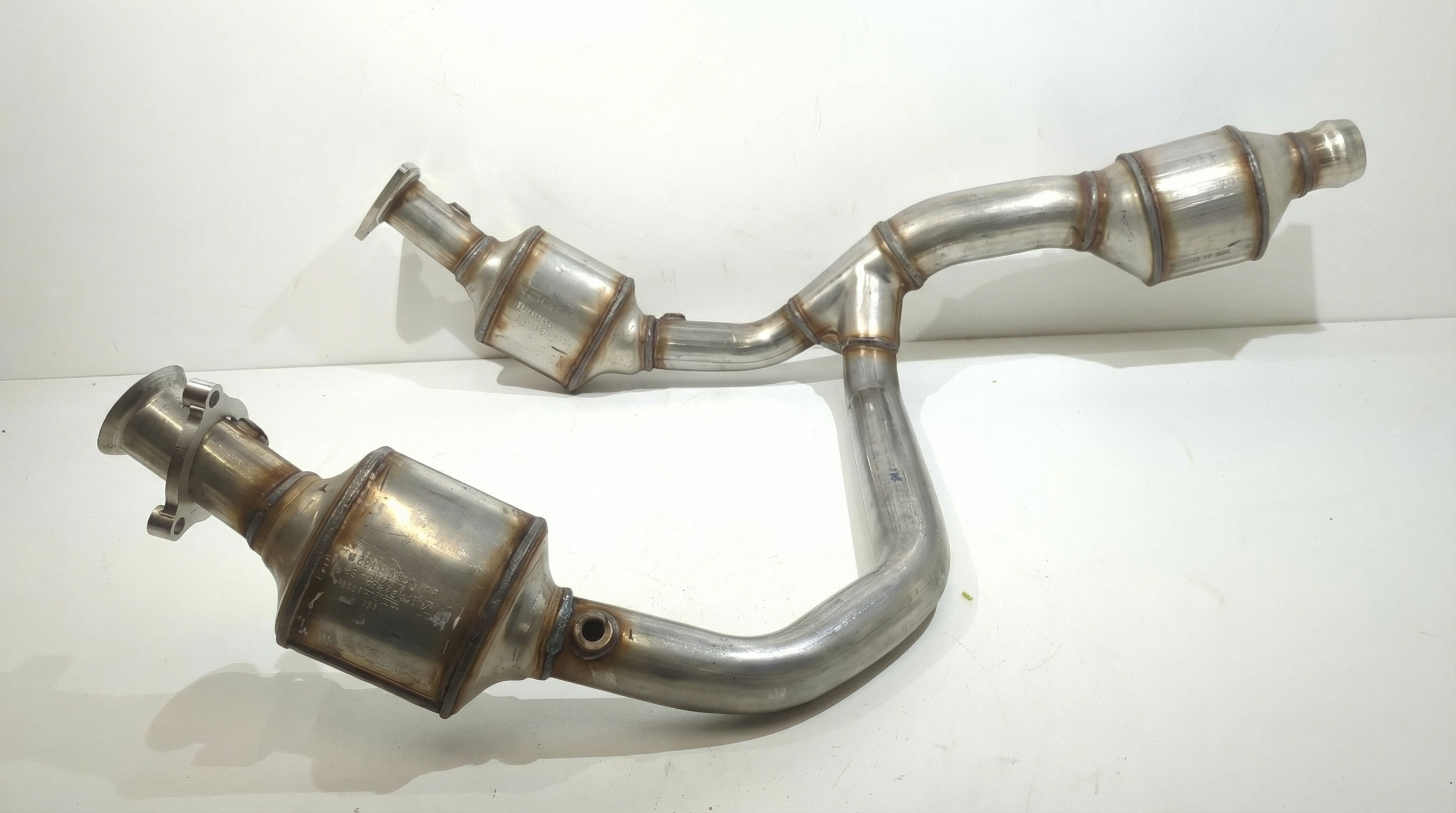
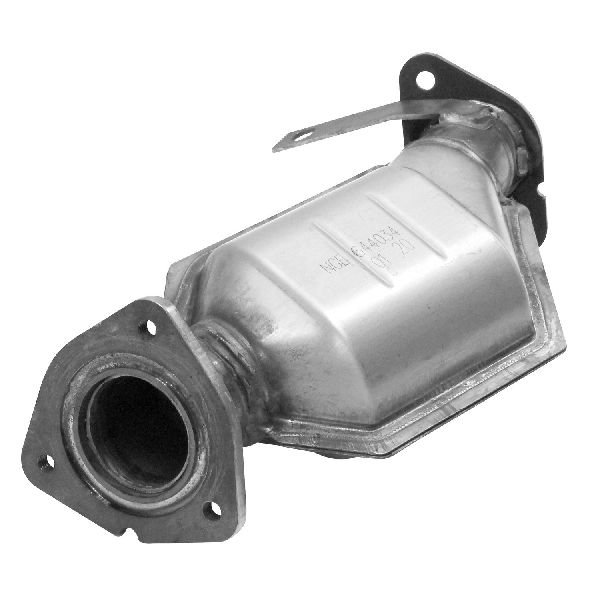
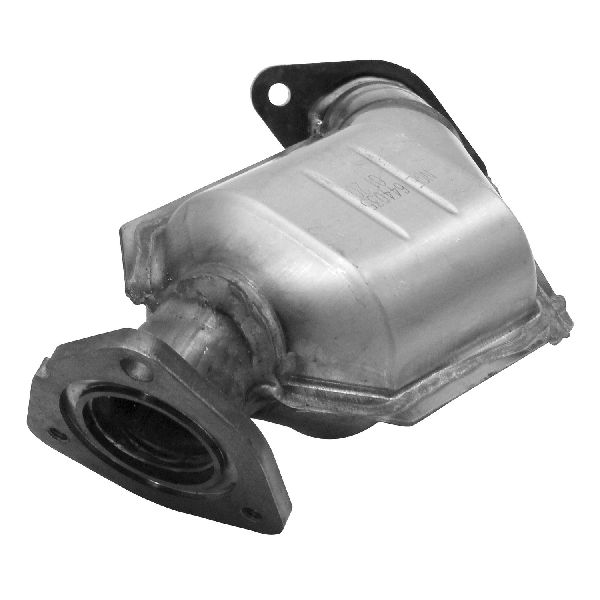
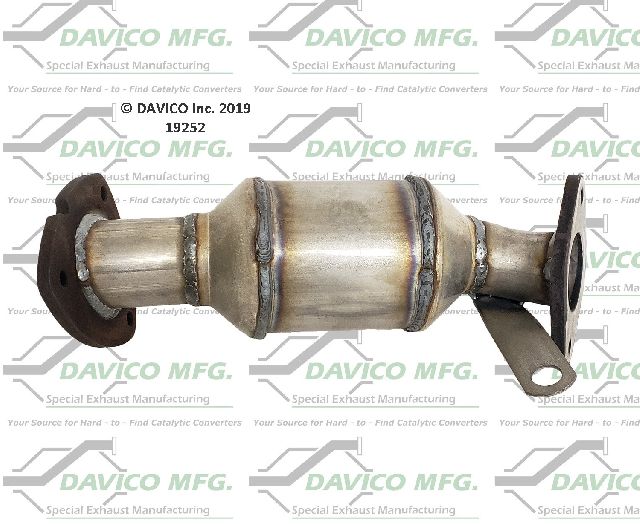
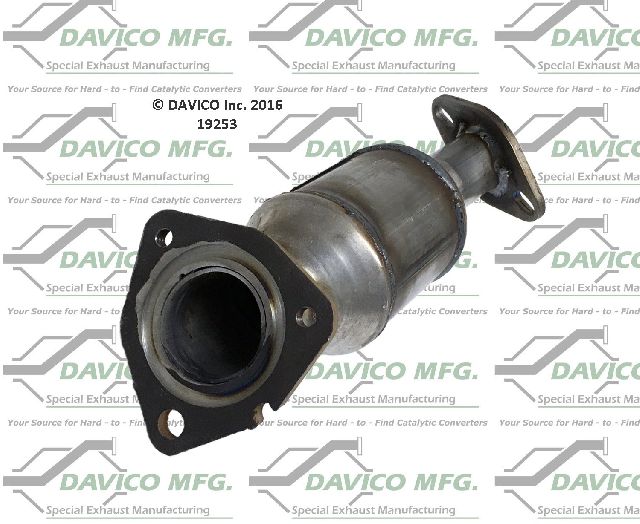
- Bank 2 Catalytic Converter
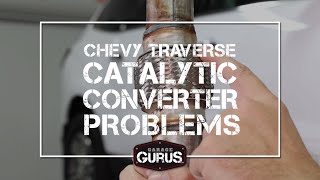
(OEM #GM 20925052 (or superseding numbers like 22816725, 12654770). Always verify with VIN.)— This is the most common cause for P0430, as the catalyst material degrades over time or is damaged by other engine problems. Bank 2 is the front/radiator side converter. 🎬 Watch: This video shows common catalytic converter issues on the Lambda platform.
Trusted brands: ACDelco (OEM), Walker Exhaust, MagnaFlow, Dorman
OEM price range: $800-$1500
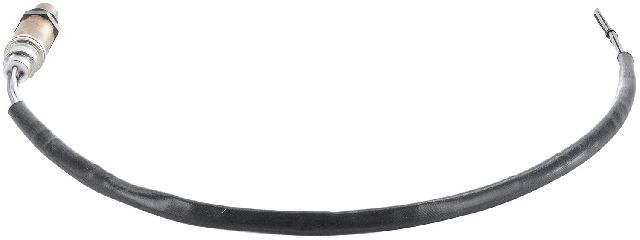
Aftermarket price range: $400-$800 - Downstream Oxygen Sensor (Bank 2, Sensor 2)
(OEM #ACDelco 213-4407 (or superseding numbers). Always verify with VIN.)— The sensor itself can fail, sending incorrect data to the ECM. It's often replaced as a preventative measure when the converter is changed, as labor is overlapping.
Trusted brands: ACDelco, Denso, Bosch
OEM price range: $80-$150
Aftermarket price range: $50-$100
Related Codes That Often Appear With This One
- P0420 — This is the same catalyst efficiency code but for Bank 1 (firewall side). If both are present, it suggests a systemic issue like a fuel problem, high oil consumption, or that both converters have reached the end of their life.
- P0300-P0306 — These are misfire codes. An engine misfire allows unburned fuel to enter the exhaust, which can quickly destroy a catalytic converter. The misfire is the root cause that must be fixed.
- P0008, P0009 — These codes indicate a timing correlation issue between the crankshaft and camshafts, often due to stretched timing chains on the 3.6L V6. This is a serious mechanical problem that can also lead to converter failure.
- P2099 — Post Catalyst Fuel Trim System Too Rich Bank 2. This code indicates a rich condition detected by the same sensor that triggers P0430. A leaking fuel injector is a common cause on this engine and will eventually destroy the converter, leading to P0430.
Technical Service Bulletins (TSBs) & Recalls
- 12-06-01-009F: While not directly for P0430, this TSB addresses the widespread timing chain issues on the 3.6L V6 that are a common root cause of eventual converter failure.
- 14882: Special Coverage Adjustment for plugged PCV orifice on some GM engines. While this specific bulletin is for the 2.4L, similar PCV issues on the 3.6L can cause high oil consumption that damages converters.
- N222385510 / N212356540: Special Coverage Adjustments for front exhaust pipe bracket separation on newer (2019-2021) models, showing a history of exhaust system weak points on the platform. While not for the 2008-2017 range, it highlights a pattern.
Platform-Specific Known Issues
- The 3.6L LLT V6 engine used in early Enclave models is known for stretched timing chains, which can cause a variety of engine performance codes, including those that lead to catalytic converter failure.
- High oil consumption can also be an issue, leading to oil contamination of the catalytic converters and causing them to fail prematurely. This can stem from a faulty PCV system or piston ring issues.
- Some owners on forums suggest that a PCM software update from the dealer can sometimes resolve the P0430/P0420 codes by adjusting the sensitivity of the catalyst monitor, though this is not a guaranteed fix.
Mechanic-Grade Diagnostic Values
- Downstream O2 Sensor (Bank 2, Sensor 2) Voltage — expected: Relatively steady voltage between 625-750 mV (0.625-0.750V) when the catalyst is working efficiently at operating temperature.. Failure: Voltage fluctuates rapidly, mimicking the upstream O2 sensor's pattern (approx. 100mV to 900mV), or is stuck at a very low voltage (under 200mV).
- Low-Side Fuel Pressure (LLT Engine) — expected: Key On, Engine Off (KOEO): 50-60 PSI. At Idle: 35-45 PSI.. Failure: Pressure significantly outside these ranges can indicate a fuel delivery problem that could lead to a rich or lean condition, ultimately damaging the converter.
- High-Side Fuel Pressure (LLT SIDI Engine) — expected: Can reach up to 2,176 PSI (15,000 kPa), regulated by the high-pressure fuel pump.. Failure: While not a direct P0430 diagnostic, issues with the high-pressure system often set other codes first but are part of the overall engine health that protects the converters.
- Mode $06 Misfire Data — expected: Zero or very few misfire counts on all cylinders.. Failure: A high number of counts on any cylinder (found under Test IDs like $A2-$AD) indicates a misfire that must be fixed before replacing a catalytic converter.
Scan Tool Commands That Help
- GDS2 (GM Dealer Software) or equivalent professional scanner: Fuel Injector Balance Test — Use when a rich condition (P2099) is suspected alongside P0430, or to rule out a leaking injector as the root cause of catalyst failure. The tool disables injectors one by one to check for a corresponding drop in fuel rail pressure.
- GDS2 (GM Dealer Software) or equivalent professional scanner: Cylinder Power Balance Test — Use when a misfire (P0300-P0306) is suspected. The tool disables injectors or spark to each cylinder and measures the RPM drop. If disabling a cylinder causes little to no RPM drop, that cylinder is not contributing power, confirming the location of the misfire.
Wiring & Ground Locations
- G100 — On top of the transaxle housing.. This splice pack ground is listed as providing the ground path for the Bank 1 O2 sensors. A poor connection here could logically affect Bank 2 as well, or a similar ground point for Bank 2 may be nearby. A faulty ground can cause erratic sensor readings, leading to a false P0430 code.
- G101 — On the left frame rail in the engine compartment.. This is a primary ground for the Engine Control Module (ECM). A poor connection here can cause a wide range of unpredictable issues, including incorrect interpretation of O2 sensor data.
- Exhaust Y-Pipe Harness — The wiring for the downstream O2 sensor runs along the exhaust and can be susceptible to heat damage or physical contact.. Melted wiring or a damaged connector can cause a short or open in the O2 sensor circuit, directly causing a P0430 or other O2 sensor codes. Always inspect the full length of the harness when diagnosing.
Real Owner Repair Stories
- Garage Gurus YouTube Channel (2012 Chevrolet Traverse 3.6L (Lambda platform-mate)) — P0430 - Catalyst System Efficiency Below Threshold (Bank 2)
❌ Tried (didn't work) Initial scan tool data showed the downstream O2 sensor mimicking the upstream sensor, which typically indicates a bad catalytic converter.
✅ What actually fixed it A thorough visual inspection revealed a small pinhole leak in the exhaust Y-pipe, downstream of the catalytic converter. The high-velocity exhaust gas created a venturi effect, pulling outside air into the pipe. This extra oxygen caused the downstream O2 sensor to read lean, which the technician initially misinterpreted. The catalytic converter was functioning perfectly. The fix was to replace the Y-pipe assembly, which resolved the code. - NHTSA ODI #11398129 — An owner reported that their check engine light came on while driving on the highway, displaying error code P0430 "Catalyst System Low Efficiency Bank 2" shortly after an oil change.
"I Checked Everything" — The Actual Cause
- A small pinhole leak in the exhaust, especially post-converter, may not show up on a low-pressure smoke test but can still cause a false P0430 code. At high exhaust velocities, the leak can create a venturi effect, sucking fresh air into the exhaust stream and causing the downstream O2 sensor to read lean. This makes the ECM believe the converter isn't working, even though it is.
When the Usual Fixes Don't Work
- While P0430 is most commonly a failed catalytic converter, a significant number of cases on this platform are resolved by addressing issues that are not the converter itself. A technician on a platform-mate Traverse with P0430 found the converter was perfectly fine, but a tiny, post-converter pinhole leak in the Y-pipe was introducing air and fooling the O2 sensor. Similarly, GM TSBs point to cracked converter flanges as a known issue that mimics a failed converter. These cases prove that replacing the converter without a thorough diagnosis of exhaust leaks and underlying engine health (oil consumption, misfires) is a common and expensive mistake.
OEM Part Supersession History
12611545→12632255, then 12638530, then 12669384— Revisions to address performance and reliability issues with the SIDI fuel injectors.
Heads up: Leaking fuel injectors are a known cause of rich running conditions that destroy catalytic converters. When replacing injectors, it is critical to use the latest part number and replace them as a full set on the affected bank to ensure proper fuel balance.
Model Year Variations Within This Range
- 2009-2017: Models from 2009 onward use the 3.6L LLT engine with Spark Ignited Direct Injection (SIDI). These engines are prone to carbon buildup on the back of the intake valves because fuel is no longer sprayed over them. This buildup can cause misfires (P030x codes), which are a primary killer of catalytic converters.
- 2008: The 2008 model used the 3.6L LY7 engine, which uses traditional multi-port fuel injection. While it shares timing chain issues with the LLT, it is not susceptible to intake valve carbon buildup in the same way, making misfires from that specific cause less likely.
Diagnostic Flowchart
Real Owner Stories
Aggregated from forums and TSBs cited above. Mileages and costs reflect what owners reported in those sources.
2013-2017 Buick Enclave
Symptoms: P0420 and P0430 codes.
What fixed it: Replacing the catalytic converters. The user warned a prospective buyer to save up for the repair, noting OEM cats are extremely expensive.
Cost: $4200
Source hint: BobIsTheOilGuy.com forum thread 'Any engine upgrades available for the Buick Enclave?'
2012 GMC Acadia 3.6L V6
Symptoms: P0430 code present.
What fixed it: A PCM reflash from the dealer, which updated the software to broaden the parameters for catalyst efficiency.
Source hint: Reddit r/AskAMechanic thread titled '2012 gmc acadia with P0430'
Buick Enclave / GMC Acadia 3.6L V6
Symptoms: P0420/P0430 codes appearing alongside timing chain codes P0008/P0017.
What fixed it: Replacing the catalytic converter. The owner initially replaced the O2 sensors, but found the converter was the actual root cause of the failure.
Source hint: enclaveforum.net / acadiaforum.net
Related OBD-II Codes
Frequently Asked Questions
Is there a PCM software update for the 2008-2017 Buick Enclave that fixes the P0430 code?
Can the known timing chain issues on the 3.6L LLT engine cause my catalytic converter to fail?
I have high oil consumption on my Enclave. Could this be related to the P0430 code?
Should I just replace the Bank 2 oxygen sensor first to see if it clears the code?
Where are the common exhaust leaks located on the Lambda platform that might trigger this code?
How much does it typically cost to replace the catalytic converters on this vehicle?
Helpful Videos
Used OEM Parts in Stock
New Aftermarket Parts Available

The information in this article is provided for general reference and educational purposes only. Vehicle specifications, procedures, and part compatibility can vary by production date, trim level, and region. Always consult your vehicle's factory service manual and verify part numbers before purchasing or performing repairs. Safety-critical components such as airbags, seat belts, and braking systems should be installed by a qualified professional.
- Buick Enclave:
- 🧭 Diagnostic Flowchart
- 🎬 Helpful Videos
- 🛍️ Shop This Part
- What's Unique About the 2008-2017 Buick Enclave
- Symptoms You May Notice
- Most Likely Causes
- Rare But Worth Checking
- Diagnosis Steps
- Parts You'll Likely Need
- Related Codes That Often Appear With This One
- Technical Service Bulletins (TSBs) & Recalls
- Platform-Specific Known Issues
- Mechanic-Grade Diagnostic Values
- Scan Tool Commands That Help
- Wiring & Ground Locations
- Real Owner Repair Stories
- "I Checked Everything" — The Actual Cause
- When the Usual Fixes Don't Work
- OEM Part Supersession History
- Model Year Variations Within This Range
- Real Owner Stories
- 2013-2017 Buick Enclave
- 2012 GMC Acadia 3.6L V6
- Buick Enclave / GMC Acadia 3.6L V6
- Related OBD-II Codes
- Frequently Asked Questions
- 🎟️ Get 5% Off