

P0430 on 2016-2019 Cadillac CTS 3.6L: Catalyst Efficiency Causes and Fixes
On a 2016-2019 Cadillac CTS with the 3.6L LGX engine, code P0430 is often caused by a poorly sealed air filter box allowing debris to damage the O2 sensor or converter, a known issue covered by GM TSB #16-NA-111. Before replacing the expensive catalytic converter, inspect the air intake system thoroughly for any signs of debris bypassing the filter.
- Before buying any parts, your first step must be to inspect the air filter and air filter housing for a perfect seal, per GM TSB #16-NA-111.
- Do not replace the catalytic converter unless you have ruled out a faulty O2 sensor, exhaust leaks, and the airbox seal issue.
- If you have any other codes for misfires (P030x) or fuel trim (P017x), you must fix those problems first, as they are likely the root cause that damaged the converter.
- Bank 2 on the 3.6L V6 engine is the driver's side.
What's Unique About the 2014-2019 Cadillac CTS
For this specific Cadillac CTS with the LGX engine, there is a well-documented issue that can trigger a P0430 code and lead to misdiagnosis. General Motors issued Technical Service Bulletin #16-NA-111, which warns that an improperly sealed air filter box can allow unmetered air, sand, and debris into the engine. This debris can directly damage the HO2S sensor element or physically block the catalytic converter with sand and debris particles, causing the code. The TSB explicitly states to validate the air filter housing is completely sealed *before* replacing any parts. This makes inspecting the air intake system a critical, money-saving first step that is specific to this platform and its relatives.
Generation note: The specified vehicle range is 2014-2019, which covers the third generation of the Cadillac CTS. However, the specified LGX 3.6L V6 engine was only available in the 2016-2019 model years. This guide is specific to the 2016-2019 models with the LGX engine. The LGX was a clean-sheet redesign, sharing little with the prior LFX engine.
Symptoms You May Notice
- Check Engine Light is on
- Vehicle may fail an emissions test
- Potential for reduced fuel economy
- Sluggish acceleration if the converter is clogged
- Sulfur or "rotten egg" smell from the exhaust
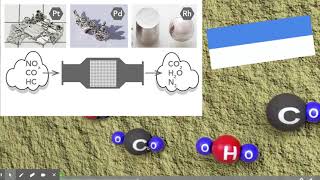
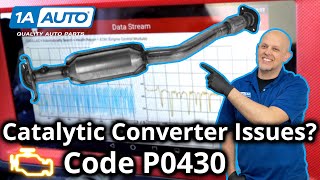
- In rare cases of severe clogging, the engine may be hard to start or stall. 🎬 See this breakdown of P0430 symptoms, causes, and common fixes.
- Immediately replacing the catalytic converter without first checking for air intake leaks (per TSB #16-NA-111), exhaust leaks, or testing the oxygen sensors. The converter is the most expensive part and often replaced unnecessarily.
- Replacing the oxygen sensor without checking for the airbox seal issue. If debris is entering the intake, it will likely cause the new sensor or converter to fail again.
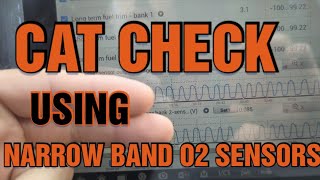
- Mistaking a faulty O2 sensor for a bad converter. A lazy or biased O2 sensor can mimic the signal of a failing converter, making live data testing crucial. 🎬 Watch: A professional guide to diagnosing P0430 using live data.
Most Likely Causes
- Improperly Sealed Air Filter Housing 🔴 High Probability → Shop Air Cleaner Assembly A specific GM Technical Service Bulletin (#16-NA-111) was issued for this exact problem on these vehicles. Debris bypassing the filter can damage the O2 sensor and/or block the converter. The TSB was updated several times, indicating its prevalence across multiple model years and even other GM vehicles.
How to confirm: Visually inspect the air filter housing for proper closure, ensuring all clips or screws are secure. Per TSB 16-NA-111, remove the cover and inspect for missing tabs/fasteners, check the filter seal itself, and look for dirt/debris trails past the filter seal inside the housing and the clean air outlet duct.
Typical fix: Reseat the air filter and housing cover correctly. Clean any debris from the intake tube. If the housing is warped or clips are broken, it must be replaced. Replace the air filter if the seal is compromised or dirt has bypassed it.
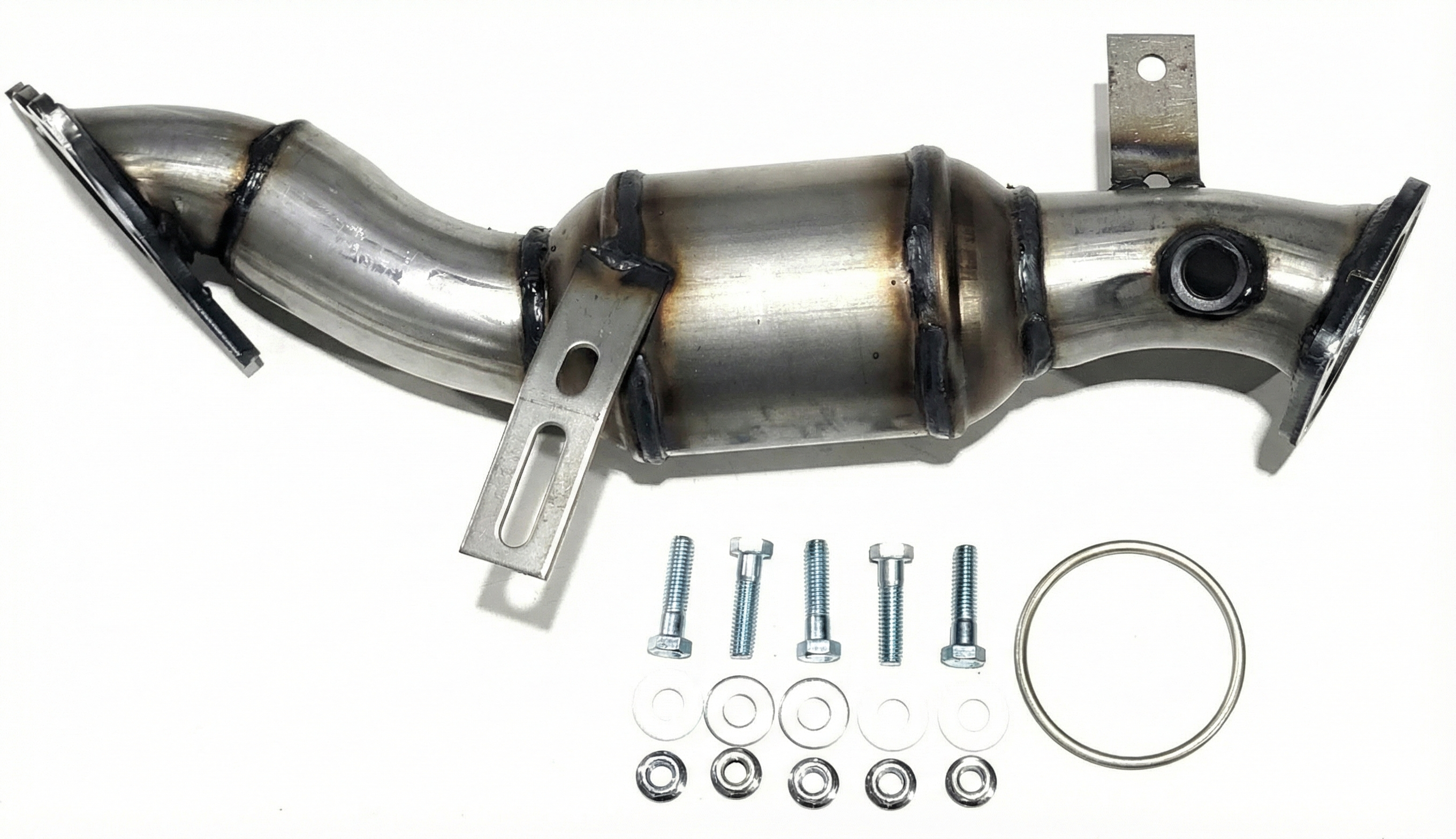
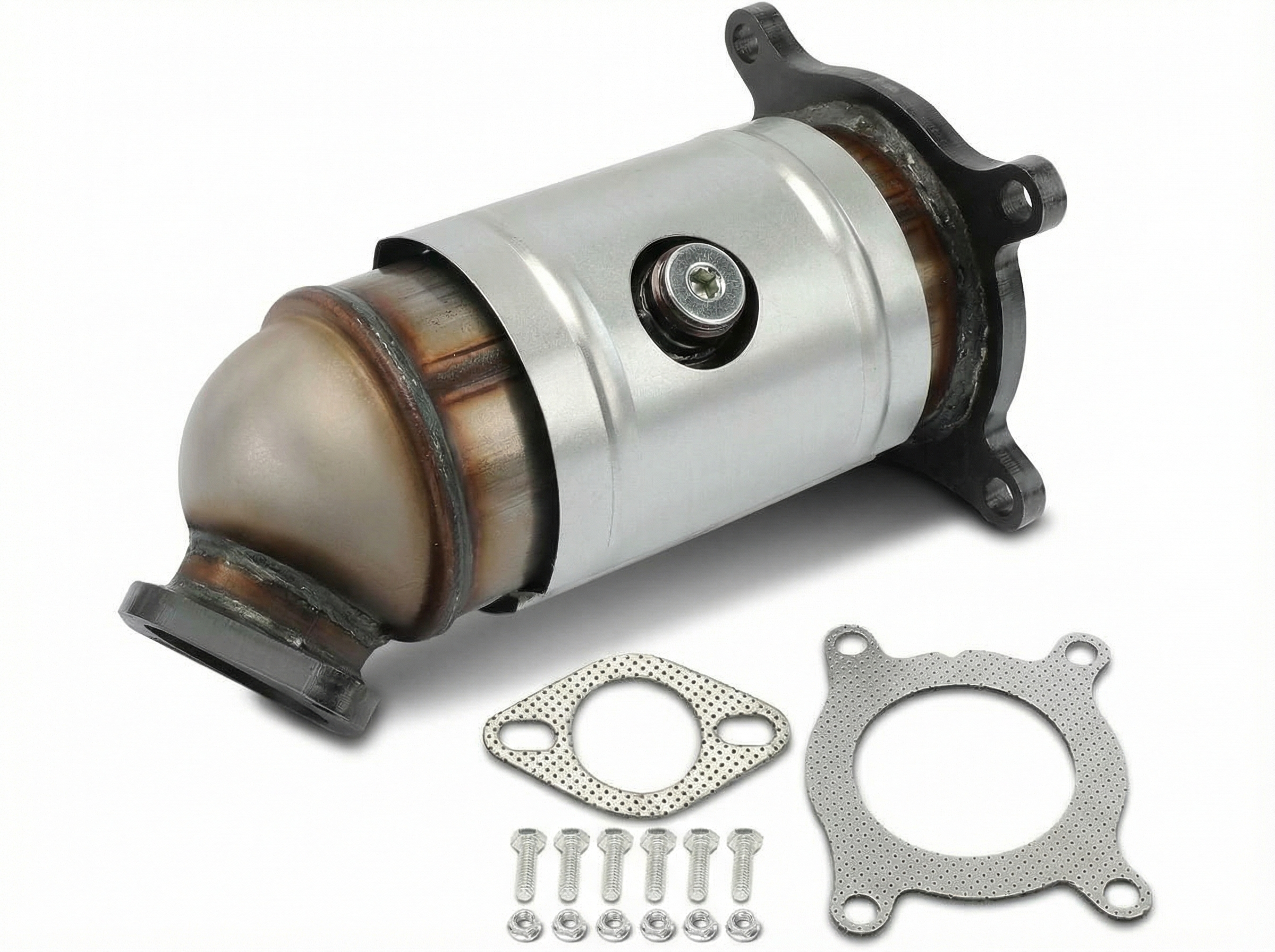
Est. part cost: $0-$250 - Failed Catalytic Converter (Bank 2) 🔴 High Probability → Shop Catalytic Converter Converters fail from age, contamination (including from the airbox issue), or engine problems. This is the part the code directly points to, but it should be the last thing replaced after all other checks.
How to confirm: After ruling out all other causes, a professional can use a scan tool to graph O2 sensor data. If the downstream sensor (B2S2) mimics the upstream sensor (B2S1), the converter is not working. A temperature check using an infrared thermometer showing the outlet is not at least 100°F hotter than the inlet also indicates failure. A visual inspection may reveal discoloration or, if tapped with a rubber mallet, a rattling sound indicating a broken internal substrate.
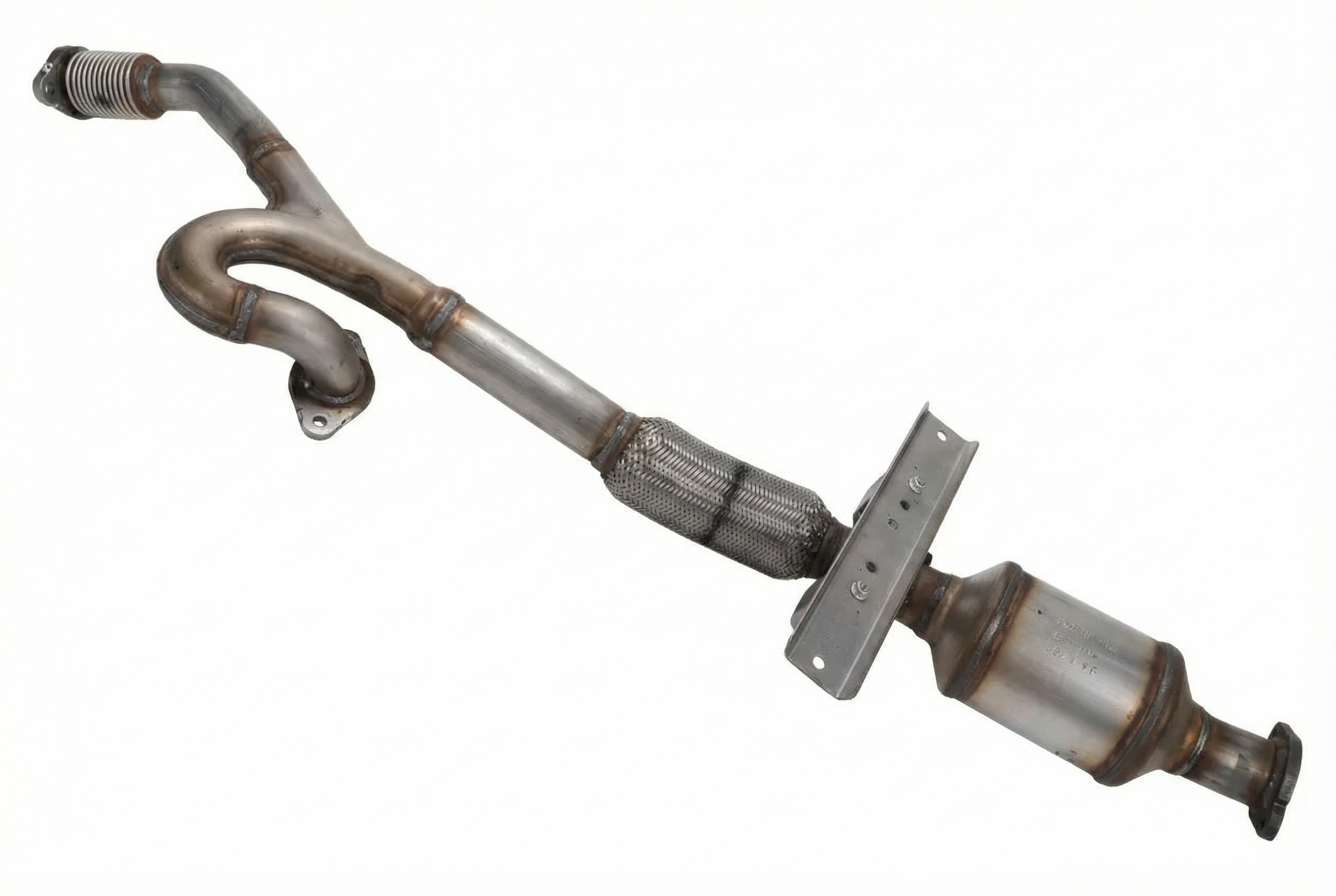
Typical fix: Replace the Bank 2 catalytic converter. On the LGX, this is often part of a Y-pipe assembly.
Est. part cost: $500-$1500 - Faulty Downstream Oxygen Sensor (Bank 2, Sensor 2) 🟡 Medium Probability → Shop Oxygen Sensor The sensor can become 'lazy' with age or be contaminated by debris from the airbox issue (TSB #16-NA-111) or engine deposits, sending incorrect data. The sensor element itself can be physically damaged by ingested debris.
How to confirm: Using a scan tool, observe the live data for the B2S2 sensor. A healthy sensor on a warm engine at steady RPM should show a relatively steady, slow-switching voltage (typically above 0.5V, often 0.65-0.8V). If it's stuck, switching rapidly like the upstream sensor, or has a flatline reading, the sensor is likely faulty (assuming the converter and wiring are good).
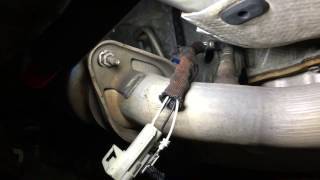
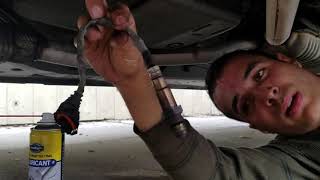
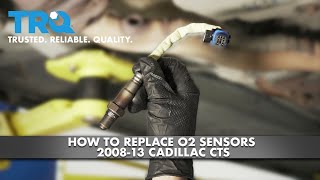
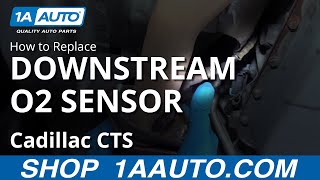
Typical fix: Replace the Bank 2, Sensor 2 oxygen sensor. Ensure wiring is not damaged or melted. 🎬 Watch: How to replace the oxygen sensors on a Cadillac CTS.
Est. part cost: $50-$180 - Exhaust System Leak ⚪ Low Probability Leaks between the engine and the catalytic converter can allow oxygen to enter the exhaust, which confuses the O2 sensors and can trigger the code. Another TSB for some 3.6L GM vehicles, #17-NA-321, notes that cracks can form on the converter's mounting flange, creating a leak that causes P0420/P0430.
How to confirm: Perform a visual inspection for rust, cracks, or black soot trails, especially at gaskets and flanges. A professional smoke test is the most reliable method to find small leaks.
Typical fix: Replace the leaking gasket or repair/replace the cracked pipe. If the converter flange is cracked, the converter assembly must be replaced.
Est. part cost: $20-$200
Rare But Worth Checking
- Underlying Engine Issues: A misfiring cylinder (P0300-P0306) or a persistent rich/lean condition (P0171/P0174) can dump raw fuel or create excessive heat, destroying a catalytic converter. These root causes must be fixed, or the new converter will fail again.
- Faulty Engine Coolant Temperature (ECT) Sensor: A faulty ECT sensor that tells the computer the engine is always cold can cause a persistent rich fuel mixture, which can eventually foul the catalytic converter. This would likely be accompanied by poor fuel economy and other symptoms.
Diagnosis Steps
- Check for other diagnostic trouble codes. Address any misfire (P030x), fuel system (P017x), or other sensor codes before diagnosing P0430, as they can be the root cause.
- Crucial Step for this vehicle: Thoroughly inspect the air filter box, the air filter itself, and the housing seal for any gaps, damage, or improper fitment, as per GM TSB #16-NA-111. Look for any signs of debris bypassing the filter into the clean air intake tube.
- Inspect the exhaust system for any leaks, paying close attention to the exhaust manifold gaskets and the flanges before and after the Bank 2 catalytic converter. A smoke test is the most reliable method.
- Use a scan tool to view live O2 sensor data. With the engine warm and at a steady 2500 RPM, observe the Bank 2 Sensor 1 (upstream) and Bank 2 Sensor 2 (downstream) voltages.
- A good converter will show rapid up-and-down switching on Sensor 1 (approx. 0.1V to 0.9V) and a relatively steady, slow-switching voltage on Sensor 2 (approx. 0.65V to 0.8V). If Sensor 2's waveform mirrors Sensor 1's, the converter is not functioning.
- If the Sensor 2 reading is flat, erratic, or biased, test the sensor and its wiring. A bad sensor can be the sole cause of the code.
- If all other causes are ruled out, the catalytic converter is the likely culprit. Use an infrared temperature gun to check for a temperature rise across the converter. The outlet should be at least 100°F hotter than the inlet.
Parts You'll Likely Need
- Catalytic Converter (Bank 2)
(OEM #23377258)— This is the component the code identifies as inefficient. It is the most expensive fix and should only be replaced after ruling out other causes. The part number is for the Y-pipe assembly which includes the converter; always verify with VIN.
Trusted brands: ACDelco (GM Genuine), Walker Exhaust, MagnaFlow
OEM price range: $800-$1500
Aftermarket price range: $500-$900 - Downstream Oxygen Sensor (Bank 2, Sensor 2)
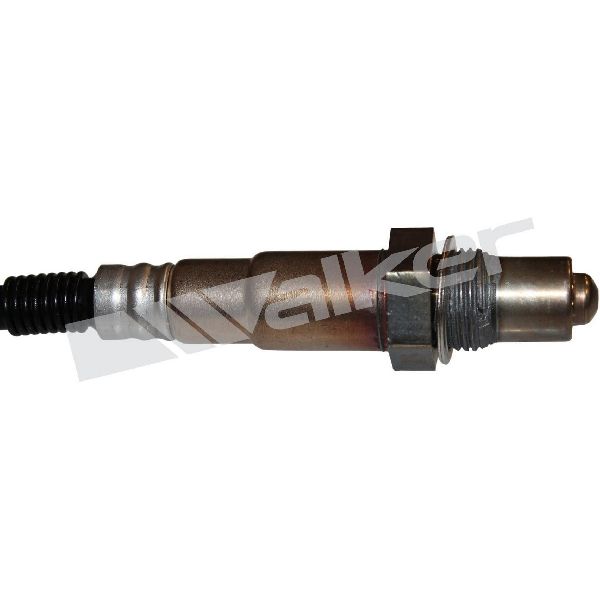
(OEM #12664594)— This sensor provides the reading that triggers the code. It can fail, become contaminated by debris (per TSB #16-NA-111), or get 'lazy' with age, leading to a misdiagnosis of the converter.
Trusted brands: ACDelco, Denso, Bosch
OEM price range: $100-$180
Aftermarket price range: $40-$90
Related Codes That Often Appear With This One
- P0420 — This is the same efficiency code for Bank 1 (passenger side). Seeing both codes together strongly suggests a systemic issue affecting both banks, such as the airbox leak from TSB #16-NA-111 or a fuel delivery problem.
- P0171 / P0174 — These codes indicate a lean fuel condition. An unmetered air leak, such as from the improperly sealed airbox, is a common cause for these codes to appear alongside P0430.
- P0300-P0306 — These are cylinder misfire codes. A misfire allows unburnt fuel to enter the exhaust, which can overheat and destroy the catalytic converter, directly causing the P0430 code.
Technical Service Bulletins (TSBs) & Recalls
- TSB #16-NA-111: Malfunction Indicator Light (MIL) Illuminated, DTC P0420 and P0430 Set: Warns that excessive sand/debris can bypass a poorly sealed air filter, damaging the O2 sensor and/or blocking the catalytic converter. It instructs technicians to inspect and validate the air filter housing seal *before* replacing any parts. Originally issued in April 2016, it has been updated multiple times to include more models and years. Manufacturer Bulletin #16NA111 provides specific diagnostic and inspection information for the air box and air filter seal to correct a MIL and DTCs P0420 and P0430 setting.
- TSB #17-NA-321: Malfunction Indicator Light (MIL) Illuminated, DTC P0420 and P0430 Set: Notes that on some 3.6L V6 engines, cracks can form on the catalytic converter's mounting flange. This exhaust leak can alter sensor readings and falsely trigger efficiency codes. The fix is replacement of the converter assembly.
Platform-Specific Known Issues
- The Airbox Seal is the Primary Suspect: Unlike many other vehicles where P0430 immediately points to the converter or O2 sensor, on the LGX-equipped CTS, the first and most critical check is the air filter housing. TSB 16-NA-111 was created specifically because technicians were unnecessarily replacing expensive emissions components when the root cause was a simple air leak allowing abrasive debris into the system.
Mechanic-Grade Diagnostic Values
- Downstream O2 Sensor (B2S2) Voltage — expected: Relatively steady voltage between 0.65V and 0.8V on a fully warmed engine at steady RPM.. Failure: Voltage rapidly switching similar to the upstream sensor, or a voltage stuck high (above 0.8V) or low (below 0.2V).
- Upstream O2 Sensor (B2S1) Voltage — expected: Rapidly fluctuating voltage between approximately 0.1V (lean) and 0.9V (rich).. Failure: Slow to respond, or stuck at a specific voltage.
- Catalytic Converter Temperature Differential — expected: The outlet pipe temperature should be at least 100°F hotter than the inlet pipe temperature on a fully warmed-up engine.. Failure: Little to no temperature difference between the inlet and outlet, indicating the catalytic reaction is not occurring.
Hidden / Shadow Codes Worth Checking
- Mode $06, TID $81/$82: This is not a DTC, but a diagnostic mode on professional scan tools that shows the raw test results from the ECM's catalyst efficiency monitor. It provides the measured value and the pass/fail threshold. A value that is close to the failure threshold indicates a marginal converter, even if the P0430 code has not set yet. (see via A professional scan tool with Global OBD-II functions (e.g., Launch Tech, Autel) capable of displaying Mode $06 data.)
Scan Tool Commands That Help
- GM GDS2 / Professional Scan Tool: Catalyst System Test / Catalyst Monitor Drive Cycle — This is a guided diagnostic function that runs the engine through specific conditions to actively test the catalytic converter's performance and confirm if it passes or fails the onboard test. It's used to verify a failure before replacement or to confirm a repair after a new part is installed.
- GM GDS2 / Professional Scan Tool: Fuel Injector Balance Test — Use this command if a rich or lean condition (e.g., P0171/P0174) is suspected alongside P0430. A leaking injector can destroy a new converter, and this test can pinpoint a faulty injector by measuring pressure drops.
- Any Scan Tool: Catalyst Monitor Readiness Drive Cycle — This is a manual procedure, not a direct command, required to make the ECM run its internal catalyst efficiency test. It typically involves holding a steady speed (e.g., 55 mph) for several minutes after a cold start. This must be completed to verify a fix and turn the monitor to 'Ready' status for an emissions test.
Wiring & Ground Locations
- ECM Connector X1, Pin 59 — At the Engine Control Module (ECM), which is typically located in the engine bay.. This is the pin for the Bank 2 Sensor 2 (downstream) Low Signal circuit. A voltage test here can confirm if the signal from the sensor is reaching the ECM correctly, helping to rule out a wiring issue between the sensor and the computer.
- G101 / G102 — These are common engine block ground points for GM vehicles. G101 is often at the front of the engine block, while G102 is at the rear.. The ECM (G101) and ignition system (G102) rely on clean, tight grounds. A poor engine ground can cause erratic sensor readings and misfires, which can indirectly lead to a P0430 code. Checking these grounds is a crucial step when diagnosing any electronic engine code.
"I Checked Everything" — The Actual Cause
- A common diagnostic path for P0430 is to perform an exhaust smoke test to find leaks. However, for this specific vehicle, the root cause is often an improperly sealed air filter housing (per TSB 16-NA-111). This allows abrasive debris into the engine, which damages the O2 sensor and/or clogs the converter. An exhaust smoke test would come back clean, causing a technician to miss the true intake-side fault and potentially misdiagnose the converter as having failed on its own.
Model Year Variations Within This Range
- 2016-2019: The 2016 model year marked the introduction of the 3.6L LGX V6, which was a complete redesign of the previous LFX engine. It features different heads, block, cooling system, and Active Fuel Management (AFM). Part numbers for sensors and converters are not interchangeable with 2014-2015 LFX-equipped models.
Diagnostic Flowchart
Related OBD-II Codes
Frequently Asked Questions
Does TSB 16-NA-111 apply to my 2014-2019 Cadillac CTS for code P0430?
Why should I check the air filter box before replacing the catalytic converter on my LGX 3.6L?
Could an exhaust leak cause the P0430 code on my CTS?
How do I know if the Bank 2 catalytic converter is actually bad on my CTS?
Is the catalytic converter on the LGX 3.6L a standalone part?
Can a bad oxygen sensor cause P0430 on this vehicle?
Helpful Videos
Used OEM Parts in Stock
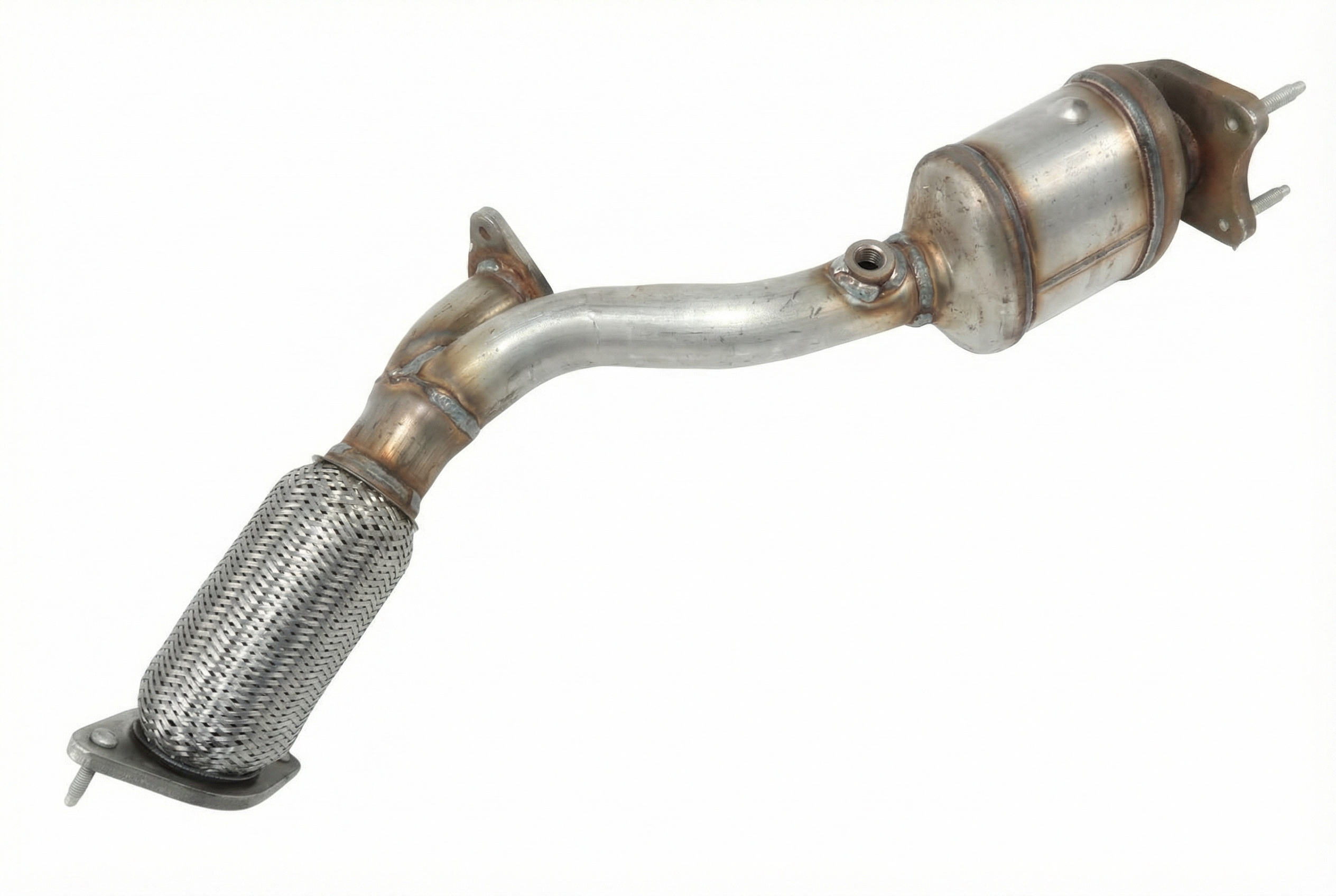
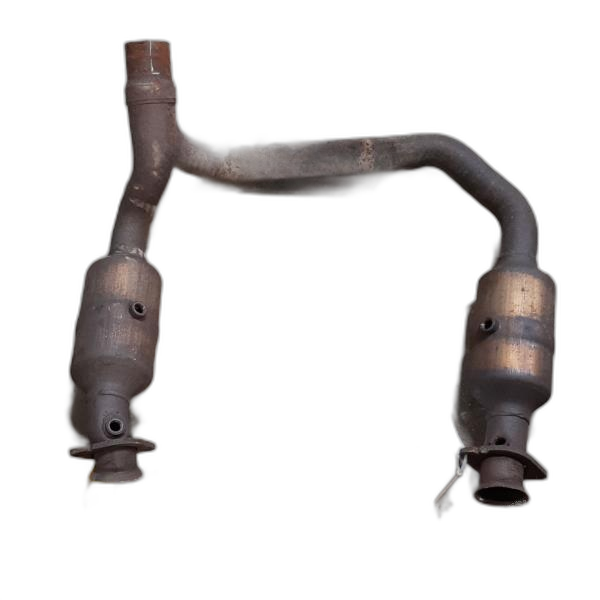
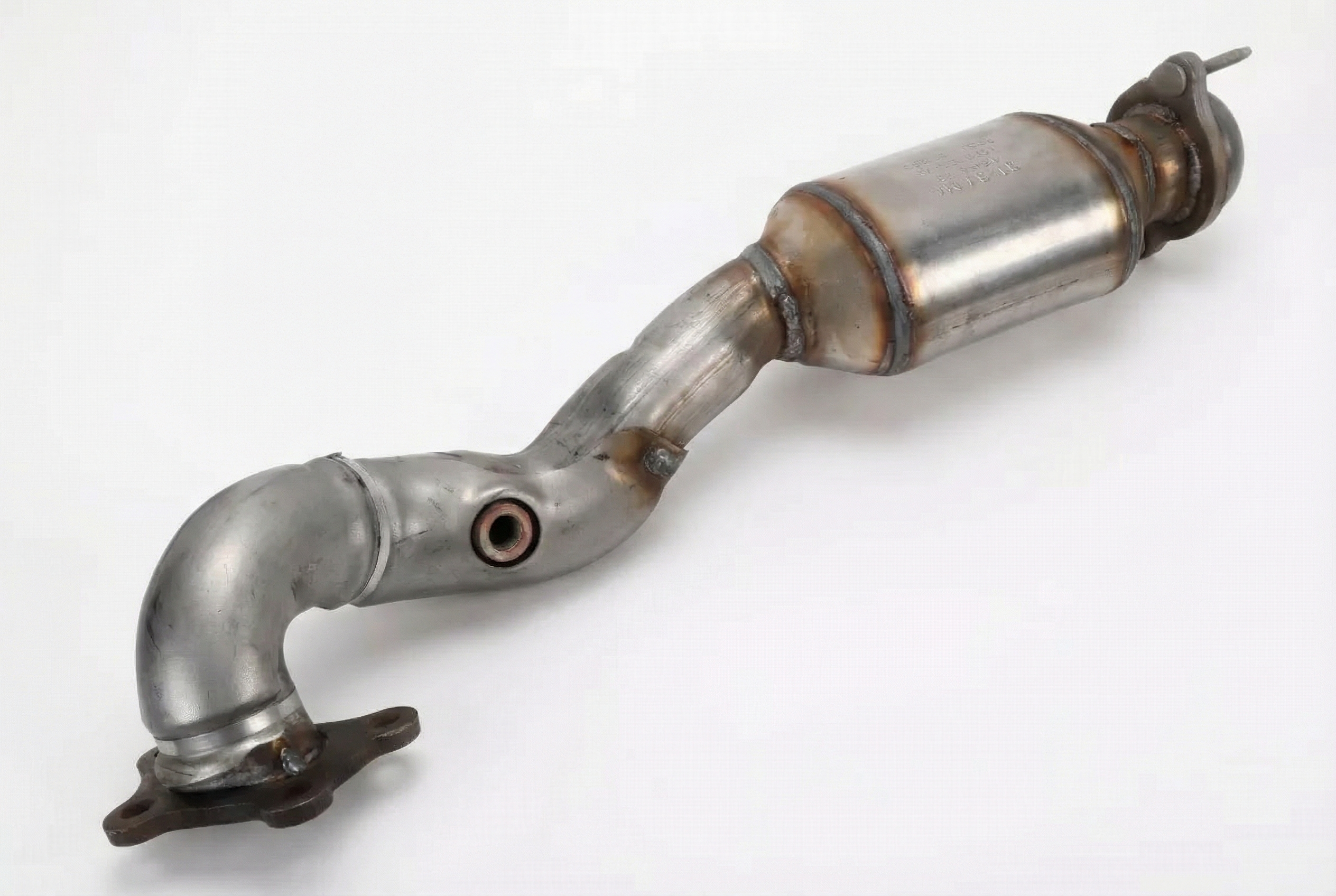
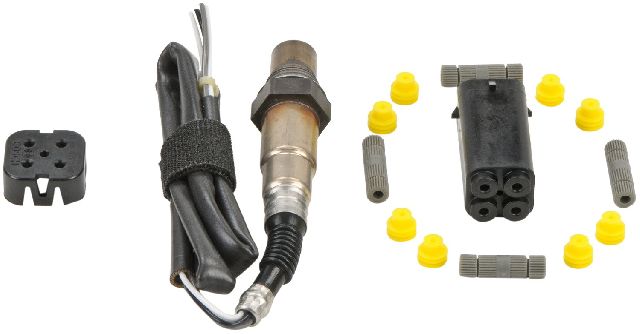
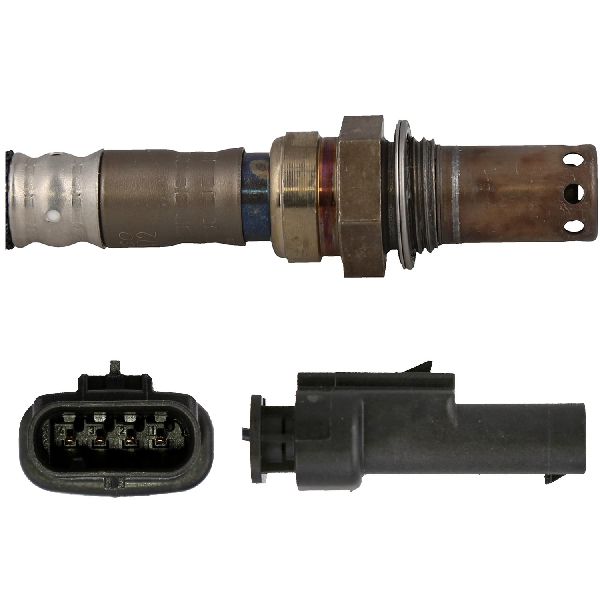
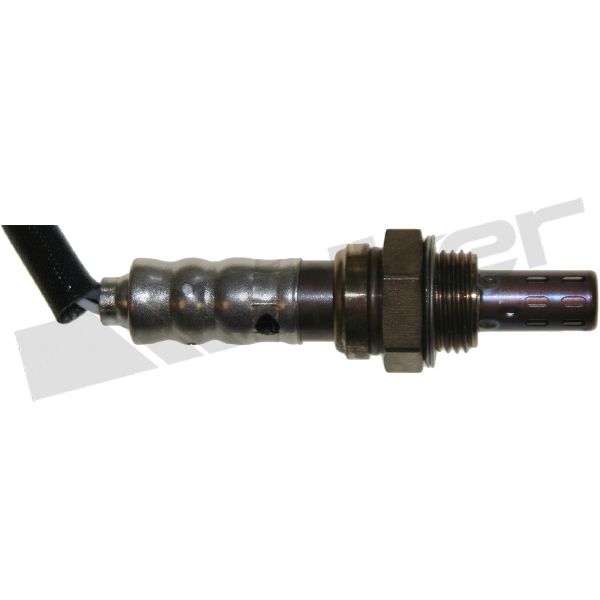
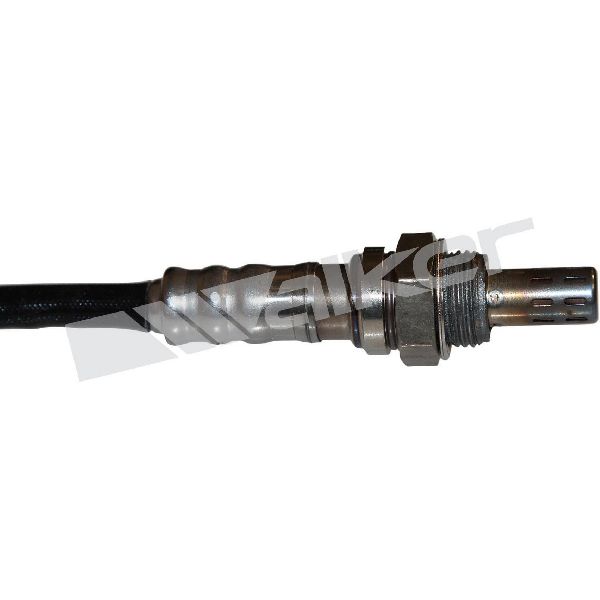
New Aftermarket Parts Available
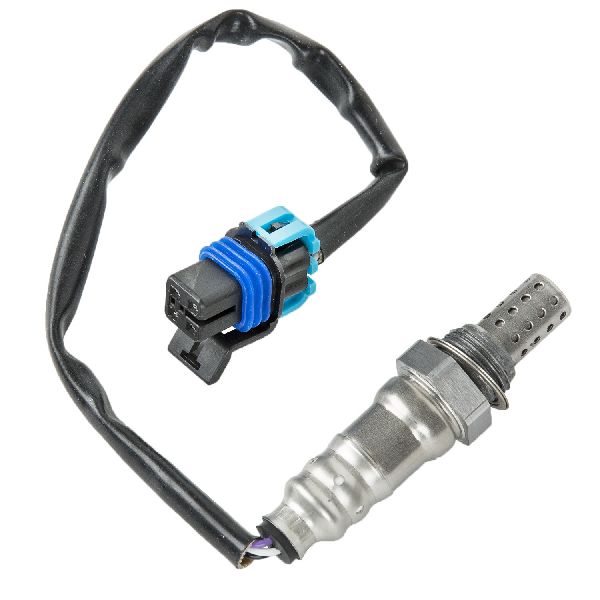

The information in this article is provided for general reference and educational purposes only. Vehicle specifications, procedures, and part compatibility can vary by production date, trim level, and region. Always consult your vehicle's factory service manual and verify part numbers before purchasing or performing repairs. Safety-critical components such as airbags, seat belts, and braking systems should be installed by a qualified professional.
- Cadillac CTS:
- 🧭 Diagnostic Flowchart
- 🎬 Helpful Videos
- 🛍️ Shop This Part
- What's Unique About the 2014-2019 Cadillac CTS
- Symptoms You May Notice
- Most Likely Causes
- Rare But Worth Checking
- Diagnosis Steps
- Parts You'll Likely Need
- Related Codes That Often Appear With This One
- Technical Service Bulletins (TSBs) & Recalls
- Platform-Specific Known Issues
- Mechanic-Grade Diagnostic Values
- Hidden / Shadow Codes Worth Checking
- Scan Tool Commands That Help
- Wiring & Ground Locations
- "I Checked Everything" — The Actual Cause
- Model Year Variations Within This Range
- Related OBD-II Codes
- Frequently Asked Questions
- 🎟️ Get 5% Off