

P0430 on 2004-2011 Cadillac Escalade EXT: Catalytic Converter and O2 Sensor Guide
The P0430 code on a Cadillac Escalade EXT most often means the passenger-side (Bank 2) catalytic converter is failing. Before replacing this expensive part, it's crucial to rule out a bad oxygen sensor or an exhaust leak, which are also common causes. Ignoring the root cause, such as an engine misfire or oil consumption, will lead to the failure of the new converter.
- P0430 points to a problem with the passenger-side (Bank 2) catalytic converter's efficiency.
- Do not immediately replace the catalytic converter. First, rule out a cheaper fix like a bad downstream O2 sensor or an exhaust leak.
- Use a scan tool to watch O2 sensor data. If the downstream sensor's graph mimics the upstream sensor's, the converter has likely failed.
- If you have any other engine codes, especially for misfires (P030x), fix them first to avoid damaging a new catalytic converter.
- The vehicle spans two generations (2004-2006 and 2007-2011), so always verify the correct part numbers for your specific year and engine.
What's Unique About the 2004-2011 Cadillac ESCALADE EXT
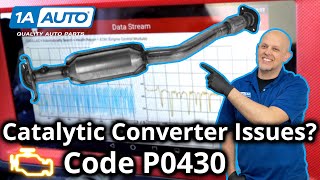
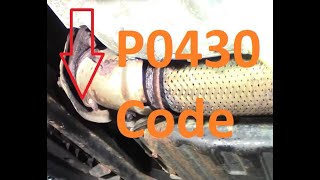
The 2004-2011 Escalade EXT spans two vehicle generations (GMT800 and GMT900), but the P0430 code's meaning and common causes are consistent across both. 🎬 Watch: A complete overview of P0430 causes and symptoms. A notable GM-specific issue is documented in TSB #PIP3119N, which states that on some vehicles, the diagnostic for this code is intentionally disabled for the first hour of operation to prevent false codes at low mileage. Additionally, the V8 engines in these trucks, particularly later models with Active Fuel Management (AFM), can be prone to oil consumption with age. This burning oil can contaminate and prematurely fail both oxygen sensors and the catalytic converters, making it a critical root cause to investigate.
Diagnostic Flowchart
Tap your situation to follow the diagnostic path that matches what you're seeing on this vehicle.
Generation note: This range covers the first generation Escalade EXT (2004-2006, GMT800 platform) and the second generation (2007-2011, GMT900 platform). While the underlying cause of P0430 is the same, part numbers for catalytic converters and oxygen sensors will differ between these generations. Always verify parts with your vehicle's specific year and engine (e.g., 6.0L or 6.2L V8). The GMT900 models (2007+) introduced Active Fuel Management (AFM), which can be a source of oil consumption that leads to premature converter failure.
Symptoms You May Notice
- Check Engine Light is on
- Vehicle fails emissions testing
- Reduced fuel economy
- Sluggish acceleration or lack of power if the converter is severely clogged
- A sulfur or "rotten egg" smell from the exhaust
- Rattling noise from underneath the vehicle if the converter's internal structure has broken apart
- Immediately replacing the catalytic converter without testing the oxygen sensors. A faulty O2 sensor is a much cheaper fix and a very common cause.
- Replacing the oxygen sensors without checking for exhaust leaks first. A leak can make a good sensor report bad data.
- Replacing the catalytic converter without addressing an underlying engine issue like oil consumption or misfires, which will cause the new converter to fail quickly.
Most Likely Causes
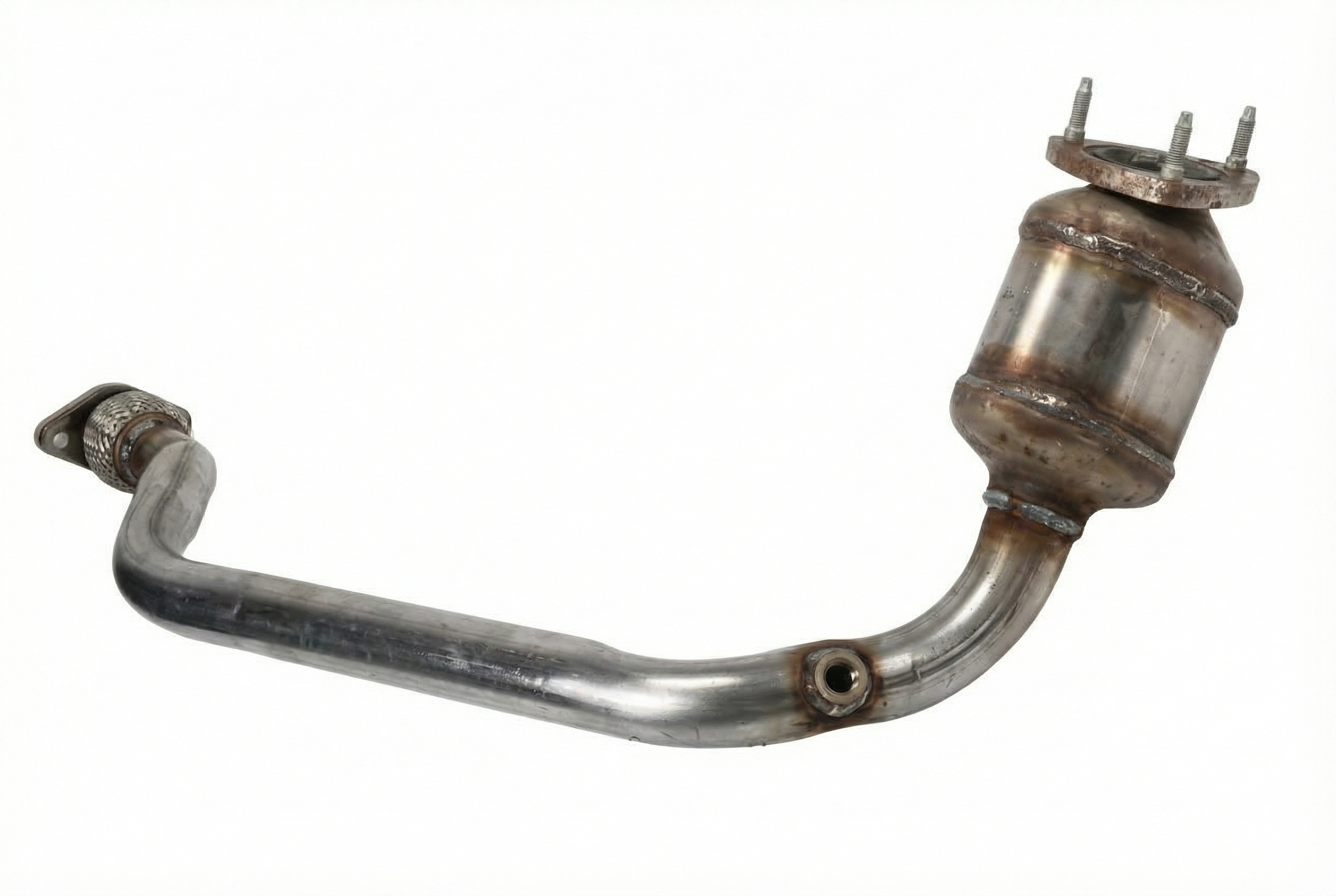
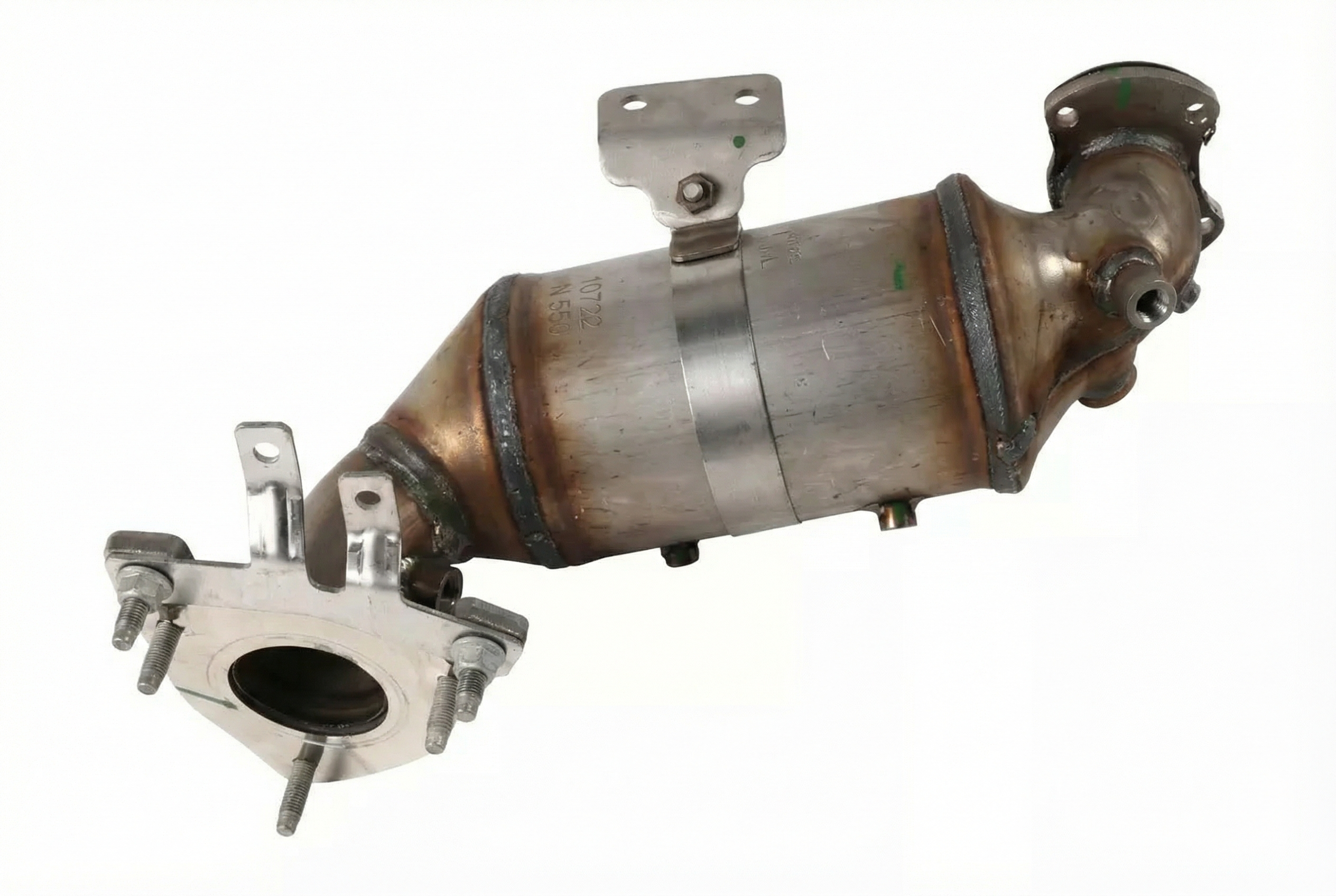
- Failing Catalytic Converter 🔴 High Probability → Shop Catalytic Converter Catalytic converters have a finite lifespan and fail from age, heat cycles, and contamination. Engine issues like misfires, burning oil (common in higher mileage GM V8s with AFM), or coolant leaks can rapidly destroy a converter.
How to confirm: Use a scan tool to monitor O2 sensor data; if the Bank 2 downstream sensor (Sensor 2) voltage switches rapidly like the upstream sensor (Sensor 1), the converter is not storing oxygen and has failed. An infrared thermometer can also be used; the outlet of a working converter should be at least 100°F hotter than the inlet. If the outlet is cooler or the same temperature, the converter is not working.
Typical fix: Replace the Bank 2 (passenger side) catalytic converter. It is critical to fix the root cause (e.g., oil consumption, misfires) first.
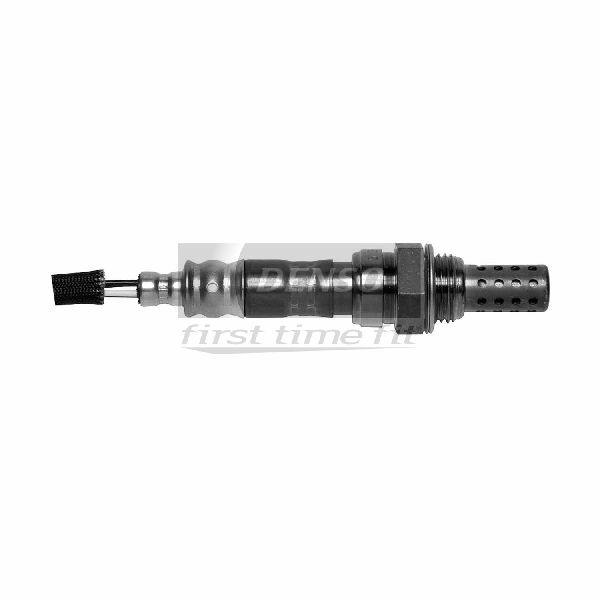
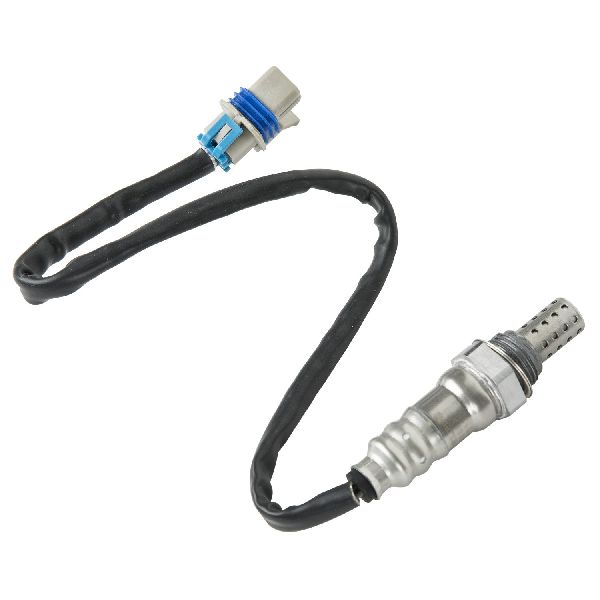
Est. part cost: $400-$1200 - Faulty Downstream Oxygen (O2) Sensor 🟡 Medium Probability → Shop Oxygen Sensor O2 sensors are exposed to extreme heat and exhaust gases, causing them to wear out over time. They can become 'lazy' or provide false readings that trick the ECM into thinking the converter is bad.
How to confirm: Monitor the sensor's voltage on a scan tool. A bad sensor may have a flat, intermittent, or very slow response. A definitive diagnostic step is to swap the downstream O2 sensors from Bank 1 and Bank 2. Clear the codes and drive. If the code changes to P0420 (Bank 1), the sensor you moved is faulty.
Typical fix: Replace the Bank 2, Sensor 2 (downstream, passenger side) oxygen sensor.
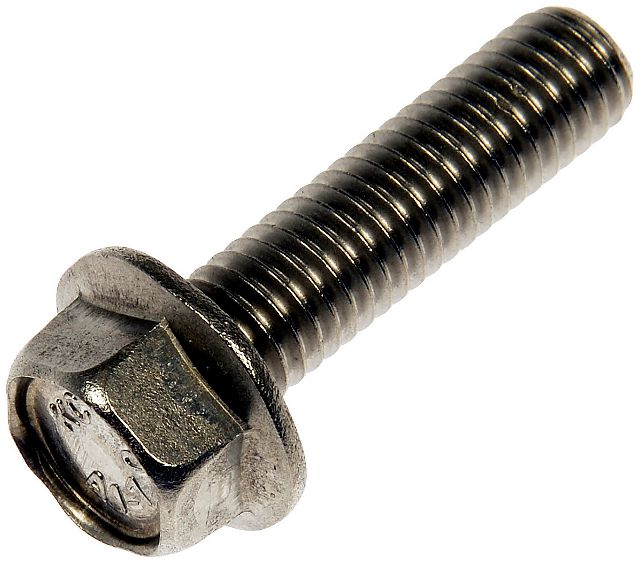
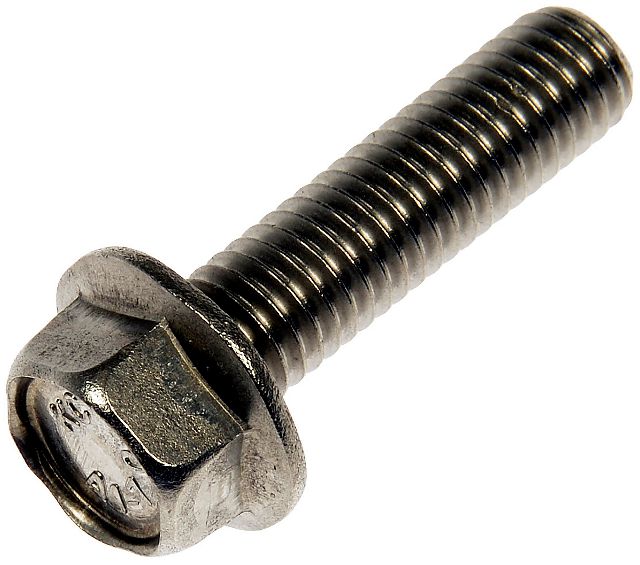
Est. part cost: $50-$150 - Exhaust System Leak 🟡 Medium Probability Exhaust manifold bolts on GM V8s are notoriously prone to breaking off, especially the rear-most bolts, causing a significant leak. Gaskets can also fail over time. A leak between the engine and the catalytic converter can introduce oxygen into the exhaust stream, leading to incorrect O2 sensor readings and triggering a P0430 code.
How to confirm: Visually inspect the exhaust manifolds (especially near the cylinder head) and downpipes for black soot marks indicating a leak. Listen for a distinct ticking or hissing noise, especially when the engine is cold, that may quiet down as the engine warms up and the metal expands.
Typical fix: Replace the leaking gasket or repair the cracked pipe. Broken exhaust manifold bolts must be extracted and replaced, which can be a difficult job.
Est. part cost: $20-$200
Rare But Worth Checking
- Engine Misfires or Fuel System Issues: Unburned fuel from a misfiring cylinder or a rich running condition can overheat and destroy a catalytic converter. If you have other codes like P0300 (Random Misfire) or fuel trim codes (P0172, P0175), you must fix those first, or you will destroy the new converter.
- Internal Coolant Leak: A leaking head gasket or cracked cylinder head can allow coolant to enter the combustion chamber and exhaust. Coolant contains silicates and other chemicals that will permanently poison the oxygen sensors and coat the catalytic converter, rendering it useless. Check for unexplained coolant loss or white smoke from the exhaust.
- Contaminated Air Filter / Intake Leak: → Shop Air Cleaner Assembly As noted in GM TSB 16-NA-111 for later models, a poorly sealed air filter box can allow debris to be ingested by the engine, which can damage O2 sensors and clog the catalytic converter. While this TSB is for newer models, the principle applies.
Diagnosis Steps
- Check for any other DTCs. Address any misfire, fuel system, or O2 sensor heater circuit codes before diagnosing P0430.
- Visually inspect the entire exhaust system for any signs of leaks, damage, or loose connections from the exhaust manifold to the rear O2 sensor. Pay close attention to the exhaust manifold-to-head flange for signs of soot from broken bolts.
- Use a scan tool to observe the live data for the Bank 2 oxygen sensors (B2S1 and B2S2) with the engine fully warmed up and running at around 2000 RPM.
- The upstream sensor (B2S1) voltage should fluctuate rapidly and consistently between approximately 0.1V and 0.9V.
- The downstream sensor (B2S2) voltage should remain relatively stable and steady, typically holding a voltage above 0.6V (e.g., 0.7-0.8V).
- If the B2S2 voltage is fluctuating rapidly in a pattern similar to B2S1, the catalytic converter is not functioning correctly and likely needs replacement.
- If the B2S2 voltage is stuck low (near 0V), high (near 1V), or is very slow/erratic, the sensor itself is likely faulty.
- If an exhaust leak is suspected but not visible, a smoke test can be performed to pinpoint the source of the leak.
- Use an infrared temperature gun to measure the temperature of the pipe entering the converter and exiting it. A healthy converter should show an outlet temperature at least 100°F higher than the inlet.
Parts You'll Likely Need
- Catalytic Converter (Bank 2) — This is the most common cause of P0430, as the internal materials degrade over time and lose their efficiency.
Trusted brands: Walker Exhaust, MagnaFlow, ACDelco
OEM price range: $800-$1500
Aftermarket price range: $400-$800 - Downstream Oxygen Sensor (Bank 2, Sensor 2)
(OEM #ACDelco 213-3867 (For 6.0L GMT800 models, verify fitment), ACDelco 213-4229 (For 6.2L GMT900 models, verify fitment))— This sensor is responsible for reporting the converter's efficiency. It can fail and send false data, triggering the code. It's often replaced as a preventative measure when the converter is changed.
Trusted brands: ACDelco, Denso, NGK/NTK
OEM price range: $80-$180
Aftermarket price range: $50-$100 - Exhaust Manifold Gasket — If an exhaust leak is found at the manifold due to a broken bolt or failed original gasket, this will need to be replaced to create a proper seal.
Trusted brands: Fel-Pro, ACDelco
OEM price range: $20-$50
Aftermarket price range: $15-$30
Related Codes That Often Appear With This One
- P0420 — This is the identical code but for Bank 1 (driver's side). It's common for both converters to fail around the same time on a high-mileage vehicle, or for both to be affected by a systemic engine problem.
- P0300-P0308 — These are misfire codes (P0300 for random, P0301-P0308 for specific cylinders). An ongoing misfire will dump raw fuel into the exhaust, quickly destroying the catalytic converter and causing a P0430 code.
Technical Service Bulletins (TSBs) & Recalls
- PIP3119N: Notes that the diagnostic for P0420 and P0430 may be disabled for the first hour of operation on some vehicles to prevent false codes at low mileage. An updated version, PIP3119P, provides a specific drive cycle procedure to break in a new catalytic converter to prevent these codes from setting falsely.
Platform-Specific Known Issues
- TSB #PIP3119N/P: Mentions that on new vehicles or after a converter replacement, P0420/P0430 can set falsely. A specific highway drive cycle is required to 'break-in' the new converter and allow materials to out-gas before the efficiency monitor runs.
Mechanic-Grade Diagnostic Values
- Long/Short Term Fuel Trim — expected: -5% to +5%. Failure: Values consistently outside the -5% to +5% range indicate the engine is running too rich or lean, which can damage the catalytic converter.
- Downstream O2 Sensor (B2S2) Voltage at steady RPM (2000-2500) — expected: Relatively stable voltage around 0.45V - 0.8V.. Failure: Voltage rapidly switching between 0.1V and 0.9V, mimicking the upstream sensor, indicates a failed converter. Voltage flatlined near 0V or 1V indicates a failed sensor.
- Catalytic Converter Temperature Differential — expected: Outlet temperature should be at least 100°F hotter than the inlet temperature after the engine is fully warmed up.. Failure: Outlet temperature is the same as or cooler than the inlet temperature, indicating the catalyst is not lighting off and performing its chemical reaction.
Hidden / Shadow Codes Worth Checking
- Mode $06, Test ID $81 (example): Mode $06 data provides results from the PCM's self-tests before a full-blown DTC is set. For P0430, a technician would look at the catalyst efficiency monitor test results. The PCM compares the switching frequency of the upstream and downstream O2 sensors during specific conditions. If the test value exceeds the manufacturer's maximum threshold, the monitor fails. A failure on two consecutive trips will set the P0430 code. (see via A professional scan tool with Mode $06 capability, such as a GM Tech 2 or equivalent.)
Scan Tool Commands That Help
- GM Tech 2 / GDS2: Catalyst Monitor Status / Drive Cycle Procedure — After a repair, such as replacing a converter or O2 sensor, the catalyst monitor readiness flag will be 'Not Complete'. A technician can use the Tech 2 to view the readiness status while performing the GM-specific drive cycle (involving steady-state driving at ~55mph) to force the monitor to run and confirm the fix was successful.
- GM Tech 2 / GDS2: Snapshot Data Capture — This function allows a technician to record a 'movie' of live data parameters (like O2 sensor voltages and fuel trims) during the exact moment a fault occurs. It can be triggered manually or automatically by a DTC set, which is invaluable for diagnosing intermittent issues that are not obvious at idle.
Wiring & Ground Locations
- G103 / G104 (Engine Grounds) — On GMT900 (2007-2011) models, G103 is on the front of the right cylinder head. On GMT800 (2004-2006) models, G104 is on the left rear of the engine block. These grounds are critical for the Engine Control Module (ECM) and its sensors.. A corroded or loose engine ground can cause erratic voltage signals from sensors, including the oxygen sensors. The ECM may interpret these faulty signals as a converter problem, falsely triggering a P0430.
- Frame Grounds (Driver Side) — Two ground points located on the frame rail under the driver's side door.. These are major body and system grounds. On salt-belt vehicles, these are highly susceptible to corrosion. Owners have reported that cleaning these specific grounds resolved numerous bizarre electrical issues and fault codes that seemed unrelated.
- O2 Sensor Connector/Pigtail — The 4-wire connector for the Bank 2 downstream O2 sensor, located on the passenger side of the transmission/exhaust.. The wiring harness is exposed to extreme heat and road debris. Wiggling the connector while watching live O2 sensor data can reveal intermittent connections. A common GM wiring color scheme is Gray (ground), Black (signal), and two White wires for the heater circuit.
Real Owner Repair Stories
- GM-Trucks.com & YouTube user reports (Common across 1999+ GM V8 trucks, including 2004-2011 Escalade EXT) — Persistent P0420/P0430 code, audible ticking noise from engine bay, especially when cold.
❌ Tried (didn't work) Replacing oxygen sensors, Replacing the catalytic converter without finding the source of the leak
✅ What actually fixed it The root cause was an exhaust leak from broken exhaust manifold bolts, typically the one at the rearmost position on the cylinder head. The fix involved extracting the broken bolt remnants, resurfacing the manifold if warped, and installing a new gasket with new bolts. In some cases, the manifold itself was replaced. - Chevy Tahoe/GMC Yukon Forum user 'Snow' and 'Joseph Garcia' (GMT800/GMT900 SUV Platform) — Flickering lights, strange dash messages, erratic rear wiper behavior, and other seemingly random electrical faults, sometimes accompanied by emissions codes.
❌ Tried (didn't work) Chasing individual symptoms (e.g., replacing a wiper motor), Moving ground wires to potentially poor connection points
✅ What actually fixed it The user found the ground connectors under the driver's side door on the frame were severely corroded. The fix was to remove the connectors, grind the frame down to bare metal, clean the connectors, and re-secure them with a new stainless steel bolt, followed by sealing the area with undercoating. This single fix resolved a host of electrical problems.
"I Checked Everything" — The Actual Cause
- A smoke test is designed to find leaks in the exhaust system. However, it will not detect internal engine problems that cause P0430. On 2007+ Escalades with Active Fuel Management (AFM), a common failure is a collapsed AFM lifter or a faulty VLOM (Valve Lifter Oil Manifold), leading to excessive oil consumption. This oil burns in the combustion chamber and is sent down the exhaust, where it contaminates the oxygen sensors and chemically poisons the precious metals in the catalytic converter. A smoke test would show no leaks, but the converter is still being destroyed from the inside out by oil contamination.
When the Usual Fixes Don't Work
- While Pass 2 correctly identifies a faulty O2 sensor as a common misdiagnosis for a bad catalytic converter, forum discussions among master technicians highlight a counter-narrative: if the ONLY code present is a P0430 (or P0420), and all readiness monitors have run, the PCM's algorithm is very reliable, and the catalytic converter is almost certainly the culprit. They argue that a truly faulty O2 sensor would likely fail its own heater circuit test or cause fuel trim codes (like P0172/P0175) to appear alongside the catalyst code. Therefore, replacing an O2 sensor for an isolated P0430 code can often be a wasted step if no other codes are present and no exhaust leaks are found.
OEM Part Supersession History
12609457→ACDelco 213-4229— Part number consolidation and branding. 12609457 is the GM part number, while 213-4229 is the ACDelco service part number for the same component.
Heads up: This part is specific to the GMT900 generation (2008-2014) and is not compatible with earlier GMT800 models.
Model Year Variations Within This Range
- 2007-2011: These GMT900 models use the 6.2L V8, often equipped with Active Fuel Management (AFM). This system is a known source of oil consumption issues due to lifter and VLOM problems, which is a primary cause of premature catalytic converter failure that is not as prevalent on the earlier 2004-2006 GMT800 models.
- 2004-2006 vs 2007-2011: The physical locations of key engine ground points differ between the GMT800 and GMT900 platforms. For example, a critical ground is on the left rear of the engine block on a 2004 model, but on the front of the right cylinder head on a 2008 model.
Helpful Videos
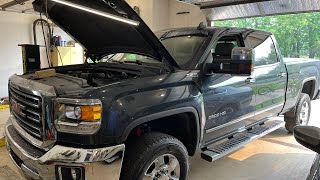
Used OEM Parts in Stock
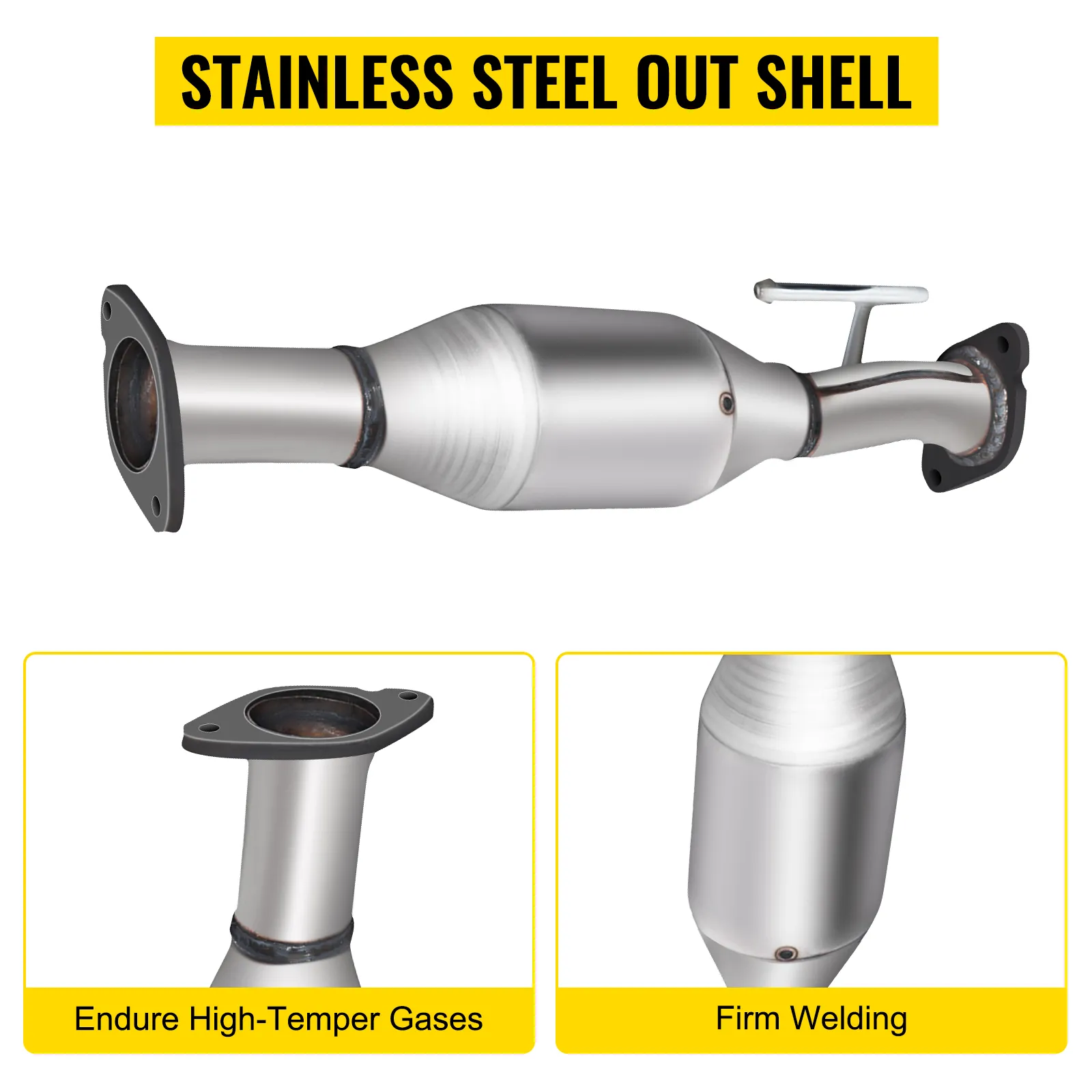
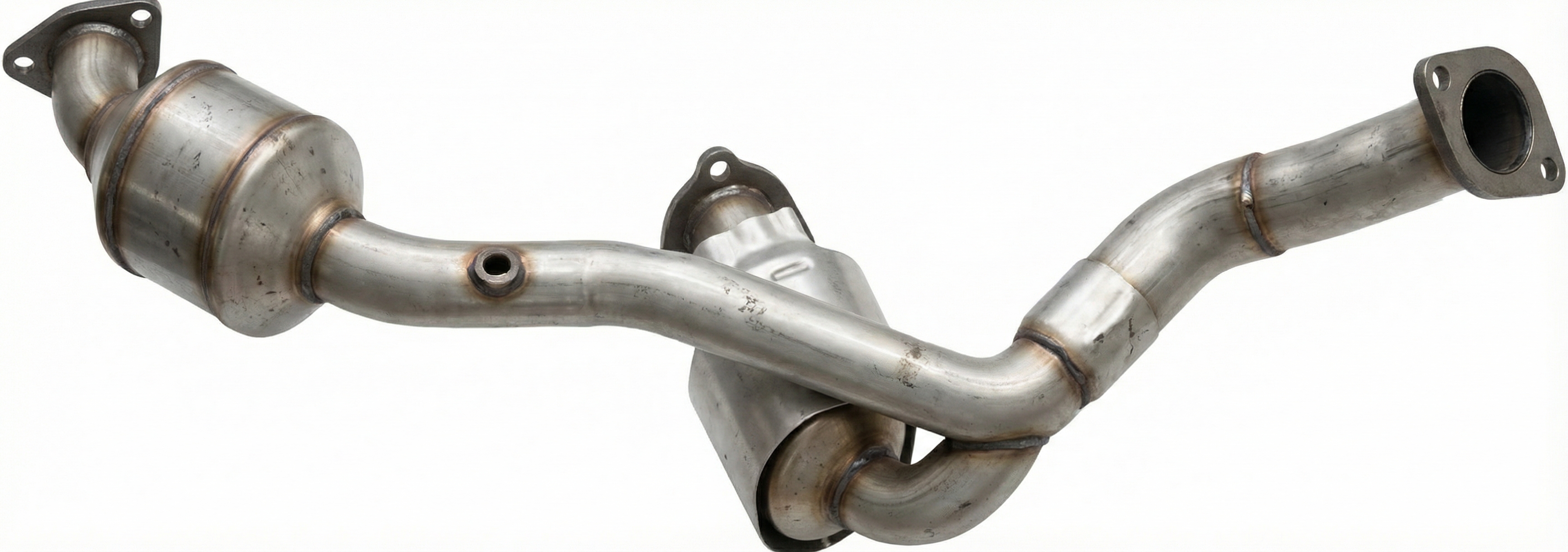
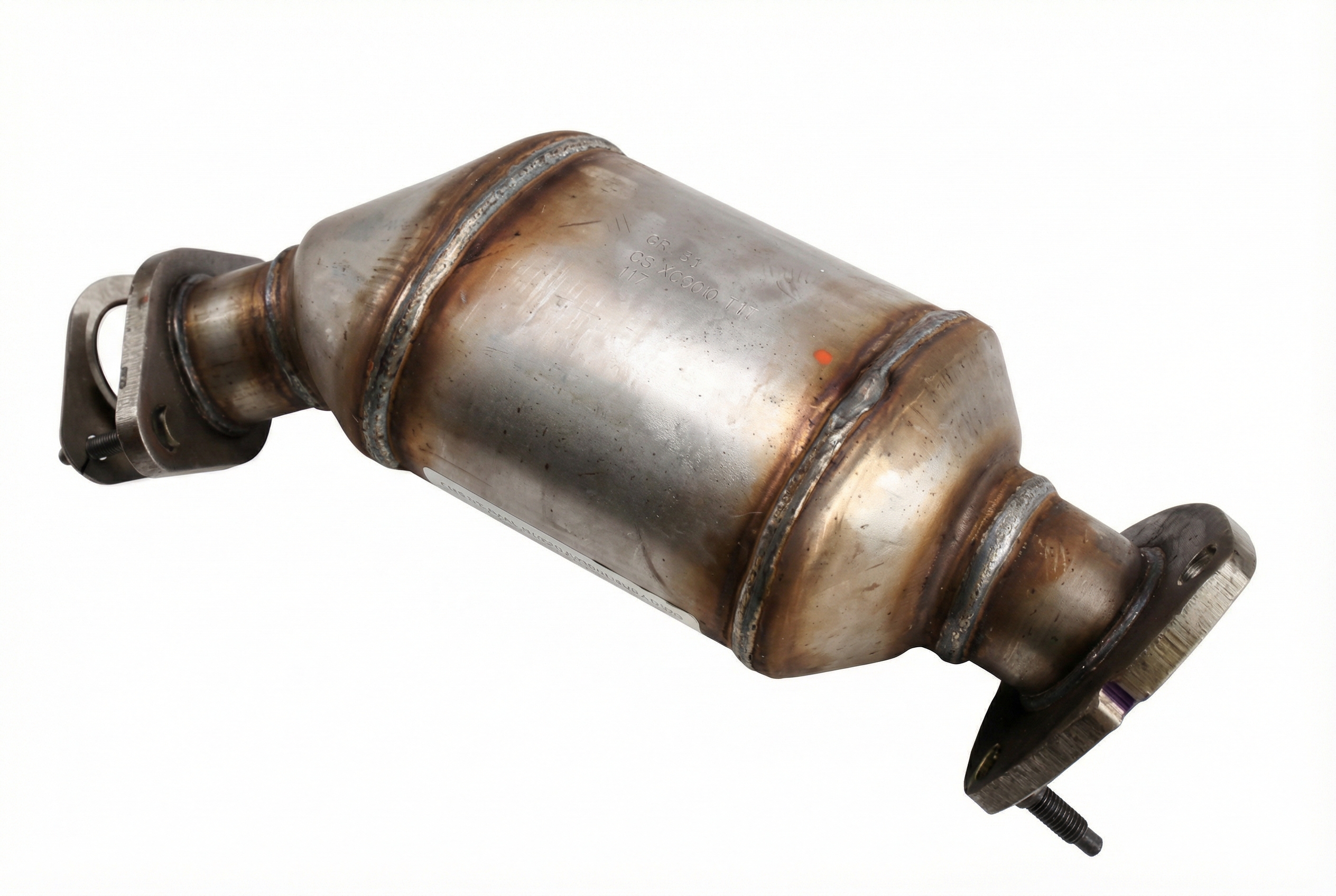
New Aftermarket Parts Available


The information in this article is provided for general reference and educational purposes only. Vehicle specifications, procedures, and part compatibility can vary by production date, trim level, and region. Always consult your vehicle's factory service manual and verify part numbers before purchasing or performing repairs. Safety-critical components such as airbags, seat belts, and braking systems should be installed by a qualified professional.
- Cadillac ESCALADE EXT:
- 🧭 Diagnostic Flowchart
- 🎬 Helpful Videos
- 🛍️ Shop This Part
- What's Unique About the 2004-2011 Cadillac ESCALADE EXT
- Symptoms You May Notice
- Most Likely Causes
- Rare But Worth Checking
- Diagnosis Steps
- Parts You'll Likely Need
- Related Codes That Often Appear With This One
- Technical Service Bulletins (TSBs) & Recalls
- Platform-Specific Known Issues
- Mechanic-Grade Diagnostic Values
- Hidden / Shadow Codes Worth Checking
- Scan Tool Commands That Help
- Wiring & Ground Locations
- Real Owner Repair Stories
- "I Checked Everything" — The Actual Cause
- When the Usual Fixes Don't Work
- OEM Part Supersession History
- Model Year Variations Within This Range
- 🎟️ Get 5% Off