

P0430 on 2012-2013 Chevrolet Avalanche: Causes for Catalyst Inefficiency (Bank 2)
P0430 on your Avalanche indicates the passenger-side (Bank 2) catalytic converter is failing. Before replacing the expensive converter, first check for cheaper fixes like exhaust leaks or a faulty downstream oxygen sensor, which can falsely trigger the code. On this specific engine, excessive oil consumption is a known root cause that can destroy a new converter if not addressed.
- P0430 on a 2012-2013 Avalanche points to an issue with the passenger-side emissions system.
- Do not immediately assume you need a new catalytic converter. Thoroughly check for exhaust leaks (especially broken manifold bolts) and test the downstream O2 sensor first.
- If you have any other engine codes, especially for misfires (P030x) or oil consumption, they MUST be repaired before replacing the catalytic converter, or the new one will be damaged quickly.
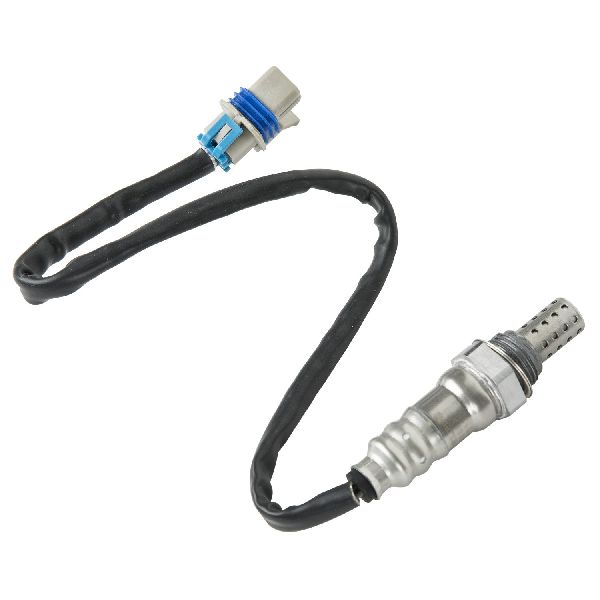
- The most likely parts needed are either the Bank 2 catalytic converter (GM 15298463) or the Bank 2 downstream O2 sensor (ACDelco 213-4229 / GM 12609457).
What's Unique About the 2012-2013 Chevrolet AVALANCHE
The 5.3L V8 engine in the final generation of the Avalanche is a very common GM platform, making diagnostics straightforward. However, these engines, particularly those with Active Fuel Management (AFM), are known for potential oil consumption issues which can foul and destroy the catalytic converters, making P0430 a common secondary failure. A specific Technical Service Bulletin (TSB) for this era of GM trucks also notes that the diagnostic test for this very code is intentionally disabled for the first hour of engine operation to prevent false positives at low mileage. This is a factory software feature, not a fault.
Diagnostic Flowchart
Tap your situation to follow the diagnostic path that matches what you're seeing on this vehicle.
Symptoms You May Notice
- Check Engine Light is on
- Reduced engine power or sluggish acceleration (if the converter is clogged)
- Rotten egg or sulfur smell from the exhaust
- Failing a state emissions inspection
- Excessive heat felt from underneath the vehicle, near the catalytic converter.
- A rattling sound from the exhaust if the internal honeycomb structure of the converter has broken apart.
- Replacing the catalytic converter when the actual problem was a much cheaper faulty downstream oxygen sensor.
- Replacing the catalytic converter when the root cause was an exhaust leak before or near the O2 sensors, especially from broken exhaust manifold bolts.
- Replacing the converter without addressing an underlying oil consumption or misfire issue, leading to the new converter failing shortly after installation.
Most Likely Causes
- Failing Catalytic Converter (Bank 2) 🔴 High Probability → Shop Catalytic Converter Catalytic converters are wear items that degrade over 100,000+ miles. Their failure is often accelerated by other engine issues. On the 5.3L V8, excessive oil consumption related to the AFM system is a known issue that can contaminate and ruin the converter substrate. Unresolved engine misfires can also quickly destroy a converter by dumping raw fuel into it.
How to confirm: After ruling out other causes, use an infrared thermometer to measure the exhaust pipe temperature before and after the converter. A working converter should have an outlet temperature at least 100°F hotter than the inlet. 🎬 Watch: A simple way to check your catalytic converter A professional exhaust backpressure test can also confirm a clog.
Typical fix: Replace the Bank 2 (passenger side) catalytic converter assembly.
Est. part cost: $400-$900 - Faulty Downstream Oxygen Sensor (Bank 2, Sensor 2) 🟡 Medium Probability → Shop Oxygen Sensor O2 sensors are exposed to extreme heat and have a finite lifespan. A lazy or biased sensor can send incorrect data to the ECM, mimicking a bad converter. It is a common misdiagnosis to replace the converter when only the sensor was bad.
How to confirm: Use a scan tool to graph the sensor's voltage. A healthy downstream sensor should show a relatively stable voltage (typically above 0.5V). If it's switching rapidly like the upstream sensor or is stuck at a low voltage, it's likely faulty.
Typical fix: Replace the Bank 2, Sensor 2 oxygen sensor, located on the passenger side exhaust pipe after the catalytic converter.
Est. part cost: $45-$80 - Exhaust System Leak 🟡 Medium Probability The 5.3L V8 engines are notorious for the rearmost exhaust manifold bolts breaking off due to heat cycles. This creates a leak that allows oxygen into the exhaust stream, which fools the O2 sensors and triggers a false P0430 code. Gaskets and pipe flanges can also develop leaks from rust and vibration.
How to confirm: Perform a visual inspection of the exhaust system, especially around the exhaust manifolds, looking for black soot trails or cracks. A smoke test is the most effective way to find small, hard-to-see leaks. Listening for a ticking or hissing sound on a cold start can also reveal manifold leaks.
Typical fix: Replace broken manifold bolts and the gasket, or repair the damaged section of the exhaust pipe.
Est. part cost: $20-$150
Rare But Worth Checking
- Engine Misfire or Fuel Mixture Problem: If you have other codes like P0300-P0308 (misfires) or P0171/P0174 (lean condition), these must be fixed first. An engine running improperly can dump raw fuel into the exhaust, which quickly destroys a new catalytic converter.
- Excessive Oil Consumption (AFM): The 5.3L V8 with Active Fuel Management (AFM) can consume oil due to issues with piston rings or the PCV system. This oil burns and travels down the exhaust, coating the catalytic converter's internal surfaces with ash and rendering it ineffective. If your truck consumes a lot of oil, this is a likely root cause for the P0430 and must be addressed to prevent repeat failures.
Diagnosis Steps
- Scan for all DTCs. Address any misfire (P030x), fuel system (P017x), or oxygen sensor heater circuit codes before diagnosing P0430.
- Visually inspect the entire exhaust system for leaks. Pay extremely close attention to the exhaust manifold-to-head flange on the passenger side for broken rear bolts and black soot trails.
- Use a scan tool to observe live data for the Bank 2 oxygen sensors (B2S1 and B2S2). A healthy B2S1 (upstream) should switch rapidly between ~0.1V and ~0.9V. A healthy B2S2 (downstream) should remain relatively steady, above 0.5V.
- Compare the B2S2 (downstream) waveform to the B1S2 (Bank 1 downstream) waveform. If B1S2 is stable and B2S2 is fluctuating wildly similar to B2S1, it points to a Bank 2 issue (either a bad cat or a leak).
- If the B2S2 sensor appears lazy or its readings are erratic, test the sensor and its wiring. If the sensor is faulty, replace it.
- If the O2 sensor is working correctly and there are no exhaust leaks, the catalytic converter is the most likely cause. Confirm with an exhaust backpressure test or by measuring the inlet and outlet temperatures with an infrared thermometer (the outlet should be at least 100°F hotter).
- Check engine oil level. If it is consistently low, investigate potential AFM-related oil consumption issues as the root cause before replacing the converter.
Parts You'll Likely Need
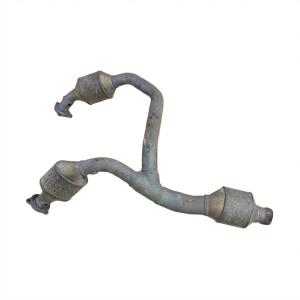
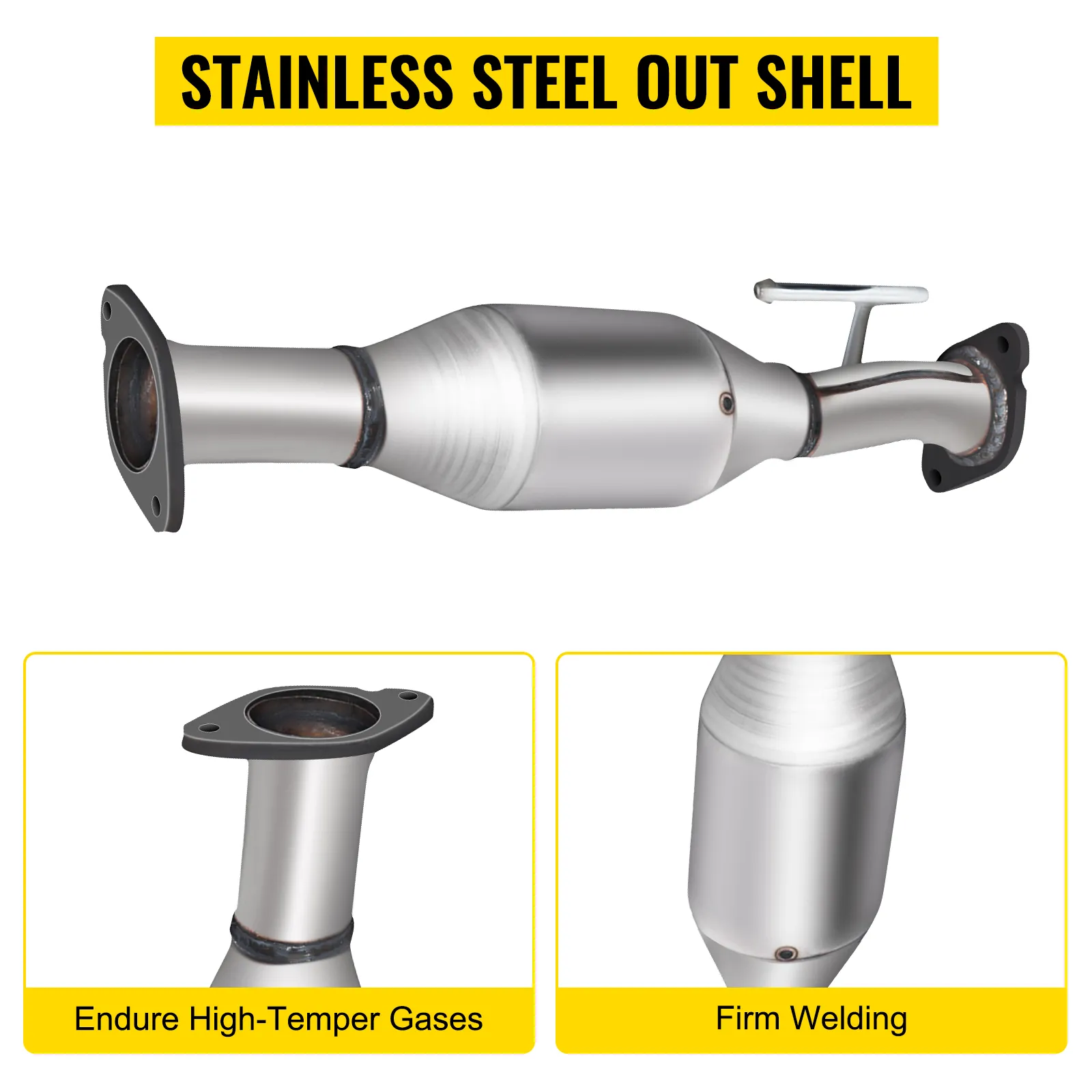
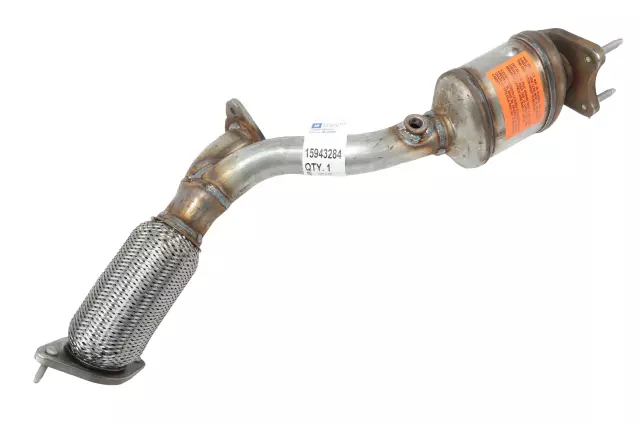
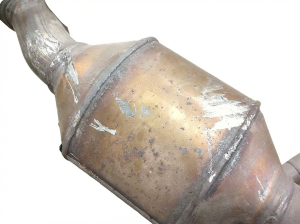
- Bank 2 Catalytic Converter
(OEM #15298463)— This is the most common direct cause for P0430 when other factors like sensors and leaks have been ruled out. The OEM part was later superseded by part #19418926.
Trusted brands: Walker Exhaust, MagnaFlow, AP Exhaust Technologies, Eastern Catalytic
OEM price range: $700-$1200
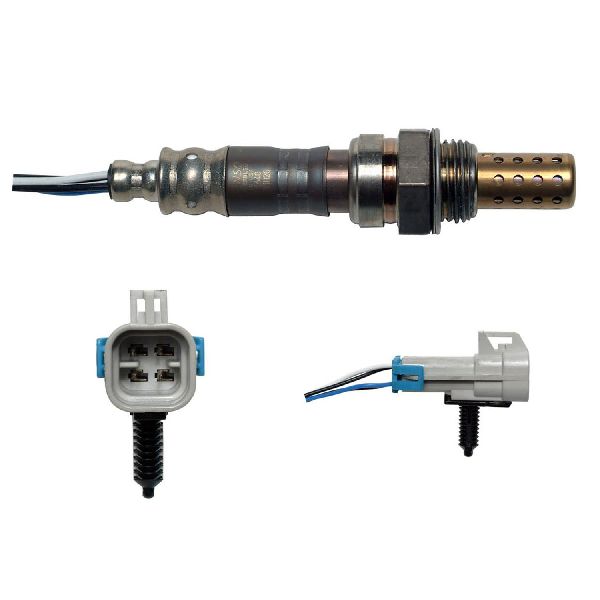
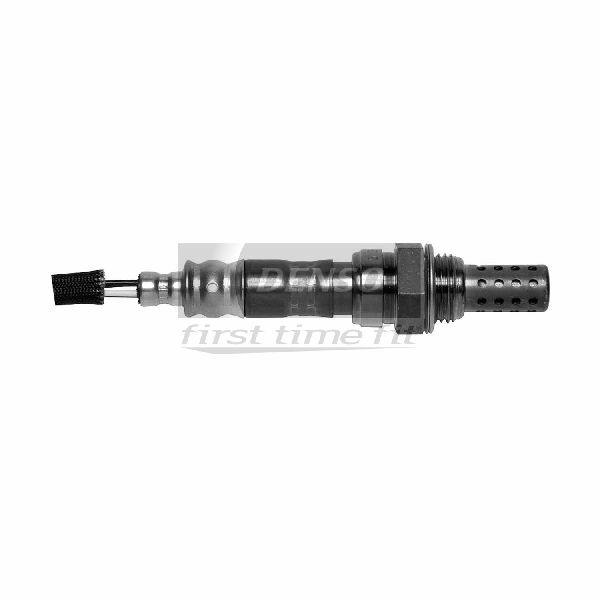
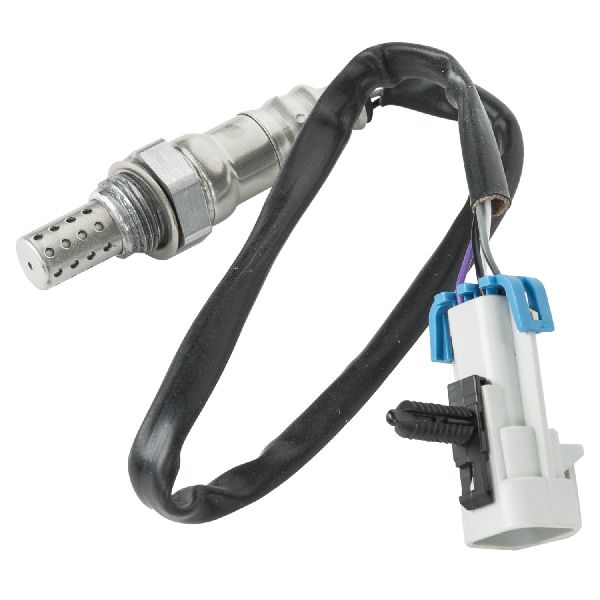
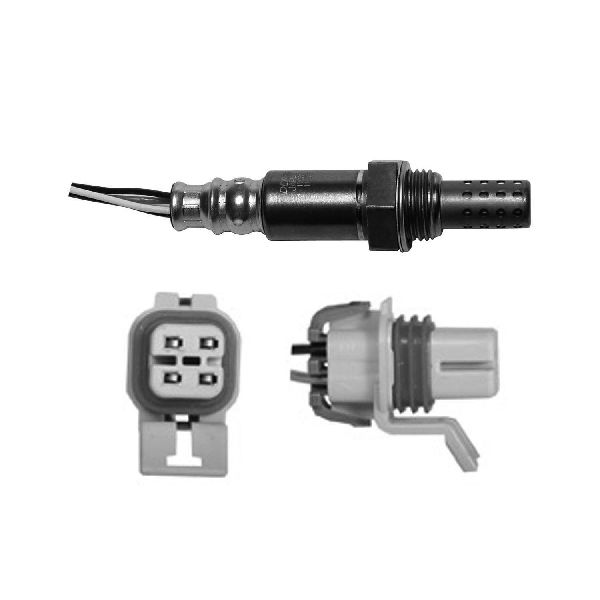
Aftermarket price range: $400-$900 - Downstream Oxygen Sensor (Bank 2, Sensor 2)
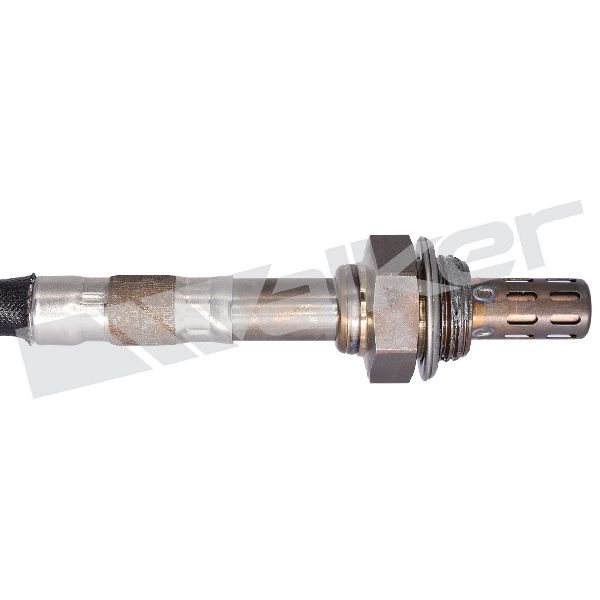
(OEM #12609457)— This sensor is responsible for reporting catalyst efficiency. If it fails, it can provide false data leading to a P0430 code. It's a common failure point and a critical part of the diagnostic process. The ACDelco service part number is 213-4229, which corresponds to GM part 12609457.
Trusted brands: ACDelco, Denso, Bosch, NTK
OEM price range: $60-$90
Aftermarket price range: $45-$70
Related Codes That Often Appear With This One
- P0420 — This is the identical code but for Bank 1 (driver's side). If both appear, it may suggest a systemic issue like poor fuel quality, excessive oil consumption, or that both converters have reached the end of their service life.
- P0157 — This code indicates low voltage from the Bank 2 downstream O2 sensor, pointing directly to a potential sensor or wiring issue that could also cause P0430.
- P0174 — This code for 'System Too Lean (Bank 2)' can indicate an exhaust or vacuum leak that allows unmetered air into the system, which can contribute to an inaccurate P0430 reading.
- P0300 — A random misfire code. Misfires allow unburnt fuel to enter the exhaust, which can overheat and damage the catalytic converter. This code must be addressed before replacing the converter.
Technical Service Bulletins (TSBs) & Recalls
- PIP3119P: Notes that the P0420 and P0430 diagnostic tests are disabled for the first hour of operation on some vehicles to prevent false codes at low mileage.
- 16-NA-111: While primarily for 2015+ models, it details how a poor air filter box seal can cause P0420/P0430 by allowing debris to damage sensors and converters.
Platform-Specific Known Issues
- Per TSB #PIP3119P, the diagnostic routine that triggers code P0430 is disabled for the first hour of engine operation on some vehicles. This is a normal software feature designed to prevent false codes during specific conditions.
- The 5.3L V8 is known for Active Fuel Management (AFM) related oil consumption, which can foul and destroy catalytic converters, leading to P0430.
- Broken exhaust manifold bolts, especially the rearmost ones, are a very common failure on this platform, causing exhaust leaks that trigger false P0430 codes.
- While more common on the next generation, TSB #16-NA-111 highlights that a poor seal on the air filter housing can allow debris to enter the engine, damaging O2 sensors and converters. It's worth checking the airbox for proper sealing.
Mechanic-Grade Diagnostic Values
- Downstream O2 Sensor (B2S2) Voltage — expected: Relatively steady reading around 0.65V to 0.75V (650-750 mV) when the converter is working efficiently. Some sources cite a broader stable range of 0.4V to 0.5V.. Failure: Voltage rapidly switching between ~0.1V and ~0.9V, mimicking the upstream sensor's (B2S1) activity.
- Upstream O2 Sensor (B2S1) Voltage — expected: Constantly and rapidly fluctuating between a low value (less than 100mV or 0.1V) and a high value (greater than 800mV or 0.8V).. Failure: A slow, lazy, or stuck voltage reading, which would likely set its own sensor-specific code but must be fixed before diagnosing P0430.
- Long Term & Short Term Fuel Trim — expected: Within a range of -5% to +5%.. Failure: Significant positive values (e.g., > +10%) suggest a vacuum or exhaust leak. Significant negative values suggest a rich condition. These must be corrected as they can cause or be caused by issues that trigger P0430.
- O2 Sensor Heater Circuit Voltage — expected: 12V at the sensor connector with the key on.. Failure: No voltage indicates a blown fuse (check fuses 46 and 50 in the underhood fuse block) or a wiring issue.
Hidden / Shadow Codes Worth Checking
- Mode $06, TID $XX, CID $XX: Mode $06 data provides raw test results from the ECM's self-diagnostics before a code is set. A technician can analyze the catalyst monitor test results (Test ID/Component ID) to see if the converter is borderline or failing, even if the P0430 code is intermittent. The specific IDs for GM catalyst tests can be found in factory service information. (see via Advanced OBD-II scan tool with Mode $06 capability.)
Wiring & Ground Locations
- G101 / G106 — G101 is on the left front of the engine block. It often jumpers to G106, located on the front center of the frame cross rail under the crank pulley.. This is a primary ground for the Engine Control Module (ECM). A poor connection here can cause erratic sensor readings and false codes, including P0430.
- G102 — Located at the left rear of the engine.. This ground serves the ignition coils. A poor connection can contribute to weak spark and misfires, which can destroy the catalytic converter and lead to a P0430 code.
- G103 — Located at the left rear of the engine compartment on the cowl, above the brake booster.. This is a major body and module ground, including for the Body Control Module (BCM) and Data Link Connector (DLC). While not a direct cause, a poor ground here can create system-wide electrical noise.
- O2 Sensor Fuses (46 & 50) — In the under-hood fuse block.. These 15-amp fuses supply power to the O2 sensor heater circuits. A blown fuse will prevent the sensor from operating correctly and can lead to false catalyst efficiency codes.
Real Owner Repair Stories
- YouTube channel 'Auto Repair Tips' (2014 Chevrolet Silverado 5.3L (similar GMT900 platform and engine)) — Persistent P0420 and P0430 codes.
❌ Tried (didn't work) Replacing both catalytic converters with aftermarket units., Replacing all four O2 sensors with aftermarket units., Replacing fuel injectors.
✅ What actually fixed it The aftermarket O2 sensors were not functioning correctly with the GM system. Replacing the aftermarket sensors with OEM ACDelco sensors resolved the codes. The issue was not the converters, but the quality and compatibility of the replacement sensors. - YouTube channel 'Hood Rats Garage' (Chevrolet Suburban 5.3L V8 (similar GMT900 platform and engine)) — P0430 code, audible exhaust tick.
❌ Tried (didn't work) The owner believed they needed a new catalytic converter.
✅ What actually fixed it The rearmost exhaust manifold bolt on Bank 2 was broken and missing, causing a significant exhaust leak. This leak allowed air into the exhaust, fooling the O2 sensors. Replacing the broken bolt and the manifold gasket fixed the code without needing to replace the converter.
"I Checked Everything" — The Actual Cause
- A small pinhole leak in the exhaust system, particularly in a Y-pipe, may not show up on a low-pressure smoke test but can still trigger P0430. The high velocity of exhaust gas can create a venturi effect, sucking in outside air through the pinhole and fooling the downstream O2 sensor. The fix requires locating and welding the pinhole or replacing the pipe section.
OEM Part Supersession History
15298463→19418926— Standard part lifecycle update by GM.12609457 (GM)→213-4229 (ACDelco)— This is the corresponding service part number from ACDelco for the same GM component.
Heads up: Some sources note this part may require programming or special setup procedures, though this is not typically required for a standard O2 sensor replacement.
Model Year Variations Within This Range
- 2007-2013: The 5.3L V8 engine came in several versions during this generation, including the LY5, LMG, and LC9. All feature the same fundamental design, but may have minor differences in emissions components or AFM system implementation. The LMG and LC9 variants are FlexFuel (E85) capable. Diagnosis for P0430 remains consistent across these versions.
Helpful Videos

Used OEM Parts in Stock
New Aftermarket Parts Available

The information in this article is provided for general reference and educational purposes only. Vehicle specifications, procedures, and part compatibility can vary by production date, trim level, and region. Always consult your vehicle's factory service manual and verify part numbers before purchasing or performing repairs. Safety-critical components such as airbags, seat belts, and braking systems should be installed by a qualified professional.
- Chevrolet AVALANCHE:
- 🧭 Diagnostic Flowchart
- 🎬 Helpful Videos
- 🛍️ Shop This Part
- What's Unique About the 2012-2013 Chevrolet AVALANCHE
- Symptoms You May Notice
- Most Likely Causes
- Rare But Worth Checking
- Diagnosis Steps
- Parts You'll Likely Need
- Related Codes That Often Appear With This One
- Technical Service Bulletins (TSBs) & Recalls
- Platform-Specific Known Issues
- Mechanic-Grade Diagnostic Values
- Hidden / Shadow Codes Worth Checking
- Wiring & Ground Locations
- Real Owner Repair Stories
- "I Checked Everything" — The Actual Cause
- OEM Part Supersession History
- Model Year Variations Within This Range
- 🎟️ Get 5% Off